
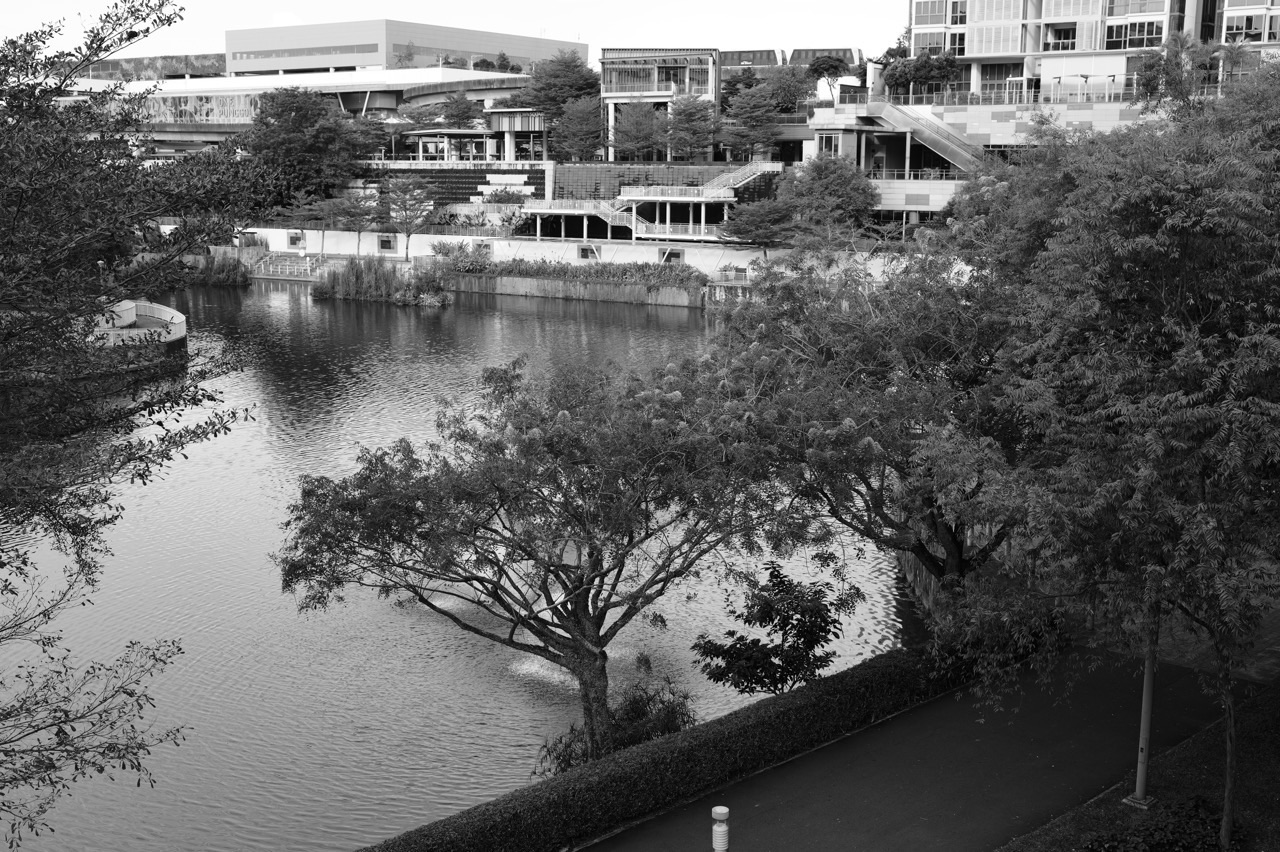
What can you do in Punggol for 30 days without getting bored? Give each day one small, different neighbourhood experience. You might start with a short walk along Punggol Waterway Park, visit Punggol Regional Library at One Punggol, try a local food centre, discover your nearest LRT neighbourhood, look at community art in Punggol Digital District, or invite a friend for an easy meal. The goal is not to spend money every day or complete thirty attractions. It is to learn how the town works, discover what you genuinely enjoy and build a few repeatable habits.
This 30-day Punggol activity plan is for families, residents who have lived here for years, new arrivals, teenagers, couples, people living alone and anyone who wants to enjoy Punggol beyond their usual commute. Each activity can be as short as ten minutes or as long as a comfortable afternoon. Some days focus on nature, others on food, community, local history, creative hobbies, libraries and everyday places. Most have a low-cost alternative, and none requires attending a fabricated event.
How to use the plan: Day 1 is whichever day you begin; it is not a claim about an event on a specific calendar date. Swap days around school, work, weather and access. Mark a day complete when you have done one meaningful small version. If a public venue is closed, the weather is unsuitable or the group would rather rest, postpone that activity. The idea is a month of curiosity rather than thirty days of pressure. Updated 17 October 2026.
The 30-day plan at a glance
| Week | Theme | Activities | What you should gain |
|---|---|---|---|
| Days 1–7 | Get to know your home area | Transport, food, Waterway, library, photography, rest | One or two easy local favourites |
| Days 8–14 | Discover the eastern neighbourhoods | East Loop, Oasis, Coral Edge, observation and family time | Better awareness of everyday Punggol |
| Days 15–21 | Explore northern/western Punggol | West Loop, Northshore, community, hobbies, greenery | New places without exhausting travel |
| Days 22–28 | Look at the bigger story | Punggol Coast, history, public art, games, eco-friendly habits | Creative and cultural appreciation |
| Days 29–30 | Connect and choose what to repeat | Friends, a personal local map and small review | A sustainable leisure rhythm |
The five rules that keep a Punggol challenge enjoyable
One small experience is enough
If the day calls for a Waterway activity, a ten-minute safe view can count. If it calls for books, browsing a page or choosing a title can count. The programme is not a step-count challenge or a contest to collect thirty photographs.
For households with young children, some days may consist of only a quick observation on the route to an errand. That is a full participation, not an inferior version.
Follow the actual location and operator
Punggol is a large town with two North East Line MRT stations and two LRT loops around residential areas. An activity at One Punggol is not the same destination as one at Punggol Coast Mall. A venue appearing in a previous article does not guarantee its current programme is open.
Choose the correct station, verify the specific entrance and operator hours, and check whether a class, specialist equipment or a group room needs registration.
Keep the outdoor option easy to replace
Outdoor days may be affected by heat, rain, lightning or haze. During poor conditions, change to reading, photo sorting, music, conversation or another appropriate indoor activity, or leave the day uncompleted and enjoy rest.
Use Meteorological Service Singapore weather and NEA/MOH air-quality guidance. This plan does not prescribe outdoor exercise or override anyone’s health needs.
Respect public spaces and other people
Punggol’s public parks, malls, libraries, gardens and paths are shared. Do not block the path to take photographs, pick protected vegetation, feed wildlife, use a library as an unbooked party room or treat a residential courtyard as a private attraction.
A neighbourhood challenge should make the town more welcoming, not make it inconvenient for its other residents.
Repeat what was enjoyable rather than forcing novelty
The first month is a trial. Some people may discover the library is their favourite third place, others a short walk, a neighbourhood hawker centre or one community group. You do not need a more complicated goal after Day 30.
Choose two repeatable low-friction activities that suit time, energy and money. That is a stronger outcome than exhausting every page in a local guide.
Week 1 | Find your own Punggol rhythm
Day 1: Choose your own Punggol starting point
Purpose: Find the nearest practical public transport stop, one safe public crossing and a simple route home. Use the actual address and an up-to-date map rather than assuming that every Punggol home is close to central Punggol MRT.
Do this: For a family, let an older child identify the correct station name or LRT code while adults handle real navigation. For an adult, save the official transit map or a familiar bus-stop name. The activity is complete once you feel more confident about one everyday journey.
Easy alternative: When travel is inconvenient, study the map at home and plan the actual route for another day. For practical details, read the related Punggol guide before relying on a particular venue.
Day 2: Take one short Waterway Park walk
Purpose: See Punggol’s riverine landscape without attempting every bridge or all four themed areas. Choose an open public path close to your usual route, keep a comfortable walking pace and use a straightforward turnaround.
Do this: Observe one bridge, planted bank or reflection from a safe place. Think about why people enjoy public space near water. Do not enter the canal, fish or step into cycling routes for a photograph. Finish early if heat, rain, haze or fatigue changes the day.
Easy alternative: Choose a suitable indoor public view or look at park photos from the local guide. For practical details, read the related Punggol guide before relying on a particular venue.
Day 3: Discover one useful food place
Purpose: Choose a local food or hawker option that would be genuinely useful during a normal week. A familiar meal near Punggol MRT, Oasis, Coral Edge, Northshore or Punggol Coast may be more valuable than travelling to a famous restaurant across town.
Do this: Ask whether it fits the household’s budget, dietary needs and convenient journey home. Enjoy the meal or browse the current listings without buying. Do not assume every stall is operating just because the overall centre is open.
Easy alternative: Plan a simple meal at home and save one current local food directory for later. For practical details, read the related Punggol guide before relying on a particular venue.
Day 4: Visit an appropriate part of Punggol Regional Library
Purpose: Choose one shelf or area at One Punggol that relates to a real interest: picture books, Singapore history, fiction, nonfiction or another suitable collection. An ordinary browse can be enough to make the library feel familiar.
Do this: Read a few pages or select a title, then check membership or loan arrangements if you want to borrow. Keep the visit within zone-specific rules. Do not confuse a book-browsing visit with a booked workshop or special library room.
Easy alternative: Choose one book or digital NLB resource you can access from home. For practical details, read the related Punggol guide before relying on a particular venue.
Day 5: Take one thoughtful Punggol photograph
Purpose: Choose a public object or landscape and photograph it from a safe angle. A Waterway bridge, planted area or everyday neighbourhood building is sufficient; you do not need expensive camera equipment.
Do this: Take a wide photograph explaining where it is, and one closer view of an interesting detail. Observe why each image communicates differently. Avoid capturing strangers intrusively or blocking shared paths for a better angle.
Easy alternative: Select an older personal photograph and write a caption about its location. For practical details, read the related Punggol guide before relying on a particular venue.
Day 6: Spend a few minutes in a calm public place
Purpose: Notice which surroundings help you enjoy a low-effort break. It might be an appropriate library area, a safe park bench, a public community space or a comfortable food stop.
Do this: Give yourself permission to sit, read or talk without adding another activity. Check access and seating rather than assuming one spot stays quiet or available all day. If the location is busy, move or finish.
Easy alternative: Create a little quiet leisure time at home instead. For practical details, read the related Punggol guide before relying on a particular venue.
Day 7: Take a recovery day and make a tiny favourites list
Purpose: One week of new things is enough to discover something useful about the town. Choose your favourite destination, the easiest journey and one experience that was less convenient than expected.
Do this: Write only three short notes: ‘I’d repeat…’, ‘I’d change…’ and ‘I’d like to explore…’. Do not fill the day with more sightseeing to make the challenge look productive. Relaxation is part of local life.
Easy alternative: Skip the writing and simply enjoy rest. For practical details, read the related Punggol guide before relying on a particular venue.
Week 2 | East Punggol, food, nature and friendship
Day 8: Learn the East Loop without trying every stop
Purpose: Find the Punggol LRT East Loop’s seven stations on an official map: Cove, Meridian, Coral Edge, Riviera, Kadaloor, Oasis and Damai. Decide which one is relevant to a place you might actually use.
Do this: Ride only if you have a practical destination and pay the applicable fare. Otherwise look up one station and the public neighbourhood around it. Do not assume every residential stop contains a major ticketed attraction.
Easy alternative: Use a map at home and choose a suitable future stop. For practical details, read the related Punggol guide before relying on a particular venue.
Day 9: See Oasis Terraces as a neighbourhood centre
Purpose: Visit the public areas of Oasis Terraces near Oasis LRT if convenient. Notice how food, shopping, landscaping and community facilities fit into the same setting.
Do this: Choose a current open retailer or food option and one short outdoor or public-space observation. Respect the polyclinic as a medical facility and check whether any play or garden feature is open before promising it.
Easy alternative: Read about the centre’s design or choose a similarly convenient local public space. For practical details, read the related Punggol guide before relying on a particular venue.
Day 10: Browse Punggol Plaza near Coral Edge
Purpose: Look at an everyday market-and-shopping environment rather than chasing a distant luxury attraction. Punggol Plaza is near Coral Edge LRT and has historically served the local community with groceries, food and shops.
Do this: Compare one practical item or meal choice within a set budget, then return. Vendors and individual hours vary, so do not rely on the existence of a market to promise a particular stall.
Easy alternative: Compare an online grocery list using reliable current prices. For practical details, read the related Punggol guide before relying on a particular venue.
Day 11: Ask a question about how Punggol changes
Purpose: Riviera and other parts of Punggol provide a visible example of infrastructure and housing evolving. The existing Riviera LRT is different from the future Cross Island Line connection; planned rail improvements are not present-day passenger services.
Do this: From lawful public space, notice one feature that already operates and one development shown in an official plan. Practise saying ‘currently open’ and ‘expected in the future’ accurately. Do not enter work sites or invent opening dates.
Easy alternative: Read a current LTA planning update at home. For practical details, read the related Punggol guide before relying on a particular venue.
Day 12: Take a tiny nature observation walk
Purpose: Choose a safe public area near Waterway East or your own neighbourhood and look at planted landscapes for five or ten minutes. You do not need Coney Island or a long hike to notice nature.
Do this: Find one taller tree, one shrub and one ground plant. Describe what you see rather than guessing exact species. Leave wildlife alone and stay on public paths.
Easy alternative: Use a reliable nature photograph or field guide indoors. For practical details, read the related Punggol guide before relying on a particular venue.
Day 13: Make one market-to-table family meal
Purpose: Turn an ordinary grocery trip into a pleasant family activity: choose a simple dish, decide on a spending limit and compare ingredients from currently operating shops.
Do this: Children can read price labels or help choose produce appropriate to their age. Food preparation, raw ingredients and knives require adult safety supervision. The aim is a meal and conversation, not a forced nutrition assessment.
Easy alternative: Cook with ingredients already available at home. For practical details, read the related Punggol guide before relying on a particular venue.
Day 14: Invite someone for one short local activity
Purpose: Share a comfortable part of your neighbourhood with a friend or relative. It might be a meal, an accessible public walk or reading at a suitable location. One exact meeting point is much better than ‘meet in Punggol’.
Do this: Agree on budget, time, supervision if children join and a return-home plan. Let the guest pick the mood: active, relaxed or indoor. A short catch-up counts.
Easy alternative: Have a friendly phone call and plan a meet-up for another day. For practical details, read the related Punggol guide before relying on a particular venue.
Week 3 | West Punggol, community and creative time
Day 15: Learn the West Loop on the map
Purpose: Locate Sam Kee, Teck Lee, Punggol Point, Samudera, Nibong, Sumang and Soo Teck on the West Loop. Ask which stop is most useful for a part of town you have not visited.
Do this: Choose one station as a future access point, not a requirement to visit all seven. Remember that Punggol Coast MRT is a separate North East Line stop and the similarly named Punggol Point Park is currently under upgrading.
Easy alternative: Check the West Loop guide and save one address for later. For practical details, read the related Punggol guide before relying on a particular venue.
Day 16: Try One Punggol as a community rather than shopping stop
Purpose: Observe how One Punggol brings reading, community programmes, everyday services and hawker food into one neighbourhood hub. The building is more than a backdrop for photographs.
Do this: Browse a current event listing or visit an appropriate public facility, following opening and use rules. Do not assume a private room, class or sports court is immediately available without booking.
Easy alternative: Explore the current onePA or library pages from home. For practical details, read the related Punggol guide before relying on a particular venue.
Day 17: Discover Northshore Plaza or a nearby public spine
Purpose: Choose an open Northshore Plaza food or shopping option near Samudera LRT and notice how a public community spine connects homes and the northern district. It shows a different side of Punggol’s planned environment.
Do this: A short meal or public walk is enough. Do not treat Punggol Point Park, which is under upgrading, as an open extension of the trip. Check the exact public route and individual shop operating times.
Easy alternative: Read the West Loop and Northshore guide before a future visit. For practical details, read the related Punggol guide before relying on a particular venue.
Day 18: See a garden without disturbing it
Purpose: Choose a lawful public garden or landscaped space where visitors are allowed. Punggol has a therapeutic garden within Waterway Park as well as community gardening activities that may have participant or plot-owner restrictions.
Do this: Enjoy one short plant or butterfly observation. Do not harvest from a public or community plot or assume allotment areas are open workshops. Look for signage and respect gardens as places people actively care for.
Easy alternative: Try a safe home plant observation or read the garden guide. For practical details, read the related Punggol guide before relying on a particular venue.
Day 19: Try one creative activity without a big commitment
Purpose: Draw a bridge, write a short story, fold paper or try a simple safe music rhythm at home. An activity can be creative even without a formal class or expensive supplies.
Do this: If you want a course, use onePA or a provider’s current information to find the real date, age limits and price. Do not infer a class vacancy from its past advertisement. The value today is learning what you enjoy.
Easy alternative: Listen to a piece of music and write a three-line response. For practical details, read the related Punggol guide before relying on a particular venue.
Day 20: Make one weather-proof indoor day
Purpose: Deliberately identify a rainy-day fallback you could actually use on a future weekend. A library, suitable indoor public space or a home hobby may fit more reliably than an outdoor plan that depends on the sky.
Do this: Check current facility hours, access restrictions and travel. If the weather is currently good, you can still test the plan by browsing a library or enjoying an indoor game. A robust lifestyle includes options for different conditions.
Easy alternative: Stay home and read, draw or play a simple game. For practical details, read the related Punggol guide before relying on a particular venue.
Day 21: Take a break and notice your new routine
Purpose: After three weeks, consider whether you enjoy Punggol differently. Which neighbourhood is easiest for a meal? Where can you walk for ten minutes? Which place would you recommend to a visiting friend?
Do this: Ask each family member for one favourite and one thing they no longer need to plan carefully. Do not rank people’s tastes or force agreement. The aim is finding a few choices that now feel familiar.
Easy alternative: Rest and leave the review for another day. For practical details, read the related Punggol guide before relying on a particular venue.
Week 4 | Modern Punggol, heritage and new experiences
Day 22: Visit the publicly open part of Punggol Digital District
Purpose: Take Punggol Coast MRT to the northern district, or another correct public approach, and examine one contemporary urban design detail. JTC identifies current public amenities around Punggol Coast Mall, while other elements remain phased.
Do this: Stay within open public pedestrian areas and pick one food or public-space stop. Do not infer that every SIT or business building welcomes casual visitors. Focus on one meaningful observation rather than trying to see an entire masterplan.
Easy alternative: Read JTC’s district guide and plan a later daytime visit. For practical details, read the related Punggol guide before relying on a particular venue.
Day 23: Look at Our Punggol Story mural
Purpose: At the Community Promenade, the documented 132m mural connects Punggol’s past and present through contemporary inclusive art. Find the currently accessible public approach and choose a small section to enjoy rather than rushing past the whole piece.
Do this: Notice one symbol, colour or historical contrast and read the artist credits. Art expresses interpretation rather than replacing historical photographs. Respect other pedestrians and privacy in photographs.
Easy alternative: Read the official mural story and sketch your own idea at home. For practical details, read the related Punggol guide before relying on a particular venue.
Day 24: Understand one part of old Punggol’s history
Purpose: Choose Punggol Stories at the Regional Library or the first open Punggol Heritage Trail section to learn about former kampongs, farming, the old road and redevelopment. This is a historically grounded activity, not a hunt for buildings that may no longer exist.
Do this: Select one documented image or interpretive sign and ask what changed. Distinguish fact, memory and artistic representation. JTC/NParks confirm the first 400m of the new heritage trail; do not presume the full planned alignment is open.
Easy alternative: Read NLB’s Punggol history resources at home. For practical details, read the related Punggol guide before relying on a particular venue.
Day 25: Try comics or games at Punggol Coast
Purpose: The NLB Comics & Games Library pop-up at Punggol Coast Mall offers a different kind of reading from an ordinary library visit. Choose one graphic novel or suitable tabletop game, following the actual self-service entry and seating rules.
Do this: With friends, read the rules before play and respect the shared tables. With children, choose material suited to their age. Do not assume a particular game is available or a group table can be reserved automatically.
Easy alternative: Enjoy a comic you already own or a simple home board game. For practical details, read the related Punggol guide before relying on a particular venue.
Day 26: Choose water play, water sport or just water views
Purpose: Punggol offers a choice between indoor water play at Splash @ Kidz Amaze, verified swimming lessons, booked guided kayaking and free public Waterway viewing. They are not equivalent in safety, age, cost or learning purpose.
Do this: You do not need to participate today. Compare which option fits the household and check the correct operator. If the group wants an easy activity, take a short dry public waterside walk in suitable conditions. Never assume the canal is open swimming water.
Easy alternative: Choose a water-themed book or indoor activity. For practical details, read the related Punggol guide before relying on a particular venue.
Day 27: Find one way to connect with the neighbourhood
Purpose: Look at an actual Punggol community club, library volunteer listing or onePA interest group and choose one that genuinely matches your interests. Music, art, brisk walks, gardening and other hobbies can create shared local life.
Do this: Save one organiser contact or ask about the next suitable session; there is no need to enrol the same day. Verify eligibility, fees, dates, location and whether the advertised activity is ongoing. A group based in Punggol might meet elsewhere.
Easy alternative: Make a friendly call or message to someone already in your circle. For practical details, read the related Punggol guide before relying on a particular venue.
Day 28: Try one low-waste Punggol habit
Purpose: Combine a simple shopping, repair or reuse choice with your existing routine. A reusable water bottle, correct recycling and avoiding unnecessary packaging are ordinary everyday actions that do not require expensive green products.
Do this: Choose one item you already own to maintain, reuse or donate appropriately. Check the actual recipient’s acceptance conditions before leaving things at a collection point. Do not place hazardous or electronic waste into an ordinary blue bin.
Easy alternative: Sort an item at home and check official disposal guidance. For practical details, read the related Punggol guide before relying on a particular venue.
Finish | Connect and make it yours
Day 29: Spend time with someone without a complicated programme
Purpose: Invite a friend, neighbour, child or family member for a meal, short walking conversation or book-and-games meet-up in a suitable place. Use one exact meeting point and an agreed finishing time; everybody need not enjoy the same activity.
Do this: Discuss a favourite Punggol discovery from the month and listen to the other person’s perspective. Respect privacy and group comfort, especially where children or seniors are joining. No paid ticket is necessary to make the day meaningful.
Easy alternative: Share one thoughtful message or phone call instead. For practical details, read the related Punggol guide before relying on a particular venue.
Day 30: Make your personal Punggol favourites map
Purpose: Choose the three places you would actually return to: perhaps a food option, a green space and a library or community area. Note the correct transport route and the reason each matters to you. The outcome is a usable personal routine, not a completed tourist checklist.
Do this: Write a tiny monthly plan such as ‘one short Waterway walk, one library browse and one shared meal’ with room for changing weather and family schedules. Skip activities you disliked and do not feel required to visit all the sites again.
Easy alternative: Simply remember your three favourites and give yourself a rest day. For practical details, read the related Punggol guide before relying on a particular venue.
Four ways to adjust the 30 days for your household
The busy working parent version
Do two or three of the days each week instead of all thirty consecutively. A ten-minute detour on a school pickup day can be enough; weekend family time and rest remain important. Do not make children stay outdoors in heat or haze just to complete a number on the list. The calendar is a source of choices, not a new obligation.
The teenager version
Choose the social, creative, food, comics or district-design activities that genuinely interest you. Agree with parents or caregivers on safe route, budget, companions and return time before going out. Independence is built gradually and does not require visiting distant isolated spaces.
The senior or mobility-conscious version
Focus on specific public facilities, seating, lifts and transport rather than broad assumptions about a park’s accessibility. One Punggol library or a suitable neighbourhood centre may be easier than a rustic nature trail, but each journey still needs a real route check. Replace longer outdoor days with short visits or indoor reading as preferred.
The person living alone version
Use the list to find two enjoyable solo activities and one optional social connection, not to fill every free hour. A reading break, quiet walk or community interest group can each be worthwhile. The programme should leave room for solitude, errands and rest without presenting them as failures.
How to handle days that cannot happen
Punggol’s weather and facilities are not fixed. An outdoor day may be unsuitable because of lightning, high heat or haze. A library room may have a particular registration or opening window. A new northern public path can be affected by continuing development, and Punggol Point Park is under upgrading. When one activity does not work, do not force the original plan or claim a closed facility is open. Use the indoor alternative, repeat a favourite safe activity or skip the day.
An ordinary family schedule may also change because a child is unwell, a parent is working or a household needs rest. The programme’s numbered days are flexible activity prompts rather than a thirty-day contract. It can take several months to complete every prompt, or you may stop early with enough ideas to enjoy Punggol. That is a practical success, not a poor outcome.
Frequently asked questions about 30 days of things to do in Punggol
Are these activities tied to particular dates?
No. Day 1 starts whenever you choose. The days are flexible prompts, not confirmed events scheduled for October or November 2026.
Is the whole programme free?
Many public walks and ordinary library visits have no entry fee, but transport, food, special activities and bookings can cost money. Choose low-cost or no-spend alternatives.
Do I need to do all thirty days without stopping?
No. Rest, rain, family commitments and changing interests are expected. Reorder or skip days as appropriate.
What is the easiest first activity?
Locate a useful local transport entrance or take a short suitable public walk near home. It is more important to make the experience comfortable than ambitious.
What if I have only fifteen minutes?
Choose one small observation, book browse, map check or phone conversation. The daily activity does not need to fill an hour.
Which Punggol MRT should I use?
Punggol MRT serves the central interchange, while Punggol Coast MRT serves the northern Digital District. Select the one nearest the actual destination.
Can I complete the plan without a car?
Many activities can be reached via MRT, LRT, bus or local walking, but check real individual routes, weather and accessibility.
What if I live near Samudera?
Begin with Northshore Plaza and West Loop activities that are convenient to your home. The numbered order can be rearranged to reduce travel.
Is Punggol Point Park open during the challenge?
It entered an upgrading closure in August 2026, so do not use older itineraries as proof of access. Follow current NParks notices and choose an open alternative.
Can I walk all of Punggol Heritage Trail?
JTC/NParks identified its initial 400m public stretch as open, with later phases planned. Check the current accessible portion and stay out of construction areas.
Do I need to register for library activities?
Ordinary library browsing differs from workshops, specialist equipment, rooms or facilitated programmes. Check NLB rules for your chosen activity.
What if there is haze?
Follow current NEA and MOH guidance and consider duration, exertion and individual health status. Replace outdoor activities or postpone when appropriate.
What if it rains?
Choose an open indoor option or stay home for a suitable hobby. Do not assume every outdoor route is sheltered or safe during lightning.
Is the plan suitable for young children?
Yes when adults choose age-appropriate, supervised, short activities with rest and food needs in mind. Not every activity is suitable for every age.
Can teenagers do the plan independently?
Some activities may fit older students with suitable family permission, clear boundaries and transport arrangements. Age and individual readiness differ.
Can grandparents take part?
Yes with suitable route, seating, toilet and mobility checks. A short library or neighbourhood-centre stop may be preferable to a long path.
Do I need special camera or sports equipment?
No. The programme is designed around ordinary observation, public places, simple books and optional activities. Operator-specific sports require their own equipment rules.
Can I replace a water-play day with a park walk?
Yes. Enjoying the Waterway without entering it is a valid water-themed activity. A public canal is not a swimming pool.
Can I take photographs of people during the programme?
Respect privacy and obtain appropriate consent, especially for children. Do not block public paths for a staged photograph.
Should I choose a new place every day?
No. Repeating a useful or enjoyable place helps create a local habit. Some days deliberately focus on familiar places from a different perspective.
Can the challenge help a child learn?
It can offer opportunities for language, maps, budgeting and observation, but there is no need to turn every outing into an exam or worksheet. Enjoyment comes first.
How do I discover live community events?
Use current onePA and operator pages, check actual venue, date, eligibility and registration. These prompts do not certify an event is happening today.
What should I do if the household dislikes half the activities?
Drop those activities. The goal is to find what fits your interests and constraints, not prove completion.
How is this different from a list of 30 attractions?
Each day provides a simple purpose, one manageable activity, an alternative and a route to more detailed reading. It is a flexible month-long local habit builder.
Where can I explore more Punggol subjects?
Use the Punggol complete guide and lifestyle planner for broader place and activity information.
The Punggol guides behind these thirty activities
- Punggol Complete Local Guide — the broader hub.
- Punggol Lifestyle Planner — time, cost, weather and energy decisions.
- First Weekend in Punggol — a short newcomer route.
- Punggol Waterway Park — park facts and paths.
- Punggol Regional Library — hours and reading spaces.
- Punggol LRT East Loop Things to Do — seven eastern stops.
- Punggol LRT West Loop Things to Do — northern and western stops.
- Punggol Digital District — current public precinct amenities.
- Public Art and Creative Walks — mural and visual culture.
- Punggol History Lovers — library and trail heritage.
- Punggol Reading and Games Day — comics and tabletop activities.
- Music, Dance and Drama in Punggol — real community course leads.
- Eco-Friendly Things to Do in Punggol — gardening, reuse and low-waste choices.
- Punggol Market-to-Table — family groceries and food discovery.
- Punggol Nature Without Hiking — short green outings.
- Punggol Community Lifestyle — social and volunteering paths.
- eduKateSG Primary Schools in Punggol — school journeys and neighbourhood learning.
Official sources and updates
For current information use NParks Punggol Waterway Park, NParks Punggol Heritage Trail, JTC Punggol Digital District, NLB Punggol Regional Library, People’s Association One Punggol, LTA rail map, onePA current courses and events, NEA haze advice and MSS weather. This is a flexible 30-day activity programme, not a live list of event confirmations. Updated 17 October 2026.


