
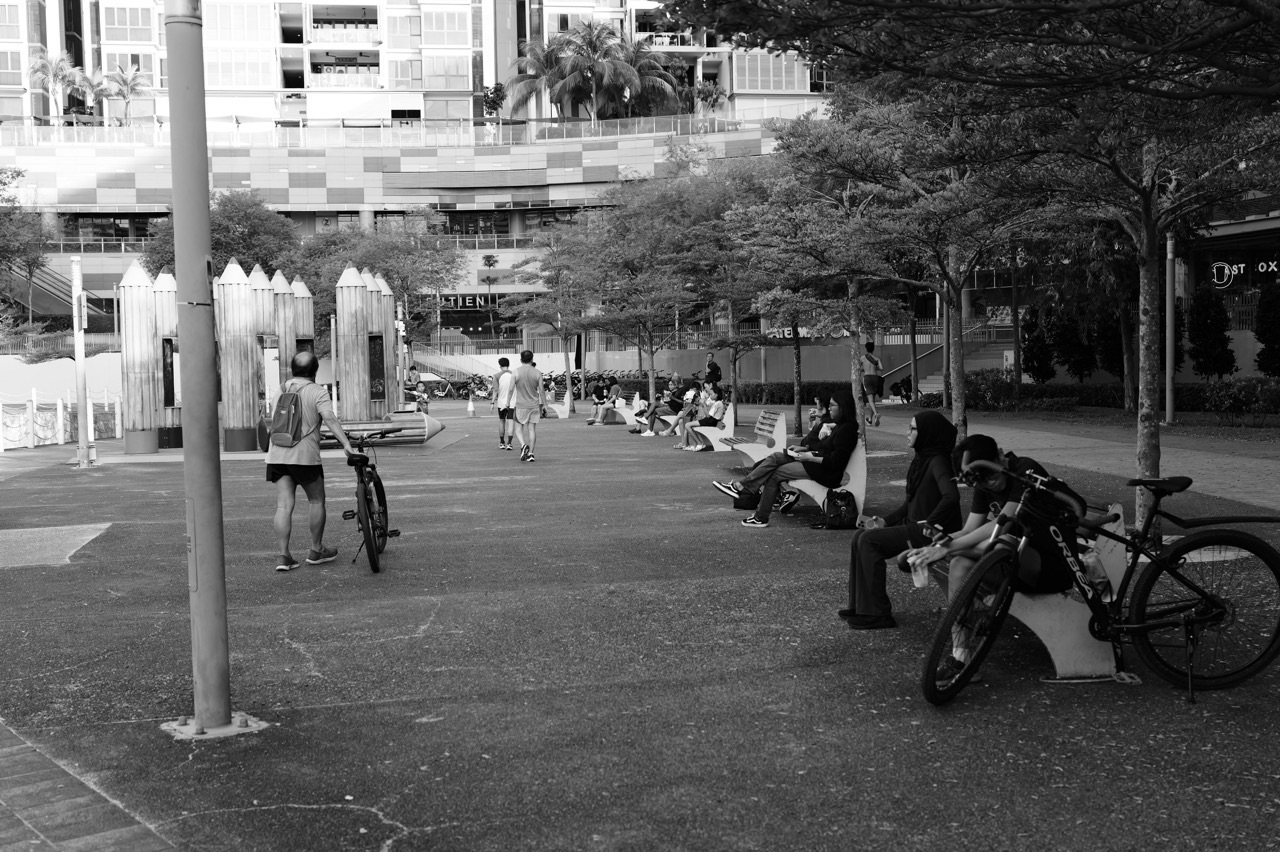
Looking for calm things to do in Punggol? Start with a short, familiar section of Punggol Waterway Park, an appropriate library space at One Punggol, or an uncomplicated meal followed by a quick walk. For a lower-sensory outing, choose a place with a clear entrance, predictable return route, nearby seats and an easy way to leave early. Punggol Regional Library has accessible features, including Calm Pods, but individual facilities have eligibility, availability and usage conditions. No public space is guaranteed silent or sensory-friendly at every hour.
Quiet places in Punggol for families, adults, seniors and visitors are often not secret locations. They are ordinary places used at a less crowded time, with fewer stops and more control over noise, light, walking distance and waiting. You can enjoy nature without a long hike, visit the library without attending a programmed workshop, or see Punggol Coast without exploring the whole district. This practical 2026 guide explains how to choose a calmer-feeling outing without assuming that one person’s comfort matches everyone else’s.
Updated 17 October 2026. A ‘low-sensory’ plan here means a visitor-designed way to reduce avoidable stimulation. It is not a clinical classification, accessibility certification or guarantee of quietness. Facilities can become noisy, lights and crowds vary, and weather or haze can make an outdoor walk unsuitable. Always check current operator notices, including the upgrading closure of Punggol Point Park.
Punggol calm-outing chooser: start with the need, not the attraction
| What would help today? | Try this Punggol base | Keep the outing manageable | What could change? |
|---|---|---|---|
| A quiet-feeling place to read | Punggol Regional Library at One Punggol | Choose an age-appropriate area and set a short visit | Events, occupancy and area-specific hours |
| A short break from screens | Central Punggol Waterway Park | Take one waterside segment with a return point | Heat, rain, haze and shared path traffic |
| Somewhere with a predictable exit | Punggol MRT / One Punggol cluster | Agree to one simple stop, not several | Busy station peaks or queues |
| A calm conversation with another person | One confirmed open food or seating option | Prefer a short visit away from rush hours | Music, seating and commercial rules |
| Low-demand nature observation | Known open Waterway stretch | Look, listen and turn back early | Weather, path condition and lack of shade |
| An alternative to a busy afternoon | Library or suitable indoor public area | Verify access before travelling | Room restrictions and crowded periods |
| A quiet-looking district photo opportunity | Accessible public parts of Punggol Coast | Choose one point and leave a margin for travel | Phased openings, groups and events |
Why ‘quiet’ is a plan rather than a place
Noise changes by hour and by activity
A waterfront can sound peaceful in photographs but feel busy when bicycles, scooters, joggers and families share the same stretch. A library can be calm when people are reading and much more animated when a workshop or school group is present. A mall can be convenient yet challenging during a dinner rush. Naming a destination therefore cannot tell a reader how it will feel at a specific time.
Use a controllable plan: visit during a period that usually works for your household, keep the first stop short, locate the exit before settling in, and accept that a change of plan is normal. Do not frame a noisy moment as someone doing leisure ‘wrong’. Public spaces support many legitimate users.
Predictability matters more than covering ground
People often plan outings around what there is to see. A calm outing works better when it is organised around what can be controlled: how to arrive, how long to stay, whether a seat exists, what happens if a child wants to leave, and how to get home. For a family, two nearby options with a simple exit can be more useful than a famous attraction across town.
A five-minute arrival ritual helps. Point out the chosen rest point, toilet option if needed and the agreed time to leave. Give everyone permission to say they have had enough. The outing becomes more pleasant when the group does not fear being trapped in a timetable.
A calm day is not the same as an empty day
Some people want movement; others want stillness. A person might enjoy watching birds from a safe distance, sketching a bridge, browsing a book, sharing a small meal or walking while talking. The quality of the experience depends on preference and suitability, not how many attractions were covered.
Try choosing one sensory focus at a time: a visual detail, a short paragraph in a book, a comfortable stretch of walking, or a simple conversation. Nobody has to do formal breathing exercises, mindfulness activities or other techniques unless they actually want to. This is ordinary lifestyle planning, not treatment.
Mobility, energy and sensory preferences can overlap—but are not identical
A person can be sensitive to crowds and have no trouble walking. Another can enjoy lively places but need frequent seats or step-free travel. Children, adults and older visitors all differ. Do not decide that someone needs a particular outing because of their age or a diagnosis. Ask what would make the visit easier today.
A practical question is, ‘Would you rather have a short walk, a book, a meal, or go home?’ Follow it with ‘What is the hardest part?’ This avoids offering a supposedly inclusive plan that ignores the person’s actual preference.
Uncertainty grows when plans depend on special facilities
Punggol Regional Library includes accessible features. However, the existence of Calm Pods or assistive options does not entitle every visitor to immediate use without checking conditions. Similarly, a planned sports space, a new commercial outlet or a future walking connector cannot be assumed open because it appears in an article or map.
Separate confirmed public access from bookings, eligibility and expected future openings. The site’s Punggol library accessibility guide is the relevant detail owner. In this page, the library is a possible quiet-feeling option, not a promise of a particular reserved space.
Being able to end early is an achievement
A short outing that everyone enjoyed is not a failed long outing. If a family returns home after fifteen minutes because the park is noisy or someone is tired, that is useful information about what works. Next time they can try a different time or a different base. This kind of feedback builds a sustainable neighbourhood routine.
A good practical exit rule is to choose the route home before setting off. The default plan should not require expensive tickets, repeated transfers or a long exposed walk that must be completed. The flexibility itself is one of Punggol’s most useful lifestyle advantages.
Four Punggol places and how to use them gently
The central Waterway: use a short segment, not the entire route
Punggol Waterway Park runs through the town and NParks lists it as open 24 hours, with four themed areas: Nature Cove, Recreation Zone, Heritage Zone and Green Gallery. That does not mean every point is equally quiet, shaded, step-free or convenient at every hour. The best calm outing starts near the access point you know, rather than trying to complete all four zones.
Choose a short out-and-back walk close to public transport or home. Stop somewhere safe where you are not blocking cyclists or joggers, take a few minutes to look at the water or planting, then return. On very hot afternoons, shorten the route. When there is lightning or unhealthy haze, swap to an appropriate indoor plan. See the detailed Punggol Waterway Park guide for route-specific information.
One Punggol: the library is useful without a programme
One Punggol combines community functions with Punggol Regional Library. The library includes accessible resources and features, including Calm Pods and accessible borrowing services, as public agencies have described. A visit can be as simple as browsing one shelf, selecting a picture book or reading quietly for twenty minutes; there is no requirement to attend a workshop to enjoy a library.
Each zone can have different hours, rules and user needs. A children’s collection is not the same environment as a reserved quiet Study Zone. Ask staff or check current NLB guidance when a special accessible facility is essential. Do not assume that a feature is free to use at will, suitable for all visitors or available on arrival.
Punggol Coast: newer public spaces need a flexible expectation
Punggol Coast brings modern buildings, Punggol Coast Mall, public art and the first opened section of Punggol Heritage Trail into one part of the town. JTC confirms the trail’s first 400m is public, while later connections are phased. If a visitor enjoys architecture or a carefully chosen urban walk, this can be a refreshing change from the central town—but mall crowds and daytime work activity may make the experience busier than expected.
Keep to completed public paths, avoid worksite boundaries, and do not plan a complete 1.3km heritage route as if it were already accessible. Check opening and walking access before relying on the district as a calm destination. The Punggol Digital District guide explains the broader place.
Coney Island and Punggol Point: why not every green route is a low-effort route
Coney Island offers a rustic outdoor experience and is open 7am–7pm, with uneven natural areas that will not suit every visitor. It can be absorbing for nature lovers, but it is not the simplest default for someone seeking a short quiet break with nearby indoor facilities. Punggol Point Park, meanwhile, is undergoing upgrading works; an old sunset itinerary can send visitors toward a closed area.
Choose Coney Island only when daylight, weather, mobility and preparation fit. Do not use it as an assumed alternative to a crowded library. For current northern waterfront closures, follow Punggol Point upgrading guidance. Calmer does not automatically mean more remote.
Low-pressure activities that give people something pleasant to do
1. One-bench pause
Try this: Find a permitted seat along a convenient waterfront route. Sit, look at one part of the view and leave when ready. Practical boundary: Avoid stopping in the path of moving cyclists or walkers. The purpose is an easy, satisfying moment that can end without inconvenience. Revisit it only if it suits the person’s real preference.
2. Ten-page reading break
Try this: Read one short chapter or ten pages in an appropriate library area. Practical boundary: Respect NLB rules and pick a zone that suits the visitor’s age and needs. The purpose is an easy, satisfying moment that can end without inconvenience. Revisit it only if it suits the person’s real preference.
3. Single-bridge observation
Try this: On a safe public route, study the shape, reflection or railing pattern of one bridge. Practical boundary: Do not walk into a cycling line or blocked area for a photograph. The purpose is an easy, satisfying moment that can end without inconvenience. Revisit it only if it suits the person’s real preference.
4. Two-colour sketch
Try this: Draw only two colours observed in a plant, building or water surface. Practical boundary: It can be done seated; the drawing need not become a finished project. The purpose is an easy, satisfying moment that can end without inconvenience. Revisit it only if it suits the person’s real preference.
5. Quiet meal conversation
Try this: Choose one familiar open food location and talk without a busy agenda. Practical boundary: At a commercial venue, observe ordering and seating rules and check noise at the time. The purpose is an easy, satisfying moment that can end without inconvenience. Revisit it only if it suits the person’s real preference.
6. One-photo memory
Try this: Take one photograph you would like to remember from this afternoon. Practical boundary: Do not photograph strangers closely without regard for privacy. The purpose is an easy, satisfying moment that can end without inconvenience. Revisit it only if it suits the person’s real preference.
7. Sit-and-listen moment
Try this: Notice the difference between traffic, footsteps, leaves and water without making a game of getting an answer. Practical boundary: If the sounds are unpleasant, move or finish; there is no obligation to stay. The purpose is an easy, satisfying moment that can end without inconvenience. Revisit it only if it suits the person’s real preference.
8. One-shelf library browse
Try this: Pick one genre or shelf rather than walking the whole building. Practical boundary: Library activities and specialised rooms may have separate access arrangements. The purpose is an easy, satisfying moment that can end without inconvenience. Revisit it only if it suits the person’s real preference.
9. Two-person slow walk
Try this: Walk beside a friend or family member at the slower person’s pace. Practical boundary: Agree that the route ends at the next suitable turning point. The purpose is an easy, satisfying moment that can end without inconvenience. Revisit it only if it suits the person’s real preference.
10. History-in-one-question
Try this: On accessible public ground, ask how Punggol’s waterfront or an old road changed over time. Practical boundary: A question is enough; do not demand a research presentation. The purpose is an easy, satisfying moment that can end without inconvenience. Revisit it only if it suits the person’s real preference.
11. Small nature description
Try this: Describe a leaf or bird without needing to name its species. Practical boundary: Do not handle wildlife or take plants from protected areas. The purpose is an easy, satisfying moment that can end without inconvenience. Revisit it only if it suits the person’s real preference.
12. Short creative notebook
Try this: Write three sentences: what you saw, what changed, and what you might return for. Practical boundary: Do not turn the exercise into a school mark or a productivity target. The purpose is an easy, satisfying moment that can end without inconvenience. Revisit it only if it suits the person’s real preference.
13. Five-minute map check
Try this: Find where you came from and the simplest route back. Practical boundary: Use a map as an aid, but keep an adult responsible for a child’s safety. The purpose is an easy, satisfying moment that can end without inconvenience. Revisit it only if it suits the person’s real preference.
14. Library-to-lunch combination
Try this: Make a quick library visit the only planned activity, then eat somewhere convenient. Practical boundary: The meal is a flexible finish, not another destination to rush toward. The purpose is an easy, satisfying moment that can end without inconvenience. Revisit it only if it suits the person’s real preference.
15. Indoor alternative on a hard day
Try this: Use an appropriate open indoor location or return home for a quiet hobby. Practical boundary: There is no special merit in forcing an outdoor activity through heat, haze or a storm. The purpose is an easy, satisfying moment that can end without inconvenience. Revisit it only if it suits the person’s real preference.
16. Routine reset with a friend
Try this: Agree to meet at the same familiar place for a short chat every few weeks. Practical boundary: Consistency and consent matter more than an ambitious list of things to do. The purpose is an easy, satisfying moment that can end without inconvenience. Revisit it only if it suits the person’s real preference.
Ready-made calm Punggol itineraries
The 20-minute reset near Punggol MRT
Find a known accessible stopping point near the central waterfront. Move slowly to a safe seat, observe one scene, then return by the same route. Set an exit time before leaving the station. A twenty-minute outing cannot accommodate an unpredictable queue, multiple attractions or a distant northern destination.
If the path feels busy, move to a comfortable alternative or leave. If weather warnings change, stay inside an open building or return home. The plan succeeds because nobody is compelled to finish a circuit.
The 45-minute One Punggol visit
Travel directly to the community/library building, check which library area is open and suitable, browse or read briefly, and finish with a simple drink or snack if wanted. This works for a reader, parent and child, or person who needs a low-demand break between errands.
Where a visitor relies on a Calm Pod, borrowing aid or other specialist facility, confirm usage requirements first. Do not promise availability without it. A normal book-browsing visit can still be useful if a special facility is unavailable.
The 60-minute waterfront-and-meal afternoon
Choose a manageable central Waterway segment, spend twenty minutes outside in suitable conditions, then make one nearby meal or rest stop. The route ends where returning home remains easy. Keep the paid component flexible and agree on a budget.
For families, let the least comfortable person determine walking distance. When there is unhealthy haze, extreme heat or lightning, move the outdoor element indoors or simply do the meal and go home.
The 75-minute townscape change at Punggol Coast
Arrive at Punggol Coast MRT, follow confirmed public pedestrian areas, observe one piece of art or architectural detail and use a currently open food or shopping stop as a fallback. Aim for one small new experience rather than completing the whole district.
JTC’s longer Heritage Trail plan is still phased. Avoid restricted works. A district can be modern, interesting and occasionally noisy; the plan should stay flexible to the atmosphere on arrival.
Planning with different ages and preferences
For a child who becomes overwhelmed in busy places
Ask what the child finds difficult—crowds, unpredictable waiting, noise or a transition between activities—rather than inferring. Explain the plan briefly, allow a familiar comfort item where appropriate and choose a short first stop. A parent or caregiver stays responsible for supervision. An early exit is not a punishment or failure.
For teenagers seeking solitude without isolation
A quiet library browse or known safe walking route may offer independence. Agree on boundaries, transport and return time. The adult can be available without hovering over the teen’s entire experience. For a different style of independent outing, see things to do alone in Punggol.
For grandparents or less mobile visitors
Find out what type of route feels comfortable: flat access, seating frequency, shade, toilets, transport distance and step-free movement all matter. Do not equate ‘nature outing’ with ‘long walk’. The site’s things to do for seniors gives a broader perspective on gentle local activities.
For mixed-age families
Agree on one shared experience and one optional activity. A child might sketch while an adult reads nearby; the group can reunite for a snack. Keep everybody in appropriate supervised or agreed safe areas. A family trip becomes calmer when nobody must enjoy exactly the same thing in exactly the same way.
For adults protecting a bit of free time
Do not feel obliged to transform a park or library into a self-improvement project. A short walk, reading break or a comfortable meal can be sufficient. The after-work and after-school micro-activity guide offers 15-, 30- and 60-minute versions when time is the main constraint.
What can spoil a calmer outing—and the simple fix
| Common friction | Better plan |
|---|---|
| A crowd arrives after a programme starts | Leave the crowded zone or return at a different hour; do not assume quiet is guaranteed. |
| A child is hungry or tired | Eat or rest first; postpone sightseeing. |
| No seat is available | Use an alternative known accessible spot or end the visit. |
| You need a special facility | Check operator eligibility, hours and booking conditions before travelling. |
| The weather becomes unsafe | Follow rain/lightning and air-quality advice; move indoors or go home. |
| The first stop is too far away | Choose a nearer public area on this occasion. |
| A northern waterfront park is closed | Do not cross works barriers; use confirmed open alternatives. |
| The party disagrees about pace | Shorten the shared activity and provide an optional second stop for those who want more. |
FAQs about calm and quiet-feeling things to do in Punggol
Where is the quietest place in Punggol?
No reliable single answer applies at all hours. Libraries, sheltered community facilities and certain waterside stretches may feel calmer depending on crowd levels and timing. Start with a manageable short visit and keep an easy exit plan.
Is Punggol Regional Library sensory-friendly?
It has publicly described accessible features, including Calm Pods, but that does not mean every part is quiet or that a specific pod is automatically available. Check NLB’s current conditions and the site’s accessibility guide.
Can anyone use a Calm Pod without booking?
Do not assume so. Availability, priority and current use rules must be checked with library staff or NLB. Design the outing so it still works if the pod is unavailable.
Is Punggol Waterway Park open 24 hours?
NParks lists the park as open 24 hours, but visitors should choose appropriate routes, consider lighting and safety, and check current access notices. A park’s opening time is not a guarantee that every corner is suitable at night.
Is Coney Island good for a quiet afternoon?
It can be enjoyable for nature lovers, but its rustic ground and 7am–7pm opening window make it less suitable as an unplanned, low-effort fallback. It also has fewer indoor alternatives than central Punggol.
Is Punggol Coast quieter than central Punggol?
Not always. A newer district can be busy at meal and work peaks. Choose the part of the district you want and check current public access; never assume an entire planned heritage route is open.
What is a calm activity for a child after school?
A short reading break, simple sketch, small snack or easy walk may suit. Ask the child what would feel comfortable and avoid adding another compulsory educational task.
What if a child dislikes the outing?
Ask whether it is the noise, the distance, an unmet basic need or simply today’s mood. Offer a small choice and end early when needed. The aim is a pleasant shared activity, not compliance.
Where can I sit quietly near Punggol MRT?
Look for permitted seats in the station-adjacent public facilities or a suitable central waterfront area. Actual crowding and access vary; do not promise a permanently empty bench.
What is the best free low-sensory activity?
A short observation walk or a normal library browse can be inexpensive or free to enter. Transport, snacks or specific courses may still cost money. Free does not mean suitable for everyone, so check comfort and access.
Is a quiet outing the same as accessibility planning?
No. Sensory comfort, wheelchair access, visual accessibility and physical energy are different considerations. Ask the visitor what support is actually helpful and verify the relevant feature.
What should I do if it rains?
Do not force a park visit in unsafe weather. Choose an open indoor option suited to the group or go home. The Punggol rainy-day guide provides broader indoor options.
What if haze is bad?
Follow the latest NEA 1-hour PM2.5 and 24-hour PSI guidance according to activity and health status. An indoor alternative may be safer than outdoor exertion. Use the Punggol indoor haze options guide for local planning.
Can I cycle on every Waterway path or bridge?
No. NParks rules differ by path type, and some bridges and boardwalks prohibit cycling. For a calm walking activity, keep a safe distance from riders and respect shared-use signage.
How long should a first low-stimulation outing last?
There is no universal length. Fifteen to thirty minutes can be a reasonable planning trial when the group wants an easy exit. Adjust based on actual comfort rather than treating duration as a target.
Can Punggol Point Park be used for this plan in 2026?
Do not rely on old itineraries. The park entered upgrading closure in 2026, and reopening details should be checked on current NParks notices. Use a confirmed open destination rather than crossing barriers.
Can I use a public library for a group meeting?
Library zones differ and a quiet reading area may not be appropriate for talking. Check NLB meeting-space policies, bookings and group rules; a short conversation may fit better in another suitable venue.
Do I need to reserve something in advance?
Not for an ordinary short public walk. Special library equipment, activity rooms, workshops and paid venues can require reservations or eligibility. Verify the exact service instead of assuming.
What if a familiar place suddenly gets crowded?
Leave, take a quieter alternative or end the visit. A resilient plan has an exit and a second option, not an expectation that the whole public space stays the same.
Where do I find more general things to do in Punggol?
Start with the Punggol lifestyle decision planner or Punggol town guide. This article is the calm-preference branch of that wider ecosystem.
Connect this calm Punggol guide to the eduKate ecosystem
- Punggol lifestyle planner — the decision hub for budgets, weather, time and energy.
- Screen-free family activities — games, reading and nature prompts when families want a creative outing.
- Punggol library accessibility and Calm Pods — specifics and facility conditions.
- Punggol Waterway Park guide — the park’s actual routes and amenities.
- After-work and after-school micro-activities — time-limited local routines.
- Punggol community hobbies and events — options when a more social activity is wanted.
- Punggol rainy-day guide — indoor alternatives and wet-weather decision-making.
Official sources, access and update policy
For live conditions consult NParks Punggol Waterway Park, NParks Coney Island Park, MDDI’s explanation of NLB accessible library features, JTC’s Punggol Digital District public-amenity information, and NEA haze advisories. This information is current to 17 October 2026 but does not certify a location as quiet, sensory-friendly or accessible to every visitor.


