
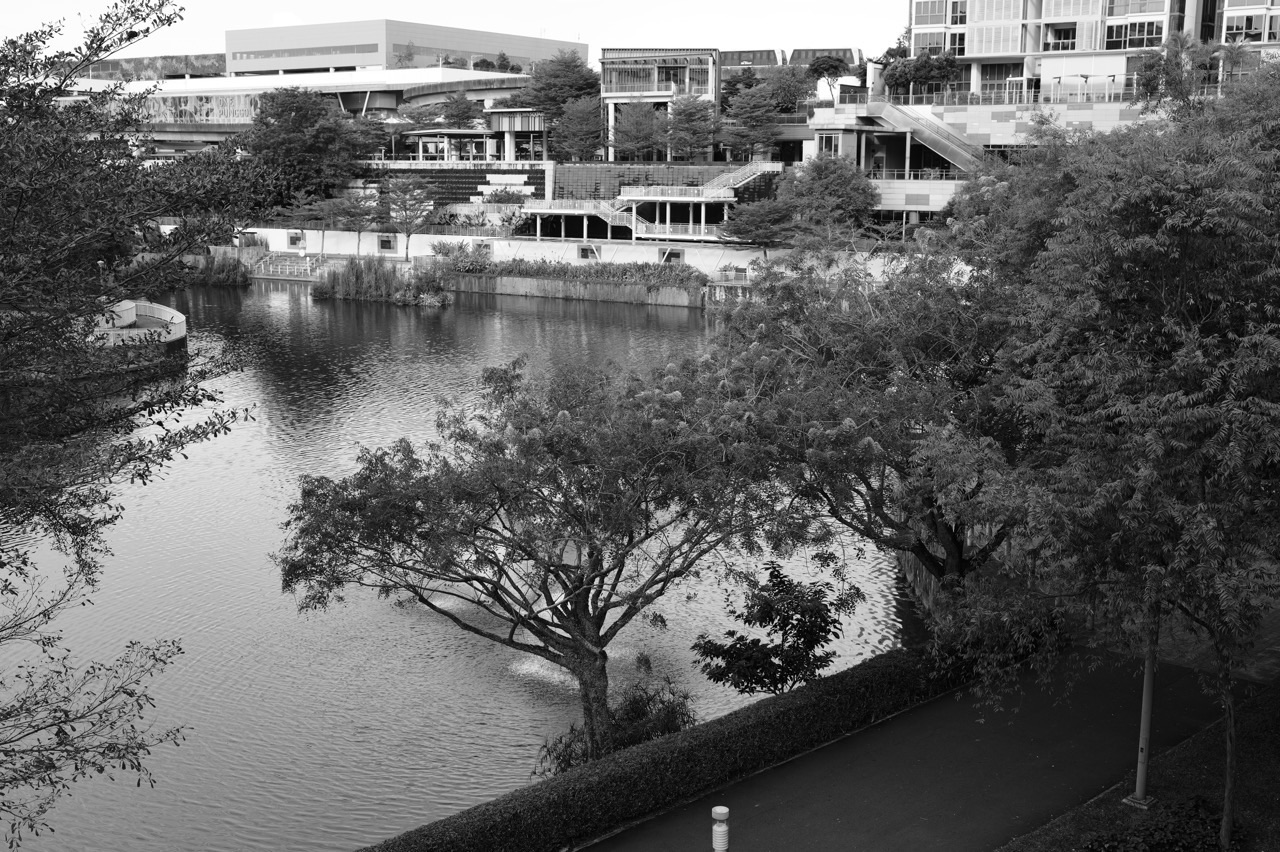
Things to do in Punggol are easier to choose when you start with the time you have, the weather outside, the money you want to spend and the energy of the people coming along. For a short, easy outing, combine Punggol Waterway Park with One Punggol or Waterway Point. For a different neighbourhood feel, take the MRT to Punggol Coast for food, public art, the first open stretch of the Heritage Trail and the Digital District. For a nature-heavy day, consider Coney Island during its official 7am–7pm hours. This is a practical lifestyle decision guide, not another ranking of the same attractions.
If you are planning a Punggol weekend, family afternoon, free activity, after-school outing, date or day with visiting relatives, pick one main activity, one nearby rest stop and one indoor fallback. Make a return-home decision before setting off. A good day does not need twelve stops: it needs the right stop for the people you are actually with. Use the quick-choice table, neighbourhood field guide and ready-made plans below, then follow the linked specialist guides when you need a specific venue, opening hour or route.
Updated 17 October 2026. This planner avoids two common traps: mistaking planned facilities for facilities already bookable, and using old waterfront itineraries that ignore the upgrading closure of Punggol Point Park. Attraction access, event registration, transport schedules, air quality and individual shops can change, so check the relevant operator before leaving home.
Punggol activities in 30 seconds: choose your afternoon
| Your situation | Best starting zone | Simple activity | What to check |
|---|---|---|---|
| 30–45 minutes and low energy | Punggol MRT / One Punggol | Library, short stroll or a drink | Library opening and pickup time |
| 90 minutes, good weather | Punggol Waterway Park | One waterside stretch and a rest | Rain, lightning, shared path etiquette |
| 2–3 hours, visitors in town | Punggol Coast | Mall, heritage stretch, public art, food | Which district shops are open |
| Nature-first half day | Coney Island | One designated trail and a picnic break outside | 7am–7pm hours and route conditions |
| Children need indoor options | One Punggol / Waterway Point | Reading, age-appropriate play and lunch | Age rules, programme registration |
| Friends want food plus something to do | Punggol Coast / Waterway Point | Meal, browse, games or cinema | Costs, availability and journey home |
| Healthy movement without a tough workout | Waterway / local PCN | Comfortable walk or gentle ride | Weather, smoke and path signage |
The actual decision: five questions before five destinations
How much usable time do we have?
Count the time available after travel, walking from the station, toilet breaks and the return journey. A nominal two-hour window may contain only one hour at the destination. Starting at Punggol MRT? Stay central when the available time is short. Already near Punggol Coast? Use that cluster rather than travelling backwards for a picture. It is tempting to optimise a route by how many pins can be placed on a map, but families experience queues, crossings and tired legs, not abstract straight lines.
Give the youngest or slowest member of the group the first say in timing. For a visitor, build extra time into finding the correct entrance. For a child after school, do not treat the full remaining afternoon as playtime; food, homework, rest and the journey back still matter. The honest answer to ‘Can we do both Coney Island and Punggol Coast?’ is sometimes ‘yes’ and often ‘not pleasantly today’.
What kind of energy are we bringing?
Energy is not the same as age. A teenager may want to sit after a long school day. A grandparent may be delighted to walk when the weather is gentle. A toddler can be excited at the start and suddenly need quiet. Choose an intensity band: seated and relaxed, slow walking with frequent stops, active walking or cycling, or a more demanding nature outing. Match one activity to the weakest energy point, not the most enthusiastic person.
There is no lost opportunity when an outing is shortened. If you begin at Waterway Park and everyone is content after one bridge, you have already done the activity. Put the next stop in the optional column rather than describing it as a task the group has failed to complete. This small change turns leisure into leisure instead of an accidental performance target.
How much do we want to spend?
Separate the cost of the activity from the cost of getting through the day. A park is free to enter, but drinks, snacks, transport, bike rental and a spontaneous meal are not necessarily free. A visit to a library may have no entry charge, but a paid workshop, cinema ticket or rented play facility changes the budget. Decide beforehand whether the objective is $0 discretionary spending, a low-cost outing with food, or a booked activity.
A useful trick is to choose one paid anchor at most. If the children are going to an attraction or course, let the remaining time be a free walk or a quiet rest. If the family wants a restaurant meal, let the entertainment be the view, conversation or a short stroll. Comparing the whole day’s likely cost is more useful than comparing one admission price against another.
What can the weather change?
Punggol is both a waterfront town and a place where quick tropical storms, heat and occasional haze can affect outdoor plans. Check short-term rain or lightning forecasts for immediate movement, then the NEA air-quality guidance when smoke is a concern. On a hot day choose a shorter and earlier walk. On a rainy day stay with a confirmed indoor destination, not a supposedly sheltered nature route based on an old photo.
Never take an outdoor itinerary as a promise. Coney Island’s designated paths are a nature experience and not a substitute for a weatherproof corridor. The Punggol Coast mall cluster, One Punggol library and Waterway Point can each provide an alternative activity, but separate opening times apply. The specialist Punggol rainy-day guide carries the indoor options; the haze outdoor-activity guide handles smoke-sensitive decisions.
What is the real return journey?
The last leg matters as much as the first. Which MRT or LRT station will you use? Is the family returning on public transport, walking, cycling or being collected? Are you carrying a stroller, a bag of groceries, a camera, spare clothes or children who may fall asleep? A route that looks perfect while everyone is fresh may feel much longer when the outing ends.
Choose a clear meeting point. ‘At Punggol’ is not a useful pickup instruction when there are several entrances, waterfront connections and interchanges. Name the exact station, mall entrance or community hub and keep a short return route in reserve. A day that ends smoothly is much more likely to become a family tradition.
Read Punggol as five everyday activity zones, not one long list
Punggol MRT, Waterway Point and the central waterfront
This is the low-friction zone for people who want choices. There is shopping and food, access to Punggol MRT/LRT, and walks beside the Waterway. Start here when the outing needs an easy indoor-to-outdoor switch. Look for a comfortable seating point before deciding how far to walk. For families with small children, that one decision may prevent a hurried trip back through busy paths.
Do not confuse the Waterway’s different bridges and themed areas with one single pedestrian loop. Some attractive bridges and boardwalks have restrictions for cyclists. If you intend to ride, read the current signage and NParks path rules. For specific routes and park features, hand off to eduKatePunggol’s Waterway Park guide.
One Punggol and the community-library cluster
One Punggol works especially well for a mixed-purpose visit: reading, community events, everyday services and a meal can happen in one neighbourhood. The Punggol Regional Library has different areas serving different ages and activities. A room or service existing in the building does not mean a programme runs all day; check the session, registration and age requirements when a particular activity matters.
Use the library for a short reading challenge rather than treating it as a mandatory study trip. For example, each person finds one fact about Punggol or chooses a book they would not usually open, then talks about it over lunch. Families can go deeper through the One Punggol venue guide and eduKateSG’s Punggol school journeys and family learning.
Punggol Coast, the mall and the Digital District
This cluster is useful when you want a contemporary town experience without trekking across the whole coastline. Punggol Coast MRT brings visitors to Punggol Digital District, where current community amenities include Punggol Coast Mall, a hawker centre and the first open section of Punggol Heritage Trail. There are places to eat, observe public art and consider how a town combines work, university life and public space.
Do not promise that the entire future 1.3km Heritage Trail is open. JTC describes the first 400m as open, with other connections being built in phases. Follow JTC and the site’s Punggol Digital District guide before attempting a longer heritage connection. The Punggol Coast Mall guide is the separate owner for current shopping details.
Coney Island and the nature edge
Coney Island is the strongest option in this planner for those who want nature to be the main event rather than a short add-on. NParks lists the park’s hours as 7am to 7pm, with entrances at the eastern and western ends. The experience can include quieter paths, natural habitats and observing wildlife from a safe distance. Plan a specific route, footwear and enough water before going.
Not every section is equally smooth or appropriate for every stroller and wheelchair. NParks notes that the eastern and western ends are more accessible, while rugged areas can be unsuitable for very young children or those with mobility issues. Keep to designated paths, do not feed animals, and give the outing enough daylight. If the group wants a simple afternoon rather than a full nature mission, central Punggol may fit better.
Northshore and Punggol Point approaches
The northern waterfront is a different mood from the middle of the town, with sea views, restaurants and paths that attract walkers and cyclists. However, an old guide to a restaurant or the shoreline is not evidence that every adjoining park and viewing deck is accessible. Punggol Point Park entered an upgrading closure in August 2026, with end-2027 as the published target period in local closure guidance.
Build any northern trip around a confirmed open destination and its access route, then treat additional exploration as optional. The Punggol Point closure guide is more useful than a listicle written before the works. This zone is also where separating ‘Punggol Point’ from ‘Punggol Coast’ saves considerable unnecessary movement.
Field guide: 18 ways to spend time, with one clear purpose each
1. A 20-minute waterside breathing-space walk
Do this: Walk gently on an accessible central Waterway segment, noticing bridges, shade and the feeling of a change of scene. Make it work: Do not turn the walk into a fitness test or demand a fixed step count. Stop at the first useful seat and agree on the route home. Who it fits: A lunch break, low-energy parent or anyone who needs a change from a screen. The point of the activity is to enjoy one small part of town attentively, not to rush to collect every landmark.
2. A one-chapter library visit
Do this: Go to Punggol Regional Library, choose a short reading target and leave with one interesting idea, not necessarily a pile of borrowed books. Make it work: The main collection, Study Zone and special programmes can have different opening and access arrangements. Check the part you intend to use. Who it fits: Schoolchildren between commitments, new residents and adults restarting a reading habit. The point of the activity is to enjoy one small part of town attentively, not to rush to collect every landmark.
3. A Punggol Coast public-space stroll
Do this: Use Punggol Coast MRT, observe the district’s public spaces and visit one confirmed food or retail option. Make it work: Stay within currently open pedestrian areas. The full future heritage network is not available merely because the masterplan exists. Who it fits: Friends seeking a different backdrop without committing to a full outdoor excursion. The point of the activity is to enjoy one small part of town attentively, not to rush to collect every landmark.
4. A waterway sketchbook session
Do this: Pick one static scene—a bridge, a tree line or a bench—and draw it for ten minutes. Make it work: Choose a safe stopping position away from moving cycles. Do not block paths for a photograph or sketch. Who it fits: Children learning observation, adults who want a quiet hobby and beginner artists. The point of the activity is to enjoy one small part of town attentively, not to rush to collect every landmark.
5. A three-question family nature walk
Do this: Ask everyone to spot something living, something built and something changed by the weather. Make it work: Let observations stay observations. If you cannot identify a bird or plant confidently, record its features rather than guessing. Who it fits: Primary-age children, multigenerational groups and families who prefer curiosity to a timetable. The point of the activity is to enjoy one small part of town attentively, not to rush to collect every landmark.
6. A hawker-centre conversation
Do this: Choose an affordable meal and use the table to share one interesting thing each person noticed during the week. Make it work: Stall operating days and seats vary. Set a modest budget and leave space for a real conversation. Who it fits: Friends and relatives catching up; people for whom food is the main attraction. The point of the activity is to enjoy one small part of town attentively, not to rush to collect every landmark.
7. A community noticeboard check
Do this: Visit a community hub or the current onePA listings and identify one upcoming course, interest group or event worth considering. Make it work: Booking, eligibility, fees and location must be confirmed on the actual organiser listing. A class in a calendar is not proof of an open drop-in. Who it fits: Residents who want to make more use of their neighbourhood without adding another app-driven hobby. The point of the activity is to enjoy one small part of town attentively, not to rush to collect every landmark.
8. An indoor art-and-reading afternoon
Do this: Use the library or an open public indoor area as the base, and pair reading with a drawing or note-making prompt. Make it work: Different rooms have different usage rules; a booking or organised workshop may be needed for making equipment. Who it fits: Families on a wet afternoon, curious teenagers, adults seeking low-spend leisure. The point of the activity is to enjoy one small part of town attentively, not to rush to collect every landmark.
9. An early morning park reset
Do this: Choose a short stretch before the day heats up and keep the route close to a comfortable return point. Make it work: Do not assume darkness or early opening is suitable for every park. Coney Island is not a 24-hour park. Who it fits: Parents before errands, walkers who prefer quieter paths, relatives who rise early. The point of the activity is to enjoy one small part of town attentively, not to rush to collect every landmark.
10. An easy bicycle discovery ride
Do this: Stay on designated cycle-friendly portions of the park connector, using safety signs and attention-zone markings. Make it work: Cycling is prohibited on selected bridges and boardwalks. Slow for pedestrians and check your equipment. Who it fits: Confident riders who enjoy seeing the same town at a different pace. The point of the activity is to enjoy one small part of town attentively, not to rush to collect every landmark.
11. A comics-and-games stop
Do this: Explore the eligible library or shop/game activity in the Punggol Coast area, then discuss what made it interesting. Make it work: Different operators may charge, require membership or book sessions. Confirm requirements before promising a free activity. Who it fits: Teenagers, friends and families looking for a social indoor option. The point of the activity is to enjoy one small part of town attentively, not to rush to collect every landmark.
12. A heritage question walk
Do this: On the confirmed open Heritage Trail stretch, ask how an older road becomes a contemporary pedestrian landscape. Make it work: Respect signs and do not enter incomplete sections or construction compounds. Who it fits: Parents, students, history lovers and visitors curious about Punggol’s changing identity. The point of the activity is to enjoy one small part of town attentively, not to rush to collect every landmark.
13. A gentle movement-and-recovery session
Do this: Choose a comfortable walk, stretch where appropriate, or simply sit outdoors before going home. Make it work: On days of poor air quality, lightning or high heat, select an indoor alternative and follow official advice. Who it fits: Office workers, caregivers and residents trying to make activity repeatable rather than heroic. The point of the activity is to enjoy one small part of town attentively, not to rush to collect every landmark.
14. A phone photo challenge
Do this: Select three perspectives on one scene: wide view, detail and a frame that shows the route. Make it work: Be mindful of other visitors’ privacy and avoid stepping into cycling lanes or disturbing animals. Who it fits: Friends, budding photographers and older children who enjoy creative prompts. The point of the activity is to enjoy one small part of town attentively, not to rush to collect every landmark.
15. A small shopping-and-errands loop
Do this: Choose one needed household item, one meal or drink and one leisure stop in the same cluster. Make it work: Shopping is not automatically a free leisure activity. Decide in advance what you actually need and what is browsing. Who it fits: Families with limited free time who want an errand day to feel less rushed. The point of the activity is to enjoy one small part of town attentively, not to rush to collect every landmark.
16. A family route-map game
Do this: Before leaving, ask one child to locate two landmarks, predict the travel sequence and identify the safer crossing. Make it work: Adults remain responsible for navigation and road safety. A child’s guessed route is a learning prompt, not instructions to follow blindly. Who it fits: Families turning everyday travel into geography and communication practice. The point of the activity is to enjoy one small part of town attentively, not to rush to collect every landmark.
17. A two-person listening walk
Do this: Walk slowly and take turns describing what has changed in the neighbourhood since your last visit. Make it work: Pick a route where both people can hear one another without standing in a busy shared path. Who it fits: Couples, friends and relatives seeking quality time without expensive entertainment. The point of the activity is to enjoy one small part of town attentively, not to rush to collect every landmark.
18. A no-reservation local discovery hour
Do this: Choose a known open public destination and permit one spontaneous detour if it is safe and accessible. Make it work: Spontaneity works best when there is a realistic stop time and transport route home, not when access restrictions are ignored. Who it fits: Residents who feel they know Punggol but have not noticed much beyond their daily commute. The point of the activity is to enjoy one small part of town attentively, not to rush to collect every landmark.
Four complete plans you can adjust rather than obey
The 45-minute between-commitments plan
Arrive at Punggol MRT, get a drink or browse a short section of the library if it is open, walk just far enough along the central Waterway to see something different, then return to the transport interchange. This works for a parent waiting during a child’s activity because it has a predictable finish. Its failure point is the temptation to add another bridge when the return time is already near.
If the afternoon turns stormy, omit the waterway and remain within a confirmed open indoor space. If the library’s relevant area is closed, make it a quiet food break. If the person you are meeting finishes early, stay at the agreed pickup point instead of sending them to find you. A small outing counts.
The 90-minute budget-friendly family plan
Begin with a shaded, manageable Waterway Park segment, pause for water, then visit One Punggol or a central indoor venue. Give each child a job: notice two different plants, explain one bridge shape, or choose a picture book. Adults do not need to provide a constant commentary. One question and some patient listening can be better than a running lecture.
Set the discretionary-spend budget before going, including the possibility of a snack. Bring water when convenient, and do not treat the absence of paid tickets as an absence of enjoyment. Swap the outdoor element for indoor reading or a covered activity if rain or haze changes the plan.
The Punggol Coast discovery afternoon
Travel directly to Punggol Coast MRT, identify a suitable food option, spend a little time looking at the district’s currently accessible public spaces, and use the first open Heritage Trail section for a brief history question. Keep shopping optional. A university-and-business district can be interesting simply to observe: buildings, shaded corridors, greenery and how people move.
Avoid claiming the full planned heritage route is complete. Give everyone a chance to choose between an outdoor public-space stroll and an indoor stop. If you are visiting with children, agree on a meeting point before the group enters a mall or disperses between shops.
The nature-first morning
Start at a time suited to the people in your group, choose one of Coney Island’s entrance approaches and follow NParks’ current maps and guidance. Carry water, respect opening hours and let wildlife observation replace the need to reach every beach section. A shorter designated trail can be an excellent outing even when the larger island exists on the map.
Return before closing time with daylight and energy in reserve. If a member of the group is unsteady on rough ground or a stroller cannot handle the terrain, choose a more accessible public waterfront instead. The wiser route is not the one that makes the longest distance; it is the one everybody can enjoy safely.
How to turn this into a weekly Punggol lifestyle instead of another checklist
A destination becomes part of daily life when the effort to arrange it is small. Choose a regular window—perhaps a Friday evening stroll, one weekend library visit or a monthly nature morning—but do not lock the family into the same activity regardless of conditions. Each week ask three questions: What did we enjoy last time? What felt too difficult? What would make next time easier? This is a better feedback loop than creating a larger to-do list.
For students, small excursions can connect school knowledge to the real town. Reading maps uses scale and direction; comparing buildings uses observation and vocabulary; noticing plants brings Science into daily life; discussing changes at Punggol Digital District opens conversations about careers and technology. See eduKateSG’s green learning and sustainability projects and Punggol school subject and CCA ecosystem for education-first pathways. The learning is a bonus, not a reason to turn a relaxed outing into a surprise test.
A household can use a simple rotation: one active outing, one quiet indoor activity, one social or shared meal, and one wholly unplanned rest day. The fourth option is important. A crowded school week does not create a moral obligation to do more leisure. Punggol’s amenities are useful partly because a good option can be close by when the family genuinely wants it.
Frequently asked questions about things to do in Punggol
What is the easiest thing to do in Punggol without planning?
Start at Punggol MRT and choose either a short Waterway Park walk or a suitable open indoor stop at Waterway Point or One Punggol. You have food, transport and alternatives nearby. Do not promise a particular programme, seat or outlet without checking availability.
What can I do in Punggol for free?
Punggol has public parks, waterfront routes, some library spaces and open public areas. Free access does not automatically mean free transport, free equipment, free courses or no spending on food. Decide whether the goal is truly zero discretionary spending or simply a low-cost day.
Which is better, Punggol Waterway Park or Coney Island?
Choose Waterway Park for flexible time, central access and the possibility of a quick indoor fallback. Choose Coney Island when wildlife, rustic natural terrain and a more deliberate daylight outing are the priority. Check each park’s current rules; Coney Island operates 7am–7pm.
Can we visit Punggol Point Park in October 2026?
Do not rely on an old itinerary claiming all of Punggol Point Park is open. The park entered an upgrading closure in August 2026, with an end-2027 target in the local closure guide. Recheck NParks’ most recent notices and separate park access from nearby commercial businesses.
Is Punggol Coast the same as Punggol MRT?
No. Punggol Coast is a separate MRT station serving the Digital District in northern Punggol. Punggol MRT is the central town interchange with LRT connections and Waterway Point. Pick the correct destination before you travel; the two neighbourhood experiences are not identical.
Is the whole Punggol Heritage Trail already open?
No. JTC describes its first 400m stretch as open; the longer trail is phased. Stay within accessible sections and never cross worksite barriers to connect two points that look joined on a future map.
What if our children are different ages?
Let the younger child’s attention span and the older child’s need for autonomy both shape the plan. One short outdoor exploration, a meal and a choice of reading or browsing often works better than forcing a single age-specific attraction on everyone. Verify the activity’s age rules.
What do teenagers do in Punggol?
Teens can combine movies, games, comics, food, walking, sport or a community programme, depending on preference and budget. Read the separate Punggol teenager activity guide for age-specific options. Agree on meeting points, spending and the journey home.
What about a rainy day?
Choose an indoor anchor rather than expecting an outdoor route to be fully sheltered. The library, malls and confirmed indoor activities offer possible fallbacks, but each service has its own timing and requirements. Check lightning safety and follow venue notices.
What about haze?
Use NEA’s current forecast and health advice to decide whether to reduce strenuous outdoor activity. Young children, seniors and people with heart or lung conditions may need additional care. Substitute an indoor activity when conditions warrant it; this is not a reason to abandon leisure altogether.
Is the new Punggol Regional Sports Centre available for bookings?
Do not assume it is bookable merely because the building is visible or completion is expected during 2026. As of the official information reviewed for this guide, the opening and actual inventory need confirmation through ActiveSG. Read the dedicated sports centre status guide.
Which Punggol area is best for food and a stroll?
Central Punggol is convenient for combining Waterway Point and waterside paths. Punggol Coast provides newer district food and public spaces. Northern seafront destinations have their own access constraints. Use the current food guide to choose actual options.
Can an elderly visitor enjoy Punggol comfortably?
Yes, if the route matches the person’s mobility, need for shade, seating, toilets and transport. A shorter outing with rest stops can be more enjoyable than a long nature circuit. Reconfirm accessibility for each specific facility rather than assuming the entire park or island has the same surface.
Can I cycle across every Waterway Park bridge?
No. NParks restricts riding on selected bridges and boardwalks, and pedestrian priority applies at many shared zones. Plan the ride using current cycling designations, dismount when required and slow for others.
Do I need to book Punggol library activities?
Ordinary library visits are different from equipment sessions, maker workshops, facilitated programmes and reserved seats. Some experiences have age restrictions or a separate booking route. Read the specific event or programme listing.
Is Punggol good for a quiet date?
A short walk, a shared meal, an outdoor view or a calm bookstore/library-adjacent afternoon can work well. Choose the mood you want and a wet-weather switch. If dinner is the centrepiece, verify the restaurant’s opening details independently.
How many places should I fit into one day?
For a first-time or mixed-age visit, one main zone and one optional second stop are often enough. More is not always better, especially with young children, hot weather or slow mobility. Reserve the final part of the day for a comfortable return.
How can an outing help a student learn without feeling like extra school?
Try one light observation question: what changed, how the route connects, or why an object looks the way it does. Listen first and let the child make a hypothesis. If they do not feel like discussing it, the walk can simply be a walk.
How do I discover current events in Punggol?
Use current organiser listings on onePA and the site’s Punggol events hub. Check the actual location, date, eligibility and payment. A group based in Punggol may organise an outing outside the town.
What should I check on the day itself?
Recheck the place is open, the route is accessible, the weather and haze are suitable, any tickets or registrations are valid, and the group knows how to return. These five checks take less time than rescuing a badly planned day.
Read the Punggol guides that own the detailed answers
This page is the decision-making layer. For venue lists and price-sensitive details, use the existing subject owners rather than relying on repeated or potentially stale summaries:
- Complete Punggol guide — the town-wide hub for transport, places and daily life.
- Things to do in Punggol — the destination overview.
- Punggol Waterway Park — specific park features and access.
- One Punggol community and library — venue-by-venue information.
- Punggol Digital District — newer north-Punggol amenities.
- Rainy-day things to do — indoor alternatives.
- Things to do with children — family-specific choices.
- Punggol food guide — where the meal belongs in the outing.
Sources and date discipline
Official reference checks: NParks Punggol Waterway Park, NParks Coney Island Park, JTC Punggol Digital District community amenities, NParks park connector safety, and NEA public haze guidance. For changing facilities, always prefer the newest official notice. This article provides lifestyle planning advice, not real-time confirmation of a booking or event.
Continue the Punggol lifestyle series
The activity choices above are the practical starting point. If your question is narrower, these companion articles go deeper without making this page repeat their details. Weekday timing, screen-free play and social belonging each need a different kind of plan.


