
What can a family do around Punggol’s markets and food centres? Begin at a genuine local food-shopping destination such as Punggol Plaza near Coral Edge LRT, where HDB identifies a supermarket, dry market and places to eat. Give each child one ingredient-finding task, compare quantities against a small shopping list, buy only what the household needs and bring the food home promptly. Later, an adult can guide a simple family meal using the ingredients. This makes a normal errand into a relaxed market-to-table Punggol family activity without inventing a special workshop or restaurant reservation.
Things to do with kids in Punggol involving food, budgeting and cooking do not need to cost more than the groceries already required. The point is to notice how food reaches a table: food retailers display ingredients, households make choices, safe handling protects people, and thoughtful planning can reduce waste. Coral Edge and Punggol Plaza are useful for market discovery; Oasis Terraces and Northshore Plaza can be practical alternatives for residents; One Punggol offers a hawker culture discussion but a prepared-meal centre is not the same as a fresh-food market.
Updated 17 October 2026. This is a food-culture and everyday-learning outing, not a claim that any specific stall has stock today. HDB’s official Punggol Plaza page supports the location and general facility description. Singapore Food Agency guidance governs food handling, including temperature control and separation of raw and ready-to-eat items. A parent should take responsibility for food hygiene, heat and sharp tools; children participate only in safe, age-appropriate parts of the experience.
Punggol market-to-table decisions at a glance
| Starting area | What is actually there | A family task | Remember |
|---|---|---|---|
| Coral Edge LRT / Punggol Plaza | Supermarket, dry market, eateries per HDB | Find two ingredients for a planned family meal | Stall-specific hours vary |
| Oasis LRT / Oasis Terraces | HDB neighbourhood centre with food and retail | Read labels and compare quantities | It is not a standalone wet market |
| Samudera / Northshore Plaza | New-generation shopping and community spine | Plan a short meal or supermarket errand | Do not promise each outlet is open |
| One Punggol | Hawker centre and regional library in a civic hub | Discuss how a dish is prepared and sold | Prepared hawker food is not raw-market shopping |
| Punggol MRT / Waterway Point | Central shopping and food choices | Make an itemised shopping list | Choose the store that actually stocks the needed goods |
| At home | Fridge, pantry, clean kitchen and meal table | Prepare a safe meal with adult supervision | Hygiene before educational fun |
Why Coral Edge is the first place to consider
HDB lists Punggol Plaza at Block 168 Punggol Field, near Coral Edge LRT (PE3). Its official description includes a supermarket, dry market and dining businesses. The value for this activity is that families can see different kinds of food retail close to everyday residential life: packaged groceries, fresh produce and prepared meals are distinct choices. That makes the outing more intellectually useful than promising children an abstract ‘market experience’ without a real location.
Begin by finding one food category from the list, perhaps vegetables, fruit or another household staple. Ask the child to compare visible colours, sizes and quantities without touching displays unnecessarily. If you intend to buy something, check the price and whether the family can use it soon. Vendor operating hours vary, and the existence of a dry market does not prove that every stall opens daily at the time of visit. See the Punggol Plaza and market guide for the detailed destination owner.
How to use neighbourhood alternatives without making false claims
Not every resident lives near Coral Edge. Oasis Terraces is a mixed-use neighbourhood centre directly connected to Oasis LRT, with retail and food services. Northshore Plaza is a new-generation neighbourhood centre near Samudera LRT, and Waterway Point offers a larger town-centre shopping experience. These can support a grocery list, comparison of packaging or meal planning even if they do not have the same kind of fresh-produce market as Punggol Plaza.
The article’s rule is simple: decide what is needed, choose a retailer that currently supplies it and go there. A child living near Northshore need not take several LRT trips just to see a supposedly superior market. Comparing the small convenience of an everyday shopping route with a longer journey is itself a lesson in time, effort and responsible planning.
Prepared hawker meals and raw ingredients serve different purposes
One Punggol’s hawker centre, together with Punggol Coast Hawker Centre, offers a different food discovery: how cooked dishes are presented, purchased and eaten in a shared public setting. A young visitor can examine menus, portions, prices and differences among dishes while respecting stall workers. That is cultural and consumer learning, not the same task as choosing raw ingredients to cook at home.
If the household wants to eat out, choose an actual operating stall and return trays according to the rules. If the goal is a kitchen project, buy suitable ingredients from a confirmed fresh-food retailer and go home to store them safely. Do not label a hawker outing as a public cooking class or imply visitors may enter kitchen work areas. The Punggol food guide owns specific dining discoveries, while this article handles how families learn from food as part of daily life.
Make the shopping list before leaving home
The first decision happens at the fridge, not in the market. Check which foods remain usable and which meals the family expects to eat over the next few days. Write a list that groups ingredients into essential, optional and already-owned. A child can help identify an ingredient that is missing or a duplicate item that should not be bought. This makes quantity a real decision instead of a school exercise invented after the shopping is finished.
Set a realistic spending range that reflects the household’s finances. Avoid demanding that a child find the cheapest product regardless of quality, diet, size or expiry date. In a family food outing, the objective is to choose what is safe, appropriate and likely to be consumed. Discounts and large packages are not savings when much of the food will be discarded.
Food safety comes before the story
Singapore Food Agency recommends purchasing chilled and frozen food last, using a cooler or insulated bag when necessary and returning home promptly to store cold food appropriately. Raw meat, fish and poultry should be separated from ready-to-eat foods to avoid cross-contamination. Check food packaging, the correct storage temperature and any instructions about use after opening. A hot afternoon wandering a waterfront with raw food in a bag is not the correct time for an extended leisure walk.
A good market-to-table visit therefore has two phases. Enjoy the leisurely observation and comparison before buying perishable food, then purchase chilled items near the end and travel home without unnecessary detours. At home, wash hands, clean surfaces, follow safe cooking methods and keep children away from risky tools. The meal itself should be safe before it is creative.
A child-friendly price comparison that is mathematically correct
Imagine two fictional packs of the same suitable ingredient. Pack A contains 600 grams for S$3.60; Pack B contains one kilogram for S$4.20. The unit cost of A is S$6 per kilogram because S$3.60 divided by 0.6 kg is S$6/kg. Pack B costs S$4.20/kg. On pure unit price, B is cheaper. However, if the family only needs 600 grams and cannot use the remainder before it spoils, B may create unwanted food waste.
This is an illustrative mathematics example, not a quoted price from any Punggol retailer. It teaches the important difference between cost per unit, total spend and usable quantity. Children can learn to calculate, while adults preserve the actual purchase decision. The Punggol Price Kaki guide covers practical shopping comparisons, and eduKateSG’s fractions and the meaning of a whole provides a broader mathematical connection.
Read food labels as information, not decoration
On packaged food, look for the product name, net quantity, ingredients, allergen declarations where required, expiry information and storage instructions. A product that says ‘keep refrigerated’ needs cold storage even if it looks fine from outside. A ‘best before’ or expiry message must be interpreted according to the actual label and food category, and opening a package can change how long the product can be stored safely.
Families need not teach an exhaustive regulatory lesson in the aisle. Ask one simple question: ‘What on this label helps us decide if this food suits our meal?’ It might be net weight, an ingredient relevant to an allergy, or instructions after opening. Do not encourage children to taste unpackaged samples or open sealed merchandise without the retailer’s permission.
Build a simple meal around three roles
For educational planning, divide a family meal into a staple or energy source, vegetables or fruit, and a suitable protein or other main ingredient depending on dietary needs. Singapore’s Health Promotion Board uses My Healthy Plate as a general balanced-meal visual guide, but actual household preferences, medical requirements and cultural cuisines vary. The useful skill is to recognise roles and make reasonable substitutions, not to label a familiar family dish as wrong.
A shopping conversation could be: ‘We have rice at home, so do we need to buy more? Which vegetable will we actually cook? Do we need something to complete the meal?’ The home cook then makes the final safe recipe choice. A child can rinse appropriate produce or arrange ingredients under supervision, while adults handle raw meat, hot equipment and knives.
A market outing can teach respect for the people doing food work
Markets and food courts are functioning workplaces. Retail workers, stallholders, cleaners, delivery riders and customers all have real tasks. A good family outing does not turn them into props for photographs or interrupt busy food handling to conduct an impromptu interview. Ask permission before photographing a worker or stall closely, keep aisles clear and be courteous when ordering.
Young children can learn why a queue forms, how a cashier reads a price or why produce is displayed in different sections. If someone asks a polite question and the stall is busy, accept that the worker may not have time to answer. The outing is more valuable when it creates empathy for the actual work behind food rather than demanding entertainment from people earning a living.
Kitchen participation should be matched to age and competence
Very young children may enjoy naming colours, counting items or helping set the table away from hot appliances. Older children can measure room-temperature ingredients or read a recipe under supervision. Teenagers with appropriate training can take on more complicated preparation. Adults are responsible for food hygiene, equipment condition, cooking temperatures and deciding when any activity is unsafe.
Do not create a public-market raw-tasting challenge or an unsupervised stove exercise to make the outing feel more educational. A safe meal and a pleasant family relationship matter more than completing a project. For students, practising a routine carefully teaches independence without making domestic life another graded subject.
Turn leftover ingredients into a plan, not a science experiment
NEA’s food-waste guidance emphasises preventing overbuying, over-ordering and overcooking. After preparing a family meal, assess what remains: ingredients that can still be stored safely, portions that should be refrigerated promptly and food that must be discarded if it is unsafe. A written plan for the next meal can prevent a well-intentioned shopping project from producing more waste than an ordinary errand.
Leftovers must not be assumed safe indefinitely. Follow Singapore Food Agency’s instructions on storage, separation and thorough reheating, including food-specific handling. Do not taste food that looks or smells spoiled to decide if it can be saved. Food safety is a firm boundary; reducing waste never justifies eating unsafe food.
The route home is part of the activity
Coral Edge, Oasis, Northshore and central Punggol serve different neighbourhoods. A family may be able to walk home with groceries, use the LRT or take a bus. Choose the route that keeps perishables safe and is manageable for the household, especially when a younger child is coming along. An elaborate multi-stop waterfront tour after chilled shopping is rarely worth it.
If the family wants a park walk as part of the same day, do it before buying perishable items or on a separate outing. The Punggol food-and-walk pairings guide handles leisure combinations. This article has a distinct priority: discovering ingredients and taking them from retailer to a safe home meal.
A real market-to-table itinerary: from Coral Edge to a family meal
Before leaving home
Check the fridge, agree on one meal and list ingredients with approximate quantities. Bring an existing shopping bag and an insulated container when chilled products are needed. Decide who is supervising children.
This first phase should take only a few minutes. It prevents the market visit from turning into unplanned spending.
At Coral Edge LRT
Follow the current public walking route to Punggol Plaza. Explain that this is a functioning neighbourhood centre with a dry market, supermarket and food outlets, not a tourist exhibit.
Check access and stall hours. Do not assume every shop opens continuously.
First look
Compare two kinds of fresh produce or ingredient packaging. Ask a child to name one visible difference that may matter to choosing a meal. Record a price only if it is displayed clearly.
Do not handle items unnecessarily or obstruct other customers.
Make the purchase
Choose only the planned useful quantity. Buy chilled and frozen food toward the end, keep it cold where required and return home promptly.
Adults check expiry, allergens, food quality and storage instructions.
At home
Put perishables away immediately. Wash hands and prepare a simple meal with age-appropriate assistance. Let a child count, measure or arrange non-risky ingredients.
Adults handle sharp tools, heat, raw meat and cooking safety.
After eating
Talk briefly about where the ingredients came from, whether the quantity was appropriate and what to do with safe leftovers. Clean up the kitchen.
No need to grade the child or turn dinner into a presentation.
Eighteen small learning prompts for a Punggol food discovery
1. Find a food category
Activity: Point out two ingredients with different uses. Care: Do not pick items up without permission. This is a quick family conversation prompt, not a formal lesson. Choose one or two that suit the child; the adult remains responsible for all food decisions.
2. Compare shape
Activity: Notice size or shape differences in produce. Care: Appearance alone does not establish nutritional value. This is a quick family conversation prompt, not a formal lesson. Choose one or two that suit the child; the adult remains responsible for all food decisions.
3. Read a unit
Activity: Distinguish grams, kilograms and millilitres. Care: Keep the unit attached to the number. This is a quick family conversation prompt, not a formal lesson. Choose one or two that suit the child; the adult remains responsible for all food decisions.
4. Compare two quantities
Activity: Ask how much the family really needs. Care: A larger pack is not automatically better. This is a quick family conversation prompt, not a formal lesson. Choose one or two that suit the child; the adult remains responsible for all food decisions.
5. Read a label
Activity: Find one storage or ingredient instruction. Care: A parent’s judgement controls safety. This is a quick family conversation prompt, not a formal lesson. Choose one or two that suit the child; the adult remains responsible for all food decisions.
6. Identify a pantry item
Activity: Check whether the ingredient is already at home. Care: Avoid duplicate purchases. This is a quick family conversation prompt, not a formal lesson. Choose one or two that suit the child; the adult remains responsible for all food decisions.
7. Notice food origin information
Activity: Read only origin information explicitly displayed. Care: Do not infer a farming location from a brand name. This is a quick family conversation prompt, not a formal lesson. Choose one or two that suit the child; the adult remains responsible for all food decisions.
8. Count a shopping total
Activity: Add two price tags in Singapore dollars. Care: Prices can differ at checkout. This is a quick family conversation prompt, not a formal lesson. Choose one or two that suit the child; the adult remains responsible for all food decisions.
9. Discuss opportunity cost
Activity: If we buy this extra item, what must change? Care: Avoid making children anxious about the family budget. This is a quick family conversation prompt, not a formal lesson. Choose one or two that suit the child; the adult remains responsible for all food decisions.
10. Sort essentials and treats
Activity: Describe why an item belongs on the list. Care: Personal preference is not inherently wrong. This is a quick family conversation prompt, not a formal lesson. Choose one or two that suit the child; the adult remains responsible for all food decisions.
11. Choose a reusable bag
Activity: Use one the household already owns. Care: There is no need to purchase another. This is a quick family conversation prompt, not a formal lesson. Choose one or two that suit the child; the adult remains responsible for all food decisions.
12. Check perishable handling
Activity: Identify which food must stay cold. Care: Buy cold food last. This is a quick family conversation prompt, not a formal lesson. Choose one or two that suit the child; the adult remains responsible for all food decisions.
13. Follow a safe recipe
Activity: Read one instruction at a time. Care: Adults supervise heat and equipment. This is a quick family conversation prompt, not a formal lesson. Choose one or two that suit the child; the adult remains responsible for all food decisions.
14. Count portions
Activity: Discuss how many people will eat. Care: Do not equate portion size with personal worth. This is a quick family conversation prompt, not a formal lesson. Choose one or two that suit the child; the adult remains responsible for all food decisions.
15. Understand an allergy
Activity: Find an appropriate label declaration. Care: Never guess food is safe for an allergic person. This is a quick family conversation prompt, not a formal lesson. Choose one or two that suit the child; the adult remains responsible for all food decisions.
16. Keep raw and cooked apart
Activity: Observe different safe food-handling zones. Care: No cross-contamination experiments. This is a quick family conversation prompt, not a formal lesson. Choose one or two that suit the child; the adult remains responsible for all food decisions.
17. Plan leftovers
Activity: Decide which safe foods can be stored. Care: Discard spoiled or improperly held food. This is a quick family conversation prompt, not a formal lesson. Choose one or two that suit the child; the adult remains responsible for all food decisions.
18. Describe the day
Activity: Tell one thing you learned about shopping or preparing a meal. Care: Conversation is enough; no worksheet required. This is a quick family conversation prompt, not a formal lesson. Choose one or two that suit the child; the adult remains responsible for all food decisions.
Who this Punggol food outing fits
Primary-age children
Give the child one shopping-list job, perhaps finding the correct unit size or noticing a vegetable variety. Adults handle purchases and food safety. The experience creates an opportunity to speak, count and ask questions without requiring a long attention span.
Teenagers
A teen can plan a small budget, compare unit prices and propose a simple suitable meal. The parent can teach how label instructions, storage and preparation change an apparently cheap purchase. Independence is built by doing practical steps well, not by abandoning safety.
Grandparents and visiting relatives
A food-shopping outing can be a lovely way to exchange cooking memories and family recipes. Ask about walking comfort, current dietary needs and transport. Keep the trip short if carrying heavy bags or perishable products would become difficult.
Families on a tight budget
Start with food already in the house, use a small clear shopping limit and choose quantities likely to be eaten. There is no obligation to buy special ingredients to make a ‘learning meal’. This also reduces food waste.
Families with allergies or other dietary needs
The household should decide safe substitutions before buying. Read current labels and seek appropriate professional advice for serious allergy or medical nutrition questions; no generic recipe in a local lifestyle guide can override individual safety needs.
Friends wanting a casual outing
The same principles can support a market browse and conversation, but be mindful that food bought for home needs safe storage. For a leisurely meal plus a walk, the site’s separate food-and-walk article is a better destination.
Punggol market-to-table FAQs
Where is Punggol Plaza?
Block 168 Punggol Field, near Coral Edge LRT PE3. HDB identifies a supermarket, dry market and eating places there.
Is Punggol Plaza a wet market?
HDB specifically describes a dry market and supermarket. Do not assume the facilities or stall types are identical to a traditional wet market.
Does every Punggol Plaza stall open daily?
No uniform schedule is guaranteed. Verify a particular seller and its current opening times before visiting for a specific ingredient.
Can children learn about food without buying anything?
Yes. A respectful public browse can teach categories, packaging, quantities and prices. Do not interrupt workers or handle merchandise without permission.
What is the closest LRT stop?
Coral Edge on the Punggol East Loop. Check transit directions and the public route to the mall.
What about Oasis Terraces?
It is a neighbourhood centre with retail and food options near Oasis LRT, useful for ordinary grocery and label-reading tasks.
Can we use Northshore Plaza instead?
Yes, provided an appropriate current retailer sells the food needed. It is a shopping centre, not the same market format as Punggol Plaza.
Does One Punggol have food?
It includes a hawker centre. A prepared-food visit teaches menu and food-culture literacy but is different from shopping for raw ingredients.
Should chilled meat be purchased at the start?
No. SFA recommends buying chilled and frozen foods near the end of shopping and returning home promptly.
Can we go to Waterway Park after buying raw food?
A long outdoor detour with perishables is not wise. Do the walk before cold-food shopping or make it a separate outing.
Should raw meat be washed?
SFA cautions against washing raw meat because it can spread bacteria around kitchen surfaces. Follow its current food safety advice.
How do I prevent cross-contamination?
Keep raw food separate from ready-to-eat items, wash hands and clean utensils and surfaces appropriately, as SFA advises.
Is a lower price per kilogram always a better deal?
Not if the quantity exceeds what the household can safely use. Compare price, quality, likely consumption and total spending.
What is a unit-price comparison?
Convert two comparable packages into a common unit such as S$/kg, using consistent measurement units. The article’s worked prices are illustrative, not store quotes.
What should I do about food allergies?
Read current ingredient and allergen information and select food safe for the individual. For serious allergies, use appropriate clinical advice and avoid guesses.
Can a child use a kitchen knife?
Only when development, training, supervision and the tool make it appropriate. Adults must be responsible for safety; younger children can do non-sharp activities.
Can we use leftovers for another meal?
Only if stored and handled safely. Follow SFA guidance, and do not eat food that is spoiled or has been improperly held at room temperature.
How do we reduce food waste?
Make a shopping list, buy realistic portions, store food correctly and avoid preparing much more than the household needs.
What if our local shop is closed?
Use another confirmed current retailer or postpone the ingredient project. There is no reason to search the whole town for one optional activity.
Is this a cooking course?
No. It is a self-guided family lifestyle and learning plan. A paid cooking class requires a real organiser, enrolment and its own conditions.
Can the outing connect to Mathematics learning?
Yes. Counting, comparing quantities, fractions, unit rates and budgets are natural contexts, but the meal is not an official school assessment.
What is the best family meal to make?
One that fits the household’s dietary needs, equipment, skill and ingredients. This article teaches how to choose safely, not one universal recipe.
Does this replace the Punggol food guide?
No. The food guide owns restaurant and dining choices; this article owns ingredient discovery, budgeting and a safe home-cooking follow-up.
Related eduKate Punggol and eduKateSG articles
- Punggol Plaza and Market Guide
- Oasis LRT and Oasis Terraces
- Northshore Plaza Guide
- One Punggol Hawker and Regional Library
- Punggol Food Guide
- Cheap Eats in Punggol
- Punggol Grocery Price Comparison
- Healthy Hawker and Grocery Choices
- Eco-Friendly Things to Do in Punggol
- Punggol Food and Walk Pairings
- eduKateSG Fractions and Equal Parts
Continue exploring Punggol: Punggol public art and mural walk · Punggol creative hobbies and MakeIT. Each article covers a different practical way to spend time around the neighbourhood.
Official sources and factual limits
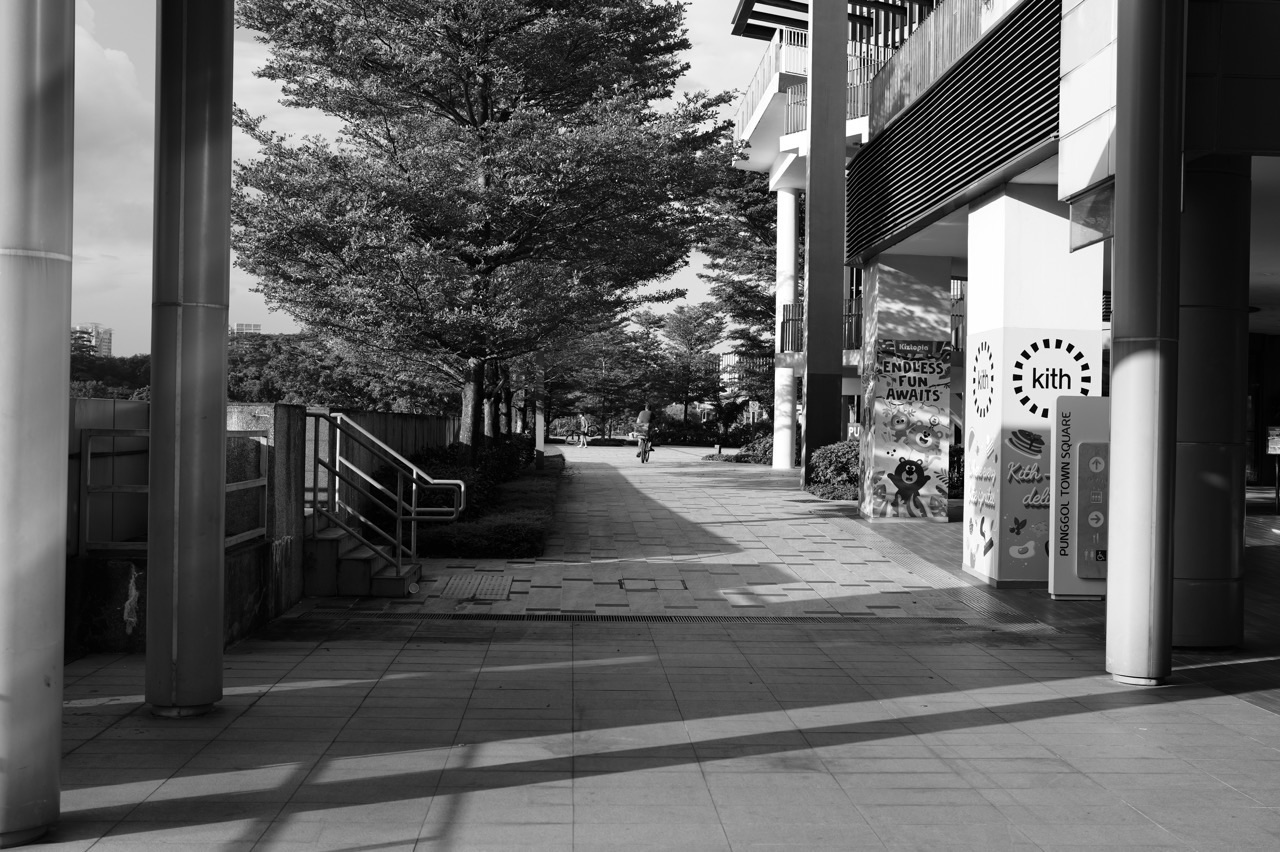
Updated 17 October 2026. Sources: HDB Punggol Plaza, Singapore Food Agency food safety tips, SFA raw meat safety, NEA food-waste prevention and HPB My Healthy Plate guidance. Illustrative prices are not quotations. The featured image depicts Waterway Point’s shopfront setting rather than claiming to show Punggol Plaza’s dry market.


