
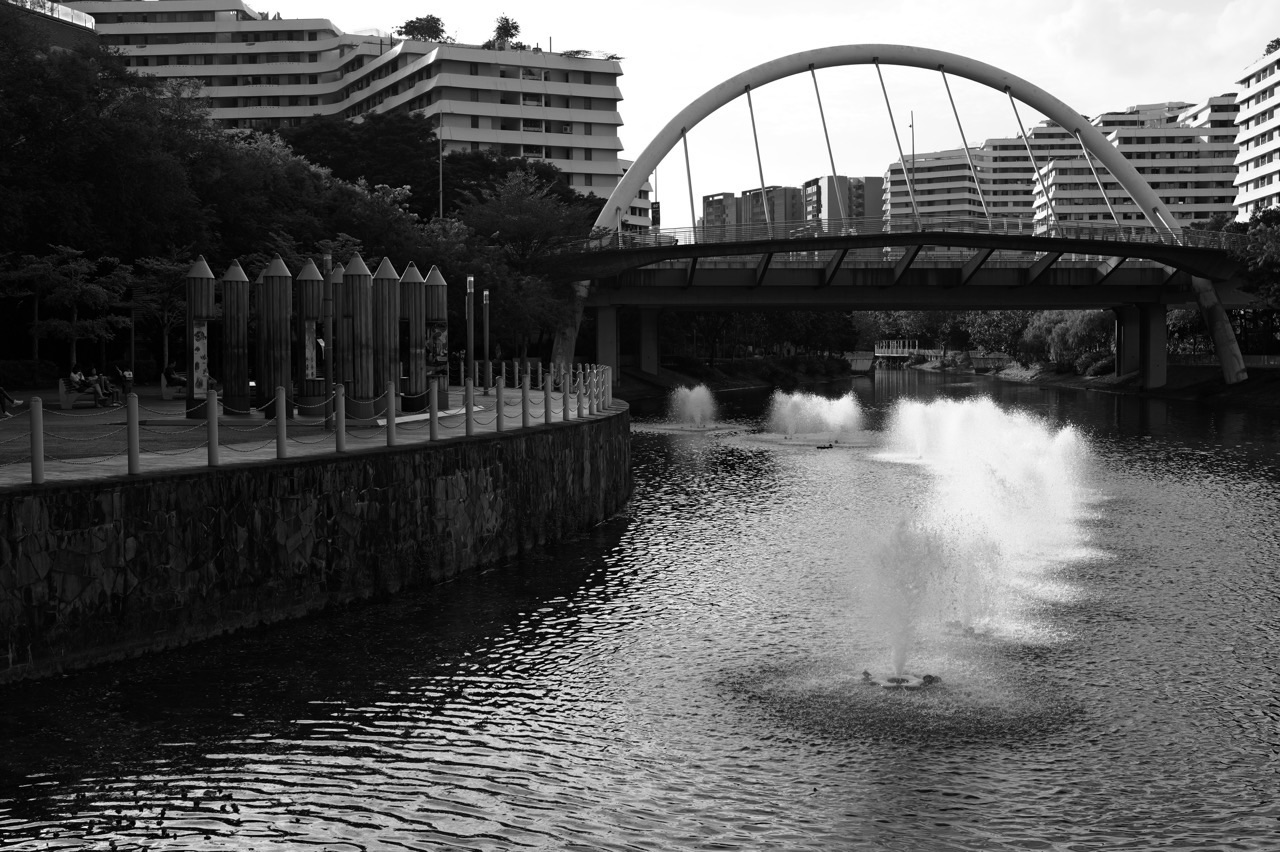
Where can you visit a garden in Punggol? The clearest public starting point is the therapeutic garden in Punggol Waterway Park, near Carpark A along Sentul Crescent. NParks describes this 900-square-metre garden as open 24 hours, with sensory planting, a communal planter and views toward the waterway. For neighbourhood community gardening, view public gardens only from appropriate access areas and contact the relevant organiser if you want to join a plot or activity. A community garden that looks inviting is not a public pick-your-own vegetable farm.
Things to do for garden lovers in Punggol can be as small as a 20-minute plant-identification walk, a family sketching visit or a conversation about why city landscaping matters. You can learn to distinguish therapeutic gardens, community gardens, allotment plots, HDB residential planting and public Waterway greenery. These spaces have different purposes, users and permission requirements. This guide takes a visitor-first approach: what you can observe safely, where to go for accurate information, how to behave around gardeners and how a child can enjoy the visit without plucking anything.
Updated 17 October 2026. Punggol Waterway Park is in Punggol town; Punggol Park is a different NParks park in Hougang, despite its similar name and its own therapeutic garden. One Punggol also advertises rooftop community garden facilities, but access, bookings and activities depend on current building arrangements. No public article can guarantee that a private resident’s or allotment holder’s garden plot is open to visitors. Use the existing Punggol community gardens and allotment guide for location and scheme details, and this guide for responsible enjoyment.
Five kinds of garden you may encounter around Punggol
| Kind of space | What it is for | What visitors can reasonably do | What not to assume |
|---|---|---|---|
| NParks therapeutic garden at Waterway Park | Designed sensory and nature-related public space | Visit open areas, observe planting and sit appropriately | Therapy session automatically available |
| Community in Bloom garden | Residents’ or organisations’ group gardening | View where public access permits, ask about joining | Harvesting or touching plots without permission |
| NParks allotment plot | Allocated/leased gardening space | Appreciate from public circulation areas | Plots are public pick-your-own crops |
| One Punggol community/rooftop garden | Hub-led gardening or community programming | Check operating and access rules, register if required | Roof and plots always freely accessible |
| General landscaping and Waterway habitat | Public town greening and environment | Observe trees, planting, birds and labelled plants | Every specimen can be picked or handled |
First: go to the correct therapeutic garden
NParks places the Punggol Waterway Park therapeutic garden near Carpark A. The garden was launched in May 2020 and is listed at about 900 square metres. It features a sensory planting zone and a communal planter, which makes it a manageable nature destination when the goal is to look at plants, enjoy the Waterway view or bring a parent, grandparent or child for a small outdoor outing. The entire Waterway Park is much larger; you do not need to walk the full park to reach every themed area in a single visit.
The word ‘therapeutic’ refers to the design and programmes associated with the garden. A casual visitor cannot assume they are signing up for formal therapy or that participation in a facilitated horticulture session is included by entering the public garden. NParks’ guided programmes are run by trained persons and have their own arrangements. A short self-directed visit is different: look, pause, discuss and leave when comfortable.
It is also easy to choose the wrong park. Punggol Park’s therapeutic garden opened in December 2024 at Hougang Avenue 8/10 and includes different inclusive recreation features. That is in Hougang, not the Punggol Waterway Park garden. When arranging a trip, send the exact full name and use the specific Waterway Park therapeutic garden guide instead of searching for just ‘Punggol therapeutic garden’.
Second: understand the gardeners, not only the plants
A community garden is built around people and responsibility
Community gardens make neighbourhood life interesting because residents share the work of growing plants, deciding what belongs where and maintaining a common place. In Singapore, NParks’ Community in Bloom programme supports gardening interest groups in HDB estates and other settings. Some gardens can be viewed from public circulation areas, while others are controlled by residents, institutions or organisers.
There is an important difference between appreciating a garden and entering it as a participant. Read displayed notices and stay on permitted paths. If the plot is not accessible, the right choice is to observe from an appropriate distance, not squeeze through a gate or cross planted beds. To join, find the garden’s contact route or community organiser rather than treating the nearest gardener as permanently on duty to give tours.
Allotment plots are not an invitation to harvest
NParks runs an Allotment Gardening Scheme under which eligible applicants may ballot for plots. The scheme’s 2026 guidance describes more than 2,500 plots across 29 parks and gardens in Singapore. That network reflects strong gardening interest, but it does not establish unrestricted ownership or use for a visitor. Even an allotment garden located in a publicly accessible park contains plots managed by individual gardeners.
Do not pick ripe fruit, collect seeds, prune plants or move pots. A visitor can notice vegetable shapes, composting methods where visible, support structures and the distinction between edible and ornamental plantings from permitted viewpoints. If you are interested in applying, check the current scheme’s availability and household rules, not an informal promise from another visitor.
Good garden etiquette is a form of neighbourliness
Gardens look easy to maintain only when someone has done the watering, weeding, mulching, pest management and cleanup. Children may be excited to touch a colourful flower or pick an unfamiliar fruit. Explain that the plant is part of another person’s work and that looking closely is the activity today.
Keep pets under the rules of the particular area, avoid trampling planting beds, take your rubbish home and do not pour leftover drinks or chemicals into soil. Gardening tools are not public toys. A visitor who wants to help should ask the authorised organiser how to do so safely, rather than independently pulling plants that may not actually be weeds.
Not every beautiful plant is safe to touch or eat
Some garden plants are ornamental or irritating, and common names can be misleading. A botanical label describes a specimen; it does not mean that plant parts are edible or safe. Children should not taste fruit, flowers or leaves from public plantings, even if the same named crop can be bought as food in a supermarket.
If a visitor wants to grow edible plants at home, begin with trusted growing instructions and the correct plant identity. For a public visit, stick with looking, drawing and photography. The plant-label reading guide covers the difference between common names, scientific names and synonyms, helping families avoid unsupported guesses.
A rooftop garden belongs to its building’s access system
People’s Association information about One Punggol refers to a rooftop community garden and shared facilities. That sounds like an attractive outing, but rooftop access, events, BBQ areas and plots may have security, maintenance, booking and age-related restrictions. A page showing a rooftop photograph is not proof that every visitor can walk into every part of it whenever they like.
Check current One Punggol notices and ask the Community Club before making a garden programme the centre of a trip. The hub’s ordinary library and hawker facilities are separate from rooftop gardening arrangements. Never use a shared amenity without following building rules or a valid booking where required.
Plant identification is a skill, not a contest
Many beginners want to name every tree in ten minutes. A better start is to observe features: a simple or compound leaf, opposite or alternating leaves, rough or smooth bark, a flower shape, fruit location and the type of habitat. Exact identification may remain uncertain, especially without a label. That is normal.
Write ‘large glossy leaves and pale flowers’ if those features are what you can reliably see. Use NParks or a trustworthy flora reference later. Avoid using one photograph to announce a definite species when several plants look similar. The tree identification beginner guide helps turn uncertainty into more careful observation.
Plants support habitats beyond the garden boundary
Waterway trees and planted bank vegetation can offer shade and shelter for birds and insects while helping the town feel green. NParks’ Punggol Waterway page identifies aquatic planting such as Red Thalia, Bulrush and Swamp Cabbage, plus fruit trees linked with Punggol’s historical cultivation. This can make a simple garden visit a lesson in how landscape and ecology overlap.
Do not describe every planted specimen as native, or claim that any single plant cleans all the water in the park. Species have different functions and conditions. Use NParks’ documented plant examples and actual visible evidence. Wildlife should be observed without feeding or approaching it.
Garden history is interesting, but old awards do not prove current access
Punggol has documented community gardening efforts such as the Periwinkle and Coral gardens recognised in earlier decades. Their histories show how residents developed neighbourhood identities as the new town grew. They do not, by themselves, establish that the same site or garden layout remains open to walk-in visitors in October 2026.
Use the site’s Periwinkle Community Garden history and Coral Community Garden history for the older story. For a present visit, confirm the current location, site rules and local organiser rather than treating the historical article as a map or invitation.
The best garden visit is often short
A person who needs a restorative or low-pressure moment may benefit from a short comfortable viewing stop rather than a scheduled tour of several gardens. A parent might ask a child to compare leaf shapes, while an older visitor may simply want to sit within sight of the Waterway. Neither activity needs to be justified as formal therapy.
Ask about mobility, heat, shade, toilets and the actual route. The 24-hour park listing does not guarantee a particular facility will be accessible, lit or comfortable at every moment. A sensible plan includes a fixed return point and an indoor alternative when weather or air quality changes.
You can start a gardening habit without owning a plot
Not every resident has a balcony or access to an allotment bed. Gardening can begin with a legal small container garden at home where building rules permit, or with joining an existing registered community group. It can also begin by learning plant names and good garden etiquette before buying equipment.
Do not take soil, cuttings or seeds from a public plot to start at home. If a household wants a formal allotment, use NParks’ current scheme and ballot route. Gardening supplies should be chosen according to safe home conditions; the hobby does not require immediate large purchases.
The 15 plant-and-garden activities that do not require picking anything
1. Leaf-outline sketch
Try: Sketch the outline of one visible leaf from a public path. Care: Do not pluck the leaf or step into the bed. The activity works for adults as well as children, and its purpose is better observation and appreciation rather than producing a harvest.
2. Texture description
Try: Describe bark or leaf surfaces without touching them. Care: Use visual words such as glossy, rough or ribbed. The activity works for adults as well as children, and its purpose is better observation and appreciation rather than producing a harvest.
3. Canopy comparison
Try: Compare shade beneath two trees along a lawful route. Care: Do not interpret a casual impression as a measured temperature test. The activity works for adults as well as children, and its purpose is better observation and appreciation rather than producing a harvest.
4. Planter pattern search
Try: Find a repeated shape in a publicly visible community plot. Care: Remain in the permitted visitor circulation area. The activity works for adults as well as children, and its purpose is better observation and appreciation rather than producing a harvest.
5. Plant-label reading
Try: Look for a botanical name and separate it from the common name. Care: A scientific label does not automatically imply edibility. The activity works for adults as well as children, and its purpose is better observation and appreciation rather than producing a harvest.
6. Flower-shape observation
Try: Compare the size and arrangement of visible flowers. Care: Leave flowers attached and accessible to pollinators. The activity works for adults as well as children, and its purpose is better observation and appreciation rather than producing a harvest.
7. Bird-perch watch
Try: Notice where birds rest in a planted space. Care: Do not chase or feed wildlife. The activity works for adults as well as children, and its purpose is better observation and appreciation rather than producing a harvest.
8. Garden colour palette
Try: Choose three visible colours for a sketch or photograph. Care: Respect residents’ privacy when photographing housing gardens. The activity works for adults as well as children, and its purpose is better observation and appreciation rather than producing a harvest.
9. Waterway planting question
Try: Look for aquatic plants on the park’s edge and ask why plants are placed there. Care: Do not enter the water or claim one species performs every treatment function. The activity works for adults as well as children, and its purpose is better observation and appreciation rather than producing a harvest.
10. Fruit-tree history note
Try: Read NParks’ references to fruit trees and Punggol’s earlier cultivation. Care: Do not collect public fruit for eating. The activity works for adults as well as children, and its purpose is better observation and appreciation rather than producing a harvest.
11. Seed-shape study
Try: Observe visible seed structures from a safe distance. Care: Do not collect seeds from gardeners’ plots. The activity works for adults as well as children, and its purpose is better observation and appreciation rather than producing a harvest.
12. Garden care appreciation
Try: List the kinds of work needed to keep a shared garden thriving. Care: Do not remove plants you think are weeds. The activity works for adults as well as children, and its purpose is better observation and appreciation rather than producing a harvest.
13. Shade-and-seat map
Try: Mark the location of a permitted resting point on a personal sketch map. Care: Check the actual route for mobility and weather. The activity works for adults as well as children, and its purpose is better observation and appreciation rather than producing a harvest.
14. One-plant return visit
Try: Revisit the same lawfully visible plant on another day and record a difference. Care: Changes may result from maintenance or growth; don’t invent a cause. The activity works for adults as well as children, and its purpose is better observation and appreciation rather than producing a harvest.
15. Thank-a-gardener note
Try: Find the organiser’s official contact and share considerate appreciation if appropriate. Care: Do not expect residents to provide a personal tour or contact details. The activity works for adults as well as children, and its purpose is better observation and appreciation rather than producing a harvest.
Four practical garden itineraries
The 20-minute Waterway therapeutic garden visit
Travel to the right NParks garden near Punggol Waterway Park Carpark A via a suitable current route. Spend a little time within the open public area looking at sensory planting and the waterway vista, then head home or toward a known rest point. If you are meeting a relative, confirm the full destination name and where the permitted drop-off is.
This is the clearest short garden visit. It is an ordinary outing, not formal horticultural treatment. If there is maintenance, lightning or poor air quality, shorten or cancel the outdoor visit.
The 45-minute plant-label nature walk
Pick one manageable public Waterway segment and look for plant labels or visible tree features. Read any trusted labels and record questions about unfamiliar specimens. Finish at a safe bench or return point. A parent can invite a child to notice one difference between leaves and one type of shade.
Bring a notebook if convenient, not an obligation to collect samples. Do not pick plants. If no useful labels are present, describe features and consult the plant-label guide later.
The One Punggol gardening-curiosity day
Visit the hub for an ordinary open civic activity and check whether its rooftop gardening or relevant CC programme is currently open to participation. If a workshop or event is available and appropriate, register under the organiser’s conditions; otherwise keep the visit to authorised public areas, reading and food.
A rooftop or activity room cannot be claimed simply because it appears in an official amenity list. The day still works as a community-and-reading outing even if no garden session is available.
An organised gardening first step
Use NParks’ Community in Bloom information or a known legitimate local gardening group to ask how to volunteer or participate. Confirm meeting date, location, safety procedures and expectations before turning up. If there is no current vacancy or event, start by observing gardens from public circulation areas or with a container-plant project at home.
Do not visit a private community garden expecting the key holder to open it. Respect gardeners’ time and tools. Formal allotment applications follow a separate scheme from joining a community gardening group.
How this connects to Science, English and neighbourhood education
Gardens are useful for slow, real-world learning because they challenge the temptation to guess. A Primary student can observe how a leaf is arranged without naming the plant immediately. A Secondary student can distinguish a hypothesis about sunlight from evidence collected at different times. English practice can turn ‘nice leaves’ into a precise description of texture, colour and shape. Mathematics can involve making a simple sketch map or comparing relative sizes, but not pretending visual estimates are laboratory measurements.
A parent can ask one prompt—’What did you notice that you did not see last week?’—and then listen. There is no need to turn the whole outing into a test. The eduKateSG Punggol green learning guide describes links to school sustainability projects, while Punggol Waterway student life connects the town’s public environment to student experience. The pleasure of visiting plants remains the starting point.
Frequently asked questions about gardens in Punggol
Where is the therapeutic garden in Punggol Waterway Park?
NParks lists it near Carpark A in Punggol Waterway Park, along Sentul Crescent. Confirm the route and exact garden name before travelling.
Is the Punggol Waterway therapeutic garden open 24 hours?
NParks’ garden page lists 24-hour opening. Lighting, weather, maintenance and comfort still affect whether a particular time is suitable.
How large is it?
NParks describes the garden as about 900 square metres and says it was launched in May 2020.
Is the therapeutic garden in Punggol Park the same one?
No. Punggol Park is in Hougang and has a different therapeutic garden. Punggol Waterway Park is located in Punggol town.
Do I need to book to view the therapeutic garden?
Ordinary public viewing is different from a scheduled therapeutic horticulture programme. Check NParks for any activity booking, eligibility or maintenance.
Can I join a therapeutic horticulture session?
NParks runs specified sessions and explains how individuals or groups may take part. Check the current official programme list; a casual visit is not a confirmed booking.
What is Community in Bloom?
An NParks-supported programme encouraging community gardening in HDB neighbourhoods and other appropriate settings. Each garden can have its own organiser and access arrangement.
Can I enter any community garden in Punggol?
No. A garden may be in a publicly viewable area but individual access, group activities or enclosed plots can be controlled. Check local signs and organiser permissions.
Can I take vegetables from an allotment garden?
No. The crops and plot are under the gardener’s care. Publicly accessible plots are not communal harvest gardens.
How do I apply for an allotment plot?
Use NParks’ official Allotment Gardening Scheme and any current ballot rules. Do not assume a public garden has a vacant plot available to claim.
Is there a community garden on One Punggol’s rooftop?
The People’s Association describes rooftop garden/community facilities in its One Punggol information. Access and programme arrangements should be checked directly; do not assume unrestricted rooftop use.
Can I pick leaves for my child’s school project?
Do not pick or damage public plants. Draw, photograph appropriately or observe labelled features instead; obtain any necessary permission for collecting materials.
Are public fruits safe to eat?
Do not eat or collect fruits from public plantings based on appearance or an assumed common name. Some plants are not edible and public park rules apply.
Can I identify a plant from one leaf?
Sometimes a leaf is distinctive, but reliable identification often requires multiple features and context. Read a trustworthy label or seek a suitable guide rather than guessing.
Are all Punggol gardens native-plant gardens?
No. Town gardens may include planted ornamentals, cultivated crops and native species. Do not claim every landscaped plant is indigenous.
Where can I see plants without a long walk?
A short appropriate section of Punggol Waterway Park or the therapeutic garden can be a good start. The nature without hiking guide offers other low-effort options.
Can children play among the garden beds?
Garden planting areas are not ordinary playground equipment. Supervise children, keep to permitted routes and prevent touching or uprooting plants.
How can gardening help family time?
It offers a shared interest in growth, care and observation, but the outing need not become a formal lesson or a medical intervention.
What if a public garden looks neglected?
Do not independently prune, spray or remove plants. Report a relevant public maintenance issue through the responsible managing organisation if needed.
Can I take photographs in a community garden?
Follow posted rules, protect residents’ privacy and avoid entering non-public plots for a better image. Ask permission when photographing people or private spaces.
How do I find a gardening group in Punggol?
Check Community in Bloom links, the current relevant community organisation or a posted authorised garden contact. Eligibility and meetings vary.
Does haze affect a brief garden visit?
Yes; it remains an outdoor activity. Consult current NEA/MOH guidance, consider health status and reduce or postpone exposure when advised.
Is there a difference between gardening and nature observation?
Gardening involves caring for plants and may need permission, tools or an assigned plot. Nature observation can be done from safe public routes without altering anything.
Where are Punggol’s garden stories recorded?
The site’s historical Periwinkle and Coral community garden articles provide archival local context, while the canonical garden directory covers current scheme information.
The connected eduKate Punggol reading network
- Community Gardens and Allotment Plots in Punggol — location and scheme directory.
- Punggol Waterway Therapeutic Garden — single-garden access information.
- How to Read Plant Labels in Punggol — botanical names and observation.
- Tree Identification in Punggol — species evidence and features.
- Punggol Heritage Trail Trees — public plants of the developing coast.
- Eco-Friendly Things to Do in Punggol — reuse, gardening, park-care lifestyle.
- Punggol Garden Bird Watch — citizen science with a real organiser.
- Punggol Third Places — how community spaces serve people.
- eduKateSG: Green Learning in Punggol — educational connections.
Related Punggol lifestyle activities: the Punggol Waterway family Science Trail; the Punggol playdate planner. These guides cover different needs, so choose the one that fits the family or visitor rather than repeating the same destination list.
Official references and current-use disclaimer
Primary references: NParks therapeutic garden at Punggol Waterway Park, NParks Punggol Waterway Park, NParks Community in Bloom, NParks Allotment Gardening Scheme, NParks good allotment gardening practices, NParks park etiquette, and People’s Association One Punggol hub facilities. Updated 17 October 2026. Actual programme availability, public access and garden group rules must be checked before a visit.


