
What eco-friendly things can you do in Punggol? Start with one low-waste errand, a short neighbourhood walk, and a small action that genuinely prevents waste. Bring a reusable bag or container where appropriate, browse a local library instead of buying something new, offer a usable book to a willing recipient, or enquire about an NParks Community in Bloom garden. If you have e-waste, use an approved collection point rather than the blue recycling bin. This is a practical 2026 Punggol weekend guide, not a list of supposed green attractions that are not actually operating.
Sustainable activities in Punggol can include shared books, community gardening, careful food shopping, observing urban greenery, checking the correct recycling route and volunteering through an authorised organiser. Most of these can be fitted into everyday family life without purchasing special eco-products. The strongest first step is to reduce before reusing, and reuse before recycling. An outing that prevents an unnecessary purchase is often more effective than an outing that creates bags of new craft supplies.
Updated 17 October 2026. NParks’ Community in Bloom and Allotment Gardening schemes are distinct: a community garden is managed by a group, whereas an allotment plot is leased after an application or ballot when available. NEA’s new beverage-container return scheme began in April 2026, but only eligible marked containers are covered. Recycling locations and rules change, so use the current official lookup rather than a guessed bin address. This article links to eduKatePunggol’s existing detailed recycling, gardening and volunteering guides instead of duplicating those records.
A low-waste Punggol day at a glance
| Time and intention | Punggol activity | What actually makes it sustainable | Check first |
|---|---|---|---|
| 15 minutes | Make a reuse-and-repair list at home | Avoids discarding usable items | Safety of any planned repair |
| 30 minutes | Borrow or return library books at One Punggol | Sharing an existing resource | Current library hours |
| 45 minutes | Shop deliberately at a local neighbourhood centre | Reduces duplicate purchases and food waste | Budget and real stock |
| One hour | Observe park greenery and litter without disturbing habitat | Builds awareness and stewardship | Weather, park rules, haze |
| One organised session | Enquire about a CIB garden or NParks role | Supports existing community work | Volunteer eligibility and actual openings |
| A recycling errand | Sort accepted items, find official collection point | Prevents contamination and wrong disposal | Item type, correct scheme |
| Family at home | Use leftovers safely and make a simple plan for next meals | Prevents food waste | Food storage and use-by guidance |
Why ‘buy more eco-stuff’ is not the first answer
Many environmentally themed activities accidentally begin with shopping. Someone buys new craft paper, branded bottles, plastic organisers and garden equipment to pursue a greener lifestyle. The result can be more consumption than before. NEA’s waste hierarchy starts with reduction. Ask whether you can use what the household already owns, borrow an occasional item or make an existing object last longer. A new reusable bag is only useful when it replaces repeated disposables and is itself used many times.
For a Punggol weekend, choose the smallest action that prevents actual waste. Bring the bag already kept by the front door; use a safe clean food container where the vendor accepts it; walk or use public transport when practical; check home supplies before buying groceries. This does not make an individual household responsible for solving the national waste problem. It creates a realistic habit with a clear benefit, without turning family leisure into a guilt-driven checklist.
The difference between reduce, reuse and recycle
Reducing means avoiding an unnecessary purchase or disposable item. Reusing means keeping a functioning object in circulation or finding a suitable new owner. Recycling means sending accepted material into a processing system that recovers resources. These are different actions, with different costs and conditions. Recycling cannot make an unnecessary disposable product automatically environmentally harmless, and contaminated materials can cause otherwise recyclable items to be discarded.
A parent can explain the hierarchy to a child with one ordinary example: a storybook already in the house can be reread; a needed book can be borrowed from NLB; a usable unwanted book can go to a willing recipient; only material that cannot be reused may be assessed for appropriate recycling. Use the current Punggol book donation guide when deciding where an unwanted book could go rather than dropping it beside a donation box that may reject it.
The library as a low-waste lifestyle destination
Punggol Regional Library at One Punggol is useful for more than reading at a desk. Borrowing can be a form of sharing resources across the community. A family’s environmental outing could be a simple library visit followed by a conversation about what might be borrowed, shared, repaired or bought second-hand. An ordinary library card and a short visit can be enough; there is no need to enrol in a course or buy new stationery for the experience.
Libraries also have rules and specific opening arrangements. A special maker programme or room may require prior registration, while general book browsing follows normal library conditions. If somebody prefers a short neighbourhood walk, pair the visit with a suitable part of Punggol Waterway Park only when weather and mobility allow. Keeping the experience close to one transport cluster reduces both effort and unnecessary travel.
Community in Bloom is a real gardening pathway
NParks’ Community in Bloom programme supports resident, school, workplace and organisational gardening groups across Singapore. The gardens are usually managed by volunteers and may include edible plants, ornamental collections or habitat-enhancing planting. A Punggol resident who is curious about gardening should first use the official garden locator, identify an appropriate local group and ask about open volunteering opportunities or visiting times. Being visible in a public place does not mean a garden is an unrestricted pick-your-own farm.
If the household wants to help, the right next step is to contact the management group or Residents’ Network and learn what support is useful. Do not enter plots uninvited, pick crops, move planters or sow seeds without permission. Residents can follow the local Punggol community gardens and allotments guide for the distinction between communal areas, member responsibilities and separately allotted plots.
An allotment garden is a commitment, not a drop-in attraction
NParks’ Allotment Gardening Scheme allows successful applicants to lease a specific raised plot after an application process. Its September 2026 official page lists 2.5-metre by 1-metre plots, an annual 2026 application rate of S$65.40 inclusive of GST, and leases of up to three years. Punggol Waterway Park is among the parks with allotment garden arrangements. The page announced a future fourth-quarter 2026 application exercise, which should be checked for actual dates and availability.
This is not a promise that a family can immediately rent a plot on a Saturday. Gardeners have responsibilities for planting, maintenance and care, and an allotment should fit the household’s available time. For those who simply want to look at plants, a short public Waterway visit may be more appropriate. For those serious about growing, start with NParks’ Gardening 101 resources, understand light and watering, and join a group only when the commitment is realistic.
Punggol Waterway Park as a nature-care classroom
A waterway landscape helps people see the relationship between everyday life and urban greenery. A visitor can compare shaded versus exposed paths, notice planted banks and discuss why roots, soil and vegetation may have different roles around water. A family need not label every plant to value the place. Simply looking after public spaces, staying on paths and leaving wildlife undisturbed are meaningful contributions.
A safety boundary matters. Do not enter water, clear vegetation, feed animals or remove unusual objects for a home collection. Pick-up activities should take place under safe, authorised conditions; sharp objects, needles, chemicals, suspicious containers or potentially hazardous waste must not be handled by children. Report concerns through the proper channels. The Punggol Waterway Park guide describes park areas, while the nature-without-hiking guide offers modest walking options.
When volunteering is better than an independent cleanup
A recognised NParks or community nature role offers supervision, purpose and coordination. Possible interests include gardening, biodiversity recording or appropriate park stewardship, but activities and enrolment vary over time. The right process is to find an official organiser, check eligibility and training, agree on time and safety expectations, and attend the role for which you have been accepted.
Do not advertise an imaginary weekly cleanup at Coney Island or imply anybody may organise a formal event without permission. A family with small children may choose a supervised learning session or ordinary respectful park visit instead. See Nature Volunteering for Punggol Residents for current role-finding logic. Helping is valuable when it supports the needs of an existing group rather than creating unplanned work for park staff.
Blue recycling bins: clean, dry and suitable—not a general rubbish chute
Singapore’s blue-bin system accepts suitable recyclable categories, but food and liquids can contaminate the collected material. An empty food container may need a quick rinse; a very oily or uncleanable one may be unsuitable. Items made from certain mixed materials, polystyrene foam, tissues or hazardous components may not belong. The correct decision is based on what the official recycling guidance accepts, not whether a product displays a green-looking label.
For Punggol households, sort recyclable items at home and consult NEA’s current item checker. Do not leave overflowing bags next to a bin or force in objects that do not fit. Batteries and e-waste belong in their appropriate collection system, not in ordinary blue bins. The detailed Punggol Blue-Bin Recycling guide is the item-by-item reference that this weekend article should send readers to.
E-waste is a separate errand with a separate safety rule
NEA’s Extended Producer Responsibility e-waste collection system uses designated points and retailer options for specified categories of unwanted electronics, lamps and batteries. The type of bin matters. A small household electrical item cannot automatically be discarded wherever there is an e-waste label, and large appliances may have a separate pickup process. Where an item still works, repair or donation may be preferable to recycling.
When handling batteries, observe NEA’s guidance on preventing short-circuits and leaks. Never allow children to dismantle lithium battery packs, electrical devices or damaged appliances as a craft exercise. Check the up-to-date official e-waste locator and Punggol’s correct e-waste collection guide before visiting a bin. An eco-friendly errand is not successful if the material is deposited in the wrong stream.
The 2026 10-cent beverage-container return: check the label
Singapore’s beverage-container return scheme began on 1 April 2026. It applies to eligible marked containers under the scheme, not every bottle or can that appears recyclable. A person can learn to read the return mark, distinguish refundable containers from ordinary packaging and plan an appropriate return during an existing errand. This is an engaging example of how a deposit system tries to give packaging a return path.
Do not promise a machine at a specific Punggol block or assume all participating outlets remain available at all hours. Use the current scheme’s official locator, check that the item qualifies and follow the correct return procedure. The Punggol 10-cent deposit return article explains the distinct refund topic without conflating it with blue-bin recycling.
A neighbourhood shopping trip can prevent food waste
At Punggol Plaza, Oasis Terraces, Northshore Plaza, One Punggol or Waterway Point, the environmentally useful decision is often made before shopping. Review what is already in the fridge, decide how many meals are needed and bring a small list. Compare unit prices only for products that genuinely meet the same need. Buying a larger package because the per-unit cost looks lower can become wasteful if the household cannot finish it.
A child can learn to distinguish ‘need it this week’ from ‘nice to have’. If two ingredients are interchangeable in a planned dish, compare freshness, quantity and likely leftovers. Take food home promptly and store perishable items safely. The site’s Punggol Price Kaki comparison guide is a better place for price comparison mechanics; this article focuses on how a thoughtful errand forms part of a low-waste weekend.
What a sustainable Punggol weekend is not
It is not a contest to visit every recycling station, a licence to enter all community gardens, or a reason to purchase decorative environmentally themed merchandise. It is also not a guarantee of a carbon-neutral day. Weather, personal circumstances, transport needs and access restrictions differ. A family that borrows books, avoids a duplicate purchase and enjoys a nearby public green space has had a useful day even without a formal event.
A good plan includes a rest period. If the outdoor air is unsuitable because of haze or lightning, focus on sorting household items, repairing a safe non-electrical object, planning meals or reading indoors. Following safety guidance is part of responsible environmental behaviour, not an exception to it.
Twenty low-waste Punggol activities you can actually choose from
1. Borrow a book
Try: Visit Punggol Regional Library for a real reading goal. Important: Confirm NLB hours and borrowing eligibility. This is a small practical choice, not a requirement to collect proof or publish a social-media challenge. Prefer doing one useful action consistently over buying supplies for ten new activities.
2. Reread a book
Try: Choose one from the household shelf before shopping for another. Important: No purchase is required. This is a small practical choice, not a requirement to collect proof or publish a social-media challenge. Prefer doing one useful action consistently over buying supplies for ten new activities.
3. Offer a usable book
Try: Contact a willing recipient or suitable accepted programme. Important: Never leave unrequested items outside a collection point. This is a small practical choice, not a requirement to collect proof or publish a social-media challenge. Prefer doing one useful action consistently over buying supplies for ten new activities.
4. Carry an existing tote
Try: Bring a bag already owned on the grocery trip. Important: Do not buy another tote simply because it has a green slogan. This is a small practical choice, not a requirement to collect proof or publish a social-media challenge. Prefer doing one useful action consistently over buying supplies for ten new activities.
5. Plan three meals
Try: Check supplies and choose ingredients that can be used more than once. Important: Follow food safety and storage advice. This is a small practical choice, not a requirement to collect proof or publish a social-media challenge. Prefer doing one useful action consistently over buying supplies for ten new activities.
6. Compare actual need
Try: Check two reasonable options at a local shop. Important: Avoid bulk purchases that are unlikely to be finished. This is a small practical choice, not a requirement to collect proof or publish a social-media challenge. Prefer doing one useful action consistently over buying supplies for ten new activities.
7. Make a leftovers plan
Try: Decide when safe cooked food will be eaten. Important: Never use spoiled food or ignore storage temperatures. This is a small practical choice, not a requirement to collect proof or publish a social-media challenge. Prefer doing one useful action consistently over buying supplies for ten new activities.
8. Use an accepted reusable cup
Try: Ask whether the stall accepts the clean container. Important: Do not assume every vendor can comply with every request. This is a small practical choice, not a requirement to collect proof or publish a social-media challenge. Prefer doing one useful action consistently over buying supplies for ten new activities.
9. Take a short park walk
Try: Observe vegetation without collecting it. Important: Respect current park and haze rules. This is a small practical choice, not a requirement to collect proof or publish a social-media challenge. Prefer doing one useful action consistently over buying supplies for ten new activities.
10. Notice shade
Try: Compare a tree-covered area with an exposed path. Important: Record the observation without overstating ecological benefits. This is a small practical choice, not a requirement to collect proof or publish a social-media challenge. Prefer doing one useful action consistently over buying supplies for ten new activities.
11. Ask about a garden group
Try: Use the official Community in Bloom finder. Important: Membership and visit timing need permission. This is a small practical choice, not a requirement to collect proof or publish a social-media challenge. Prefer doing one useful action consistently over buying supplies for ten new activities.
12. Learn Gardening 101
Try: Read NParks’ basic advice on plant light and watering. Important: Choose plants appropriate to available conditions. This is a small practical choice, not a requirement to collect proof or publish a social-media challenge. Prefer doing one useful action consistently over buying supplies for ten new activities.
13. Assess a damaged object
Try: Decide whether safe repair is feasible. Important: Do not attempt risky electrical or battery repairs. This is a small practical choice, not a requirement to collect proof or publish a social-media challenge. Prefer doing one useful action consistently over buying supplies for ten new activities.
14. Donate a working item
Try: Confirm the recipient wants it and accepts its condition. Important: Dumping is not donation. This is a small practical choice, not a requirement to collect proof or publish a social-media challenge. Prefer doing one useful action consistently over buying supplies for ten new activities.
15. Separate clean recyclables
Try: Empty and prepare accepted material. Important: Never put food or liquids in the blue bin. This is a small practical choice, not a requirement to collect proof or publish a social-media challenge. Prefer doing one useful action consistently over buying supplies for ten new activities.
16. Find an e-waste point
Try: Use the NEA current map for your item type. Important: Batteries and electronics require the right stream. This is a small practical choice, not a requirement to collect proof or publish a social-media challenge. Prefer doing one useful action consistently over buying supplies for ten new activities.
17. Check a refund mark
Try: Look for a qualifying beverage return label. Important: Not every drink container is eligible. This is a small practical choice, not a requirement to collect proof or publish a social-media challenge. Prefer doing one useful action consistently over buying supplies for ten new activities.
18. Join approved nature service
Try: Contact an actual organiser and complete requirements. Important: Do not invent or self-assign a restricted park role. This is a small practical choice, not a requirement to collect proof or publish a social-media challenge. Prefer doing one useful action consistently over buying supplies for ten new activities.
19. Make a scrap-paper note pad
Try: Use suitable one-sided paper already at home. Important: Protect confidential or personal information. This is a small practical choice, not a requirement to collect proof or publish a social-media challenge. Prefer doing one useful action consistently over buying supplies for ten new activities.
20. Choose a lower-waste family outing
Try: Share a book, a meal and a short neighbourhood walk. Important: Keep it pleasant and age-appropriate. This is a small practical choice, not a requirement to collect proof or publish a social-media challenge. Prefer doing one useful action consistently over buying supplies for ten new activities.
Four plans by how much time the family really has
30 minutes: the no-purchase audit
At home, identify one duplicate item, a usable object no longer needed and one upcoming food purchase that can be avoided. Write a short list of what might be repaired, shared or used first. Stop when the time is up.
This plan works on rainy or hazy days. There is no reason to drive across Punggol with one object if a suitable collection or recipient cannot yet be confirmed.
60 minutes: library plus a thoughtful food errand
Visit One Punggol for ordinary library browsing during open hours, then make a small planned grocery or meal purchase nearby. Bring an existing bag or suitable container. Discuss one action that reduced waste without adding a paid course.
The goal is practical routine and enjoyment. Do not promise any special workshop or public space for free private use.
90 minutes: public greenery and an official garden enquiry
Take a suitable Waterway Park walk, observe planting from lawful paths and consult the NParks Community in Bloom map afterwards. If genuinely interested, enquire about one group and its conditions. The activity need not include gardening on the spot.
Community plots belong to their authorised gardeners or groups; no unannounced harvest, planting or entry. Check weather and air quality before the walk.
Half day: a low-waste family routine
Start with a short household list, travel on a suitable public transport route, borrow books or complete a small essential shop, then enjoy an appropriate nearby park segment or meal. End with one practical improvement to repeat the next week.
No family member should feel the need to buy new eco-products or spend the entire weekend sorting waste. Keep the day short enough that everybody enjoys it.
Frequently asked questions about eco-friendly Punggol activities
What are the best eco-friendly things to do in Punggol?
Borrow and share books, avoid unnecessary purchases, visit an appropriate public green space and enquire about an authorised community gardening or volunteering programme.
Are community gardens open to anyone?
Not necessarily. They are managed by groups, with visits and volunteering subject to arrangements. Contact the group first.
Where can I find a Punggol community garden?
Use NParks’ Community in Bloom garden locator and the Punggol-specific gardening guide rather than assuming all gardens are open drop-ins.
Can I immediately rent an allotment plot?
No. NParks plots are offered through applications and ballots when exercises are announced. Check current eligibility, dates and availability.
What is the 2026 allotment fee?
The official September 2026 NParks page lists S$65.40 inclusive of GST per year for its applicable 2026 exercises. Confirm the precise current application terms.
Can children pick crops from community gardens?
No, not without the authorised group’s permission. Use public paths and supervised gardening opportunities instead.
What goes in the blue recycling bin?
Clean and dry acceptable recyclables, subject to the NEA item checker. Food, liquids, some mixed materials and hazardous items do not belong.
Can batteries go into the blue bin?
No. Use an appropriate e-waste or battery collection channel and follow safety instructions.
Where can I recycle electronic devices in Punggol?
Use NEA’s current official e-waste collection map and the site’s local e-waste guide. Acceptable item categories vary by point.
Is every plastic bottle refundable for ten cents?
No. The return scheme applies to eligible marked beverage containers. Verify the scheme mark and return location.
Did the beverage return scheme start in 2026?
Yes, the scheme commenced on 1 April 2026. Current operator rules and eligible packaging should be checked before using it.
Is recycling always better than reuse?
Where an item is safe, functional and actually needed by someone, reusing or avoiding a new purchase can reduce waste upstream. Recycling is for accepted materials requiring processing.
What if I have books nobody wants?
Do not leave them next to donation boxes. Confirm an accepting programme or assess the appropriate disposal route.
Can we hold our own park cleanup?
Public park activities may require arrangements, and hazardous materials must not be handled casually. Joining an authorised NParks or community group is a safer first step.
Can a child sort e-waste?
A child can learn about item categories with adult supervision but should not dismantle devices or handle damaged lithium batteries or hazardous parts.
Do I need to buy a special reusable bag?
Usually no. Repeatedly using an existing suitable bag is a practical way to avoid unnecessary packaging.
What is a good low-waste food outing?
Plan a small grocery list, use accepted reusable items when practical and buy food quantities the household can finish safely.
Are the gardens at One Punggol public allotments?
Do not infer that every roof garden or planted public space is an allotment anyone can use. Check the managing organisation’s access and membership conditions.
Is Punggol Park the same as Punggol Waterway Park?
No. Punggol Park is in Hougang, while Punggol Waterway Park is in Punggol. Some national gardening lists contain both.
Can I volunteer with NParks this weekend?
Only if there is an actual suitable activity accepting participants. Check current official listings, eligibility and registration rather than assuming instant availability.
What should I do when haze makes outdoor activity unsuitable?
Follow current official air-quality guidance and choose indoor reuse, sorting, reading or food-planning activities instead.
How do we teach environmental responsibility without making children anxious?
Focus on one achievable habit and accurate explanations. There is no need to make a child’s leisure feel like a test or a personal obligation to fix a national problem.
Where can I read about Punggol’s green design?
The local Waterway and nature guides discuss the places, while eduKateSG’s green learning article connects environmental design to school knowledge.
Useful related articles across eduKate Punggol
- Punggol Community Gardens and Allotment Plots
- Nature Volunteering in Punggol
- Punggol Blue-Bin Recycling Rules
- Where to Recycle E-Waste in Punggol
- Punggol Beverage Return Deposit Guide
- Donate Books From Punggol
- Punggol Grocery Price Comparison
- Punggol Waterway Park
- Punggol Nature Without Hiking
- Punggol Community Lifestyle
- eduKateSG: Punggol Green Learning
Continue exploring Punggol: Punggol public art and mural walk · Punggol market-to-table family day · Punggol creative hobbies and MakeIT. Each article covers a different practical way to spend time around the neighbourhood.
Official sources and date discipline
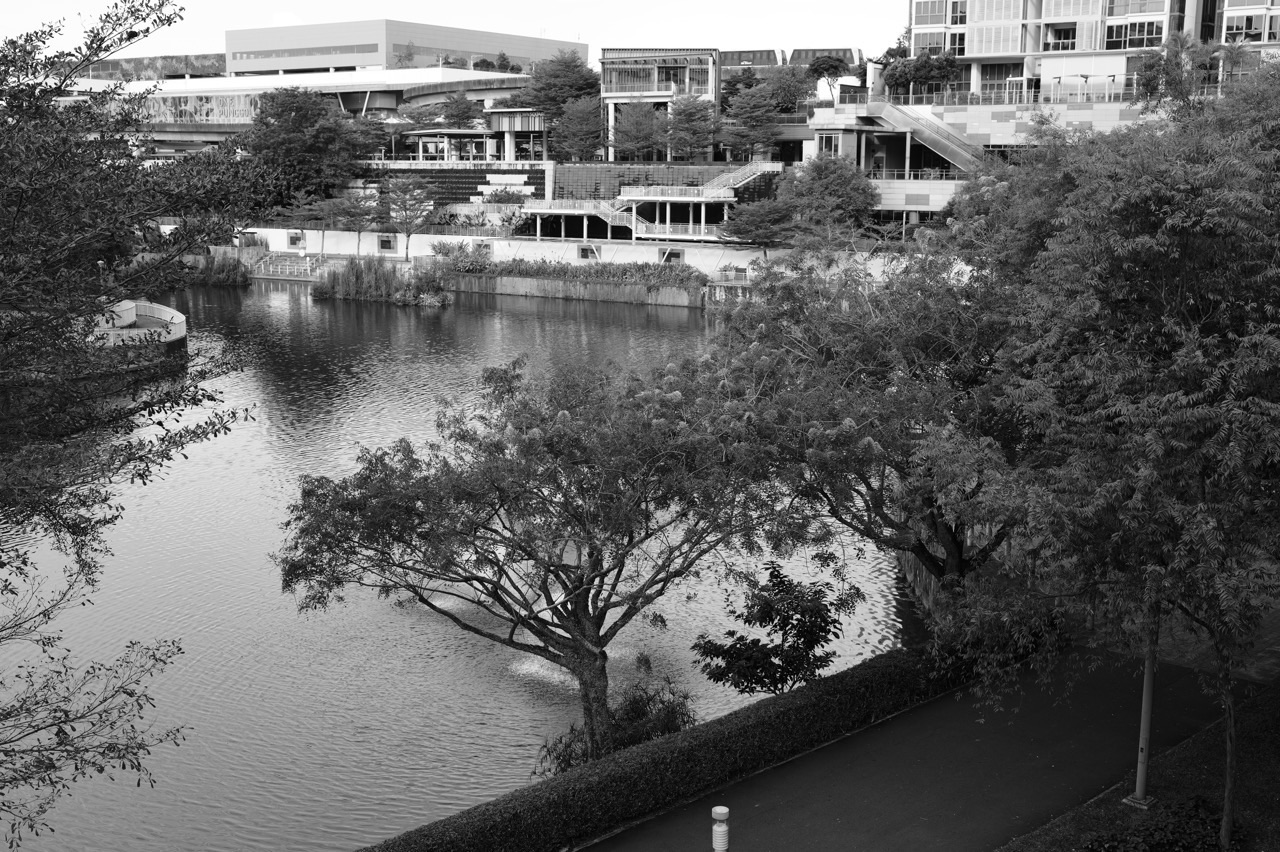
Updated 17 October 2026. Consult NEA waste reduction and recycling, NEA household reuse guidance, NEA official e-waste collection points, NParks Community in Bloom, NParks Allotment Gardening Scheme, and NParks Gardening 101. Registration availability, fees, bin locations and material rules can change. The featured photograph is of Punggol Waterway Park, not a claimed recycling station or garden plot.


