
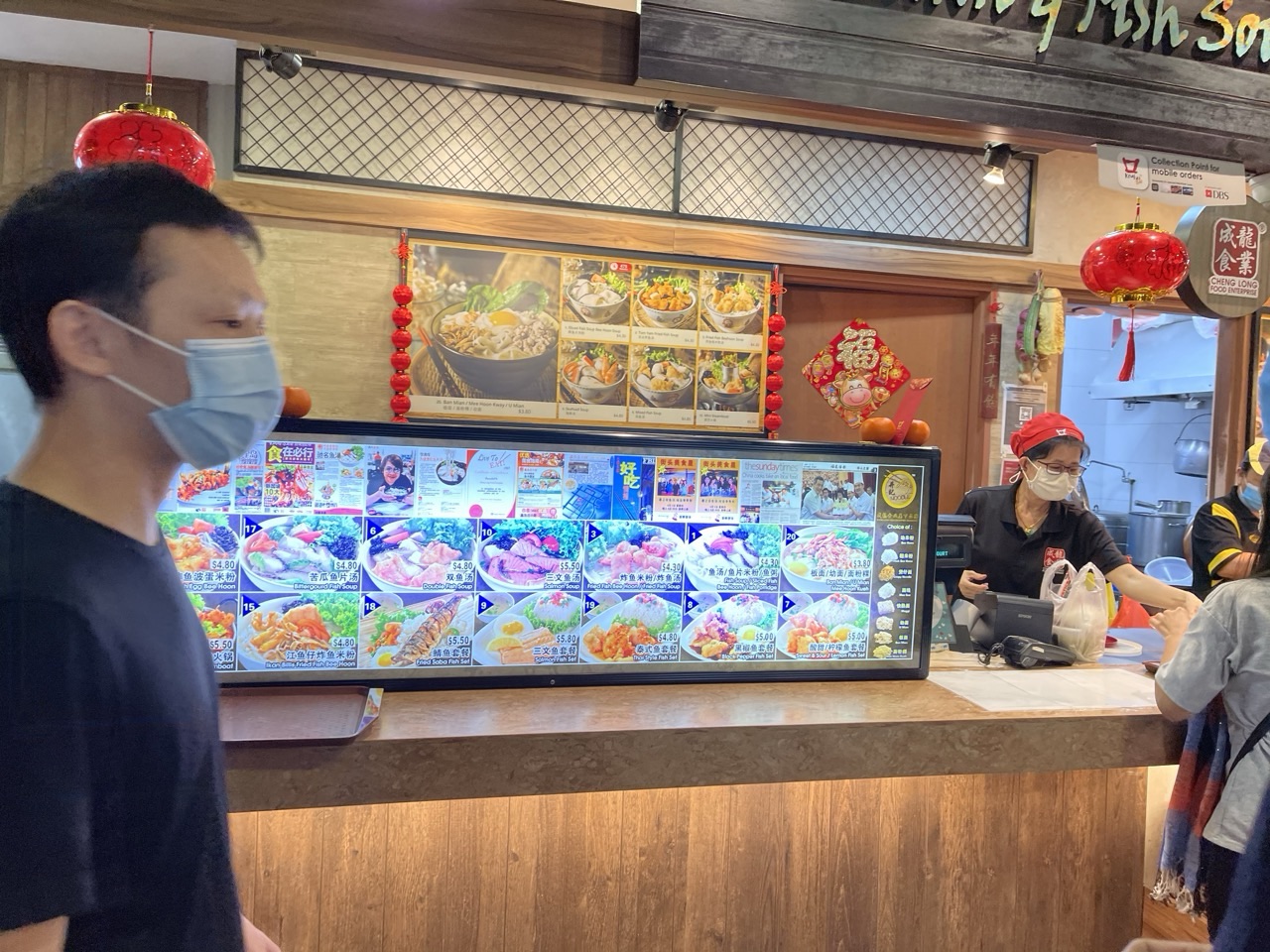
Looking for the best places to eat in Punggol? Start with One Punggol Hawker Centre, Punggol Coast Hawker Centre, Waterway Point, Punggol Coast Mall, Oasis Terraces, Northshore Plaza I and II, Punggol Plaza, The Punggol Settlement, Tebing Lane and neighbourhood coffee shops. These are different dining experiences, not a numerical ranking. A family can find a convenient lunch; friends can plan seafront dinner; students can get a meal on the way home. Each place has a different advantage depending on your route, time and budget.
Punggol’s food choices now stretch from the Punggol MRT town centre to the Digital District and northern seafront. A hawker centre works well when diners want different dishes; a restaurant makes a longer conversation or special gathering easier; a quick meal near home can be the most useful option of all. Choose the people and purpose first, then look up the actual venue, menu and access. No one needs a ranked “winner” for every kind of meal.
Checked 19 October 2026: One Punggol Hawker Centre changed operators in August 2026; older stall rosters and promotions may be obsolete. Punggol Point Park has separate upgrading works, but that does not mean every adjacent seafront restaurant is closed. The operator’s current service details and official access notices govern your visit. The local guides linked throughout this article help you plan without treating old reviews as permanent facts.
Punggol has several different kinds of food stop, and they solve different problems. One Punggol Hawker Centre works well when your day includes the library or a community activity. Punggol Coast Hawker Centre fits a visit around the Digital District. A neighbourhood coffee shop can be the most practical dinner stop on the way home. A mall restaurant or a booked seafood meal may suit a longer family gathering.
This guide helps you choose the right part of town before choosing a dish. Start with where you are, who is eating and how much time you have. Then look at the current menu, seating and journey home. The best meal for an ordinary Tuesday need not be the same destination you would choose for a birthday or a leisurely weekend outing.
Checked on 19 October 2026, this overview brings together the individual Punggol food guides linked below. It does not claim a survey of residents, recent personal tastings or a permanent ranking of the town’s restaurants. Suggestions about which place may fit your day are planning advice. Operator listings establish addresses and facilities; individual stalls and restaurants establish today’s menus, availability and ordering arrangements.
A simple starting rule is to choose one food area and one fallback nearby. That keeps the plan manageable if your preferred counter is closed or its queue is too long. You can explore another neighbourhood on a different day. A useful food guide should help lunch happen, especially when hungry children, groceries or an appointment are part of the journey.
Jump to: Choose your food area first · One Punggol Hawker Centre: meals around the hub · Punggol Coast Hawker Centre: food in the Digital District · Seafood and longer meals at The Punggol Settlement · Spending less without making the journey harder · Halal and other dietary requirements · Find the more detailed guide for your question · Frequently asked questions
Punggol dining areas at a glance
These are practical meal destinations and neighbourhood clusters, not an attempt to rank restaurants by supposed popularity. A hawker-centre lunch, a family restaurant, a bakery snack and a planned seafood meal solve different needs. Decide whether the important factor is menu choice, price, seating, transport, atmosphere or the ability to finish another household task nearby.
| Where to eat | Address or area | Useful for |
|---|---|---|
| One Punggol Hawker Centre | 1 Punggol Drive, Level 2 | Hawker choice by the library and town centre |
| Punggol Coast Hawker Centre | 84 Punggol Way, #02-55 | Hawker meals near Punggol Coast MRT |
| Waterway Point | 83 Punggol Central | Restaurants, food court and takeaway by Punggol MRT |
| Punggol Coast Mall | Punggol Way, Digital District | Sit-down dining, snacks and cafés |
| Oasis Terraces | 681 Punggol Drive | Neighbourhood dining with errands near Oasis LRT |
| Northshore Plaza I | 407 Northshore Drive | Food and everyday shopping near Samudera LRT |
| Northshore Plaza II | 418 Northshore Drive | Coastal dining setting and casual meals |
| Punggol Plaza | 168 Punggol Field | Food court, groceries and Coral Edge LRT |
| The Punggol Settlement | 500 New Punggol Road | Seafront dinners, group meals and celebrations |
| Tebing Lane | 10 Tebing Lane, Punggol East | Casual food with a riverside stroll |
| Neighbourhood coffee shops | Across Punggol’s HDB estates | Breakfast, takeaway and meals near home |
Choose your food area first
If you are around Punggol MRT or Waterway Point, compare a meal at the mall with a visit to One Punggol. If you are already at Punggol Coast and the Digital District, begin with food there. If you live nearer a neighbourhood centre such as Oasis Terraces, Northshore Plaza or Punggol Plaza, look at the choices on that route before adding a journey towards the town centre.
Choose the dining format as well as the location. A hawker centre lets different people order individual meals from different counters. A restaurant can make a shared dinner and reservation easier. A bakery can solve breakfast or a snack, but may not replace the main meal everyone needs. A supermarket trip is a different task again, even when it happens beside prepared food.
Set any essential requirement early: suitable ingredients, halal assurance, step-free access, a seated meal or a fixed departure time. Those needs may narrow the choice more effectively than a long list of recommended dishes. Once there are workable options, compare preference and price. There is little value in choosing an exciting venue first and discovering that one diner cannot use it.
For visitors unfamiliar with the town, use the Punggol neighbourhood guide to orient the trip. Check the actual entrance and address in a live map. Similar-looking names, a waterfront photograph or a broad “Punggol” label do not tell you how far a restaurant is from your starting point.
One Punggol Hawker Centre: meals around the hub

One Punggol Hawker Centre is at 1 Punggol Drive, Level 2, Singapore 828629. The current Hawkermania operator page states that it took over on 15 August 2026 and describes 34 stalls and more than 700 seats. These figures describe the centre’s capacity, not how many counters or tables will be available when you visit.
The particular attraction is the hub around it. A meal can sit alongside a library visit, a confirmed community programme or an errand whose location you have checked. Punggol Library occupies Levels 1 to 5; it is not simply downstairs from the hawker centre. Each service has separate hours and access arrangements, so decide the activity’s timing before fitting food around it.
For lunch before a booked activity, work backwards from check-in. Include ordering, collection, eating, clearing the table and movement to the correct venue. If a stall’s quoted wait uses most of the available gap, choose another appropriate meal. The centre is convenient because it reduces a separate journey, but convenience does not eliminate queues or the time required to eat comfortably.
The One Punggol Hawker Centre guide gives fuller visit planning and explains its older ten-stall shortlist. Check the present directory before relying on those names. This overview removes the earlier fixed crowd windows and recurring live-music assumptions because they are not confirmed as a current timetable.
Punggol Coast Hawker Centre: food in the Digital District

Punggol Coast Hawker Centre is a separate destination at 84 Punggol Way, Level 2, Singapore 829911. The official Punggol Digital District page lists 40 food stalls and 576 seats and identifies Kopitiam as the operator. Use the centre address for your meeting point, rather than the district’s general contact address or another building within the mall.
This is the natural area to consider when your day already brings you to Punggol Coast. Compare the hawker centre with the current mall and district dining listings. Someone who wants a quick individual meal may choose differently from a group seeking a restaurant table and a longer conversation. There is no need to rank the whole centre against One Punggol when they serve different routes.
The launch material from July 2025 records a range of established and newer food names. A launch roster is historical evidence, not confirmation that every stall, award, menu or promotional price remains the same in October 2026. For one specific dish, check the current counter or provider announcement. A familiar name from another outlet does not establish the details here.
Use the Punggol Coast Hawker Centre guide for the address, access and qualified launch references. Its July 2025 centre-hours reference should not be used as a guarantee of an individual stall’s breakfast or late-evening service. Check cleaning notices and current trading information before a special journey.
Punggol Coast Mall: restaurants and cafés beyond the hawker centre
Punggol Coast Mall provides another dining format beside the Digital District’s major hawker centre. Families, students and office workers can choose cafés, bakery food, quick takeaway or a sit-down restaurant instead of a communal stall-by-stall order. This is helpful when a group wants to sit together and share a meal, or when a café break suits a short visit to the new district. The mall is not the same thing as Punggol Coast Hawker Centre, even though the venues are near one another.
A trip can include the public areas of Punggol Digital District, a visit to the Comics & Games Library or a walk through the currently open portion of Punggol Heritage Trail. The food stop then becomes a convenient part of the outing instead of an extra journey across Punggol. Check the public entrances and the specific restaurant’s address: the district has multiple towers and different levels, so “meet at Punggol Coast Mall” may not be precise enough for a group.
Operators and tenants have changed as the district opened. Some online directories still show outlets as “opening soon”, and a mall’s general hours do not prove that a particular kitchen is currently serving lunch or dinner. Verify the current outlet, opening time, kitchen last order and any reservation arrangements with the restaurant before travelling. For a meal tied to a birthday or a large group, confirm directly rather than relying on a shared promotional poster.
Find the shopping and food context in the Punggol Coast Mall guide. Compare it with the neighbouring hawker-centre guide when your group would rather choose independent meals from stalls.
Waterway Point: restaurant choices around the town centre

Waterway Point is an option when meeting around Punggol MRT, shopping at the mall or planning a restaurant meal in that area. Begin with the mall’s dining directory and the restaurant’s own outlet page. Choose by the meal you want and the people coming; this guide does not describe it as the town’s widest choice without a measured comparison.
One verifiable starting point for a shared meal is White Restaurant. Its own outlet page lists Waterway Point at 83 Punggol Central, #B1-12, Singapore 828761. This is an outlet reference, not a current tasting recommendation or a promise of available tables. Read its current menu and reservation arrangements before deciding whether it suits your group.
For a gathering with older relatives, compare the whole route from transport or drop-off to the restaurant table. Check the appropriate entrance, lift if needed and walking distance inside the mall. A central location does not automatically make every restaurant equally easy to reach. Let someone who needs a shorter route help choose the meeting arrangement.
Keep restaurant hours separate from general mall access. Last orders, bookings and kitchen service can differ from the building’s opening window. If you are meeting late, establish that the restaurant can accommodate the meal rather than assuming an open entrance means a kitchen is still taking orders. Read the Punggol mall comparison for the wider shopping context.
Oasis Terraces: food alongside neighbourhood errands
Oasis Terraces is a neighbourhood-centre option around Oasis LRT. HDB’s neighbourhood-centre material places it at 681 Punggol Drive and describes a mix of shops, food and other amenities. For the present tenants, use current provider listings and onsite information rather than assuming an older directory is complete. Food and non-food services in the same centre still have their own opening schedules.
Its practical use is combining a meal with a task you already need to complete nearby. If you have an appointment, confirm whether there are preparation instructions and how early to arrive before choosing lunch beforehand. If groceries are the main purpose, decide how you will carry them and whether the food stop should happen before buying items that need prompt storage.
For a family waiting between two activities, choose a meal that fits the actual gap. The relevant question is not whether the neighbourhood centre sounds relaxed, but whether you can get seated, order and finish in time. A takeaway collected near departure may work better than an ambitious sit-down meal if the household is already tired.
If you want to add an outdoor pause, check the current route and weather rather than treating garden or waterfront descriptions as a requirement. A meal and one errand can be enough. Use the centre as a convenient local stop when it matches your route, and save an exploratory visit for a day when you have time to look around.
Northshore Plaza: start with the side of town you are on

Northshore Plaza is a neighbourhood-centre choice for plans around Northshore. HDB identifies it as a seafront New Generation Neighbourhood Centre with food and other amenities. Check the exact building and outlet before travelling: “Northshore Plaza” alone may be too broad when meeting a person who does not know the area or is arriving at a different entrance.
For a household already nearby, the advantage may be avoiding an unnecessary return to Punggol MRT just to eat. Compare currently operating food choices with what everyone needs. A directory photograph from a previous year can be a starting point, but do not use it to guarantee the presence of a restaurant or a specific promotion.
Confirm the conditions that matter for your meal. An open-air neighbourhood setting, an individual indoor restaurant and a food-court table are different experiences. If a diner needs a cooler seated environment or a particular accessible route, check the actual venue. The centre’s overall description does not settle those details for every outlet.
A waterfront meal can include a short walk if the route is available and the group wants it. It can also end with the meal. Do not turn a simple dinner into a longer outing because the location seems to invite one. Plan the journey home before adding another stop, especially with takeaway bags or a child whose energy is running out.
Northshore Plaza I and II: check the right building
HDB identifies Northshore Plaza I at 407 Northshore Drive and Northshore Plaza II at 418 Northshore Drive. They form one neighbourhood-centre precinct, but they are not the same entrance. Plaza I is especially handy for the Samudera LRT side and ordinary errands, while Plaza II has a more coast-facing setting. Food-court meals, cafés and restaurants can serve different preferences, but the actual current tenants must be checked separately.
A useful family habit is to tell everyone the restaurant name, building and level—not just “Northshore Plaza”. That avoids waiting on different sides of the development. The precinct is linked to the waterfront, so a meal can be followed by a short walk when weather and energy allow. For more on access and neighbourhood planning, use our Northshore Plaza I & II guide and HDB’s neighbourhood-centre information.
Punggol Plaza: prepared food and shopping are separate choices
Punggol Plaza is an east-side neighbourhood option around Punggol Field and Coral Edge. Its food, grocery and market uses are worth considering together, but they should not be confused. Prepared lunch, ingredients for dinner and a bakery purchase solve different household needs. Decide which task comes first and confirm the relevant outlet or counter is operating.
If your aim is cooked food, begin with the current choices and complete meal prices. If your aim is fresh produce, decide what you need and how much you can carry home. A meal stop can be useful before shopping, particularly if hungry children would make the grocery trip difficult. Buying food for home near departure avoids carrying it through every other task.
Use the Punggol Plaza and market guide for the detailed centre visit. Use the fresh-produce guide when the question is where to buy ingredients. Neither a building’s general hours nor an older market description guarantees that every seller is trading when you arrive.
For nearby residents, a familiar local option may be the sensible default for an ordinary meal. For visitors, check the route and current availability before treating an older listing as a destination in its own right. The benefit of a neighbourhood centre is practical convenience; it does not need to win a town-wide restaurant ranking to be useful.
Coffee shops and the everyday meal near home
A neighbourhood coffee shop can be the most efficient meal stop when it lies on your school, work or home route. Look at the stalls actually serving and choose a complete order that suits the diner. The earlier version of this guide suggested universal local favourites and precise sell-out times. Those claims are removed because each counter’s operation and each household’s preference differ.
For a newcomer, build a small personal list through your own visits: one workable breakfast, one individual dinner and one shared-meal option. Record the exact location and what you found available, rather than assuming all coffee shops in the precinct offer the same food. A neighbour’s recommendation is a useful lead, but verify the current menu and trading schedule yourself.
Compare the local option with the cost of travelling elsewhere. A slightly cheaper meal across town may require another fare, a longer walk or a paid ride home. If you are already passing the other venue for an errand, that comparison changes. Evaluate the actual journey rather than calculating only the price of the main dish.
The hawker-centre and coffee-shop map is the more detailed route for neighbourhood prepared food. This overview helps choose the food area; the map helps investigate the local cluster. Check its dates and the stall’s own information before making a special trip.
Seafood and longer meals at The Punggol Settlement

The Punggol Settlement is an option to investigate for a longer restaurant meal around Punggol Point. Begin with the restaurant you want, rather than assuming every venue in the area has the same menu, price or opening schedule. For a celebration, check reservations, party size, access and the current menu together so the whole evening can be planned around a confirmed venue.
For example, the House of Seafood contact page lists its Punggol address at 500 New Punggol Road. Use the provider’s current contact and booking channels to establish the outlet and arrangements for your date. This is a provider-confirmed location reference, not an endorsement of a specific dish or an account of a recent dinner.
When ordering seafood, clarify whether the price is per portion, per weight or a quoted amount for the selected item. Ask what preparation and extras are included. A dish photographed in an old review may have a different size from your order. For shared dining, agree a spending limit before the table adds several premium dishes independently.
Keep the restaurant visit separate from park access. A closure affecting Punggol Point Park is not evidence that every nearby restaurant is closed, while a restaurant’s availability does not prove that adjacent paths or parking are open. Confirm each part of the journey. The family-dinner guide explores shared ordering in greater detail.
Punggol Point works and older container-park recommendations
The current NParks notices state that Punggol Point Park closed for upgrading from 11 August 2026, with expected completion on 31 December 2027. Treat that as an expected works timeline, not a guaranteed reopening day. Read the latest notice and map before adding a walk or relying on an older approach to the area.
A general park page can describe normal facilities while a newer closure notice changes current access. For meal planning, the specific current notice is the relevant check. Ask the restaurant about its present arrival arrangements as a separate step. Avoid copying a normal carpark capacity, fee or route into your plan without checking whether it applies during the works.
Older Punggol East Container Park recommendations also need a current business check. Read the container-park closure guide and the intended tenant’s own announcement before going. This overview does not turn a site handback date into a promise that every food outlet will keep serving until then; individual businesses can finish earlier or relocate.
If an older favourite is unavailable, choose another currently confirmed meal in a convenient area. There is no need to search for a substitute with identical scenery or a similar photograph. Decide which feature mattered most: the food, group size, outdoor setting or easy journey. That gives you a useful basis for selecting an alternative.
Tebing Lane: relaxed meals by Punggol Promenade Riverside Walk
Tebing Lane is a different dining experience from the big town-centre malls. The Punggol East food cluster around 10 Tebing Lane connects with Punggol Promenade Riverside Walk, making it suitable for a casual meal before or after time outdoors. NParks identifies a riverside promenade here along Serangoon Reservoir. A couple might enjoy an early evening stroll, while friends may prefer a longer sit-down meal. Families with children can keep the walk short and return before everyone is tired.
This is an area where old articles can be misleading. Some still refer to former container-park tenants or restaurants that may have changed operators. The location remains a dining precinct, but a particular stall, restaurant or promotional price should not be treated as current without checking its own business listing. Before booking a gathering, confirm the exact address, seating, service hours and booking arrangements. If a restaurant is full, an alternative elsewhere in Punggol may be easier than waiting a long time with hungry children.
The waterfront is public and shared. When walking after dinner, keep clear of cyclists, avoid blocking the path for photos and head for shelter when lightning threatens. The best reason to come to Tebing Lane is that the meal can sit naturally alongside a little fresh air and conversation. It does not need to turn into a complicated tour.
For walking routes and the landscape near this food cluster, see our Punggol Promenade Riverside Walk and Tebing Lane guide. The chosen restaurant itself remains the reliable source for today’s menu and tables.
Breakfast before school, work or an early errand
Choose weekday breakfast by departure time. Work backwards from when everyone must leave, then include ordering, collection and eating. A stall that opens early may still have a queue, and a centre that is accessible does not mean the specific breakfast counter is serving. Confirm that counter if it is essential to the plan.
For a school morning, a familiar available meal close to home can be more useful than a highly recommended option requiring a detour. Keep the order simple enough that children can finish comfortably and bags remain organised. The adult’s coffee queue should not accidentally become the longest part of the morning. Decide whether drinks and food need separate orders.
Weekend brunch is a different occasion. If you have time to sit and explore a menu, a café or restaurant may suit the group. Check its current reservation and serving arrangements, particularly if the advertised breakfast menu ends at a specific time. General opening hours alone do not establish which menu is available when you arrive.
Use the Punggol breakfast guide to narrow that choice. Here, the main distinction is between a functional early meal and a longer brunch outing. Choose the one that fits the day before comparing dishes, so breakfast supports the schedule instead of consuming it.
Lunch between activities: a worked time comparison
Here is an illustrative schedule, not a prediction of travel or queue times. Suppose you finish an errand at 11.45am and need to check in for another activity at 1pm. You allow 15 minutes to reach the next venue, leaving until 12.45pm for lunch and departure. That is one hour from the end of the errand.
Option A is in the same food area. Assume five minutes to reach it, 15 minutes to order and collect, 25 minutes to eat and five minutes to clear and reorganise. The total is 50 minutes, leaving ten minutes of flexibility. Option B requires a separate journey: assume 20 minutes to reach it, the same 15-minute queue, 25-minute meal and five-minute departure routine. That totals 65 minutes.
Under those assumptions, Option B does not fit before allowing for the next journey. It may still be a good destination on another day. The comparison shows why a meal that looks better on a recommendation list can be the wrong lunch between commitments. Replace the assumed times with the actual route and the queue estimate you receive.
If Option A’s queue is unexpectedly long, the remaining flexibility disappears. Pick a second suitable counter nearby before committing to the first order. Changing the destination across town after waiting may make matters worse. A useful fallback preserves the activity and the meal; it should not introduce another uncertain transfer.
Dinner when nobody wants to cook
Begin with the household’s immediate need: who is eating, how soon and whether anyone is already passing a suitable food stop. A meal collected on the way home can be efficient. Sending someone out on a separate journey, ordering delivery and sitting down elsewhere are different choices with different time and cost implications.
For individual tastes, a hawker centre or coffee shop may allow separate mains. For a shared dinner, a zi char stall or restaurant may make more sense. Decide whether the food is intended for immediate eating or a later household meal, and collect accordingly. A busy family evening does not need several extra sides simply because orders come from different counters.
If using delivery, enter the actual address and compare the final payable amount and quoted arrival time. A listing at one moment does not promise the same coverage or offer later. Check whether the intended portion and outlet match your order, especially when a brand has several locations. Keep a simple home alternative if the delivery estimate becomes impractical.
For takeaway, collect after other errands where possible and handle the food promptly at home. If the group prefers to eat out, choose somewhere that makes the journey back manageable. The goal is to make dinner easier, so weigh travel and waiting alongside the food itself rather than adding more decisions to an already tiring day.
Shared family dinners and celebrations
A shared dinner starts with the group. Confirm the number of diners, preferences, dietary requirements and whether anyone needs an easier seat or arrival route. Then decide the style: a neighbourhood shared meal, a mall restaurant or a longer booked occasion. Do not start with a large menu and hope the table’s needs will sort themselves out later.
Order around appetites and agreed portions. One familiar main, a vegetable dish and another suitable shared item may be a starting point for some groups, but there is no universal formula. Ask the restaurant about serving sizes where unclear. Add food because the table wants it, rather than because a fixed number of dishes sounds generous.
For a celebration, ask about reservations, deposits, cancellation terms and any requirements relevant to the occasion before committing. If bringing a cake, confirm the venue’s rules and the practical storage arrangement. Do not assume every restaurant accepts outside food or provides plates and refrigeration. A clear booking conversation can prevent an awkward discussion on arrival.
Use the zi char and family-dinner guide for more detailed shared ordering and outlet references. Use this overview to decide where the gathering belongs. The group’s comfort and journey home matter at least as much as whether the destination appears in a food roundup.
Bakeries, desserts and cakes for an occasion
A bakery purchase may be breakfast, a snack, something for tomorrow or part of a celebration. Decide which purpose applies before comparing products. A box that looks good value can still be unnecessary if nobody wants the extra portions. Read the current size, quantity and ingredient information instead of judging solely by a photograph.
For a birthday cake, distinguish ready-made availability from a custom order. Check collection time, lead time, dimensions, serving expectations and storage instructions with the provider. If the cake is travelling to a restaurant, include that venue’s rules in the plan. A successful purchase needs both the right product and a manageable journey from collection to serving.
For dessert after a meal, keep the decision optional. If everyone is full or a child is ready to leave, save the treat for another day. If some diners want it and others do not, avoid buying a large shared order automatically. Ask about fillings and toppings when ingredients matter, particularly where they are not obvious from the display.
The bakeries and desserts guide offers a narrower route through those choices. It separates provider-listed outlets from custom-cake and home-baker questions. Check the actual provider for today’s stock, prices and order terms; a general guide cannot promise a particular cake will be available at collection.
Spending less without making the journey harder
Compare the total household cost, not just one main. Drinks, sides, packaging, transport and parking may change the result. A meal close to a task you already need to do can cost less overall than a cheaper dish requiring a separate trip. If everyone is tired, include the possibility of a paid journey home rather than assuming the outward route will be repeated.
Here is an illustrative cost comparison, not a menu quotation. Suppose local takeaway costs S$24 for the household. Another food stop offers similar portions for S$20, but reaching it adds S$6 of travel costs that you would not otherwise incur. The second option totals S$26, making it S$2 more expensive under these assumptions. If that trip was already necessary, the comparison changes.
Keep treats separate from the main meal allowance. A dessert or premium side can be a deliberate choice, but should not quietly displace the food one diner needs. For a group split, record individual mains and shared items separately. That avoids charging someone for a dish they did not eat and makes the next outing’s budget easier to estimate.
Use the cheap-eats guide for budget meals and current programme checking. If using a voucher or offer, confirm that the particular outlet participates and that the selected purchase meets the current terms. Acceptance at one stall is not proof of acceptance across a centre.
Halal and other dietary requirements
If halal certification is required, use the MUIS establishment search to check the specific outlet and match its details. Do not infer certification from the cuisine, name, ingredients visible on a menu or the presence of another certified stall nearby. This overview removes the earlier blanket claims about named hawker outlets whose current status has not been established here.
For vegetarian preferences, ask about the complete preparation: broth, sauces, fillings and toppings as well as the main ingredient. Be specific about what you avoid because different diners use the word vegetarian differently. A vegetable dish may still be prepared in a way that does not meet your requirement. Choose another option if a clear answer is unavailable.
For allergies, seek the information needed for your own precautions, including shared preparation where relevant. This guide cannot certify a dish as allergy-safe. Removing a visible topping after serving does not establish that the rest of the meal is suitable. Let the person with the requirement guide the decision rather than deciding on their behalf from a general food description.
In a group, identify a workable meal for that person before everyone else orders. Shared dishes and utensils can affect the arrangement even if one main is appropriate. The right destination is the one where the whole group can eat under its actual requirements. A longer list of cuisines is less useful than one suitable confirmed choice.
Children, grandparents and different appetites
Ask people what they need rather than making assumptions by age. A child may enjoy trying a new dish or may want a familiar meal after a tiring activity. An older relative may prefer a shorter route, smaller portion or a particular seating arrangement. Those preferences should influence the venue before the group joins several queues.
Look at the full visit from arrival to departure. A restaurant with a lift route may suit one family; another may find a nearby coffee shop easier because there is almost no travel. Check the actual table and collection arrangement. A broad “family-friendly” description does not tell you whether your stroller, mobility aid or bags fit comfortably without blocking circulation.
For hot bowls and drinks, organise the table before serving. Keep food away from a child’s reach and carry fewer items per trip if needed. One adult can remain with a diner who needs support while another orders, but agree the dishes and collection plan first. Do not leave the person standing while the rest of the group debates every menu.
A shorter outing can be the better family choice. Lunch and a brief library visit may be enough; a restaurant dinner may be the whole celebration. Optional walks and additional snacks should stay optional. Everyone’s comfort matters more than completing an ambitious list of places that looked appealing when the plan was made.
Teenagers eating with friends
For an independent meal with friends, agree the food budget, meeting location and expected return arrangement. A teenager can make choices within those boundaries without needing an adult to select every dish. Use an exact centre or outlet name, since a broad message such as “meet at the Punggol food place” is unclear when friends arrive from different directions.
For groups ordering at several counters, choose one identifiable meeting table or entrance and decide who collects what. Read current menus before paying. If splitting a shared item, establish the amount and who actually wants it. Small misunderstandings about payment can become the main memory of a meal that was meant to be a simple social outing.
Check the route home using current transport information, particularly if the gathering runs into the evening. Do not copy a fixed last-service time from an old food article. If the destination changes, send a clear update to the people expecting the group. A charged phone and a known meeting plan help with ordinary coordination.
Dining space is also shared with other customers. If the meal becomes a longer conversation, respect current table rules and busy seating conditions. A hawker-centre table should not be assumed to function as a permanent study or gaming space after everyone finishes eating. Choose a suitable next activity when the group wants to spend longer together.
Food after a walk or cycle
Choose the exit from your activity before choosing the meal. “After Coney Island” or “after the Waterway” can mean different starting points depending on the route. The nearest destination in an old itinerary may not be nearest to where you actually finish. Check current park notices and calculate the journey from the intended exit.
If children or older relatives are joining, reserve enough energy for the meal and trip home. A long walk followed by another lengthy search for a stall can be tiring. Identify one suitable food area in advance, then decide at the end of the activity whether to eat there or head home. The decision should respond to the group’s condition, not the original plan’s ambitions.
For a cycle, check the current rules for parking or storing the bicycle and entering the dining venue. Do not assume every mall, restaurant or food centre has the same arrangement. Secure equipment appropriately and keep it out of pedestrian circulation. If carrying food home, choose packaging and a transport method that can be managed comfortably.
The Things to Do in Punggol guide can help plan the wider outing. This food overview does not promise that a particular path, waterfront connection or park entrance remains available. The activity route and the meal venue each need their own current check.
Rainy days and comfortable alternatives
A wet-weather food plan should address the journey as well as the table. A restaurant may be indoors while the route from your current location involves an exposed walk. Check the entrance, transport connection and shelter actually available. Do not describe every mall or neighbourhood centre as uniformly air-conditioned; individual dining spaces differ.
Choose a fallback in the same area where possible. Moving from a long hawker queue to another suitable nearby counter may be easier than transferring across town in heavy rain. If the group needs a particular indoor environment, establish that option before leaving home. A generic “go to any mall” instruction can lead to another search on arrival.
Keep bags manageable. Umbrellas, library books, groceries and hot takeaway make a complicated combination. Complete tasks in an order that reduces carrying, and collect food near departure. If an optional walk no longer makes sense, remove it. The meal can still be a good visit without following the original outdoor itinerary.
On a day when travel conditions or tiredness make the outing harder, consider the closest suitable meal or a practical home option. Changing the destination is a normal planning decision. Food discovery works best when people have enough time and energy to enjoy it, rather than when they feel obliged to reach a recommendation despite the day’s conditions.
Reading menus, hours and older reviews
Use current provider information for the facts that determine whether you can eat there: address, trading schedule, reservation, menu and collection. A review can explain someone’s experience at a particular time, but it is not a live stock or operating report. Read its publication date before treating a photograph, price or queue description as a present promise.
Separate building hours from kitchen service and last orders. A mall entrance, community facility or outdoor dining area can be accessible while an individual counter is closed. If one dish is the purpose of your journey, verify that stall. If the household is flexible, check the centre and choose from the suitable counters actually operating.
Read a price in context. Is it a basic portion, an add-on, a promotional set or a dish priced by weight? Are packaging and other additions included? At a restaurant, check the menu’s stated taxes and service-charge arrangements rather than applying an assumption. Compare the complete order you intend to buy with your allowance.
Awards and well-known names also need context. Recognition may apply to an earlier year or a different outlet, while a launch list may describe a centre’s opening roster. This overview does not use those labels as current rankings. A verified location and an appropriate menu are more useful for planning an ordinary meal than an unsupported superlative.
Takeaway, delivery and the trip home
For takeaway, decide when the food will be eaten and collect as close to departure as practical. An errand circuit after collection can delay the meal and make bags harder to manage. Ask for appropriate packaging, especially for soups and sauces. Keep containers upright and separate from books, devices and other items that could be damaged by a leak.
Follow the SFA food-safety guidance for cooked food. Eat promptly or store appropriately instead of leaving a meal at room temperature through a long outing. Reheating is not a dependable remedy for poor handling. Follow relevant provider instructions and deal with the food promptly on reaching home.
For delivery, compare the actual checkout amount and arrival estimate for your address. A remembered promotion or an old menu screenshot may not match today’s terms. Check the selected outlet and portion before paying. If the household needs dinner soon, an uncertain long delivery window may be less practical than a local collection or a simple meal already available at home.
For a group taking leftovers, agree who will carry them and whether they can be handled appropriately. Do not package food automatically merely because it remains on the table. A smaller initial order may have been the better choice. Use what you learn about portions to plan the next gathering more accurately.
Find the more detailed guide for your question
For individual hawker-centre visits, use the One Punggol and Punggol Coast guides linked above. They address each centre’s specific location, operator information and visit planning. For near-home prepared food, use the hawker-centre and coffee-shop map. These routes are useful once you have chosen the area, rather than asking one overview to reproduce every stall list.
For time of day and meal format, use the breakfast guide for early meals and brunch, the family-dinner guide for shared ordering, and the cheap-eats guide for a household allowance. Choose the guide that matches the decision you are making. A celebration, a hurried school morning and a weekday takeaway need different information.
For cakes, snacks and ingredients, use the bakeries-and-desserts guide, the Punggol Plaza guide and the fresh-produce guide. A prepared meal and a grocery purchase may happen in the same area, but collection and storage need different planning. Those pages help narrow the task without turning every food visit into a shopping itinerary.
For the rest of the outing, use the neighbourhood, mall and activity guides. Keep the restaurant’s current listing and any official access notice alongside the article you read. A local guide gives context and comparisons; the venue or authority gives the changing detail that determines whether your particular plan works today.
Frequently asked questions
Which Punggol hawker centre should I choose? Choose by the route and activity. One Punggol is at the Punggol Drive hub; Punggol Coast is in the Digital District. Both have their own address, stall availability and access arrangements. There is no single winner for every household or occasion.
Is One Punggol above the library? The hawker centre is on Level 2, while Punggol Library spans Levels 1 to 5. Use the library’s current NLB information for the space or programme you need. Its opening schedule does not establish hawker-stall service.
Are old prices and famous stall names reliable for today? They can provide a historical starting point. Check the current directory and menu before relying on them, especially after an operator change or when travelling for one dish. This guide does not certify a launch roster as the present roster.
Can I still plan seafood near Punggol Point? Check the restaurant’s own operation and booking arrangements, then check current NParks access notices separately. The park upgrading notice does not establish every neighbouring business’s status, and an open restaurant does not establish normal park access.
Where should I look for halal food? Start with the specific outlet and current MUIS establishment information if certification is required. Do not rely on a cuisine label, old article or another outlet of the same brand. Match the location and details relevant to your intended purchase.
What is the easiest way to avoid overspending? Set the total meal allowance, compare complete orders and count shared extras as they are bought. Include any additional journey costs. Check vouchers or offers with the particular outlet rather than assuming every counter accepts the same arrangement.
Make the next meal easy to organise
Choose the area that fits your day, establish a suitable meal for everyone and check the detail that could prevent the plan from working. That might be a stall’s service window, a reservation, a dietary requirement or access during works. Keep one nearby alternative and enough time to eat comfortably.
The source links in this guide point to current operator and provider listings, official district information, HDB neighbourhood material, NParks notices, MUIS establishment checking and SFA guidance. They support location and planning checks, not invented resident reviews. Recheck menus, trading and access for your visit because those details can change after this update.
Punggol’s food choices are useful in different ways: a meal at the hub, a stop in the Digital District, a neighbourhood dinner, a restaurant gathering or something to take home. Let the people and purpose of the visit decide. Once that choice is clear, the individual guide can help you plan the rest.
Updated 2026 food and access references
At One Punggol Hawker Centre, Hawkermania replaced Timbre as operator on 15 August 2026. The venue is at 1 Punggol Drive, Level 2; current stalls may not match the older roster. The Ministry of Sustainability and the Environment confirms the operator transition, and NEA lists the operator-managed hawker centres.
At Punggol Coast Hawker Centre, the address is 84 Punggol Way, #02-55. JTC’s opening information records 40 stalls and 576 fixed seats, but the 2025 launch list should not be assumed to be today’s complete stall roster. Consult JTC’s published hawker-centre information and check each stall’s latest trade hours for a special trip.
Oasis Terraces, Northshore Plaza and Punggol Plaza are neighbourhood centres identified by HDB, with dining and everyday services. Their business mix may change; verify the outlet with HDB’s current Punggol overview and individual tenant information. Northshore Plaza I and II have distinct building addresses.
The Punggol Settlement remains a named dining complex at 500 New Punggol Road. Its own site says motorists should use the newer road approach instead of the old Punggol Point Road vehicle route. The separate Punggol Point Park upgrading notice does not mean all adjoining restaurants are shut. Check the Settlement’s official access information and its dining directory before planning a seafront meal.
Updated 19 October 2026. This is a complete unranked food-area guide for Punggol rather than a list asserting the same number of restaurants as the headline. Menus, costs, opening hours, restaurant tenants and public access can change. Check the relevant operator directly before travelling.


