
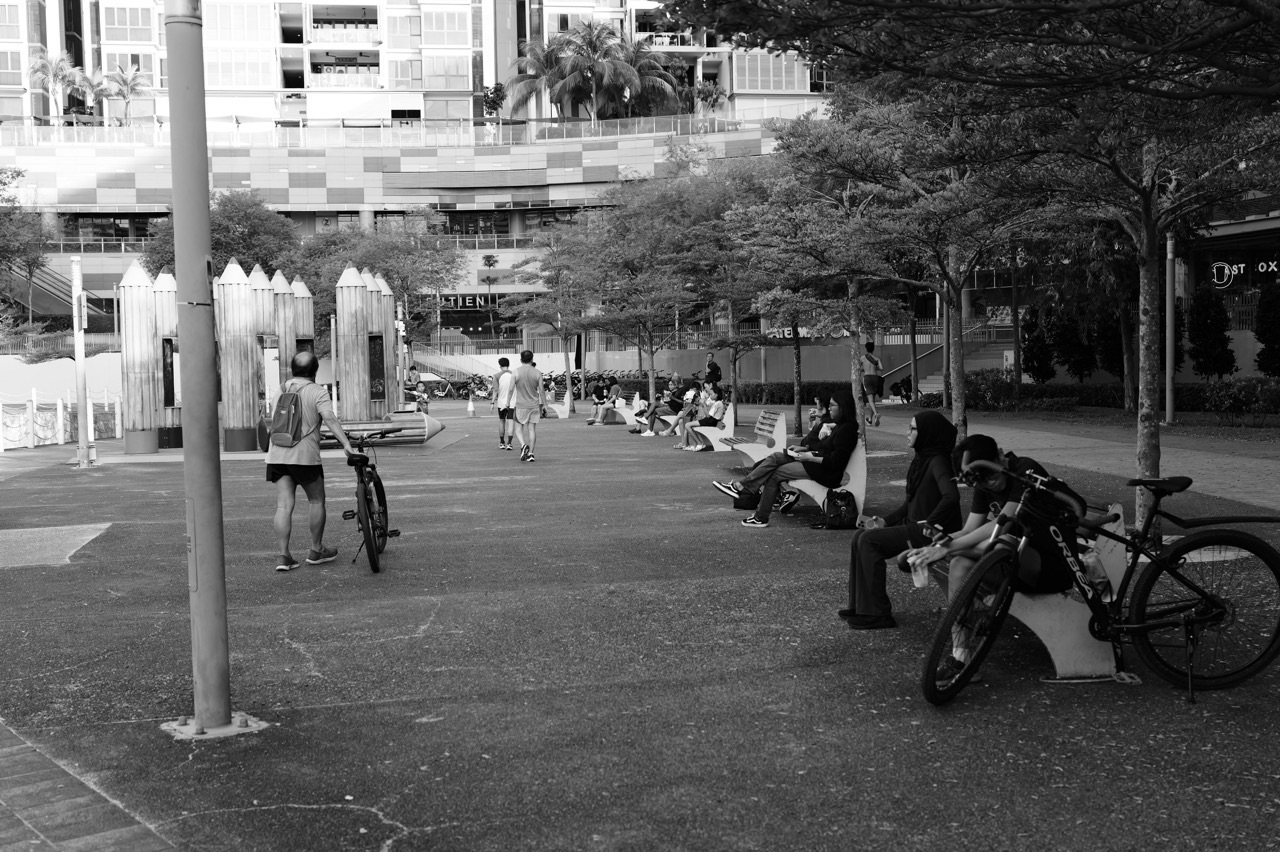
For healthy living in Punggol, the useful starting point is not an expensive wellness package. It is a small, workable system: balanced meals most days, enough rest, enjoyable regular movement, appropriate preventive healthcare, and people you can turn to when life becomes difficult. Punggol already has useful local building blocks, from neighbourhood food choices and Waterway walks to Punggol Polyclinic at Oasis Terraces and community spaces at One Punggol. The difference comes from how a household uses them through an ordinary week.
This Punggol health and lifestyle guide shows residents how to organise food, sleep, hydration, medical appointments, school wellbeing, family habits and healthier routines without pretending that every person has the same needs. It is different from our dedicated Punggol haze health guide, which addresses smoke exposure and symptoms, and from our four-week Punggol exercise plan, which gives an activity progression. Here the question is bigger: what does a healthy week feel like when people are studying, working, caring for children and ageing in the same town?
The answer in one minute
- Eat sensibly: use Singapore’s My Healthy Plate principles as a flexible guide, not as a demand for perfect meals.
- Protect sleep: make bedtimes and wind-down periods a realistic household priority, especially during school and work peaks.
- Move regularly: choose activity close to home and build gradually rather than treating exercise as a special event.
- Keep healthcare practical: have an appropriate regular care route, record appointments and ask the provider about preventive checks.
- Notice the environment: heat, weather, air quality and the accessibility of a route can change what is suitable today.
- Look after people, not only metrics: friendship, family conversations, recovery and seeking help when needed matter alongside meals and activity.
None of this requires living by a rigid timetable. A family that eats out, works shifts or has a child in examination season can still make useful choices. Consistency and adaptation are stronger than guilt.
What healthy living in Punggol actually means
Punggol is often described through its parks, waterfront and modern public facilities. Those are attractive, but a healthy town is not measured solely by the number of running paths it offers. Someone managing chronic disease needs a dependable clinical relationship. A child needs meals, sleep and reassuring adults. An older resident may need an accessible route and companionship. A worker on irregular shifts needs a plan that does not collapse when Monday looks different from Thursday.
This is why we separate health habits from healthcare services. Habits shape what happens each day: food, movement, rest, relationships and environmental exposure. Healthcare services assess symptoms, screening needs, medication, vaccination and conditions that require trained professional judgement. A neighbourhood guide can help people find and organise those services. It must not decide which test or medicine a particular person needs.
One Punggol combines multiple ordinary errands and services in one place, while Oasis Terraces serves the neighbourhood around Punggol Polyclinic. These locations may make an appointment or a healthy meal easier to integrate into a day, but they do not automatically make the day restful. Plan with enough time to walk, wait, eat and get home.
Eating healthily in Punggol without making every meal a project
Singapore’s Health Promotion Board’s My Healthy Plate is an accessible guide: roughly one quarter wholegrains, one quarter lean or appropriate protein, and half fruit and vegetables across a balanced meal. The pattern is flexible. If lunch does not contain all the food groups, the rest of the day offers another opportunity.
This is especially useful in Punggol because eating may happen in several settings: a family meal at home, a hawker-centre lunch, something picked up near the MRT, or a simple dinner after a child’s CCA. The choice is not between eating out and being healthy. It is between noticing what a meal contains and leaving the decision to habit alone.
Three everyday meal situations
At a hawker centre: imagine choosing rice with a vegetable dish and a suitable protein. You can ask for a wholegrain option when available, include vegetables and choose water or an unsweetened drink. That is more practical than trying to count every calorie while other family members are hungry. The One Punggol guide explains the integrated hub and its hawker-centre setting, without promising a particular stall or menu will always be available.
After a long commute: a parent may arrive at Waterway Point too tired to cook. Instead of forcing a perfect home meal, pick a familiar food option and look for vegetables, protein and a portion that fits appetite and need. The Punggol shopping-centres guide helps decide which destination fits the trip; it does not need to dictate the meal.
With a picky child: involve the child in choosing a vegetable or fruit they are willing to try, use age-appropriate portions and avoid turning dinner into a moral contest. HealthHub’s Parent Hub encourages enjoyable family meals and involving children in food choices. People with allergies, specialised diets or medical nutrition requirements should follow individual clinical advice.
How to shop without creating food waste
Choose two or three easy weekday meals before buying groceries. Check what is already in the kitchen, plan realistic quantities and keep at least one low-effort fallback. A fridge filled with ambitious ingredients that spoil on Thursday is not automatically healthier than a simple meal you consistently prepare.
Look at the nutrition information panel where relevant. Compare similar foods for added sugar or sodium rather than relying on a single front-of-pack claim. Pick produce that the household actually eats. It can be frozen, fresh or prepared appropriately; the health goal is not to stage a photographic ideal.
For seniors, adequacy of food and protein is important. For growing children, energy and nutrient needs vary by age and development. For people with diabetes, kidney disease, pregnancy-related needs or other conditions, general plate examples should be adapted with a healthcare professional.
Sleep is a health habit, not leftover time
A Punggol household may have an early school bus, a parent returning late from work, tuition, homework and weekend activities. Sleep often becomes the item that absorbs every overrun. The problem is that insufficient rest can affect concentration, mood, coping and day-to-day functioning. Adding another enrichment activity at night may feel productive, yet leave less capacity for tomorrow.
Set a realistic wind-down point rather than relying only on an ambitious bedtime. Allow time for dinner, hygiene, preparation for the next morning and calming activities. Make devices less intrusive near sleep time where possible. Children and teens benefit from dependable routines; adults working shifts may need a more individualised plan to protect adequate rest within their actual schedule.
Imagine a secondary-school student who completes a worksheet at 11.30pm every night but rereads the same question repeatedly from tiredness. The answer is not simply another hour of study. Review what is taking time, which tasks need adult help, and how tomorrow’s work can be made more efficient. Our Punggol student wellbeing guide treats sleep and relationships as part of learning, not distractions from it.
If snoring, breathing interruption, persistent insomnia, excessive daytime sleepiness or other symptoms are affecting life, speak with a qualified healthcare professional rather than treating a general article as diagnosis.
Movement: turn nearby places into regular activity
Punggol Waterway Park is more than a sightseeing destination. It can support a short walk after work, family movement, light recreation or a longer route for someone ready for it. NParks’ official park guide identifies four areas and its connection to the park connector network. Neighbourhood fitness corners and group activities create more options.
For healthy adults, HealthHub advises 150–300 minutes of moderate-intensity aerobic activity per week and two strengthening days. Someone starting from little activity may need to build gradually. That progression is explained in our Punggol exercise plan. Children, older adults and people with health conditions require age- and ability-appropriate advice.
Healthy movement does not have to mean a public display of fitness. A quiet walk with a friend may help someone leave a stressful workday behind. A gentle, suitable class may bring a resident into community life. The habit matters more than the photograph.
Healthcare in Punggol: plan the route before an illness makes it urgent
Punggol Polyclinic is located at Oasis Terraces, 681 Punggol Drive, #02-01, near Oasis LRT. Its provider, SingHealth Polyclinics, sets its consultation, booking and service arrangements; different services may have different appointment requirements. Our Punggol Polyclinic guide explains location, timing and the distinction between a request and a confirmed appointment.
It helps to keep a simple household healthcare record: which clinic each person uses, confirmed appointments, current medicines when relevant, and questions they want to ask their clinician. Keep this information private and accurate. Do not share an entire medical history in a public neighbourhood discussion merely to locate an appointment.
For routine, non-urgent care outside polyclinic hours, check an appropriate GP’s actual opening and suitability. Our after-hours GP guide distinguishes general care from emergencies. Life-threatening emergencies require Singapore’s emergency ambulance service on 995; do not wait for the next ordinary clinic session.
Preventive care and Healthier SG
Healthy living also includes discussing appropriate screening, vaccination, risk factors and chronic-disease management with a qualified healthcare professional. The official Healthier SG enrolment information explains that eligible Singapore Citizens and Permanent Residents aged 40 and above can enrol with a participating family doctor through the programme. Eligibility and the services provided should be checked against current official instructions and the person’s own circumstances.
Healthier SG is not a substitute for urgent medical assessment. Nor should a healthy person order tests solely because a social-media checklist says everyone needs them. A personalised health plan should match an individual clinical conversation, age, risk and existing care.
For school-aged children, health arrangements involve parents, providers and schools. Our guide to viewing a child’s school health plan explains an administrative task without guessing what any particular child needs.
A simple weekly health dashboard for families
A useful dashboard should be small enough to remember and humane enough not to turn the kitchen into an examination centre. Try one question in each area:
- Food: have we planned realistic, varied meals and kept water accessible?
- Movement: is there an enjoyable activity near home that we can repeat this week?
- Sleep: are the next morning’s essentials prepared early enough to protect rest?
- Care: are there any confirmed appointments, medications or important follow-ups that need attention?
- People: has each household member had space to talk, ask for help or spend time with others?
- Environment: do heat, storms, air quality or accessibility change today’s outdoor plan?
- Recovery: is there at least one period without compulsory productivity?
Do not track every item with scores unless that genuinely helps and does not create stress. The weekly conversation can be more valuable than a dashboard application.
Air quality, heat and the changing outdoor plan
Living near attractive green spaces should make outdoor time easier, but conditions still matter. During haze, follow official Singapore haze advisories. The guidance depends on current air quality, duration and intensity of exertion, and the health status of the people involved. Our local haze health guide addresses children, seniors, respiratory conditions and symptoms in more detail.
During thunderstorms, do not treat the waterfront as a place to wait out lightning. In high heat, reconsider the time and intensity of strenuous outdoor activity. A shorter indoor option or rest can be the right choice. Always check the latest weather and site notices before a long outdoor outing.
The lesson is that a healthy habit includes good judgement. You have not failed a health plan by choosing safety.
Social wellbeing: a healthy town is also a place to belong
A person can live beside a beautiful park and still feel isolated. Regular social contact may come through an evening walk, helping at a community event, reading at the library, joining a suitable interest group, or sharing a meal. One Punggol’s library, community club, public services and activity spaces can make a local connection easier to start; PA’s facility page describes the hub’s range.
There is no requirement to be outgoing. For a quieter resident, one familiar routine may be enough: greeting a neighbour, borrowing a book or meeting a relative once a week. The point is to create opportunities for support and enjoyment, not to manufacture a perfect social calendar.
Where emotional distress is persistent, severe or affects daily functioning, seek appropriate professional support. Friendship can support wellbeing, but it is not a replacement for trained care when someone needs it.
A worked example: one household, three kinds of health needs
Imagine a fictional Punggol household with a ten-year-old child, a working parent and a grandparent. On Monday, the parent wants to cook an elaborate healthy dinner while also helping with homework. It becomes a late night, the child sleeps too little and everyone is unhappy. The plan looked admirable but did not fit.
On Tuesday, they try something simpler. Dinner uses a familiar meal with vegetables and a suitable protein. The child packs the school bag before evening reading. The parent walks briefly after work. The grandparent has a separate comfortable daytime stroll and a confirmed health appointment later in the week. Nobody is forced to use the same programme.
By Friday, the family has not performed a dramatic wellness transformation. They have reduced friction at dinner, made mornings calmer, and know who is handling the medical appointment. That is meaningful because it is repeatable. The healthiest week often looks wonderfully ordinary from the outside.
How healthy habits change across life’s stages
Younger children
Focus on age-appropriate play, regular meals, sleep, nurturing relationships, hygiene and medical advice when needed. Parents can model habits without turning every snack or outing into a lesson about body size. Build curiosity and enjoyment.
Teenagers
School demands, friendship, identity and recovery all affect wellbeing. Physical activity should suit interests and development; rigid adult performance goals are not automatically appropriate. A teen may need a quiet library visit or social game as much as another structured class. See our teen-friendly things-to-do guide.
Working adults and caregivers
Protect realistic meal, movement and sleep routines while recognising the strain of jobs and care duties. Small steps are more dependable than a new commitment for every evening. Accept practical help when needed.
Older residents
Look at route accessibility, companionship, balance, strength, nutrition and clinical follow-up. If a public outing involves mobility aids or a wheelchair, check the actual route rather than assuming the whole park is uniformly accessible. Start with our Punggol accessibility guide and confirm live conditions.
Common mistakes that make healthy living harder
- Changing everything at once: choose one meal habit or movement slot first.
- Calling every missed session a failure: adjust the plan and continue.
- Assuming a nearby clinic means an immediate appointment: confirm with the provider.
- Using one adult routine for children and seniors: adapt to age, ability and clinical needs.
- Putting sleep last: reduce optional overload when evenings repeatedly overrun.
- Ignoring conditions: a waterfront run may be unsuitable during lightning or poor air quality.
- Conflating wellbeing advice and medical treatment: general prevention helps, but symptoms and conditions require qualified assessment.
Frequently asked questions about healthy living in Punggol
Is Punggol a healthy place to live?
Punggol offers green spaces, community facilities, healthcare and connected neighbourhood amenities. Whether a particular routine supports wellbeing depends on access, individual needs, transport, food, rest and available support. A lovely waterfront by itself does not determine health outcomes.
Where can I eat more healthily around Punggol?
Home meals, hawker centres and food outlets can all be used thoughtfully. Look for suitable vegetables, protein, wholegrains where available and drink choices that fit your needs. Our mall and One Punggol guides explain local destinations; follow actual outlet listings for current menus.
Should every Punggol resident follow the same exercise plan?
No. Adult general guidelines, child activity, pregnancy, age-related needs and medical restrictions are not interchangeable. Start with appropriate activity and seek tailored advice when necessary.
Is Punggol Polyclinic the only healthcare option?
No. There are GPs and other services. Choose according to the type of care, current hours, appointment availability and medical needs. The polyclinic and after-hours GP guides cover different parts of that choice.
Can I use Healthier SG for preventive planning?
Eligible people may enrol with a participating clinic and discuss a personalised Health Plan. Verify current eligibility and enrolment instructions using the official Healthier SG service, not an informal local summary.
What if my child is stressed during examination season?
Review sleep, workload and support instead of assuming more study hours are the only solution. Our Punggol student wellbeing and family learning guides provide general planning ideas. Persistent or severe distress deserves professional attention.
What if air quality is poor on my usual walking day?
Check Singapore’s official haze advice, consider your health and the activity’s intensity, and use a suitable indoor alternative or rest. Follow individual medical instructions where applicable.
A healthy week begins with one easy next action
Choose one adjustment for the coming seven days. Add vegetables to a familiar lunch. Prepare school bags before the bedtime rush. Put one comfortable walk in your calendar. Check an outstanding clinical appointment. Call a family member. The action should solve a real difficulty, not look impressive on a chart.
Punggol provides plenty of places where those routines can happen. Good health is the quieter work of fitting the right actions to the people who actually live here.
Explore the wider Punggol lifestyle series: Our Life in Punggol 2026 guide connects daily living, food, neighbourhoods, health, exercise and family routines, with routes into the most relevant local guides.
Go deeper: Punggol healthcare navigation and daily wellbeing
Healthy eating, sleep and regular movement are useful habits, but residents also need to know which preventive care and life-stage services to check. Follow these focused pages for the next decision.
- Preventive Health in Punggol: Healthier SG and Screening. A practical way to check Healthier SG enrolment, subsidised screening eligibility, childhood and adult vaccinations and Punggol Polyclinic appointments.
- Nature and Mental Wellbeing in Punggol. Short Waterway nature breaks, quiet green-space visits and evidence-aware stress management without confusing outdoor time with clinical treatment.
- SIT Punggol Student Wellness and Punggol Coast Living. A university-life route through campus study breaks, fitness, local food, MRT journeys, student clubs and official wellness support.
Healthier SG, subsidised screening and institutional student services have different eligibility rules. The specialist pages point to the official sources rather than promising every reader identical benefits.
Official guidance and eduKate reading
- HealthHub: My Healthy Plate.
- HealthHub: Parent Hub.
- HealthHub: physical activity guidelines.
- Healthier SG: official eligibility and enrolment.
- People’s Association: One Punggol hub.
- eduKate Punggol: polyclinic visit guide.
- eduKate Punggol: four-week exercise plan.
- eduKate Punggol: haze health guide.
Reviewed 17 October 2026. This article is for local lifestyle education, not diagnosis, individual nutritional treatment or medical clearance. Menus, clinics, opening hours, eligibility and activity programmes can change; always verify with their providers.


