
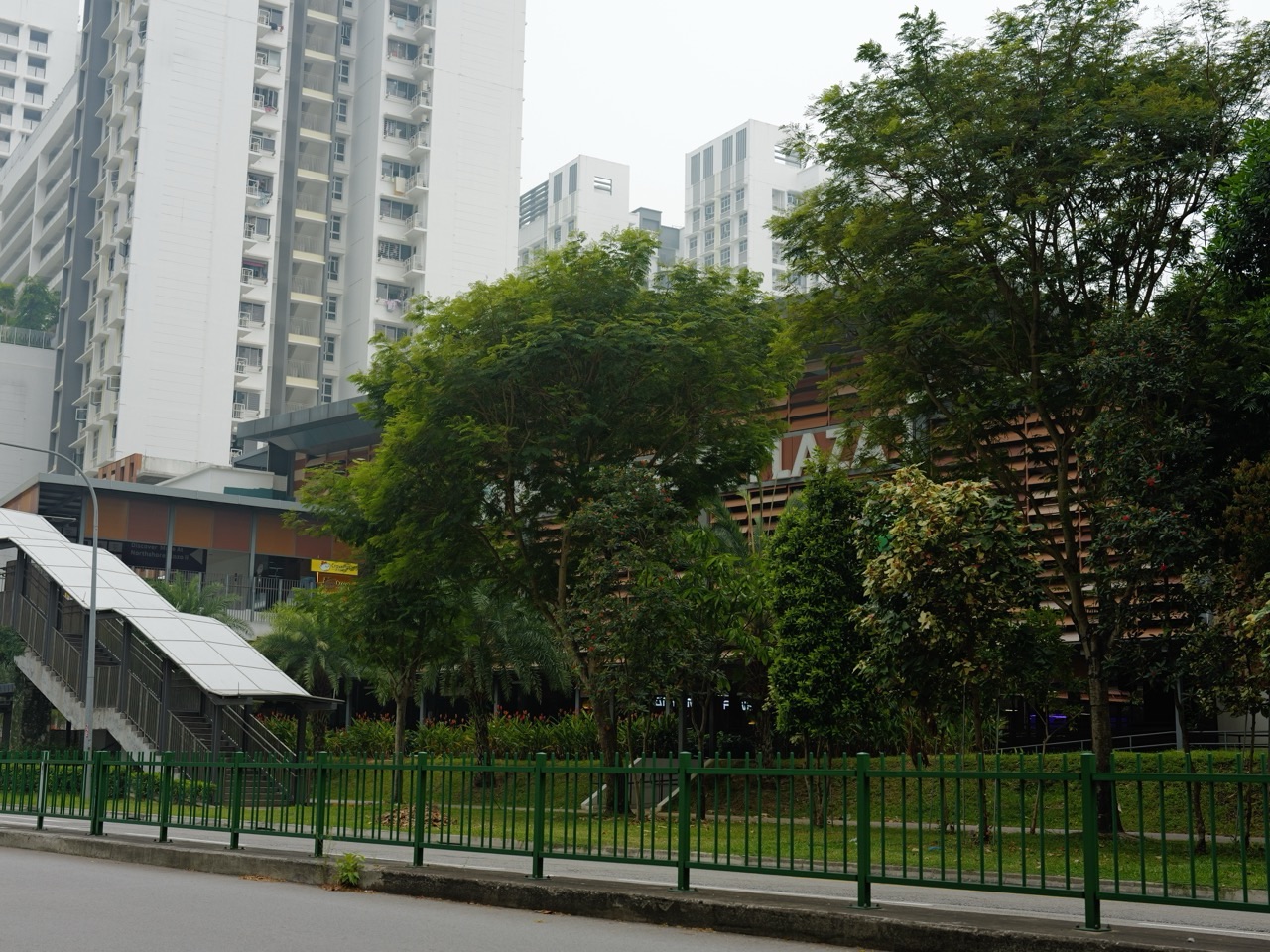
If you are looking for Punggol haze health advice for children, seniors or people with asthma, start with exposure rather than alarm. Haze particles may irritate the eyes, nose and throat and can aggravate some existing heart or lung conditions. The most useful protection is to follow the current NEA and Ministry of Health advisory, reduce prolonged or strenuous outdoor activity when advised, and pay attention to how an individual actually feels. A PSI value cannot diagnose anyone’s symptoms.
Parents also ask should kids wear N95 masks during haze, what to do about asthma in Singapore haze, and whether a short Punggol school commute is safe. The short answer: masks are generally not needed for brief journeys such as travelling to school, while activity reduction and appropriate indoor arrangements matter more as air quality worsens. For official real-time information, check haze.gov.sg; our existing Punggol PSI versus PM2.5 guide explains which measure fits the decision.
The quick health answer
- Most people can continue many ordinary activities when the relevant advisory allows, while adjusting longer, more strenuous outdoor plans as air quality worsens.
- Children, older people, pregnant women and people with chronic heart or lung disease may need greater protection under the advisory. A healthy adult runner and a child with asthma should not automatically use the same activity plan.
- Watch for symptoms, not just the index. Irritated eyes, throat or nose may occur with haze. New, persistent or worsening symptoms—especially breathing difficulty—deserve appropriate medical assessment.
- Keep prescribed medicines and care plans accessible. Anyone with asthma or another known condition should follow their clinician’s instructions rather than inventing a new medication plan for a haze episode.
- Use a respirator only where it makes sense. Properly fitted N95 respirators can filter fine particles but are not needed for every school run, lift lobby or short walk; they also increase breathing effort.
These are public-information principles based on MOH’s HealthHub advice and NEA’s air-pollution FAQs. Individual medical instructions take precedence.
What does haze do to the body?
Haze describes particles and other substances suspended in the atmosphere. Fine particles can be inhaled, and some are small enough to reach deep into the respiratory system. Short-term exposure during unhealthy haze may irritate the eyes, nose and throat. It can also increase strain on the lungs and cardiovascular system, particularly in people with existing health problems.
The experience is not identical for everyone. One person may report a scratchy throat, while another notices little discomfort. A person who feels fine after a brief walk may still decide to avoid hours of running when the official advice calls for reducing strenuous exposure.
MOH’s HealthHub notes that symptoms can sometimes occur with a lag of roughly one to three days after exposure. This is one reason not to judge an entire episode by whether everyone seems comfortable at the exact moment they return home.
At the same time, not every headache, cough or red eye during haze is necessarily caused by haze. Infections, allergies and other conditions can overlap. Treat persistent or concerning symptoms as a health question requiring clinical judgement, not as proof that the PSI has crossed a particular number.
Why PM2.5 matters but does not describe every risk
PM2.5 means particles with an aerodynamic diameter no greater than 2.5 micrometres. These particles can be associated with combustion smoke, secondary atmospheric processes and other sources. In transboundary haze episodes, fine particles are often the primary pollutant driving air-quality concern.
A number displayed as PM2.5 concentration is not the same as a PSI number. Singapore’s one-hour PM2.5 reading helps with more immediate outdoor decisions. The 24-hour PSI and its forecast are part of the official broader planning and health-advisory framework.
This guide concentrates on people and health. For the mechanics of choosing the correct index, use the linked Punggol haze indicator guide. For why the pollutants arrived in the first place, see Why Is Punggol Hazy?.
NEA places Punggol in the North air-quality reporting region. The regional value is helpful for a shared public decision; it is not a blood test, an individual exposure meter or a guarantee that every person in every Punggol block has the same risk.
Understanding the official 24-hour PSI health advice
MOH’s public guidance distinguishes healthy people from children, older adults, pregnant women and those with chronic heart or lung disease. The following is a plain-language summary of the published 24-hour PSI activity framework; always check the latest advisory for the actual episode.
- Good or moderate, PSI 0–100: Normal activities are generally advised across the groups in MOH’s table, while anyone experiencing symptoms should still seek appropriate care.
- Unhealthy, PSI 101–200: Healthy people should reduce prolonged or strenuous outdoor physical exertion. Older people, pregnant women and children should minimise such exertion. People with chronic heart or lung disease should avoid it.
- Very unhealthy, PSI 201–300: Healthy people should avoid prolonged or strenuous outdoor physical exertion. Older people, pregnant women and children should minimise outdoor activity; those with chronic heart or lung disease should avoid outdoor activity.
- Hazardous, PSI above 300: Healthy people should minimise outdoor activity. The other three groups should avoid outdoor activity.
The phrases have deliberate meanings: prolonged means several hours of continuous exposure; strenuous involves significant effort; minimise means do as little as possible; avoid means do not do the activity. A short sheltered transfer and a two-hour high-intensity football session are not the same exposure.
Do not use these categories as a personal diagnosis or as an invitation to take risks at the borderline. The official forecast and advice, individual health, activity intensity and exposure duration all matter.
Children: what parents in Punggol can do
Most parents’ first question is not theoretical. It is whether their child can go to school, take the LRT, play after lessons or join an outdoor CCA. The answer should begin with current school instructions and official haze guidance, not a blanket declaration that all schooling stops when the skyline looks grey.
Children are among the groups for whom MOH advises more caution during unhealthy haze. Parents can reduce exposure by adjusting vigorous outdoor play and by helping children understand a changed routine. A quiet indoor activity is an ordinary alternative, not a punishment.
Ask children to tell an adult if they feel wheezy, short of breath, unusually uncomfortable or unwell. Younger children may describe symptoms differently or simply seem less willing to play. Those observations are reasons to check on the child, not a substitute for medical assessment.
For children with existing conditions, make sure teachers or other carers have the relevant information through the school’s usual channels. Do not start or stop a child’s prescription medicines based on a general internet article.
Asthma during haze: the plan is personal
For a child or adult with asthma, smoke and poor air quality can be triggers. The useful preparation is to follow an established asthma action plan, keep prescribed reliever and controller medicines available as directed, and know when the treating clinician wants the patient assessed.
A family can check the forecast in the morning and agree on a less strenuous outing, indoor sports alternative or appropriate school arrangement. The right adjustment depends on the person’s condition and on how the air-quality situation develops.
Wheezing, worsening shortness of breath, persistent chest discomfort or symptoms not responding as the patient’s action plan expects deserve prompt medical attention. Severe breathing difficulty or other emergency warning signs require urgent medical help. Do not wait for the haze index to become ‘hazardous’ before responding to a person’s deterioration.
People sometimes ask whether a certain reading guarantees an asthma attack. It does not. Personal susceptibility, activity, duration, coexisting exposures and treatment all matter. Use the public numbers for planning; use the individual’s clinical plan for care.
Older adults and people with chronic heart or lung disease
For an older Punggol resident who enjoys morning walks, moderate exercise may be important for routine and wellbeing. During poor haze conditions, however, the advisory may call for cutting back or choosing a suitable indoor alternative. The decision is not ‘exercise forever versus no exercise at all’. It is about choosing the safer form for the conditions.
People with heart failure, chronic obstructive pulmonary disease and other chronic heart or lung conditions warrant additional caution under MOH’s advice. Confirm that usual medication is available, keep ordinary clinical follow-up plans, and have a way to seek help if symptoms develop.
Families should avoid treating older relatives as incapable of making decisions. Explain what the official advisory says, ask how they feel and plan together. Respectful communication makes adjustments more sustainable than frightening instructions.
If a relative develops chest pain, marked breathlessness, fainting or another serious symptom, seek urgent medical assessment. The immediate issue is the person, regardless of whether the haze reading looks comparatively mild.
Pregnancy and haze: what is proportionate?
Pregnant women are included in the more cautious group in Singapore’s haze health advisory. The first protective choices are usually to limit prolonged or strenuous outdoor exposure as advised and to avoid unnecessary smoke when outdoor air quality is poor.
Pregnancy can also change tolerance of heat, fatigue and breathlessness. These symptoms need individual clinical interpretation. Where there are questions about health or respirator use, ask the prenatal care team rather than assuming a general mask threshold settles every situation.
A brief appointment commute and an outdoor endurance event represent very different exposure levels. Plan necessary journeys sensibly, build in indoor stops where useful and maintain appropriate care. The purpose is to reduce avoidable risk without generating unnecessary worry.
Do you need an N95 mask for Punggol haze?
A properly fitting N95 respirator is designed to filter small airborne particles, including fine particles associated with haze. But N95 does not mean everyone should wear one all day. NEA states that these masks are not needed for brief exposure such as commuting between home and school or work, and are not generally needed indoors.
NEA indicates that a healthy person who must spend several hours outdoors during hazardous conditions (PSI above 300) may reduce particle exposure by wearing an N95. Older people, pregnant women and those with chronic heart or lung disease should avoid or minimise outdoor activity at very unhealthy levels (PSI above 200); if they must be outdoors for several hours, a well-fitted N95 may be considered, with medical advice where breathing concerns exist.
The order matters: reduce exposure first, consider a respirator for unavoidable prolonged exposure where appropriate. A mask is not a permit to continue strenuous exercise in poor air.
N95 respirators can make breathing feel more difficult. People with significant existing lung or heart problems and some pregnant women should seek medical advice if unsure about using one. If someone feels uncomfortable wearing it, stop and reassess.
Fit matters more than the letters on the box
A respirator is intended to make air pass through its filter. If there are large gaps around the nose or cheeks, unfiltered air can pass around the edges, reducing the benefit. A proper fit check is therefore an essential part of using an N95.
Sizes and face shapes differ. Read the manufacturer’s fitting directions and the official NEA/MOH guidance. A mask that constantly slips or creates gaps during speaking may not deliver the intended protection.
Do not share a used respirator between people. Replace it if it becomes soiled or distorted, and follow the maker’s use instructions. A respirator that is unsafe or intolerable is not an improvement over reducing the outdoor exposure in the first place.
For most families, correct activity choices and cleaner indoor time provide more everyday benefit than buying boxes of masks without understanding when they are needed.
Surgical masks, cloth masks and children’s masks
A normal surgical mask and an N95 respirator have different purposes and fit characteristics. NEA explains that ordinary surgical masks do not effectively filter fine haze particles in the same way a correctly fitted particulate respirator can, even though they may provide some comfort against larger irritants.
Parents should be especially careful with ‘N95 for children’ product claims. NEA notes that international occupational certification standards such as N95 were developed for adults, and there is no equivalent international N95 certification standard for children’s use. A children’s mask with N95 printed on a product listing is therefore not automatically a certified, well-fitting solution.
MOH’s preferred starting point for children is avoiding prolonged or strenuous outdoor exposure when the official advisory calls for it. Children with chronic heart or lung disease need individual clinical guidance before relying on a mask; discomfort with breathing is a reason to remove it and seek appropriate advice.
Even a mask suited to a child does not justify more vigorous activity in poor air. No mask changes the fact that a football match, a gentle transfer from an LRT station and an indoor story session have different levels of effort and exposure.
Symptoms: when to watch, when to seek help
Mild eye, nose or throat irritation may occur during poor haze. If someone experiences discomfort, reduce exposure, follow official health advice and monitor how they are feeling. Hydration may help a dry throat, but water does not filter particles out of the lungs.
Contact a healthcare professional for symptoms that are persistent, worsening, unusual for the person or concerning in the context of an existing condition. People with chronic heart or lung disease should have a lower threshold for asking their clinician when symptoms develop.
For severe shortness of breath, severe chest pain, collapse or another acute emergency, get urgent medical help through Singapore’s emergency services. Do not delay for an air-quality update or continue testing different masks at home.
An online article cannot tell whether a symptom is haze irritation, asthma, infection, heart disease or something else. The fact that haze is in the news should not crowd out other medically important explanations.
A worked example: one forecast, three different plans
Imagine a hypothetical forecast in the unhealthy PSI band. A healthy 30-year-old wants a fast 90-minute run by Punggol Waterway. An eight-year-old wants a long outdoor playground session. A grandparent with chronic lung disease wants a similar-length walk.
The published health framework gives them different advice. The healthy adult should reduce prolonged or strenuous outdoor exertion; the child should minimise it; and the person with chronic lung disease should avoid it. A shared family plan that ignores these differences would be less useful than three suitable alternatives.
One option is to shift the adult’s vigorous run indoors, move the child’s longer play to an indoor activity and help the grandparent enjoy a low-exposure routine suitable for their medical plan. If the official advisory changes, re-evaluate accordingly.
The example does not substitute for a school directive or medical recommendation. It demonstrates a transferable method: identify the person, identify the activity, read the applicable advisory, make the smallest safe adjustment.
School runs, tuition lessons and CCAs
A short trip from a Punggol HDB block to the bus stop, LRT or school gate is usually not the same as a long outdoor sports session. NEA explicitly says N95 masks are generally not required for these short commutes. Practical arrangements can reduce unnecessary waiting outside during poor conditions.
School operations and co-curricular activities follow institution-specific guidance and national preparations. During the 2026 haze season, NEA said MOE schools had plans to adjust or suspend outdoor activities when needed and were equipped for indoor arrangements. Families should follow actual announcements from their school, not interpret a screenshot as an order to stay home.
For a tuition or enrichment session, the question is whether the journey and learning space are appropriate for the student’s health and the official situation. A lesson indoors is not automatically a medical risk, nor is every enclosed space automatically well filtered. Communicate relevant needs to the teacher if a student is vulnerable.
The existing What happens in Punggol during haze covers changes to ordinary school and family schedules. This guide covers the health reasoning behind those adjustments.
A calm conversation with a worried child
A parent may say: ‘The air has more tiny smoke particles than usual. We checked the official advice. We are changing football practice to an indoor activity for now, and we will check again before tomorrow’s plan.’ This makes the decision clear without promising that the sky is dangerous for every second of the day.
Invite the child to ask questions. A younger child may care most about whether they can still meet friends. A teenager may want to understand why the school changed a CCA. Tell them what is confirmed and what will be checked later.
Avoid telling a child that every haze day causes permanent illness. That statement is not a useful reflection of Singapore’s short-term, intermittent exposure context or the nuance of current health evidence. Better information supports sensible decisions rather than fear.
If a child says they feel unwell, listen and respond. A calm household can still take symptoms seriously.
Building a family haze health plan in five minutes
- Identify who may need extra care. Note children, older relatives, pregnant household members and anyone with chronic heart or lung disease.
- Confirm the official advice. Use live NEA readings and the forecast appropriate to the planned activity’s time.
- Choose alternatives, not just cancellations. Substitute less strenuous indoor options when outdoor exertion should be reduced.
- Keep normal care available. Ensure prescribed medication and any clinician-provided action plan are accessible, and share essential information with carers where needed.
- Know the symptoms that require help. Agree on who will arrange medical attention, and use emergency services for severe symptoms.
This small preparation removes the need to improvise every decision. It can be kept as an ordinary family routine alongside rainy-day and heat plans.
FAQs: Punggol haze and health
Can haze cause coughing or irritated eyes?
Yes. Haze particles may irritate the eyes, nose and throat, and people can respond differently. Not every cough or red eye is caused by haze; persistent or worrying symptoms should be assessed appropriately.
Should a healthy child wear an N95 mask to school?
An N95 is generally not needed for a short school commute according to NEA. There is also no general international N95 certification standard for children’s masks. Focus on official activity guidance and reducing prolonged outdoor exposure; seek medical advice for a child with an existing condition.
Is asthma an automatic reason to stop attending school?
Not automatically. School arrangements and the child’s individual asthma action plan matter. Follow school communications, current health advice and clinician instructions. Seek care if asthma symptoms worsen.
Can I keep running outdoors if I wear a respirator?
A respirator does not turn a long strenuous run into a low-exposure activity. At unhealthy or worse air-quality levels, the official framework may advise reducing or avoiding prolonged or strenuous outdoor exertion. Adjust the activity rather than trying to defeat the advisory with equipment.
Is a surgical mask the same as an N95 for haze?
No. A normal surgical mask does not provide the same intended fine-particle protection as a properly fitted particulate respirator. Their fit and design purposes are different.
What does a healthy adult do at unhealthy PSI?
MOH’s 24-hour PSI framework advises reducing prolonged or strenuous outdoor exertion at 101–200. Read the latest official advisory and current conditions for the particular plan rather than acting on an undated number.
Can symptoms arrive after the hazy day?
Yes. MOH notes some effects can lag by one to three days. Do not attribute every later symptom to haze automatically; seek medical advice when appropriate.
Does drinking water protect the lungs from PM2.5?
Water may help comfort a dry throat, but it does not prevent inhaled particles or replace exposure reduction and official health guidance.
What if I am pregnant or caring for an older relative?
Follow the more cautious group in the official advisory, reduce prolonged outdoor exposure when advised, and seek individual clinical advice for symptoms or uncertainty about respirator use.
When should I seek urgent help?
Severe breathing difficulty, significant chest pain or other acute dangerous symptoms deserve emergency medical attention. Do not wait for the regional air-quality reading to confirm the person’s condition.
Continue through the Punggol haze learning library
The simplest reading route is to start with the question you actually have. Use the Punggol haze check for which air-quality measure to check. Use Why Is Punggol Hazy? for fire, smoke and weather explanations. Use Punggol Haze at Home for windows, filtration and indoor-air practicalities.
The earlier family routine guide covers what happens to school days and domestic schedules. You need not read every page to make a simple decision today.
Official evidence and update policy
This guide was checked on 17 October 2026. It does not report a frozen daily reading, diagnose symptoms, or replace a medical assessment. Air quality, forecasts and school arrangements can change.
- MOH HealthHub: How to Protect Yourself Against the Haze
- NEA: Air Pollution FAQs, Health Guidance and Masks
- NEA: Live Haze Readings and Advisories
- NEA: Singapore Government Agencies Implement Measures to Mitigate Impact of Haze, 2026
- Punggol Haze Check: PM2.5 Versus PSI
- Punggol Haze at Home: Indoor Air and HEPA
- Why Is Punggol Hazy?
A useful haze health guide should make life clearer. Protect the people who need additional care, respect the latest official advice, recognise symptoms that require attention, and let the rest of the day proceed calmly wherever it can.
Punggol Haze: Complete Reading Guide
Use these connected, reader-first guides for the latest official air-quality checks, practical home decisions, health precautions and Punggol outdoor planning. Start with the question you need answered; the official live advisories always take priority.
- Punggol Haze Check: PM2.5 Versus PSI — check which indicator and forecast to use
- What Happens in Punggol During Haze — adjust school and household routines
- Why Is Punggol Hazy? — understand smoke, wind and regional fires
- Punggol Haze at Home — manage windows, filters and air conditioning
- Punggol Haze Outdoor Activities — plan Waterway walks, cycling, school and nature outings
Punggol Haze Reference Library: Related Reading
Use these distinct Punggol guides to move from the current air-quality advisory to the right practical question. Always check NEA’s live service for current readings; these articles are evergreen explanations and planning tools.
- Punggol 48-hour haze preparedness — Plan the next two days without panic
- Punggol haze and pets — Dog walks, cats, birds and vet signs
- Punggol haze and schools — Preschools, PE, CCAs, school closures and exams
- Punggol haze at work — MOM advice, delivery riders and employers
Punggol Haze: Connected Reading Library
These reader-first guides answer different questions about Punggol and Singapore haze. For a decision about today, check the official NEA live readings and advisories rather than using an old article as a real-time report.
- Indoor destinations and verified PA haze shelters
- Balcony plants, laundry, vegetables and safe dust cleaning
- Reading PM2.5 graphs, PSI, satellite hotspots and wind maps
- Indoor Science, Geography, Mathematics and English learning projects
- Punggol Haze Check: one-hour PM2.5 and 24-hour PSI
- What happens in Punggol during haze: family routines
- eduKateSG Singapore Haze: transboundary smoke and connectivity
- eduKateSG Punggol Haze Lifestyle: work, school and daily errands
Punggol Haze Nose and Allergy Symptoms
Related Punggol haze articles with quick practical decisions and official reference links:
Do Smartwatches Detect Haze Effects?
Smartwatch SpO2, heart rate and why they cannot measure PM2.5
N95 Fit and Food Myths during Haze
Punggol: N95 fitting, seal checks and outdoor workers · Punggol: vitamin C, detox myths and evidence-led meals
Children’s Asthma Plans and Skin Discomfort
Child asthma action plan, inhaler spacer and school handovers · Haze eczema triggers, mask irritation and skin comfort


