
What helps a Punggol resident navigate perimenopause and midlife more comfortably? Start by recognising changes in sleep, menstrual patterns, temperature comfort, mood and daily energy; discuss troublesome or unusual symptoms with a healthcare professional; and build realistic food, walking, strength and recovery habits around your actual home and work routine. Menopause is a normal life transition, but that does not mean every symptom should be dismissed or managed alone. You do not need to run a marathon, buy supplements or tolerate persistent distress to prove resilience.
This Midlife and Menopause Wellbeing in Punggol 2026 guide is for adults curious about perimenopause, women experiencing the menopause transition, families offering support and readers thinking about physical activity in their forties, fifties and beyond. It uses the February 2026 Singapore Menopause Management Guidelines announced by KK Women’s and Children’s Hospital (KKH) alongside HealthHub advice. It covers symptoms, clinical discussions, sleep, bone and heart health, suitable strength and walking options, local routes and a gentle four-week planning framework. It is not a diagnostic tool or a hormonal treatment recommendation. The wider Healthy Living in Punggol guide covers preventive care across the household.
Menopause and midlife wellbeing: quick answers for Punggol
| Common question | Short answer | Important boundary |
|---|---|---|
| What is perimenopause? | The transition around the final menstrual period, often involving changing cycles or symptoms. | Other conditions can produce similar symptoms; seek appropriate evaluation. |
| When is menopause defined? | Typically after 12 consecutive months without a period, when there is no other medical cause. | Some surgeries and treatments change the circumstances. |
| Is every hot flush harmless? | Hot flushes can be associated with menopause. | New or unusual symptoms should be discussed with a clinician. |
| Do blood tests always prove menopause? | KKH says clinical history can suffice for many women over 45. | Doctors may test when there is diagnostic uncertainty or another concern. |
| Is movement helpful? | Appropriate regular physical activity can support overall wellbeing. | Adjust for current health, fitness, pain and fatigue. |
| How much adult activity is generally recommended? | HPB recommends 150–300 minutes of moderate aerobic activity weekly and strengthening on two or more days. | A target, not a requirement to push through illness or symptoms. |
| What if sleep is poor? | Review temperature, evening habits and symptoms; seek help for persistent difficulty. | A lifestyle tip may not treat a clinically significant condition. |
| Is hormone therapy automatically right or wrong? | KKH’s 2026 guidelines support individual clinical discussions about options. | Medication benefits and risks require a clinician’s assessment. |
| Do I need a specialist for every concern? | A GP or appropriate healthcare professional can be a sensible first contact. | Actual clinic services and referrals must be confirmed. |
| Where can I move comfortably in Punggol? | A suitable short Waterway or neighbourhood walk, or approved indoor activity. | Check heat, haze, weather and individual mobility. |
1. A 2026 reason to take menopause conversations seriously
On 20 February 2026, KK Women’s and Children’s Hospital’s Maternal and Child Health Research Institute announced Singapore’s first set of Guidelines on Management of the Menopause Transition. Their purpose was to standardise care for a life stage that is frequently overlooked or managed inconsistently. The announcement emphasises quality of life and longer-term concerns including bone, cardiovascular and other health risks, while encouraging clinicians to discuss symptoms that some patients are reluctant to mention.
That development matters to someone living in Punggol because a modern neighbourhood has many healthcare pathways but no guarantee that a symptom will be discussed unless the person seeks help. People can feel embarrassed about hot flushes, painful sex, urinary symptoms, mood changes or tiredness. A supportive family or workplace can make it easier to ask questions. A normal biological transition does not mean every difficulty should be tolerated without advice.
Read the official KKH February 2026 announcement and KKH Menopause educational guide. These are Singapore-specific sources rather than recycled information from a foreign lifestyle magazine. They should guide discussions with local healthcare professionals, not be used to self-diagnose or demand a particular medication.
A reader’s experience may differ from the general pattern. Some people have few disruptive symptoms, others experience a difficult transition, and some enter menopause early because of surgery, treatment or other circumstances. It is inaccurate to present one universal symptom list as a medical test. The useful starting point is documenting what has changed and arranging appropriate clinical evaluation when needed.
2. Perimenopause, menopause and postmenopause are not identical terms
Perimenopause refers to the period during which reproductive hormones and menstrual patterns are changing around the menopause transition. Menopause is usually defined after twelve months without a menstrual period when another cause is not responsible. Postmenopause is the period after that transition. These distinctions help communicate with a clinician, but changes in bleeding are not automatically explained by age alone.
KKH notes that for many women older than 45, diagnosis can depend on history and symptoms without routine hormonal blood tests. However, that does not mean testing is forbidden or that everyone over 45 should self-label their symptoms. A clinician may investigate when there is an unusual pattern, possible thyroid issue, early changes or other illness. Inappropriate assumptions can delay important care.
Unexpected heavy bleeding, bleeding after menopause or other concerning symptoms deserve medical attention rather than being written off as a normal phase. The same applies to persistent chest discomfort, severe symptoms or substantial changes in health. An article cannot distinguish a benign change from a condition needing assessment. Clinical investigation belongs with qualified professionals.
Some families use the word menopause for every midlife symptom, including tiredness due to work stress or poor sleep. Those can overlap, but may have many possible causes. A better approach is asking what specifically changed, when it began, how much it affects daily functioning and what else is happening. Clear information makes a medical discussion more productive than arriving with a self-diagnosis derived from a social-media checklist.
3. Symptoms to understand without diagnosing yourself
| Experience | What someone might notice | A practical next step |
|---|---|---|
| Hot flushes | Sudden temperature discomfort or flushing. | Review comfort and discuss troublesome episodes with a clinician. |
| Night sweats | Waking up hot or uncomfortable. | Consider sleep environment and symptom assessment. |
| Changes in periods | Cycles or flow differing from previous patterns. | Record timing and seek evaluation where unusual. |
| Sleep disruption | Difficulty falling or staying asleep. | Look at routines and discuss persistent problems. |
| Mood or concentration changes | Greater irritability, worry or difficulty focusing. | Consider wider health, stress and appropriate support. |
| Vaginal or urinary symptoms | Dryness, discomfort or urinary concerns. | Ask about evidence-based professional care rather than enduring symptoms. |
| Muscle or joint discomfort | Movement or recovery feeling different. | Check appropriate activity adaptation and other possible causes. |
| Bone and cardiovascular risks | Longer-term health concerns may become more relevant. | Discuss preventive care based on individual history. |
A table is useful because it turns a vague worry into something observable, but it should not make anyone feel that they must experience all eight items. Menopause varies widely. Some adults sleep well, remain active and feel comfortable through the transition; others require more substantial clinical support. Both are valid experiences, and nobody needs to compare their symptoms with a colleague to decide whether they deserve attention.
KKH’s Comprehensive Menopause Care article discusses a range of practical approaches and sources of support. It also advises seeking professional help if symptoms affect quality of life. This is especially important when someone is concerned about intimate health, mood or a persistent change that they have previously hidden from family members.
4. A Punggol household can make evening sleep conditions easier
Punggol flats can be busy environments. Children may be revising, a partner may return late, a grandparent may need care and a shift worker may be asleep during the day. If someone is experiencing night sweats or disrupted sleep, that crowded schedule can create additional difficulty. Start with the actual bedroom and evening pattern rather than buying a succession of expensive wellness devices.
KKH mentions comfortable breathable clothing, portable cooling or appropriate air-conditioning and ventilation, consistent sleep habits and suitable relaxation activities as practical ways some people manage symptoms. HealthHub’s The Importance of Sleep encourages a consistent wind-down routine, a comfortable environment and realistic sleep opportunities. These measures can support wellbeing but cannot diagnose or cure a hormonal problem.
A family can agree on quieter periods after dinner, reduce unnecessary late phone notifications and coordinate which adult handles morning or evening care. Someone who wakes sweating may need to adjust bedding or temperature, but a tropical outdoor evening walk will not necessarily fix the sleep problem. Avoid treating sleep as whatever hours remain after chores, tuition, work and optional exercise.
If symptoms or insomnia persist, discuss the pattern with a clinician, particularly when daytime functioning is affected. Sleep apnoea, mood conditions and other health issues may be relevant in some people and require separate evaluation. A menopause transition does not cancel the possibility of other diagnoses. A practical symptom diary may be more useful than trying many unverified supplements.
5. Walk for enjoyment, not as a contest against ageing
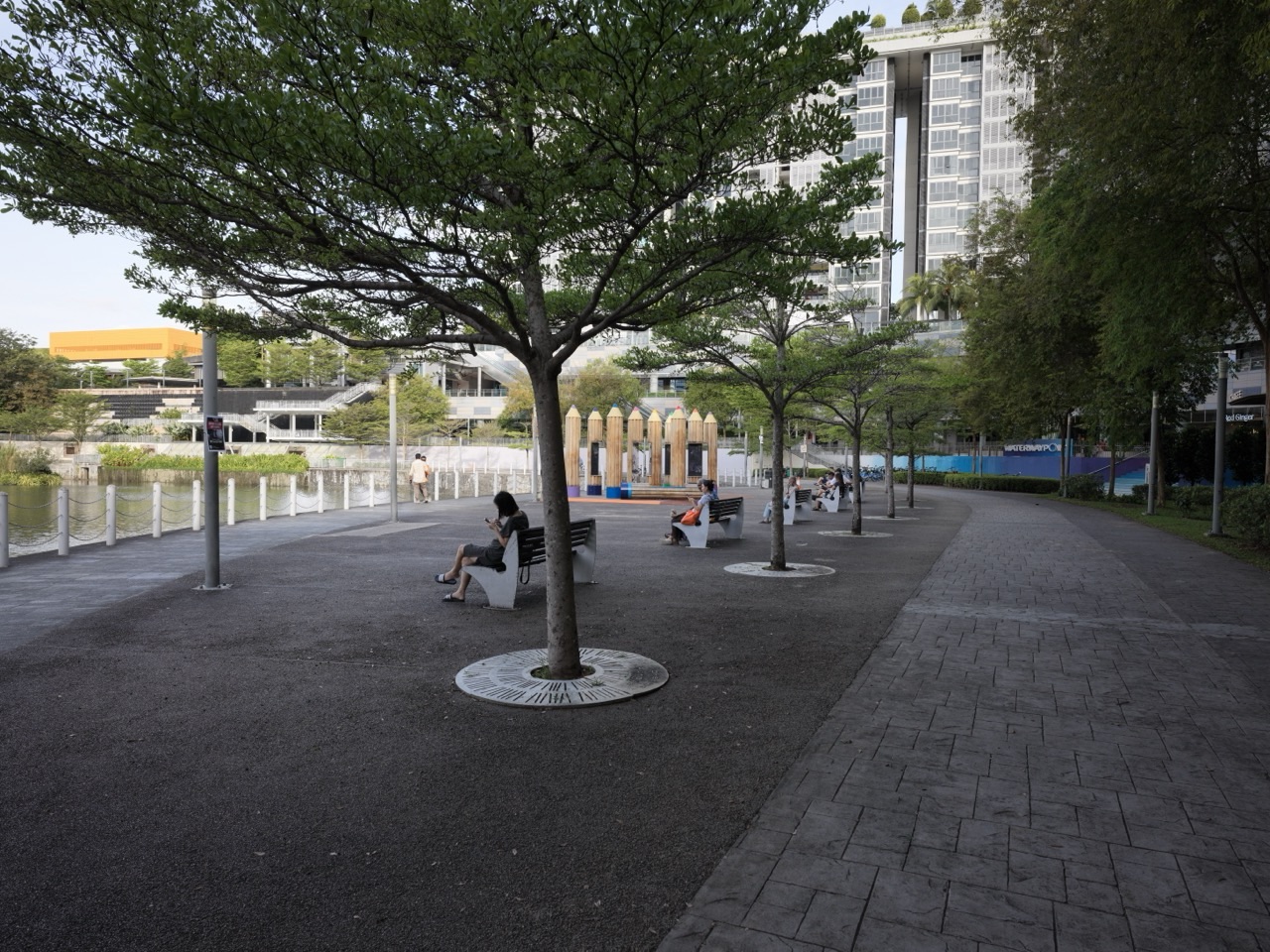
Regular movement can support overall health, mood, sleep and physical functioning. In Punggol, a comfortable familiar segment of the Waterway or a neighbourhood path may be more sustainable than a long drive to a gym. The best activity is one the person can repeat while still recovering appropriately. No one has to complete the full Waterway park connector or reach a particular running pace merely because it is recommended by a fitness influencer.
NParks’ Punggol Waterway Park page identifies several themed zones and walking opportunities near residential precincts. Choose a safe access point, a short out-and-back distance and a suitable time of day. Check surface conditions and lighting where relevant. Walking beside water can be pleasant, but a breezy setting does not guarantee low heat stress.
For beginners, activity can be built gradually. Someone who has not moved much for several months may prefer short comfortable walks with rests. Someone who has regularly run or cycled may choose another suitable routine after considering current symptoms and recovery. The goal is to maintain meaningful movement, not automatically abandon enjoyable exercise or push to a harder level to compensate for midlife changes.
The Exercise in Punggol Four-Week Beginner Plan describes general habit-building, while Walking for Everyday Errands shows how movement can fit shopping and transport. These are resources to adapt, not medical prescriptions. A person with significant pain, cardiovascular symptoms or mobility concerns should seek individual guidance.
6. Strength and balance matter, but technique matters too
The Health Promotion Board recommends adult muscle-strengthening activity on at least two days weekly, combined with appropriate aerobic movement. During midlife, maintaining strength can be valuable for physical functioning, carrying groceries, climbing stairs and enjoying preferred recreation. It is not necessary to become a bodybuilder or purchase high-priced weight equipment to begin. Controlled exercise appropriate to the person’s health and capacity is the goal.
Options may include suitably adapted bodyweight activity, professionally supervised resistance exercise or an appropriate gym class. SportSG and HealthHub publish general programmes, but the right exercises depend on injury history, balance and individual capability. Avoid starting with an online challenge that demands heavy lifting every day. Technique, rest and progressive tolerance are more important than a dramatic transformation photograph.
In Punggol, some residents consider an HDB fitness corner or a managed gym. Public fitness-corner equipment varies and may not provide the adjustments or supervision someone needs. The Strength Training in Punggol for Beginners article explains different movement categories and how to choose an appropriate setting. A resident recovering from surgery or repeated falls needs relevant professional advice rather than improvising a routine at a park station.
Balance can be part of an overall healthy ageing plan, but not every person needs the same set of exercises. Someone already involved in a well-run yoga or strength programme may continue suitably; another may benefit from a gentler start. The purpose is to preserve comfortable daily ability while respecting changing health and fatigue. No exercise removes the need for clinical care where symptoms warrant it.
7. Bone health deserves an evidence-based conversation
KKH’s 2026 menopause guidelines highlight bone health as a long-term concern associated with changes in estrogen. Loss of bone strength may not produce obvious early symptoms, which makes preventive care and risk discussion important. A reader should not diagnose osteoporosis because they have reached a certain age or infer healthy bones simply because they can walk quickly. Individual risks and any indicated tests require a healthcare professional.
Weight-bearing activity and suitable strength exercise can be elements of a general bone-health strategy, while sufficient nutrition and medical assessment may also be relevant. Avoid assuming that one supplement, exercise band or special drink prevents fractures for everyone. People have different medical conditions and medication histories, and some may need professional assessment before increasing resistance or impact.
HealthHub’s Diet Tips for Women’s Health discusses nutrition and changes that can affect body composition around midlife. A balanced meal can include appropriate proteins, wholegrains, fruits and vegetables. Calcium and other nutritional needs should be considered using current professional guidance rather than replacing real meals with unregulated supplement programmes.
The practical Punggol decision is to bring up concerns during a suitable medical visit. Ask whether any personal risk factors, screening, bone-health assessment, medication review or exercise modification are relevant. A person with a fracture history or significant risk may need tailored advice. The article cannot determine who requires a scan or which treatment is appropriate.
8. Heart health and preventive care should not be forgotten
Midlife health is broader than reproductive hormones. Blood pressure, cardiovascular risk, sleep, physical activity, diet and smoking status may all deserve routine preventive attention according to individual factors. KKH’s guidelines emphasise longer-term cardiovascular wellbeing during the menopause transition. A resident who is feeling tired or less active can benefit from a sensible professional review instead of assuming all changes are hormonal.
Many Punggol households already visit a GP or polyclinic for other needs. A suitable appointment can be used to discuss symptoms and preventive care. The Punggol Polyclinic guide provides location context, but it does not guarantee an available menopause-specialist appointment or referral on demand. Check the real healthcare service, eligibility and appointment process rather than relying on an article’s geography.
Discuss any personal history of cardiovascular conditions, clotting, cancer, surgery or other relevant issues with a clinician when evaluating treatment or lifestyle changes. Medication decisions should not be made based on general benefits described in an online summary. The responsible approach is shared clinical decision-making, not a generic prescription.
9. Menopause hormone therapy: neither automatic cure nor automatic taboo
KKH’s February 2026 guidelines reaffirm that menopause hormone therapy can be an effective option for appropriate patients, while emphasising individualised assessment. The same document addresses management of intimate health symptoms and the need to discuss risks and benefits. This matters because patients often encounter oversimplified online claims that hormones are universally dangerous or universally essential. Neither extreme reflects personalised care.
Hormone treatment may depend on symptoms, time since menopause, age, medical history, whether the uterus is present and other factors. A family member, fitness coach or lifestyle writer cannot determine eligibility. If symptoms are disrupting daily life, ask a qualified clinician about available evidence-based management and what would or would not be appropriate. Do not start, stop or change prescription medication solely because an online article describes another person’s experience.
A person preferring non-hormonal treatment can also discuss that preference. The appropriate conversation may include sleep, lifestyle, symptom relief and medical options. Some conditions warrant urgent evaluation or a more specialised pathway. The goal is better informed choice, not convincing every reader to select a particular intervention.
10. Punggol heat, haze and the difference between a hot flush and heat stress
Someone experiencing hot flushes may feel uncomfortable on a humid Punggol afternoon. Yet subjective warmth due to symptoms and environmental heat stress are different issues. MSS measures heat stress with Wet-Bulb Globe Temperature and publishes advice for prolonged outdoor activity. A pleasant breeze near Punggol Waterway cannot substitute for current WBGT information. Use MSS Heat Stress and adjust or postpone physical activity as appropriate.
During haze, consult official haze guidance before outdoor exertion. Air quality may matter particularly for people with respiratory or cardiovascular vulnerabilities. Lightning is a separate hazard; use MSS lightning information and do not continue outdoor walking under a tree during thunderstorm risk. Physical activity can be rescheduled or moved to a suitable indoor location when conditions are unsafe.
Hot flushes are not a way to measure ambient heat, and no one should attribute chest pain, fainting or severe shortness of breath automatically to menopause. Concerning symptoms need professional attention. A realistic activity plan makes it easy to stop, find a safe return and prioritise wellbeing over a step count.
11. Food choices without midlife dieting pressure
A midlife Punggol resident has access to home cooking, supermarkets, neighbourhood coffee shops and familiar hawker meals. The healthy approach is generally balance and sustainability rather than restrictive fads. HealthHub’s My Healthy Plate model can help organise suitable portions of wholegrains, proteins and vegetables/fruit, adapted to the person’s appetite, activity and medical requirements. No one food or supplement reverses the biological menopause transition.
Some people notice changes in body composition or weight during this life stage. That can be frustrating, but weight alone does not describe overall health, nor does it justify skipping meals or using unregulated products. Appropriate professional dietetic advice may be useful when there is a clinical need. Avoid comparison with younger relatives, social-media pictures or drastic promises.
The existing Punggol Healthy Hawker and Grocery Guide explains how to build ordinary meals using local options. The new Packed Lunches in Punggol — School, Work and Food Safety article focuses on safe storage and meal preparation during busy days. Together they support easier household choices without suggesting that buying expensive ‘menopause foods’ is necessary.
12. Work, relationships and the choice to speak about symptoms
A person may have a responsible job, young children and ageing parents at the same time they experience disrupted sleep or hot flushes. A busy Punggol family should not assume they can solve everything with better willpower. If someone wants to share what is happening, family members can listen, adjust practical routines and help arrange professional care. Respect privacy; menopause is not information an employer or relative is automatically entitled to know.
At work, practical environmental changes such as access to drinking water, manageable clothing or comfortable ventilation may help, but no generic policy can cover every person’s health. If symptoms materially affect work functioning, appropriate advice may be needed. A person should be able to discuss support without being mocked or treated as incapable.
Partner and family relationships may also change as sleep, comfort or intimate health concerns evolve. KKH’s guidelines specifically encourage proper discussion of genitourinary and sexual-health symptoms, which often go unreported. A supportive response is to take concerns seriously and seek qualified advice, not dismiss them as a joke or make them the subject of unwanted public conversation.
13. A realistic week in Punggol during midlife
| Day | Flexible wellbeing focus | Practical Punggol example | Boundary |
|---|---|---|---|
| Monday | Observe current symptoms and schedule. | Note sleep, energy and work commitments. | A diary is not a diagnosis. |
| Tuesday | Comfortable movement. | A short permitted Waterway or neighbourhood walk. | Adjust for WBGT, weather and capability. |
| Wednesday | Suitable strength or mobility. | A professionally appropriate home or gym activity. | Technique and recovery matter. |
| Thursday | Balanced convenient meals. | Choose a familiar home or hawker meal. | Respect clinical dietary needs. |
| Friday | Connection and rest. | Speak with a friend or enjoy quiet downtime. | Do not force social participation. |
| Saturday | Optional longer leisure. | Nature, community activity or walking when suitable. | No compulsory distance or exercise target. |
| Sunday | Review the next week’s needs. | Plan appointments, sleep and household support. | Seek care for symptoms affecting wellbeing. |
This is a menu of choices rather than a strict programme. Someone with significant insomnia, medical restrictions or a demanding work roster may need a very different week. A person who remains active can continue appropriate activity according to clinical advice, while someone starting from little movement may make one small change first. The value lies in identifying the constraint that matters, not completing every box in a wellness tracker.
14. Three practical midlife Punggol scenarios
An office worker whose sleep has changed
A Punggol resident in her late forties starts waking hot and finds morning work harder. She reads about menopause but does not assume every symptom has one cause. She records the pattern and books a suitable medical discussion. Meanwhile, she makes the bedroom more comfortable, reduces preventable evening disruptions and chooses an easy walk instead of a demanding late-night exercise session. The result is better information and a realistic routine, not a promised cure.
A parent who once trained vigorously but now feels exhausted
This parent used to run several times weekly and feels frustrated by slower recovery. She wants to double her training to regain old times. Instead, she reviews sleep and symptoms, consults appropriate health advice and considers a mixture of suitable walking, strength and rest. A slower week is not a failure. Sustainable activity can support long-term wellbeing better than chasing a former personal record through persistent fatigue.
An older relative worried about bone health
A family member hears that menopause affects bones and immediately suggests high-dose supplements and jumping exercises. The resident has a history of falls and does not feel safe attempting that plan. A better approach is a clinical review of individual risks and a suitably adapted strength and balance activity. Food, activity and any treatment should follow professional guidance. The household helps with appointments rather than prescribing from the internet.
15. A four-week personal wellbeing discovery framework
| Week | What to understand | One reasonable action | Useful result |
|---|---|---|---|
| 1 | Which symptoms and constraints truly affect daily life? | Record timing, comfort, sleep and personal questions. | A clearer medical discussion. |
| 2 | What appropriate daily movement is already possible? | Try one suitable short activity where safe. | Confidence and tolerable exertion. |
| 3 | What household support or food routine would help? | Change one preventable source of rushing or discomfort. | Less friction and a workable habit. |
| 4 | What needs qualified assessment or continuation? | Review symptoms and seek healthcare advice when indicated. | A sustainable plan based on real needs. |
The framework is not a clinical treatment plan or a guarantee of improvement within four weeks. Menopause-related symptoms can last and fluctuate, and some require specific management. The goal is to reduce confusion, improve communication and make everyday routines more manageable while recognising the point at which professional advice is needed.
16. Common mistakes in menopause wellness articles
- Assuming every midlife symptom is menopause. Other causes may require assessment.
- Ignoring unusual bleeding or persistent distress. Seek qualified medical advice.
- Treating hormone therapy as universally required or forbidden. Discuss individual risks and benefits.
- Buying unregulated supplements after a social-media claim. Seek evidence-based guidance.
- Using high-intensity exercise to punish body changes. Choose suitable activity and recovery.
- Assuming a cooling fan treats the underlying cause. Symptom comfort and clinical management differ.
- Making sleep the last priority in a busy household. Coordinate realistic rest.
- Confusing environmental heat with hot flushes. Follow current WBGT and safety advice.
- Believing menopause removes the need for preventive care. Review wider health risks.
- Assuming every person needs a specialist immediately. Use an appropriate first healthcare contact.
- Making a relative disclose private symptoms. Respect autonomy and privacy.
- Comparing one woman’s experience with another’s. Individual transitions vary.
17. Questions Punggol readers commonly ask
What is the typical definition of menopause?
Usually twelve months after the last period when no other cause explains the absence.
What is perimenopause?
The transition around menopause, during which menstrual changes or other symptoms may occur.
Does every woman need a blood test?
KKH’s 2026 guidelines support diagnosis based on history for many women over 45, with tests in selected situations.
Can menopause cause hot flushes and sleep changes?
They are recognised possible symptoms, but other conditions can have similar features.
What if bleeding returns after menopause?
Seek appropriate medical evaluation rather than assuming it is normal.
Are hormone medicines safe or unsafe for everyone?
Neither. The appropriate option requires professional evaluation of individual risks and benefits.
Can I exercise during menopause?
Many people can remain active; choose a suitable programme and obtain relevant advice for symptoms or conditions.
Is running along Punggol Waterway necessary?
No. Comfortable neighbourhood walking, strength and other suitable movement can contribute.
What does HealthHub recommend for adult physical activity?
Generally 150–300 minutes of moderate aerobic activity weekly and strengthening on at least two days, adjusted to the individual.
Should I avoid exercise because of hot flushes?
Not automatically. Consider comfort, current health and environmental conditions and discuss concerns with a clinician.
Does weight training help bone health?
Appropriate strength and weight-bearing movement can be part of overall health; individual risk may require specific guidance.
Can food cure menopause?
No particular food can reverse the transition. Balanced nutrition supports broader wellbeing.
Do I need calcium supplements?
Ask a healthcare professional about your actual diet, bone risk and appropriate requirements.
What if symptoms affect work?
Seek suitable healthcare advice and consider practical workplace adjustments where appropriate.
Can a GP help?
A GP or appropriate professional can be a starting point, with referral if indicated.
Does a poor night’s sleep mean menopause?
No. Sleep has many possible influences and persistent problems merit evaluation.
Is menopause only a concern for women in their fifties?
Age and circumstances differ, including early menopause after certain health events; relevant changes deserve care.
Can family members support someone?
Yes, by respecting privacy, listening and helping with practical routines or appointments if wanted.
How does Singapore’s February 2026 guideline matter?
It provides a more consistent evidence-based clinical framework for the menopause transition.
What is the best first step?
Identify the specific symptom or wellbeing concern and seek appropriate professional discussion rather than buying a universal cure.
Connected reading across eduKate Punggol
- Life in Punggol 2026 — Master Lifestyle Guide
- Healthy Living in Punggol
- After-Work Wellbeing in Punggol
- Active Ageing in Punggol
- Healthy Hawker and Grocery Choices
- Strength Training for Punggol Beginners
- Healthy HDB Home in Punggol
- Pregnancy-Friendly Walking in Punggol
- Packed Lunches in Punggol — Meal Prep and Safety
- Food Allergy Safety in Punggol
- Punggol Polyclinic Location and Services
- eduKateSG — First Principles and Careful Progression
Official medical and lifestyle sources
- KKH — Singapore’s February 2026 Menopause Management Guidelines
- KKH — Menopause Questions and Symptoms
- KKH — Comprehensive Menopause Care
- HealthHub — Diet and Women’s Health
- HealthHub — Sleep and Routines
- HealthHub — Adult Activity Guidance
- HealthHub — Balanced Meals
- NParks — Waterway Park
- MSS — Heat Stress
- Official Singapore Haze Guidance
Reviewed 23 October 2026. General menopause and midlife lifestyle education, not diagnosis, personal hormone therapy advice, screening eligibility determination or a guarantee of specialist availability. Seek an appropriate professional evaluation for concerning bleeding, persistent symptoms, early menopause concerns or personal treatment choices. The Punggol scenarios are fictional.


