
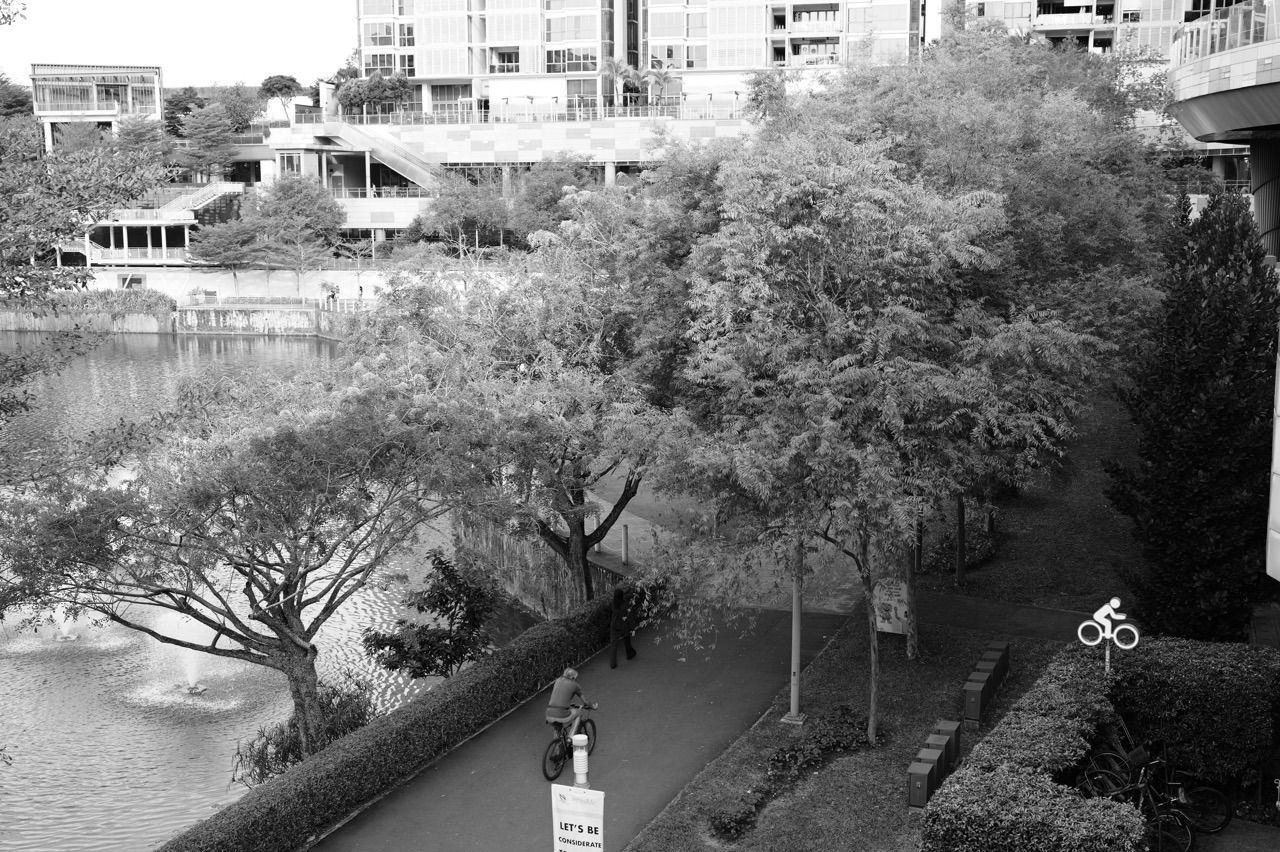
Looking for exercise in Punggol that fits real life rather than an ambitious routine you abandon after three days? Start with a short walk close to home, add two manageable strength sessions, and build gradually towards a week of regular activity. Punggol Waterway Park, the park connectors, neighbourhood fitness corners and community classes make that possible without beginning with a gym contract or an expensive bicycle. A sensible first week can be as simple as four easy 10-minute walks and some familiar chair-based or body-weight movements at an appropriate level.
This Punggol beginner exercise guide is a practical four-week plan, not another ranking of jogging routes or gyms. It explains how much activity adults generally need, how to judge effort, where to walk or practise strength, what to change during rain, heat or haze, and how parents, teenagers and older residents can adapt the idea. If you already know you want a running route, read our Punggol running routes guide. If you are choosing a facility, use our Punggol gym comparison. Here we answer a different question: how do you build an exercise habit that survives a working week?
The answer in one minute
- Begin with the routine you can repeat: a short walk near home beats a wonderful workout you cannot reach.
- Build gradually: the four-week example below moves from modest activity toward the adult guideline, but a slower progression is entirely acceptable.
- Include more than cardio: walking supports aerobic fitness; suitable strength activities help maintain muscles and function.
- Choose the right Punggol setting: the Waterway for connected paths, neighbourhood corners for convenience, community classes for company, and established gyms when you want equipment.
- Check conditions: thunderstorms, lightning, extreme heat and haze can change an outdoor session into an indoor one.
- Make it personal: people recovering from illness, living with medical conditions, pregnant people and anyone with concerning symptoms need individual clinical guidance before strenuous or unfamiliar activity.
Singapore’s HealthHub physical activity advice recommends 150–300 minutes of moderate-intensity aerobic activity each week for healthy adults, plus muscle-strengthening activity on at least two days. That is a useful longer-term destination, not a demand that a previously inactive person completes 150 minutes in the first seven days.
Why Punggol makes small exercise habits unusually practical
Punggol offers a mixture of waterfront scenery, residential paths, public transport and indoor community destinations. Some people want a proper run. Others simply want to feel less stiff after commuting, walk with a parent, or spend time outdoors with a child. Those are legitimate starting points. A healthy neighbourhood should let residents participate at different levels of effort, not only reward the people who already love sport.
NParks describes Punggol Waterway Park as a 25.79-hectare park with four themed areas: Nature Cove, Recreation Zone, Heritage Zone and Green Gallery. It connects with the North Eastern Riverine Loop. The park’s open-access character helps, but an open park is not permission to ignore temporary maintenance, signs, crowding or weather. Always follow posted instructions.
Picture a resident finishing work at Punggol MRT. They are tired and do not want an elaborate detour. A 12-minute walk along a suitable nearby section of the Waterway might be their complete exercise for that evening. Another resident prefers to stay around the HDB blocks so they can reach home quickly. Neither needs to copy an online influencer’s workout.
The easiest route is not necessarily the longest or prettiest. It is the route with a safe entry and exit, sufficient lighting for the intended time, a comfortable surface, and somewhere sensible to stop. Our Waterway Park guide covers the park itself; this article focuses on how to use local spaces for a repeatable health habit.
Before the first session: understand your starting point
If you have not exercised for months, test your routine with a short, comfortable walk. Notice your breathing, how your legs feel afterward and whether you recover normally. A schedule should be adapted to your functional ability and symptoms, not copied despite pain. Stop activity and seek appropriate medical help for chest pain, fainting, severe breathlessness, or other alarming symptoms. People with medical restrictions or mobility challenges should get personalised advice rather than treating a generic plan as medical clearance.
An everyday intensity check is the talk test. During moderate activity, many people can still talk but may find singing difficult. During vigorous effort, speaking comfortably becomes harder. The test is a practical cue, not a diagnosis or a replacement for clinical instructions. On a humid Punggol afternoon, the same pace can feel harder than during a cooler morning. Adjust to the conditions.
Choose comfortable footwear, carry water when appropriate, and find a route that does not require risky road crossings to complete your goal. A resident may choose an HDB loop rather than the Waterway if that avoids a busy junction or keeps them near an accessible toilet. Exercise does not lose its value because it happens near the void deck.
The four-week Punggol beginner exercise plan
This example is for a generally healthy adult who is starting from a low level of activity and can walk comfortably. It is a sample progression rather than an individual prescription. Keep any week longer if necessary; do not increase duration when the current level causes undue discomfort.
Week 1 — make showing up easy
- Monday: 10 minutes of comfortable walking near home.
- Tuesday: rest or an easy mobility break; no need to chase a target.
- Wednesday: 10 minutes walking, perhaps on a different convenient path.
- Thursday: brief familiar strength movements at a comfortable level, with adequate rest.
- Friday: 10 minutes walking after school drop-off or work.
- Saturday: 10–15 minutes relaxed walking with a friend or family member.
- Sunday: rest, or an easy recreational outing if comfortable.
The real aim is not the minutes. It is learning which time of day, entry point and route make the habit easy to repeat. If Saturday becomes stormy, move the walk indoors or use a rest day instead.
Week 2 — lengthen a few sessions
Aim for four or five walks of roughly 15–20 minutes, according to comfort. Include two non-consecutive, suitable strength practice days. You can choose different movements each day, but keep technique calm rather than racing for repetitions. If your legs feel unusually sore, reduce the next session and allow recovery.
Try one session beside Punggol Waterway Park and one near your HDB precinct. Comparing them is useful: one may feel refreshing, while the other is more dependable before breakfast. A workout that needs two transport transfers is rarely your only sensible choice.
Week 3 — make the week more varied
Work toward several 20–25-minute walks or other suitable moderate activities, if progression has been comfortable. Add two strength days and consider a social movement option, such as a community dance class or a casual game with friends. Remember that a class has its own intensity and entry requirements; check those before joining.
Try walking with a purpose rather than adding distance for its own sake: a book return, a coffee with a friend, a nearby community activity or an evening family conversation. The habit becomes more durable when it does something useful for life beyond exercise.
Week 4 — assemble a sustainable adult week
For someone who has progressed comfortably, five 30-minute moderate walks would total 150 minutes. Two appropriate strength days can sit alongside the walks. Others may need longer than four weeks to build to this point, and that is a perfectly reasonable adaptation. The guideline is about ongoing weekly activity, not a four-week examination.
Once a week works, keep it steady before adding speed, distance or intensity. Moving every day can be enjoyable, but rest and recovery are part of responsible training. If you miss two sessions, do not punish yourself with an oversized catch-up workout. Resume the next manageable step.
How to do a beginner strength session without making it complicated
Walking alone does not address every fitness component. You may want to practise controlled sit-to-stands from a stable chair, wall push-ups, gentle heel raises and another suitable pulling movement using equipment or instruction appropriate to your capability. A supervised beginner class may be preferable if technique or balance is uncertain. Keep the space clear, avoid unstable furniture and do not hold your breath while straining.
The useful checks are simple: can you understand the movement, control the full comfortable range, stop safely, and recover? If your answer is no, simplify. More repetitions with poor form do not make a better workout. HealthHub’s activity guide distinguishes aerobic work and resistance or muscle-strengthening activities.
Suppose a parent tries to perform a long set of squats while following a video in a crowded living room. The floor is slippery, the chair is moving, and they are watching the screen instead of their balance. A shorter, calmer session in a clear space is a better choice. Safe conditions are part of the exercise, not an afterthought.
Which Punggol place should you choose?
Punggol Waterway Park: a flexible walking base
Choose a manageable section instead of assuming you must walk its entire length. Nature Cove, Recreation Zone, Heritage Zone and Green Gallery offer different environments. Plan an out-and-back route with a reliable turnaround rather than pushing farther just because the scenery is pleasant.
For route characteristics and parking, use the dedicated Waterway Park guide. A route that feels peaceful on a weekday morning may be busier during a weekend family outing.
The park connector network: suitable for longer activity
Punggol connects to a wider cycling and walking network. Our Waterway Park Connector guide explains the route rather than pretending every reader needs an 8.4-kilometre exercise session. Walkers and cyclists should stay alert, give way appropriately and follow dismount signage at sections where cycling is restricted.
Neighbourhood fitness corners: easiest for a 15-minute slot
Some residents value an outdoor fitness corner near their block more than a destination facility across town. Equipment differs by location, so inspect it, use it only as designed, and choose an alternative if damaged or crowded. Our Punggol outdoor fitness-corner guide helps residents check starting points without promising that a particular machine is usable today.
One Punggol: classes, company and community
The People’s Association lists sports and activity facilities at One Punggol, including spaces associated with badminton, basketball and futsal. Community activity listings, course fees, timetables and booking rules change. Check the actual operator, venue and session before travelling. A beginner might enjoy our Zumba and dance fitness guide or yoga course guide.
Gyms and swimming: useful but not compulsory
A gym can support progressively structured strength training. Swimming may appeal to someone seeking a different activity, subject to safety, skill and medical suitability. Compare access, supervision and real travel time in our Punggol gym guide and Punggol swimming guide.
Do not assume the planned Punggol Regional Sports Centre is already taking public bookings. The latest source review available for our sports-centre status guide reports a 2026 target without a confirmed opening day; check an official live booking listing before making a plan.
Rain, heat, haze and the exercise you did not lose
Punggol’s outdoor spaces are appealing, but Singapore’s weather is not obliged to follow your training calendar. During thunderstorms or lightning warnings, avoid outdoor exposure and use a suitable indoor alternative. In strong heat, shorten the session, choose a cooler time, adjust intensity and pay attention to symptoms. Do not rely on shade alone as a guarantee of safe conditions.
When haze affects the air, look at official guidance, intensity and duration before exercising outside. Our Punggol haze outdoor exercise guide explains why a strenuous run and a short necessary walk are not equivalent decisions. Use Singapore’s official haze information for current advisories.
An indoor walk around an appropriate public area, simple movement at home, or a rest day can preserve the larger habit. If you have a medical condition, the substitute still needs to be suitable for you. The success metric is consistent health-supporting behaviour over months, not never altering a Tuesday workout.
A worked example: the busy Punggol parent
Consider a fictional parent with a primary-school child, an MRT commute and one weeknight community activity. Their first plan is to jog 45 minutes every evening. By Wednesday, late school work and rain have knocked it apart. The flaw is not character. It is feasibility.
A stronger routine might be 15 minutes before breakfast on Monday, a 20-minute Waterway walk on Wednesday, a short familiar strength session at home on Thursday, and a longer enjoyable walk on Saturday. The parent then adds minutes over time as capacity and schedule permit. During exam week, the family may trade the Saturday walk for a shorter stroll and earlier bedtime.
This is the same principle described in our training feasibility guide: a plan only helps when real conditions allow the person to carry it out repeatedly.
What changes for children, teenagers and older adults?
A general adult four-week plan should not be applied unchanged to everyone. Children and adolescents need age-appropriate active play, varied movement and safety supervision, not adult-style training targets copied from a spreadsheet. The useful family habit may be playing outside, walking together or joining suitable school and community activity. For teens, enjoyment, competence and social connection matter; see our teen activity guide.
For older adults, the route may need benches, good lighting, toilet access, slower pace, and more attention to balance, strength and fall prevention. A companion can make a walk more enjoyable, but should not push someone past their own appropriate level. Our accessible routes guide helps select a destination; do not infer that every path or toilet is accessible on the day.
Parents, pregnant people and residents living with chronic conditions may need modifications or a healthcare professional’s advice before new, intense activity. It is better to start appropriately than to turn a public-health recommendation into a personal medical target.
The Punggol exercise decision checklist
- What is the smallest activity I could repeat twice this week?
- Which route is genuinely convenient from my home or transport stop?
- Is today’s air quality, heat and weather suitable for this activity?
- Can I finish safely without relying on an uncertain facility opening?
- Do I need a coach, a healthcare review or an accessible route?
- Have I included recovery and suitable strength as well as walking?
- Do I enjoy the activity enough to come back next week?
- If the plan fails, what single condition should I change?
The last question is especially useful. Change the time, location, length, intensity or company. You do not have to abandon the entire idea.
Frequently asked questions about exercising in Punggol
Is Punggol Waterway Park good for beginners?
It can be, because you can choose a short section and turn around. The park has a larger connected network, but beginners need not complete a full loop. Check the route, conditions and your own ability.
Can I get fit in Punggol without joining a gym?
Yes. Walking, appropriate body-weight or resistance exercises, cycling where suitable and community activities provide options. A gym can be helpful for particular goals, but it is not a prerequisite for beginning regular movement.
How much walking should I do each day?
The broader Singapore guideline is weekly: 150–300 minutes of moderate aerobic activity for healthy adults, plus two strength days. A person beginning from very low activity may need to build progressively. Adapt the daily duration to their capacity rather than treating 30 minutes as a minimum for every individual.
Is walking after dinner useful?
A comfortable evening walk may be a pleasant and realistic slot. See the Punggol after-dinner walk guide for local route ideas. Do not exercise vigorously immediately after a large meal if it makes you uncomfortable.
What if my family has children and seniors exercising together?
Pick an accessible route, a realistic turnaround point and appropriate rest intervals. Different people can enjoy the same outing at different speeds. Do not demand equal intensity to prove that the outing counts.
Is the Punggol Regional Sports Centre open for swimming and courts now?
Do not assume so on the basis of announced plans. Verify live operating notices and booking availability with Sport Singapore. The facility status guide distinguishes project specifications from an actual public opening.
What should I do if outdoor activity is unsafe because of haze?
Follow the official advisory and your health needs. Choose an appropriate indoor option or rest. See the existing Punggol haze series for exercise planning and cleaner indoor environments.
What a successful month actually looks like
Four weeks later, success may be surprisingly ordinary. The person knows which path is comfortable, what effort feels sustainable, which two days fit strength practice, and how to adjust when school, family life or weather interrupts. They have not memorised every gym in Punggol. They have built a routine they can explain and repeat.
That is a good foundation for long-term fitness. Begin close to home, make the decision easy, add effort carefully, and enjoy the town while moving through it.
Explore the wider Punggol lifestyle series: Our Life in Punggol 2026 guide connects daily living, food, neighbourhoods, health, exercise and family routines, with routes into the most relevant local guides.
Sources, related reading and editorial notes
- HealthHub: adult weekly physical activity targets.
- HealthHub: aerobic and strengthening activity.
- NParks: Punggol Waterway Park.
- People’s Association: One Punggol facilities.
- eduKate Punggol: running route details.
- eduKate Punggol: neighbourhood fitness corners.
- eduKate Punggol: haze and outdoor activities.
Local facilities and published guidance reviewed 17 October 2026. This is a general educational guide, not a personalised exercise or medical prescription. Check live conditions, maintenance notices, class enrolment and opening status with the appropriate operator.


