
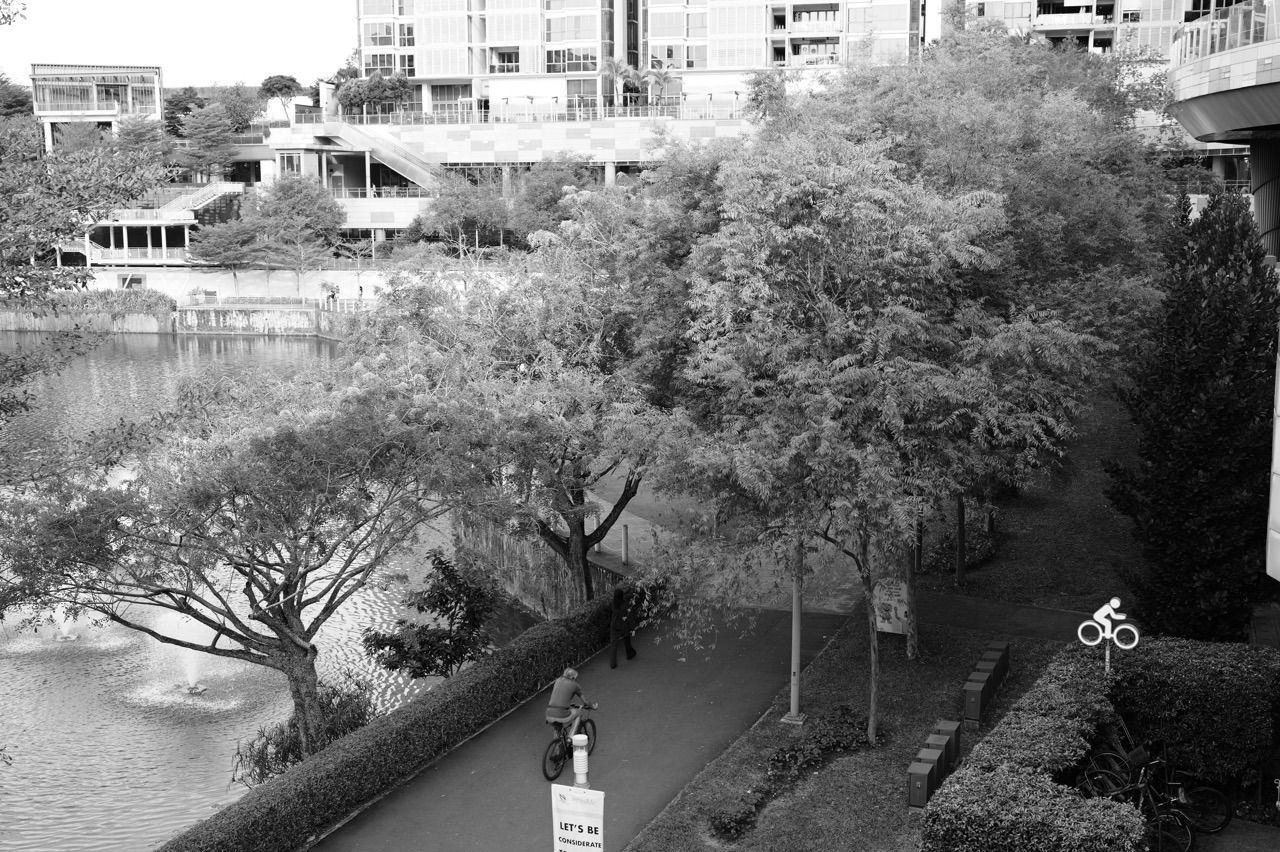
Things to do in Punggol for teenagers now go well beyond playgrounds and family attractions. Punggol Coast has the Comics & Games Library, board games, manga, graphic novels, food and new public spaces; central Punggol has Waterway Park, movies, Punggol Regional Library and cycling; Coney Island and Lorong Halus add nature, photography and longer outdoor routes.
For parents and teenagers searching for teen activities in Punggol, places to hang out with friends, low-cost weekend ideas or school-holiday plans, the strongest options are the ones that allow real choice. Teenagers usually respond better to a clear meeting point, budget and return time than to an adult-designed timetable with every hour assigned.
This 2026 guide focuses on social, active, creative and independent Punggol activities for Secondary and JC-age teenagers. It also reflects current conditions: Punggol Point Park is closed for upgrading until the expected completion date of 31 December 2027, while the Comics & Games Library at Punggol Coast Mall is currently listed by NLB as open daily from 10am to 10pm.
Teen Activities in Punggol at a Glance
- Best hangout: Comics & Games Library + Punggol Coast food.
- Best active plan: cycling or walking Punggol Waterway.
- Best creative plan: photography or short-form visual story around the waterway/Punggol Coast.
- Best low-cost plan: library + public-space walk + hawker meal.
- Best nature plan: Coney Island during 7am–7pm opening hours.
- Best rainy-day plan: Comics & Games Library, Waterway Point movie or Punggol Regional Library.
The planning principle is simple: give teenagers ownership over at least one meaningful decision. The outing should feel like time they are using, not time adults are managing on their behalf.
1. Start at the Comics & Games Library
The Comics & Games Library at Punggol Coast Mall is one of the strongest current activities for teenagers. NLB says the pop-up library has more than 7,000 comics, game-themed reads, graphic novels and board games, with tables and a dedicated games area. Avoid turning the activity into another adult-managed programme; participation improves when teenagers have real ownership.
NLB currently lists the library as open from 10am to 10pm daily, including public holidays. Entry can use a library-compliant ID, NLB eCard or an eligible day pass, so the activity can be planned without buying a commercial ticket. A useful route gives teenagers a role in navigation, timing or choosing what happens next.
Teenagers who enjoy manga, graphic novels, games or pop culture can spend a meaningful block there before moving into food, the mall or an outdoor district walk. That makes the outing feel social and self-directed rather than like a children’s itinerary with older participants.
2. Make Board Games the Social Anchor
Board games solve a common teen-group problem: everyone wants to hang out, but nobody wants an overprogrammed activity. The Comics & Games Library provides a setting where conversation and play can happen without making the whole outing about shopping. Keep the next stop optional so the day can expand when the group is enjoying itself and end cleanly when energy drops.
Choose a game nobody in the group knows well so one experienced player does not dominate. Learning the rules together creates a shared task and gives quieter friends an easier way to participate. A useful route gives teenagers a role in navigation, timing or choosing what happens next.
Set an approximate stopping time before the game begins if the group has another plan. A good social activity should leave room for food or a walk rather than consuming the entire day by accident. That makes the outing feel social and self-directed rather than like a children’s itinerary with older participants.
3. Explore Punggol Coast Mall
Punggol Coast Mall gives teenagers a familiar indoor environment within a newer part of Punggol. JTC says the mall has more than 120 food, beverage and retail brands, which makes it useful for browsing, meals and rainy-day recovery. The best teen version gives enough independence to make choices while keeping transport and safety expectations clear.
The mall should support the outing rather than become the entire outing by default. Meet there, use it as the indoor block, then move into the Comics & Games Library, hawker centre or public spaces of Punggol Digital District. A useful route gives teenagers a role in navigation, timing or choosing what happens next.
Parents who are giving older teenagers more independence can agree on boundaries: spending limit, meeting point, return time and what to do if the group splits temporarily. That makes the outing feel social and self-directed rather than like a children’s itinerary with older participants.
4. Eat at Punggol Coast Hawker Centre
JTC says Punggol Coast Hawker Centre is open with 40 stalls. That makes it a good group meal because teenagers can choose independently without forcing everyone to agree on one restaurant. Avoid turning the activity into another adult-managed programme; participation improves when teenagers have real ownership.
A hawker-centre budget can also give teenagers practice making ordinary decisions: what to spend, whether to share food, how to find seating and how to regroup after ordering. A useful route gives teenagers a role in navigation, timing or choosing what happens next.
For current food ideas, use the Punggol Coast Hawker Centre Guide. Individual stall schedules may differ. That makes the outing feel social and self-directed rather than like a children’s itinerary with older participants.
5. Walk Punggol Digital District
Punggol Digital District works well with teenagers because it feels more like urban exploration than a child-oriented attraction. The district combines new architecture, SIT, public space, greenery, bridges and transport connections. Keep the next stop optional so the day can expand when the group is enjoying itself and end cleanly when energy drops.
Give the group a theme instead of a lecture: find the best shaded space, photograph the most interesting bridge, compare how campus and business areas meet, or identify where people can sit without buying anything. A useful route gives teenagers a role in navigation, timing or choosing what happens next.
Teenagers interested in technology, design or architecture can use the walk as real-world observation. Others can simply treat it as the outdoor connector between indoor social stops. That makes the outing feel social and self-directed rather than like a children’s itinerary with older participants.
6. Walk the Punggol Heritage Trail
NParks lists Punggol Heritage Trail as open 24 hours and wheelchair accessible, with Phase 2 expected to be completed by the end of 2026. The trail gives teenagers a way to see older Punggol embedded inside the newer district. The best teen version gives enough independence to make choices while keeping transport and safety expectations clear.
Instead of reading every sign, ask one question: what was deliberately kept? Look for changes in terrain, mature trees, the alignment of Old Punggol Road and how new development is built around retained traces. A useful route gives teenagers a role in navigation, timing or choosing what happens next.
The trail works best as a shorter outdoor block before or after the Comics & Games Library. Follow current barriers and do not assume future planned sections are already open. That makes the outing feel social and self-directed rather than like a children’s itinerary with older participants.
7. Take a Waterway Photography Walk
Punggol Waterway Park gives teenagers water, bridges, housing, greenery and repeated viewpoints without requiring a paid attraction. NParks lists the park as open 24 hours and close to Punggol MRT. Avoid turning the activity into another adult-managed programme; participation improves when teenagers have real ownership.
Create a photo challenge rather than a generic walk: one reflection, one geometric frame, one image showing old and new, one example of shade and one photograph that could only have been taken in Punggol. A useful route gives teenagers a role in navigation, timing or choosing what happens next.
Photography provides a reason to move without making distance the point. Keep phones out of cycling lanes and avoid photographing strangers intrusively. That makes the outing feel social and self-directed rather than like a children’s itinerary with older participants.
8. Cycle With Friends
Cycling is one of the most natural teen activities in Punggol because it combines independence, movement and conversation. The waterway park connector provides enough network for short loops and longer rides without needing a formal sports venue. Keep the next stop optional so the day can expand when the group is enjoying itself and end cleanly when energy drops.
Groups should agree on pace, turnaround point and what happens if someone has a mechanical problem or gets tired. The strongest rider should not set a speed that breaks the group apart. A useful route gives teenagers a role in navigation, timing or choosing what happens next.
Use lights near dusk, signal before overtaking and respect pedestrians. If rental bicycles are needed, check current availability and return rules before the group builds the whole day around them. That makes the outing feel social and self-directed rather than like a children’s itinerary with older participants.
9. Walk Coney Island in Daylight
Coney Island is suitable for teenagers who enjoy nature, photography or longer walks. NParks lists the park as open from 7am to 7pm and notes that some terrain is rugged even though the east and west ends are wheelchair accessible and stroller friendly. The best teen version gives enough independence to make choices while keeping transport and safety expectations clear.
Teenagers should carry water, wear covered footwear when appropriate and remain on designated trails. NParks also advises visitors to keep a safe distance from wildlife and not feed animals. A useful route gives teenagers a role in navigation, timing or choosing what happens next.
The island is not a night hangout. Plan enough time to leave before closing and use Punggol Coast or central Punggol for the later part of the day. That makes the outing feel social and self-directed rather than like a children’s itinerary with older participants.
10. Use Lorong Halus for a Different Kind of Walk
Lorong Halus gives a group more than scenery. Wetland, reservoir, bridge and water-management systems make the landscape visually and intellectually different from a mall or conventional park. Avoid turning the activity into another adult-managed programme; participation improves when teenagers have real ownership.
Teenagers interested in Science, Geography or photography can ask how vegetation helps manage water, why the wetland sits where it does, and how a former landscape can acquire a new environmental function. A useful route gives teenagers a role in navigation, timing or choosing what happens next.
The route can be exposed, so avoid turning it into an exhausting midday walk. Bring water and use the site as a destination rather than an afterthought at the end of an already long ride. That makes the outing feel social and self-directed rather than like a children’s itinerary with older participants.
11. Watch a Movie at Waterway Point
A movie is an easy teen-group anchor because it provides a fixed meeting time and a clear activity without requiring adults to organise every minute. Waterway Point is directly connected to Punggol MRT/LRT and the bus interchange. Keep the next stop optional so the day can expand when the group is enjoying itself and end cleanly when energy drops.
Use the film as one part of the day: waterway before the movie, food after it, or the cinema as the rainy-day replacement for an outdoor plan. A useful route gives teenagers a role in navigation, timing or choosing what happens next.
Session times change, so use current cinema listings. Parents can agree on budget and return time rather than requiring constant check-ins during the film. That makes the outing feel social and self-directed rather than like a children’s itinerary with older participants.
12. Meet at Punggol MRT
Punggol MRT is a good meeting point for teenagers because transport, food, toilets and sheltered waiting are concentrated around the station. Friends coming from different parts of Singapore do not need to locate a remote park entrance independently. The best teen version gives enough independence to make choices while keeping transport and safety expectations clear.
Once everyone arrives, the group can choose the waterway, Waterway Point, One Punggol or an LRT/bus extension. This preserves flexibility when weather or arrival times change. A useful route gives teenagers a role in navigation, timing or choosing what happens next.
A clear meeting point and return plan are more useful than an over-detailed itinerary. Independence works better when logistics are simple. That makes the outing feel social and self-directed rather than like a children’s itinerary with older participants.
13. Use Punggol Coast MRT for a Separate Hangout
Punggol Coast MRT should be treated as a second gateway, not merely another stop after Punggol MRT. It is the more direct station for the digital district, Punggol Coast Mall, hawker centre and Comics & Games Library. Avoid turning the activity into another adult-managed programme; participation improves when teenagers have real ownership.
Teen groups can therefore plan one entire afternoon around Punggol Coast without backtracking into central Punggol. That keeps more time for actual social activity. A useful route gives teenagers a role in navigation, timing or choosing what happens next.
Use live journey planning for the return trip, especially if the group is staying into the evening. Clear transport expectations matter more than squeezing in one more attraction. That makes the outing feel social and self-directed rather than like a children’s itinerary with older participants.
14. Browse Punggol Regional Library
Punggol Regional Library gives teenagers a quieter alternative to malls and cafés. They can browse independently, study for a defined block, find graphic novels or non-fiction, or simply use the space as a low-cost change of environment. Keep the next stop optional so the day can expand when the group is enjoying itself and end cleanly when energy drops.
A teen group does not need to sit together continuously. Agree on a meeting time and let people explore different sections. Autonomy is often more enjoyable than forcing the group to move as one unit. A useful route gives teenagers a role in navigation, timing or choosing what happens next.
For students under exam pressure, combine a short study block with a waterway walk. The outing can contain both responsibility and recovery without becoming a full study day. That makes the outing feel social and self-directed rather than like a children’s itinerary with older participants.
15. Use One Punggol as a Flexible Base
One Punggol combines the library, hawker centre, community spaces and public services in one integrated hub. It works when a teen group wants somewhere less commercial than a mall but still connected to food and indoor space. The best teen version gives enough independence to make choices while keeping transport and safety expectations clear.
Meet there, split by interest for a while, then regroup for a meal. If weather improves, add the waterway. If it worsens, the group can remain indoors without the day collapsing. A useful route gives teenagers a role in navigation, timing or choosing what happens next.
Parents may prefer One Punggol for younger teens because the environment is public and structured without feeling child-focused. That makes the outing feel social and self-directed rather than like a children’s itinerary with older participants.
16. Create a Food Budget Challenge
Give each teenager a fixed food budget and let the group decide how to use it. They can choose one meal each, share several items or compare hawker and mall options across the day. Avoid turning the activity into another adult-managed programme; participation improves when teenagers have real ownership.
The point is not to make leisure financially stressful. It is to practise real-world decisions about value, priorities and group fairness while doing something ordinary and enjoyable. A useful route gives teenagers a role in navigation, timing or choosing what happens next.
A budget also prevents mall time from turning into unplanned spending. Clear limits are easier than repeated negotiations after purchases have already begun. That makes the outing feel social and self-directed rather than like a children’s itinerary with older participants.
17. Plan a No-Spend Teen Afternoon
A teen outing can be satisfying without paid entertainment. Walk the waterway, use Punggol Regional Library, photograph bridges and explore public areas of One Punggol or Punggol Digital District. Keep the next stop optional so the day can expand when the group is enjoying itself and end cleanly when energy drops.
Bring water and a snack if the goal is genuinely low-cost. Free public space gives teenagers somewhere to spend time without requiring each hour to be monetised. A useful route gives teenagers a role in navigation, timing or choosing what happens next.
For more zero-ticket ideas, link the route with the published Free Things to Do in Punggol guide. That makes the outing feel social and self-directed rather than like a children’s itinerary with older participants.
18. Plan a Rainy-Day Teen Hangout
Rainy weather is easier when the plan already has indoor anchors. Punggol Coast gives the Comics & Games Library and mall; central Punggol gives Waterway Point, cinema, One Punggol and Punggol Regional Library. The best teen version gives enough independence to make choices while keeping transport and safety expectations clear.
During thunderstorms, do not use open waterfronts, cycling routes or park shelters as the main activity. Stay in proper indoor locations until conditions are safe. A useful route gives teenagers a role in navigation, timing or choosing what happens next.
A rainy day does not need to become pure shopping. Comics, games, movies, food and library time can carry several hours without constant purchases. That makes the outing feel social and self-directed rather than like a children’s itinerary with older participants.
19. Make a Short-Form Video or Photo Story
Teenagers who enjoy creating media can use Punggol as a subject rather than only a background. Build a short visual story around one theme: a day at Punggol Coast, bridges of the waterway, rain-to-sunset, or old and new Punggol. Avoid turning the activity into another adult-managed programme; participation improves when teenagers have real ownership.
Plan shots before filming so the group is not repeatedly blocking public paths. Do not record strangers as identifiable subjects without appropriate consent, and do not enter restricted areas for a better angle. A useful route gives teenagers a role in navigation, timing or choosing what happens next.
The creative constraint turns a familiar neighbourhood into a project. Editing later can extend the social experience beyond the outing itself. That makes the outing feel social and self-directed rather than like a children’s itinerary with older participants.
20. Try an Urban-Design Challenge
At Punggol Digital District, ask the group to identify what makes a public space comfortable: shade, seating, greenery, shelter, clear paths, food access or transport. Then compare answers. Keep the next stop optional so the day can expand when the group is enjoying itself and end cleanly when energy drops.
This is a useful activity for teenagers interested in design, engineering, architecture or simply how cities work. The discussion begins with evidence rather than adult explanation. A useful route gives teenagers a role in navigation, timing or choosing what happens next.
The challenge can be informal. One photograph and one sentence per person is enough to produce a meaningful comparison. That makes the outing feel social and self-directed rather than like a children’s itinerary with older participants.
21. Make the Autonomous Shuttle Part of the Day if It Is Operating
Punggol’s autonomous-shuttle programme can interest teenagers who follow technology and transport. If the service is operating on a useful route and schedule, the ride can become part of the exploration. The best teen version gives enough independence to make choices while keeping transport and safety expectations clear.
Because experimental transport can change, confirm current routes, stops and hours before planning around it. Do not treat a trial service as guaranteed permanent infrastructure. A useful route gives teenagers a role in navigation, timing or choosing what happens next.
Use the published Punggol Autonomous Shuttle Guide together with live information. That makes the outing feel social and self-directed rather than like a children’s itinerary with older participants.
22. Do Not Plan Around Punggol Point Park Right Now
Many older teen outing lists include Punggol Point Park, but NParks’ current notice says the park is closed for upgrading from 11 August 2026 until expected completion on 31 December 2027. Avoid turning the activity into another adult-managed programme; participation improves when teenagers have real ownership.
A current guide should say this clearly rather than sending teenagers toward a closed destination. Use the waterway, Coney Island, Punggol Heritage Trail or Punggol Coast instead. A useful route gives teenagers a role in navigation, timing or choosing what happens next.
Respect construction barriers even if parts of the surrounding area appear accessible. Closure information is part of good route planning. That makes the outing feel social and self-directed rather than like a children’s itinerary with older participants.
23. Use the Therapeutic Garden as a Quiet Reset
Not every teen activity has to be high stimulation. The therapeutic garden at Punggol Waterway Park provides sensory planting, a communal planter, fitness features and a waterway outlook in a smaller, calmer setting. Keep the next stop optional so the day can expand when the group is enjoying itself and end cleanly when energy drops.
A teen who has spent the week in school, tuition, CCA and screens may prefer a quiet walk to another entertainment venue. Friends can talk without needing an agenda. A useful route gives teenagers a role in navigation, timing or choosing what happens next.
The garden is listed by NParks as open 24 hours. Combine it with the waterway or library rather than treating it as a full-day attraction. That makes the outing feel social and self-directed rather than like a children’s itinerary with older participants.
24. Plan a Study-and-Reward Session
Teenagers can build a responsible weekend around one defined study block followed by something social. Use Punggol Regional Library for 60 to 90 minutes, then leave the books and take a waterway walk or meet friends for food. The best teen version gives enough independence to make choices while keeping transport and safety expectations clear.
The study block should be specific: finish one chapter, revise one topic, outline one essay. Vague plans to ‘study all afternoon’ often turn the whole outing into low-quality work. A useful route gives teenagers a role in navigation, timing or choosing what happens next.
The reward is not conditional on perfect productivity. The structure simply helps teens protect both academic responsibility and recovery. That makes the outing feel social and self-directed rather than like a children’s itinerary with older participants.
25. Plan for Younger Teens
Secondary 1 and 2 students may be ready for more independence but still need clear boundaries. Choose public, transport-connected spaces such as Punggol Coast Mall, Comics & Games Library, One Punggol or Waterway Point. Avoid turning the activity into another adult-managed programme; participation improves when teenagers have real ownership.
Parents can agree on who is in the group, where they may go, spending limits, return time and what to do if someone leaves early. These rules are more useful than continuous messaging. A useful route gives teenagers a role in navigation, timing or choosing what happens next.
Start with a shorter outing and expand independence when the teenager demonstrates reliable navigation and communication. That makes the outing feel social and self-directed rather than like a children’s itinerary with older participants.
26. Plan for Older Teens
Older secondary and JC students may prefer longer cycling routes, photography, Punggol Coast, food or a study-plus-social afternoon. Adults can step back more while still keeping transport and safety expectations clear. Keep the next stop optional so the day can expand when the group is enjoying itself and end cleanly when energy drops.
Give the group responsibility for planning the route and checking opening hours. Practical competence grows when young people make real decisions with real consequences. A useful route gives teenagers a role in navigation, timing or choosing what happens next.
Do not confuse independence with unlimited duration. Sleep, school work and the journey home still matter, especially on Sunday evenings. That makes the outing feel social and self-directed rather than like a children’s itinerary with older participants.
27. Plan a Weekend Morning
A morning outing works well for teens who have afternoon commitments. Cycle or walk early, photograph the waterway, then eat. Coney Island can also work when the group starts after the official 7am opening time. The best teen version gives enough independence to make choices while keeping transport and safety expectations clear.
Morning routes reduce heat and leave the rest of the day available for family, CCA or study. They also work for teens who prefer active plans to mall-heavy afternoons. A useful route gives teenagers a role in navigation, timing or choosing what happens next.
Agree on the end time before starting. A short successful morning is easier to repeat than an outing that overruns every later commitment. That makes the outing feel social and self-directed rather than like a children’s itinerary with older participants.
28. Plan a Weekend Evening
For an evening, use central Waterway Park, Waterway Point or Punggol Coast. Begin before sunset so the group understands the route in daylight, then transition into food, movie or indoor social time. Avoid turning the activity into another adult-managed programme; participation improves when teenagers have real ownership.
Do not use Coney Island as a night hangout because its current official hours end at 7pm. Choose familiar, appropriately lit public routes after dark. A useful route gives teenagers a role in navigation, timing or choosing what happens next.
Parents and teens should agree on the return journey before everyone is tired. The final leg home is part of the plan. That makes the outing feel social and self-directed rather than like a children’s itinerary with older participants.
29. Use Public Transport Instead of Ride-Hailing by Default
Punggol’s rail and LRT network makes car-free teen outings practical. Learning to navigate Punggol MRT, Punggol Coast MRT and short public-transport extensions builds ordinary independence. Keep the next stop optional so the day can expand when the group is enjoying itself and end cleanly when energy drops.
Use a live journey planner rather than memorising a static bus list. Services change, and teenagers should learn to verify the current route themselves. A useful route gives teenagers a role in navigation, timing or choosing what happens next.
Set aside enough battery for navigation and communication. A power bank is more useful than an elaborate packing list. That makes the outing feel social and self-directed rather than like a children’s itinerary with older participants.
30. Bring a Small Teen Outing Kit
The practical kit is simple: charged phone, power bank, water, suitable shoes, sun protection and compact rain protection. Nature routes may justify insect repellent and covered footwear; cycling near dusk requires lights. The best teen version gives enough independence to make choices while keeping transport and safety expectations clear.
Do not make teenagers carry unnecessary equipment. Central Punggol and Punggol Coast have food, toilets and indoor recovery nearby. A useful route gives teenagers a role in navigation, timing or choosing what happens next.
The goal is to be prepared enough that small problems do not end the outing, while keeping the day light and social. That makes the outing feel social and self-directed rather than like a children’s itinerary with older participants.
31. Use Heat as a Scheduling Tool
Put longer outdoor routes in the morning or later afternoon. Use the Comics & Games Library, Punggol Regional Library, mall or meal during the hottest period. Avoid turning the activity into another adult-managed programme; participation improves when teenagers have real ownership.
Teenagers may tolerate heat better than younger children but can still become dehydrated and irritable. Carry water and do not treat endurance as proof that the plan was good. A useful route gives teenagers a role in navigation, timing or choosing what happens next.
A smart itinerary protects the later social part of the day by avoiding unnecessary exhaustion early. That makes the outing feel social and self-directed rather than like a children’s itinerary with older participants.
32. Use Rain as a Scheduling Tool
When rain is forecast, choose Punggol Coast or central Punggol because both have strong indoor anchors beside outdoor options. Start indoors and let a safe weather window earn the walk. Keep the next stop optional so the day can expand when the group is enjoying itself and end cleanly when energy drops.
During lightning risk, stay away from exposed water edges and open cycling routes. A park shelter should not become the main thunderstorm plan. A useful route gives teenagers a role in navigation, timing or choosing what happens next.
Rain can improve the creative side of the outing: wet reflections, indoor games, a movie or a longer food-and-conversation block. That makes the outing feel social and self-directed rather than like a children’s itinerary with older participants.
33. Set Group Rules Before the Outing
A teen group functions better when a few practical rules are agreed before meeting: who is coming, meeting point, approximate budget, return time and how the group handles someone leaving early. The best teen version gives enough independence to make choices while keeping transport and safety expectations clear.
These rules prevent most parent-group friction without controlling every minute. Teenagers know the boundaries and can make choices inside them. A useful route gives teenagers a role in navigation, timing or choosing what happens next.
If plans change substantially, one clear update is usually more useful than constant live reporting. The goal is reliable independence. That makes the outing feel social and self-directed rather than like a children’s itinerary with older participants.
34. Avoid Overplanning Teenagers
Teenagers can disengage when adults fill the day with attractions. Choose one anchor—Comics & Games Library, cycling, movie or waterway—and let the group shape the rest. Avoid turning the activity into another adult-managed programme; participation improves when teenagers have real ownership.
Space matters. Friends need time to talk, browse, sit and make low-stakes decisions. That unstructured time is part of the outing rather than evidence that nothing is happening. A useful route gives teenagers a role in navigation, timing or choosing what happens next.
A two- or three-stop route usually works better than a town-wide checklist that keeps everyone moving but gives nobody ownership. That makes the outing feel social and self-directed rather than like a children’s itinerary with older participants.
Frequently Asked Questions
What is the best thing for teenagers to do in Punggol?
The Comics & Games Library at Punggol Coast is one of the strongest current options because it combines comics, graphic novels, manga and board games in a social indoor setting.
Where can teenagers hang out in Punggol?
Punggol Coast Mall and the Comics & Games Library, Waterway Point, One Punggol, Punggol Regional Library and the central waterway are practical public options depending on the group’s interests.
What can teens do for free?
Walk or photograph the waterway, visit Punggol Regional Library, explore public parts of Punggol Digital District and use the Heritage Trail. Transport and food may still cost money.
Can teenagers go to Coney Island?
Yes, when the group is prepared for a nature route. NParks currently lists the park as open 7am to 7pm and advises visitors to stay on designated trails and keep distance from wildlife.
What can teens do when it rains?
Use the Comics & Games Library, Punggol Coast Mall, Waterway Point cinema, One Punggol or Punggol Regional Library. Resume outdoor activity only when conditions are safe.
Is Punggol Point Park open?
No. NParks’ current notice says the park is closed for upgrading from 11 August 2026, with expected completion on 31 December 2027.
How much independence should parents give?
That depends on age, judgement and prior experience. Clear boundaries around group members, area, budget, return time and communication usually support independence better than constant monitoring.
Related Punggol Guides
- Things to Do in Punggol This Weekend
- Outdoor Things to Do in Punggol
- Free Things to Do in Punggol
- Things to Do Near Punggol MRT
- The Punggol Food Guide 2026
Teenagers Need Space, Not an Empty Plan
The best Punggol teen outing balances freedom and structure. A clear station, budget and return time create the structure. Comics, games, food, cycling, photography and walking create the freedom to choose.
Punggol Coast is especially strong for social indoor time; the central waterway is better for active and photographic outings; Coney Island suits nature-focused teenagers during daylight. None of these needs to be packed into one day.
Give teenagers enough responsibility to make the outing genuinely theirs. That is what turns a local trip into useful independence rather than another adult-arranged activity.
Return to the town map: The Complete Punggol Guide 2026 connects this teenager route to study spots, transport, food, sports, parks, schools and the wider Punggol family map.
Punggol for Teenagers: Accessible Independence and Hangout System
This Future Build section deepens the existing canonical owner rather than creating a competing URL. The reader job is teen-friendly things to do that are actually accessible. current venues, age conditions, hours, prices and access should be verified with current providers where material.
Current venue check
Treat current venue check as a current local-use variable. Separate verified venue or access facts from personal preference, promotional language and stale listings. A useful Punggol guide should tell the reader what to verify and why the place may fit a particular job without inventing a review.
Connect the choice to the real route: where the person starts, how they travel, what the weather changes, how long they can stay, what the budget allows and what the fallback is if a venue is full, closed or no longer suitable.
Where teenagers are involved, independence should grow with clear family boundaries: check-in expectations, last transport, phone battery, spending and safe route knowledge. Where food is involved, current operator facts own availability; the guide owns organisation and local context.
Date stamp
Treat date stamp as a current local-use variable. Separate verified venue or access facts from personal preference, promotional language and stale listings. A useful Punggol guide should tell the reader what to verify and why the place may fit a particular job without inventing a review.
Connect the choice to the real route: where the person starts, how they travel, what the weather changes, how long they can stay, what the budget allows and what the fallback is if a venue is full, closed or no longer suitable.
Where teenagers are involved, independence should grow with clear family boundaries: check-in expectations, last transport, phone battery, spending and safe route knowledge. Where food is involved, current operator facts own availability; the guide owns organisation and local context.
Teen independence
Treat teen independence as a current local-use variable. Separate verified venue or access facts from personal preference, promotional language and stale listings. A useful Punggol guide should tell the reader what to verify and why the place may fit a particular job without inventing a review.
Connect the choice to the real route: where the person starts, how they travel, what the weather changes, how long they can stay, what the budget allows and what the fallback is if a venue is full, closed or no longer suitable.
Where teenagers are involved, independence should grow with clear family boundaries: check-in expectations, last transport, phone battery, spending and safe route knowledge. Where food is involved, current operator facts own availability; the guide owns organisation and local context.
Parent boundary
Treat parent boundary as a current local-use variable. Separate verified venue or access facts from personal preference, promotional language and stale listings. A useful Punggol guide should tell the reader what to verify and why the place may fit a particular job without inventing a review.
Connect the choice to the real route: where the person starts, how they travel, what the weather changes, how long they can stay, what the budget allows and what the fallback is if a venue is full, closed or no longer suitable.
Where teenagers are involved, independence should grow with clear family boundaries: check-in expectations, last transport, phone battery, spending and safe route knowledge. Where food is involved, current operator facts own availability; the guide owns organisation and local context.
Budget
Treat budget as a current local-use variable. Separate verified venue or access facts from personal preference, promotional language and stale listings. A useful Punggol guide should tell the reader what to verify and why the place may fit a particular job without inventing a review.
Connect the choice to the real route: where the person starts, how they travel, what the weather changes, how long they can stay, what the budget allows and what the fallback is if a venue is full, closed or no longer suitable.
Where teenagers are involved, independence should grow with clear family boundaries: check-in expectations, last transport, phone battery, spending and safe route knowledge. Where food is involved, current operator facts own availability; the guide owns organisation and local context.
MRT access
Treat mrt access as a current local-use variable. Separate verified venue or access facts from personal preference, promotional language and stale listings. A useful Punggol guide should tell the reader what to verify and why the place may fit a particular job without inventing a review.
Connect the choice to the real route: where the person starts, how they travel, what the weather changes, how long they can stay, what the budget allows and what the fallback is if a venue is full, closed or no longer suitable.
Where teenagers are involved, independence should grow with clear family boundaries: check-in expectations, last transport, phone battery, spending and safe route knowledge. Where food is involved, current operator facts own availability; the guide owns organisation and local context.
LRT access
Treat lrt access as a current local-use variable. Separate verified venue or access facts from personal preference, promotional language and stale listings. A useful Punggol guide should tell the reader what to verify and why the place may fit a particular job without inventing a review.
Connect the choice to the real route: where the person starts, how they travel, what the weather changes, how long they can stay, what the budget allows and what the fallback is if a venue is full, closed or no longer suitable.
Where teenagers are involved, independence should grow with clear family boundaries: check-in expectations, last transport, phone battery, spending and safe route knowledge. Where food is involved, current operator facts own availability; the guide owns organisation and local context.
Bus access
Treat bus access as a current local-use variable. Separate verified venue or access facts from personal preference, promotional language and stale listings. A useful Punggol guide should tell the reader what to verify and why the place may fit a particular job without inventing a review.
Connect the choice to the real route: where the person starts, how they travel, what the weather changes, how long they can stay, what the budget allows and what the fallback is if a venue is full, closed or no longer suitable.
Where teenagers are involved, independence should grow with clear family boundaries: check-in expectations, last transport, phone battery, spending and safe route knowledge. Where food is involved, current operator facts own availability; the guide owns organisation and local context.
Walking
Treat walking as a current local-use variable. Separate verified venue or access facts from personal preference, promotional language and stale listings. A useful Punggol guide should tell the reader what to verify and why the place may fit a particular job without inventing a review.
Connect the choice to the real route: where the person starts, how they travel, what the weather changes, how long they can stay, what the budget allows and what the fallback is if a venue is full, closed or no longer suitable.
Where teenagers are involved, independence should grow with clear family boundaries: check-in expectations, last transport, phone battery, spending and safe route knowledge. Where food is involved, current operator facts own availability; the guide owns organisation and local context.
Cycling
Treat cycling as a current local-use variable. Separate verified venue or access facts from personal preference, promotional language and stale listings. A useful Punggol guide should tell the reader what to verify and why the place may fit a particular job without inventing a review.
Connect the choice to the real route: where the person starts, how they travel, what the weather changes, how long they can stay, what the budget allows and what the fallback is if a venue is full, closed or no longer suitable.
Where teenagers are involved, independence should grow with clear family boundaries: check-in expectations, last transport, phone battery, spending and safe route knowledge. Where food is involved, current operator facts own availability; the guide owns organisation and local context.
Rain
Treat rain as a current local-use variable. Separate verified venue or access facts from personal preference, promotional language and stale listings. A useful Punggol guide should tell the reader what to verify and why the place may fit a particular job without inventing a review.
Connect the choice to the real route: where the person starts, how they travel, what the weather changes, how long they can stay, what the budget allows and what the fallback is if a venue is full, closed or no longer suitable.
Where teenagers are involved, independence should grow with clear family boundaries: check-in expectations, last transport, phone battery, spending and safe route knowledge. Where food is involved, current operator facts own availability; the guide owns organisation and local context.
Heat
Treat heat as a current local-use variable. Separate verified venue or access facts from personal preference, promotional language and stale listings. A useful Punggol guide should tell the reader what to verify and why the place may fit a particular job without inventing a review.
Connect the choice to the real route: where the person starts, how they travel, what the weather changes, how long they can stay, what the budget allows and what the fallback is if a venue is full, closed or no longer suitable.
Where teenagers are involved, independence should grow with clear family boundaries: check-in expectations, last transport, phone battery, spending and safe route knowledge. Where food is involved, current operator facts own availability; the guide owns organisation and local context.
Haze
Treat haze as a current local-use variable. Separate verified venue or access facts from personal preference, promotional language and stale listings. A useful Punggol guide should tell the reader what to verify and why the place may fit a particular job without inventing a review.
Connect the choice to the real route: where the person starts, how they travel, what the weather changes, how long they can stay, what the budget allows and what the fallback is if a venue is full, closed or no longer suitable.
Where teenagers are involved, independence should grow with clear family boundaries: check-in expectations, last transport, phone battery, spending and safe route knowledge. Where food is involved, current operator facts own availability; the guide owns organisation and local context.
Town Centre
Treat town centre as a current local-use variable. Separate verified venue or access facts from personal preference, promotional language and stale listings. A useful Punggol guide should tell the reader what to verify and why the place may fit a particular job without inventing a review.
Connect the choice to the real route: where the person starts, how they travel, what the weather changes, how long they can stay, what the budget allows and what the fallback is if a venue is full, closed or no longer suitable.
Where teenagers are involved, independence should grow with clear family boundaries: check-in expectations, last transport, phone battery, spending and safe route knowledge. Where food is involved, current operator facts own availability; the guide owns organisation and local context.
Waterway Point
Treat waterway point as a current local-use variable. Separate verified venue or access facts from personal preference, promotional language and stale listings. A useful Punggol guide should tell the reader what to verify and why the place may fit a particular job without inventing a review.
Connect the choice to the real route: where the person starts, how they travel, what the weather changes, how long they can stay, what the budget allows and what the fallback is if a venue is full, closed or no longer suitable.
Where teenagers are involved, independence should grow with clear family boundaries: check-in expectations, last transport, phone battery, spending and safe route knowledge. Where food is involved, current operator facts own availability; the guide owns organisation and local context.
One Punggol
Treat one punggol as a current local-use variable. Separate verified venue or access facts from personal preference, promotional language and stale listings. A useful Punggol guide should tell the reader what to verify and why the place may fit a particular job without inventing a review.
Connect the choice to the real route: where the person starts, how they travel, what the weather changes, how long they can stay, what the budget allows and what the fallback is if a venue is full, closed or no longer suitable.
Where teenagers are involved, independence should grow with clear family boundaries: check-in expectations, last transport, phone battery, spending and safe route knowledge. Where food is involved, current operator facts own availability; the guide owns organisation and local context.
Punggol Coast
Treat punggol coast as a current local-use variable. Separate verified venue or access facts from personal preference, promotional language and stale listings. A useful Punggol guide should tell the reader what to verify and why the place may fit a particular job without inventing a review.
Connect the choice to the real route: where the person starts, how they travel, what the weather changes, how long they can stay, what the budget allows and what the fallback is if a venue is full, closed or no longer suitable.
Where teenagers are involved, independence should grow with clear family boundaries: check-in expectations, last transport, phone battery, spending and safe route knowledge. Where food is involved, current operator facts own availability; the guide owns organisation and local context.
Northshore
Treat northshore as a current local-use variable. Separate verified venue or access facts from personal preference, promotional language and stale listings. A useful Punggol guide should tell the reader what to verify and why the place may fit a particular job without inventing a review.
Connect the choice to the real route: where the person starts, how they travel, what the weather changes, how long they can stay, what the budget allows and what the fallback is if a venue is full, closed or no longer suitable.
Where teenagers are involved, independence should grow with clear family boundaries: check-in expectations, last transport, phone battery, spending and safe route knowledge. Where food is involved, current operator facts own availability; the guide owns organisation and local context.
Oasis
Treat oasis as a current local-use variable. Separate verified venue or access facts from personal preference, promotional language and stale listings. A useful Punggol guide should tell the reader what to verify and why the place may fit a particular job without inventing a review.
Connect the choice to the real route: where the person starts, how they travel, what the weather changes, how long they can stay, what the budget allows and what the fallback is if a venue is full, closed or no longer suitable.
Where teenagers are involved, independence should grow with clear family boundaries: check-in expectations, last transport, phone battery, spending and safe route knowledge. Where food is involved, current operator facts own availability; the guide owns organisation and local context.
Punggol Plaza
Treat punggol plaza as a current local-use variable. Separate verified venue or access facts from personal preference, promotional language and stale listings. A useful Punggol guide should tell the reader what to verify and why the place may fit a particular job without inventing a review.
Connect the choice to the real route: where the person starts, how they travel, what the weather changes, how long they can stay, what the budget allows and what the fallback is if a venue is full, closed or no longer suitable.
Where teenagers are involved, independence should grow with clear family boundaries: check-in expectations, last transport, phone battery, spending and safe route knowledge. Where food is involved, current operator facts own availability; the guide owns organisation and local context.
Punggol Settlement
Treat punggol settlement as a current local-use variable. Separate verified venue or access facts from personal preference, promotional language and stale listings. A useful Punggol guide should tell the reader what to verify and why the place may fit a particular job without inventing a review.
Connect the choice to the real route: where the person starts, how they travel, what the weather changes, how long they can stay, what the budget allows and what the fallback is if a venue is full, closed or no longer suitable.
Where teenagers are involved, independence should grow with clear family boundaries: check-in expectations, last transport, phone battery, spending and safe route knowledge. Where food is involved, current operator facts own availability; the guide owns organisation and local context.
Neighbourhood coffee shops
Treat neighbourhood coffee shops as a current local-use variable. Separate verified venue or access facts from personal preference, promotional language and stale listings. A useful Punggol guide should tell the reader what to verify and why the place may fit a particular job without inventing a review.
Connect the choice to the real route: where the person starts, how they travel, what the weather changes, how long they can stay, what the budget allows and what the fallback is if a venue is full, closed or no longer suitable.
Where teenagers are involved, independence should grow with clear family boundaries: check-in expectations, last transport, phone battery, spending and safe route knowledge. Where food is involved, current operator facts own availability; the guide owns organisation and local context.
Hawker centres
Treat hawker centres as a current local-use variable. Separate verified venue or access facts from personal preference, promotional language and stale listings. A useful Punggol guide should tell the reader what to verify and why the place may fit a particular job without inventing a review.
Connect the choice to the real route: where the person starts, how they travel, what the weather changes, how long they can stay, what the budget allows and what the fallback is if a venue is full, closed or no longer suitable.
Where teenagers are involved, independence should grow with clear family boundaries: check-in expectations, last transport, phone battery, spending and safe route knowledge. Where food is involved, current operator facts own availability; the guide owns organisation and local context.
Food courts
Treat food courts as a current local-use variable. Separate verified venue or access facts from personal preference, promotional language and stale listings. A useful Punggol guide should tell the reader what to verify and why the place may fit a particular job without inventing a review.
Connect the choice to the real route: where the person starts, how they travel, what the weather changes, how long they can stay, what the budget allows and what the fallback is if a venue is full, closed or no longer suitable.
Where teenagers are involved, independence should grow with clear family boundaries: check-in expectations, last transport, phone battery, spending and safe route knowledge. Where food is involved, current operator facts own availability; the guide owns organisation and local context.
Cafés
Treat cafés as a current local-use variable. Separate verified venue or access facts from personal preference, promotional language and stale listings. A useful Punggol guide should tell the reader what to verify and why the place may fit a particular job without inventing a review.
Connect the choice to the real route: where the person starts, how they travel, what the weather changes, how long they can stay, what the budget allows and what the fallback is if a venue is full, closed or no longer suitable.
Where teenagers are involved, independence should grow with clear family boundaries: check-in expectations, last transport, phone battery, spending and safe route knowledge. Where food is involved, current operator facts own availability; the guide owns organisation and local context.
Breakfast
Treat breakfast as a current local-use variable. Separate verified venue or access facts from personal preference, promotional language and stale listings. A useful Punggol guide should tell the reader what to verify and why the place may fit a particular job without inventing a review.
Connect the choice to the real route: where the person starts, how they travel, what the weather changes, how long they can stay, what the budget allows and what the fallback is if a venue is full, closed or no longer suitable.
Where teenagers are involved, independence should grow with clear family boundaries: check-in expectations, last transport, phone battery, spending and safe route knowledge. Where food is involved, current operator facts own availability; the guide owns organisation and local context.
Lunch
Treat lunch as a current local-use variable. Separate verified venue or access facts from personal preference, promotional language and stale listings. A useful Punggol guide should tell the reader what to verify and why the place may fit a particular job without inventing a review.
Connect the choice to the real route: where the person starts, how they travel, what the weather changes, how long they can stay, what the budget allows and what the fallback is if a venue is full, closed or no longer suitable.
Where teenagers are involved, independence should grow with clear family boundaries: check-in expectations, last transport, phone battery, spending and safe route knowledge. Where food is involved, current operator facts own availability; the guide owns organisation and local context.
After school
Treat after school as a current local-use variable. Separate verified venue or access facts from personal preference, promotional language and stale listings. A useful Punggol guide should tell the reader what to verify and why the place may fit a particular job without inventing a review.
Connect the choice to the real route: where the person starts, how they travel, what the weather changes, how long they can stay, what the budget allows and what the fallback is if a venue is full, closed or no longer suitable.
Where teenagers are involved, independence should grow with clear family boundaries: check-in expectations, last transport, phone battery, spending and safe route knowledge. Where food is involved, current operator facts own availability; the guide owns organisation and local context.
Dinner
Treat dinner as a current local-use variable. Separate verified venue or access facts from personal preference, promotional language and stale listings. A useful Punggol guide should tell the reader what to verify and why the place may fit a particular job without inventing a review.
Connect the choice to the real route: where the person starts, how they travel, what the weather changes, how long they can stay, what the budget allows and what the fallback is if a venue is full, closed or no longer suitable.
Where teenagers are involved, independence should grow with clear family boundaries: check-in expectations, last transport, phone battery, spending and safe route knowledge. Where food is involved, current operator facts own availability; the guide owns organisation and local context.
Supper
Treat supper as a current local-use variable. Separate verified venue or access facts from personal preference, promotional language and stale listings. A useful Punggol guide should tell the reader what to verify and why the place may fit a particular job without inventing a review.
Connect the choice to the real route: where the person starts, how they travel, what the weather changes, how long they can stay, what the budget allows and what the fallback is if a venue is full, closed or no longer suitable.
Where teenagers are involved, independence should grow with clear family boundaries: check-in expectations, last transport, phone battery, spending and safe route knowledge. Where food is involved, current operator facts own availability; the guide owns organisation and local context.
Quick meal
Treat quick meal as a current local-use variable. Separate verified venue or access facts from personal preference, promotional language and stale listings. A useful Punggol guide should tell the reader what to verify and why the place may fit a particular job without inventing a review.
Connect the choice to the real route: where the person starts, how they travel, what the weather changes, how long they can stay, what the budget allows and what the fallback is if a venue is full, closed or no longer suitable.
Where teenagers are involved, independence should grow with clear family boundaries: check-in expectations, last transport, phone battery, spending and safe route knowledge. Where food is involved, current operator facts own availability; the guide owns organisation and local context.
Family meal
Treat family meal as a current local-use variable. Separate verified venue or access facts from personal preference, promotional language and stale listings. A useful Punggol guide should tell the reader what to verify and why the place may fit a particular job without inventing a review.
Connect the choice to the real route: where the person starts, how they travel, what the weather changes, how long they can stay, what the budget allows and what the fallback is if a venue is full, closed or no longer suitable.
Where teenagers are involved, independence should grow with clear family boundaries: check-in expectations, last transport, phone battery, spending and safe route knowledge. Where food is involved, current operator facts own availability; the guide owns organisation and local context.
Study stop
Treat study stop as a current local-use variable. Separate verified venue or access facts from personal preference, promotional language and stale listings. A useful Punggol guide should tell the reader what to verify and why the place may fit a particular job without inventing a review.
Connect the choice to the real route: where the person starts, how they travel, what the weather changes, how long they can stay, what the budget allows and what the fallback is if a venue is full, closed or no longer suitable.
Where teenagers are involved, independence should grow with clear family boundaries: check-in expectations, last transport, phone battery, spending and safe route knowledge. Where food is involved, current operator facts own availability; the guide owns organisation and local context.
Friend hangout
Treat friend hangout as a current local-use variable. Separate verified venue or access facts from personal preference, promotional language and stale listings. A useful Punggol guide should tell the reader what to verify and why the place may fit a particular job without inventing a review.
Connect the choice to the real route: where the person starts, how they travel, what the weather changes, how long they can stay, what the budget allows and what the fallback is if a venue is full, closed or no longer suitable.
Where teenagers are involved, independence should grow with clear family boundaries: check-in expectations, last transport, phone battery, spending and safe route knowledge. Where food is involved, current operator facts own availability; the guide owns organisation and local context.
Solo stop
Treat solo stop as a current local-use variable. Separate verified venue or access facts from personal preference, promotional language and stale listings. A useful Punggol guide should tell the reader what to verify and why the place may fit a particular job without inventing a review.
Connect the choice to the real route: where the person starts, how they travel, what the weather changes, how long they can stay, what the budget allows and what the fallback is if a venue is full, closed or no longer suitable.
Where teenagers are involved, independence should grow with clear family boundaries: check-in expectations, last transport, phone battery, spending and safe route knowledge. Where food is involved, current operator facts own availability; the guide owns organisation and local context.
Outdoor option
Treat outdoor option as a current local-use variable. Separate verified venue or access facts from personal preference, promotional language and stale listings. A useful Punggol guide should tell the reader what to verify and why the place may fit a particular job without inventing a review.
Connect the choice to the real route: where the person starts, how they travel, what the weather changes, how long they can stay, what the budget allows and what the fallback is if a venue is full, closed or no longer suitable.
Where teenagers are involved, independence should grow with clear family boundaries: check-in expectations, last transport, phone battery, spending and safe route knowledge. Where food is involved, current operator facts own availability; the guide owns organisation and local context.
Indoor backup
Treat indoor backup as a current local-use variable. Separate verified venue or access facts from personal preference, promotional language and stale listings. A useful Punggol guide should tell the reader what to verify and why the place may fit a particular job without inventing a review.
Connect the choice to the real route: where the person starts, how they travel, what the weather changes, how long they can stay, what the budget allows and what the fallback is if a venue is full, closed or no longer suitable.
Where teenagers are involved, independence should grow with clear family boundaries: check-in expectations, last transport, phone battery, spending and safe route knowledge. Where food is involved, current operator facts own availability; the guide owns organisation and local context.
Movies and games
Treat movies and games as a current local-use variable. Separate verified venue or access facts from personal preference, promotional language and stale listings. A useful Punggol guide should tell the reader what to verify and why the place may fit a particular job without inventing a review.
Connect the choice to the real route: where the person starts, how they travel, what the weather changes, how long they can stay, what the budget allows and what the fallback is if a venue is full, closed or no longer suitable.
Where teenagers are involved, independence should grow with clear family boundaries: check-in expectations, last transport, phone battery, spending and safe route knowledge. Where food is involved, current operator facts own availability; the guide owns organisation and local context.
Library and comics
Treat library and comics as a current local-use variable. Separate verified venue or access facts from personal preference, promotional language and stale listings. A useful Punggol guide should tell the reader what to verify and why the place may fit a particular job without inventing a review.
Connect the choice to the real route: where the person starts, how they travel, what the weather changes, how long they can stay, what the budget allows and what the fallback is if a venue is full, closed or no longer suitable.
Where teenagers are involved, independence should grow with clear family boundaries: check-in expectations, last transport, phone battery, spending and safe route knowledge. Where food is involved, current operator facts own availability; the guide owns organisation and local context.
Sports
Treat sports as a current local-use variable. Separate verified venue or access facts from personal preference, promotional language and stale listings. A useful Punggol guide should tell the reader what to verify and why the place may fit a particular job without inventing a review.
Connect the choice to the real route: where the person starts, how they travel, what the weather changes, how long they can stay, what the budget allows and what the fallback is if a venue is full, closed or no longer suitable.
Where teenagers are involved, independence should grow with clear family boundaries: check-in expectations, last transport, phone battery, spending and safe route knowledge. Where food is involved, current operator facts own availability; the guide owns organisation and local context.
Parks
Treat parks as a current local-use variable. Separate verified venue or access facts from personal preference, promotional language and stale listings. A useful Punggol guide should tell the reader what to verify and why the place may fit a particular job without inventing a review.
Connect the choice to the real route: where the person starts, how they travel, what the weather changes, how long they can stay, what the budget allows and what the fallback is if a venue is full, closed or no longer suitable.
Where teenagers are involved, independence should grow with clear family boundaries: check-in expectations, last transport, phone battery, spending and safe route knowledge. Where food is involved, current operator facts own availability; the guide owns organisation and local context.
Food price boundary
Treat food price boundary as a current local-use variable. Separate verified venue or access facts from personal preference, promotional language and stale listings. A useful Punggol guide should tell the reader what to verify and why the place may fit a particular job without inventing a review.
Connect the choice to the real route: where the person starts, how they travel, what the weather changes, how long they can stay, what the budget allows and what the fallback is if a venue is full, closed or no longer suitable.
Where teenagers are involved, independence should grow with clear family boundaries: check-in expectations, last transport, phone battery, spending and safe route knowledge. Where food is involved, current operator facts own availability; the guide owns organisation and local context.
Opening hours
Treat opening hours as a current local-use variable. Separate verified venue or access facts from personal preference, promotional language and stale listings. A useful Punggol guide should tell the reader what to verify and why the place may fit a particular job without inventing a review.
Connect the choice to the real route: where the person starts, how they travel, what the weather changes, how long they can stay, what the budget allows and what the fallback is if a venue is full, closed or no longer suitable.
Where teenagers are involved, independence should grow with clear family boundaries: check-in expectations, last transport, phone battery, spending and safe route knowledge. Where food is involved, current operator facts own availability; the guide owns organisation and local context.
Tenant changes
Treat tenant changes as a current local-use variable. Separate verified venue or access facts from personal preference, promotional language and stale listings. A useful Punggol guide should tell the reader what to verify and why the place may fit a particular job without inventing a review.
Connect the choice to the real route: where the person starts, how they travel, what the weather changes, how long they can stay, what the budget allows and what the fallback is if a venue is full, closed or no longer suitable.
Where teenagers are involved, independence should grow with clear family boundaries: check-in expectations, last transport, phone battery, spending and safe route knowledge. Where food is involved, current operator facts own availability; the guide owns organisation and local context.
Stall changes
Treat stall changes as a current local-use variable. Separate verified venue or access facts from personal preference, promotional language and stale listings. A useful Punggol guide should tell the reader what to verify and why the place may fit a particular job without inventing a review.
Connect the choice to the real route: where the person starts, how they travel, what the weather changes, how long they can stay, what the budget allows and what the fallback is if a venue is full, closed or no longer suitable.
Where teenagers are involved, independence should grow with clear family boundaries: check-in expectations, last transport, phone battery, spending and safe route knowledge. Where food is involved, current operator facts own availability; the guide owns organisation and local context.
Delivery
Treat delivery as a current local-use variable. Separate verified venue or access facts from personal preference, promotional language and stale listings. A useful Punggol guide should tell the reader what to verify and why the place may fit a particular job without inventing a review.
Connect the choice to the real route: where the person starts, how they travel, what the weather changes, how long they can stay, what the budget allows and what the fallback is if a venue is full, closed or no longer suitable.
Where teenagers are involved, independence should grow with clear family boundaries: check-in expectations, last transport, phone battery, spending and safe route knowledge. Where food is involved, current operator facts own availability; the guide owns organisation and local context.
Takeaway
Treat takeaway as a current local-use variable. Separate verified venue or access facts from personal preference, promotional language and stale listings. A useful Punggol guide should tell the reader what to verify and why the place may fit a particular job without inventing a review.
Connect the choice to the real route: where the person starts, how they travel, what the weather changes, how long they can stay, what the budget allows and what the fallback is if a venue is full, closed or no longer suitable.
Where teenagers are involved, independence should grow with clear family boundaries: check-in expectations, last transport, phone battery, spending and safe route knowledge. Where food is involved, current operator facts own availability; the guide owns organisation and local context.
Seating
Treat seating as a current local-use variable. Separate verified venue or access facts from personal preference, promotional language and stale listings. A useful Punggol guide should tell the reader what to verify and why the place may fit a particular job without inventing a review.
Connect the choice to the real route: where the person starts, how they travel, what the weather changes, how long they can stay, what the budget allows and what the fallback is if a venue is full, closed or no longer suitable.
Where teenagers are involved, independence should grow with clear family boundaries: check-in expectations, last transport, phone battery, spending and safe route knowledge. Where food is involved, current operator facts own availability; the guide owns organisation and local context.
Crowds
Treat crowds as a current local-use variable. Separate verified venue or access facts from personal preference, promotional language and stale listings. A useful Punggol guide should tell the reader what to verify and why the place may fit a particular job without inventing a review.
Connect the choice to the real route: where the person starts, how they travel, what the weather changes, how long they can stay, what the budget allows and what the fallback is if a venue is full, closed or no longer suitable.
Where teenagers are involved, independence should grow with clear family boundaries: check-in expectations, last transport, phone battery, spending and safe route knowledge. Where food is involved, current operator facts own availability; the guide owns organisation and local context.
Wheelchair and mobility
Treat wheelchair and mobility as a current local-use variable. Separate verified venue or access facts from personal preference, promotional language and stale listings. A useful Punggol guide should tell the reader what to verify and why the place may fit a particular job without inventing a review.
Connect the choice to the real route: where the person starts, how they travel, what the weather changes, how long they can stay, what the budget allows and what the fallback is if a venue is full, closed or no longer suitable.
Where teenagers are involved, independence should grow with clear family boundaries: check-in expectations, last transport, phone battery, spending and safe route knowledge. Where food is involved, current operator facts own availability; the guide owns organisation and local context.
Toilets
Treat toilets as a current local-use variable. Separate verified venue or access facts from personal preference, promotional language and stale listings. A useful Punggol guide should tell the reader what to verify and why the place may fit a particular job without inventing a review.
Connect the choice to the real route: where the person starts, how they travel, what the weather changes, how long they can stay, what the budget allows and what the fallback is if a venue is full, closed or no longer suitable.
Where teenagers are involved, independence should grow with clear family boundaries: check-in expectations, last transport, phone battery, spending and safe route knowledge. Where food is involved, current operator facts own availability; the guide owns organisation and local context.
Teen safety and check-in
Treat teen safety and check-in as a current local-use variable. Separate verified venue or access facts from personal preference, promotional language and stale listings. A useful Punggol guide should tell the reader what to verify and why the place may fit a particular job without inventing a review.
Connect the choice to the real route: where the person starts, how they travel, what the weather changes, how long they can stay, what the budget allows and what the fallback is if a venue is full, closed or no longer suitable.
Where teenagers are involved, independence should grow with clear family boundaries: check-in expectations, last transport, phone battery, spending and safe route knowledge. Where food is involved, current operator facts own availability; the guide owns organisation and local context.
Phone battery
Treat phone battery as a current local-use variable. Separate verified venue or access facts from personal preference, promotional language and stale listings. A useful Punggol guide should tell the reader what to verify and why the place may fit a particular job without inventing a review.
Connect the choice to the real route: where the person starts, how they travel, what the weather changes, how long they can stay, what the budget allows and what the fallback is if a venue is full, closed or no longer suitable.
Where teenagers are involved, independence should grow with clear family boundaries: check-in expectations, last transport, phone battery, spending and safe route knowledge. Where food is involved, current operator facts own availability; the guide owns organisation and local context.
Last transport
Treat last transport as a current local-use variable. Separate verified venue or access facts from personal preference, promotional language and stale listings. A useful Punggol guide should tell the reader what to verify and why the place may fit a particular job without inventing a review.
Connect the choice to the real route: where the person starts, how they travel, what the weather changes, how long they can stay, what the budget allows and what the fallback is if a venue is full, closed or no longer suitable.
Where teenagers are involved, independence should grow with clear family boundaries: check-in expectations, last transport, phone battery, spending and safe route knowledge. Where food is involved, current operator facts own availability; the guide owns organisation and local context.
Normal weekday
Treat normal weekday as a current local-use variable. Separate verified venue or access facts from personal preference, promotional language and stale listings. A useful Punggol guide should tell the reader what to verify and why the place may fit a particular job without inventing a review.
Connect the choice to the real route: where the person starts, how they travel, what the weather changes, how long they can stay, what the budget allows and what the fallback is if a venue is full, closed or no longer suitable.
Where teenagers are involved, independence should grow with clear family boundaries: check-in expectations, last transport, phone battery, spending and safe route knowledge. Where food is involved, current operator facts own availability; the guide owns organisation and local context.
Friday night
Treat friday night as a current local-use variable. Separate verified venue or access facts from personal preference, promotional language and stale listings. A useful Punggol guide should tell the reader what to verify and why the place may fit a particular job without inventing a review.
Connect the choice to the real route: where the person starts, how they travel, what the weather changes, how long they can stay, what the budget allows and what the fallback is if a venue is full, closed or no longer suitable.
Where teenagers are involved, independence should grow with clear family boundaries: check-in expectations, last transport, phone battery, spending and safe route knowledge. Where food is involved, current operator facts own availability; the guide owns organisation and local context.
Weekend
Treat weekend as a current local-use variable. Separate verified venue or access facts from personal preference, promotional language and stale listings. A useful Punggol guide should tell the reader what to verify and why the place may fit a particular job without inventing a review.
Connect the choice to the real route: where the person starts, how they travel, what the weather changes, how long they can stay, what the budget allows and what the fallback is if a venue is full, closed or no longer suitable.
Where teenagers are involved, independence should grow with clear family boundaries: check-in expectations, last transport, phone battery, spending and safe route knowledge. Where food is involved, current operator facts own availability; the guide owns organisation and local context.
School holiday
Treat school holiday as a current local-use variable. Separate verified venue or access facts from personal preference, promotional language and stale listings. A useful Punggol guide should tell the reader what to verify and why the place may fit a particular job without inventing a review.
Connect the choice to the real route: where the person starts, how they travel, what the weather changes, how long they can stay, what the budget allows and what the fallback is if a venue is full, closed or no longer suitable.
Where teenagers are involved, independence should grow with clear family boundaries: check-in expectations, last transport, phone battery, spending and safe route knowledge. Where food is involved, current operator facts own availability; the guide owns organisation and local context.
Editorial review
Treat editorial review as a current local-use variable. Separate verified venue or access facts from personal preference, promotional language and stale listings. A useful Punggol guide should tell the reader what to verify and why the place may fit a particular job without inventing a review.
Connect the choice to the real route: where the person starts, how they travel, what the weather changes, how long they can stay, what the budget allows and what the fallback is if a venue is full, closed or no longer suitable.
Where teenagers are involved, independence should grow with clear family boundaries: check-in expectations, last transport, phone battery, spending and safe route knowledge. Where food is involved, current operator facts own availability; the guide owns organisation and local context.
Evidence review
Treat evidence review as a current local-use variable. Separate verified venue or access facts from personal preference, promotional language and stale listings. A useful Punggol guide should tell the reader what to verify and why the place may fit a particular job without inventing a review.
Connect the choice to the real route: where the person starts, how they travel, what the weather changes, how long they can stay, what the budget allows and what the fallback is if a venue is full, closed or no longer suitable.
Where teenagers are involved, independence should grow with clear family boundaries: check-in expectations, last transport, phone battery, spending and safe route knowledge. Where food is involved, current operator facts own availability; the guide owns organisation and local context.
Source routing
Treat source routing as a current local-use variable. Separate verified venue or access facts from personal preference, promotional language and stale listings. A useful Punggol guide should tell the reader what to verify and why the place may fit a particular job without inventing a review.
Connect the choice to the real route: where the person starts, how they travel, what the weather changes, how long they can stay, what the budget allows and what the fallback is if a venue is full, closed or no longer suitable.
Where teenagers are involved, independence should grow with clear family boundaries: check-in expectations, last transport, phone battery, spending and safe route knowledge. Where food is involved, current operator facts own availability; the guide owns organisation and local context.
Refresh trigger
Treat refresh trigger as a current local-use variable. Separate verified venue or access facts from personal preference, promotional language and stale listings. A useful Punggol guide should tell the reader what to verify and why the place may fit a particular job without inventing a review.
Connect the choice to the real route: where the person starts, how they travel, what the weather changes, how long they can stay, what the budget allows and what the fallback is if a venue is full, closed or no longer suitable.
Where teenagers are involved, independence should grow with clear family boundaries: check-in expectations, last transport, phone battery, spending and safe route knowledge. Where food is involved, current operator facts own availability; the guide owns organisation and local context.
The Final Local-Use Principle
The intended return is a teenager plan that balances independence, transport, budget, weather and family boundaries. Verify changing facts, organise by actual reader job, keep personal taste separate from factual claims and refresh the page when the venue landscape changes.


