
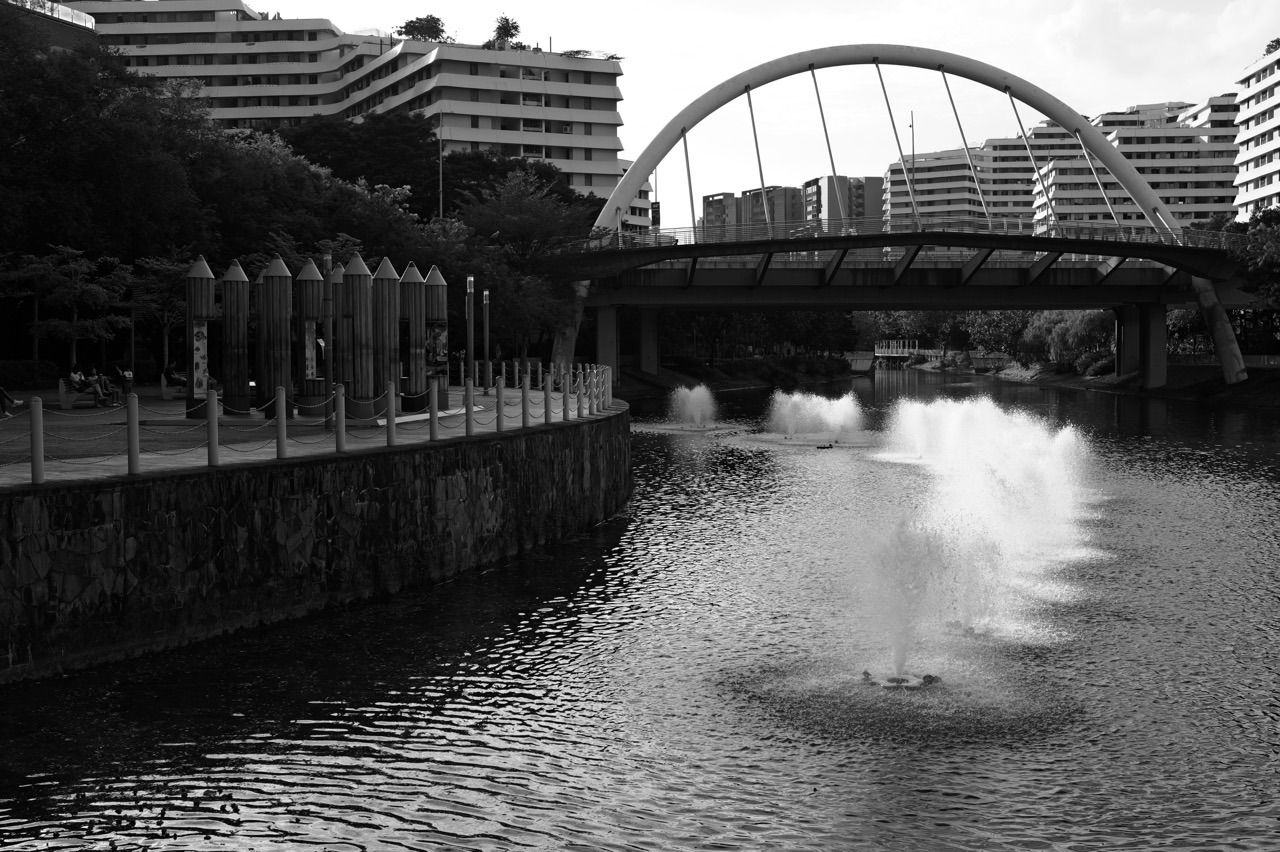
Can a short Punggol Waterway walk help you feel calmer? It can be a pleasant, low-pressure way to step out of a demanding day, especially when you choose a comfortable route and leave the phone in your pocket. You do not need to hike Coney Island, complete a full circuit or perform a complicated mindfulness exercise. Ten minutes spent noticing trees, water or changing light can be worthwhile. A nature visit may support wellbeing, but it is not a treatment for depression, anxiety or other medical conditions.
This 2026 Punggol nature and mental wellbeing guide explains how to use Punggol Waterway Park, short park-connector routes, Coney Island and neighbourhood green spaces for rest, attention, gentle activity and family connection. It also explains what research actually supports, how to handle sensory needs and weather, and when to seek professional support. For destination lists, use Punggol Nature Without Hiking. This article is about the purpose and quality of a restorative experience, not a catalogue of attractions.
Quick answers: Punggol nature as an everyday wellbeing option
| Situation | A manageable starting option | Important boundary |
|---|---|---|
| I have a stressful workday. | Choose a short familiar waterside or tree-lined route. | Do not replace needed food, sleep or care with another obligation. |
| I dislike long walks. | Sit at a suitable safe bench or look at greenery near home. | Benefits do not require covering a particular distance. |
| I want a quiet outing. | Select a convenient less-crowded time or a quieter local stretch. | Park popularity and noise vary; no location is permanently silent. |
| I am with a child. | Try nature noticing or a brief observation game. | Supervise near water, crossings and wildlife. |
| I use a mobility aid. | Check NParks’ accessibility guidance and the actual route. | A park-wide accessibility label does not establish every path is suitable. |
| I feel distressed or anxious. | Nature can be optional self-care alongside trusted support. | Persistent symptoms deserve professional help. |
| Haze, high heat or lightning is present. | Postpone the outdoor outing or choose a safe indoor alternative. | Do not let a wellness routine overrule official safety guidance. |
1. What Singapore’s research does—and does not—prove
NParks has published research with academic collaborators showing that urban greenery and certain therapeutic landscapes can contribute positively to wellbeing. One line of research examined responses to specifically designed therapeutic gardens, including participants with clinically concerning depressive disorders. That supports the idea that thoughtfully designed nature experiences can have value. It does not prove that every public park is a clinical treatment, that all visitors experience the same effect or that a particular Waterway bench will relieve an individual’s symptoms.
The NParks research summary explains the focus on types of landscapes, park use and horticultural activity. NParks has also developed a Parks for Health Framework to support access to greenery and restorative landscapes. This is useful public-health context. It should be described honestly rather than converted into a claim that all greenery has identical or guaranteed mental-health effects.
A practical conclusion is modest: if being around trees and water is enjoyable for you, make that experience easier to access. You can choose somewhere close, stay briefly and stop when you want to. Someone who dislikes a particular sensory setting or finds crowded outdoor areas stressful may choose a quieter location or another form of relaxation. Choice is part of wellbeing.
2. Punggol Waterway Park is a flexible place, not an endurance course
NParks describes Punggol Waterway Park as having four themed areas—Nature Cove, Recreation Zone, Heritage Zone and Green Gallery—and lists the park as open twenty-four hours, subject to any specific notices. The park connector along the Waterway is 8.4 km. A restorative visit need not cover more than a small part of that route. The person’s purpose could be walking slowly, noticing a view, sitting comfortably or talking with a friend.
Begin at a location you already know rather than crossing town to reach a particular social-media viewpoint. If you live near Punggol MRT, the area by Waterway Point may be convenient. If you live around Oasis, Northshore or another part of town, a nearer green stretch may be easier. Short, repeatable visits often fit busy weeks better than a long outing requiring several transport transfers.
Use NParks’ official park page for park details, the park connector information for route context and the local OneMap walking guide for actual journey planning. Accessibility, lighting, construction and temporary closures can change. An online image cannot tell you whether tonight’s approach is safe.
3. A five-minute nature-noticing activity
Some people like a short guided attention exercise; others find it artificial. If you want to try one, stop at a safe location away from shared path traffic and select three things to notice: a colour or shape, a natural sound and one change in light or movement. You might see leaves moving, hear water or notice a bird among branches. You do not need to identify the species, measure heart rate or post an image.
MindSG’s mental wellbeing resources include relaxation, movement and meaningful connection among possible self-care approaches. Mindfulness is not compulsory and should not be forced on someone who finds it uncomfortable or distressing. A person with a history of panic, trauma or other mental-health concerns may prefer to work with a qualified professional on suitable strategies.
Nature noticing should not make people careless near water or shared paths. Stop rather than staring at the sky while walking through a cycling crossing. Keep belongings safe, respect vegetation and wildlife, and let runners or mobility aid users pass. If a child’s attention is on birds, keep an adult attentive to the physical surroundings.
4. Sitting still is also a valid green-space activity
Health and exercise articles often overemphasise the need to be moving. Walking is valuable, but sitting on a suitable bench to read, talk or enjoy a view can be restorative for someone who is exhausted, recovering or simply wants a pause. The activity goal is different: emotional ease and a change of environment rather than aerobic exertion. Do not imply a person must increase distance before they are entitled to enjoy the park.
A good bench visit requires basic planning. Think about shade, access to an appropriate toilet, noise, the way home and whether the location is safe for the person. For older residents or people with mobility limitations, a reliable seated destination can be more useful than a long scenic path. Our Active Ageing in Punggol and Accessible Exercise in Punggol pages explain these different needs.
If the park is crowded, choose another local space or visit at a quieter time when safe. A waterfront does not owe you silence, and families, cyclists, pets and neighbours all have legitimate uses for the area. Wellness includes sharing space with courtesy rather than demanding that other residents disappear.
5. Coney Island is not always the easiest place to unwind
Coney Island offers a distinctive coastal nature experience, but its paths and access demands differ from Punggol Waterway’s urban setting. NParks notes rugged terrain in parts of Coney Island and advises visitors to remain on designated trails and keep a safe distance from wildlife. A long outing there may be enjoyable for some people but unsuitable for a visitor seeking the quickest low-effort stress break.
Check the Coney Island Park official page before travelling, particularly current access, opening rules and wildlife notices. Bring suitable footwear and protect yourself from weather and insects. When you need emotional rest after an intense week, do not turn a trip into a complicated mission with a long ride, extensive photography and multiple destinations. A close neighbourhood green corner may serve your purpose better.
There is also no obligation to become a wildlife expert. Noticing an unfamiliar plant or hearing a bird is already a form of attentive engagement with the environment. The site’s Garden Bird Watch guide provides a separate pathway for readers who want to participate in citizen science rather than simply rest outdoors.
6. Social wellbeing: walking together without turning it into a race
Some people find an easy conversation with a trusted friend more restorative than solitary reflection. A short walk offers a shared focus without the formality of sitting opposite each other. For a family, the route can become time away from household screens and duties. For an older resident, meeting a neighbour near a familiar park entrance may support connection.
The important word is easy. A friend who is exhausted or a parent pushing a stroller should not have to match the pace of the fittest participant. Agree on a short route and a comfortable turnaround. If one person needs to stop, stop. You can maintain connection even if the walk becomes a sit-down conversation.
The Punggol Community Lifestyle article explores clubs, volunteering and meeting neighbours. Those are valuable options, but joining a group is not a prerequisite for enjoying green space. A person who likes solitude can choose that; someone who wants more community support can explore formal activities.
7. A short nature routine for families and children
For a child, asking what they noticed is often better than delivering a lesson about stress relief. They might point out a new leaf shape, make a small sound map or describe a bird. Allow curiosity to lead. Do not promise that a nature walk will solve a child’s school anxiety or attention difficulty; it may provide a pleasant shared experience while other support needs remain.
Parents could choose a fifteen-minute nature outing once during the week, subject to weather, schoolwork and sleep. A child who enjoys the experience might ask for another visit. If not, explore a different activity or shorter route. The Screen-Free Punggol Family Activities guide has broader play ideas, and Active Play for Punggol Primary School Children focuses on physical activity separately.
Safety comes before observation. Keep children within appropriate supervision near water, do not feed wildlife and stay on permitted trails. A child who is tired or hungry may need a meal and rest, not an adult explaining that the park is supposed to make them calm.
8. A realistic week of Punggol nature contact
| Day | Optional small experience | What it offers | What to do if it fails |
|---|---|---|---|
| Monday | Look at greenery on a normal commute. | A short change in attention. | Go straight home if rushed. |
| Tuesday | Sit near a familiar planted area for a few minutes. | A low-effort pause. | Rest indoors instead. |
| Wednesday | Walk a short safe waterside segment. | Gentle movement and scenery. | Choose a nearer route. |
| Thursday | Notice birds or leaves near the block. | A moment of curiosity. | Skip it when conditions are poor. |
| Friday | Meet a friend for a relaxed short walk. | Connection and conversation. | Meet indoors if preferred. |
| Saturday | Explore Coney Island or a longer green outing if suitable. | Variety and discovery. | Choose the Waterway or stay closer home. |
| Sunday | Decide which experience felt worthwhile. | Habit reflection without pressure. | No score or target is necessary. |
The table is a menu, not a seven-day wellness prescription. Some readers have access constraints, changing shifts or caregiving duties. Others simply prefer being indoors. One enjoyable outdoor visit in a week may be more meaningful than trying to force daily nature time under unsuitable conditions. The purpose is to make a positive choice available, not create another obligation.
9. Heat, haze, lightning and sensory comfort
Outdoor wellbeing stops being helpful when safety is ignored. The waterfront breeze is not a reliable measure of heat stress. Consult MSS heat-stress information when planning prolonged outdoor exertion. Use MSS lightning guidance for thunderstorm risks and official haze information when air quality is concerning. A green space is not exempt from environmental hazards.
Some visitors find bright light, crowds, strong scents, loud play or wildlife encounters overwhelming. Plan around individual sensory needs, including the option to leave early. Our Calm Things to Do in Punggol offers location-oriented quiet-outing ideas. This article does not guarantee a silent trail or claim any location is a specialised therapeutic garden unless NParks specifically designates it so.
10. When nature is not enough: take wellbeing concerns seriously
Being in nature can be one self-care option, but persistent sadness, high anxiety, panic, functional difficulty, ongoing sleep problems or distress that interferes with life should prompt appropriate support. A person experiencing symptoms does not need to prove they tried enough walks before asking for professional help. There are many effective forms of support, and an individual clinician can help decide what is suitable.
Singapore’s MindSG resources explain ways to manage stress and how to reach out. The national mindline can be contacted at 1771, with online and messaging support described on the official site. For urgent danger or a medical emergency, contact emergency services. Do not use a public park visit in place of crisis care or delay seeking help because a nature routine sounds appealing.
The same principle applies to children and teenagers. A parent can invite a short walk while still recognising serious or persistent emotional concerns. Professional assessment, school support and family conversations can coexist with enjoyable green time. There is no single activity that makes distress disappear for everyone.
11. Three fictional Punggol situations
The remote worker who cannot switch off
A worker has spent the day on video calls and wants to clear their head. Rather than drive to Coney Island, they choose a short nearby path and set a turnaround point. They notice the light and greenery for a few minutes, then return for a meal. If work stress persists or sleep becomes difficult, they consider other changes and support instead of increasing the walk into a nightly obligation.
The grandparent who prefers sitting to walking
An older resident enjoys seeing trees and listening to activity around the Waterway but finds longer walks uncomfortable. The family picks a suitable seated location with a reliable route home. The visit is considered worthwhile for connection and enjoyment, not evaluated as a failed exercise session. Medical or mobility needs receive separate attention.
A student needing a break from revision
A Secondary 3 student spends a long day studying and asks for a short evening outing. The family chooses a familiar safe route and returns in time for dinner and sleep. The walk is a break, not another performance assessment or substitute for academic support. If the student reports ongoing distress, the family listens and considers appropriate help.
Three nature visits that look similar but serve different needs
Consider three Punggol residents heading to a green space. The first has been sitting through a demanding workday and wants a brief change of scene. The second is an older resident who enjoys watching people and birds from a comfortable bench. The third is a family hoping children will have a fun outing together. They might all choose the same Waterway area, yet one needs a short walk, another needs convenient seating and the third needs appropriate supervision and time for playful discovery.
This is why simply recommending ‘go to nature’ is not enough. The practical wellbeing question is what the visitor hopes to get from the experience. Physical exercise, social connection, quiet attention and enjoyment are different goals. A person does not fail at a nature outing because they sit down instead of jogging or talk to a friend instead of meditating.
How to find a quieter Punggol experience without promising silence
Busy waterfront locations change character throughout the day. After-work commuters, cyclists, families, joggers and people taking photographs all legitimately share the public space. Rather than promising a hidden quiet spot, recommend choosing a convenient less-busy time if safe, using a short route with an easy exit or exploring a nearer neighbourhood green stretch. Visitors sensitive to noise or crowds should always retain the option to leave early.
Check lighting and personal safety if visiting at quieter hours. A secluded route is not automatically a good wellness destination, especially for someone alone at night or unfamiliar with the area. If an indoor library or calm home activity feels safer, it can be a better choice. Reducing stress should not introduce new avoidable worries about the journey.
Turning observations into a small nature journal
An optional low-pressure activity is to write three short observations after a visit: one thing that changed in the environment, one thing you found interesting, and one small decision that made the trip easier. For instance, the trees looked different after rain; you noticed a heron; and you learned that a particular entrance is easier from your block. A journal is not a medical mood-tracking tool, and no one needs to score their emotional state to enjoy the park.
A child may sketch a leaf or describe sounds, while an adult may take one photograph. Avoid removing plants or pursuing wildlife into closed areas. NParks’ nature information and citizen-science activities can help interested readers learn more, but formal participation is optional. The experience should remain pleasant and respectful of the environment.
When scientific research is relevant—and when it is misapplied
NParks has studied several kinds of urban greenery and deliberately designed therapeutic landscapes. Those findings can inform park design and suggest that nature can support wellbeing. But applying an average research result to an individual Punggol visitor would overstate the evidence. The studies do not show that Punggol Waterway Park itself is a treatment venue, and a person living with clinical depression should not be advised to substitute walking for professional care.
A responsible guide distinguishes a general wellness habit from a healthcare service. If someone enjoys a park visit, it can be part of their routine. If they are persistently struggling with mood, fear, sleep or functioning, encourage appropriate professional assessment and support. A friendly nature outing may accompany care, not replace it. For immediate emotional support in Singapore, the official MindSG resources identify the national mindline on 1771.
A resilient nature routine survives a cancelled outing
Heat stress, haze, a sudden thunderstorm, caregiving needs or an exhausting workday can make the intended trip inappropriate. A sustainable routine has an alternative that does not require recreating the same sensory experience indoors. Someone can read, talk to a friend, rest or spend time on another enjoyable interest. The point is not to make up missed greenery minutes later in the week.
At the end of a month, choose the most helpful low-effort experience and keep it available when conditions suit. A familiar bench, a short walking route and a friend to contact may be enough. Punggol’s water and greenery are valuable because they give residents choices. They should not become one more compulsory wellness task.
12. Frequently asked questions
Is Punggol Waterway Park a therapeutic garden?
It is an NParks park with greenery and walking areas; do not confuse it with separately designated therapeutic gardens or clinical programmes.
Does research show nature can help wellbeing?
NParks reports positive wellbeing findings from studies of urban nature and therapeutic landscapes, but individual results vary and green space is not medical treatment.
Do I need a long walk to benefit?
No. A short pleasant outing or time seated near greenery can be worthwhile, depending on the person and their purpose.
What is the easiest Punggol nature visit?
Usually a suitable green route near your own home, with a convenient return, rather than a special long excursion.
Is Coney Island appropriate for everyone?
No. Some terrain is rugged and access demands differ. Check the official NParks guidance and individual needs.
Should I use breathing exercises outdoors?
Only if you find them comfortable and suitable. Stop in a safe location, and seek professional guidance if the practice causes distress.
Can nature walks replace mental health treatment?
No. Nature may complement wellbeing habits but does not replace assessment or treatment for significant or persistent conditions.
How do I cope when haze prevents an outdoor visit?
Follow official advisories and choose other enjoyable, safe options; a missed park visit does not need to be made up.
Can families do this with a toddler or senior?
Yes, with routes, duration, supervision and accessibility adapted to each participant.
Where can someone find help for ongoing distress?
MindSG provides official resources and the national mindline is 1771; seek appropriate professional or emergency support as needed.
Connected eduKate lifestyle and learning guides
- Life in Punggol — Main Lifestyle Guide
- After-Work Wellbeing in Punggol
- Active Ageing in Punggol
- Active Play for Primary School Children in Punggol
- SIT Punggol Student Wellness
- Punggol Heat Stress and Outdoor Exercise
- Punggol Nature Without Hiking
- eduKateSG — Waterway Park and Waterfront Student Life
- Punggol Geography: Sustainable Urban Neighbourhoods
Official references and editorial note
- NParks — Research on Urban Nature and Health
- NParks — Parks for Health Framework
- NParks — Punggol Waterway Park
- NParks — Coney Island Park
- MindSG — Mental Wellbeing
- MindSG — Managing Stress
- Official Singapore Haze Information
Reviewed 17 October 2026. This article discusses general lifestyle and evidence on nature experiences; it does not diagnose, treat or guarantee improvement in mental-health conditions. Park access, environmental conditions and services can change. Individual examples are illustrative.


