
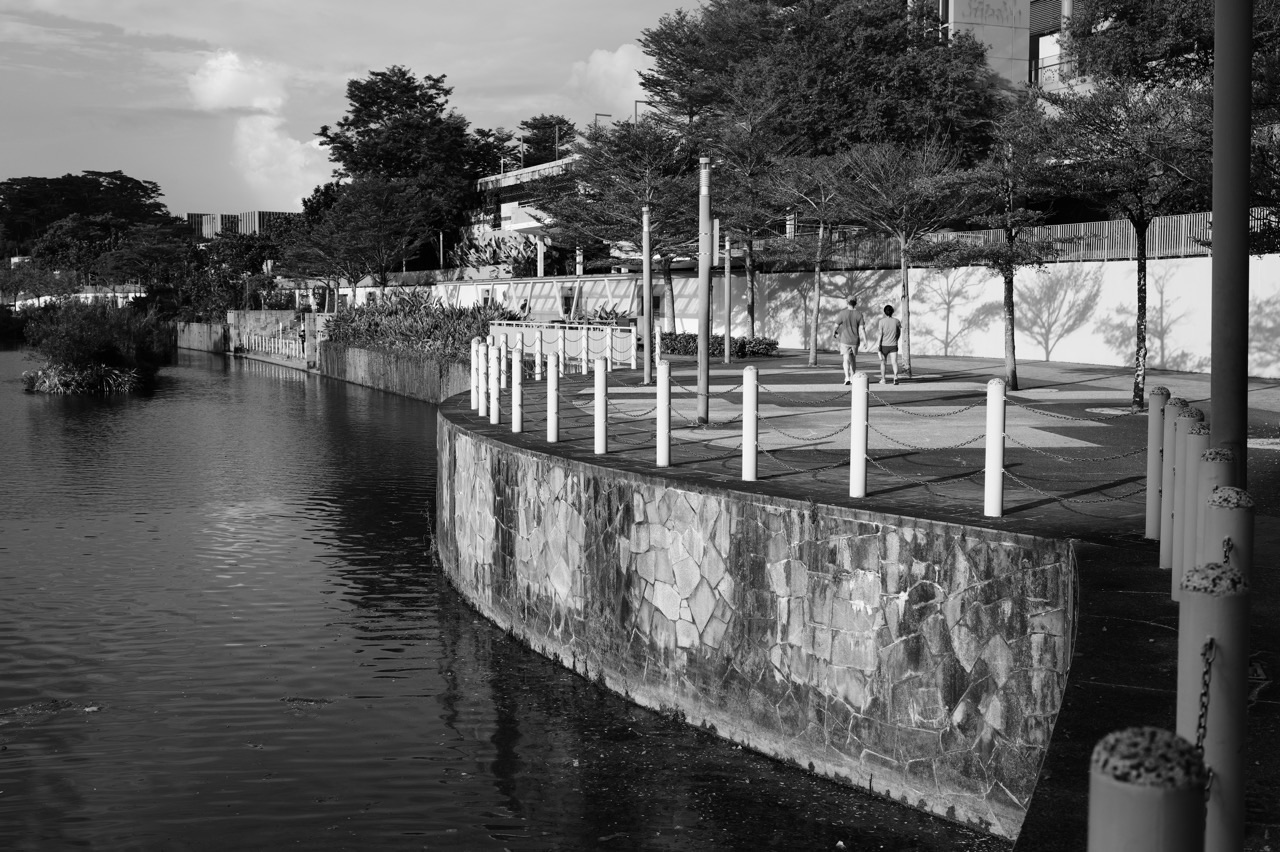
How can Punggol residents avoid sore feet and blisters during Waterway walks, LRT commutes and weekend exercise? Begin with shoes that fit comfortably rather than pinch or slip, socks that manage moisture, a route matched to your current ability, and a sensible change of footwear after heavy rain. Check feet after new or unusually long walks. If a small friction blister appears, HealthHub advises keeping it clean, protecting it with a suitable sterile non-stick dressing and avoiding puncturing it yourself. Persistent pain, worsening redness, pus or other concerning symptoms need professional assessment.
This Foot Care for Punggol Walkers 2026 guide explains everyday shoe fit, socks, moisture, blisters, common wet-foot problems, foot checks, diabetic foot precautions, walking routes, children and older-adult needs, and how to choose a manageable first walk without buying expensive shoes. The Walking for Everyday Errands in Punggol guide owns route integration; this one owns the health and comfort problems that can stop a good walking habit.
The Punggol walking-foot checklist in 30 seconds
| Situation | Useful first step | Do not assume |
|---|---|---|
| New walking shoes | Try fit and wear them for short periods before a longer outing. | A premium label guarantees comfortable feet. |
| Punggol LRT and MRT commute | Wear stable comfortable footwear suited to the actual steps and distance. | A short station journey includes no significant walking. |
| Waterway walk in the heat | Choose breathable suitable clothing, appropriate socks and a route with an easy exit. | A breeze automatically prevents sweat or heat stress. |
| Heavy rain or wet shoes | Change damp socks and let footwear dry appropriately. | Keeping wet shoes on all evening is harmless. |
| A friction blister | Keep clean and protected; follow HealthHub guidance and do not puncture it yourself. | Every blister should be drained at home. |
| Itchy peeling skin | Consider whether a medical or fungal problem needs pharmacist or doctor review. | All itchy feet are caused by the same condition. |
| Diabetes or poor sensation | Perform suitable foot checks and follow the individual’s healthcare plan. | Ordinary blister self-care is adequate for every person. |
| Child carrying heavy school items | Check footwear and carrying load together. | Foot pain is always due to the shoe alone. |
| Older walker with balance concerns | Prioritise stable suitable footwear and an easy route. | More expensive shoes eliminate falls. |
| Persistent or severe symptoms | Stop forcing activity and seek appropriate medical advice. | The correct solution is simply more walking. |
1. The first principle: walking comfort begins at the foot–shoe interface
Walking is an accessible activity, but it involves repeated contact between the foot, sock, shoe and walking surface. If one of those parts causes too much friction or pressure, a comfortable route can turn into a painful journey. HealthHub’s blister guidance lists rubbing from ill-fitting shoes among causes of friction blisters. Prevention is not a mystery product; it often begins with understanding fit, moisture, movement and duration.
A new walker may think that a running shoe recommended by a friend must be comfortable for everyone. Yet foot shapes differ and activities impose different demands. A stable walking shoe that fits a person well can be useful without being advertised as a professional marathon model. Ask whether toes have sufficient room, the heel remains reasonably secure and the shoe creates rubbing when the person walks naturally. Discomfort that grows on a short test walk should be investigated before a much longer outing.
Punggol residents often combine indoor mall flooring, covered walkways, LRT stairs and outdoor park connectors on one trip. Footwear needs to cope with those real surfaces rather than just look stylish for a photograph. A lightweight sandal may feel pleasant at a nearby hawker centre yet offer less security for a long wet route. Another person may have a medical or accessibility requirement that changes what shoes are suitable.
The decision should be individual and pragmatic. If a person has chronic foot problems, an injury, diabetes-related concerns or difficulty sensing pressure, generic shoe advice may be insufficient. A clinician or podiatrist can assess individual needs. A website is useful for questions to ask and habits to check, not for prescribing a particular sole or diagnosing pain from a description.
2. A practical foot-fit checklist before the next Punggol walk
- Try footwear with the sort of socks you actually intend to wear.
- Check that toes can move comfortably rather than pressing into the front.
- Notice whether the heel slips excessively while walking.
- Walk a short distance and pay attention to any rubbing or pressure.
- Check both feet; they need not be exactly the same size.
- Choose fastening and support that the wearer can manage reliably.
- Ask whether the shoe is suitable for the surface: smooth mall, wet pavement or park trail.
- Inspect the inside for rough seams, debris or damaged lining.
- Check whether an older worn sole still gives suitable grip.
- Do not rely on a manufacturer’s price or marketing name as a fit assessment.
- Consider a professional footwear assessment when medical conditions or recurring pain are involved.
HealthHub’s Happy Feet, Happy Life encourages inspecting the inside of shoes and socks, breaking in new footwear initially and noticing whether frequently used shoes have worn soles or reduced support. These are practical everyday checks that do not require purchasing anything immediately. The most useful question is whether your current shoes still work for the route you actually walk.
Children grow, and footwear that fit at the start of the school year may become tight. A parent buying shoes once a year should still listen when a child complains that the toe area hurts or the heel rubs. The child’s school shoes and PE shoes may serve different purposes, while the actual school footwear rules control what is permitted. Try shoes with the intended school socks and allow the child to walk around before committing.
3. Why socks matter more than people expect
A sock sits between the skin and shoe, so its fit, seams, fabric and moisture can affect friction. HealthHub’s blister advice recommends comfortable well-fitted footwear with soft socks that manage moisture and appropriate cushioning. A bulky sock is not automatically better: if it makes a shoe too tight, pressure may increase. A thin sock can also be unsuitable if it moves or bunches inside the shoe. The correct combination is the one the wearer can use comfortably.
After a sweaty CCA or a wet return from Punggol Waterway Park, changing damp socks may be more helpful than wearing the same pair through homework and dinner. Bring a dry alternative when the family expects rain or an unusually long day. For a walking club, this can become a simple preparation habit rather than a reason to buy specialised branded compression or expedition socks.
A child who complains of rubbing at the toes may have an uncomfortable seam. HealthHub’s foot-care guidance suggests seamless socks for people with sensitive skin and mentions turning socks inside out to reduce seam friction in some situations. That is one example of a small adjustment that may help, though persistent skin irritation still warrants appropriate professional review.
4. The blister decision tree: prevent, protect or ask for help
| What you notice | Appropriate general action | When it needs more |
|---|---|---|
| Shoe begins rubbing but skin looks normal | Stop or shorten walking; check fit and remove the pressure source. | Persistent discomfort or repeated rubbing warrants review. |
| Small apparently friction-related blister | Keep clean, dry as appropriate and protect with suitable non-stick dressing. | Do not puncture on your own; follow HealthHub advice. |
| Painful or worsening blister | Reduce pressure and seek clinical or pharmacist advice. | Worsening redness, warmth, swelling, pus or marked pain requires care. |
| Blister with no obvious rubbing cause | Seek medical evaluation rather than guessing. | Some infections, allergies or other conditions cause blistering. |
| Foot blister with diabetes or impaired sensation | Follow the person’s professional care plan and check early. | Do not rely on routine self-care or unsafe home procedures. |
| Fever or spreading skin symptoms | Seek prompt appropriate clinical advice. | May indicate infection or another condition. |
HealthHub’s blister page says many simple friction blisters improve without further treatment. It advises not bursting a blister yourself and describes sterile non-adhesive coverings and hydrocolloid dressings as ways to protect the area. But the right product and any wound treatment depend on the actual condition, allergies, medical background and whether infection is present. If symptoms persist or worsen, an appropriate healthcare professional should review them.
A walker may be tempted to ignore pain in order to complete a planned five-kilometre route. That is poor habit-building. If the heel begins rubbing, turn back or stop rather than converting a minor issue into a larger wound. The goal of Punggol active living is regular comfortable movement, not proving that every distance target must be completed regardless of symptoms.
5. Waterway Park and the hidden distance problem
NParks lists the Punggol Waterway park connector at 8.4 km, while the park has several distinct access points and themed zones. That published distance is a route reference, not the distance a resident must walk. Someone who begins near Oasis LRT may already have covered a considerable journey before reaching the scenic section. Others start near Waterway Point and can choose a much shorter loop or out-and-back.
For a new walker, the foot-health choice is to select a short familiar path and an easy return. If you have never walked for long in a new pair of shoes, do not attempt the whole connector on the same day simply because it appears on a map. Build from a length that ends comfortably. The Waterway Walking Distance guide explains route planning and why a mapped path is not the same as individual walking capacity.
Punggol Waterway Park has shared paths, bridges and public spaces with different rules. A walker should stay aware of bicycles and other users and use appropriate pedestrian sections where available. Footwear with suitable grip matters when paths are damp, but even the best shoe cannot remove the need to slow down at crossings or avoid an unsafe section.
6. Rain, puddles and wet footwear: what changes in a tropical town
Punggol’s showers can turn a comfortable walk into an unexpectedly wet return. Wet socks increase discomfort and can contribute to an environment in which some skin problems thrive. HealthHub’s Athlete’s Foot guide describes how fungal infections are associated with warm, moist conditions, including damp socks, long periods in tight covered shoes and barefoot exposure on wet communal surfaces. That does not mean every wet-foot itch is a fungal infection; other conditions can look similar.
A practical home reset is to change out of wet footwear, dry feet carefully, especially around toes, and allow shoes to dry appropriately. If the same pair is worn damp day after day, ask whether a spare pair or better drying routine is necessary. Avoid unsafe direct heat that may damage footwear or create a fire risk. The goal is to reduce prolonged moisture while maintaining comfortable hygienic care.
Public showers, pools and gym changing rooms present another issue: HealthHub recommends avoiding walking barefoot on wet shared floors to reduce exposure to fungal skin infections. Appropriate facility rules and suitable footwear still apply. The Adult Swimming in Punggol guide covers learning and pool choices; this page focuses on keeping feet comfortable and hygienic around that routine.
7. Blisters, athlete’s foot and contact irritation are not the same
| Feature | Possible friction blister | Possible athlete’s foot or other rash |
|---|---|---|
| Typical trigger | Repeated rubbing from shoes or other pressure. | May involve infection, irritants or other causes. |
| Appearance | One or more fluid-filled areas at rubbed skin. | Itching, scaling, peeling, cracks or sometimes blisters. |
| Simple immediate decision | Reduce rubbing and protect the area. | Seek a suitable diagnosis or pharmacist/medical advice where needed. |
| What not to do | Do not puncture or continue painful pressure. | Do not assume every itchy patch needs the same treatment. |
| When to escalate | Persistent, infected, extensive or particularly painful lesions. | Persistent, spreading or recurrent symptoms. |
Medical issues should not be conflated just because they affect feet. Athlete’s foot is a fungal infection, while a friction blister reflects local rubbing. Eczema, allergies and other skin conditions can also cause discomfort. HealthHub’s Athlete’s Foot expert Q&A notes that fungal infection and eczema may look alike and can require different management. A reader should not use this page as an image-based diagnosis.
A family may find over-the-counter foot-care products in Punggol pharmacies, but selecting a treatment is a matter for a healthcare professional or pharmacist when the condition is unclear. Avoid applying harsh chemicals, cutting blisters or using someone else’s prescribed preparation on a child. A healthy lifestyle guide should emphasise early appropriate assessment, not turn a walking article into unsafe home medicine.
8. Foot care requires special attention when someone has diabetes
HealthHub’s Diabetes Hub foot-care guidance explains that diabetes can increase risks from foot injuries, including problems when sensation or circulation is impaired. It encourages daily checks for blisters, wounds, redness, swelling and colour changes, safe footwear and seeking prompt medical attention for wounds or signs of infection. This is not the same as routine advice for a healthy walker with a minor friction patch.
For someone with diabetes, ‘keep walking through a blister’ can be particularly dangerous. Do not attempt to cut corns, use harsh callus treatments or puncture wounds without proper professional advice. The individual should follow their treating team’s foot-care plan and seek clinical review if there is an injury or deterioration. This article does not provide a diabetic-foot treatment protocol.
A caregiver can help with reminders or visibility where welcomed, but should respect the older person’s preferences, abilities and medical instructions. Someone unable to see the soles of their feet may need appropriate assistance or a mirror, as described by HealthHub. The aim is to catch problems before they worsen, not to create anxiety about ordinary daily walking.
9. Older adults: stable shoes and a manageable route work together
An older resident may enjoy the Waterway yet feel uncertain on a wet bridge or crowded path. Footwear is one part of safety: appropriate fit, grip and manageable fastening can contribute to confidence, but poor lighting, uneven surfaces, balance problems and fatigue also matter. A person with repeated falls, dizziness or notable mobility change should seek assessment rather than simply purchase more expensive shoes.
The Active Ageing in Punggol guide discusses suitable balance and functional movement. It pairs naturally with this foot-care page: even an excellent balance programme can be harder to follow if shoes rub or the walking route is too long. A senior can choose a shorter familiar section with seating rather than a whole park expedition.
A person using a mobility aid or adapted footwear may need individual fitting and route advice. It is not reasonable to recommend that everybody wear the same brand or remove supportive equipment to perform a generic exercise. Accessibility and safety start with the participant’s needs.
10. Children and school PE: footwear needs change during growth
A Punggol Primary 2 child may spend a normal school day in uniform shoes and then change for PE. The family should check actual school requirements and choose suitable footwear for each activity. A child growing quickly may outgrow a pair midway through the year, so recurrent rubbing or discomfort should not be dismissed as complaining. Try shoes on with the appropriate socks, and encourage the child to speak up before a blister becomes severe.
Many children also carry bags and take buses, MRT or LRT after school. Foot discomfort can be made worse when travel feels longer due to a heavy load, rushed crossings or lack of rest. The new Schoolbag and Back Comfort in Punggol guide deals with the bag’s role, while this page addresses shoes and feet. Treat those as interacting daily systems, not reasons to replace all equipment automatically.
Sport and outdoor play should remain enjoyable. A child who likes football may need footwear suited to the approved surface; a child who prefers casual walking can use comfortable walking shoes under school and venue rules. No child needs the most expensive ‘athletic’ model to be healthy. Physical activity should be adapted to ability and individual health rather than purchased as an identity.
11. A practical four-week shoe-and-walk habit check
| Week | Observation focus | An easy action | Useful result |
|---|---|---|---|
| 1 | Check fit | Walk comfortably in current footwear and inspect for rubbing. | Understand whether a problem exists. |
| 2 | Check moisture | Review socks and what happens after rainy commutes. | Less avoidable discomfort from damp footwear. |
| 3 | Check routes | Choose manageable Punggol walking distances and sensible returns. | No forced long walk on unsuitable shoes. |
| 4 | Review skin and comfort | Note recurring blisters, pain or foot-care concerns. | Continue safe habits or seek appropriate professional advice. |
The table is not a four-week course of self-treatment. It is a way to notice preventable friction before it becomes a reason to abandon walking. Someone with significant or recurring symptoms should seek help earlier rather than wait until week four. A person with diabetes-related foot risks should follow their clinical plan from the beginning.
12. Four worked Punggol foot-care situations
A newcomer attempting the entire Waterway connector
The resident has bought new trainers and wants to walk the published 8.4 km route on the first day. Halfway through an easier test walk, a heel begins rubbing. Rather than treating the discomfort as a challenge, they shorten the outing, inspect fit and change the plan. Later they can increase walking in footwear that is comfortable. The correct first success is ending the session well, not a GPS screenshot.
A Primary 4 child returning from PE and tuition
The child’s socks are damp and the inside of the shoes feels uncomfortable after a hot school day. At home, the family changes into dry suitable clothing, allows the shoes to dry and checks whether they still fit. The parent also looks at the next day’s PE requirements and packs a suitable replacement when needed. The routine prevents repeated discomfort without buying special equipment at every complaint.
An older adult reporting a new foot wound
The person enjoys walking with neighbours but notices a sore patch that is not healing. They also have diabetes. The walking group does not recommend that they pop a blister or apply unknown products. Instead, the resident follows appropriate diabetic foot-care advice and seeks timely professional evaluation. A social exercise group should support good care, not pressure anyone to keep walking through injury.
A swimmer using a shared changing room
The resident attends a managed pool and often walks barefoot on damp changing-room floors. After reading HealthHub’s athlete’s foot precautions, they choose suitable footwear permitted at the venue, keep personal towels and footwear separate, and dry feet appropriately afterward. If itchy or painful skin persists, they consult a professional rather than assume a diagnosis from a web image.
13. Walkers’ foot comfort and the cost of ‘upgrading’
A shop may market cushioning, special soles, orthotics or premium socks as essential to every walker. Yet a consumer’s first question should be whether their existing shoes are comfortable and suitable for the intended route. A clinician or podiatrist may recommend a particular adaptation when a medical problem is identified, but a generic internet ranking cannot do that reliably. Buy only when there is a demonstrated need and an appropriate fit.
The Low-Cost Fitness in Punggol guide explains why physical wellbeing should not require costly memberships or gadgets. Footwear is a practical safety item, not a status symbol. A new walker may improve their experience more by choosing shorter comfortable routes and dry socks than by replacing all their gear.
If a child already has school shoes and PE shoes in acceptable condition, check fit before buying another pair. If a senior needs specialised footwear because of clinical concerns, cost and provider advice may become more important; that is not an argument for ignoring professional recommendations. The financially sensible option is the one that fits actual needs.
14. Outdoor conditions: foot care cannot replace weather decisions
Singapore’s heat stress, heavy rain, haze and lightning affect whether a Waterway walk should happen at all. Shoes with good grip do not make outdoor activity safe during lightning. Dry socks do not remove the risk of overexertion in high WBGT conditions, and a comfortable walking plan is not appropriate during severe haze for some vulnerable people. Check MSS Heat Stress, MSS Lightning and official haze guidance as relevant.
Avoid letting a chosen activity become a compulsory streak. If rain makes a route slippery or discomfort develops, reschedule or choose a suitable indoor option. Health improves through sensible repeatable activity over time, not through ignoring risk to complete every planned walk.
15. Common mistakes that turn a good walk into sore feet
- Walking far in unworn shoes. Build comfort with short use first.
- Buying for brand rather than fit. Check actual rubbing and stability.
- Keeping damp socks on after rain. Change and dry where appropriate.
- Popping a friction blister at home. Follow HealthHub’s safer care guidance.
- Ignoring signs of infection. Seek suitable healthcare assessment.
- Assuming every itchy rash is fungus. Different conditions require different care.
- Following diabetic-foot risks as if they were ordinary blisters. Use the clinical care plan.
- Forcing children to wear shoes they have outgrown. Recheck sizes and comfort.
- Assuming expensive insoles prevent every pain. Individual assessment may be necessary.
- Walking barefoot in damp shared showers. Follow hygiene and facility guidance.
- Attempting the whole Waterway connector as a first walk. Choose a manageable route.
- Continuing through lightning, haze or concerning heat. Change the plan.
16. A Punggol walking-foot checklist
- Check shoes before leaving for a walk, school or a CCA.
- Wear socks suited to the shoes and personal comfort.
- Keep the walking route short enough for a comfortable return.
- Bring a dry pair of socks when the weather or schedule suggests prolonged dampness.
- Remove irritating footwear when safe and appropriate.
- Inspect for rubbing after trying new footwear.
- Protect apparently simple friction blisters according to HealthHub guidance.
- Do not puncture blisters independently.
- Seek care for worsening pain, infection signs or unexplained lesions.
- Follow extra professional foot checks for diabetes, reduced sensation or circulation concerns.
- Use appropriate shoes around wet pool or gym changing-room surfaces.
- Consider the person’s age, mobility needs and route access.
- Reassess the fit of growing children’s school shoes.
- Follow official weather and park safety notices.
- Make the outing enjoyable rather than a compulsory distance challenge.
17. Frequently asked questions
Why do my feet hurt after a Punggol Waterway walk?
Possible contributors include footwear fit, rubbing, activity level or medical issues; persistent pain needs appropriate assessment.
Is the 8.4 km Waterway route mandatory?
No. It is a connector distance, and shorter safe routes are suitable for many beginners.
Do expensive walking shoes prevent blisters?
Not reliably. Fit, friction, socks, moisture and individual feet matter.
Can I walk in new shoes immediately for several hours?
HealthHub advises breaking in footwear gradually and checking for rubbing.
What causes a friction blister?
Repeated rubbing from shoes or other pressure can cause fluid-filled skin blisters.
Should I pop a blister?
HealthHub advises not bursting or puncturing a blister yourself.
What should I do if a blister becomes painful and red?
Reduce pressure and seek appropriate healthcare advice for worsening redness, warmth, swelling, pus or severe pain.
Can a blister be caused by something other than shoes?
Yes. Infections, allergy and other conditions can produce blisters.
What happens when feet remain wet in shoes?
Discomfort can increase and moist conditions may support some skin problems; keep footwear and feet appropriately dry.
How can I prevent athlete’s foot at a swimming complex?
Avoid bare feet on damp communal surfaces where appropriate, maintain suitable hygiene and follow venue rules.
Is every itchy foot athlete’s foot?
No. Eczema and other conditions can resemble fungal infections and may need assessment.
Should someone with diabetes self-treat a foot blister?
They should follow their clinical foot-care plan and seek timely advice rather than rely on ordinary blister tips.
What shoes should a Punggol child wear for PE?
Follow school rules and choose suitable well-fitted footwear for the actual activity.
Can older adults walk in any slippers?
Suitability depends on fit, stability, surface and individual mobility or health needs.
Does a cushioned insole cure heel pain?
There is no universal cure; persistent heel pain warrants appropriate professional review.
Can a child keep using shoes that feel tight?
Recheck fit; growth can make previously comfortable shoes unsuitable.
Can wet weather mean I need to cancel a walk?
Yes, particularly for lightning, unsafe paths or other relevant risks.
Where can I learn about the Punggol walking route itself?
Use the dedicated Walking for Everyday Errands and Waterway Walking Distance guides.
What if a foot wound does not improve?
Seek professional assessment; urgent signs, diabetes or worsening symptoms may require prompt care.
Connected reading across eduKate’s Punggol lifestyle ecosystem
- Life in Punggol — Master Lifestyle Hub
- Walking for Everyday Errands in Punggol
- Waterway Walking Distance and Routes
- Exercise in Punggol — Four-Week Beginner Plan
- Active Ageing in Punggol
- Adult Swimming in Punggol
- Schoolbag and Back Comfort in Punggol
- Movement Microbreaks in Punggol
- Safe Listening on Punggol MRT and LRT
- eduKateSG Clementi Learning — Clear First Principles and Practical Progression
Official references and review date
- HealthHub — Causes, Prevention and Care of Blisters
- HealthHub — Foot Care and Choosing Footwear
- HealthHub — Athlete’s Foot
- HealthHub — Diabetes Foot Care
- HealthHub — Foot Fungus and Eczema Expert Q&A
- NParks — Punggol Waterway Park Connector
- NParks — Park Connector Safety
- MSS — Heat Stress
- MSS — Lightning
- Singapore Official Haze Guidance
Reviewed 21 October 2026. General foot-care, walking and hygiene education, not a medical diagnosis, prescription for insoles or substitute for professional care. People with diabetes, impaired sensation, unusual wounds or concerning pain need individually appropriate healthcare advice. Park access, environmental conditions and shoe requirements can change.


