
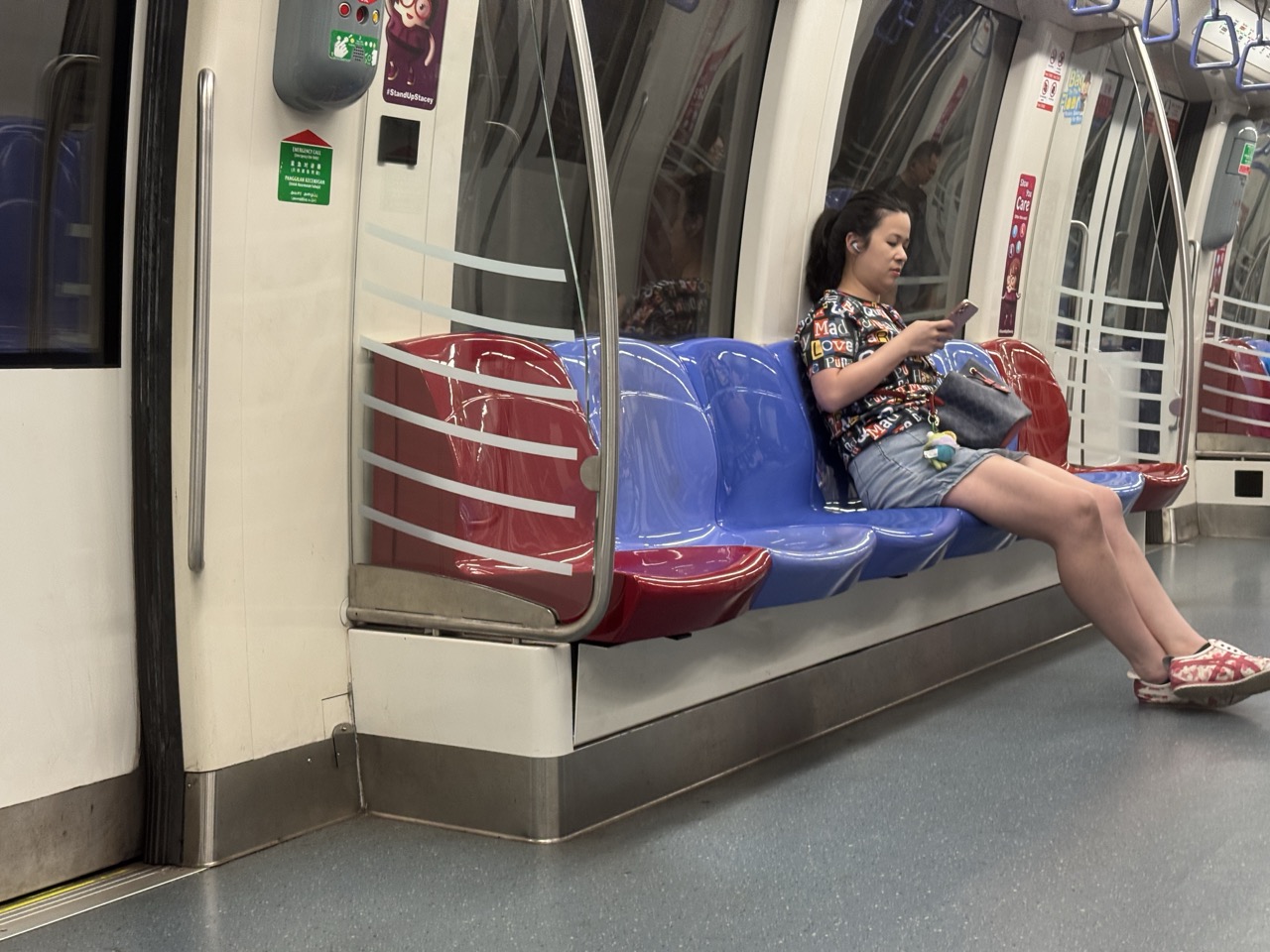
How can you protect your hearing while listening to music on Punggol MRT, using earbuds for schoolwork or gaming at home? Keep the listening level comfortable and clearly below maximum, limit the total time you spend with loud sound, take quiet breaks and avoid turning up the volume simply to drown out train or traffic noise. WHO advises keeping personal device volume below about 60% of maximum as a practical habit, but the actual sound reaching your ears varies by device, recordings and headphones. Never let audio prevent you from noticing a road crossing, warning or another path user.
This safe listening guide for Punggol families and commuters in 2026 explains headphones, earbuds, gaming, online tuition, home-working calls, noisy recreation, hearing exposure measurements, the difference between sound level and duration, and when to seek a real hearing assessment. It is not another directory of audiology businesses: Hearing Tests and Hearing Aids near Punggol already covers where to enquire. Here we concentrate on daily habits that fit the North East Line, Punggol LRT, Waterway walks and a busy Singapore home.
Punggol safe listening: answers before the explanation
| Everyday situation | A useful first choice | Avoid this mistake |
|---|---|---|
| North East Line or LRT journey | Choose a comfortable volume, ideally with a well-fitting device that reduces background noise. | Turning up music to overpower the train. |
| Walking beside Punggol Waterway | Keep attention on other users, crossings and surroundings; reduce or remove audio as needed. | Letting a podcast drown out a warning or bicycle bell. |
| Student watching a lesson | Choose an audible but not unnecessarily loud level, with breaks from headphones. | Assuming schoolwork audio can be loud indefinitely. |
| Gaming with a headset | Use volume control and quiet pauses across a session. | Increasing volume after every exciting scene. |
| Work video calls | Use a suitable microphone, quiet room and appropriate speaker/headset level. | Keeping loud audio on continuously through several meetings. |
| Concert or loud event | Stay away from speakers, use suitable hearing protection and take quiet breaks. | Treating ringing ears as proof of a good night. |
| Child asking for new headphones | Assess volume and duration habits before paying for features. | Believing a ‘safe’ label makes unlimited listening safe. |
| Ringing or muffled hearing | Reduce further loud exposure and seek professional advice for persistent or concerning symptoms. | Using still-louder music to mask the problem. |
1. Safe listening is about the dose, not a magical volume number
The World Health Organization explains that hearing risk from sound depends on level, duration and how often exposure occurs. Louder sound allows less exposure time for the same reference risk. In its current safe-listening Q&A, WHO gives 80 decibels for up to forty hours a week as one adult reference example, while 90 dB cuts the comparable exposure to roughly four hours. Those are exposure examples, not a guarantee that an individual’s risk is zero below a line.
WHO’s WHO–ITU device standard uses separate reference modes: adults at 80 dB for forty hours a week and more sensitive users such as children at 75 dB for forty hours. The standard advocates software that tracks the sound dose over time and provides volume-limiting options. Not every phone or earbud provides accurate personal dosimetry, and a nominal percentage of a device’s volume control is not the same as a measured ear-level decibel value.
Here is the useful concept: volume and time multiply as practical exposure factors. One reasonably quiet audio session is different from five high-volume sessions spread throughout the day. A person may listen on an MRT trip, then play loud games, then sit beside speakers at an event. The ears do not reset simply because the location changed. Looking at the entire week is more sensible than considering each listening session in isolation.
WHO commonly recommends keeping device volume below around 60% and choosing well-fitting noise-cancelling headphones when useful, but this percentage is a behaviour prompt, not a universal safety certification. The same slider setting on different equipment can deliver different sound pressures. Lower volume and shorter duration remain useful actions even when you cannot measure exact decibels.
2. Why Punggol MRT is a classic situation for volume creep
Consider a student travelling along the North East Line after lessons. The train and station environment may be noisy, and the student enjoys music. On one journey, a normal comfortable level feels harder to hear over conversations and mechanical sound, so they move the slider up. On the return trip the higher setting becomes normal. This repeated adjustment is an easy habit to miss because it does not require a conscious decision to damage hearing.
A better choice is not to fight background noise with more noise. Turn the level down, use suitable well-fitted equipment if already available, or pause audio during the noisiest portion of travel. Noise cancellation can reduce the urge to increase volume, but it does not magically reduce the music’s level. The person still controls how loudly the programme reaches their ears.
The separate safety issue is attention. Punggol MRT exits, LRT stations and pedestrian connections involve steps, crossings, buses, cyclists and crowded walking routes. The Walking for Everyday Errands in Punggol guide explains active commuting; here the audio rule is to preserve awareness. Remove an earbud or pause listening whenever an instruction, announcement, crossing or unfamiliar route demands your full attention.
A person should not walk while staring at the audio app to adjust an equaliser. Stop at an appropriate safe place to operate the phone rather than changing tracks while approaching a crossing. These are ordinary personal-safety decisions, independent of any hearing-health benefit. A listener who enjoys a podcast can still be a considerate shared-path user.
3. Earbuds, over-ear headphones and speakers: no format is automatically safe
| Listening method | Potential advantage | Limit that remains |
|---|---|---|
| In-ear earbuds | Portable and may fit conveniently for short travel. | Fit and output vary; high volume and long duration still matter. |
| Over-ear headphones | May provide better physical isolation from surrounding noise. | A high volume can still be excessive. |
| Noise-cancelling headphones | May make content audible without turning it up as far. | The wearer must manage exposure and environmental awareness. |
| Phone or laptop speakers | Useful at a moderate shared-room level. | May disturb other residents and can also be loud. |
| Volume-limited devices | May help parents and users choose a cap. | A cap and listening duration require checking; no unlimited guarantee. |
| Sound-dose monitor | Can display an estimate of audio exposure over time. | Accuracy and available features vary by device and setup. |
The choice is not simply ‘earbuds are bad, headphones are good’. WHO recommends a combination of reasonable sound level, time control and appropriate equipment. A child using a device in a quiet room may not need headphones at all if a moderate speaker volume suits the household. In a shared Punggol HDB flat, speakers may disturb others, so a well-fitting headset at a sensible level might be the more considerate choice.
Some devices have a settings page for hearing exposure, volume limiting or sound-level notifications. Explore those controls if they are available, especially for younger users, but do not invent identical settings for every phone. Software menus and operating systems change. The principle is to use the tools to notice when a listening habit becomes louder or longer, not to treat a dashboard colour as definitive medical clearance.
4. Audio during school and tuition deserves different planning from gaming
A student may spend hours wearing headphones because lessons, listening comprehension exercises, online assignments and tuition use audio. School-related listening is not automatically risky: the WHO notes that online classes themselves need not be dangerous, while long periods of loud listening raise risk. When a suitable speaker is possible and considerate, it can reduce the time the student wears a headset. Otherwise, use a comfortable level and allow quiet listening breaks.
Parents can avoid turning audio settings into a punishment contest. Ask how much of the device’s use is a required lesson, language practice, social conversation or leisure gaming. Then identify where the volume is unnecessarily high. A child may have raised the sound because the recording is poor or because others in the room are talking. Fixing the surrounding noise may help more than repeated reminders to ‘turn it down’ when the material cannot be heard clearly.
For students learning English listening skills, loudness is not a substitute for careful listening. A better approach is a clean recording at a comfortable level, followed by an opportunity to replay important parts and reflect on comprehension. There is no benefit in teaching a child to listen to distorted or painfully loud audio as practice for a school exam.
The eduKate’s Approach to Learning explains why understanding and deliberate practice matter more than blind repetition. In daily audio learning, this translates into short, purposeful listening with clear goals. The child should be able to pause for a question, explain what they heard and return to ordinary household activities.
5. Gaming: the soundtrack can be louder than the player realises
Gaming audio ranges from conversation to action effects that can be louder than expected. A long session may combine headphones, game music, explosions and online voice chat. WHO suggests keeping games below around 60% of maximum volume, considering well-fitted equipment, using exposure-monitoring settings and taking a quiet break for around ten minutes after an hour. These are reasonable habits, not a fixed medical prescription that makes every level and game safe.
A teen who plays after school can choose a regular stop or check-in point without having to stop the game every two minutes. If they are participating with friends, they can warn the team before pausing. The aim is to keep the enjoyment while preventing long unexamined exposure. If the player begins turning up the audio every time a louder friend joins voice chat, review chat-level settings rather than raising the total device level.
Adults should model the same behaviour. A parent who listens to loud podcasts throughout the evening but criticises a child for headphones sends a confusing message. You need not eliminate audio entertainment. You can show how to keep it comfortable, choose quiet breaks and use appropriate protective controls.
6. Work calls and the home office: microphone clarity beats sheer volume
Working from a Punggol HDB flat may involve online meetings and calls in a room shared with children. When microphones pick up noise, people compensate by raising output levels. The more durable fix may be moving to a quieter permitted corner, using a suitable microphone, checking network quality or improving the call’s input setting. Louder sound is not always the correct solution for unintelligible speech.
For an adult attending successive meetings, schedule short quiet gaps where practical, particularly if headphones have been used continuously. WHO advises taking breaks between calls and limiting additional noise exposure outside work. The local Working From Home in Punggol guide focuses on workspace and movement; this page owns hearing exposure.
Hearing protection at work can be more complex when someone works in genuinely noisy environments such as machinery or industrial settings. That is not a problem solved with consumer noise-cancelling headphones alone. Workplace occupational-safety procedures and suitable certified hearing protectors may be required, alongside employer controls. Workers should follow the applicable official and professional guidance rather than self-prescribe a gadget.
7. The shared path problem: hearing matters to everyone around you
Punggol Waterway Park is used by walkers, runners, families and cyclists. NParks’ park connector safety guidance asks users to remain considerate, give way and follow path signs. A listener walking beside the Waterway should keep adequate awareness of nearby riders and voices. There is no need to declare headphones illegal, but it is unwise to let audio drown out a bicycle bell or a child calling from the next step.
Someone cycling or running should follow all applicable transport and park rules, including signalling, controlling speed and attending to surroundings. The safest audio choice may be silence on a complicated section. A self-guided exercise session is not a reason to ignore a traffic signal, cross a pedestrian-only area improperly or fail to hear a request for space.
Do not use loud portable speakers to make your personal listening session everybody else’s experience. The Punggol public-space etiquette guide, How to Share Punggol’s Public Spaces, explains why one person’s relaxation should not block another person’s safe use of a path.
8. Loud events, performances and weekend celebrations
A visit to a music performance, cinema or other noisy venue can create substantial sound exposure, depending on where someone sits and how long the event lasts. WHO recommends keeping distance from powerful speakers, using suitable earplugs at loud events and taking quiet intervals. The recommendation to rest the ears in a quiet area for around ten minutes after an hour can be useful for planning, although it does not undo unsafe exposure already received.
A parent attending an event with children should consider the event’s actual noise level and their ability to move away. If a child is upset by loud sound, do not insist they remain in a noisy zone for the sake of a ticket. Suitable hearing protection may be important, but fit and use still require attention. Infants and young children may need different protection and professional advice rather than simply borrowing adult earplugs.
Some community events at One Punggol or SAFRA include amplified performances. The fact that an event is family-oriented does not guarantee uniform sound levels at every seat. Choose a location appropriate to the attendees, and leave or take a break if conditions are uncomfortable. You can enjoy community life without standing close to the loudest speaker.
9. How to read WHO’s sound-exposure examples without being misled
| WHO reference | Meaning | Not a promise |
|---|---|---|
| 80 dB for 40 hours/week | An adult reference exposure mode for personal audio systems. | Not a claim that every person has no risk under 80 dB. |
| 75 dB for 40 hours/week | A more conservative reference for children or sensitive users. | Not a default measurement of every child headset. |
| 90 dB for about 4 hours/week | Illustrates how higher loudness reduces reference exposure time. | Not an approved target for a Punggol learner. |
| Below ~60% device volume | A practical WHO suggestion to keep level down. | Not the same output level across all headphones. |
| Quiet breaks | Reduce ongoing loud exposure and let listeners rest. | Not a remedy that reverses established hearing damage. |
Sound level is logarithmic and exposure is not a simple ‘percentage of music’ calculation. Doubling a phone’s volume-slider position does not necessarily double the acoustic pressure reaching the ear. A beginner therefore should not try to derive a decibel level by measuring the number of slider steps. Where a reliable monitoring feature exists, read it as a useful estimate; otherwise, adopt conservative listening habits and seek professional assessment if there are concerns.
This concept also helps families understand why a loud event on Saturday adds to the audio exposure from gaming and transit on the rest of the week. Hearing risk reflects cumulative behaviours. Rather than banning music, ask where the loudest parts are and which changes are easiest: reduce a setting, move away from a speaker, shorten a session or use suitable protection.
10. When a hearing test is a better answer than another device setting
Persistent ringing, difficulty following conversation, a sense that speech is muffled or difficulty hearing high-pitched sounds are reasons to seek professional help. WHO includes these among hearing-risk warning signs. Sudden or severe hearing change, severe ear pain, injury or other concerning symptoms need prompt clinical attention. An article cannot diagnose the cause, and turning up headphones is not an appropriate way to assess or treat it.
Punggol residents can use the existing Hearing Tests and Hearing Aids near Punggol guide for service-discovery context. It is important not to confuse a retail hearing screen, a full audiology assessment and the fitting of hearing aids. The correct service depends on the concern and clinical advice. Children with suspected hearing difficulties need appropriate developmental and medical assessment rather than an adult headset test.
HealthHub’s tinnitus expert Q&A warns that excessively loud headphone use can worsen cochlear damage or hearing loss even when someone uses music to mask ringing. That is a useful reminder not to self-manage persistent ear symptoms by listening more loudly.
11. Four worked Punggol daily-life scenarios
The Secondary 2 student on LRT and MRT
A student leaves school, uses the LRT, changes at Punggol MRT and listens to a favourite album. They have started raising the volume whenever the train gets crowded. Rather than setting an arbitrary punishment, the family discusses the noise problem and the student tries a more comfortable level, taking audio pauses at stations and crossings. They check any volume-limiting setting and make the journey safer by attending to announcements. The improvement is a real habit, not a new purchase.
The adult in a shared work-from-home flat
The resident has six calls in one day and wears a headset because other family members are using the living room. During calls, they notice they repeatedly raise the volume. They ask colleagues to improve microphone input, relocate to a quieter area where possible and take brief off-headset pauses between meetings. They avoid loud evening entertainment on days of unusually high listening exposure. This is a work-design adjustment, not a medical diagnosis.
The family attending a lively community concert
A child wants to stand close to a large speaker at a public performance. The parent chooses a position farther away and considers suitable hearing protection and breaks. If the child becomes uncomfortable or the performance is extremely loud, they step out. The family still enjoys the event without treating intense sound exposure as proof of excitement.
The teenager who hears ringing after gaming
The teenager notices ringing after a long high-volume headset session. Instead of trying a different earbud at the same volume, they reduce further loud listening and discuss the symptom with an appropriate healthcare professional if it persists or is concerning. A published local wellness guide should not tell a young person to ignore recurrent tinnitus or self-diagnose its cause.
12. A seven-day listening-habit check, without recording private conversations
| Day | Useful question | One practical experiment |
|---|---|---|
| Monday | How often do I raise volume on transport? | Choose a comfortable level before leaving home and avoid changes at crossings. |
| Tuesday | Do I use earbuds during every school task? | Use a suitable quieter speaker option for one home lesson, if considerate. |
| Wednesday | What do gaming sound and voice-chat levels do? | Review separate audio settings and quiet breaks. |
| Thursday | How long are work or study calls? | Create a practical off-headset interval if possible. |
| Friday | Are weekend performances or other noisy events planned? | Choose a sensible position and hearing protection where appropriate. |
| Saturday | Do I use headphones while walking the Waterway? | Prioritise path awareness and pause audio where needed. |
| Sunday | Are ringing or muffled sounds recurring? | Arrange suitable professional advice rather than ignoring symptoms. |
This is a self-awareness framework, not a scientific exposure test or an instruction to measure every minute obsessively. A child should not be penalised for needing audio access or for a disability-related hearing requirement. An adult who relies on hearing aids or assistive technology needs individual professional guidance about safe and functional use. The aim is better decisions, not unnecessary anxiety.
13. Mistakes that make safe listening harder
- Treating 60% volume as universally safe. Devices and output vary; dose and duration matter.
- Turning music up to cover train noise. Improve listening conditions rather than raising level.
- Using noise cancellation as permission to play loudly. It is not a volume limiter by itself.
- Ignoring the total week. Games, transport, calls and events all contribute exposure.
- Overlooking path awareness. Pause audio around complicated crossings.
- Masking ringing with louder audio. Seek advice for persistent symptoms.
- Buying branded headphones before fixing habits. Suitable lower-volume use matters more.
- Assuming children require the same audio setting as adults. WHO’s child reference is more conservative.
- Running large speakers across shared HDB corridors. Respect neighbours and venues.
- Delaying a hearing assessment for worrying symptoms. Use appropriate clinical routes.
14. Frequently asked questions
Can I wear earbuds on Punggol MRT?
Yes, subject to relevant transport conduct and personal safety; keep volume sensible and remain aware of announcements.
What is WHO’s safe-listening advice?
Reduce volume, limit loud exposure, use suitable hearing protection and take breaks.
Is 60% device volume always safe?
No. WHO uses it as a practical habit; sound output differs by device and recording.
Do noise-cancelling headphones protect hearing automatically?
No. They may reduce the need to increase volume, but the actual programme level still matters.
What is the 80-decibel rule?
WHO’s personal-audio reference includes 80 dB for 40 hours a week for adults; higher levels allow much less time.
Are children given the same reference exposure?
No. The WHO–ITU standard also specifies a more conservative 75 dB reference for sensitive users such as children.
Can gaming headphones damage hearing?
Excessively loud and prolonged listening can increase risk, regardless of whether the sound comes from gaming or music.
Should students stop using headphones for online lessons?
Not necessarily. Use suitable lower levels, speakers where reasonable and quiet breaks.
What if I cannot hear the audio on the train?
Avoid simply raising volume to compete; consider pausing until the environment is quieter.
Should I wear both earbuds on park connectors?
Maintain safe awareness; adjust or remove audio when path conditions or surroundings require it.
Do I need expensive headphones?
Not automatically. Fit, appropriate volume and listening time are more important than a premium label.
Can earplugs help at loud music events?
WHO advises appropriate hearing protection and keeping distance from powerful speakers.
How often should ears rest?
WHO encourages frequent quiet breaks and gives examples such as ten minutes after each hour in noisy situations.
What is tinnitus?
A perception of sound without a corresponding external source; persistent or worrying symptoms warrant professional assessment.
Can loud music treat ringing ears?
No. Loud sound can worsen risk; do not use increasing volume as self-treatment.
Where can Punggol residents ask about hearing tests?
See our local hearing-test directory and consult qualified clinicians or audiology providers for the relevant concern.
What if hearing drops suddenly?
Seek urgent clinical assessment rather than waiting for a gadget or routine screening.
Does the phone volume slider tell me decibels?
Not reliably by itself. Output depends on the device, headphones and other settings.
Is safe listening also relevant for adults working from home?
Yes. Long call hours and loud content can contribute exposure; choose suitable audio setup and breaks.
Related eduKate Punggol lifestyle and education guides
- Life in Punggol — master lifestyle hub
- Hearing Tests and Hearing Aids near Punggol
- Punggol Music Listening Club
- Working From Home in Punggol
- Healthy Teenage Life in Punggol
- Punggol Public-Space Etiquette
- Foot Care for Punggol Walkers
- Schoolbag and Back Comfort in Punggol
- Movement Microbreaks for Students and Workers in Punggol
- eduKateSG — Our Approach to Learning
- eduKateSG — Clementi First-Principles Teaching and Tutorials
Authoritative sources and editorial note
- World Health Organization — Safe Listening (2026)
- WHO–ITU — Safe Listening Devices and Systems
- HealthHub — Hearing and Tinnitus Expert Q&A
- HealthHub — Children’s Healthy Screen Use
- NParks — Park Connector Safety and Shared Paths
- HealthHub — Parent Hub
- WHO — Hearing Loss and Prevention
- HealthHub — Singapore Health Information
Reviewed 21 October 2026. General listening and hearing-health education, not a hearing test, acoustic measurement, clinical diagnosis or personalised occupational hearing-protection plan. Sound level varies by hardware and context; WHO reference levels are not absolute personal guarantees. Seek appropriate healthcare support for persistent ringing, hearing change or severe symptoms.


