
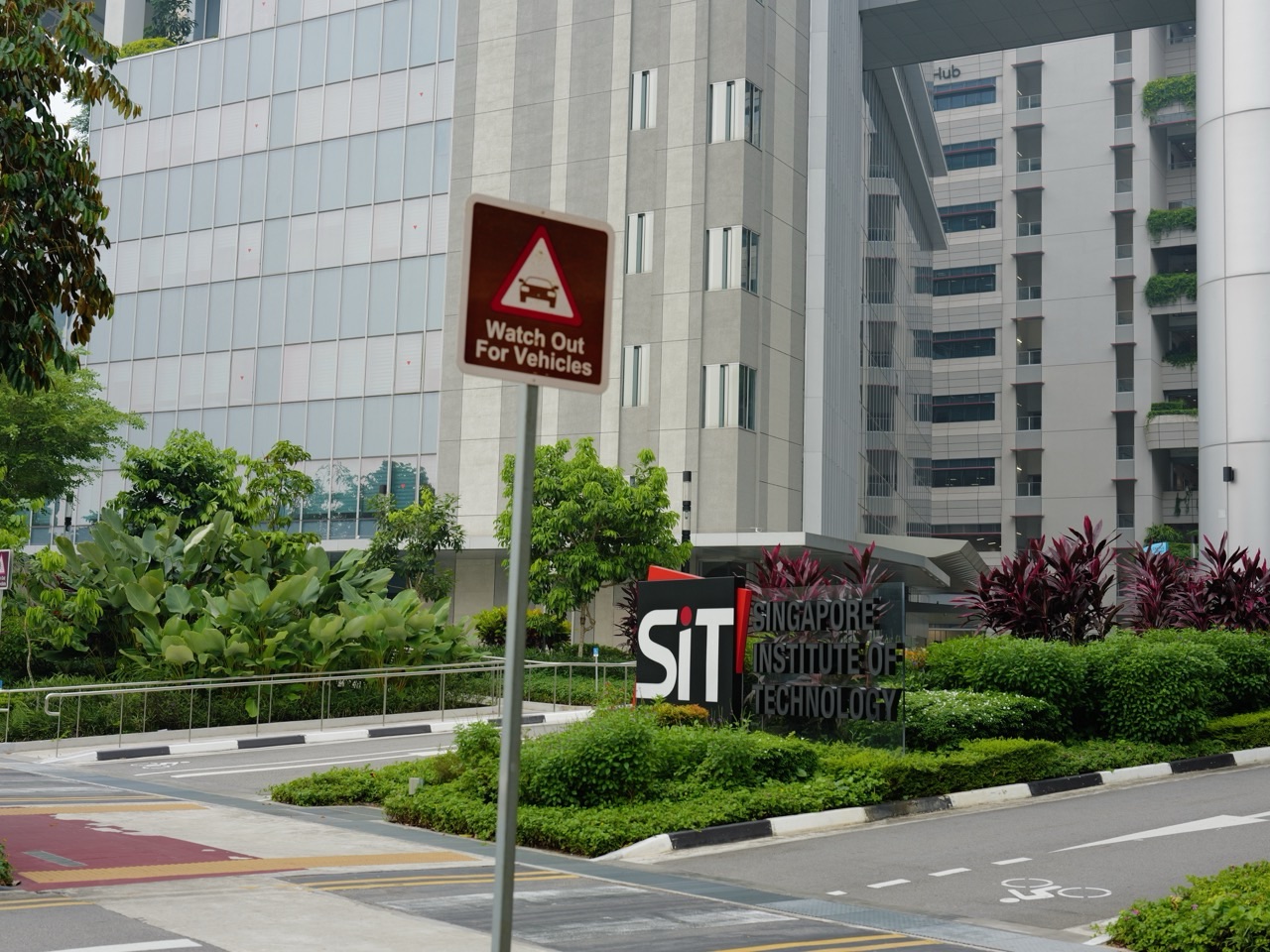
How can SIT students and young adults around Punggol Coast stay healthy when classes, projects, internships and work fill the week? Protect a workable sleep schedule, eat regularly, move between long study sessions and choose social activities that feel sustainable. The advantage of Punggol is that campus, public transport, community facilities and green spaces are relatively close—but that does not mean every student should fill every free hour. A ten-minute walk or an early dinner can sometimes be more useful than another commitment.
This 2026 SIT Punggol Campus and Punggol Coast wellness guide covers student fitness, study breaks, budget-friendly meals, travel, clubs, peer support, counselling, accessibility and moving from university to working life. It is written for adults, particularly SIT students, and other young residents studying or working near the Punggol Digital District. SIT services may be limited to eligible students; public spaces and private providers follow different access rules. For broader town orientation, see Life in Punggol 2026.
SIT Punggol wellness: the useful quick answers
| Question | What to do first | What to verify |
|---|---|---|
| How do I reach SIT? | Punggol Coast MRT (NE18) is at the campus; use the official campus wayfinder. | Your actual route, access point, and current transit services. |
| Where can I exercise? | Check SIT’s listed gyms and clubs if you are eligible; community and private options are separate. | Current eligibility, equipment, booking, supervision and operating status. |
| What about meals? | Plan one dependable lunch and a realistic dinner on long days. | Menu, price, halal/allergen needs and queues change. |
| I feel disconnected. | Try one club, recreation activity or trusted small group. | Programme dates and suitability are not guaranteed. |
| I am struggling with stress. | Use the official SIT Student Wellness support route if you are an SIT student. | Seek urgent medical care where immediate safety is at risk. |
| Do I need a long daily workout? | Build movement across the week and protect sleep; use activity guidance appropriately. | Your health, recovery, skill and schedule. |
| I commute from elsewhere. | Count door-to-door travel, not only the MRT ride. | Transfer, walking and last-service details differ. |
| What about internships? | Adapt health and study plans to work placements and varying shifts. | Internship or industry schedules may change. |
SIT’s official Campus Locations identifies 1 Punggol Coast Road, Singapore 828608, with Punggol Coast MRT beside campus. The University’s main campus is in the Punggol Digital District. SIT has a trimester-based academic structure, including work-integrated learning for many programmes, so students should plan around their actual modules and placements rather than assuming a traditional long-semester rhythm.
1. The campus is not the whole student’s day
University life can look compact on a campus map. In reality, a student may leave home early, travel across Singapore, attend laboratories, complete group work, eat between classes, work part time and finish assignments at night. The key wellbeing question is what the full twenty-four hours looks like, not how many buildings sit close together. A Punggol Coast station does not erase a long transfer from another part of the island.
SIT’s official site describes the campus as car-lite, and encourages transport by Punggol Coast MRT, buses and connections from Teck Lee LRT. This is useful for planning—but students should check current routes and accessible access rather than relying on an old event-specific shuttle timetable. Our SIT Punggol Campus Guide handles local navigation and facilities.
On a timetable-heavy day, improvement may be as simple as setting one reliable lunch window and a realistic return route. If a student has a two-hour gap, it need not become a new club, extra shift or an intense workout. Study, social time and rest have competing claims. Treating every hour as fully available for productivity can create an impressive calendar and a very tired person.
2. Fitness: campus equipment, active commuting and the Waterway
SIT’s Facilities page identifies campus gyms, studio spaces, clubs, lounges, a library and food outlets. That helps students discover what may be offered, but the presence of a facility is not a promise of immediate public access. Check current student eligibility, operating hours, reservations and any induction or equipment rules. A young adult who is not enrolled at SIT should use appropriate public or private options.
For students with limited time, the first activity may simply be movement between long periods of sitting. A short safe walk before the next class, a suitable campus club session or a dedicated exercise block may all support wellbeing. Singapore’s physical activity guidelines for adults recommend accumulating suitable moderate aerobic activity and muscle-strengthening activity across the week, with gradual progression. They do not demand training every evening after project work.
If students enjoy the outdoors, Punggol Waterway Park provides a local option, while Coney Island is a more deliberate nature outing. The official NParks park connector page describes an 8.4 km Waterway route—but a beginner does not have to complete it. Residents starting from Punggol Coast should calculate the entire journey, not assume the Waterway loop begins at the classroom door.
The Punggol desk breaks and work-from-home guide is relevant when students spend long periods coding, writing or completing digital assignments. Those situations have some of the same ergonomic challenges as office work. A comfortable desk, movement breaks and fewer late-night distractions can be more practical than buying a fitness tracker.
3. Campus clubs can help friendship as much as fitness
SIT’s Life@SIT directory lists sports clubs, arts groups, community service, industry chapters and other student organisations. A welcoming club can create recurring opportunities to meet people, practise skills and belong to a community. But joining everything at orientation is not required for a meaningful university life. Choose a small number of commitments that are worth the time and fit the academic calendar.
A student who enjoys competitive sport may want a team; someone else may prefer a casual recreational session or a cultural group. A person who is shy, has sensory considerations or is dealing with fatigue may find a small peer group more comfortable. Clubs are invitations, not proof of personal worth. Membership rules, try-outs and dates can change, so check the actual organiser’s current guidance.
Student wellbeing involves more than exercise. Trust, belonging and supportive friendships can make a demanding academic term easier to navigate. Our SIT Student Clubs guide lists how to enquire, while the official university site remains the source for current availability.
4. Build a Punggol Coast food system before the trimester becomes hectic
Lunch can become an afterthought during projects or long labs. SIT’s facilities page lists campus food courts and takeaway points, but actual stalls, prices and dietary suitability can change. Punggol Coast also has surrounding commercial options; neighbourhood hubs such as One Punggol and Waterway Point may be useful along some journeys, though not always the shortest detour. Select a dependable meal option near the route you actually travel.
A simple food framework is easier to keep than an elaborate seven-day meal plan. Use Singapore’s My Healthy Plate guidance as a flexible reference for fruit, vegetables, protein and wholegrains. Do not treat every meal as a strict laboratory measurement. For someone with medical dietary needs or allergies, follow individual healthcare advice and verify food information directly.
Budget matters, too. Track the cost of a typical campus lunch, an evening meal and any snacks bought because a meal was missed. A cheap listed price may not be the full day’s cost. Buying large amounts of groceries can waste money if the student travels or eats out unexpectedly. The Punggol Healthy Hawker and Grocery Guide offers a practical fallback approach without pretending cooking is always cheaper than buying a single meal.
5. Sleep and long assignments: stop borrowing tomorrow’s energy
SIT’s trimester schedule and work-integrated learning can mean assignments, presentations, assessment deadlines and placement responsibilities cluster differently from another institution’s academic year. A student may feel they must borrow time from sleep to manage the workload. But regularly sacrificing rest can affect attention, mood and daily functioning. A useful plan starts with tomorrow’s required wake time and a realistic sleep opportunity.
HealthHub’s adult sleep guidance encourages striving for at least seven hours of sleep, while recognising that individual needs differ. This is a general population reference, not a diagnosis. Before a deadline, ask which tasks actually require completion, which can be discussed with teammates or tutors and whether an earlier start would be more effective than repeatedly staying awake past midnight.
A group project with teammates commuting from across Singapore requires coordination. Agree on realistic communication hours, clear task ownership and when urgent exceptions apply. A student who cannot join a late meeting because of health, family care or a long journey should not automatically be seen as less committed. Good teamwork includes communicating constraints in advance.
6. Student Wellness: official support is available
SIT’s Student Wellness page describes counselling, accessibility support, peer support and other student services. It currently lists the Wellness Office at Punggol Campus Block E6, Level 2M, with an appointment route through SITCounselling@SingaporeTech.edu.sg and a 24-hour counselling helpline at 6592 2030. These are institutional services for eligible members of SIT’s community; verify current details on the university website.
If a student is distressed, it is more useful to take the concern seriously than tell them to go for a jog and forget it. Physical activity, time outdoors and friendships can support wellbeing, but they do not replace professional help when symptoms persist or safety is at risk. A student who has difficulty attending classes, sleeping, eating or functioning may benefit from speaking to the Wellness Office or a suitable healthcare professional.
SIT’s page also describes accessibility consultation and related arrangements. Students with disabilities, chronic conditions or mental health needs should ask the appropriate office about reasonable support; they need not infer support eligibility from generic campus facilities. Our SIT Punggol Accessibility Support guide helps identify contact routes, while the university’s official guidance controls the actual process.
7. How to use Punggol’s changing urban landscape
SIT Punggol Campus sits within the Punggol Digital District, an area planned around connections among education, businesses and public spaces. This can create opportunities for students to observe how universities and industries interact. But the area is not one unrestricted public campus: offices, laboratories, teaching spaces and specific facilities have their own entry rules. Check public access before planning a visit, study session or photography project.
A short walk between a transit node and the campus can turn urban design into a lived learning example. Where do covered paths help? How do students and workers share the same streets? Where are the nearest appropriate public rest areas? The eduKateSG Punggol Transport Geography guide addresses the broader concept of urban accessibility, while the Punggol Coast Mall guide provides local commercial context.
Young adults preparing for jobs may also need to practise managing real responsibilities. A healthy routine can include job-search time, appropriate work exposure and professional development without making every non-class hour career-focused. Rest, friendships and hobbies are part of a sustainable transition to work.
8. An example five-day study-and-wellness pattern
| Day | Possible anchor | What to protect | Practical fallback |
|---|---|---|---|
| Monday | Classes or project work | A reliable lunch and travel home | Simplify dinner when a class overruns. |
| Tuesday | Student club or recreational movement | Enjoyment and suitable activity level | Use a short movement break instead. |
| Wednesday | Laboratory, assignment or group project | Screen breaks and sleep opportunity | Communicate deadlines and travel limits. |
| Thursday | Study, part-time job or placement | Regular meals and safe transport | Rearrange non-urgent activities. |
| Friday | Peer time or campus recreation | Friendships without calendar overload | Choose a calm evening if tired. |
| Weekend | Optional park, sport or family activity | Recovery and next week’s preparation | Rest when unwell or exhausted. |
This is an illustration, not SIT’s official weekly timetable. Course demands, placements and access restrictions vary. Students can adapt the decisions to their actual workload. The aim is to protect enough flexibility so that the first unexpected deadline does not destroy exercise, sleep and meals all at once.
9. Three young adult scenarios
A first-year student with a long commute
The student lives far from Punggol and worries about missing club events. Instead of signing up for many weekly sessions, they try one club near an existing campus day and protect a realistic return journey. They can build social connection without doubling the number of long travel evenings. If the club becomes enjoyable and workable, they may choose to participate more.
A student doing long computing projects
The student spends hours coding on a laptop and starts developing screen fatigue and neck discomfort. They review a comfortable working setup, take natural movement breaks and make time for food and sleep. Persistent or concerning symptoms warrant healthcare advice. The solution is not necessarily an expensive chair; it may also involve workload and posture variation.
A student struggling with mood and isolation
The student has stopped meeting friends and is missing classes. Telling them they just need to exercise would overlook the possibility of a deeper issue. The better step is compassionate conversation, the SIT Student Wellness route and appropriate professional support. Recreational activity may be part of recovery if suitable, but it is not a substitute for getting help.
10. A four-week independent-living experiment
| Week | Student decision | Small action | What good progress looks like |
|---|---|---|---|
| 1 | Where do my hours actually go? | Map classes, commute, meals and sleep. | Clearer boundaries and expectations. |
| 2 | What activity fits my interests? | Try one suitable club, sport or walk. | Enjoyment and repeatability. |
| 3 | Which recurring friction causes stress? | Fix one meal, meeting or transport problem. | Fewer avoidable late nights. |
| 4 | What needs support rather than more effort? | Seek advice or adjust commitments as appropriate. | A workable term, not an impossible schedule. |
Progress may mean a healthier routine, but it may also mean asking for help or letting an unnecessary commitment go. A university is a place to develop judgement, and deciding how to balance workload and wellbeing is part of that learning. Protect your health while building skills and relationships.
The difference between a busy campus and a balanced student life
Imagine a student who arrives at Punggol Coast at eight in the morning and leaves at nine at night. They have attended classes, met a project group, spent an hour at a club, and eaten in a campus food court. The calendar appears productive, but there was barely time to rest. Another student with fewer extracurricular activities may actually be managing their workload more sustainably. The lesson is that wellbeing cannot be judged from how many campus experiences a person completes.
A practical audit lists four essential categories: learning time, travel, regular meals and sleep opportunity. Place those on the week before adding optional sport, work or clubs. Then add commitments that are genuinely meaningful. A student may want one close friendship group more than another leadership role. If academic requirements shift or placements begin, redraw the plan rather than forcing a timetable designed for a different trimester.
A Punggol Coast mobility audit for real study days
SIT’s official campus guide identifies direct MRT access at Punggol Coast and connections to Punggol Digital District. That makes arrival easier for some students, but the total commute can still be long. A student travelling from another part of the island should factor in transfers, the distance to the correct building, suitable accessible routes and time to get food before class. Live train and bus information is more useful than a journey estimate copied from a previous semester.
If a student has mobility or sensory access requirements, do not improvise a route based only on an image of the campus. Ask the university’s accessibility support office about appropriate entrances and assistance. The campus includes areas with varying access permissions; a study lounge, gym or laboratory may not be open to every visitor. For a student’s wellbeing, knowing where to go and what access to expect can eliminate a surprising amount of avoidable stress.
A study-break test: is ten minutes of movement useful?
A student sits through ninety minutes of revision, then considers another hour without standing. A short comfortable break could help interrupt sedentary time, whether that means walking to get water, moving around a suitable space or visiting a nearby safe outdoor path. The exact activity should match ability and circumstances. The break is not automatically moderate-intensity exercise, and it should not be presented as a replacement for a balanced weekly activity routine.
Try one simple experiment: use a natural end to a study block for a brief pause, then return to a clearly defined task. Notice whether the break was refreshing or distracting. If a walk takes too long, shorten it. If a student needs food or sleep, prioritise those needs. The goal is not to optimise every minute; it is to reduce unproductive exhaustion while still completing meaningful work.
Budgeting is part of campus wellness
For a student, a wellness routine can become expensive quickly: paid food, fitness memberships, transport, coffee, printing and social events all compete for limited resources. Before adding a purchase, use what the university or public services already offer under their published rules. Campus facilities have eligibility limits, while some public amenities do not. Check the real cost of access, not just promotional pricing.
A simple weekly spending review can separate necessities from optional conveniences. If purchasing lunch on campus is reasonable and saves a long trip, keep it; if preparing food is cheaper and realistic, try that. If a long gym journey consumes hours, use an appropriate local or campus alternative where available. Sustainable choices take academic and financial stress seriously, instead of offering expensive lifestyle upgrades as the default.
Student support is a sign of planning, not of failure
SIT publishes Student Wellness pathways for counselling, peer support and accessibility enquiries. If a student is persistently distressed, physically unwell or unable to manage the workload, the next useful action may be contacting a real person rather than downloading another productivity app. Be clear with the appropriate university office about the question, the impact on study and any relevant access needs. Official staff can explain eligibility, confidentiality and available services.
The best Punggol student lifestyle combines development and ordinary life: a viable commute, time to eat, friends or community where desired, suitable movement and enough recovery to learn. The campus is an opportunity, not a compulsory checklist. If one healthy habit survives the busiest trimester, it may serve the student better than several grand plans that disappear during examinations.
11. Frequently asked questions
Is Punggol Coast MRT close to SIT Punggol Campus?
Yes. SIT describes Punggol Coast MRT as being at the doorstep of its campus; check your precise entrance and live journey.
Can every member of the public use SIT campus gyms?
Do not assume public access. Check SIT’s current access and booking rules.
Where can SIT students get counselling?
The official SIT Student Wellness page provides appointment and helpline details, including its Punggol Campus location.
Are student clubs only for competitive athletes?
No. SIT lists sports, arts, community service, industry and other groups, each with its own participation arrangements.
Can a student walk the full Waterway Park connector every day?
It is possible for some people but not necessary. Select appropriate routes and consider travel, heat, weather and recovery.
Is eating at campus food courts unhealthy?
Not automatically. Food choices, variety and individual needs matter more than the venue itself.
How should I handle assignment-related sleep loss?
Plan work and communication more realistically; seek institutional or professional support if the pattern is persistent or distressing.
What if I need disability or accessibility support?
Consult SIT’s official Student Wellness and accessibility services rather than assuming all campus spaces suit every need.
Can visitors use student support services?
Institutional student services have eligibility rules; the general public should seek appropriate public or private services.
What if an internship changes my hours?
Rebuild your meal, sleep, activity and transport routines around the actual placement schedule.
Related reading across eduKate’s ecosystem
- Life in Punggol — Master Lifestyle Hub
- Working from Home in Punggol
- After-Work Wellbeing in Punggol
- Teenage Life in Punggol
- Healthy Hawker and Grocery Choices
- Nature and Mental Wellbeing in Punggol
- SIT Punggol Counselling Enquiries
- SIT Punggol Student Clubs
- eduKateSG — Punggol Transport Geography
- eduKateSG — Waterfront Student Life
Official sources
- SIT — Campus Locations
- SIT — Life@SIT
- SIT — Campus Facilities
- SIT — Student Wellness
- SIT — Admissions and Trimester FAQs
- HealthHub — My Healthy Plate
- NParks — Punggol Waterway Park
Reviewed 17 October 2026. Local educational guidance rather than official SIT instruction, clinical treatment or a guarantee of venue access. Students should verify their current institutional requirements, appointments and booking rules. The scenarios are illustrative.


