
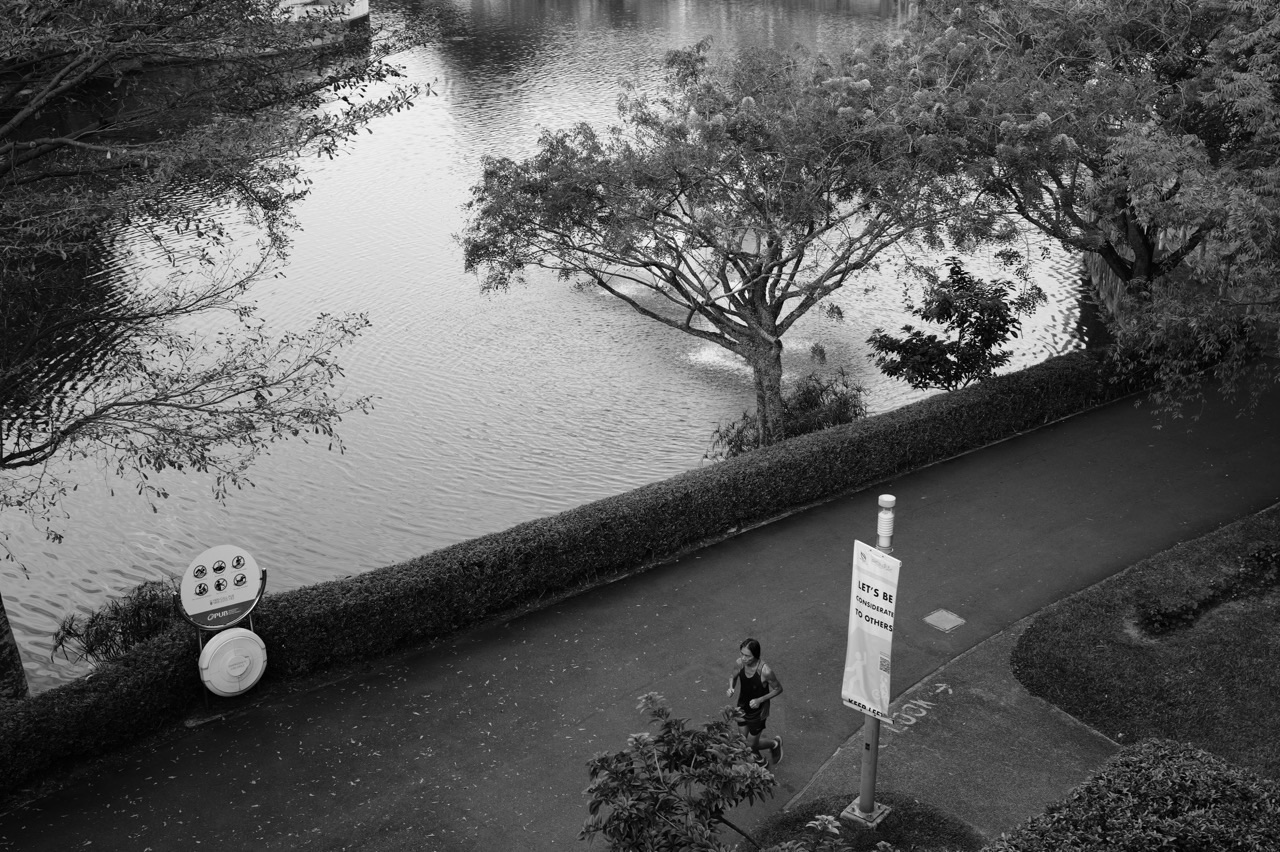
After-work activities in Punggol do not have to begin with a big plan. If you have 15 minutes, sit by an accessible section of the Waterway or take a short walk near the MRT before heading home. With 30 minutes, add a library browse, a gentle neighbourhood walk or a simple conversation over a drink. With 60 minutes, combine one active or creative stop with food and an easy return journey. This guide helps Punggol residents turn small weekday windows into enjoyable, repeatable local routines.
Things to do in Punggol after school depend on the student’s timetable, safety, appetite and energy. A Primary school child may need a snack and unhurried play. A teenager may prefer some autonomy in the library, a walk with a friend or time to read. An adult returning from work may want quiet rather than stimulation. Choose an outing that respects tomorrow morning, not an outing that exhausts everyone for a photograph tonight.
This is not a list of nightlife venues; the site’s dedicated evening guide owns that search intent. It is an everyday time-and-energy guide, checked 17 October 2026, for families and workers who want better weekday rhythms. The Punggol Point Park upgrading closure, Coney Island’s 7am–7pm hours, official weather guidance and the opening hours of individual facilities still apply.
Pick a Punggol activity by the time you actually have
| Time left after travel | If you need quiet | If you want movement | If you want company |
|---|---|---|---|
| 10–15 minutes | Sit, read or observe one waterside scene | Comfortable out-and-back walk | Short check-in over water or tea |
| 20–30 minutes | Browse a library or book corner | Gentle route near home or station | A snack and an unhurried conversation |
| 40–60 minutes | Read or sketch in an appropriate public space | A specific Waterway segment | Meal with one optional outdoor stop |
| 60–90 minutes | Library or a booked local workshop | Park connector route with return buffer | Sport, class, games or shared dinner |
| Unexpected free hour | Choose the nearest confirmed open option | Try a new safe turn on a familiar path | Invite a friend without forcing a long plan |
Why weekday leisure usually fails: the hidden friction
The commute consumes more time than the activity
A Punggol resident may have 60 minutes between arriving at the MRT and collecting a child. That does not mean 60 minutes of available leisure. Entering and leaving a venue, buying food, using the toilet, crossing roads and waiting for an LRT add time. Build the activity around a single close cluster. Central Punggol works for the interchange, Waterway Point and One Punggol; Punggol Coast works when your day already ends in the northern district.
A helpful rule is to keep the return journey simple enough to explain in one sentence. ‘Walk twenty minutes beside the Waterway, then back to Punggol MRT’ is clearer than ‘cross town, visit a café, find the heritage trail, then rush for the bus.’ A good local habit should survive a tired Tuesday, not require the energy of a tourist Saturday.
People come home with different batteries
A worker who has spent the day in meetings may not want a lively event. A child who sat in lessons might want movement, but not another adult-led task. A caregiver who has already completed school runs and household errands may prefer ten minutes alone. Ask ‘what would feel good now?’ rather than assuming everybody wants the same sort of outing.
Try separating the group into temporary preferences instead of making one preference win. One person can read or sit while another walks a safe visible segment; everyone reunites at a specific meeting point. Young children still need appropriate supervision. For older students, agree on boundaries and return time. The activity should improve the day rather than become a new demand.
A big plan turns into a new obligation
Buying tickets, booking a court or arranging transport can be excellent for a weekend but excessive for a little weekday pause. Keep three no-reservation defaults: a short central walk, a reading or quiet stop during published opening hours, and a familiar food venue. Save paid and scheduled activities for times when the whole group has energy.
A useful rhythm is to make one default easier each week. Keep shoes ready for a short walk, know the correct building entrance, or choose a book before leaving home. These are small decisions, but together they lower the effort required to enjoy your own neighbourhood.
The weather changes faster than the itinerary
Hot afternoons, thunderstorms and haze are not small inconveniences that everyone should simply push through. Adjust the timing, location and activity intensity using current forecasts and official advice. If the weather is unsuitable, the weekday plan should still have an indoor version without travel across half the town.
An indoor reset can be reading, sketching, an appropriate public programme or simply sitting somewhere permitted and comfortable. It need not be a paid attraction. Avoid relying on a ‘sheltered’ route you have never checked, and do not confuse a covered mall entrance with an all-weather park path.
The plan competes with food, homework and sleep
A child’s day has basic needs that come before entertainment. After school, check if there is hunger, tiredness, a medical need or a simple desire to go home. The same principle applies to adults who are already stretched. A 20-minute walk followed by an early dinner may produce a better evening than a two-hour adventure followed by a rushed bedtime.
Weekday leisure succeeds through proportion. Choose one enjoyable thing, leave it early enough and let tomorrow be manageable. This is consistent with eduKateSG’s Punggol school-journey and after-school routine guide and exam-week sleep and recovery discussion; the purpose is a healthy routine, not converting every spare minute into structured activity.
The 15-minute Punggol reset: stop before you start overplanning
Fifteen minutes is enough to notice a different part of the day. If you have arrived at Punggol MRT, choose a nearby permitted stopping place or a short out-and-back section of the Waterway. Do not make Coney Island your destination; it needs more preparation and closes at 7pm. If you are already in the Digital District, use an open public space or an indoor stop near Punggol Coast MRT. A reset works only when the transition back to your responsibilities is easy.
Try a five-five-five structure: spend a few minutes moving toward the chosen place, a few minutes simply being there, and the remaining time returning. This is a planning device, not a wellness treatment. Notice the light, the sound of traffic changing near a waterway, or how a child describes the day without being pressed for a perfect answer. You have done enough when the allotted time is over.
The 30-minute Punggol reset: add one worthwhile action
A half-hour gives room for an activity that feels specific: browse a shelf in the library, sketch one bridge, listen to a friend while walking, have a short early meal or practise a beginner photography prompt. Begin by identifying the return time; then work backwards. A person who needs to collect a child at 6pm should not begin a route at 5.45pm that only ends after a long detour.
With children, alternate choice: one day the child chooses a book or sketching prompt, another day the adult chooses a gentle walk. Keep the same safety rule and spending limit. With a friend, agree that the time can end after thirty minutes without an apology. Frequent uncomplicated conversations can make a neighbourhood feel more sociable than rare elaborate gatherings.
The 60-minute Punggol reset: one anchor plus a proper ending
An hour is long enough for one anchor and one small companion activity. A library visit followed by a drink; a Waterway walk followed by food; a visit to a currently accessible Punggol Coast public space followed by dinner; or a bookable exercise class followed by a calm journey home. Two substantial attractions are generally too much for a weekday hour. The simplest way to be punctual is to stop adding destinations.
Choose a firm finishing point. The meal can be the end, not a prelude to another hour of walking. The library can be the entire evening activity, not the opening of a shopping marathon. When the weather turns unsuitable, change the anchor rather than pushing through. The Punggol lifestyle planner gives a wider decision matrix; this article’s job is to keep short weekday plans practical.
20 short activity recipes: pick the one that suits tonight
1. A quiet five-minute conversation by the Waterway
Try: Walk to a convenient central stopping point; ask what was good, difficult and surprising today. Keep it easy: End before the conversation becomes an interrogation. A child can say ‘I don’t know’ without being asked to report every detail. The best version is small enough to repeat on an ordinary weekday, without a booking or a complicated journey.
2. An out-and-back bridge observation
Try: Choose a safe walking segment and notice one design feature before turning around. Keep it easy: Do not block narrow shared paths or assume cycling is permitted on every bridge. Let the return time decide the distance. The best version is small enough to repeat on an ordinary weekday, without a booking or a complicated journey.
3. A library book-swap between family members
Try: Each person chooses one book, then explains in a sentence why the other might enjoy it. Keep it easy: Respect the library’s quiet and age-specific zones. Borrowing is optional; the selection conversation is the activity. The best version is small enough to repeat on an ordinary weekday, without a booking or a complicated journey.
4. A 15-minute line-drawing challenge
Try: Draw a tree, railing or the outline of a building without trying to create a finished artwork. Keep it easy: Stay in a safe public stopping area. The aim is noticing shapes, not judging who draws well. The best version is small enough to repeat on an ordinary weekday, without a booking or a complicated journey.
5. A water-and-snack decompression stop
Try: Have a simple snack after school and let the conversation start naturally, if at all. Keep it easy: Account for allergies, dietary preferences and rubbish disposal. An expensive café is not a prerequisite. The best version is small enough to repeat on an ordinary weekday, without a booking or a complicated journey.
6. A sheltered window-view session
Try: On a rainy day, sit in a permitted indoor public area and describe how the light and street activity change. Keep it easy: Follow the venue’s seating rules. Avoid treating a commercial table as a free workspace if a purchase is expected. The best version is small enough to repeat on an ordinary weekday, without a booking or a complicated journey.
7. A photograph of one familiar place, differently
Try: Take a wide view and a close-up that reveal something overlooked on your normal commute. Keep it easy: Keep the camera away from strangers’ private moments and do not enter cycling paths for a better angle. The best version is small enough to repeat on an ordinary weekday, without a booking or a complicated journey.
8. A short walking phone call
Try: Call someone who matters while walking an uncomplicated and safe stretch of your usual route. Keep it easy: Stay alert at crossings. If the path becomes busy, stop in a safe place rather than becoming distracted. The best version is small enough to repeat on an ordinary weekday, without a booking or a complicated journey.
9. A shared one-question dinner
Try: Each person brings one question about the day: a building, a local change or an interesting fact. Keep it easy: No person has to perform or ‘answer correctly’. This is conversation, not a quiz. The best version is small enough to repeat on an ordinary weekday, without a booking or a complicated journey.
10. A Punggol map-and-direction game
Try: Ask a child to identify the nearest station or a logical return route on a map. Keep it easy: Adults remain responsible for navigation and supervision. Correct directions calmly instead of turning errors into embarrassment. The best version is small enough to repeat on an ordinary weekday, without a booking or a complicated journey.
11. A brief plant-noticing exercise
Try: Observe two leaves or flowering plants without collecting or handling them. Keep it easy: Many park plants support wildlife or are protected. Name uncertain observations descriptively instead of guessing species. The best version is small enough to repeat on an ordinary weekday, without a booking or a complicated journey.
12. A short low-intensity walk after sitting all day
Try: Choose a flat comfortable route and finish while you still have energy. Keep it easy: It is not a medical exercise prescription. Adapt for personal mobility, heat and air quality. The best version is small enough to repeat on an ordinary weekday, without a booking or a complicated journey.
13. A planned meet-up at One Punggol
Try: Set an exact time and location to share a drink, read or review a community-event listing. Keep it easy: Services within the building have different hours. Check the specific programme rather than the main building’s apparent activity. The best version is small enough to repeat on an ordinary weekday, without a booking or a complicated journey.
14. A Punggol Coast public-art look
Try: Spend a short period with one piece of confirmed publicly accessible art or design in the district. Keep it easy: Observe the work and its surroundings; respect restricted areas and other visitors’ space. The best version is small enough to repeat on an ordinary weekday, without a booking or a complicated journey.
15. A one-page journal entry
Try: Write one paragraph describing what the neighbourhood looked like on this particular evening. Keep it easy: Choose one observation and one feeling. Do not pressure a reluctant child to write a full school composition. The best version is small enough to repeat on an ordinary weekday, without a booking or a complicated journey.
16. A low-cost errand made sociable
Try: Combine a needed household purchase with a short shared walk or bite to eat. Keep it easy: Make a list and budget before leaving. The activity loses its purpose if ‘just browsing’ becomes stressful spending. The best version is small enough to repeat on an ordinary weekday, without a booking or a complicated journey.
17. A safe cycling loop for experienced riders
Try: Use a familiar, designated route and finish with extra time for the return. Keep it easy: Obey current path designations, use lights in poor visibility and give way at attention zones. The best version is small enough to repeat on an ordinary weekday, without a booking or a complicated journey.
18. An indoor game with conversation
Try: Try a permitted game or quiet puzzle in a suitable venue or at home after returning. Keep it easy: Different venues have distinct usage or payment rules. Do not assume equipment can be used without booking. The best version is small enough to repeat on an ordinary weekday, without a booking or a complicated journey.
19. An after-school friend walk
Try: Two teens can take a short planned stroll to a familiar point, with family-approved return arrangements. Keep it easy: Agree on where they are going and when they will return. Avoid isolated areas or a route that extends into darkness. The best version is small enough to repeat on an ordinary weekday, without a booking or a complicated journey.
20. A simple ‘what changed?’ neighbourhood check
Try: Revisit a familiar public place and note one difference in planting, building use or a shop. Keep it easy: Treat changes as questions rather than making unsupported claims about why they occurred. The observation can start future learning. The best version is small enough to repeat on an ordinary weekday, without a booking or a complicated journey.
Three neighbourhood base camps and when each wins
Punggol MRT, central Waterway and Waterway Point
Choose this when someone is commuting, transferring to LRT or already in central Punggol. The variety of transport, food and possible short outdoor walks reduces the number of decisions. A worker can stop briefly on the way home; a parent collecting a child can agree on a clear meeting point. If you have only fifteen minutes, do not commit to a long circular walking route.
On weekends this area can be busy. Be considerate on mixed-use paths and slow near children, the elderly and crossings. Some iconic bridges in Punggol Waterway Park are not cycling routes. Check NParks’ current path guidance and the site’s Waterway Park guide rather than assuming every paved surface has the same rule.
One Punggol and its library
Choose this when reading, a community course or a quiet indoor fallback is the objective. The library’s early-access, main-service and Study Zone arrangements are not identical. A family may spend time selecting books, visiting an age-appropriate space or using the community hub as a convenient meeting destination. A worker might prefer a short browse to another commercial errand.
A specific MakeIT workshop, child’s programme or room needs its own requirements; do not show up expecting every space to run a facilitated activity. The site’s Punggol library opening-hours breakdown explains the distinctions. The One Punggol guide covers the broader hub and its services.
Punggol Coast and Digital District
Choose this when your work or travel already ends at Punggol Coast, or when you deliberately want a different urban feel. The district combines current food and retail options with public spaces, artworks and the first open heritage stretch. It is particularly suitable for a one-hour walk-and-meal plan because the MRT is nearby and the evening can end at a clear transport point.
A district with phased development changes more quickly than a mature mall. Treat future facilities and trail segments as future, not guaranteed current access. Follow JTC’s official community information and the eduKatePunggol district guide for the details. Verify the location of any specific outlet in the distributed mall complex.
Five example weekdays that do not require a perfect timetable
Monday: the low-energy version
The household returns home tired. Skip the destination hunt, eat a simple meal and choose a ten-minute walk only if everyone wants it. If even that feels like a chore, put on comfortable clothes and make home the reset. A repeatable lifestyle has to leave room for a genuinely quiet day.
If weather, schedule or health needs change, move the activity indoors or choose rest. The purpose of this rhythm is to reduce planning overhead, not to prescribe five outings every week. One successful pause is enough to preserve the habit.
Tuesday: the after-school conversation
After collecting a child, set aside ten minutes for a snack, followed by a short central Punggol walk if conditions suit. Ask about one interesting thing the child noticed. If the child prefers quiet, let that be the answer. The end of the activity is the agreed return time, not an educational result.
If weather, schedule or health needs change, move the activity indoors or choose rest. The purpose of this rhythm is to reduce planning overhead, not to prescribe five outings every week. One successful pause is enough to preserve the habit.
Wednesday: the halfway-through-the-week hobby
Choose drawing, photography, browsing a new library shelf or a booked course that fits the actual schedule. Keep the hobby self-directed: make one attempt, notice one improvement and stop. Reading or making should not become extra homework merely because parents know it develops skills.
If weather, schedule or health needs change, move the activity indoors or choose rest. The purpose of this rhythm is to reduce planning overhead, not to prescribe five outings every week. One successful pause is enough to preserve the habit.
Thursday: time with another person
Arrange a predictable meeting point near transit and a short walk or food stop. Decide the budget and the latest finishing time beforehand. The best conversational places allow people to hear one another comfortably; do not select a long route just because it has the most famous view.
If weather, schedule or health needs change, move the activity indoors or choose rest. The purpose of this rhythm is to reduce planning overhead, not to prescribe five outings every week. One successful pause is enough to preserve the habit.
Friday: the flexible longer version
If energy remains, stretch to a 60–90-minute experience at Waterway, One Punggol or Punggol Coast. Build in food and the return journey. Keep Coney Island and more demanding nature routes for a suitably timed daylight outing. The week should finish with people feeling they had a choice, not that they completed a compulsory programme.
If weather, schedule or health needs change, move the activity indoors or choose rest. The purpose of this rhythm is to reduce planning overhead, not to prescribe five outings every week. One successful pause is enough to preserve the habit.
Choosing an activity for different people without stereotyping them
Primary-age students
After school, a child might need motion, food or calm; do not decide purely from age. Choose a short supervised activity with a clear finishing time. Use a picture-book browse, a ten-minute nature question or a safe walk, and save heavier learning tasks for another part of the day. If the child needs rest, that is a legitimate choice.
Secondary-school students
A teen’s social time and independence can be supported with a known route, a realistic allowance and a return plan. Options include reading, a hobby, meeting one friend, a brief exercise session or simply observing the town. Avoid presenting every afternoon as an opportunity to improve academic performance. See Punggol teen activities when a longer social outing is the objective.
Adults working in Punggol Digital District
When work ends locally, the Punggol Coast area allows an after-work stop that does not require travelling toward central Punggol first. A meal, short heritage look or comfortable walk may suit. Distinguish public areas from campus- or business-controlled areas; having offices and a university nearby does not make every space a public attraction.
Caregivers and parents
A caregiver may already have spent hours coordinating the day. Reduce the number of decisions: one familiar place, one straightforward activity and an optional exit. Children can help choose between two suitable options instead of expecting a parent to invent an entire programme. A low-effort outing can be more generous than a grand plan.
Older adults or people with mobility considerations
Start with seating, toilets, shade, surface condition and the return route. One Punggol or central waterfront areas may allow easier adjustments than a rugged nature trail, but verify the specific route and access. Mobility needs vary, and short leisurely movement is not a lesser outing. Nobody should feel obliged to keep up with the fastest person.
Safety and practical limits in 2026
Keep outdoor routes conservative in poor conditions. Coney Island Park is officially open 7am–7pm, and its rustic terrain is not uniformly smooth. Punggol Point Park has been under upgrading closure since August 2026, so do not copy an older post-work sunset route into the closed site. A planned sports facility is not the same as an open venue with bookable courts. If the activity depends on a facility, use the current operator page.
On NParks park connectors, follow signs, keep left where required, give way to pedestrians and slow in attention zones. Some Punggol Waterway bridges and boardwalks prohibit cycling. For air quality, NEA distinguishes current 1-hour PM2.5 guidance from broader 24-hour PSI planning; check the official source for the outdoor activity you intend. A rainy or hazy evening is a good time to switch to a book, indoor hobby or meal without guilt.
Frequently asked questions: short things to do after school and work
What can I do in Punggol after work if I am exhausted?
Choose a low-demand option: a quick meal, quiet reading, sitting in a suitable public space or simply going home. The aim is recovery and enjoyment, not a mandatory workout. Start with ten minutes and extend only when it genuinely feels good.
Is fifteen minutes enough for an outing?
Yes, if the place is near you and the trip back is already accounted for. A short out-and-back walk, book browse or conversation can be satisfying. Do not spend most of those fifteen minutes crossing the town to a distant attraction.
What is a good 30-minute activity near Punggol MRT?
Try a manageable segment of the central waterfront or an open indoor destination such as a suitable part of Waterway Point or One Punggol. Check each venue’s actual hours and choose an exact finishing point.
What can children do after school without spending money?
A supervised walk, public library browse or simple observation game can work. If the child is hungry or tired, a snack or rest may be the more appropriate first step. Free places can still involve transport or other incidental costs.
Can teens hang out in the Punggol library after school?
Many teens use library spaces for reading or studying, but relevant age rules, seating availability and operating hours still apply. Agree on a meeting point and return arrangements; do not assume a late Study Zone window applies to every library area.
Is Punggol Waterway Park suitable for a short evening walk?
A known, accessible central segment can be suitable in appropriate weather and lighting. Plan the return route, stay on permitted paths and do not treat the entire park as one short circuit.
Can I go to Coney Island after work?
Only if the trip fits the park’s 7am–7pm opening window with enough time to leave safely before closing. A rushed dusk visit is not a sensible substitute for a central park or public urban stroll.
What if there is haze?
Use NEA’s latest health guidance. It may be sensible to shorten, reduce intensity or replace outdoor exertion with an indoor plan. Vulnerable individuals may need stricter precautions; the general rule is not identical for every person.
What if it is raining heavily?
Prioritise lightning safety and an indoor alternative. Libraries, malls and other venues may be options during their published hours. Do not rely on photographs to decide that a park connector is fully sheltered.
What can couples do on a weekday evening?
Choose conversation over complexity: a shared meal, short walk or quiet browse can be enough. Check venue hours and any changing access restrictions before visiting northern waterfront sites.
How much should a quick local activity cost?
It can cost nothing beyond ordinary travel when using public space, or include a modest drink or meal. Set a discretionary-spend ceiling before the outing. Never assume every class, game or special library programme is a free drop-in.
Where should a family meet after school near Punggol?
Choose an exact agreed point such as a named station exit, community hub entrance or other known public place. Specify who is collecting whom and at what time. ‘At the MRT’ is often too vague.
Can we fit exercise and dinner into one hour?
Sometimes. Choose a familiar short walk followed by a convenient meal, not a new long route or a class requiring additional travel. The meal and return journey must fit inside the hour too.
What is an easy screen-free activity for adults?
Sketch one scene, read ten pages, listen to another person or take a gentle observational walk. Screen-free leisure should be an invitation, not a rule used to judge the way someone relaxes.
Can I book the Punggol Regional Sports Centre now?
Do not infer live bookability from construction progress. Confirm public opening and specific booking inventory through ActiveSG. The site’s sports-centre guide tracks the distinction between planned and open facilities.
What is a low-pressure activity for grandparents and children together?
A short accessible walk, an age-appropriate library stop or an unrushed meal allows conversation without forcing anyone to maintain a fast pace. Confirm seats, surface conditions and toilets along the intended route.
Does an educational outing have to include worksheets?
No. A child can observe a bridge, ask why a plant grows beside water or compare two areas of town in ordinary conversation. If the outing produces curiosity, it has already created a useful opportunity; enjoyment does not need a formal deliverable.
What if my child refuses the outing?
Ask whether they are tired, hungry, upset or simply preferring another activity. Offer a small choice and respect a reasonable wish to rest. This guide is about reducing pressure, not winning a negotiation.
Where can I find actual upcoming classes?
Check One Punggol CC on onePA and the current organiser or venue listing. Different courses have different eligibility, availability and payment. Do not infer there is room because the listing appears online.
How do I make this a habit?
Start with one short repeatable opportunity per week. Keep the route and return time familiar, and review what felt easy or awkward. A habit built on small enjoyable choices is more sustainable than a complicated schedule.
Related eduKate ecosystem reading
- Punggol lifestyle planner: time, weather, budget and energy — the broader decision hub.
- Things to do in Punggol at night — longer evening and nightlife intent.
- Punggol Waterway Park guide — the park’s detailed destination owner.
- One Punggol community hub and library — practical building details.
- Rainy day ideas in Punggol — wet-weather indoor alternatives.
- Punggol Food Guide — food venues and clusters.
- Punggol school journey and after-school routine — learning and family scheduling.
- Punggol exam week sleep and recovery — child-rest context.
Official checks for this guide
Review NParks park and park connector rules, Coney Island visiting hours, One Punggol CC listings, JTC Punggol Digital District community information and NEA haze advisories. Opening times, registration and access are always specific to the chosen activity. Updated 17 October 2026.
Continue the Punggol lifestyle series
A final weekday example: imagine a parent arriving near Punggol MRT at 5.35pm with a child to collect at 6.20pm. Instead of setting off for Coney Island or Punggol Coast, choose an accessible five-to-ten-minute stroll or a short book browse in a confirmed open area, then return to the agreed pickup point with time to spare. That simple decision protects safety, keeps everyone punctual and still creates a pleasant transition between a busy day and home. On a stormy or hazy evening, skip the outdoor segment without treating the plan as a failure. The nearby option that actually fits is more valuable than the ideal activity that makes the rest of the evening difficult.


