
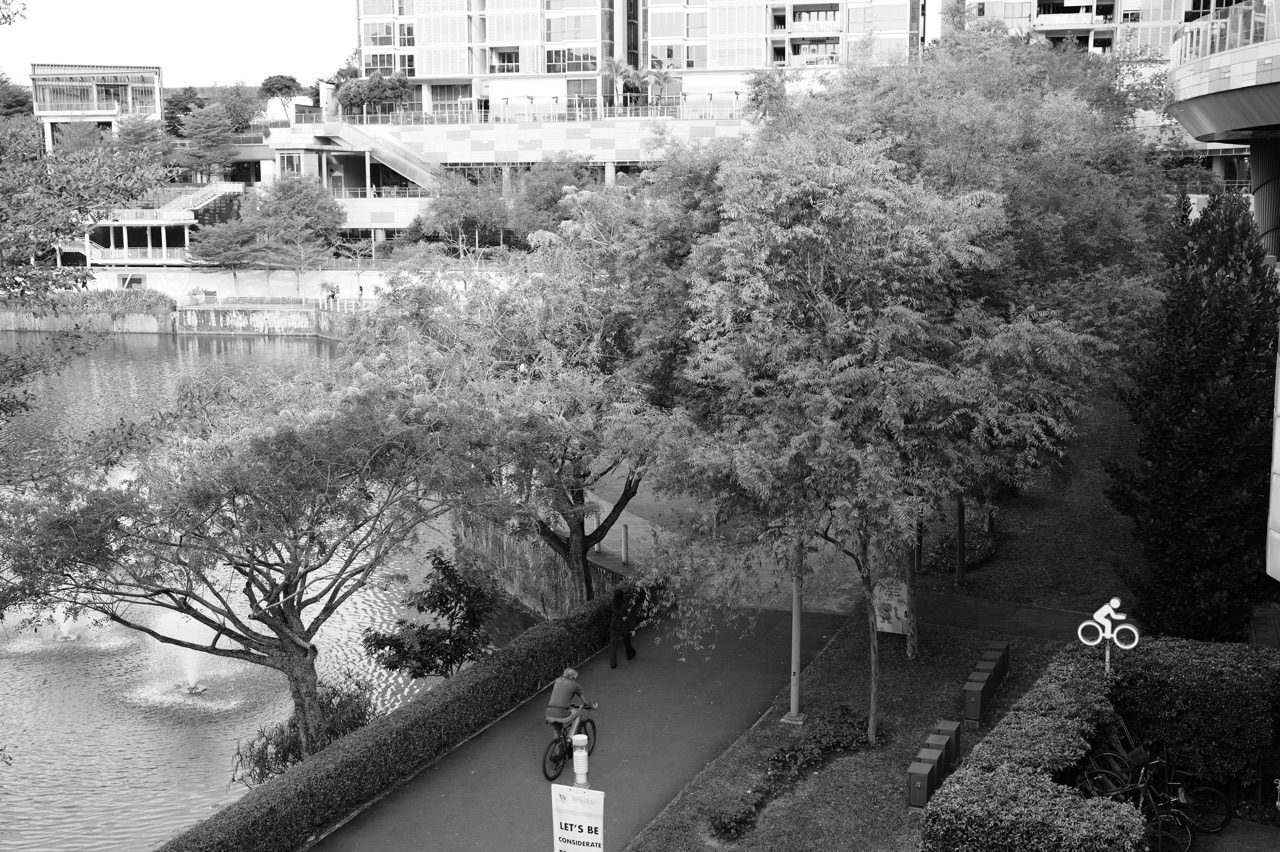
Can you train for your first triathlon while living in Punggol? Yes, but begin with three separate foundations: safe swimming ability, competent bicycle control and comfortable walking or running. A triathlon combines swimming, cycling and running, usually in that order, with transition areas between disciplines. You can practise in managed pools, on appropriate lawful Punggol cycling paths and along suitable neighbourhood running routes. Punggol Waterway is not an authorised open-water swimming practice area. Choose an appropriately organised race only when you are ready for its actual distance, safety requirements and rules.
This Triathlon for Beginners in Punggol 2026 guide explains sprint-distance variations, pool lessons around Sengkang, bike checks, the first 5K, recovery, transitions, race registration, actual Singapore organisers, heat, haze, budgets and a progressive skills framework. The purpose is to answer the beginner’s real question: which ability must I build first, and when is an organised event a sensible next step? This is separate from our Exercise in Punggol four-week beginner guide, which covers general movement before choosing a specific sport. For everyday life, visit Life in Punggol 2026.
The first-triathlon answer table
| Beginner question | Useful answer | Important safety boundary |
|---|---|---|
| What is triathlon? | A swim, cycle and run sequence with formal transitions. | Distances and rules depend on the chosen event. |
| What is sprint distance? | Often about 750m swimming, 20km cycling and 5km running. | A SportSG example uses an 18km cycling leg, so check real race distances. |
| Can I swim in Punggol Waterway? | No. It is a regulated reservoir/waterway, not a public training swim course. | Use managed pools or authorised supervised open-water sessions. |
| Where can I learn swimming? | Sengkang Swimming Complex and other official managed pools near Punggol. | A pool visit and an instructor booking are different products. |
| Can I train the cycle leg on the Waterway PCN? | Appropriate cycling on permitted paths can build basic skill. | Public shared paths are not high-speed race simulation routes. |
| Can I run a first 5K along the Waterway? | A safe measured path may help build gradual run–walk ability. | The 8.4km connector is not a compulsory 5K loop. |
| Do I need specialist equipment? | Start by verifying safety and event requirements, then buy only what is necessary. | An unsafe borrowed bike is not a budget solution. |
| How do I choose a race? | Use recognised event and sanctioning information from Triathlon Singapore. | Never assume an event date means live available entry. |
| How long to prepare? | Depends on current skills and conditioning; it can take months or longer. | No universal four-week completion guarantee. |
| Can I choose a two-discipline sport first? | Aquathlon and duathlon are alternatives in some organisers’ event series. | Each has specific swimming/cycling competency requirements. |
1. The weakest skill decides the safest starting point
Imagine three Punggol residents. The first runs regularly but cannot swim confidently. The second swims comfortably but has never learned to brake a bicycle reliably. The third cycles to errands and enjoys pools but becomes exhausted after a short jog. They are all interested in triathlon, yet copying an identical internet training plan would make little sense. Each person has a different limiting skill, and the safest approach begins there.
A runner should not assume running stamina translates into the ability to remain safe in deep or open water. A confident swimmer should not assume they can navigate public bicycle paths without practice. Someone learning to run after inactivity should not be forced into strenuous combined sessions. The goal is to develop independent, repeatable competence in each discipline before increasing combined demands.
This is the same first-principles teaching idea used elsewhere in the eduKate learning ecosystem: understand the unstable foundation rather than repeating an advanced procedure. If the issue is swimming confidence, buying an expensive triathlon watch does not help. If the issue is braking, purchasing faster race wheels does not solve it. Correctly diagnose the weak link before spending money or adding workload.
2. Swimming: managed facilities come before open water
Punggol residents can enquire about managed public pools in neighbouring Sengkang, including Sengkang Swimming Complex at 57 Anchorvale Road, and other SportSG options. A complete adult beginner should ask a suitable instructor about water confidence, breathing, stroke technique and progressing to independent swimming. A swimming lesson may include long periods of instruction; being enrolled is not proof of readiness for a continuous race swim.
Our Adult Swimming in Punggol page explains how to choose a safe coach and managed venue, while Pool and Water Safety for Punggol Families addresses age and supervision. A swimmer must also learn the difference between completing a controlled pool length and coping with the different conditions of open water. Visibility, other swimmers, waves, currents, orientation and race organisation all affect the experience.
If an organised race requires an open-water competency trial or declaration, follow its actual rules and attend a properly supervised assessment. Do not improvise swimming alone at a reservoir or coastal marina because it is close to home. A public waterbody’s scenic appearance does not establish that it is safe or legal for training.
3. Why Punggol Waterway is not a swim-training shortcut
The Singapore Public Utilities Board manages reservoirs and waterways for water resources and approved public activities. Its official water-activities page explains regulated activities and designated access. The presence of authorised guided kayaks at SAFRA Punggol does not create a right for residents to swim there independently. Similarly, dragon boating under certain organised arrangements is not a swimming invitation.
A beginner searching for “Punggol triathlon open-water swim” may see the Waterway, Coney Island’s shoreline or a marina on a map. None should be described as a confirmed public swim-training venue merely because there is water. Boat traffic, water depth, flow, access restrictions and absence of rescue arrangements can make improvisation dangerous. Use the operator-approved swimming environment for the actual event or a qualified training service.
For ordinary practice, a managed swimming complex allows a learner to understand personal capacity under appropriate supervision. Even then, check closures, staff instructions and whether the right teaching pool is available. An adult who is unsure about a water-safety requirement should speak directly to the instructor rather than seek reassurance from another resident’s social-media experience.
4. Cycling: path competence before racing speed
Punggol’s park connector network offers opportunities to cycle on permitted routes, but those spaces belong to other users as well. Parents with strollers, pedestrians, older walkers, wheelchair users and other cyclists all need safe passage. Do not rehearse racing overtakes, drafting or high-speed manoeuvres on crowded paths. Bike handling at comfortable speed, reliable braking and appropriate signalling are basic skills that should come before race-specific cycling.
Read Learn to Cycle as an Adult in Punggol for balance and braking and Family Cycling in Punggol for path and helmet safety. LTA’s active-mobility rules and NParks shared-path guidance distinguish bicycle, pedestrian and shared areas. Cycling a known park path legally is a different activity from competing on a traffic-managed course at a sanctioned race.
A beginner does not automatically need the most expensive racing bicycle. A suitable roadworthy cycle and properly fitted helmet may be adequate for certain learning and race categories, but the chosen event determines equipment restrictions. Some devices, bikes or attachments may not be permitted. Check the official athlete guide before paying for specialist equipment or borrowing something that is incorrectly sized.
5. Running: the 5K is a skill, not a deadline
The running leg may look the easiest part for Punggol residents because the Waterway has familiar paths. For a person new to running, the best start may be comfortable walking, then appropriate short jog intervals with walking recovery. The First 5K Running in Punggol page explains a gradual route and effort approach without a compulsory completion date. Someone with joint pain or medical concerns should seek tailored guidance before increasing impact.
The running discipline usually happens after swimming and cycling in a standard triathlon, when a participant may already feel tired. That is one reason why simply running a fresh 5K once does not prove whole-race readiness. Later, a qualified coach may explain appropriate combined sessions and transitions, but a newcomer should first show comfortable repeatable basic fitness in each activity.
A Waterway path with a known safe return can help, but do not assume every bridge or path section is designed for a measured five-kilometre loop. Some areas are crowded, and the published 8.4km park connector length is not itself a race-course certification. Choose a real, appropriate route and turn back when conditions or personal capacity require it.
6. Sprint-distance numbers are event-specific
| Multisport format | Commonly described distances or structure | What to check |
|---|---|---|
| Super-sprint | Shorter swim, bike and run components than a typical sprint. | The organiser sets precise lengths, entry age and cut-offs. |
| Sprint | Often around 750m swim, 20km cycle and 5km run. | SportSG’s example uses an 18km bike portion; real routes vary. |
| Standard/Olympic | Commonly 1.5km swimming, 40km cycling and 10km running. | More demanding; not the default novice goal. |
| Aquathlon | Swim and run. | Requires suitable swimming competence. |
| Duathlon | Run, bike and run. | Requires competent safe bike handling. |
| Relay | Separate approved entrants complete particular legs. | Everyone must satisfy the safety rules for their assignment. |
SportSG’s sprint triathlon article describes a 750m swim, 18km cycle and 5km run. Other commonly described sprint formats use a 20km cycle. A race organiser can adjust distances for route and event conditions; the exact category entered is what matters. Do not register because “sprint” sounds short without reading the swim course, bike route, run length and time cut-offs.
A super-sprint may be more accessible to some athletes, but it is not automatically safe for someone who cannot swim or control a bike. A duathlon removes swimming, but still requires cycling competency and appropriate running ability. A relay distributes the disciplines across people rather than lowering the skills each assigned person needs. Choose a format based on capability and actual official rules, not marketing labels.
7. Transitions between swimming, cycling and running
A triathlon has defined transitions, commonly called T1 from swimming to cycling and T2 from cycling to running. The athlete changes equipment and moves through designated areas under race rules. Helmet requirements, bike handling and where a rider may mount or dismount are specific. Running with a bicycle through a transition zone while distracted can endanger other participants. Beginners should learn the process from the event briefing or a qualified coach.
SportSG’s race-day preparation guidance recommends knowing the transition layout and keeping equipment organised. A sensible beginner can first practise checking a helmet, recognising gear and following directions without rushing. Speed is a secondary concern. There is no need to simulate a full crowded transition in an ordinary Punggol park.
Transitions also create additional equipment and logistical considerations. A participant may need an appropriate secure place for a bike, swim equipment, shoes and drinking water. The chosen organiser determines rules and what may be left where. A family member assisting at a race must respect participant-only areas, and athletes must not expect unofficial outside assistance when the event prohibits it.
8. Why recognised event sanctioning matters
The Triathlon Association of Singapore events page says race participants should check eligibility and encourages sanctioned events. Its event-organising resource describes sanctioning, safety and medical plans, route reviews, qualified officials and appropriate insurance arrangements. These measures do not remove all risk, but offer a concrete basis for assessing whether a race is professionally organised.
Do not confuse a promotional social-media post, a registration landing page and an official sanctioned event record. Each provides different information. Before paying, verify event name, organiser, published swim venue, distances, cut-offs, safety requirements, age, medical declarations, participant licence and insurance arrangements. A race that changes its course should issue appropriate official updates rather than relying on old online maps.
Some organisers offer staged multisport experiences, such as aquathlon, duathlon and triathlon series. SportSG’s MetaSprint listing is one contextual example. An online event listing may describe a planned date while availability, category or fees are not yet confirmed. A beginner should not build an irreversible travel booking or aggressive training timetable around an unverified promotional schedule.
9. Race fees, licences and the actual budget
| Budget category | What it may include | How to decide |
|---|---|---|
| Swimming preparation | Pool entry, coach, suitable gear. | Water safety and learner competence first. |
| Cycling preparation | Safe bicycle, helmet, service, transport. | Check fit and chosen race rules before buying. |
| Running preparation | Appropriate shoes and suitable paths. | No automatic need for premium electronics. |
| Instruction | Discipline-specific coach or recognised club. | Spend where skills or safety need support. |
| Race registration | Entry fee, licence, possible insurance component. | Use actual current organiser checkout. |
| Travel and recovery | Bike transport, meals, family care and sleep. | Include real household costs. |
A person who owns a functioning suitable bike might avoid buying a second one, but still need maintenance, a qualified bike check or a correct helmet. Another person who cannot yet swim may need a substantial period of coached lessons before racing. The total cost varies widely, so there is no credible universal S$100 “first triathlon in Punggol” package that can be inferred from these categories.
Triathlon Singapore explains that sanctioned events may have licence or day-of-race membership arrangements. Insurance conditions may also differ. Ask the actual organiser what the entry includes, whether additional fees are mandatory and what happens if a participant is unable to race or conditions force postponement. A deposit or early-bird fee is not the complete financial picture.
10. Food, hydration and the effort of three disciplines
Triathlon can be physically demanding, and higher training volumes may require appropriately managed nutrition and fluids. The correct food approach depends on the participant and the work being done, rather than one generic rule about grams of carbohydrate or a prescribed energy drink. Ordinary balanced meals, adequate energy intake and sensible hydration provide a starting context. Specialised competitive training can benefit from qualified sports-nutrition advice.
Our What to Eat Before and After Exercise in Punggol guide examines familiar hawker meals, timing and hydration, while the Weekend Sport and Recovery in Punggol article helps avoid treating every free evening as a training opportunity. A person with renal, heart, metabolic or other medical restrictions needs individual guidance about fluids and exercise. Do not drink excessive amounts merely to satisfy a sports app notification.
Training must also fit household life. Someone who finishes a pool lesson at 9pm, has a long journey from Sengkang and starts work early should not automatically add a run before going to sleep. A better plan may adjust the number of sessions. Nutrition and recovery are not optional administrative chores; they support the physical learning process.
11. The four-stage triathlon readiness pathway
| Stage | Primary question | A reasonable action | Why it comes first |
|---|---|---|---|
| 1 — Audit | What can I already do safely? | Review swimming, bike control, running and health history. | Identifies the weakest foundation. |
| 2 — Learn | What technical skills are missing? | Use appropriate pool instruction and legal bicycle practice. | Competence before speed. |
| 3 — Integrate | Can activity be combined without excessive fatigue? | Seek suitable coaching and review recovery. | Avoids premature overloading. |
| 4 — Decide | Which real event suits me? | Check sanctioned event, distances, medical and entry rules. | A legitimate, informed race decision. |
This framework is not a four-week training schedule. Some beginners will need months or longer to become comfortable with swimming or cycling, and others may decide racing is not for them. The aim is to ask the right question at each stage rather than imitate an elite athlete. For a previously inactive person, safe general movement may need to be established before any multisport-specific planning.
An athlete may also revisit earlier stages. Someone who returns from illness or injury needs to reassess current ability rather than rely on a previous personal best. A race entry deadline is not an adequate reason to ignore this. Appropriate professional advice and the individual’s consent matter more than a sporting promise made months earlier.
12. Why a complex training calendar can fail in a Punggol household
Consider a resident balancing work in central Singapore, family care and late commuting. A generic plan recommends swimming twice, cycling twice, running twice and adding strength. Entering all those sessions without considering transport or sleep may create an unmanageable week. The problem is not a character flaw; it is poor planning based on someone else’s available time and fitness level.
A more useful approach lists what the person can safely do, then the actual opportunities for training or instruction. Perhaps one swimming lesson is the priority because it addresses the biggest skill gap. The resident may keep ordinary safe cycling errands or manageable walks without attempting long endurance sessions. As competence improves, a suitable coach can recommend progression based on real recovery.
A plan that fits meals, school collection and sleep is more likely to last. The Punggol Four-Week Beginner Exercise Plan and How Much Exercise Is Enough in Punggol? give useful baseline principles; neither should be interpreted as an obligation to squeeze six hard triathlon sessions into every week.
13. Worked example: a strong runner who cannot swim
A fictional runner living near Punggol Central regularly completes comfortable five-kilometre runs and wants to enter the earliest triathlon. They search for open water near the Waterway. The first finding is that the Waterway is not a public swimming venue. The more important finding is personal: the runner has never swum continuously at the race distance. A responsible next step is appropriately qualified instruction at a managed pool, not an improvised reservoir swim.
They postpone choosing a race category while building swim confidence and seeking advice about open-water preparation. Running fitness may help general endurance but is not a substitute for water safety. The learner’s patience demonstrates good judgement rather than a lack of ambition.
14. Worked example: a confident swimmer who is new to cycling
A second resident regularly attends a Sengkang pool but has little recent bicycle experience. A friend offers an expensive road bike for a weekend race simulation on Punggol Waterway’s shared paths. The bike may be poorly fitted and the rider may not control brakes consistently. Instead, they use suitable learning instruction, basic cycling safety checks and an appropriate lawful practice setting before considering more advanced riding.
Their next step is not measured by speed or aerodynamic equipment. It is reliable control, ability to stop, respect for other users and comfort with the activity. Only after establishing those foundations does an organised race’s cycling component become a realistic goal.
15. Worked example: three friends considering a relay
Three adults want to enjoy a multisport event together. One swims confidently, one cycles frequently and the third runs. They discover that a legitimate organiser offers a relay category, then read exactly which leg each person will undertake and the actual safety conditions. They check the swim environment, bike equipment, age limits and transitions. Nobody assumes the group can waive an individual requirement simply because it is a relay.
If the chosen event has no suitable relay or one participant cannot meet the swim requirement, they choose a different event or recreational activity. The goal of participating together remains valuable, but enthusiasm is not evidence that a particular water or cycling course is safe for someone.
16. Heat stress, haze and lightning across three different sports
Punggol’s tropical environment affects exercise even when training is split across several disciplines. Humidity and sun exposure can change how a run or cycle feels; the official MSS heat-stress service uses WBGT to advise about prolonged outdoor exertion. A breezy waterfront may feel comfortable while conditions still warrant caution. A learner should not force a difficult session because a countdown to race day has begun.
Haze is a different exposure requiring current advice from Singapore’s official haze portal. Lightning is an immediate hazard with special risks near water and open routes; follow MSS lightning information and relevant operator closures. A race organiser or pool manager may suspend activity even when an app still shows an unchanged booking.
When a session is cancelled, choose a suitably safe alternative or rest. A missed swim cannot be replaced safely by doubling the next one without considering fatigue and capability. Likewise, a high heat-stress day is not an invitation to prove resilience. Multi-sport habits should adapt to the environment and to participant wellbeing.
17. What equipment to prepare before the first event
- Appropriate swimming equipment and confirmed managed practice location.
- Realistic swimming competence and race-specific water-safety requirements.
- Safe bicycle, correct fit, brakes and necessary maintenance.
- Properly fitted approved helmet according to event rules.
- Suitable footwear and a sustainable run/walk progression.
- Race organiser’s actual participant and equipment checklist.
- An understanding of transition entry, exit and bike mounting rules.
- Appropriate food, fluids and personal medical arrangements.
- Transport plan for the athlete, bicycle and bags.
- Actual event fee, licence and any participant-insurance requirements.
- Weather and emergency instructions from the authorised organiser.
- Permission for children or family supporters where the organiser allows them.
- A responsible plan to stop if unwell, injured or unable to continue safely.
Beginners often overestimate the value of specialist gadgets and underestimate how much they need to understand basic safety. A new race suit cannot replace water confidence; a premium bicycle cannot replace proper braking; a watch cannot determine whether a person is medically fit to race. Use the real coach and organiser guidance before buying equipment beyond the necessary safe basics.
18. Ten misunderstandings to avoid
- Running 5K means you are triathlon-ready. Swim and bike competence remain essential.
- A swimming pool certificate guarantees open-water ability. The environment and assessment differ.
- Punggol Waterway is a local triathlon swim route. It is not an authorised public swim venue.
- Any sprint triathlon has identical distances. Event routes vary.
- Shared PCNs are racing circuits. Follow pedestrian safety and legal path rules.
- Every road bike is legal in every category. Verify event equipment requirements.
- Event registration includes all coaching and insurance. Read actual terms.
- A four-week plan suits every beginner. Technical readiness may take much longer.
- More training always makes race preparation better. Recovery and adaptation matter.
- Heat, haze and lightning are one condition. They require distinct official checks.
19. Frequently asked questions
Can someone living in Punggol prepare for triathlon?
Yes, with safe managed swimming, lawful cycling and appropriate running or walking activity.
Can I swim in Punggol Waterway for training?
No. It is a regulated public waterway, not a designated swimming training facility.
Where can I learn to swim?
Check Sengkang Swimming Complex and qualified adult beginner programmes at authorised managed pools.
Do I need to be able to swim before racing?
Yes, the chosen race’s swim competence and safety requirements must be met.
Is a sprint race 750m swimming, 20km cycling and 5km running?
That is a common approximate structure; real events can vary, including an 18km cycle in a SportSG example.
What is an aquathlon?
A swim-run event, with its own water competence requirements.
What is a duathlon?
A run-bike-run event, still requiring safe bicycle control.
Can I enter a relay?
Where offered, but each participant must meet the safety and category rules for their assigned leg.
Must I buy an expensive triathlon bicycle?
Not automatically; suitability and the event’s legal equipment requirements come first.
Can I practise race cycling on Punggol Waterway PCN?
Do not conduct unsafe racing practice on crowded shared paths; follow LTA and NParks rules.
What is T1?
The transition from swimming to cycling, with specific gear and movement procedures.
What is T2?
The transition from cycling to running.
How do I find a legitimate triathlon event?
Use Triathlon Singapore’s sanctioned event resources and the organiser’s actual registration.
Are all event entries refundable?
No. Policies vary; read the chosen organiser’s terms.
Do I need medical screening?
Triathlon Singapore recommends appropriate screening; seek personal guidance where relevant.
Is four weeks enough for everyone?
No. Skill and conditioning requirements vary and many people need months or longer.
Can children join triathlons?
Only in suitable age-specific events with qualified safety and organiser approval.
What happens if haze or lightning interrupts training?
Follow official advisories and the pool or event operator’s decisions; postpone unsafe activity.
Is a relay always easier?
It distributes disciplines but does not waive the safety requirements of each leg.
Can I enjoy swimming, cycling and running without racing?
Yes. Safe multisport recreation is valuable without entering a competition.
Explore connected eduKate Punggol articles
- Life in Punggol — Master Guide
- Exercise in Punggol — Four-Week Beginner Plan
- Adult Swimming in Punggol
- Pool and Water Safety for Punggol Families
- Learn to Cycle as an Adult in Punggol
- Family Cycling in Punggol
- First 5K Running in Punggol
- Exercise Intensity and the Talk Test in Punggol
- What to Eat Before and After Exercise
- Weekend Sport and Recovery in Punggol
- Brisk Walking Groups in Punggol
- Healthy Picnics in Punggol
- eduKateSG — Punggol Transport Geography
Official sources and editorial note
- Triathlon Singapore — National Governing Body
- Triathlon Singapore — Events and Participant Screening
- Triathlon Singapore — Event Sanctioning and Safety
- Triathlon Singapore — Safe Sport
- SportSG — Sprint Triathlon Format and Training Considerations
- SportSG — Multisport Equipment Checklist
- SportSG — Transition and Race Preparation
- PUB — Authorised Waterway and Reservoir Activities
- LTA — Cycling and Active Mobility
- MSS — Heat Stress
- MSS — Lightning
- Official Haze Guidance
Reviewed 20 October 2026. Educational multisport and Punggol planning information, not a live race booking, personal training prescription, open-water swimming certification or medical clearance. Actual distances, licences, eligibility, safety arrangements and prices depend on a verified organiser. All worked examples are illustrative.


