
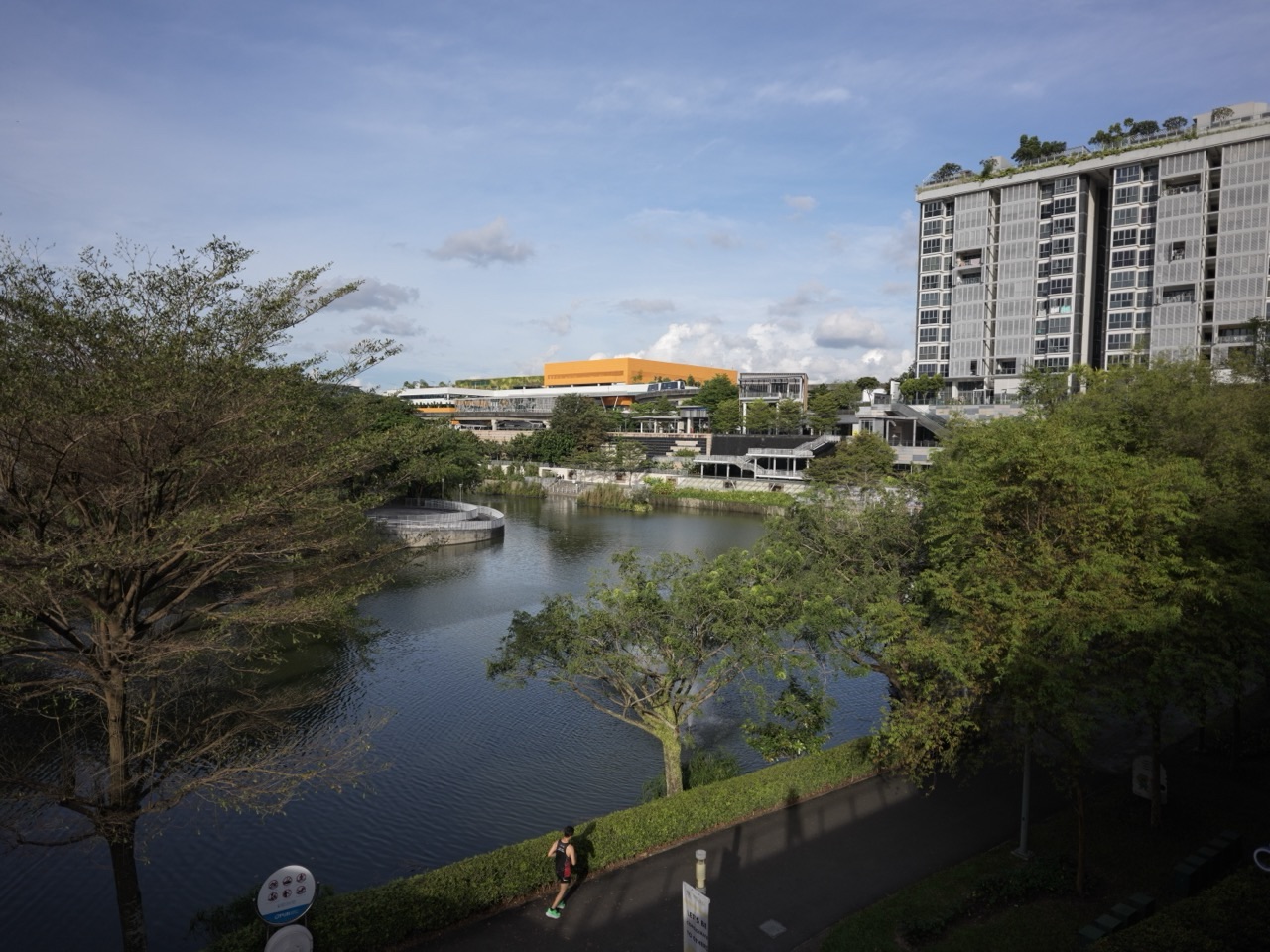
Want to run your first 5 km in Punggol? Start by checking whether you can walk comfortably, then build short, easy running intervals between walks. Choose a familiar, safe segment of Punggol Waterway Park with an easy return. You do not need to run the entire 8.4 km park connector, race against strangers, or promise yourself a 5 km run within four weeks. A first 5K is a personal distance goal, and a gradual walk–run approach is a sensible way to work towards it.
This beginner’s first 5K running plan in Punggol for 2026 covers the walk–run method, Waterway route selection, pacing, recovery, weather, shoes, family schedules and how to recognise when to stop or ask for advice. It is different from the site’s Best Running Routes in Punggol directory: that guide helps you choose a place; this one helps you build a sustainable ability. For the broader lifestyle system, use Life in Punggol 2026.
First 5K in Punggol: the quick answers
| Question | Fast answer | What matters most |
|---|---|---|
| What is a 5K? | A total distance of 5 kilometres, which need not be completed at racing speed. | Comfort and safety before finishing time. |
| Where should I practise? | A familiar short Waterway or neighbourhood path with a clear out-and-back return. | Safe crossings, shared paths, lighting and access. |
| How do I start? | Short relaxed jog intervals alternated with walking, if already medically appropriate. | Begin small; progress according to response. |
| How many days weekly? | For illustration, try two or three separated practice opportunities if your health and recovery allow. | No compulsory fixed frequency for everyone. |
| Must I run all 5 km? | No. Walking part of the distance is a valid milestone. | Progress gradually; there is no deadline. |
| What about Singapore heat? | Check MSS heat-stress guidance and shorten or postpone exercise as indicated. | WBGT is different from ordinary air temperature. |
| What about haze or lightning? | Use official advisories and change to a safer option. | Do not continue outdoor training in dangerous conditions. |
| What if something hurts? | Stop for sharp, persistent or worsening pain and seek appropriate healthcare advice. | Do not run through warning signs. |
1. A first 5K is a distance, not proof of fitness
There is a big difference between signing up for a race and becoming comfortable covering a distance. Some people can already walk five kilometres and need to develop easy jogging ability. Others are returning after months of inactivity and may begin with a five- or ten-minute walk. Both can work towards a personal goal, but they should not start with the same workload. A clock target such as thirty minutes is optional. Your first achievement can simply be moving safely and feeling willing to repeat it.
The Health Promotion Board’s active lifestyle guide advises people who are new to exercise to start small and start slow, even with a ten-minute activity session several times a week. This is the correct spirit for a beginner in a humid tropical climate. Punggol’s scenic Waterway can make the habit enjoyable, but scenery cannot replace sensible progression.
Why choose running instead of only walking? Perhaps you enjoy the rhythm, want cardiovascular fitness, wish to join friends in a fun run or simply want to see whether you can do something new. None of these reasons is more worthy than comfortable walking. If you dislike running or have health limitations, cycling, swimming, strength training or other suitable movement may support your wellbeing just as meaningfully.
2. Punggol Waterway Park is a good training backdrop, not one mandatory route
NParks describes the Punggol Waterway Park Connector as an 8.4 km route along Punggol’s man-made waterway, used for jogging, cycling and birdwatching. That figure describes a particular park connector, not a requirement for beginner runners and not the circumference of one guaranteed five-kilometre circuit. The park itself has four thematic areas: Nature Cove, Recreation Zone, Heritage Zone and Green Gallery.
Start from a location you can reach easily: perhaps near Punggol MRT or a neighbourhood access point close to home. For your first sessions, select a short outward stretch and return the same way. Check where a path connects back to public transport and whether the route involves steep or awkward bridges, stairs or busy shared sections. An out-and-back is often less stressful than committing to an unfamiliar circuit that forces you to keep going.
Use NParks’ Punggol Waterway connector information and the official park listing for park context and any notices. Our Waterway walking-distance guide explains why a measured route can differ from a visitor’s estimate. Do not rely only on a decorative map or assume a bridge distance without checking the actual route.
One local naming confusion deserves attention: the separate place called Punggol Park is in the Hougang Avenue 8/10 area. Punggol Waterway Park is the waterfront park within Punggol Town. They are not the same starting point. A runner following a route guide should check the exact name and destination before leaving home.
3. The walk–run method without a race deadline
Walking between jogging intervals is not failure. It allows an adult who is beginning activity to practise the impact and effort of jogging without insisting on a continuous run beyond current ability. You might alternate a short comfortable jog with a longer walk and stop after a manageable period, subject to health and fitness. The precise interval and total duration are personal decisions. If you are recovering from illness, injured or have significant medical concerns, obtain relevant clearance or instruction first.
The ‘talk test’ can help describe effort: at moderate intensity, you can usually talk in phrases but not sing. Running can quickly become vigorous for a beginner, even at what looks like a slow pace. Reduce pace if breathlessness becomes excessive for your usual activity. A beginner does not need to sprint, chase the person in front or set out at the speed they hope to achieve months later.
HealthHub’s getting-started guidance encourages warming up, cooling down and increasing intensity gradually. Make the first part of the outing an easy walk. Let a comfortable walk close the session. Warm-ups and cool-downs are not a promise of injury-proof exercise; they are sensible parts of preparing for and ending physical activity.
4. A flexible eight-stage first-5K progression
The following is an illustrative progression framework, not an eight-week guarantee. Each stage can take one week, several weeks or longer. Repeat a stage when necessary, and seek guidance if symptoms, medical needs or previous injuries make running unsuitable. On practice days allow appropriate recovery; you are not required to perform every stage on consecutive days.
| Stage | Capability to build | A possible practice focus | Move on when |
|---|---|---|---|
| 1: Comfortable walking | Choose a route and walk at an easy pace. | Short, manageable local walks on suitable days. | The outing ends comfortably without concerning symptoms. |
| 2: Reliable routine | Repeat the walk and become familiar with exits. | A consistent start, turnaround and return. | You can repeat without excessive fatigue. |
| 3: First jogs | Add very brief relaxed jogging portions. | Walk between short easy jogs. | The impact and breathing feel manageable. |
| 4: Repeatable intervals | Repeat a similar walk–jog session. | Prioritise consistency rather than speed. | Recovery remains comfortable. |
| 5: Longer easy running pieces | Extend a portion modestly if suitable. | Keep walking breaks available. | You can finish without pushing through pain. |
| 6: Greater total distance | Cover a little more ground at an easy effort. | Measure distance realistically, including walks. | The longer outing is comfortable to recover from. |
| 7: Five-kilometre walk–run | Try covering the distance with breaks if ready. | A known measured route and a conservative start. | Distance completed safely, regardless of running percentage. |
| 8: Comfortable 5K experience | Choose whether to reduce walking breaks gradually. | Repeat at a comfortable pace or keep walk–run. | You enjoy it and remain well afterwards. |
A useful result is not necessarily completion of all stages by a deadline. If you spend an extra month learning to jog comfortably, you may have built a better habit than someone who rushed to five kilometres and then stopped because they were exhausted or injured. The body responds to repeated appropriate exposure and recovery, not to the calendar’s insistence that it must improve every Monday.
If you are already able to walk five kilometres comfortably but cannot jog for long, your focus is a gentle running progression, not adding more total distance. If walking that far is currently difficult, keep the first stages smaller. The programme should begin from observed capability rather than assuming everyone’s starting point is identical.
5. How to measure a five-kilometre route around the Waterway
A straightforward way to plan a five-kilometre out-and-back once you are ready is to use a reliable mapping tool to identify an outward stretch of approximately 2.5 km and return on the same route. But the actual path network, bridges, turns and interruptions can change the distance. Check the map before running, follow on-site restrictions and do not insist on the precise marker if the turnaround is unsafe or inaccessible.
Digital distance readings also have limits: GPS may drift, curves can add distance and temporary works may alter paths. Use distance as a guide, not a test of moral worth. An extra few hundred metres because of a wrong turn is not an opportunity to force faster running; shorten the effort if needed and use a safe return. If the route feels confusing, choose a shorter known loop and repeat part of it rather than travelling farther from home.
Our OneMap Punggol route-planning guide may help you compare safe paths. The existing running routes by distance page is for choosing routes rather than determining training readiness. These two supporting pages have different responsibilities from this walk–run article.
6. Heat stress, haze and thunderstorms change the schedule
Singapore’s Meteorological Service measures heat stress using Wet-Bulb Globe Temperature (WBGT), not just ordinary air temperature. Its public heat guidance advises reducing prolonged outdoor activity at moderate levels and minimising it at high levels. A scenic breeze along the Waterway can improve comfort, but it does not guarantee low heat stress. Check MSS heat-stress information before a prolonged run.
During haze, use official Singapore haze advice and the relevant activity guidance. A visually clear skyline does not establish that air quality is suitable for hard exercise. Our Punggol Heat Stress and Outdoor Exercise and Punggol Haze Exercise Restart Planner cover different environmental decisions. If outdoor air or weather is unsuitable, choose a safe indoor alternative, reduce the planned session or rest.
Lightning is a different hazard from heat or haze. Follow MSS lightning information and never keep running beneath a tree or an open-sided park shelter during thunderstorm risk. The separate Punggol Rainy-Day Exercise Guide explores suitable indoor options. Missing a run is much less consequential than taking an avoidable risk.
7. Shoes, clothing, water and equipment: what you actually need
Begin with shoes appropriate to your feet, walking or running pattern, and the surface, rather than buying an expensive gadget simply because you have a new goal. Footwear that pinches, slips or feels unstable can make activity unpleasant. If you have ongoing foot, knee or other lower-limb pain, seek appropriate advice before deciding that a particular shoe model or running technique will fix it. Product claims cannot substitute for assessment.
Light, comfortable clothing can help in hot weather. Carry an appropriate means to get home and consider water for your intended duration and circumstances, while respecting individual medical fluid restrictions. A phone or fitness watch is optional. Choose the minimum equipment that improves safety and makes the routine comfortable. A person can build a successful beginner habit with modest resources.
During shared-path running, keep sound volume low enough to hear cyclists, other path users and traffic at crossings. Do not put yourself at risk to capture an exercise screenshot. Watch signs and path markings, particularly where dedicated cycling paths and pedestrian-only paths are adjacent. The LTA public-path code of conduct explains safe sharing and attention.
8. Rest is part of learning to run
Running increases impact and exertion compared with ordinary walking for many beginners. That means the recovery after a session matters. Notice unusual soreness, fatigue, disrupted sleep or declining enthusiasm. Some discomfort from unfamiliar movement can occur, but sharp, worsening or persistent pain should not be pushed through. A coach or healthcare professional can help distinguish an appropriate progression from an issue requiring attention.
You do not need to ‘make up’ a missed day by doubling the next one. Use your week as a pattern, not a scorecard. A suitable strength routine, comfortable walking and rest can sit alongside short jog sessions. See Weekend Sport and Recovery in Punggol for the broader balance among running, cycling, strength and rest.
If you have cardiovascular symptoms, a recent injury, surgery or another relevant condition, obtain individual advice before increasing running. This article cannot tell a reader whether they are medically ready for five kilometres. The sensible goal is repeated safe movement, with ambition adjusted to the body and circumstances.
9. Running alongside parents, children and other Waterway users
The Waterway is a shared neighbourhood asset, not a private running track. Walkers, cyclists, people using wheelchairs, parents with strollers and children all use nearby routes. Slow down around crowded areas, check crossings, and avoid weaving closely around other people in an attempt to preserve your running pace. A personal training plan has no priority over another person’s safe use of the park.
A parent training near home may have a narrow time window before school collection. Build a route you can shorten without pressure. Teenagers interested in running should follow age-appropriate activity guidance and any school or coach recommendations, not simply copy an adult first-5K programme. Older adults and people with disabilities may prefer adapted routines or a professional assessment. The town’s public paths can support many different types of participation.
For social accountability, you might walk or jog with someone whose pace and expectations fit yours. A running partner should never make you run through pain, overheating or fatigue. When the best training decision is to turn back, communicate it clearly. A sustainable running habit is easier to maintain when the people around you respect your safety decisions.
10. Three realistic Punggol beginner stories
An office worker who can only practise twice weekly
This runner works long days and is usually free on Wednesday and Saturday. Instead of committing to a six-day app programme, they select two manageable activity windows and a familiar route from home. On a week with late meetings, they keep a shorter walk or rest. Their progress may be slow but consistent. A habit that works during a normal workweek is more useful than a perfect schedule completed once during a holiday.
A parent who wants to run with a child
The child enjoys activity but has different fitness, interests and endurance from the adult. Rather than using the parent’s running intervals as a target for the child, the family chooses suitable active play or a shorter shared walk, with an age-appropriate running opportunity where safe. The adult does a separate training session if desired. Joint leisure should remain enjoyable and not turn into a performance comparison.
A beginner whose first event is a community 5K
The runner hopes to join a local organised event. They check the event’s official date, route, cut-offs, registration terms and medical considerations rather than assuming every five-kilometre event welcomes all abilities. If the event is too soon, they can participate in another capacity or choose a later goal. The route and social atmosphere may be motivating, but the event deadline should not dictate unsafe progression.
11. Common first-5K mistakes
- Starting every session too fast. Use relaxed effort and leave running breaks available.
- Choosing a long unfamiliar loop. Prefer a known short segment and a reliable return.
- Ignoring shared-path etiquette. Slow near pedestrians, cyclists and busy crossings.
- Believing one weather app is sufficient. Check heat stress, haze and lightning separately.
- Adding distance and speed together. Increase cautiously rather than changing everything at once.
- Treating rest as failure. Recovery and flexibility help make a habit sustainable.
- Comparing with faster friends. Choose an effort appropriate to your own starting point.
- Running through recurring pain. Stop and seek suitable advice.
12. Frequently asked questions
Can I run 5K in Punggol Waterway Park?
Yes, you can plan a suitable measured route using public paths. The 8.4 km connector length is not itself a fixed five-kilometre loop.
How long should my first 5K take?
There is no universal target. Begin from your capability; walking breaks can be part of the distance goal.
How quickly can a complete beginner reach 5K?
It varies widely. Some need a few weeks and others substantially longer. Do not treat this article as a deadline or guarantee.
Is walk–run better than running continuously?
For many beginners, short jog sections with walking breaks can make progression manageable; personal conditions and goals matter.
Should I run every day?
Not necessarily. Appropriate practice and recovery vary. Start small and progress according to your response and professional advice when relevant.
Can I use the full 8.4 km Punggol Waterway connector?
It is a possible route for appropriately prepared people, but a beginner need not attempt the whole distance.
Is morning better than evening for running?
Not universally. Consider WBGT, haze, lightning, personal schedule, rest and path visibility.
What if I have knee or ankle pain?
Stop running through sharp, recurring or worsening pain and seek suitable healthcare or coaching advice.
Do I need a fitness watch?
No. A known route, comfortable timing and simple log can support progress without expensive equipment.
Does walking during my 5K count?
Yes. You may choose a walk–run distance goal; if entering a race, check that event’s rules.
How do I avoid interfering with cyclists?
Follow posted path markings, slow in busy areas, stay alert and give others appropriate room.
What if haze or a thunderstorm cancels training?
Change to a suitable indoor option, shorten or postpone. Safety outranks a training streak.
Keep exploring the Punggol active-living library
- Life in Punggol 2026 — master lifestyle guide
- Exercise in Punggol — four-week beginner plan
- The Best Running Routes in Punggol
- Heat Stress and Outdoor Exercise in Punggol
- Punggol Haze Exercise Restart Planner
- Weekend Sport and Recovery in Punggol
- Strength Training in Punggol for Beginners
- Adult Swimming for Beginners in Punggol
- Family Cycling in Punggol
- eduKateSG — Punggol Transport Geography and Urban Mobility
- eduKateSG — Waterway Park and Waterfront Student Life
Official sources and reviewed information
- NParks — Punggol Waterway Park Connector (8.4 km)
- NParks — Punggol Waterway Park
- HealthHub — How Much Exercise Is Enough for a Healthier You
- HealthHub — Returning to Exercise Safely
- MSS — Heat Stress
- MSS — Lightning Information
- Singapore Haze Advice
- LTA — Path Rules and Code of Conduct
Reviewed 17 October 2026. This is general educational fitness information, not individual medical clearance, coaching or a promise that a five-kilometre goal can be reached by a particular date. Route access, lighting, environmental conditions and events may change. Follow current official advice and seek appropriate care for injuries or concerning symptoms.


