
Can an adult learn to swim while living in Punggol? Yes. Start by choosing a suitably qualified instructor and a managed pool where the depth, supervision and facilities match your ability. Tell the instructor frankly whether you are anxious in water, unable to float or returning after many years away. You do not need to learn by yourself in deep water, enter the Punggol Waterway or promise to swim a full lap after one lesson.
This adult beginner swimming guide for Punggol residents in 2026 helps you decide where to learn, what a first lesson should clarify, how water confidence differs from independent swimming, what to ask about Sengkang Swimming Complex and nearby options, and how to plan cost, accessibility, safety and progression. For a directory of facilities, read Swimming Pools in and Around Punggol. This article deals with the learning journey, not live pool availability.
Adult swimming in Punggol: the quick answers
| Question | Short answer | Safety or planning note |
|---|---|---|
| Where is a nearby public swimming option? | SportSG lists Sengkang Swimming Complex at 57 Anchorvale Road. | Check current closure notices, pools available and journey from your block. |
| Is Punggol Waterway Park a swimming venue? | No. It is a park and waterway, not a designated learn-to-swim pool. | Do not enter open water to practise. |
| Must I know how to float before lessons? | No. Explain your starting point and ask for appropriate beginner instruction. | Never practise unfamiliar water skills alone. |
| Is SwimSafer an adult swimming package? | SwimSafer 2.0 is the national water-safety proficiency programme, widely delivered through schools and accredited instructors. | Do not assume a school-linked course automatically offers adult enrolment. |
| How should I choose a coach? | Ask about appropriate qualifications, adult-beginner experience, safety, class size and venue rules. | Instructor and programme availability vary. |
| How long to swim one length? | It varies with confidence, instruction, practice and individual needs. | No four-week guarantee or compulsory first-lap deadline. |
| Can swimming help with fitness? | It is a form of aerobic activity when performed at a suitable effort. | Water skill and fitness are separate capabilities. |
| What if I panic in water? | Stop, communicate with the instructor and return to a safe supported position. | Never force a feared exercise or ignore distress. |
1. Learning to swim as an adult is a normal, practical choice
Adults come to swimming for many reasons. Some want better physical activity variety, some want to feel safer near pools or on family holidays, and others simply regret not learning earlier. A parent might want to enjoy water activities with children. A working adult may prefer swimming to running because of personal comfort. These are all reasonable goals. There is no age at which someone should feel embarrassed about starting with basic water confidence.
However, learning a swimming stroke and developing water safety awareness are not identical. Someone may move several metres across a shallow pool yet lack the confidence or ability to remain safe in deeper water. A person with earlier childhood lessons may still require reassessment after years without practice. Begin from what you can do reliably now, not from a certificate, memory or pride.
Sport Singapore’s SwimSafer 2.0 information describes progressive skills including safe entry and exit, movement, survival knowledge and water safety. Its six-stage programme is a useful illustration of learning as a progression, not a single first lesson. Adult classes may use different structures, so ask providers what the actual adult programme includes.
2. The swimming options near Punggol are not all the same
The official ActiveSG page identifies Sengkang Swimming Complex at 57 Anchorvale Road as a public pool facility managed by Sport Singapore. The listing includes a sheltered pool and a swimming-pool wheelchair, subject to current facility status. It describes the venue as a feature pool, which has implications for ticket categories. It also lists routine Monday closure, with stated exceptions for public holidays, but any current maintenance, event or safety closure should be checked directly.
Use SportSG’s Sengkang Swimming Complex page and ActiveSG facility closures before planning a lesson or solo visit. Punggol residents may also consider privately operated pools or other public complexes, depending on whether the instructor has suitable access. A community facility listed in a directory is not proof that adult instruction is currently offered there.
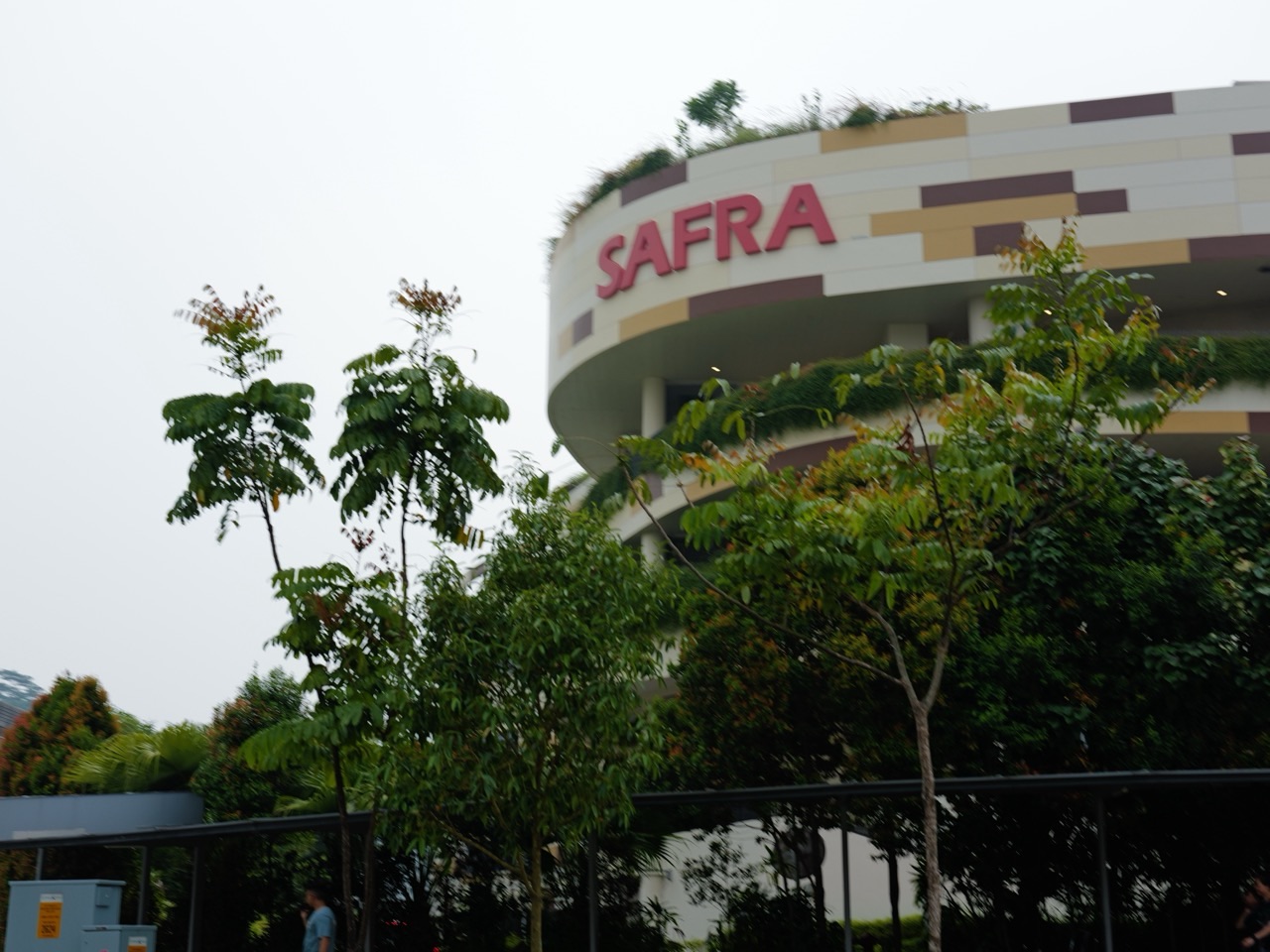
SAFRA Punggol has recreational facilities that residents may recognise, but water-play attractions and a properly supervised lap or teaching pool are different uses. Do not mistake access to a family water-play attraction for a guaranteed adult swimming class. Confirm with the provider exactly which pool is used for lessons, depth, supervision, rules and how to reach it.
The new Punggol Regional Sports Centre has attracted local interest, but announcements and construction photographs should not substitute for confirmation that a specific pool is open and bookable. Refer to the site’s Punggol Regional Sports Centre guide for context, then check the current operator’s facility listing. A beginner should choose an available suitable class, not plan around an unverified opening.
3. Choose the instructor before choosing the cheapest pool
A beginner with anxiety in water may need smaller groups or more individual attention. Someone who swam years ago may benefit from a technique refresher. A person with a disability may require an accessible venue and a coach experienced in adapting water activity. A generic ‘swim lesson’ label does not tell you whether the programme meets those needs. Ask about the instructor’s qualifications, relevant experience, supervision and how they decide the appropriate beginner stage.
SwimSafer’s official programme states that accredited instructors meet specific requirements including National Registry of Coaches membership, Safe Sport training, first aid/AED and relevant certification. These are useful credentials to understand when evaluating a SwimSafer provider, but adult swimming classes can have different arrangements. Confirm credentials for the specific instructor and the pool’s policies rather than assuming every advertisement reflects the national school programme.
Request concrete information: Where does the first lesson take place? How is the learner assessed? What is the maximum class size? Who provides safety supervision? What happens if the adult becomes frightened? What are the fees and cancellation rules? Does the instructor accept someone who cannot put their face in the water? A provider who explains these points clearly may offer a better fit than a programme advertised only with an ambitious completion time.
4. Water confidence, survival knowledge and stroke technique
| Capability | What it means | How an adult should approach it |
|---|---|---|
| Pool orientation | Understanding entry, exits, rules, depths and who is supervising. | Learn with staff or an appropriate instructor before entering. |
| Comfort in water | Being able to follow instructions calmly in a suitable teaching area. | Tell the instructor about anxiety; never force immersion. |
| Breathing confidence | Coordinating safe breathing with supported water movement. | Practise only under suitable supervision; avoid breath-holding challenges. |
| Body position and flotation | Learning how your body behaves in water. | Use instructor guidance and appropriate aids where indicated. |
| Controlled movement | Beginning safe propulsion and simple stroke patterns. | Progress at a suitable pace without unsafe self-experiments. |
| Sustained swimming | Combining breathing, movement and safety over longer distances. | Increase only when the learner is ready. |
| Water safety | Knowing personal limits and what to do when a situation changes. | Keep learning emergency procedures and obey facility rules. |
These are learning objectives, not instructions for an unsupervised swimming drill. A webpage cannot see whether you have enough water confidence to enter deep water, float independently or control your breathing. Skills such as submerging, floating and underwater movement can be dangerous when attempted without appropriate supervision. If a learner has a fear response, the instructor should know and adapt the session.
Water safety is not complete merely because someone can cross a swimming pool. They must also understand fatigue, personal limits, conditions, how to obtain help and why swimming with appropriate supervision remains important. The national SwimSafer curriculum’s emphasis on survival knowledge reinforces that safe participation matters as much as stroke distance.
5. A realistic six-stage adult swim-learning framework
| Stage | Main decision | Possible goal under instruction | Do not rush |
|---|---|---|---|
| 1: Find a provider | Select a suitable class and managed pool. | Know rules, depth, supervision and fees. | Signing up before verifying safety. |
| 2: Build trust | Become comfortable with instructor guidance. | Communicate anxieties and practice suitable introductory skills. | Unsupported immersion or deep water. |
| 3: Learn safe movement | Begin appropriate basic water skills. | Develop controlled movement as instructed. | Breath-holding contests or unaided experiments. |
| 4: Coordinate skills | Bring breathing and propulsion together as ready. | Short supported or independently assessed progress. | Comparing with faster adults. |
| 5: Develop endurance | Practise suitable repeated swimming skills. | Comfortable progress within the learner’s current ability. | Trying long continuous laps prematurely. |
| 6: Maintain competence | Continue instruction or suitable practice. | More confidence, water safety knowledge and enjoyable swimming. | Assuming a single milestone removes all risks. |
This is a framework for questions to discuss with your coach, not a promised six-week progression. One adult may move through the introductory skills quickly. Another may need longer to become comfortable around water, which is entirely reasonable. Consistency, safety and the learner’s willingness to return are more valuable than an arbitrary completion date.
Some readers have medical issues that affect balance, breathing, heart function, fatigue or seizures. Others are pregnant, recovering after surgery or managing disability-related needs. Discuss suitability with an appropriate healthcare professional and the instructor. Pool accessibility and clinical exercise safety should be assessed individually.
6. Water safety: the rules that apply even to a good swimmer
Sport Singapore introduced Codes of Practice SS 700:2023 for aquatic facilities and SS 701:2023 for inland and open-water sporting activities to strengthen drowning and injury prevention. These codes address organised facility and activity safety; they do not make swimming automatically risk-free. Use managed facilities, follow lifeguard and instructor instructions, and avoid swimming when unwell or dangerously fatigued.
Public pools have admission, safety and supervision rules. Do not enter closed sections, ignore depth markings, undertake unsafe diving or perform long breath-holding and hyperventilation challenges. Let the instructor know if you cannot swim independently, and do not rely on a floating toy as a substitute for appropriate supervision or a properly selected flotation device.
If another person is in trouble, alert the lifeguard or emergency services and follow trained rescue procedures. A novice should never impulsively jump into dangerous water to attempt an untrained rescue. In a serious emergency in Singapore, call 995. Keep basic emergency information accessible, but remember that preventing the unsafe situation is the primary goal.
The Punggol Waterway and reservoirs are not substitute swimming pools. Walking and cycling along the Waterway is different from entering the water to practise strokes. Only swim at appropriate authorised, supervised venues and follow posted rules. Do not assume that a scenic body of water is suitable because it looks calm.
7. Swimming to improve fitness: separate learning and conditioning
Swimming can be a valuable aerobic activity, but a beginner still learning water confidence may spend much of a lesson listening, standing safely or practising short skills. That is not the same workload as an experienced lap swimmer’s training. Avoid assuming that purchasing lessons automatically replaces all other weekly physical activity. You can continue suitable walking, strength work or other exercise when appropriate.
Singapore’s Health Promotion Board encourages healthy adults to work towards 150–300 minutes of moderate-intensity aerobic activity per week and muscle strengthening on at least two days. Swimming may contribute to the aerobic component when performed at an appropriate effort. But individual needs vary, and a novice should not chase exercise-minute targets in water before they can swim safely.
For readers starting several healthy habits at once, our Exercise in Punggol — Four-Week Beginner Plan offers an overview of walking, strength and community activity. The Strength Training in Punggol for Beginners article addresses resistance exercise separately. Swimming should become one enjoyable part of life, not another compulsory task that competes with sleep, meals and school or work obligations.
8. Fees, passes and booking without unpleasant surprises
ActiveSG posts different entry rates and membership passes for normal and feature swimming complexes. Sengkang Swimming Complex is classified as a feature pool in the official listing. Fees can vary by citizenship or residency eligibility, age, weekday versus weekend and pass type. Check ActiveSG’s current individual rates and the actual booking method before travelling.
Adult lessons may cost more than entry and might require paying an instructor or class provider separately. Ask whether the fee includes pool admission, whether make-up lessons are available and what happens if an outdoor or affected venue closes during severe weather. Do not assume a pool pass includes coaching. An inexpensive session with inconvenient timing may also impose travel and work-related costs.
Our Low-Cost Fitness in Punggol article helps compare free movement with paid sports options. Learning a water safety skill can justify spending on qualified instruction, but choose a budget and schedule you can maintain rather than signing up for a long package before confirming the teaching fit.
9. Travelling from Punggol to a nearby public swimming complex
Sengkang Swimming Complex is at 57 Anchorvale Road, within Sengkang Sport Centre. The appropriate trip depends on whether you start near Punggol MRT, one of the LRT loops, Northshore, Oasis or Punggol Coast. Use a current journey planner to identify the best train, bus or walking connection, and allow time for changing and the instructor’s arrival requirements. A convenient journey is part of what makes lessons sustainable.
Do not assume a provider’s ‘Punggol swimming class’ name means the pool is physically within Punggol Town. Some classes marketed to Punggol families use neighbouring Sengkang or other venues. Confirm the full address and pool entrance before paying. Check whether you need a booking slot for the particular pool and whether maintenance or events affect the intended lane.
For people with mobility or disability-related access requirements, the official Sengkang venue listing mentions a pool wheelchair and sheltered pool. Availability of specific accessible changing facilities, assistance and lessons should still be confirmed. Our Accessible Exercise in Punggol guide explains how to ask about specialist swimming pools and programmes.
10. Weather, haze, pool closures and the distinction between sheltered and indoors
A pool described as sheltered may still be affected by closure, facility rules, ventilation or environmental conditions. Outdoor pools can close in thunderstorms, and a complex may suspend operations for repairs or events. Always check the operator’s current status. Do not conclude that a scheduled lesson must proceed because the facility has a roof or because rain has temporarily stopped.
Singapore’s MSS Lightning Information Service is useful for understanding storm risk, while official haze advisories inform outdoor activity decisions. The separate Punggol Haze Swimming Guide deals with air-quality questions. Pool staff and instructors make the operational decisions under their policies; a general article cannot guarantee that a venue is safe or open on a particular day.
11. Three realistic adult beginner situations
A thirty-something Punggol commuter who never learned as a child
The resident wants to learn partly because friends enjoy swimming. They choose a beginner class based on the instructor’s experience with adults rather than selecting the cheapest pool entry. They verify the journey from home, bring appropriate swimwear and explain openly that they have no flotation confidence. Their first success is being comfortable enough to return for another supervised lesson, not completing a public-pool lap immediately.
A parent who wants to feel confident around family pool outings
The parent sometimes accompanies children to recreational pool facilities but is not comfortable swimming. Adult lessons can improve skills over time, but they should not be treated as automatic rescue training or permission to supervise children without appropriate safeguards. The family continues following all pool supervision rules, and the adult seeks suitable instruction for their own ability.
A resident with mobility-related access needs
The person wants swimming as enjoyable activity but requires a particular accessible entrance and changing arrangement. They first consult the relevant facility’s official information and ask which instructor can accommodate their requirements. If one venue is unsuitable, they explore an alternative from SportSG’s specialist listings rather than concluding that swimming is unavailable to them.
12. Questions that make an adult swimming enquiry easier
- Do you currently teach adults with little or no water confidence?
- Where exactly will the lesson take place, and what are the pool depths and rules?
- What credentials and relevant adult-teaching experience does the instructor have?
- How is a learner assessed before beginning skills?
- What happens if the learner becomes anxious or cannot complete a requested task?
- How many students are in the session and who supervises water safety?
- Are accessible features or adaptations available where required?
- Does the quoted cost include pool access, and what is the cancellation policy?
- How will the instructor decide when it is appropriate to attempt longer swimming?
- What can I do safely between lessons, and what should I avoid?
13. Frequently asked questions
Can I learn to swim as an adult in Punggol?
Yes. Find suitable adult instruction at a managed pool in Punggol’s wider area and verify current provider availability.
Is Sengkang Swimming Complex near Punggol?
It is a neighbouring public facility at 57 Anchorvale Road; travel time depends on your starting location.
Does the SwimSafer programme offer adult classes automatically?
No. It is a national proficiency programme widely used for school-age participants; check individual provider eligibility and adult course arrangements.
Should I learn to swim by watching online videos?
Videos can explain concepts but cannot supervise water safety. Learn practical aquatic skills with appropriate qualified instruction.
Can I practise floating alone?
Do not attempt unfamiliar or unsafe water skills alone. Follow appropriate supervision and instructor guidance.
Is the Punggol Waterway suitable for swimming lessons?
No. It is a landscaped waterway, not a designated managed learn-to-swim pool.
Can I swim to improve cardiovascular fitness?
Swimming can contribute when performed at a suitable level, but build water competence and safety first.
How long will it take to swim one lap?
It varies greatly; no online timetable can guarantee progress for an individual.
Are sheltered pools always open during thunderstorms?
No. Follow the venue’s operating decisions and official safety rules.
What if I need a pool wheelchair or adapted instruction?
Consult the official accessible-pool listings and ask each venue and provider about specific facilities and support.
Is the cheapest lesson the best?
Not necessarily. Safety, instructor suitability, class format, travel and actual fees all matter.
What should I do when someone struggles in water?
Alert trained staff or lifeguards immediately; do not attempt a dangerous rescue beyond your training, and use emergency services when necessary.
Explore more of Punggol’s activity and family-life library
- Life in Punggol — Master Lifestyle Guide
- Exercise in Punggol — Beginner Plan
- Swimming Pools in and Around Punggol
- Punggol Swimming Lessons for Kids and SwimSafer
- Swimming During Punggol Haze
- Accessible Exercise in Punggol
- First 5K Running in Punggol
- Strength Training in Punggol
- Family Cycling in Punggol
- eduKateSG — Punggol School Health and Preventive Care
Official sources and editorial note
- ActiveSG — Sengkang Swimming Complex
- ActiveSG — Swimming Rates and Pass Types
- SportSG — SwimSafer 2.0 and Instructor Information
- ActiveSG — Facility Closures
- Sport Singapore — National Water Safety Codes of Practice
- HealthHub — Physical Activity Guidelines
- MSS — Lightning Information
- Official Singapore Haze Guidance
Reviewed 17 October 2026. Educational local swimming and fitness guidance, not practical swimming instruction, medical clearance, rescue training or live lesson availability. Never treat online text as a replacement for qualified supervision in water. Verify current venue opening, accessibility, charges and individual eligibility directly with providers.


