
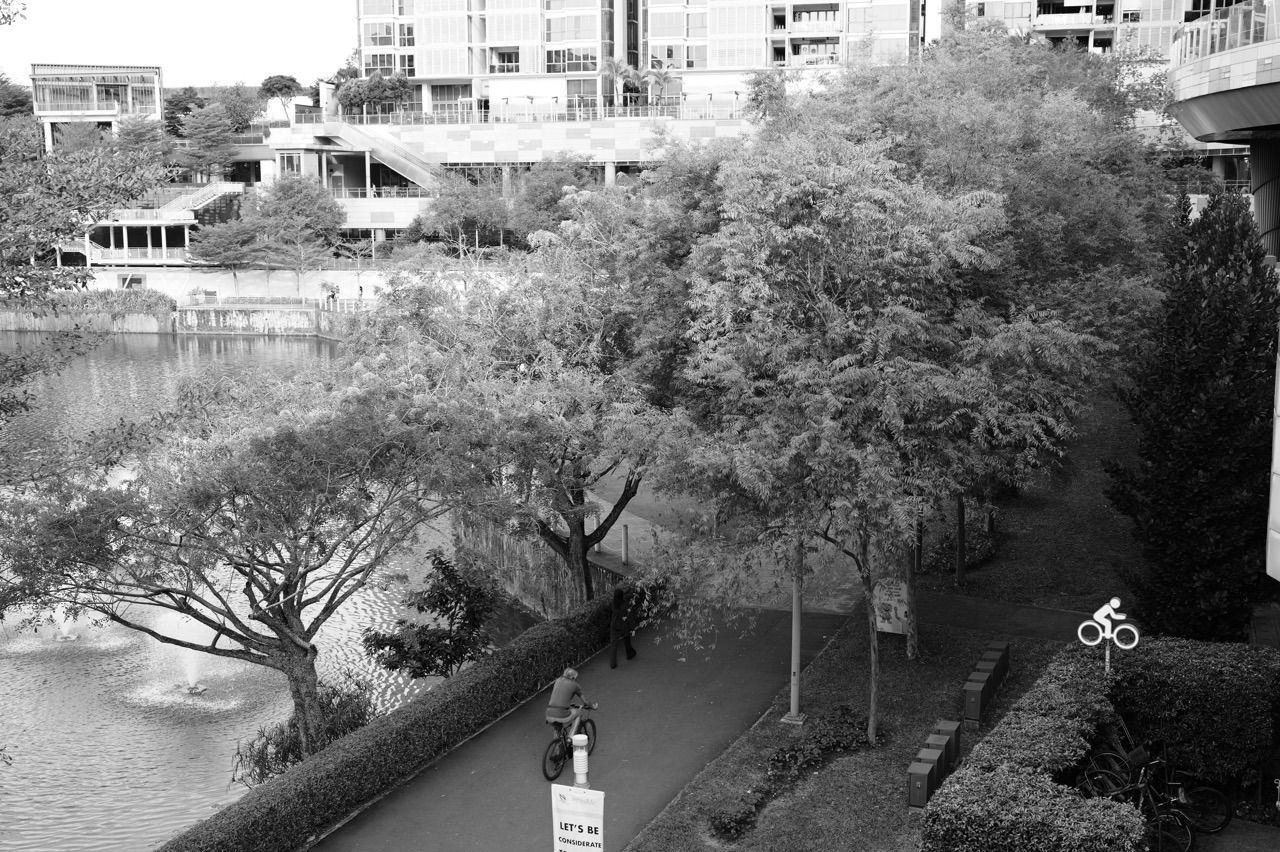
What should Punggol residents do after a long weekend run, cycle or sports session? Finish with an appropriate cool-down, rehydrate according to personal needs, eat a suitable meal, recover and avoid stacking another hard workout on top of excessive fatigue or pain. The aim is to enjoy Punggol’s Waterway and recreational facilities next week, not to win the weekend and spend Monday limping around the office.
This Punggol Weekend Sport and Recovery 2026 guide is for recreational runners, cyclists, gym users, casual court-sport players and families with active weekends. It explains training load, soreness, warning signs, hydration, food, rest, rainy-day alternatives and the local paths that make exercise enjoyable. The Life in Punggol master lifestyle guide covers the entire neighbourhood. This article has one job: help active residents plan the hours and days after their session as carefully as the workout itself.
Quick answers: weekend training and recovery
| Question | Practical answer | Boundary |
|---|---|---|
| Should I run another hard session on Sunday? | Not automatically; consider previous effort, conditioning, fatigue and recovery. | Avoid back-to-back intense sessions when unprepared. |
| Is some muscle soreness normal? | Delayed-onset soreness can happen after unfamiliar activity. | Severe, sharp, worsening or concerning pain needs assessment. |
| Do I need to finish the full 8.4 km Waterway connector? | No. NParks states the connector length, not a compulsory distance. | Choose an appropriate turnaround and route. |
| How important is a warm-up? | SportSG recommends an appropriate gradual warm-up and cool-down. | Technique and suitability depend on the sport and health. |
| What should I eat afterwards? | Plan an adequate, varied meal and suitable fluids. | Special medical or sport nutrition needs require individual advice. |
| Can the waterfront breeze prevent overheating? | No. Check MSS heat stress and consider humidity, sun and activity. | A pleasant breeze is not a health measurement. |
| Should I train through a painful injury? | No. Stop or modify activity and seek advice when appropriate. | A web article cannot identify a strain, fracture or other diagnosis. |
| What if rain cancels the session? | Use a suitable indoor alternative or rest. | Do not compensate by suddenly doubling the next workout. |
ActiveSG’s exercise safety guidance emphasises warm-ups, cool-downs, form, hydration and rest days after intense sessions. SingHealth’s running injury-prevention guidance recommends gradual progression and taking persistent or concerning discomfort seriously. These recommendations support a sensible principle: the training plan includes recovery, not simply distance and effort.
1. The Punggol weekend-warrior problem
Weekdays can be crowded with work, commuting, school commitments and errands. Saturday finally arrives and the Waterway looks irresistible. Someone who has barely exercised since Sunday decides to run farther or cycle harder to ‘make up for lost time’. The problem is not enthusiasm. The problem is a sudden activity load that may exceed what the person is conditioned to handle.
The Punggol Waterway park connector is described by NParks as an 8.4 km route. That figure is useful for planning; it is not a fitness challenge printed on the landscape. A beginner may be better served by a manageable segment, while an experienced runner might plan something different. Fitness is about appropriate progressive effort over time, not reaching the farthest possible bridge because it is visible from the current one.
People also mix different forms of activity in one weekend: Saturday morning run, afternoon shopping, Sunday badminton, evening cycling. Every activity may be enjoyable, but the total physical demand matters. A person who stands for work, cares for children or has a medical condition starts the weekend with a different recovery balance. Review the whole week, not just the training app’s formal sessions.
2. Warm up, work at a suitable effort, then cool down
A useful exercise session has an entry and exit. Begin with appropriate gradual movement that prepares the body for the chosen activity rather than accelerating immediately to maximum effort. After the session, reduce the intensity sensibly and leave time to recover. SportSG’s published guidance suggests five to ten minutes for warm-ups and cool-downs as a general reference, though exact methods vary by sport, experience and needs.
For recreational running, this might include a comfortable walk before increasing pace, with a slower finish rather than an abrupt stop. For court sports, sport-specific preparation and skills practice may be more relevant. Strength workouts require attention to safe technique rather than rushing repetitions. If you are new to an exercise, qualified coaching or professional guidance can help you understand suitable form and progression.
A cool-down is not a magical guarantee against all soreness. It is part of a safer transition, alongside gradual progression, sleep and suitable recovery. Do not treat stretching as permission to keep training through pain or use unfamiliar intense movements just because they appear in a video. If an activity produces concerning symptoms, stop and seek appropriate help.
3. Ordinary soreness versus signs that need attention
Delayed-onset muscle soreness, often called DOMS, may develop after unfamiliar or more intense exercise. It can create generalised tenderness or stiffness over the following day or two. However, an online article cannot distinguish every harmless symptom from injury. Severe pain, sudden sharp pain, major swelling, inability to bear weight, weakness or symptoms out of proportion to the activity warrant medical attention rather than a confident self-diagnosis.
SingHealth’s running-injury article discusses gradual training progression and recovery after soreness. A sensible participant reduces or pauses the activity that provokes symptoms and reviews whether training increased too rapidly, footwear was unsuitable or the surface was unexpectedly demanding. Persistent or recurrent pain should be assessed by an appropriate healthcare professional. Do not try to run through a suspected stress injury just to preserve a weekly streak.
Seek urgent help for collapse, chest pain, serious breathing difficulty, confusion or other emergency symptoms. When exercising in heat, cooling and emergency help may be needed. Training advice cannot substitute for clinical triage. The goal is to notice early warning signs and choose a safer response while the injury or illness is still uncertain.
4. Waterway routes: the temptation of ‘just one more bridge’
The Waterway offers attractive visual milestones—bridges, shaded areas, turns and places to watch the river. These can be excellent for a relaxed jog or cycling outing, but they also make it easy to extend the route without checking the remaining energy or return time. A safer plan sets a turnaround before leaving home and identifies an exit or transport option if someone needs to stop.
The official NParks Punggol Waterway park connector page gives distance and access information, while Punggol Waterway Park lists visitor details. Routes include sections used by walkers, cyclists and families. Respect path designations and keep speed appropriate near others. Training does not confer priority over a stroller, wheelchair user or someone stopping to enjoy the view.
The Cycling in Punggol and Waterway Walking Distance guides cover route-specific choices. This article instead asks: once you have selected a route, how does it fit training, weather, the family’s needs and recovery? The shortest practical route may be the most useful one when the weekend is already crowded.
5. Heat, humidity, haze and the mistake of trusting comfort alone
Singapore’s heat stress is affected by air temperature, humidity, wind and solar radiation. MSS uses Wet-Bulb Globe Temperature (WBGT) to advise the public on prolonged outdoor exertion. An attractive waterfront breeze may improve perceived comfort, but cannot guarantee low heat risk. Check the current MSS heat-stress map before a long run or ride and adjust for individual health and conditioning.
Our Punggol Heat Stress and Outdoor Exercise guide explains the general low, moderate and high WBGT bands and warning signs. It is not a live reading. The official haze guidance addresses air pollution separately. A day with a lower WBGT can still have air-quality restrictions; a clear-looking sky can still carry high heat stress. Lightning is a third hazard requiring its own check.
For any prolonged session, plan appropriate drinking water, rest points and a safe exit, considering individual medical fluid needs. Do not force a rigid fluid amount on everyone, and do not assume sports drinks are necessary for a short comfortable walk. Organised events may have their own heat and hydration plans. Follow official guidance and stop promptly if symptoms develop.
6. A recovery meal in real Punggol life
After a sport session, people often have another responsibility waiting: children need lunch, groceries must be bought or someone has an appointment. It helps to choose a practical meal before starting, rather than postponing food until the person is exhausted. A balanced ordinary meal with appropriate carbohydrate, protein and vegetables can be a useful starting point, adjusted for appetite, dietary needs and activity.
Punggol offers neighbourhood coffee shops, One Punggol Hawker Centre, Waterway Point and other food venues. Choose the option on your actual route and confirm current opening times. Our Healthy Hawker and Grocery Choices in Punggol guide translates HealthHub’s My Healthy Plate approach into realistic local decisions. This is not a prescription for calories, supplements or specialised endurance nutrition.
In particular, do not turn a large workout into permission to ignore your body or use restrictive eating to compensate for meals. Athletes and active teenagers may need individualised fuelling for their sport and growth. People with diabetes, kidney disease, food allergies or specific medical diets should follow suitable professional advice. Healthy eating and recovery are ongoing habits, not a post-run reward-and-punishment system.
7. Sleep, rest days and the difference between rest and inactivity
Many recreational athletes want a training plan but resist scheduling a rest day. Yet sleep and recovery are part of improving performance and maintaining health. A quiet afternoon, a suitably easy walk or no exercise may be appropriate after a difficult session, depending on how the person feels. A rest day does not make someone less committed to activity.
SportSG cautions against back-to-back intense workouts when the body is unprepared, while HealthHub advises gradual progression and appropriate form. This does not mean every person must follow an identical one-day-on, one-day-off calendar. Recovery needs depend on prior activity, experience, age, health, training intensity and injury history. The practical principle is to make progression gradual and pay attention to symptoms and readiness.
The weekday schedule matters as well. A parent who sleeps too little because of caregiving may benefit from rest rather than a strenuous Sunday session. A shift worker may have different opportunities to recover. For household evening routines, see After-Work Wellbeing in Punggol. The strongest fitness plan respects sleep, not one that competes with it.
8. What strength training adds to a runner’s week
Running and cycling are enjoyable forms of endurance activity, but people may also benefit from appropriate strength work. HealthHub’s exercise form guide encourages learning technique and building gradually before increasing resistance. The goal is not to prescribe a universal squats-and-lunges circuit; a person with knee pain, a recent injury or different mobility needs may require adaptation.
If you want structured strength training, use a suitable gym, qualified instructor or evidence-informed programme matched to your level. Avoid copying an athlete’s high-load routine simply because their running times look impressive. Our Punggol Gyms Guide covers local facilities, though operating details and passes must be verified with providers.
In a compact HDB flat, controlled and low-impact strength activity can be more considerate of neighbours than repeated jumping. The Rainy-Day Exercise in Punggol guide covers safe space, home options and facility checks. Strength sessions still require attention to technique and recovery, and no equipment choice makes training through pain safe.
9. Saturday and Sunday: plan the whole weekend, not only sport
| Time | Possible plan | Why it matters | Fallback |
|---|---|---|---|
| Friday evening | Review fatigue, sleep and the current weather outlook. | Prevents an overly ambitious start. | Choose a shorter session or rest. |
| Saturday before activity | Confirm route, equipment, appropriate warm-up and exit. | Makes safety decisions before exertion. | Change the venue or plan. |
| Saturday after activity | Cool down, recover, eat and rest suitably. | Completes the session beyond the tracking app. | Seek care for concerning symptoms. |
| Saturday night | Protect a realistic sleep opportunity. | Supports overall recovery and the next day. | Reduce non-essential late tasks. |
| Sunday | Choose easy movement, appropriate training or rest. | Considers the whole weekend’s physical load. | Do not double workouts to chase a target. |
| Monday | Review comfort, symptoms and the next week’s demands. | Informs sensible progress. | Adjust the plan or seek assessment. |
The table is a decision guide, not a prescribed programme. An athlete preparing for an event may have a structured plan from a qualified coach. A beginner may be far better served by brief walking and gradual progression. A parent may need to plan around a child’s sports commitments. The right weekend is the one that is challenging when appropriate, safe and compatible with the rest of life.
10. Three original Punggol weekend scenarios
An enthusiastic Waterway runner after five sedentary weekdays
The runner has barely moved beyond office commutes since Monday. A long Saturday route is tempting. They instead choose a familiar shorter segment and use an effort suited to their recent training. They cool down, eat and rest, then decide about Sunday after reviewing fatigue. If soreness develops, they do not insist on making up distance the next day.
Two friends planning a cycling route near Coney Island
One friend rides regularly; the other does not. The group plans a route suitable for the less experienced cyclist, checks permitted paths and weather, and agrees on turnaround points. They do not equate a scenic coastal ride with automatic safety from heat, traffic or fatigue. When one participant becomes uncomfortable, the group uses the planned return rather than pressuring the person to continue.
A parent playing weekend sport with a teenager
The parent already has work fatigue; the teen has sport CCA and school demands. Both want to play badminton, but neither needs an extra high-intensity training session to prove commitment. They choose an enjoyable age-appropriate game, observe signs of fatigue, eat appropriately and leave time for the teenager’s sleep and the parent’s recovery. For broader adolescent routines, see Healthy Teenage Life in Punggol.
11. A five-question training and recovery audit
- What did I actually do this week? Count the total activity and fatigue, not only the formal sessions.
- Is today’s effort suitable? Consider experience, recent activity, symptoms and the route.
- What could stop the outing safely? Know where to rest, turn back or take transport.
- Have I planned aftercare? Leave time for meals, hydration, cooling and sleep.
- How will I change the next session? Progress gradually or rest rather than automatically increasing distance.
These questions take less time than analysing a large fitness dashboard. They also reveal common reasons a plan fails. If the athlete cannot identify an easy exit, the route may be too ambitious. If the family has no time for a suitable meal after the event, the timetable may need repair. If each Monday begins with pain, the training progression deserves review and potentially professional advice.
A runner’s log without turning recovery into another competition
Imagine a Punggol resident who runs on Saturday mornings and cycles occasionally on Sundays. Instead of recording only distance and speed, they add four short notes: how rested they felt, whether the route was comfortable, what the weather conditions were and whether any unusual symptoms followed. This simple context can be more useful than comparing every outing with a personal best, especially when work and family demands change.
One week the person has slept well and trained regularly; another week they have been ill or working long hours. The same planned run may not be appropriate for both weekends. A sensible plan uses recent activity and recovery information to adjust duration and effort. If pain persists, or there are warning signs such as swelling or difficulty bearing weight, professional assessment takes priority over a workout diary.
Training apps can estimate distance and display impressive streaks, but they do not know whether a person is pushing through injury or whether the weather advisory has changed. The runner remains responsible for safe decisions. Resting when needed does not erase past gains. The purpose of the log is to understand patterns and support gradual improvement, not to justify ignoring symptoms.
Four recovery choices for the day after a difficult session
The first choice is rest. A person who is unusually fatigued, sleep deprived or unwell may need to avoid exercise that day. The second is gentle movement, if suitable, such as a comfortable short walk without trying to achieve a training pace. The third is an appropriate planned session under a broader programme for someone whose conditioning and recovery support it. The fourth is seeking medical advice when symptoms suggest an injury or other concern. A healthy plan allows all four.
Food and hydration choices should also fit the situation. After ordinary recreational activity, many people can choose a suitable familiar meal and fluids according to their needs. Specific endurance training, medical diets or conditions may require a personalised plan. Do not impose one supplement, litre target or calorie rule on every cyclist and runner.
Weather can change the decision before activity begins. MSS WBGT informs prolonged outdoor heat stress, while lightning information and haze advisories address other hazards. On an unsuitable day, a short quiet indoor session or rest may be the best choice. Trying to recover a missed outdoor workout by adding twice the intensity the next morning is not a safe rule.
The final choice is social. Running with friends can be enjoyable, but an individual’s pace and condition take priority over the group’s ambitious route. Agree on a turnaround and options for different abilities. Good sportsmanship includes allowing someone to stop without embarrassment. The best Punggol exercise group is one whose members can return safely and want to meet again.
12. Frequently asked questions
Is the full Punggol Waterway route suitable for a beginner runner?
Not automatically. Choose a shorter distance matched to current ability and gradually build activity; NParks’ route length is not a training requirement.
Should I run again the day after a long hard session?
Not automatically. Recovery needs vary; an easy day or rest may be appropriate, particularly after unfamiliar exertion.
What is the difference between soreness and injury?
Some post-exercise soreness can occur, but an online guide cannot reliably diagnose symptoms. Severe or concerning pain warrants professional assessment.
Do I need protein powder after every run?
No universal supplement requirement applies. Ordinary varied meals may suit many recreational activities; individual sport and medical needs vary.
Does Punggol’s waterfront breeze make heat training safe?
No. Use official MSS WBGT information and account for humidity, effort, route exposure and individual health.
What if thunderstorms cancel my planned session?
Stop outdoor sport when lightning threatens. Reschedule, choose a suitable indoor option or rest.
Are rest days necessary for fitness?
Recovery is an important part of safe training, particularly around intense or unfamiliar activity, though plans differ by person.
Can I mix cycling, running and gym sessions?
Many people do, but consider total load, suitable form and recovery rather than stacking intense activities without planning.
When should I see a healthcare professional?
Seek advice for persistent or severe pain, repeated injuries, concerning exertion symptoms or uncertainty caused by a medical condition.
What is the best way to improve?
Use an appropriate gradual plan, stay consistent, enjoy the activity and make safe adjustments rather than chasing a single weekend total.
From an enjoyable weekend sport to a safe first goal
Some readers want a measurable running milestone while others are interested in controlled resistance, adult water confidence or family cycling. These follow-up guides keep each goal distinct so that recovery, technique and the participant’s needs remain central.
- First 5K Running in Punggol. Build walking and jogging ability on a safe, measured Waterway route without a race deadline.
- Strength Training in Punggol for Beginners. Learn controlled bodyweight resistance, fitness-corner limits and gym decisions.
- Adult Swimming in Punggol. Choose suitable water-safety instruction, nearby managed pools and a realistic adult learning pathway.
- Family Cycling in Punggol. Understand safe children’s rides, helmets, dedicated path markings and Waterway no-cycling bridges.
Casual sport choices that can fit recovery and daily life
Weekend sport can be satisfying without compulsory competition. The next guides explain how to learn badminton, pickleball, yoga/Pilates and casual team games while respecting individual fitness and rest.
- Badminton for Beginners in Punggol. Learn the first rally, suitable coaching, family doubles and correct onePA/ActiveSG booking pathways.
- Pickleball for Beginners in Punggol. Understand the two-bounce rule, non-volley zone, social doubles and why badminton bookings cannot simply be repurposed.
- Yoga or Pilates in Punggol. Compare yoga, mat Pilates, reformer and Yogalates, plus real local class examples and suitable beginner questions.
- Casual Football and Basketball in Punggol. Find authorised school fields and basketball options, then organise safe casual adult games without a league.
Continue through the eduKate Punggol lifestyle library
- Life in Punggol 2026
- Exercise in Punggol — Beginner Four-Week Plan
- Punggol Heat Stress and Outdoor Exercise
- Rainy-Day Exercise in Punggol
- Walking for Everyday Errands
- Healthy Hawker and Grocery Choices
- Healthy Teenage Life in Punggol
- Caregiver Wellbeing in Punggol
- New Parents and Babies in Punggol
- Cycling in Punggol — Routes and Rules
- How Long Is the Punggol Waterway Walk?
- eduKateSG — Waterway Park and Waterfront Student Life
- eduKateSG — Punggol Transport Geography and Accessibility
Official sources and reviewed date
- SportSG — Am I Exercising Correctly?
- SingHealth — How to Prevent Running Injuries
- HealthHub — Injury-Proof Your Moves
- SportSG — Exercise Progression and Recovery
- NParks — Punggol Waterway Park
- NParks — Punggol Waterway Park Connector
- MSS — Heat Stress
- Singapore Haze Information
Reviewed 17 October 2026. General education for recreational exercise, not a personal training prescription or diagnosis of soreness, injury or illness. Official environmental advisories, professional guidance and actual facility conditions take priority. Illustrative scenarios are not real athlete case histories.


