
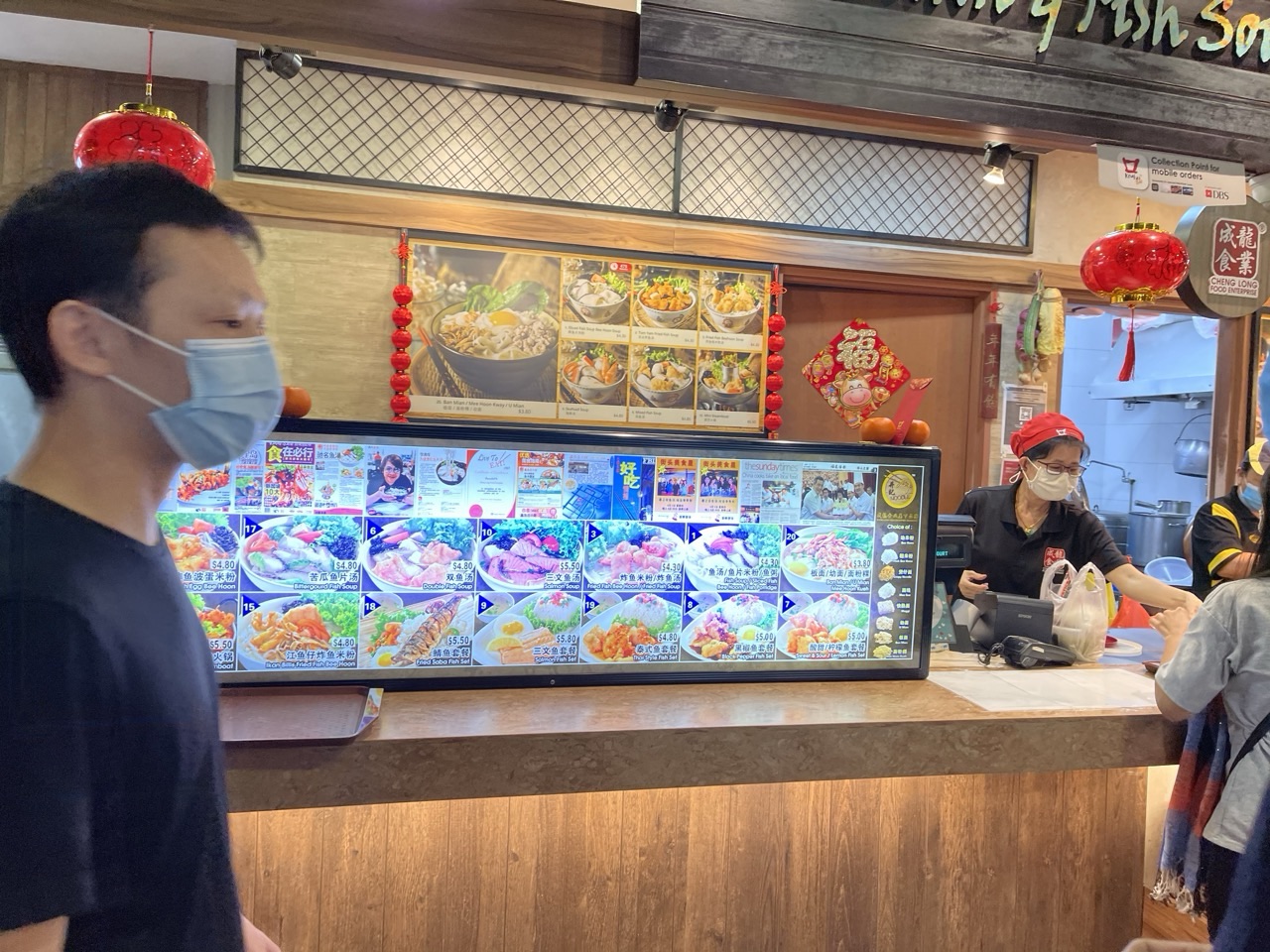
What should you eat before and after exercise in Punggol? For most everyday walks, casual workouts or beginner strength sessions, regular balanced meals and plain water are a sensible foundation. If you are hungry before a more demanding activity, choose a suitable light meal with carbohydrates and some protein, allowing enough time to feel comfortable. After exercise, a familiar meal containing carbohydrate, protein and vegetables can support recovery. You do not need expensive powders, extreme dieting or a special sports drink for every short Waterway walk.
This Pre-Workout and Post-Workout Food in Punggol 2026 guide explains the roles of meal timing, carbohydrates, protein, hydration, Singapore hawker dishes, snacks, early running, after-school sport, shift work, food safety and practical examples around Waterway Point, One Punggol Hawker Centre and home kitchens. It addresses what to eat around activity, rather than repeating the site’s Healthy Hawker and Grocery Choices in Punggol weekly meal planner. Actual stall menus and hours change, so the examples are food categories, not guaranteed stock or live prices.
Food before and after Punggol exercise: quick answers
| Situation | First useful choice | What not to assume |
|---|---|---|
| A short easy Waterway walk | Normal meals and access to suitable water may be enough. | No compulsory pre-workout snack for everyone. |
| A morning run after an overnight fast | Consider appropriate breakfast or a light suitable snack ahead of more demanding activity. | People with diabetes or other conditions may need tailored advice. |
| A larger meal before sport | Allow sufficient digestion time, especially for vigorous activity. | A heavy meal immediately before exertion may feel uncomfortable. |
| A 30–60 minute workout | Plain water is usually appropriate; an extra food stop is often unnecessary. | Sports drinks are not automatically needed. |
| More prolonged or intense activity | Needs vary; consult relevant guidance for fuel and hydration. | A generic blog cannot prescribe precise athlete intake. |
| After strength or running | A balanced meal with suitable protein and carbohydrates. | One exact timing rule is not a medical necessity for everyone. |
| Ordering at a hawker centre | Use My Healthy Plate ideas flexibly; add vegetables and an appropriate protein. | One dish will not always resemble a textbook plate. |
| Packed food after training | Maintain safe temperatures and eat within appropriate limits. | A container left in tropical heat is not magically safe. |
| Student CCA or youth sport | Provide enough food and rest without restrictive dieting. | Children should not be given adult weight-loss targets. |
| Unwell or dizzy during exercise | Stop and seek appropriate care; replace fluids as advised. | Food alone cannot treat serious heat illness. |
1. Food is part of a normal active life, not a performance ritual
In Punggol, physical activity can mean very different things: a commuter walking toward Punggol MRT, a parent joining a child at Waterway Park, a teenager completing CCA, an older resident attending a gentle class or an adult trying a long weekend run. These activities do not demand identical nutritional strategies. The simplest sustainable plan is regular suitable meals, adequate food variety, sensible hydration and a willingness to adapt when the activity becomes longer or more strenuous.
HealthHub’s What to Eat Before and After a Workout explains why carbohydrate can support exercise fuel and protein contributes to muscle recovery. It gives examples including wholegrain toast with suitable toppings before activity and balanced local foods afterwards. These are options, not a requirement that everyone must buy sports products or calculate macronutrient grams after a leisurely stroll.
A person who has eaten lunch and intends to walk comfortably for a short period may not need another meal. A person who skipped breakfast and is planning prolonged demanding activity may need a different arrangement. The activity’s duration, intensity, timing and the person’s health change the decision. For the town’s broader activity routines see Exercise in Punggol: a Four-Week Beginner Plan.
Good advice also avoids making eating a reward or punishment for exercise. You do not have to ‘earn’ dinner by running; your body needs appropriate nourishment regardless. Children, teenagers and people with a history of problematic eating behaviours deserve particular care. If food decisions are causing significant anxiety or restriction, seek appropriate professional advice rather than tightening a rigid fitness rule.
2. What carbohydrates, protein and vegetables do
| Food component | Everyday role | Examples in familiar Singapore meals |
|---|---|---|
| Carbohydrate | A major source of fuel for the body’s activity. | Rice, noodles, oats, bread, chapati, fruit. |
| Protein | Contributes to the repair and maintenance of body tissues. | Eggs, tofu, beans, fish, chicken, dairy. |
| Vegetables and fruit | Supply variety, fibre, vitamins and minerals. | Chye sim, kai lan, cabbage, cucumber, fruit. |
| Fluids | Support normal body functions and replace exercise losses. | Plain drinking water, and other suitable fluids. |
| Fats | Part of a balanced diet and important for health. | Nuts, seeds, appropriate oils and foods. |
| Food hygiene | Reduces avoidable foodborne illness risk. | Safe storage, clean handling and suitable refrigeration. |
A balanced meal contains more than a ‘protein hit’. The Health Promotion Board’s My Healthy Plate uses a quarter wholegrains, a quarter protein foods and half fruit and vegetables as a flexible visual planning guide. It is not a rigid requirement for every snack or a calculation that must be completed at every training session. The same official guide says the missing food groups can be included in another meal when one meal is not balanced.
This is useful at Punggol’s hawker centres and malls. A familiar rice or noodle dish may provide carbohydrate and some protein but relatively little vegetable matter. A person can add a suitable vegetable side, choose an alternative or include fruit later. There is no need to label the original dish bad or throw it away. The aim is a sensible pattern over time.
Food requirements vary by age, body size, activity and individual health. People with diabetes, kidney conditions, food allergies, pregnancy-related requirements or clinical diets should follow advice from their healthcare team. A general activity article should not prescribe exact carbohydrate grams, protein powders or electrolyte concentrations for readers it has never assessed.
3. Timing food before exercise: comfort comes first
HealthHub suggests a light meal approximately one to two hours before exercise as a general approach, with mainly carbohydrate and a little protein. It also notes that vigorous exercise immediately after a large meal can cause digestive discomfort, suggesting waiting longer after a substantial meal. These are practical general guidelines rather than stopwatch rules that apply equally to every stomach or every activity.
If you have a larger dinner and later want a relaxed stroll, the situation differs from sprinting or playing competitive basketball immediately after eating. Gentle ordinary movement may feel comfortable while hard exertion may not. Learn your own tolerances within suitable medical advice and avoid exercising intensely through nausea, cramping or reflux. Some people need to change meal timing or the type of food instead of trying to train through discomfort.
Do not treat ‘one to two hours’ as a legal limit or promise. A small breakfast, a long meal, a person with gastrointestinal issues and a teenager after school all create different circumstances. Rather than making food complicated, ask what the activity demands and when the next normal meal is due. An appropriate small snack can sometimes bridge a gap, while a full meal may be sensible later.
For a Punggol parent arranging exercise after childcare and dinner, the best time may simply be another part of the day. A fitness programme that requires an uncomfortable workout immediately after a heavy family meal is badly matched to the household. Flexible scheduling is a health strategy too.
4. A morning Waterway run: the breakfast decision
A common example is someone hoping to run near Punggol Waterway Park before commuting to work. They wake early, drink some water and wonder whether they must eat a large breakfast first. The answer depends on the session. A short comfortable walk may require no special meal; more demanding or extended exercise can benefit from suitable available fuel, especially after a night without food. HealthHub recommends eating before workouts rather than relying on an empty stomach as a universal performance strategy.
Examples from HealthHub include wholegrain toast with nut butter, an egg sandwich, yoghurt with fruit or oats with milk. They are ordinary foods, not specialised sports products. A reader with allergies, lactose intolerance, diabetes or another relevant issue can choose appropriate alternatives with professional guidance. The food should be something you can tolerate at that time, not a fashionable pre-workout recipe that feels heavy or uncomfortable.
A working adult may prefer a modest snack before a suitable morning activity and a fuller balanced meal after returning. Another may choose to eat breakfast, wait an appropriate period and exercise later. There is no need to copy a training influencer’s schedule exactly. The key is matching adequate food, available time and personal readiness rather than chasing a rigid rule about fasted exercise.
Some residents also run in the evening because mornings are busy. An evening routine should avoid sacrificing sleep or making a late meal unnecessarily difficult. The After-Work Wellbeing in Punggol article deals with workday transitions; this page addresses which food choices can fit that timing.
5. What a Punggol hawker centre can offer after exercise
| Meal style | What it may provide | A practical way to complete the meal |
|---|---|---|
| Yong tau foo | Protein options, vegetables and soup or carbohydrate depending on choices. | Choose an appropriate range of ingredients and staple. |
| Mixed vegetable rice | A flexible combination of rice, vegetables and protein. | Choose suitable vegetables and a protein item. |
| Fish soup with rice or noodles | Protein and carbohydrate, with vegetables depending on preparation. | Consider vegetable inclusion and individual sodium needs. |
| Chicken rice | Chicken and rice, sometimes limited vegetables. | Add an appropriate vegetable dish or fruit later. |
| Chapati with a protein dish | Grain and protein with familiar flavours. | Include suitable vegetable sides as available. |
| Home egg or tofu meal | Protein combined with staple and vegetables. | Use ordinary ingredients from the household. |
| Fruit with suitable dairy or alternative | Portable snack combining different food groups. | Check allergies, appetite and the later full meal. |
The menu categories are illustrative. One Punggol Hawker Centre, neighbourhood coffee shops and Waterway Point food venues may offer some of these types, but menus, prices, portion sizes and trading hours change. Do not assume a stall is open because a blog listed it. The site’s Punggol Hawker Centres and Coffee Shops guide covers local discovery, while the healthy hawker meal planner gives a broader five-day family pattern.
The important idea is that ordinary local food can support activity. You do not need to drive to a specialist supplement shop after every walk. A person who enjoys fish soup, rice and vegetables may find it a comfortable post-workout meal. Someone who eats vegetarian food can choose beans, tofu, eggs or other suitable protein sources as appropriate. Cultural familiarity and food preferences should be respected.
HealthHub’s sports nutrition article lists yong tau foo, economic rice, chapati with chicken and egg-based meals as examples of appropriate recovery choices, depending on preparation. It does not claim that all hawker servings have identical nutrition. A stall may use more oil or salt than another, so a broad article should not invent grams of protein for a named outlet.
6. Eating after exercise: helpful timing without anxiety
The Health Promotion Board article suggests a post-workout meal ideally within about an hour for recovery, including protein and carbohydrate. Treat this as practical advice, especially for sustained training, rather than a rigid rule that makes a casual walker feel anxious if dinner is later. Overall food adequacy and dietary pattern across the day still matter. If you have personal athlete-level requirements, a qualified sports dietitian can help.
After a moderate beginner strength session, someone may already have dinner planned soon. Their ordinary meal can supply appropriate food without a separate expensive shake. If the next meal is much later and the person is hungry, a suitable snack may make sense. The content of both should reflect personal needs, rather than following a one-size-fits-all gram count obtained from an online calculator.
A teenager finishing school CCA needs a realistic meal and travel plan. Late training, homework and dinner timing can create fatigue. The answer is not to tell the student to skip food or adopt an adult weight-loss diet. Parents should help provide appropriate meals, water and rest, and use the student’s actual school schedule. The Healthy Teenage Life in Punggol guide covers school, sleep and sport together.
For older adults, recovery needs also vary. Someone attending a suitable gentle exercise class may simply continue regular meals, while a person with special nutrition or medical needs requires individual guidance. The objective of the article is to make decisions understandable, not replace care from a registered dietitian or clinician.
7. Plain water or sports drinks? Use the activity as the clue
For ordinary 30–60-minute exercise, HealthHub says additional food during the workout is usually unnecessary and recommends plain water for hydration. The same article explains that longer or higher-intensity sport may make additional fuel or sports drinks relevant, but the drinks add sugar and calories. No person needs a brightly coloured sports drink merely because they took a short stroll by Punggol Waterway.
Singapore’s heat and humidity can increase sweating, so a water plan is sensible. Carry appropriate water, check available drinking-water access and respond to signs of dehydration or heat illness. Precise fluid needs differ with weather, exertion, body size and medical restrictions. Do not tell every resident to drink a fixed number of litres regardless of their health. People with fluid restrictions should follow their treating team’s advice.
HealthHub’s Power Up With Sports Nutrition discusses water for typical shorter sessions and possible sports drinks for longer endurance or intense activity. Those distinctions apply most clearly to the actual session, not an arbitrary advertisement. A short slow walk and a prolonged team training session are different workloads even if both happen in the same park.
If someone feels dizzy, confused, unusually weak or develops alarming heat-related symptoms, stop activity and obtain appropriate medical help. Eating a snack or sipping a drink cannot be assumed to resolve severe heat illness. Check MSS heat-stress information and the Punggol Heat Stress guide for broader outdoor decisions.
8. Why the pre-workout supplement shelf is not a starting requirement
Sports nutrition marketing often promises more energy, better recovery or a faster body transformation if a person buys a powder, gel, bar or energy drink. Some products have legitimate specialised uses, but a beginner walking after work does not automatically need any of them. Ordinary meals and plain water can meet many everyday requirements. Supplement choice should be assessed for safety and suitability, especially in children, pregnant people and those taking medication.
High caffeine intake can also interfere with sleep, and some energy products contain combinations of ingredients that are not appropriate for every consumer. Do not use supplements to compensate for inadequate food, overtraining or sleep deprivation. If a person is planning high-level endurance sport, a qualified dietitian or doctor can consider individual needs in context.
The practical money lesson is straightforward: compare a convenient food-based option with the true cost of packaged products, but do not assume the cheapest snack is necessarily appropriate for a particular medical diet. Someone with a peanut allergy must not follow a peanut-butter example just because it appears in a reputable generic article. Personal safety comes before a standard menu.
9. Food safety after sport matters in Singapore’s climate
Suppose a parent packs cooked rice and chicken at 7am for a teenager who will finish CCA late in the afternoon. The food may spend hours outside temperature control. That is not a sensible meal plan. The Singapore Food Agency explains that bacteria multiply rapidly in the temperature danger zone, broadly 5°C to 60°C, and provides storage guidance to prevent foodborne illness.
SFA’s Temperature Control in Cooked Food and food-handler materials recommend promptly cooling and refrigerating suitable leftovers and preventing prolonged room-temperature storage. Its handbook says ready-to-eat food should not remain at ordinary room temperature for more than two hours before proper storage, with additional discard thresholds when foods have been held too long in the danger zone. The safest approach is to follow the applicable specific guidance, not a blanket assumption that a sealed box prevents spoilage.
For a family returning after sport, a freshly prepared appropriate meal or safely stored food can be more dependable than carrying cooked perishables through tropical heat. Insulated storage and chilling arrangements require correct use. If food has been held unsafely, discard it rather than relying on smell or appearance; harmful bacteria are not always obvious. This is especially important when meals are prepared for young children or medically vulnerable adults.
Practical food safety also involves handwashing, separating raw and cooked food and suitable reheating. A recovery meal that causes foodborne illness is not a health win. The household should plan the time, storage and preparation method alongside the nutritional composition.
10. An ordinary Punggol weekday: three different activity-meal combinations
| Activity day | Before | After | Common planning mistake |
|---|---|---|---|
| Morning comfortable walk | Normal breakfast planning and available water according to need. | Regular balanced breakfast or next meal. | Buying supplements for a short walk. |
| Evening beginner strength session | Suitable earlier meal or snack if needed and tolerated. | Ordinary dinner with food-group variety. | Assuming a special protein shake is compulsory. |
| Longer sports CCA | Age-appropriate fuel and water access. | Reliable meal or suitable safely stored food. | Skipping dinner because training finished late. |
| Shift-worker exercise on a day off | Arrange food around actual wake and sleep periods. | Regular suitable meal after activity. | Forcing conventional clock-time labels. |
| Weekend family cycling | Plan food and water for route and duration. | A familiar appropriate family meal. | Leaving all food choices until everyone is tired. |
| High-heat outdoor event | Review conditions and individual hydration needs. | Recovery and rest under appropriate advice. | Continuing through heat symptoms to finish. |
These are planning examples, not individual menus or timed prescriptions. They illustrate why a town-specific article should begin with the person’s real schedule. A schoolchild in PE, a nurse on night shift and a recreational runner on Sunday do not need identical eating patterns. Some people also have food-related medical needs that should override generic suggestions.
A Punggol commuter might already pass a suitable food outlet before or after their walk. A parent may prefer cooking at home to manage budget and family preferences. Someone living alone may need smaller groceries to avoid spoilage. The Living Alone in Punggol guide helps with one-person meal planning, while this page stays focused on eating around exercise.
11. Three realistic worked cases
A beginner training near Waterway Point before work
A resident wants to walk briskly before work and feels pressured to buy an energy drink. Their planned outing is short and comfortable, and they are already eating breakfast regularly. After reviewing official advice they choose a suitable ordinary food and water arrangement instead. If they increase distance later, they reassess based on actual effort and personal needs. They avoid treating the first fitness goal as a shopping project.
A working parent whose exercise ends close to dinner
The parent joins a supervised strength session in the evening. A full meal immediately before class often feels uncomfortable, so the household arranges a manageable earlier eating plan and normal dinner afterwards. They choose family food that includes an appropriate carbohydrate source, protein and vegetables. If the class runs late, they adjust the timetable rather than forcing a large meal just before sleep. Their priority is a workable pattern, not perfect nutrient timing.
A teenager travelling home after sport CCA
The student finishes training after school, takes the LRT and still has homework. Their family wants healthy food but sometimes relies on packaged takeaway. They plan a reliable meal at home or from a suitable local outlet and ensure that any packed perishables are handled safely. They avoid restrictive dieting, body comparisons and the assumption that sports performance requires expensive powders. Sleep and adequate food remain essential.
12. A four-week meal-and-activity experiment
| Week | Question | Suitable small action | Useful outcome |
|---|---|---|---|
| 1 — Observe | Which activity days already have regular meals? | Map real exercise and food times. | Identify genuine gaps instead of guessing. |
| 2 — Prepare | What food can fit those gaps safely? | Choose one ordinary snack or meal arrangement. | Less rushed eating. |
| 3 — Adapt | Are some outings longer or hotter? | Review water and fuel arrangements for the session. | Better preparation without excess buying. |
| 4 — Review | Did the family eat comfortably and waste less? | Keep useful habits; change inconvenient ones. | A sustainable pattern. |
This is not a four-week diet challenge and should never be used to restrict food or reward exercise with calories. For adults, the experiment can identify whether food is repeatedly missed on busy days. For children, the adults should focus on accessible appropriate nourishment and enjoyment rather than calorie or weight tracking. The goal is dependable daily living.
If a family member has recurring stomach symptoms, unexplained fatigue, concerning appetite changes or other health issues, obtain appropriate medical advice. A generic meal experiment cannot diagnose nutritional deficiency, food intolerance or a medical condition. A qualified professional can tailor advice when sport becomes more demanding or symptoms persist.
13. Common misconceptions about exercise meals
- You must eat a special bar before every walk. Ordinary regular food often suffices.
- All exercise must be done fasted. Generic fasting rules are not suitable for everyone.
- You need a protein shake immediately after every session. Regular meals may meet many needs.
- Sports drinks are mandatory in Singapore heat. Plain water is generally appropriate for many shorter sessions.
- More caffeine means better training. Sleep and individual safety matter.
- A hawker meal cannot be healthy. My Healthy Plate ideas can be applied flexibly.
- Children should follow adult sport diets. Growth and health need age-appropriate guidance.
- Meal preparation is safe as long as food is covered. Time and temperature control still matter.
- Missing one recommended timing window ruins all recovery. Avoid treating population advice as a rigid fear-based rule.
- The same portion works for everyone. Body size, activity, health and appetite differ.
14. The Punggol food-choice diagnostic
- How long and demanding is the activity actually expected to be?
- When did the person last eat, and are they hungry?
- Is an ordinary meal already planned soon before or after?
- Would a light snack be more comfortable than a heavy meal?
- Does the person have diabetes, allergies, fluid restrictions or other special needs?
- Is suitable drinking water accessible on the route?
- Are heat-stress, haze and weather conditions appropriate?
- If packing food, how will it be kept at safe temperatures?
- Does the meal include suitable carbohydrate, protein and variety over the day?
- Is the family buying more packaged sports products than it really needs?
- Will the chosen timing leave enough time for sleep, schoolwork and care?
- Can the person safely stop and change plans if symptoms occur?
15. Frequently asked questions about workout food in Punggol
What should I eat before a Punggol Waterway run?
A suitable light carbohydrate-rich meal or snack with some protein may help before more demanding exercise, depending on timing and needs.
Do I need food before every short walk?
Not necessarily. Ordinary balanced meals and appropriate water may be enough for many short comfortable walks.
How long should I wait after a big meal?
HealthHub suggests allowing longer before vigorous exercise after a substantial meal; individual comfort and health matter.
What is a simple pre-workout snack?
HealthHub examples include wholegrain toast, suitable yoghurt and fruit or oats, subject to allergies and dietary needs.
What can I eat after strength training?
A balanced meal containing appropriate protein, carbohydrate and vegetables can be suitable.
Do I need a protein powder?
Not automatically for ordinary recreation; individual athlete or clinical needs should be assessed.
Is chicken rice always unhealthy after exercise?
Not universally. Consider overall portions, food quality and adding suitable vegetable or fruit variety.
Can yong tau foo be a recovery meal?
It can be one familiar option depending on the actual ingredients, staple and individual dietary needs.
Should I drink a sports drink after a 20-minute walk?
Usually not necessary for most short easy activity; plain water is often appropriate.
What if I sweat heavily?
Respond to individual hydration needs, conditions and medical advice. Seek help for concerning heat symptoms.
Do children need electrolyte tablets for PE?
Do not routinely give sports supplements based on adult marketing; follow school and paediatric guidance.
What if my teenager misses dinner after CCA?
Plan appropriate accessible food and a realistic homecoming routine; avoid deliberate meal skipping.
Can I eat a full meal just before running?
Vigorous exercise soon after a large meal may cause discomfort; plan suitable timing.
Must I eat within an exact post-workout hour?
HealthHub suggests timely eating, but it is not a universal emergency deadline for every casual activity.
Are supplements safe for everybody?
No. Ingredients and medical interactions may matter; seek relevant professional guidance.
Can I pack rice and meat all day without a fridge?
Not safely without appropriate time and temperature control; follow SFA food-storage guidance.
Does My Healthy Plate need to appear perfectly at every snack?
No. It is a flexible balanced-meal framework and food groups can be spread across meals.
Will food timing guarantee muscle growth?
No. Training, diet, recovery, health and other factors all matter.
Is this advice suitable during pregnancy or for kidney disease?
Individual medical and dietary requirements may differ; follow your clinical team’s advice.
Do I need to buy food from a particular Waterway Point stall?
No. The examples are food categories, and current outlet options or prices need checking.
Connect meals with movement and safe family recreation
What you eat around exercise should work alongside the activity and the household schedule. These three guides show how to begin strength or mobility and plan safer water outings.
- Calisthenics in Punggol: beginner bodyweight strength. Learn safe controlled bodyweight progressions without needing a gym subscription or advanced stunts.
- Stretching and mobility around Punggol. Build suitable quiet movement breaks into desk work, Waterway walks and ordinary home life.
- Punggol family pool and water safety. Separate SAFRA Splash, Sengkang pools, SwimSafer learning and PUB-managed Waterway rules.
The Life in Punggol master guide connects these questions to the wider neighbourhood ecosystem.
Connected Punggol health, food and exercise reading
- Life in Punggol — Master Lifestyle Guide
- Healthy Hawker and Grocery Choices
- Healthy Living in Punggol
- Punggol Hawker Centres and Coffee Shops
- Weekend Sport and Recovery
- After-Work Wellbeing in Punggol
- Healthy Teenage Life in Punggol
- Shift Workers in Punggol
- Living Alone in Punggol
- Calisthenics in Punggol
- Stretching and Mobility in Punggol
- eduKateSG — School Canteens and Food Choices
Official sources and editorial review
- HealthHub — What to Eat Before and After a Workout
- HealthHub — Sports Nutrition and Hydration
- HealthHub — My Healthy Plate Meals
- HealthHub — Healthy Hawker Meals
- Singapore Food Agency — Temperature Control in Cooked Food
- SFA — Food Handler’s Handbook, Food Temperature and Hygiene
- MSS — Heat Stress
- Singapore Official Haze Guidance
Reviewed 20 October 2026. This article is general educational food and activity information, not personalised sports nutrition, medical care, weight management or a live restaurant listing. People with clinical diets, children and athletes with specialised demands should seek qualified advice. Hawker examples describe food categories and do not guarantee menus or prices. Worked scenarios are illustrative.


