
How can families in Punggol keep children safer around swimming pools and water-play areas? Choose an appropriately managed venue, give children continuous attentive adult supervision and follow its depth, slide, age and clothing rules. For a small child in a pool, HealthHub advises keeping an adult within arm’s reach. Swimming lessons and inflatable toys do not replace supervision. In Punggol, also distinguish SAFRA’s Splash @ Kidz Amaze water playground from a proper teaching pool such as Sengkang Swimming Complex at 57 Anchorvale Road, and from Punggol Waterway, which is not a public swimming pool.
This Punggol Family Pool and Water Safety Guide for 2026 explains how to assign a designated watcher, compare water-play and swimming facilities, check SwimSafer lessons, understand floatation equipment limits, use pool rules and hygiene, handle weather closures, make a safe family budget and respond to emergencies. It has a different purpose from the site’s Adult Swimming in Punggol guide, which helps an individual learn to swim. Here the question is how a whole household plans a safer visit when toddlers, schoolchildren, adults and older relatives have different capabilities.
Punggol family swimming and water play: fast answers
| Question | Useful answer | Important caution |
|---|---|---|
| Where is Splash @ Kidz Amaze? | SAFRA Punggol, 9 Sentul Crescent. | It’s an interactive water playground, not a conventional lap pool. |
| Where is a public managed pool nearby? | Sengkang Swimming Complex, 57 Anchorvale Road. | In neighbouring Sengkang, not inside Punggol Town. |
| What other nearby public complex exists? | Pasir Ris Swimming Complex, 120 Pasir Ris Central. | Verify its hours, access and maintenance separately. |
| Must a child be supervised? | Yes. At all times in or near water, with close attentive supervision. | A lifeguard or trained facilitator does not replace a caregiver. |
| How close for young children? | HealthHub recommends an adult within arm’s reach in the pool. | Keep attention free from phones and other distractions. |
| Are arm floats enough? | No. Inflatables and swim aids are not substitutes for appropriate safety and supervision. | Use properly suitable PFDs where required and according to provider. |
| What is SwimSafer? | SportSG’s national six-stage water-safety programme. | A lesson or certificate does not make a child drown-proof. |
| Can children swim in Punggol Waterway? | No. PUB restricts intentional swimming and immersion in reservoirs. | Use authorised managed venues. |
| Does Splash take online reservations? | SAFRA says entry is first-come, first-served, subject to capacity. | Check its current admission channels and daily notice. |
| What if a child is unwell or weather is dangerous? | Avoid inappropriate water activity and follow operator directions. | Stop immediately for lightning or serious concerns. |
1. Three different types of water activity in the Punggol area
One reason families become confused is that local websites describe several attractions using the same broad words—pool, splash, swimming and water sport. SAFRA Punggol hosts Splash @ Kidz Amaze, which is a play facility with slides, water features, decks and an area suitable for toddlers under its rules. Sengkang Swimming Complex is a SportSG-managed public facility with swimming pools and feature attractions. Punggol Waterway is part of Singapore’s managed reservoir and drainage system, not a normal pool.
The distinction affects nearly every decision. A family seeking SwimSafer lessons should find a qualified programme at a suitable teaching pool; a water-play ticket does not provide swimming instruction. Someone wanting a casual splash experience may not need a competitive swimming pool. And a person drawn to the scenic Waterway cannot simply enter the water to practise swimming because PUB controls access for safety and water-resource protection.
The SAFRA Kidz Amaze facility page identifies the Punggol play features, while SportSG publishes Sengkang Swimming Complex’s official details. For PUB’s regulations see the reservoir and waterway safety guidance. These official sources should guide readers before they book, rather than a social-media photograph with an ambiguous pool label.
2. Continuous supervision: the most important safety measure
HealthHub’s Keeping Your Child Safe states that young children should be closely supervised in water and recommends an adult within arm’s reach in the pool. It warns against using phones, reading or other distractions that break attention. A child in water can encounter problems quickly, including in seemingly shallow situations. This is an active responsibility, not something fulfilled merely by being somewhere in the same building.
A designated watcher can help when several adults attend a social gathering. Agree who is watching the children before anyone enters the water, and make a clear handover when responsibility changes. If the watcher needs to leave, another adult must explicitly accept the role or the child should leave the water. Do not assume that a grandparent, older sibling or friend has silently taken over because they are sitting nearby.
A lifeguard or venue guardian is an additional protection but is responsible for many participants and operational rules. Parents should continue watching and following facility requirements. Even a child who can swim across a pool should not be treated as safe from every risk. Fatigue, illness, crowded play, changes in depth and unexpected conditions can affect competent swimmers too.
Supervision should include transitions: entering, leaving, changing areas and walking beside pools. A child might be tempted to run towards a slide or return to the water without telling an adult. Agree on a simple stop and wait rule before the outing. Clear expectations are easier to apply when adults explain them calmly before anyone is excited or tired.
3. Splash @ Kidz Amaze at SAFRA Punggol: what it actually is
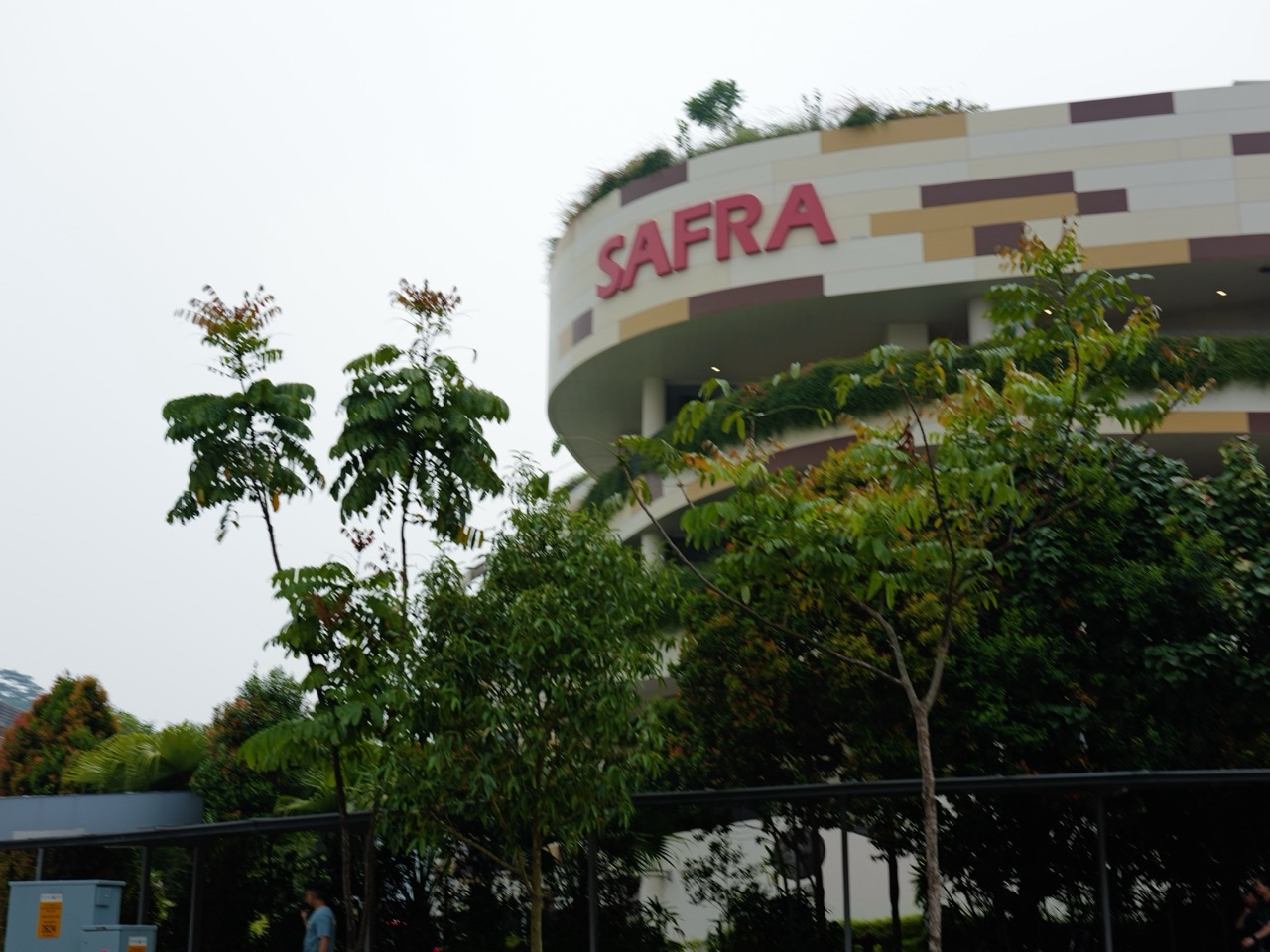
Splash @ Kidz Amaze is at 9 Sentul Crescent and SAFRA describes a roughly 23,000-square-foot indoor water playground with five slides, eight play decks and a separate wading area for toddlers. Its water temperature is regulated and the attraction includes lockers, showers and changing facilities. The presence of water slides does not make it a general swimming training venue.
SAFRA’s current operating schedule says Monday to Friday during ordinary school terms 1pm–7pm, Saturdays, Sundays and public holidays 10am–9pm, and weekdays during school holidays 10am–7pm. Entry is first-come, first-served and subject to capacity. The official site carried a dated maintenance closure for 19 October 2026 and stated it would resume normal weekday operations on 20 October; such notices show why families should check current announcements before travelling.
Its official playground information says swimwear or suitable 100% polyester clothing is required, and children who are not potty trained must use swimming diapers rather than ordinary diapers. Towels and swimwear are not supplied. Lockers are chargeable under current terms. Those are practical details parents should know before arriving with a tired child and discovering their clothing is unsuitable.
According to the SAFRA FAQ, adult supervision is required at Splash at all times, and adults entering the play area pay the applicable admission fee. Its staff are described as pool guardians or play specialists trained in first aid and emergency response; this should not be confused with a guarantee that a parent can leave children unattended. Children should follow slide access rules, avoid climbing slides the wrong way and obey age- or height-specific instructions.
4. Sengkang Swimming Complex is a different kind of venue
Sengkang Swimming Complex, at 57 Anchorvale Road, Singapore 544964, is a public pool complex managed by Sport Singapore. It has a sheltered pool and a separate classification as a feature pool, with water attractions that have specific height limits. The swimming complex is in neighbouring Sengkang—not in Punggol Town itself—so residents should plan the genuine journey from their MRT, LRT or bus routes.
SportSG’s official venue page lists general operations from 8am–9.30pm except Monday, with specified early access for the competition pool on certain days and a public-holiday exception to the Monday closure. Those details can change through maintenance or events. A person should use the current facility closure page, not rely on a printed schedule from a previous season.
Sengkang is classified as a feature swimming complex and has varying minimum heights for different slides. For example, SportSG lists slide thresholds around 1.2 m or 1.3 m depending on the attraction. Do not assume that a child who can swim is tall enough to use every slide, or that a height-eligible child can disregard staff instructions. Adult judgement and venue rules operate together.
The site also lists a swimming-pool wheelchair, which may be relevant for certain visitors. However, published equipment does not prove that all assistance is available on every shift. Families needing accessibility support should contact the venue before travelling, discuss the person’s requirements and confirm the appropriate facilities and pool access.
5. Pasir Ris Swimming Complex: another neighbouring option
SportSG lists Pasir Ris Swimming Complex at 120 Pasir Ris Central, Singapore 519640. Its published swimming-pool directory identifies it as a normal pool and notes a Wednesday maintenance closure. It serves a different geographical area from Sengkang. A family living near Punggol Coast may prefer one facility while a household near Oasis may have a different convenient journey.
The important choice is not which neighbouring town has the most exciting photograph. It is the facility suitable for the child, the actual access, teacher, supervision, transport and current pool conditions. An inexperienced swimmer may need a particular teaching environment, while a family looking for relaxed swimming may choose a different public admission session. Use SportSG’s swimming-pool directory for the current options and then confirm the exact complex.
Do not assume that a public pool ticket includes an instructor or that a child may join any lesson visible at the venue. SwimSafer and private classes have separate booking and eligibility processes. If swimming is the actual learning goal, enquire about the instructor and programme before buying admission or promising an assessment result.
6. SwimSafer 2.0 teaches water competency, not invulnerability
SwimSafer is Singapore’s national water-safety programme, enhanced to SwimSafer 2.0 with six progressive stages. SportSG says the curriculum includes confidence, swimming, safe entry and exit, water survival and rescue-related knowledge appropriate to level. Each stage has its own theory and practical criteria, with an e-certificate on successful completion. It is not just a lap-distance badge.
At the early stages, children learn personal safety and fundamental aquatic movement. Later stages introduce more complex water survival and stroke development. The current official SwimSafer information explains the progression and how to access approved registration and assessment. Parents should use SportSG and Singapore Aquatics sources rather than unofficial lookalike websites that may confuse programme names or certificates.
A child who passes an early stage has demonstrated certain assessed skills under defined conditions. That does not mean the child can safely swim unsupervised in a deep pool, handle rough open water or enter Punggol Reservoir. Water conditions and the child’s stamina may differ from the teaching environment. Continue appropriate adult supervision and follow the facility’s rules at all stages.
Similarly, a person holding a more advanced SwimSafer certificate does not gain permission to participate in every kayaking or marine activity. PUB and authorised water-sport operators apply their own access, age and safety requirements. Skills and permissions are separate. The site’s Adult Swimming Guide explains choosing a lesson for adults who are beginning from zero.
7. Why a flotation toy isn’t a personal flotation device
HealthHub warns that inflatable armbands, water wings and similar swimming aids are not life-saving devices. They may slip, deflate or create a false sense of security. A properly selected personal flotation device can support buoyancy where required, but it also must fit and be used correctly. Neither a swimming aid nor a life jacket should be used as an excuse to stop paying attention to a child in the water.
Different products and settings have different equipment rules. A managed public pool may have its own rules about inflatable toys and flotation devices; a guided kayak operator may supply mandatory PFDs. Parents should not automatically bring or use equipment without checking the venue. Even with the correct gear, a child may become frightened, cold or fatigued, so their comfort should be monitored.
A person planning a water-sport activity should be transparent about actual swimming ability. Claiming that a child is confident in deep water when they are not can create danger for the whole group. Water safety is not a status symbol, and there is nothing embarrassing about choosing beginner instruction or a shallower suitable session.
8. A pool’s depth, slides and changing-room rules are part of safety
| Area | What to check | Why it matters |
|---|---|---|
| Pool entry | Depth, non-swimmer areas and safe entrance. | Water conditions differ even within one complex. |
| Slides | Minimum height, queue and staff directions. | Swimming competence does not cancel restrictions. |
| Play decks | Crowding, stairs and wet surfaces. | Slips and collisions can occur out of the water. |
| Changing rooms | Adult-child supervision and privacy. | Families need an organised handover. |
| Water attire | Venue-approved swimwear, including swim diapers where required. | Health and hygiene rules protect users. |
| Food and drink | The venue’s restrictions on eating and re-entry. | Food must not interfere with hygienic play areas. |
| Lockers | Charges, key management and valuables. | Adults need to remain attentive rather than search for belongings. |
| Pool closure | Weather, maintenance and operational updates. | A trip should have a realistic backup. |
The most effective family plan is usually simpler than a giant checklist. Before buying tickets, confirm the venue and who will watch each child. At arrival, locate exits, staff and any emergency equipment. Read relevant depth and slide rules before entering. Keep belongings organised so adults are not distracted by forgotten towels or an unexpectedly unsuitable diaper.
During the activity, agree on rests and respond to fatigue. A child may insist on a fifth slide when visibly tired; the adult’s job is to decide whether it is safe, not simply match the child’s enthusiasm. Families can protect enjoyment by leaving while the experience is still positive rather than waiting for exhaustion.
9. An arm’s-length rule means real proximity and attention
HealthHub’s recommendation of keeping an adult within arm’s reach of a child in a pool is a practical visual reminder. Being on a chair several metres away while scrolling on a phone does not meet the principle. A watcher should be able to notice and respond promptly to a child’s difficulty. For very young or inexperienced swimmers, proximity and continuous attention are especially important.
A crowded pool can make a familiar child difficult to track, particularly with many similar-coloured swim caps or a splash feature blocking the view. Distinctive suitable clothing may help adults see a child, but it does not replace physical attention. Parents should recognise that a child’s apparent comfort can change quickly. If the area becomes too crowded for effective supervision, choose a quieter suitable option.
Where several adults attend, use an explicit handover: name the person now responsible and wait for acknowledgement. Avoid assuming someone is watching because they are a grandparent, adult sibling or lifeguard. The designated watcher should not simultaneously be preparing food, managing several bags or attending a long phone call. Taking turns is possible when it is clearly agreed.
10. Emergency readiness: know where to get trained help
Before entering a managed pool, identify where staff or lifeguards are and how to summon them. HealthHub advises caregivers to learn CPR and AED use through appropriate training. Sport Singapore’s SS 700:2023 Code of Practice for Aquatic Facilities and SS 701:2023 for inland and open-water sport support a safety-first approach for facility operators and organised activities. These standards do not remove the caregiver’s role.
In a serious water emergency, alert the lifeguard or trained venue staff and call 995 for emergency ambulance help in Singapore. Follow the instructions of trained responders. Someone who is not trained should not improvise a dangerous water rescue that puts another life at risk. A blog article cannot replace accredited rescue, CPR or first-aid training.
The SportSG water-safety standards announcement discusses drowning and injury prevention, including hazards associated with shallow-water blackouts and prolonged breath-holding. Families should not organise breath-holding contests or encourage children to perform underwater challenges for social media. These risks are avoidable and do not belong in recreational play.
The family can review a simple emergency plan without frightening children: stay with the assigned adult, tell a grown-up if uncomfortable, leave water when staff instruct and use safe entry and exit points. That is a useful level of preparation for an ordinary pool visit. Any clinical emergency procedure should come from approved first-aid training and actual responders.
11. The Punggol Waterway is not a swimming alternative
Punggol Waterway Park is a scenic place for walking and cycling along public paths. It should never be presented as a free public swimming pool. PUB’s Water Activities information says reservoirs and waterways are managed operational environments, where rapid water-level or flow changes can occur. Intentional immersion or standing in reservoir water is not permitted except in accidental situations such as capsizing under authorised activities.
This matters for parents who see an attractive water edge and want children to wade. The correct activity is enjoying the landscape from a lawful public path, not entering an unapproved section of water. A child throwing a toy or ball into the water should not attempt to retrieve it. Ask a responsible official or seek appropriate assistance instead of crossing barriers or descending a slippery bank.
SAFRA’s guided kayaking at the Waterway is a distinct authorised activity with trained operators, flotation gear and participant conditions. Its existence is not evidence that visitors can privately swim, kayak or paddleboard anywhere they choose. See Guided Kayaking at Punggol Waterway for the actual visitor pathway.
12. Water-play hygiene: the small details families forget
Water playgrounds and public pools use different hygiene arrangements. At Splash @ Kidz Amaze, SAFRA requires children who are not potty trained to wear suitable swim diapers and prohibits ordinary diapers as substitutes. Its dress code permits swimwear or appropriate quick-dry polyester clothing, not cotton outfits. The facility does not supply towels or personal swimwear and sells certain items on site.
These are not merely commercial rules. Appropriate swimwear, showering and cleanliness help venues manage shared water facilities. Parents should also avoid taking a child into a pool when they are unwell with relevant symptoms, including gastrointestinal illness. Follow facility illness exclusion rules and appropriate medical advice rather than believing that chlorinated water removes all infection risk.
Bring a clean change of clothes and organise wet items for the return journey. If the family plans to eat afterwards, wash hands appropriately and choose a suitable dining area. SAFRA prohibits eating in the Splash playground itself, though it allows appropriate water breaks under its current rules. A successful outing includes a comfortable transition out of the water.
13. Plan the cost, not just the ticket price
A family pool day can include admission for children and adults, suitable swimwear, diapers, lockers, transport, food and sometimes a separate swimming lesson. SAFRA’s current FAQ explains that adult entry into Splash is chargeable and member rates require the eligible member to be present, subject to current terms. Its playground page lists small and large electronic locker charges. These extras can be modest individually but matter when the family is travelling with several children.
For public SportSG pools, feature-pool admission differs from normal pool admission. Sengkang’s official page states that feature-pool rates apply, while Pasir Ris is classified as a normal pool. Check SportSG’s current fee table and actual eligibility rather than transferring one complex’s rate to another. A class provider’s coaching fee and the facility entry fee should also be clarified separately.
A family that needs water-safety skills should prioritise appropriately qualified instruction over a long list of attractions. Conversely, a water-play outing can be a lovely social event without pretending that it completes a SwimSafer level. The correct budget starts with what the family wants to achieve: learning, play, recreation or a particular accessible environment.
14. Four family scenarios and what each changes
A parent with a toddler and a Primary 3 child
The children want to visit Splash at SAFRA Punggol. The parent checks age-appropriate play zones and confirms adult supervision responsibilities before arriving. They bring the correct swim diaper for the younger child and arrange how to remain close while the older child uses a different feature. If one adult cannot safely supervise both in separate areas, they enlist another responsible adult or simplify the plan. They do not assume the venue’s play specialists are personal babysitters.
A child who has passed a SwimSafer stage
The family is proud of the child’s progress and wants to visit Sengkang Swimming Complex. They recognise that the certificate demonstrates specified assessed skills, not unlimited independence in every pool. They check the slide height limits, choose a suitable area and continue supervision. The child can enjoy new confidence while learning that water rules still apply even to competent swimmers.
A family with a wheelchair user
Sengkang’s published facility information mentions a sheltered pool and swimming-pool wheelchair. The family checks the actual availability of the wheelchair, changing areas, assistance, relevant access and instructor suitability before travelling. They avoid assuming every feature of the complex is accessible simply because the venue lists one assistive device. A shorter accessible session can be a better experience than an overambitious itinerary.
Grandparents accompanying grandchildren on a public holiday
The family plans a crowded weekend at the pool. They designate a watcher and clarify whether grandparents are willing and physically able to supervise in water. Another adult handles tickets and belongings. If the area is too busy or the conditions feel unsuitable, the family chooses a calmer time. The presence of several relatives is helpful only when responsibility is explicitly organised.
15. A six-step pool-visit plan for a Punggol household
| Stage | Question | Useful action | What it prevents |
|---|---|---|---|
| Choose | Do we want swimming lessons, water play or leisure swimming? | Pick the correct managed facility. | Wrong tickets and unsafe expectations. |
| Check | Are age, height and pool rules suitable? | Read current operator information. | Arrival surprises. |
| Assign | Who watches each child? | Name an attentive adult and handover method. | Unsupervised gaps. |
| Prepare | Do we have swimwear, towels, diapers and transport? | Pack only required items. | Distractions and avoidable expense. |
| Participate | Are children comfortable and visible? | Follow staff rules, maintain attention and take breaks. | Overcrowding, fatigue and confusion. |
| Leave | Can everyone change, eat and return safely? | Allow sufficient time and check belongings. | Exhausted or rushed journey home. |
The plan is deliberately simple. A family can use it for a casual weekend or a first swimming lesson, with modifications based on actual health and participation needs. The point is not to turn leisure into a military operation. It is to reduce the distractions that can interfere with supervising children around water.
16. Haze, rain, lightning and current closure notices
Indoor water-play facilities may be less directly exposed to weather than an outdoor pool, but transportation and venue operations still matter. Sengkang’s public complex may close affected outdoor sections during inclement weather; SAFRA can close for cleaning or maintenance. Check its actual update rather than assuming the attraction is open simply because a general article says Tuesday is normally an operating day.
Lightning is a serious outdoor aquatic hazard. Follow staff instructions immediately when a pool or slide is closed and consult MSS lightning information for context. Do not remain in the water to complete a purchased session. With haze, follow Singapore’s official haze guidance and consider the venue’s indoor air, individual respiratory needs and actual operating policies.
Hot weather can also create fatigue during travel or outdoor recreation. An indoor splash area does not automatically solve every environmental problem, especially when the journey involves long sun exposure. The right option may be a different time, a suitable indoor non-water activity or rest. Families should be able to change plans without pressuring a child to participate while unwell.
17. Pool safety myths that deserve direct answers
- My child learned to swim, so supervision is optional. No; swimming skills do not remove drowning risk.
- There is a lifeguard, so parents can use their phones. No; caregiving supervision remains necessary.
- Arm floats are life jackets. No; swimming aids do not replace appropriate safety equipment.
- Water in a playground is always shallow and harmless. No; play features have their own risks and rules.
- SAFRA Splash is a full swimming teaching pool. It is marketed as an interactive water playground.
- All ‘Punggol pools’ are within Punggol Town. Sengkang and Pasir Ris are neighbouring towns.
- A SwimSafer certificate permits open-water swimming anywhere. It does not override PUB or venue restrictions.
- A public park reservoir is a free swimming pool. Punggol Waterway is not for intentional immersion.
- Rubber inflatables can replace attentive adult supervision. They cannot.
- A paid ticket means staff must continue during a thunderstorm. Safety closures take precedence.
18. A practical parent and caregiver checklist
- Confirm the exact venue: Splash SAFRA Punggol, Sengkang or Pasir Ris.
- Distinguish a water playground from a swimming complex and formal teaching pool.
- Check live age, height, feature and admission rules.
- Decide which adult will remain the designated watcher for each child.
- Keep young children within suitable immediate reach in water.
- Make clear supervision handovers rather than assuming someone has taken over.
- Keep phones and other distractions away during supervision.
- Know where the pool guardians, lifeguards and safety aids are.
- Do not use floaties as a substitute for a suitable PFD or close attention.
- Bring correct swimwear, diapers, towels and other personal items.
- Check changing-room privacy and accessibility support.
- Review admission, locker, member and coaching charges.
- Know the family route back before everyone becomes tired.
- Respond promptly to slide, water-depth and closing instructions.
- Leave the water when a participant is unwell, exhausted or conditions are unsafe.
- Keep PUB-managed reservoir water separate from authorised pool use.
- Learn first-aid and CPR skills through a qualified programme.
- Call 995 in a serious medical emergency and alert trained staff.
19. Frequently asked family water-safety questions
Where can Punggol families go for water play?
Splash @ Kidz Amaze at SAFRA Punggol offers interactive water play with venue-specific rules and adult supervision.
Is Splash @ Kidz Amaze a lap swimming pool?
No. It is an indoor interactive water playground with slides and a toddler wading area.
Where is a public swimming complex near Punggol?
Sengkang Swimming Complex is at 57 Anchorvale Road in neighbouring Sengkang.
What other complex is nearby?
Pasir Ris Swimming Complex at 120 Pasir Ris Central, subject to its own hours and maintenance.
How closely must I watch a small child?
HealthHub advises continuous attentive supervision and an adult within arm’s reach in the pool.
Can lifeguards watch my child instead?
No. Qualified staff complement but do not replace caregiver responsibilities.
Can I look at my phone while supervising?
HealthHub advises avoiding distractions while a child is in or near water.
What if two adults attend?
Use a clearly agreed designated watcher and handover rather than assumptions.
Are water wings and arm floats enough?
No. Inflatable aids are not life-saving devices or substitutes for supervision.
Does SwimSafer make children completely safe?
No. It develops assessed skills across six stages but cannot remove every hazard.
Is SwimSafer a six-stage programme?
Yes. SportSG describes six progressive stages of national water safety and swimming proficiency.
Can a child swim in Punggol Waterway?
No. PUB restricts intentional immersion in reservoirs and waterways.
Can my child wear an ordinary diaper at Splash?
No. SAFRA requires appropriate swimming diapers for children who are not potty trained.
Are towels provided at Splash?
No. SAFRA says visitors should bring suitable towels and clothing or purchase where available.
Is Splash available by advance reservation?
SAFRA states admission is generally first-come, first-served and capacity-limited, subject to current channels.
Does a SAFRA member supervise children for free?
Do not assume so. SAFRA has adult entry and member rate conditions.
Is Sengkang Swimming Complex closed on Mondays?
SportSG lists Monday maintenance with a public-holiday exception; check current closure information.
Are all Sengkang pool slides suitable for preschoolers?
No. Different slides have published height requirements and operator rules.
What if someone using a wheelchair wants to swim?
Contact the specific venue about current accessible facilities, pool equipment, assistance and suitability.
What if a child becomes ill in the pool?
Leave the water, follow venue procedures and seek medical help as appropriate.
What if lightning threatens?
Leave the water immediately when staff direct and follow weather safety procedures.
What number should we call in a serious medical emergency?
Call 995 in Singapore, alert lifeguards or trained staff and follow emergency guidance.
Can I hold my breath underwater as a family challenge?
Do not organise breath-holding contests. SportSG water safety standards highlight risks from prolonged breath holding.
Are private kayaks allowed in Punggol Reservoir?
PUB restricts personal craft; use authorised guided activities rather than private launches.
Healthy habits beyond the swimming pool
Family water safety sits alongside ordinary strength, flexibility and sensible nutrition. These guides give practical starting points without making children or adults follow a competitive fitness schedule.
- Calisthenics in Punggol: beginner bodyweight strength. Learn safe controlled bodyweight progressions without needing a gym subscription or advanced stunts.
- Stretching and mobility around Punggol. Build suitable quiet movement breaks into desk work, Waterway walks and ordinary home life.
- What to eat before and after Punggol exercise. Understand ordinary hawker food, snacks, water, recovery and food storage around activity.
Use the Life in Punggol lifestyle hub to reach other local family, learning and recreational articles.
Connected eduKate Punggol family and swimming guides
- Life in Punggol — Master Lifestyle Guide
- Family Life in Punggol
- Life in Punggol for New Parents
- Active Play for Primary School Children
- Adult Swimming in Punggol
- Swimming Pools in and around Punggol
- Punggol Swimming Lessons and SwimSafer
- SAFRA Punggol Family Facilities
- Guided Kayaking and Waterway Safety
- Punggol Park Walk Emergency Readiness
- eduKateSG — Punggol School Health and Preventive Care
Official sources and review date
- HealthHub — Keeping Your Child Safe Around Water
- HealthHub — Water Safety for Growing Children
- SportSG — SwimSafer 2.0 Stages and Assessments
- SAFRA — Splash @ Kidz Amaze Punggol
- SAFRA — Splash Supervision, Admission and Play Rules
- SportSG — Sengkang Swimming Complex
- SportSG — Current Public Swimming Complexes
- SportSG — SS 700 and SS 701 Water Safety
- PUB — Reservoir and Waterway Safety
- MSS — Lightning Information
- Singapore Haze Guidance
Reviewed 20 October 2026. This is general family water-safety education, not a live admission confirmation, private swimming lesson, rescue-training manual or personal medical clearance. Adult supervision remains essential even with SwimSafer skills or trained facility staff. Venue operations, eligibility, pricing and closures can change; always follow current operators and emergency authorities.


