
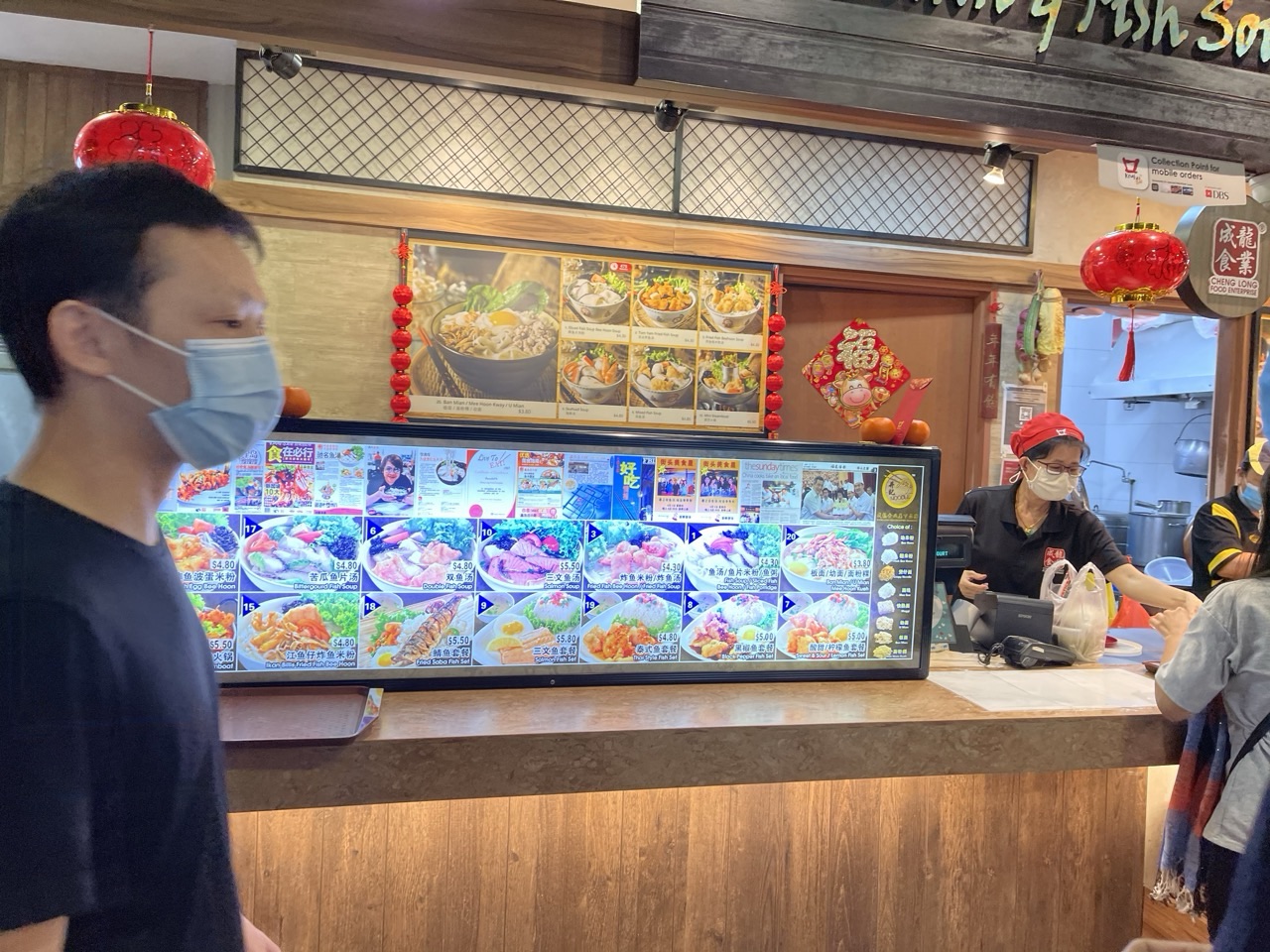
What is the easiest way to eat well in Punggol without cooking every meal? Build around meals you already buy: choose a useful source of protein, add vegetables and fruit through the day, select wholegrains when available, and keep ordinary water within reach. You do not need to stop eating hawker food or create elaborate meal-prep boxes. A familiar stall, a small supermarket basket and two reliable home dinners can carry a surprisingly practical weekday plan.
This healthy hawker meals and grocery guide for Punggol covers One Punggol Hawker Centre, Punggol Coast Hawker Centre, neighbourhood coffee shops, the shopping areas around Waterway Point, Oasis and Northshore, and ordinary home kitchens. It explains how to use Singapore’s My Healthy Plate approach with local dishes, shop without overbuying and plan five busy days without treating food like a moral test. For an overview of the neighbourhood, visit Life in Punggol 2026; for exercise and preventive care, follow Healthy Living in Punggol.
Punggol food decisions: the quick information table
| Question | Short answer | What to check |
|---|---|---|
| Where should I eat? | Choose a hawker centre or coffee shop along your existing journey. | Current stall availability, dietary needs, access and your household’s budget. |
| How can I improve a usual rice or noodle meal? | Add vegetables and a suitable protein, select wholegrains when offered. | No single order needs to look perfect. |
| What should I drink? | Plain water is a simple everyday default. | Check individual medical fluid restrictions if they apply. |
| What should I buy for the week? | Keep adaptable staples, frozen or fresh produce, protein and simple breakfasts. | Kitchen storage, expiry dates and realistic preparation time. |
| Is it cheaper to cook? | Sometimes, especially with shared ingredients; not automatically for every household. | Food waste, time, number of eaters and actual receipt totals. |
| What about children or seniors? | Keep meals varied, accessible and enjoyable; plan around individual needs. | Allergies, texture, swallowing concerns and advice for medical diets. |
The Health Promotion Board’s My Healthy Plate guide offers a memorable pattern: roughly a quarter wholegrains, a quarter protein foods and half fruit and vegetables. This is a planning aid, not a measuring ritual at the hawker table. If lunch is missing greens, dinner can supply them. The goal is balance across ordinary eating, not perfection at every transaction.
1. Why the best Punggol meal plan begins with routes, not recipes
A kitchen plan can look immaculate on Sunday and collapse on Wednesday. Perhaps one adult works late at Punggol Coast, a grandparent has an appointment at Oasis Terraces, and a student returns from CCA hungry. If dinner requires four fresh ingredients bought at a specific shop before closing, it is too fragile for that week. The first improvement is to locate food choices on journeys that already happen.
Punggol Town Centre and Waterway Point can support some combined shopping and transport routines. One Punggol brings food, a regional library and community services together. Neighbourhood hubs like Oasis Terraces and Northshore Plaza provide alternative patterns for nearby residents. Punggol Coast has another hawker and commercial destination. What counts as convenient depends on your block, LRT route, opening hours and the time you get home. Our Punggol hawker-centre and coffee-shop map handles the location question.
Do not build the week’s meals around an unverified stall menu. Operators change, stalls close for breaks and queues vary. The National Environment Agency lists both One Punggol Hawker Centre and Punggol Coast Hawker Centre among operator-managed hawker centres. One Punggol’s operator arrangements have also been subject to a 2026 transition, so confirm current stall and operating details before making a special journey. A good plan contains substitute dishes you can recognise at many food courts.
2. The quarter-quarter-half idea, translated into hawker language
My Healthy Plate works best when it becomes a conversation you can have in ten seconds, not a strict picture to reproduce at every meal. Ask, ‘Where are the vegetables or fruit? Where is a useful protein? What is my grain or starch?’ A bowl of noodles may contain almost no vegetables. A chicken-rice plate may offer only a few cucumber slices. Neither observation requires panic. It tells you what you could add at this meal or the next.
At a mixed-vegetable-rice stall, two vegetable selections plus a suitable meat, tofu or egg dish make the pattern straightforward. Brown rice is a useful choice if available, but availability varies. At a noodle stall, you may be able to request more greens, add an egg or tofu, or eat fruit later. At a nasi padang counter, the selection of vegetable dishes, a protein choice and an appropriate rice portion can help. At a yong tau foo stall, look beyond the soup-versus-dry label: the ingredients, vegetables, fried pieces and accompanying noodles all matter.
HealthHub’s hawker-meal examples explain how ordinary Singapore dishes can be adjusted. The point is not to declare one cuisine good and another bad. It is to make small decisions, such as adding greens, choosing water more often, or not automatically finishing a very large portion when comfortably full. Cultural foods and social meals belong in a healthy life.
| Familiar order | A practical change | Why it may help |
|---|---|---|
| Mixed vegetable rice | Include two vegetables and a protein; ask about wholegrain rice if offered. | Makes the meal easier to balance. |
| Chicken rice | Keep an appropriate portion, add greens or fruit, and choose plain water. | Supplies more plant foods alongside a familiar dish. |
| Noodle soup | Request vegetables or add an egg, tofu or another suitable protein. | Addresses a meal that might otherwise be mostly noodles. |
| Nasi padang | Choose a vegetable and protein dish with rice; consider gravy quantity. | Improves variety without discarding the cuisine. |
| Yong tau foo | Choose a range including non-fried vegetables and protein options. | Allows flexible mixing of ingredients. |
| Vegetarian rice or noodles | Check for legumes, tofu, eggs or other suitable protein, and add vegetables. | Vegetarian does not automatically mean nutritionally complete. |
| Breakfast toast or porridge | Pair with a suitable protein and fruit when practical. | Makes a small breakfast more satisfying for some people. |
3. The Punggol hawker-centre decision tree
Start with the available time. If you have only twenty minutes before a train, select a convenient stall with a predictable queue; do not cross town for a popular dish. If the meal is for several family members, ask whether the seating and meal choices work for everyone. If you are eating alone after work, a familiar hawker dinner may be more practical than buying groceries you lack the energy to cook.
Second, consider individual needs before making claims about ‘healthy’. Someone with kidney disease, diabetes, food allergy, pregnancy-related restrictions or swallowing problems may need tailored food advice. The general quarter-quarter-half pattern does not replace a dietitian, doctor or the person’s treatment plan. For children, energy and nutritional needs change with age; for older adults, adequate protein and safe textures may be important. Avoid treating one visual plate as universal medical nutrition guidance.
Third, decide which improvement is most useful today. If lunch already contains generous vegetables, water may be the easiest choice. If the meal is mostly starch, add suitable protein or plants where available. If everything is fried, consider an alternative preparation next time rather than judging the whole day. A genuinely useful food decision should feel like a repeatable adjustment, not a verdict on your character.
4. Grocery shopping: buy meals, not just ingredients
A fridge filled with unrelated produce does not automatically produce dinners. Before shopping, name two lunches or dinners you could actually make with the food. Then choose ingredients that can be reused: eggs or tofu for a quick protein, vegetables that work in a stir-fry and soup, a staple grain, fruit that the household enjoys and frozen vegetables for nights when the market trip fails.
Think in three time horizons. Tonight: what will everyone eat? The next forty-eight hours: which perishables must be used? Later in the week: what can remain safely in storage? This is often more useful than buying every item in a rigid seven-day chart. If you are returning through Waterway Point or visiting shops near Oasis or Northshore, choose the store that reduces additional travel, provided its selection and prices work for you.
Food safety matters alongside nutrition. Handle raw ingredients hygienically, follow package instructions for storage and cooking, and refrigerate perishables promptly. A busy household should not keep cooked rice or takeaway food at room temperature for long periods simply because the dinner timetable slipped. Consult the Singapore Food Agency for current food-safety advice, and follow the manufacturer’s instructions for specific products.
5. A flexible five-day meal plan for a Punggol household
This is a worked example for a fictional mixed-age household, not a calorie-controlled diet. Portions must be adjusted for appetite, age, activity, allergies and medical needs. Each weekday has a hawker option and a fallback at home. Swap days freely. The point is to reduce the 6.30 pm question, ‘What on earth are we eating?’, before everyone becomes hungry and irritable.
| Day | Easy option outside | Simple home alternative | Vegetable or fruit idea |
|---|---|---|---|
| Monday | Mixed vegetable rice with an appropriate protein. | Rice with egg or tofu and sautéed vegetables. | One extra vegetable or fruit serving. |
| Tuesday | Noodle soup with vegetables and protein. | Wholegrain noodles with vegetables and a suitable protein. | Add leafy greens or fruit later. |
| Wednesday | Chicken rice or another familiar rice dish. | Leftover roast or steamed protein with vegetables and rice. | A side vegetable dish or cut fruit. |
| Thursday | Nasi padang with a vegetable and protein choice. | A quick vegetable-and-protein stir-fry. | Use the vegetables bought earlier in the week. |
| Friday | Hawker meal that fits the family’s preferences. | A simple pantry dinner using safe stored staples. | Complete any missing plant-food variety. |
| Weekend | Eat socially without treating it as a cheat day. | Prepare one or two reusable ingredients for next week. | Choose produce that you genuinely expect to use. |
A two-meal fallback is often enough. For example, keep ingredients for a basic egg-and-vegetable rice dish and a tofu-or-fish noodle soup, subject to dietary requirements. With a few familiar staples, you can decide at five o’clock whether dinner is cooked or purchased. This avoids the false choice between an elaborate home meal and no plan at all.
If your household includes a teenager who needs to eat later, a shift worker who returns after the usual dinner time, or someone who cannot manage a large meal, plan individual portions rather than keeping an entire dish out. A family food plan is a coordination system. It must protect safe storage and give each person a realistic time to eat.
6. Budget: the cheapest menu is not always the cheapest week
When comparing a cooked meal with hawker food, include more than the listed price. Count how many people eat, which ingredients carry into another dish, transport or delivery charges, food wasted and the time spent buying and cleaning. For a person living alone, buying one well-chosen hawker meal may cost less than buying many fresh items that spoil. A family sharing ingredients across several dinners may find the opposite.
Avoid publishing an exact ‘best-value’ stall ranking without live receipts and prices. Food operators can change menus and charges quickly. Instead, make a small comparison sheet with five familiar meal types, what your family orders, how filling the portions feel, whether you add snacks later and what the whole transaction cost. Compare like with like. A low-cost meal that leaves everyone hungry and prompts more purchases may not be the value you expected.
Keep a few flexible pantry staples for weeks with unexpected expenses. They should be foods your household eats, not aspirational products purchased because a meal-planning article recommended them. Food that gets thrown away is not a saving. For a separate location-and-price perspective, read Cheap Eats in Punggol while checking its dated price references against present menus.
7. Health, exercise and food are connected, but not interchangeable
A Waterway walk cannot ‘cancel’ a meal, and an especially nutritious dinner cannot replace all movement. Health works through overlapping routines: eating a varied diet, having enough rest, moving regularly, receiving appropriate preventive care and maintaining social connection. When you make an evening meal easier, you may also free time for a comfortable walk or an earlier bedtime. That is a useful positive chain without any need for calorie arithmetic.
If you are returning to movement, see our active errands and school-run walking guide; if you want structured activity, use the four-week Punggol exercise plan. Someone whose evenings are overwhelmed may benefit most from a more manageable after-work routine. These are separate decisions. A useful local knowledge library should let you choose the next problem to solve.
8. Common food-planning mistakes and how to repair them
- Trying to overhaul everything: change one repeatable choice first, such as selecting water more often, instead of rewriting every meal.
- Buying a fridge full of vegetables: list actual dishes before purchasing; keep some produce frozen where suitable.
- Relying on one favourite stall: know a second hawker option for closure, queue or menu changes.
- Forgetting the journey home: choose a shopping location that works with MRT, LRT, family pickups and bag weight.
- Cooking food too early without a safe storage plan: prepare ingredients thoughtfully and keep perishables at appropriate temperatures.
- Applying adult portions to everyone: adjust for children, older adults, activity, appetite and specific medical needs.
- Calling social meals failures: protect enjoyment and relationships while returning to balanced everyday habits.
The repair process is straightforward. At the end of a difficult week, identify the exact point where the system failed. If the problem was decision fatigue, choose two default meals. If it was shopping time, change the shopping day or use a nearer shop. If it was wasted produce, buy less fresh food and choose longer-lasting staples. If it was an individual medical or allergy need, involve the relevant healthcare professional rather than guessing from a general lifestyle page.
Worked examples: how different Punggol households actually eat
A food plan sounds simple until real life interrupts it. Someone commuting from town to Punggol MRT has different choices from a retired couple who shop near Oasis, and both differ from a family with a teenager whose CCA ends late. These fictional examples show how to solve the reader’s decision rather than recommend one perfect menu. Each starts with a constraint, identifies a useful food choice and leaves room for enjoyment.
Example A: the family whose dinner time keeps changing
Two working adults plan to cook every evening but find that school events, transport delays and late meetings repeatedly move dinner. Their first repair is not a larger recipe collection. They choose two reliable home meals requiring ingredients that store appropriately, two evenings when a convenient hawker meal is entirely acceptable, and one flexible night when they decide based on the day. They keep the plan visible so different caregivers know what is expected.
On a home-dinner evening they may prepare rice, vegetables and a suitable protein. On a hawker night, they look for vegetables across the meal or add fruit later. If the child comes home before one parent, they agree on a safe serving arrangement instead of leaving perishable food on the table. A simple plan prevents the decision from becoming a dispute when everyone is hungry. None of this demands exact calories or a special branded meal kit.
After a week they assess the number of meals that were actually eaten, the ingredients thrown away, the time spent cleaning and whether anyone missed a necessary meal. They may discover that buying vegetables in smaller quantities twice a week works better than one enormous Saturday shop. A menu is only as good as its ability to survive the family’s real timetable.
Example B: a resident who lives alone and hates wasting food
A single adult working near Punggol Coast wants more balanced meals but knows that a large package of fresh vegetables often spoils before it is finished. They begin with a smaller shopping basket: a protein food they like, a manageable amount of produce, a shelf-stable grain and a frozen vegetable option that can be stored and prepared safely. They plan only two home meals at first and use convenient local food for other days.
At the hawker centre, the resident does not need to order multiple dishes solely to mimic a photograph of My Healthy Plate. They can make reasonable choices at lunch and add a food group later. One meal may contain more grains, another more vegetables and a third extra protein. Balance is a useful pattern over time rather than a single snapshot. If the person has a medical diet, professional individual guidance takes precedence over general examples.
The weekly test is how much is eaten versus discarded, how comfortable the meals feel, and whether the pattern is financially realistic. Buying a supposedly healthy ingredient that sits untouched is neither economical nor helpful. Choose foods you truly enjoy, and consider smaller portions or ingredients that carry across several dishes.
Example C: three generations eating under one roof
A Punggol household may include young children, teenagers, working adults and an older relative. A shared main dish can be convenient, but serving sizes, textures, appetite and medical requirements are not identical. Rather than label one standard adult meal as appropriate for everybody, keep adaptable components: cooked grains, vegetables and one or more suitable protein foods that can be served differently. Confirm individual food restrictions instead of assuming that age alone defines them.
A grandparent who eats early may prefer a smaller portion at a different time. A teenager returning from school sport may require an appropriate meal after activity. A child who is hesitant about vegetables may benefit from calm exposure without being forced or shamed. When swallowing difficulty, allergies, growth concerns or a therapeutic diet are involved, family members should seek professional advice rather than improvise a restrictive plan.
Connection still matters. The family’s healthiest evening may be one when everyone eats safely, has a little time to talk and knows tomorrow’s food arrangement. It does not have to involve an elaborate shared dinner prepared at exactly the same time each day.
A grocery basket checklist that reduces waste
Before leaving for a supermarket, write a small list under six headings: breakfast, fruit, vegetables, proteins, grains and convenient fallback foods. Next to each item, write the meal where it will be used. If no one can name that meal, consider buying a smaller amount or leaving the item for another week. Shopping for a menu is more reliable than shopping for the feeling of having a healthy fridge.
Review what is already at home before purchasing. A half-used bag of rice, suitable frozen vegetables and eggs may form one meal. A leftover portion could become another only when it has been cooked, stored and reheated safely according to food-safety guidance. Be especially careful with cooked rice, seafood, meat, dairy and other perishable foods; do not guess storage conditions based on smell. The Singapore Food Agency offers current advice on food handling and safety.
Record the actual total spend for one representative week. Include the extra takeaway purchased after an unsuccessful shopping trip and the items discarded at the weekend. This gives a more honest picture than comparing only the sticker price of a hawker dish with raw ingredients. If a special journey for groceries costs time and transport, a closer shop may still offer better overall value.
Questions to ask at a stall without making ordering awkward
You do not need a lengthy nutrition interview. Choose one short question that the stallholder can answer easily: Is a wholegrain option available? Can I add a vegetable portion? Can I order sauce separately? Is there a non-fried version? For dietary certification, allergen handling or ingredient safety, request reliable information and check the relevant official source where necessary. Do not put pressure on staff to guarantee safety they cannot establish.
If none of the adjustments is possible, order what suits your needs and balance it with another appropriate meal. A useful nutrition habit should not make ordinary hawker food stressful or turn family outings into debates over every ingredient. The Health Promotion Board specifically presents My Healthy Plate as a flexible tool, including for eating out, not a punishment for imperfect portions.
A final test is whether your system can survive the next unexpected late evening. If you have a reasonable hawker fallback, a safe pantry option and a plan that considers the household’s actual members, your local food routine is doing its job. That is a much stronger result than a complicated seven-day menu that collapses on Tuesday.
How food choices connect to school days and family learning
Household food choices do not end at the dinner table. A student may buy lunch in a school canteen, collect a snack before CCA or need an appropriate meal after a long journey home. Parents can use everyday conversations about variety, price, portions and safe food handling to build practical food literacy without turning each meal into a lecture. Ask the child to explain what makes a meal satisfying and what other foods they may need during the day.
The separate eduKateSG guide to Punggol school canteens, recess and pocket money discusses the school-day setting. That article belongs to the education library; this page belongs to the household lifestyle library. Together they help families connect the food bought outside with the groceries and meals organised at home, without pretending one meal must contain every nutrient perfectly.
A simple family learning activity is to compare two familiar meal options using the same questions: what are the grain, protein and vegetable components; is a wholegrain option available; what is the full purchase cost; and will everyone who needs to eat be satisfied? No calorie counting or restrictive talk is required. Children can learn budgeting, decision-making and how to ask stallholders polite questions while maintaining a positive relationship with food.
At the end of the week, review whether the plan reduced waste and made busy evenings easier. If it did, keep it. If meals became stressful, simplify the rules. Healthy routines develop through many ordinary decisions, and enjoyment remains part of eating well.
9. Frequently asked questions
Is hawker food healthy enough for everyday eating?
Many hawker meals can form part of a varied diet, depending on ingredients, portions, preparation and what else you eat. Use My Healthy Plate as a flexible guide rather than judging an entire cuisine.
Where can I find hawker centres in Punggol?
One Punggol Hawker Centre and Punggol Coast Hawker Centre are established local options, and neighbourhood coffee shops also matter. Check current operations, stalls and access before travelling.
Should I always choose brown rice?
Wholegrains are encouraged where available and suitable. If your chosen stall does not have that option, you can include wholegrains at another meal.
What is a simple family takeaway strategy?
Select one meal everyone can eat safely, add vegetables or fruit where needed, use plain water as a practical default and avoid buying leftovers you cannot store safely.
Does healthy food have to cost more?
Not necessarily. Cost depends on portions, food waste, how many people eat and available alternatives. Track your real household receipts rather than assuming cooking or buying is always cheaper.
What about picky children?
Repeated, low-pressure exposure to variety and familiar foods may help. Specific feeding difficulties, allergies or growth concerns warrant personalised professional guidance.
Can seniors eat the same meals as younger adults?
Often families can share many dishes, but individual protein needs, medicine interactions, swallowing safety and chronic conditions may require adjustments.
How do I check whether a stall has a specific dietary certification?
Use the relevant current official certification or operator information; do not infer halal certification, allergen safety or other claims from a stall’s cuisine or appearance.
Related reading in eduKate’s Punggol ecosystem
- Life in Punggol 2026 — the master lifestyle guide
- Healthy Living in Punggol
- Punggol Hawker Centres and Coffee Shops
- Halal Food in Punggol — checking certification
- Walking for Everyday Errands in Punggol
- Active Ageing in Punggol
- After-Work Wellbeing in Punggol
Official source checks
- HealthHub — plan meals using My Healthy Plate
- HealthHub — balancing hawker meals
- NEA — operator-managed hawker centres
- NEA — One Punggol Hawker Centre operator transition
- Singapore Food Agency — food safety
Reviewed 17 October 2026. Educational local lifestyle guidance, not a tailored diet, clinical plan or promise of any stall’s operating status, price, certification or menu. Confirm current details with operators and obtain individual dietary advice where needed.


