
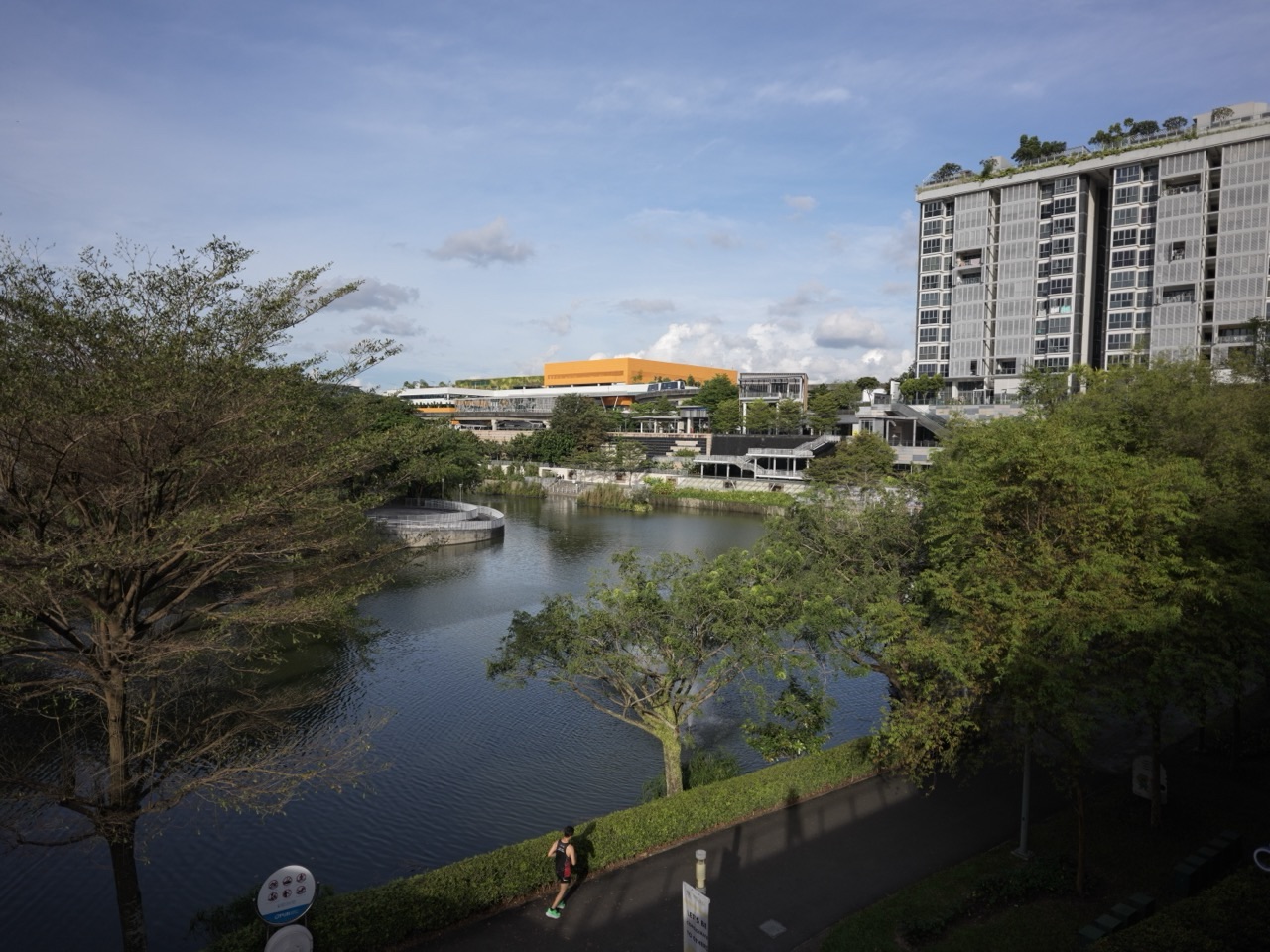
How can a Punggol teenager balance exercise, CCA, studying, sleep and screen time? First count the movement already happening during PE, CCA, travel and sport. Then protect enough food, recovery and sleep before adding more training. A teen who finishes a demanding CCA and returns home late may need dinner and rest rather than another evening run. An inactive student may benefit from a short enjoyable activity near home rather than a dramatic fitness challenge.
This Healthy Teenage Life in Punggol 2026 guide covers physical activity, sport, CCA, after-school travel, study breaks, screen habits, sleep, exam periods and local exercise choices. It is written for secondary-school students, parents and caregivers around Punggol MRT, Waterway Park, Northshore, Matilda, Oasis and Punggol Coast. Start with the Life in Punggol lifestyle hub for town context; this page addresses how a young person’s time, health and enjoyment fit into a real school week.
Quick information: Punggol teenagers and the healthy week
| Question | Short answer | What changes the decision |
|---|---|---|
| How much physical activity is recommended? | Singapore guidelines for ages 7–17 aim for an average 60 minutes a day of moderate-to-vigorous aerobic activity across the week. | PE, CCA, walking, cycling and sport can contribute; suitability varies. |
| Does CCA count? | Physical activity during a sport or active CCA can contribute. | Not every CCA has the same activity demands. |
| How much sleep for ages 14–17? | MindSG recommends about 8–10 hours each day. | Actual sleep needs and concerns should be discussed with a clinician if persistent. |
| Should a student run after a long CCA? | Not automatically; recovery, dinner and sleep may be more helpful. | Consider fatigue, health, existing training and the next day’s schedule. |
| Where can teens be active? | Suitable Waterway routes, neighbourhood sport spaces, school facilities and booked classes. | Current access rules and weather apply. |
| Should parents ban all screens? | Aim for healthy boundaries and protect necessary study, sleep and real-life connection. | Agree on a workable plan rather than treating every screen use identically. |
| What about heat, haze and thunderstorms? | Follow official activity and school guidance; change plans when unsafe. | Do not override organisers with a visual guess about the sky. |
The Singapore Physical Activity Guidelines recommend an average of 60 minutes of moderate-to-vigorous aerobic activity daily across the week for school children and youths aged 7–17, including a variety of vigorous, muscle- and bone-strengthening activities on at least three days weekly. The target describes a population recommendation, not a command for every teen to complete an extra sixty-minute workout after PE and sport CCA. See HealthHub’s MOVE IT physical activity recommendations.
1. The first mistake: counting school activity as if it never happened
A parent may look at a teenage child’s timetable and notice that no evening jog appears. Yet the student may have spent two hours at a physically demanding CCA, walked from the station to school, had PE and moved throughout breaks. Another student might spend most afternoons in sedentary tuition and homework. Their needs are different. Begin with the full activity picture instead of assuming everyone must add the same post-dinner session.
Create a simple seven-day view with school days, active CCA periods, actual travel and leisure choices. Mark activities by whether they are light movement, sustained moderate effort, vigorous sport or appropriate strength and bone-loading activities. Do not make claims about exercise intensity from a timetable label alone. A two-hour CCA may include instructions, team briefings and rest; it is not automatically two hours of vigorous exercise.
The aim is to notice patterns without turning the child into a self-monitoring project. If there are already several active days, the missing element may be recovery or sleep. If there is almost no enjoyable movement, introduce low-pressure options that fit real interests. This can be walking to a familiar local shop, recreational cycling where permitted or a suitable community sport programme.
2. A realistic teenage school week begins with the next morning
Punggol teens do not all attend schools within the town. Some may use the LRT, North East Line, buses or longer transfers. A school that starts early places a constraint on bedtime, particularly after CCA or lessons. Instead of assigning the evening every available task and putting sleep at the end, work backwards from the time the student must wake. For ages 14–17, MindSG’s teen sleep guidance recommends approximately 8–10 hours per night.
A simplified example: if a student must wake at 6 am, an eight-hour sleep opportunity would require being asleep around 10 pm. That does not mean 10 pm will suit every student or that falling asleep takes zero time. It shows why a schedule ending with homework at 11.30 pm and a 6 am alarm creates a foreseeable sleep shortfall. Sometimes the realistic change is a lighter late-evening workload, adjusted tuition timing or help with travel logistics, not squeezing in a more efficient workout.
Sleep supports mood, learning, memory and physical recovery. Parents should not present it as an exam trick that guarantees grades. It is a basic health need. For exam-week decisions, see the eduKateSG Punggol Exam Week, Sleep and After-School Recovery guide. The lifestyle question and the learning question are connected, but neither can replace clinical advice for chronic sleep problems.
3. CCA is an opportunity, not a punishment or a badge of worth
Co-curricular activities can provide sport, music, leadership, service, clubs and other experiences. They are not interchangeable in the amount of exercise they involve. A student in a performing arts CCA may move substantially during some rehearsals and sit during others. A sports CCA may demand considerable physical effort and recovery. Ask about the actual training rather than turning a CCA title into a fitness calculation.
Singapore’s school activity and LEAPS 2.0 structures also involve participation and development beyond sport. The eduKateSG guide Punggol Schools, LEAPS 2.0, CCA Records and Bonus Points addresses the educational system. This article focuses on the healthy-week consequences: travel time, nutrition, fatigue, sleep and access to enjoyable movement. Do not choose or evaluate a CCA solely because it seems to produce the largest exercise total.
A teenager who loves basketball may enjoy additional informal play on a free weekend. Another teen may prefer to recover with friends after several demanding sessions. A third may be happy doing theatre but need separate opportunities for physical activity. A constructive conversation asks what the student enjoys and where the week feels too full, not simply how to maximise every CCA, grade and fitness objective.
4. Punggol Waterway Park is a useful after-school space when conditions fit
Punggol Waterway Park offers convenient paths and places to sit, but the right route for a teenager depends on where they live, school dismissal time, daylight, weather and fatigue. NParks lists the park as open 24 hours, but that does not mean unsupervised late-night exercise is appropriate for every young person. Families should agree on safe routes, timing, contacts and what to do if plans change.
A short walk along the Waterway can be social, quiet or purposeful depending on the young person’s needs. A student who has spent the day studying may welcome a twenty-minute walk before homework. A student returning from intense sport may prefer a gentle recovery stroll or go straight home. The official NParks Punggol Waterway Park page offers visitor context, and Cycling in Punggol covers route and shared-path questions.
When planning cycling or outdoor sport, teach appropriate helmet and path rules, equipment checks and how to respond to pedestrians. A teenager’s growing independence is not a reason to ignore road and active mobility rules. The ability to judge where it is safe to ride, when to turn back and when the weather is unsuitable is part of becoming an independent local resident.
5. Fuel for a school day: food before and after activity
Teens need adequate, varied food for growth, learning and physical activity. A healthy meal should not be framed as a method to earn a particular body shape. After a long school day, the family may need a practical snack or meal plan, especially if training ends late. Our Healthy Hawker and Grocery Choices in Punggol guide uses HealthHub’s My Healthy Plate approach for ordinary local meals.
A student who finishes CCA at a different time from siblings should not be expected to wait through an exhausting commute for the only available family meal. Decide in advance whether they will eat at school, on the way home or shortly after returning, while respecting food safety and dietary needs. Encourage water and a suitable meal without prescribing rigid portions or calorie limits. Adolescents with medical conditions, allergies or eating concerns may need professional dietary advice.
At Waterway Point, One Punggol or a neighbourhood coffee shop, the useful choice is one that balances convenience, affordability and nourishment. A famous outlet is not automatically the best destination if it requires another journey when everyone is tired. A simple meal and enough time to wind down can support the next school morning more effectively than a complicated late-night plan.
6. Screens, gaming and the difference between recreation and homework
Digital activities are part of the modern school week. Students may need devices for lessons, submissions, research and contacting friends. Parents also worry that recreational gaming or social media pushes out sleep and exercise. Treat these as different questions. A workable screen plan distinguishes required school tasks, communication and leisure use, then protects bedtime and offline opportunities without dismissing the teenager’s social world.
HealthHub’s Grow Well SG healthy screen guidance encourages small changes, family conversations and screen-free activities. The MindSG teen sleep resource recommends reducing electronic stimulation before bedtime. A sensible family rule might protect meals and the final part of the evening while leaving necessary schoolwork accessible.
A student who feels judged may hide device use instead of discussing it. Begin with curiosity: What do you enjoy online? Which activities help you keep in touch with friends? Which make it difficult to stop? What happens to sleep or homework when a game runs late? Agree on a small, testable arrangement and review it with the teenager rather than imposing a giant list of forbidden activities overnight.
7. The sport–study–sleep triangle during examination season
An examination week can disrupt physical activity, but it should not automatically eliminate all movement. Brief enjoyable breaks can help interrupt extended sitting and provide a change of scene. Yet an exhausted student may need rest more than an extra run. A family cannot solve every exam problem by adding tuition, revision sessions and workouts until midnight.
Our Punggol Evening Return Home after Tuition and CCA guide considers meals, homework and travel from the family perspective. Here the teen’s own priorities matter. Ask them to identify their biggest pressure point—an overloaded schedule, challenging transport, difficult schoolwork or loss of sleep—and choose a repair that addresses the cause.
A reasonable plan may keep one short walk on an exam afternoon, drop optional intensive training and preserve regular sleep. Another student with demanding sport commitments may need help coordinating coaches and teachers. The appropriate decision depends on school rules, health and actual demands. Encourage help-seeking when the timetable becomes unmanageable rather than framing fatigue as a lack of discipline.
8. A sample seven-day activity and recovery calendar
| Day | Typical teen reality | Useful decision | What to protect |
|---|---|---|---|
| Monday | School and homework | Short movement break if the day was sedentary. | Dinner and realistic bedtime. |
| Tuesday | Active sport CCA | Count actual activity and follow suitable recovery. | Do not force an extra late workout. |
| Wednesday | Long tuition or group project | Use normal walking or a short enjoyable activity. | Enough time to finish work and sleep. |
| Thursday | PE plus CCA | Review fatigue and suitable food. | Avoid assuming more training is always better. |
| Friday | Friends and screen-based recreation | Plan an offline option the teen actually enjoys. | Safe transport, family agreements and sleep. |
| Saturday | Sport, cycling, swimming or local recreation | Choose suitable supervised activity and weather conditions. | Recovery and time for other interests. |
| Sunday | Family errands and preparation | Mix gentle movement with planning the coming week. | Rest, meals and upcoming school starts. |
This is an illustrative planning menu, not a schedule for every adolescent to follow. Different weeks include competitions, illness, exams, school holidays and family duties. The purpose of the calendar is to prevent a common mistake: adding the same exercise prescription on top of every existing obligation. Let the teen discuss the schedule and keep enough unstructured leisure time.
9. Three common Punggol teenage situations
A Secondary 2 student who finds exercise boring
The student dislikes running but enjoys meeting friends. Instead of requiring laps around the Waterway, the family explores an age-appropriate group activity, a recreational sport or walking to a nearby destination with friends. The student’s preferences can be a powerful source of consistency. If they enjoy an activity, it is more likely to become part of adult life later.
A Secondary 3 athlete with too many evening commitments
The teen has intense CCA sessions and then goes to tuition, eats late and sleeps too little. The family does not add another training plan. They look for ways to reduce transport friction and coordinate dinner and study expectations while protecting recovery. A coach or healthcare professional can help with questions about symptoms, excessive training load or injury.
A student who studies on a laptop all weekend
The teen has long periods of sitting and tends to continue gaming immediately after homework. They agree on one enjoyable short physical break and a screen-light wind-down before bed. They also review whether homework tasks need better sequencing. The goal is not to demonise computers; it is to avoid a weekend in which sleep, meals, friends and movement disappear.
10. Weather and medical safety
Punggol outdoor activity depends on conditions. The MSS heat-stress advisory is designed to guide prolonged outdoor exercise, while lightning information and haze guidance address different hazards. Follow school and sport organiser instructions. A teen should not restart a cancelled CCA workout independently because the sky looks clearer.
Persistent fatigue, pain, dizziness, fainting, breathlessness out of proportion to exertion or other concerning symptoms deserve medical attention. Do not frame injuries or exhaustion as weakness. Parents should also take persistent mood or sleep concerns seriously and seek appropriate support. A general lifestyle article can clarify questions but cannot diagnose a young person or prescribe a training intensity.
11. A four-question weekly review that students can own
Ask the teenager: What movement did I genuinely enjoy? Did I have enough opportunities for rest and sleep? Which school or travel obligation made the week difficult? What one small change would help next week? An adult can listen and offer practical support without turning these questions into another graded assessment.
If the answers identify a problem the family cannot solve alone, talk to the school, relevant coach or healthcare professional. Some constraints involve timetables, injuries or personal difficulties beyond simple habit-building. A healthy Punggol adolescence should expand confidence, friendships and future choices, not reduce every activity to a measurable outcome.
A worked teen timetable: why the numbers need interpretation
Take a fictional Secondary 3 student who has three forty-minute movement periods in a school week, two organised sport sessions, a longer Saturday recreation session and several short walks to transport. If the organised sport sessions contain a mixture of waiting, drills and activity, counting every scheduled minute as vigorous exercise would be misleading. The family should look at what really happened, rather than treating the calendar’s total event duration as the child’s physical activity measurement.
Suppose the student has forty minutes of appropriate moderate activity on three days, fifty minutes on two other days and sixty minutes on a weekend day. As a simple mathematical example, that is 280 minutes across six days, or an average of forty minutes each day across a seven-day week. This is below the population-level average of sixty minutes described in the Singapore Physical Activity Guidelines, but it does not tell us whether more training today is safe or how much activity the child actually performed. The categories, effort, health and remaining day all matter.
The family may identify several opportunities for enjoyable movement, such as a short after-school walk or active time with friends. They should not respond by forcing a hard workout after a day already dominated by strenuous CCA. The average target is a reference for a varied weekly life, not a reason to punish the least active calendar day.
Now add sleep to the calculation. If a fifteen-year-old must wake at six in the morning and wants an eight-hour sleep opportunity, they need to plan on being asleep around ten the previous night. Showering, dinner and winding down all require time beforehand. An extra one-hour training session at 9.30 pm may push bedtime too late. The better adjustment could be a shorter activity on a different day and clearer coordination of homework and travel.
What the teenager can decide for themselves
A healthy routine is more likely to continue when the teen has genuine choices. Ask which activity they find enjoyable, which school obligation makes the week hard, and what they would change if they could. Some may prefer swimming or badminton; others may enjoy walking with a friend. Families should offer age-appropriate freedom while agreeing on transport safety, contact arrangements and sensible boundaries.
Parents can help by avoiding comments that reduce sport to body size, appearance or exam results. Not everyone wants to join a team or compete. A student who finds social sports intimidating might prefer individual movement or a smaller group. The objective is building lifelong physical confidence and a workable balance with study, rest and friendships.
When the student reports constant fatigue, recurring injuries, persistent mood changes or significant sleep difficulty, take those concerns seriously. An extra motivational lecture does not solve a clinical issue or an impossible timetable. Speak to appropriate healthcare, school or coaching professionals. The goal of an active Punggol adolescence is to expand choices, not to pack the schedule until nothing enjoyable remains.
12. Frequently asked questions
Does a sports CCA count towards physical activity?
Movement during CCA can contribute; estimate actual activity, not the entire scheduled period as vigorous exercise.
Must every teenager run for sixty minutes after school?
No. The guideline is an average amount of moderate-to-vigorous activity across the week, and school activities may already contribute.
How much sleep should a fifteen-year-old aim for?
MindSG recommends about eight to ten hours daily for ages fourteen to seventeen.
Should I stop my child’s weekend gaming?
Discuss a workable balance with sleep, study, friends and offline activity. A blanket ban is not a substitute for understanding what is happening.
Can a teen cycle around Punggol independently?
Appropriate independence depends on age, skills, route, equipment, traffic and family agreements. Follow LTA rules and safe routes.
Is heavy CCA training always better for fitness?
No. Suitable load, technique, rest and health matter. Unexplained pain or excessive fatigue needs attention.
What about exam weeks?
Keep suitable movement without sacrificing vital sleep or needed revision, and adjust demands realistically.
Can students walk in Punggol at night?
Families should consider lighting, route safety, transport, timing and the student’s maturity; there is no universal rule for every child.
What if the teen refuses organised sport?
Explore enjoyable informal activity without shame. Variety and personal motivation often matter more than one particular programme.
When do we seek help?
Seek professional advice for persistent sleep problems, significant distress, suspected injury or other health concerns.
Two more beginner hobbies for teenagers interested in movement
School-day activity can include a supervised martial-arts introduction or age-appropriate skating, but families should check programme age limits, protective equipment, safety and total weekly workload.
- Martial Arts in Punggol. Aikido, Taekwondonomics and Arnis at SAFRA Punggol, with age, contact, coaching and cost checks.
- Skateboarding Near Punggol. Beginner safety and non-motorised PMD rules, with genuine Singapore skateparks rather than an invented Punggol skatepark.
Related Punggol lifestyle, education and health reading
- New Parents and Babies
- Caregiver Wellbeing
- Weekend Sport and Recovery
- Life in Punggol 2026 Master Guide
- Family Life in Punggol
- After-Work Wellbeing in Punggol
- Heat Stress and Outdoor Exercise in Punggol
- Rainy-Day Indoor Exercise in Punggol
- Things to Do in Punggol for Teenagers
- Punggol Education System — Co-Curricular Activities
- eduKateSG — Punggol LEAPS 2.0 and CCA
- eduKateSG — Exam Week, Sleep and Recovery
- eduKateSG — Waterway Park and Student Life
Official references and reviewed date
- HealthHub — MOVE IT Singapore Physical Activity Guidelines
- MindSG — Teen Sleep
- Grow Well SG — Healthy Screen Habits
- Grow Well SG — Being Active
- NParks — Punggol Waterway Park
- MSS — Heat Stress
- Singapore Haze Information
Reviewed 17 October 2026. This is age-aware local educational guidance, not individual medical treatment or a personal training programme. School schedules, CCA rules, facilities and advisories can change. The illustrative student situations do not describe identifiable individuals.


