
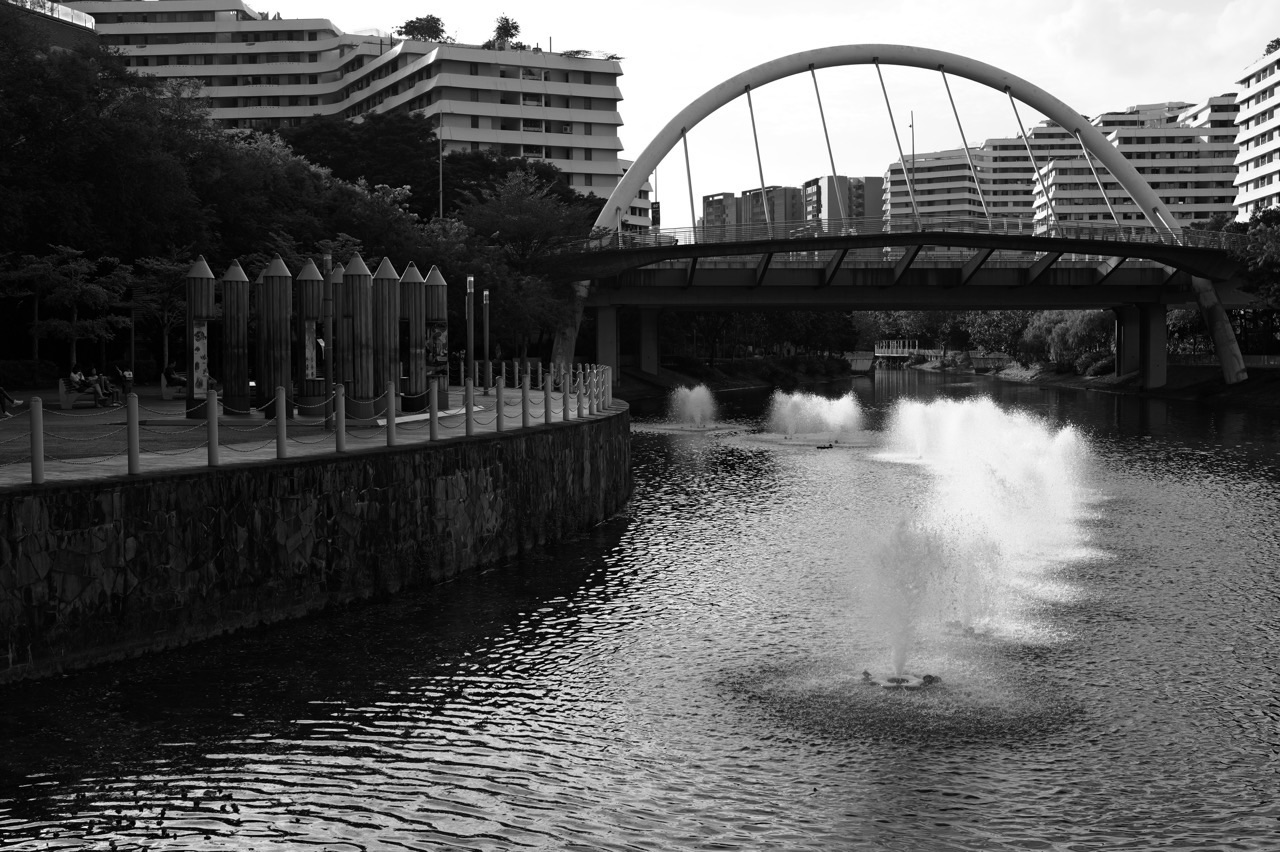
Can living alone in Punggol be healthy, affordable and enjoyable? Yes. Build simple food and exercise habits around the neighbourhood you already use, keep a dependable contact network, protect sleep and make your home easy to manage. Living alone is not the same thing as being lonely, and enjoying solitude does not mean that a person is socially isolated. The useful goal is to make independent life convenient, connected on your own terms and resilient when an ordinary day goes wrong.
This Living Alone in Punggol 2026 guide is for residents managing their own meals, groceries, finances, exercise, home maintenance, health appointments and social time. It covers Waterway Park, One Punggol, Punggol MRT and LRT connections, neighbourhood shops, safe outings and the difference between chosen solitude and unwanted isolation. For visiting alone as a leisure activity, use Things to Do in Punggol Alone. This page goes further: how to organise an entire household when you are the one making most daily decisions.
Quick answers for living alone in Punggol
| Everyday question | A practical answer | Boundary or fallback |
|---|---|---|
| How do I eat well without cooking for four? | Plan two or three simple meals, a sensible grocery basket and convenient local hawker options. | Keep perishables safe and avoid buying produce that regularly spoils. |
| Where can I exercise affordably? | Use short local walks, suitable fitness corners and appropriate home movement. | Check weather, individual fitness and facility condition. |
| How do I meet people if I want company? | Try one recurring interest or community setting, such as a class, library programme or hobby. | Participation should be voluntary, not a requirement to be sociable. |
| Is living alone the same as loneliness? | No. Chosen solitude and unwanted social isolation are different experiences. | Seek help when persistent distress or reduced functioning emerges. |
| What about unexpected illness? | Keep relevant contacts, care arrangements and essential information accessible. | Use emergency services for serious symptoms rather than relying on a neighbour. |
| How do I reduce household costs? | Use stores along regular journeys, track food waste and evaluate subscriptions by actual use. | Cheap-looking options can create transport and time costs. |
| How can I feel comfortable outdoors alone? | Choose familiar routes, appropriate times and safe transport home. | Avoid isolated or unsuitable paths merely to complete a scenic itinerary. |
1. Independent living is about choices, not stereotypes
Some people live alone because they enjoy independence, privacy and a quiet home. Others may have moved for work, experienced a family transition or live apart from partners and relatives. Their social needs can be very different. It is inaccurate to assume that a solo household is necessarily unhappy or that someone sharing a flat always feels connected.
HealthHub’s MindSG social isolation guide explicitly notes that loneliness and social isolation are not determined solely by whether someone lives alone. Meaningful relationships, satisfaction with connection and personal circumstances matter. That distinction is especially important when discussing older adults, but the principle also applies to working people, students and others.
For a Punggol resident, a healthy solo routine should support what you value: perhaps uninterrupted reading, a regular run, time for photography, meeting a friend or simply an organised home that is easy to return to. There is no need to fill every hour with an event. The point is to know where to turn when you want connection or practical support.
2. Punggol is several daily neighbourhoods, not one shopping mall
A resident near Punggol MRT may routinely use Waterway Point and One Punggol for services or meals. Someone in Oasis may rely on Oasis Terraces, while Northshore residents have their own local shopping choices. The Punggol Coast area is developing around transport, education and workplaces. Convenience therefore begins with where you actually live rather than a town-wide ranking of the best food or exercise venue.
Choose three everyday anchors: the nearest suitable grocery or food option, your most reliable transport route and one place you enjoy visiting. That might be a short section of Punggol Waterway Park, a nearby library, a familiar café or a community space. You are more likely to repeat a habit that begins near home than an elaborate outing requiring several transfers.
Our Punggol neighbourhoods guide provides geographic context. The Walking for Everyday Errands article explains how to combine necessary journeys with comfortable movement. Solo living does not change the basic rule: the most useful route is the one that fits your work, energy and actual address.
3. The one-person kitchen without a mountain of leftovers
Cooking for one can be awkward because supermarkets often sell ingredients in quantities that serve several meals. A large bag of vegetables, fresh herbs or an entire loaf may look economical at the shelf but become expensive when much is wasted. The first improvement is to plan a few real meals before shopping, not purchase every healthy-looking ingredient you pass.
A one-person grocery basket can include foods that combine into several meals: appropriate protein, vegetables that can be used in more than one dish, grains and fruit you enjoy, and a suitable fallback for nights when you return late. Frozen produce may be useful when fresh food regularly spoils, subject to safe storage and cooking. You do not have to cook every day; a convenient hawker meal may be sensible when it meets your needs and budget.
The Healthy Hawker and Grocery Choices in Punggol article explores My Healthy Plate in local food settings. For someone living alone, its most important extra lesson is portion planning. Decide how much you will eat, what can be stored safely and when the remaining ingredients will be used. Do not treat a low-cost bulk purchase as a saving when half will be thrown away.
A simple two-day plan might involve one cooked meal with suitable stored ingredients and one hawker meal on a busy day. The exact foods can change with taste, medical requirements and appetite. If you work shifts or have irregular hours, plan around when food is available rather than assuming every favourite stall operates late at night.
4. Exercise with one reliable local routine
Walking is a useful starting point because Punggol has neighbourhood paths and access to park connectors, but nobody should feel obliged to complete an entire Waterway loop. Choose a familiar route with an easy return. A short comfortable out-and-back walk can be pleasant on a workday. Other people may prefer home movement, swimming, cycling or a gym session. The right choice depends on your interests, fitness and health.
Our Low-Cost Fitness in Punggol guide distinguishes free public-park access from paid memberships and hidden expenses. A solo resident may save money by walking near home or use a reasonable class fee to receive coaching and social contact. Both can be valuable. Do not assume the cheapest option is automatically the best for every need.
Safety requires ordinary judgement. Check heat, haze and lightning guidance when relevant. Keep to appropriate shared paths and avoid unnecessary isolated detours at times when you feel uncomfortable. If you exercise while ill, have pain or are unusually fatigued, stop and seek appropriate advice. A solo outing is more enjoyable when it does not rely on proving that you can finish an ambitious route.
5. Making friends without turning social life into a job
Moving to a new estate can feel lonely even when the town is lively. You may be surrounded by neighbours yet know very few people personally. Building social connection is often easiest through repeatable interests rather than one large event. A class, volunteer role, library activity or regular group can give people a reason to see one another again without forcing immediate intimacy.
Punggol’s One Punggol hub, community clubs and residents’ activities create possible meeting points, subject to current programme schedules and eligibility. Our Punggol Community Lifestyle guide explores hobbies, clubs, volunteering and events. For quieter outings, the Calm Things to Do in Punggol page gives alternative ideas.
You do not need to become an extrovert. Some residents enjoy one good conversation a week and plenty of time alone. Others want regular group activity. Choose connection that suits you, and recognise that social support can also come from friends and family living elsewhere. Regular calls, shared hobbies and dependable relationships are meaningful even if not all happen within Punggol.
6. Chosen solitude versus unwanted isolation
Solitude can support rest, creativity and autonomy. Isolation becomes a concern when someone lacks the connection they want or needs, experiences persistent distress, or has no dependable support in difficult circumstances. HealthHub recommends reaching out, maintaining contact with friends and family, participating in suitable community activities and seeking professional help for ongoing distress. No single activity is guaranteed to solve loneliness.
If you notice that you have stopped doing things you once enjoyed, have persistent low mood or find daily functioning increasingly difficult, consider talking to someone you trust or a mental-health professional. A waterfront walk can be a pleasant complement to care, but it is not treatment for significant depression, anxiety or another mental-health condition. The HealthHub Mental Wellness resources provide an official starting point.
A helpful personal check is simple: Do I have at least one person I feel comfortable contacting about an important issue? Am I satisfied with how much connection I currently have? Are my routines allowing me to leave home and participate in things I value? These questions guide choices without classifying a quiet person as automatically at risk.
7. What to prepare for an illness or sudden change of plans
When you live alone, it helps to know who can be contacted if you become unwell, lose access to your home or cannot make a necessary appointment. Keep emergency contacts and essential information available in a form that is safe and private. You may also have a trusted neighbour, friend or relative who knows how to reach you. Ask for consent before naming anyone as a backup.
An emergency plan should distinguish routine help from urgent medical care. A friend who can collect groceries during a mild illness is not a replacement for emergency services during chest pain, severe breathing difficulty, sudden weakness or altered consciousness. Seek urgent assistance for severe symptoms. For non-emergency health needs, arrange appropriate professional care and check current clinic services rather than assuming a particular provider can see you immediately.
The local Punggol Polyclinic guide provides location context, while the Preventive Health in Punggol page explains longer-term care and screening questions. The solo-living application is to keep care tasks manageable and know which professional service to contact when needed.
8. One-person home maintenance: organise for the person who comes home tired
A home that is easy to use reduces decision load. Set up a predictable place for keys, travel items and groceries. Keep walking routes clear, particularly at the entrance and beside the bed. Check for dampness, water accumulation around plants, spoiled food and appliances that need maintenance. This is not a call for spotless perfection. It is a method for preventing small neglected tasks from becoming larger problems.
The Healthy HDB Home in Punggol article covers ventilation, dengue prevention, moisture and safety in more detail. For someone living alone, choose a light weekly inspection schedule and arrange outside help for repairs that are unsafe or beyond your skills. Do not attempt electrical or structural work simply to avoid paying an appropriate professional.
A solo household may have less day-to-day mess, but also fewer people noticing problems. A short regular check of perishable food, stagnant water, plumbing leaks and building notices is useful. If you spend several days away, plan what needs to be secured or maintained without revealing your absence publicly.
9. Staying safe without making every trip frightening
Punggol is an ordinary residential town where people use MRT, LRT, buses, shops and neighbourhood paths. Basic personal safety still matters: plan unfamiliar late journeys, check transport service times, keep valuables secure and follow traffic and shared-path rules. Avoid risky shortcuts along isolated or closed paths. You do not need to fear going out alone, but being prepared makes leisure more comfortable.
For a quiet solo outing, choose a park section you know, tell a trusted person your plan when appropriate and have a practical return route. If conditions become uncomfortable, return rather than extending the trip for a photograph or fitness target. The Solo Walk and Library Visit guide offers destination-focused ideas; this article deals with repeatable decisions and personal support.
If you arrive home late, verify SBS Transit’s first and last train information and actual transfers. Not every LRT loop runs at the same time. Someone with rotating work hours can also use the Life in Punggol for Shift Workers guide for irregular sleep and meal planning.
10. A seven-day routine for an independent Punggol resident
| Day | One practical task | Optional enjoyable activity | Fallback |
|---|---|---|---|
| Monday | Review the week’s meals and working hours. | A short familiar walk. | Rest if tired. |
| Tuesday | Shop for manageable portions. | Try a local food or community stop. | Choose the nearer store. |
| Wednesday | Check any health or home tasks needing attention. | A hobby or call with a friend. | A quiet evening at home. |
| Thursday | Move suitably during the day. | A Waterway or neighbourhood route. | Indoor movement when weather is poor. |
| Friday | Close work and avoid unnecessary late errands. | A simple social meal or personal hobby. | Relax at home without guilt. |
| Saturday | Clean and check the home at a manageable level. | Library, sport, creative hobby or nature. | Choose one short outing. |
| Sunday | Prepare essentials and protect sleep. | Meet someone or enjoy comfortable solitude. | Keep the day unstructured. |
The table is an example, not a rule that everyone living alone must be social on Friday or outdoors on Saturday. Different people have varied work schedules, energy and interests. The key is to create one dependable food plan, one comfortable movement option, a useful way to connect when desired and a manageable approach to care and household maintenance.
11. Three Punggol residents, three different solutions
A young professional who values quiet weekends
This resident works in central Singapore and spends weekdays commuting. They enjoy a quiet home and do not want to join multiple groups. They keep a simple grocery plan, choose one Waterway walk and maintain regular contact with close friends outside Punggol. Their social life is healthy because it matches their preference, not because a calendar shows frequent events.
A newly relocated resident who wants neighbours to know
After moving into Punggol, the person realises they have no familiar local contacts. They look at community activities at One Punggol and select one recurring interest, perhaps a class or volunteering opportunity. They do not pressure themselves to form instant friendships. Showing up regularly and talking naturally may create connection over time, while existing relationships remain valuable.
A resident recovering from a difficult period
Someone who previously enjoyed activities has begun avoiding outings and feels persistently low. They might begin with one manageable local walk or a call to a trusted person, but they also seek appropriate professional advice because the change is affecting daily life. The article’s lifestyle ideas complement support rather than pretending a park visit provides treatment.
12. The four-week independent-living systems check
| Week | Question to ask | One manageable adjustment | Useful evidence |
|---|---|---|---|
| 1 | Does the household have reliable food and basic supplies? | Choose two repeatable meals and an appropriate shopping route. | Less food waste or last-minute stress. |
| 2 | Is daily activity convenient and safe? | Test a short local walk or suitable home movement. | Comfort and willingness to continue. |
| 3 | Do I have enough connection for my preferences? | Reach out or try an interest-based activity if wanted. | Meaningful contact, not attendance numbers. |
| 4 | Is my home and support plan dependable? | Review maintenance, contacts and essential appointments. | Confidence in handling ordinary disruptions. |
Choose only changes you need. If food, home safety and social life are already working well, there is no reason to make them complicated. A healthy life is not a spreadsheet of improvements; it is the freedom to use your time with reasonable wellbeing and confidence.
13. Frequently asked questions about living alone in Punggol
Is living alone in Punggol lonely?
Not necessarily. Solitude can be positive; unwanted isolation depends on personal needs and the quality of connections.
Where can I go in Punggol alone?
Short Waterway walks, library visits, local meals and quiet community spaces may suit different interests; check our dedicated solo outing guide.
Is it expensive to cook for one?
It depends on portions and waste. Buy manageable quantities and compare appropriate hawker and home options.
Do I have to join a gym to stay active?
No. Safe local walking and suitable home activity are options, while paid classes or facilities may add value for specific goals.
How can I meet people naturally?
Choose one recurring hobby, volunteering activity or community programme that fits your interests.
What if I enjoy being alone?
You do not need to replace chosen solitude with a busy social calendar.
What if I feel persistently isolated or distressed?
Reach out to someone you trust and consider professional support; lifestyle activities alone may not address significant symptoms.
How do I plan medical needs without family at home?
Maintain relevant emergency contacts, know appropriate healthcare routes and seek professional advice for preventive and individual care.
Should I walk alone at night along Punggol Waterway?
Choose a route and time you are comfortable with, check access and lighting, and use a dependable return rather than taking unfamiliar detours.
How can I lower fitness costs?
Use nearby public movement opportunities first, then compare paid options by actual use and suitability.
What if my work shifts constantly change?
Use a flexible food and activity plan and check transport and sleep arrangements for the actual roster.
Explore the wider eduKate Punggol lifestyle library
- Life in Punggol 2026 — Master Lifestyle Hub
- Healthy Living in Punggol
- Healthy Hawker and Grocery Choices
- Low-Cost Fitness in Punggol
- Healthy HDB Home in Punggol
- Shift Workers in Punggol
- Nature and Mental Wellbeing in Punggol
- Things to Do in Punggol Alone — Solo Outings
- Punggol Community Lifestyle — Hobbies and Connection
- eduKateSG — Punggol Transport and Urban Mobility
Official sources and editorial note
- MindSG — Social Isolation and Connection
- HealthHub — Mental Wellness
- HealthHub — Positive Mental Wellbeing
- HealthHub — Sleep Guidance
- NParks — Punggol Waterway Park
- SBS Transit — First and Last Trains
- Singapore Food Agency — Food Safety
Reviewed 17 October 2026. This is general lifestyle information, not a mental-health assessment, personal medical advice or a current restaurant, venue or transport availability guarantee. For persistent distress, serious symptoms, disability-related access needs or medical decisions, use appropriate professional and official guidance. All household examples are illustrative.


