
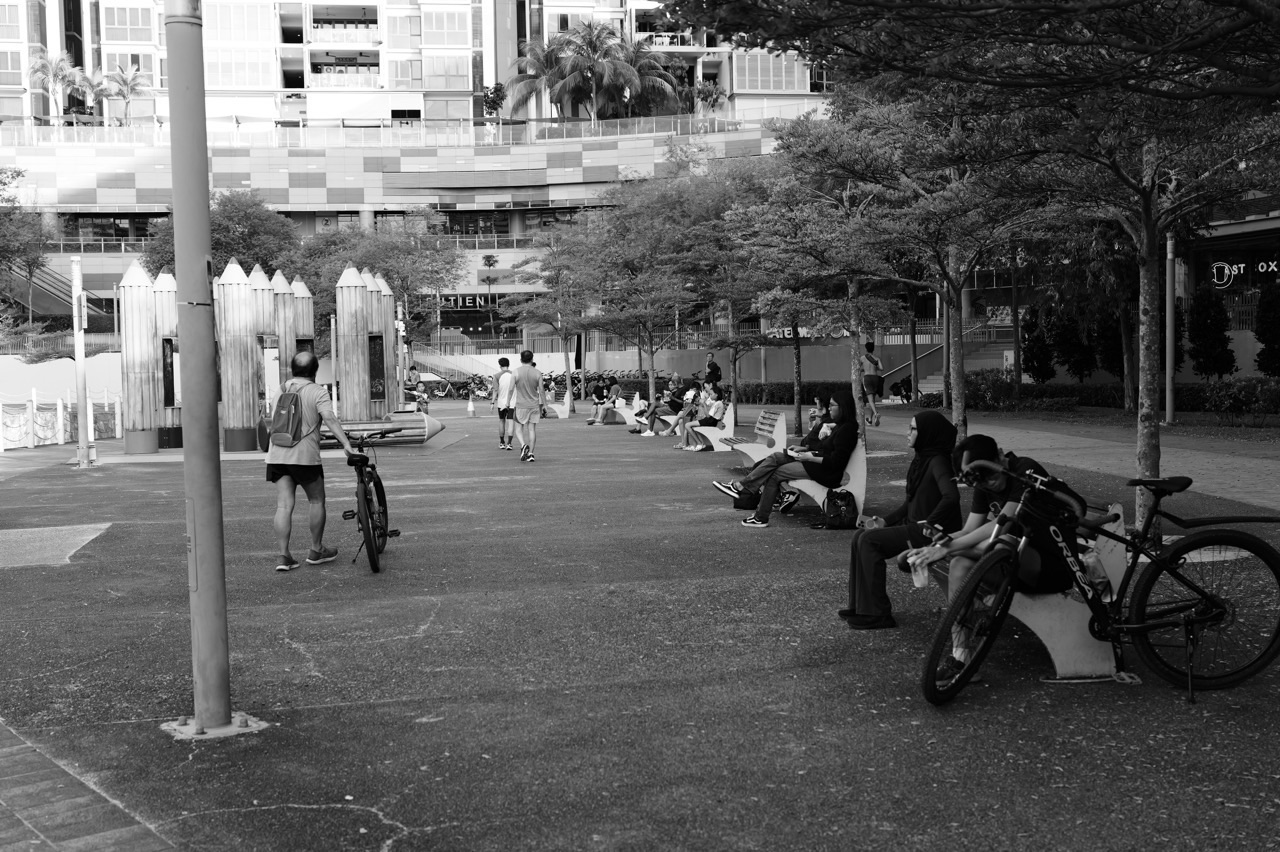
How can someone in Punggol start stretching and mobility exercises without a gym or an elaborate routine? Choose a few comfortable, controlled movements that help you move through an appropriate range at the shoulders, hips and ankles. Do them in a safe space, breathe normally and never force a joint into pain. You can add gentle mobility to a study break, after a desk-work session or around a Waterway walk. The useful goal is feeling able to move through everyday tasks—not becoming flexible enough to perform an impressive pose on social media.
This Stretching and Mobility in Punggol for Beginners 2026 guide explains the difference between flexibility and mobility, when to use gentle dynamic movement versus held stretches, how to choose safe variations, HDB-friendly activity, outdoor park etiquette, family and older-adult needs, and a realistic four-week planning experiment. It complements the existing Warm-Up and Cool-Down in Punggol article, whose question is specifically what to do around a sports session. Here the question is how ordinary people can develop a manageable everyday mobility habit.
Quick information: daily mobility for Punggol residents
| Reader question | Direct answer | Boundary |
|---|---|---|
| Is stretching the same as mobility? | They overlap, but flexibility concerns available range of motion, while mobility involves controlled movement through it. | More range is not always better for every person. |
| Do I need a yoga class? | No. Suitable simple stretches can be practised at home or with an instructor. | A class may be useful for technique or personal guidance. |
| Are dynamic and static stretches identical? | No. Dynamic movements use controlled motion; static stretches hold a position. | Choose according to activity, comfort and professional advice. |
| What about desk breaks? | Gentle shoulder, trunk or lower-body movement can interrupt long sitting. | Do not assume one stretch fixes workstation pain. |
| Can I stretch after a Waterway walk? | Suitable gentle movement may fit a cool-down or normal routine. | The route and health condition still matter. |
| How far should I stretch? | Only to an appropriate mild stretch or comfortable range, without sharp pain. | Never bounce or force a deeper position. |
| Do older adults need different exercises? | Often they need appropriate adaptations and stable support. | Falls history and health conditions may require assessment. |
| Is stretching a replacement for strength work? | No. Flexibility, strength and aerobic activity play different roles. | Singapore guidelines recommend a mixture. |
| Will it prevent every injury? | No. No flexibility routine guarantees injury prevention. | Technique, loading, fatigue and individual risk also matter. |
| What if outdoor conditions are poor? | Use a suitable indoor space or rest. | Follow heat, haze and lightning advice. |
1. Understand flexibility, mobility and strength before combining them
Flexibility usually describes the range a joint or related tissues can move through. Mobility adds the question of whether someone can control their movement through a usable range. Strength involves the ability to produce force against resistance. These concepts overlap but are not interchangeable. A person may be able to reach a certain position passively and still find it difficult to control that position during a squat, walk or overhead activity.
HealthHub’s Work Out From Home: Stretches for Flexibility introduces practical stretching as part of ordinary function: reaching a shelf, bending to tie shoes or sitting with comfort. SportSG’s Mobility Exercises Are for All Ages describes how dynamic movement can help joint mobility. Neither article promises that everyone needs identical motion or that more extreme flexibility is always desirable.
For a Punggol resident, the goal might be simple. A desk worker wants to get up and move after long calls. A parent wants a short quiet activity while a child completes homework. An older resident wants to keep daily movement comfortable. A runner wants to prepare the joints for the specific activity they are about to perform. These different goals lead to different movement choices and levels of effort.
The first principle is to identify the real task rather than asking for “the best stretch”. There is no one magical exercise for all stiffness, soreness or injuries. An appropriate plan may include movement breaks, controlled exercises, strength work, adequate sleep or professional assessment. A named yoga posture is not automatically the solution to every discomfort.
2. Why sitting for work or homework changes the daily opportunity
Punggol homes often combine living, work and school functions in one relatively compact space. Adults may spend hours in online meetings while children use the dining table for study. People can remain in one position simply because tasks overlap and transitions feel inconvenient. A brief appropriate movement break can interrupt prolonged sitting without requiring a journey to a gym.
The Working From Home in Punggol guide addresses the bigger workday: desk setup, lunch walking, boundaries and attention. This article focuses specifically on how to think about mobility during those transitions. A reader should not expect a ten-second shoulder stretch to compensate automatically for poorly arranged furniture, insufficient rest or a medical cause of ongoing pain.
Try designing the break around an existing event rather than an alarm that will be ignored. Stand after a completed task, move gently before making tea or take a short comfortable walk to reset attention. If the movement is suitable and enjoyable, repeat it at workable times. If it creates pain, dizziness or fatigue, stop and review the activity. A habit works when it fits actual life, not a perfect schedule.
A schoolchild may benefit from getting out of a seated position between tasks, but an adult class video designed for trained people may not be appropriate. Children need age-suitable play, PE, walking and adequate sleep as well. A mobility break is not a punishment for struggling with homework, and flexibility should never be compared publicly among classmates.
3. Dynamic mobility versus held stretching
| Approach | What happens | Where it may fit |
|---|---|---|
| Gentle dynamic mobility | A joint moves through a controlled suitable range. | A movement break or preparation for activity. |
| Static active stretching | You hold a position using your own control. | A separate appropriate flexibility practice. |
| Static supported stretch | A position is held with a safe support or prop. | When individual ability and instruction permit it. |
| Fast bouncing or forced stretch | Movement is pushed beyond controlled comfort. | Avoid; HealthHub advises against jerking or bouncing. |
| Strength through a comfortable range | Muscles control movement against suitable resistance. | Complementary strength training, not identical to stretching. |
| Rest or clinical assessment | No stretching is attempted when unsafe or symptoms persist. | A valid decision when the activity is unsuitable. |
SportSG distinguishes dynamic, static active and static passive methods in its flexibility explanation. Different methods may suit different goals, but beginner safety comes first. HealthHub advises moving slowly and steadily without bouncing, and stopping when sharp pain appears. The exact choice of method should match health, activity and training context rather than a fixed rule applied without thought.
A dynamic movement before running might mimic the pattern used in that activity. A gentle held stretch at another time may emphasise the feeling of controlled range. A person with joint instability or recent injury may need a different approach or professional guidance. It is not necessary for a novice to use every method every day. In fact, doing fewer movements that make sense can reduce confusion.
Some people push their joints aggressively because they assume discomfort means a stretch is effective. That can be harmful. Distinguish a manageable stretching sensation from sharp or alarming pain; never have another person force you deeper into a position without appropriate qualified guidance. Range of motion develops at different rates and is affected by individual anatomy. The goal is useful comfortable movement, not a competition over who can reach the floor.
4. Shoulders and upper-body mobility: simple and relevant, but not magical
Desk workers may notice they have spent a long period with their hands near a keyboard and eyes on a screen. This does not prove a specific structural problem. A suitable change in position and gentle arm or shoulder movement may feel helpful as part of a general break. HealthHub provides examples of controlled overhead arm stretching and other accessible movements, but a person with known shoulder restrictions should select options appropriate to them.
If you cannot comfortably raise an arm, have persistent pain at night, experience weakness or notice unexplained symptoms, seek healthcare advice instead of repeatedly forcing an overhead stretch. A movement meant to be relaxing should not make the shoulder more painful. Someone who has had surgery or a recent injury may need clinician-provided rehabilitation rather than a general home routine.
The easiest household improvement may be practical: clear enough space to extend the arms without hitting a cupboard or fan, and avoid sudden force. Children and pets should not be standing within the movement path. A cramped flat does not require a major furniture rearrangement; choose a quieter smaller-range exercise or a properly supervised class if space is inadequate.
There is no need to declare that every person should do a particular number of shoulder circles. HealthHub and SportSG provide example durations and repetitions for healthy participants, while actual needs vary. For an individual with pain or restricted motion, counting without proper assessment can distract from the more important question of whether the movement is suitable.
5. Hips, legs and ankles: a mobility habit for people who walk Punggol
Walking, stair use and ordinary standing all require lower-body movement. A resident who walks from Punggol MRT to home, climbs some steps or explores a Waterway segment may enjoy gentle preparatory movement, especially when returning after inactivity. The safest first idea is to notice how the body feels and choose a comfortable level, not perform deep lunges solely because a video calls them beginner exercises.
SportSG’s mobility guidance includes examples for running and swimming, while HealthHub’s walking article explains why newcomers may need to begin on level ground and progress gradually. Use Step Up and Enjoy Brisk Walking for the role of suitable preparation and progression. The level of mobility work should match the route and the person’s ability.
Ankle balance and control can matter when stepping onto an uneven surface. But standing on one leg near a water edge or on a crowded path is not an appropriate way to test balance. Choose a safe stable area and suitable support if advised. Someone with a recent fall or recurrent dizziness should obtain professional assessment before attempting unsupported balance exercises.
Punggol’s paths vary by precinct and park. The wide urban Waterway connector is different from rugged parts of Coney Island, where NParks explicitly warns that some terrain may not suit younger children or visitors with mobility needs. Good route choice can sometimes help a person enjoy activity more than trying to stretch through a movement limitation.
6. A five-minute break is not a five-minute cure
A short mobility break can be useful for changing position and reconnecting with movement. But if someone has been working under considerable stress, sleeping poorly or experiencing persistent pain, a brief stretch cannot fix every cause. It is sensible to treat mobility as one part of a larger routine including appropriate workload, rest, ergonomics, nutrition and healthcare when necessary.
The useful question after a break is not “Am I flexible yet?” It is “Can I return to my ordinary task comfortably and safely?” A person may find that standing, walking a little or moving the shoulders gently helps them feel less static. Another may discover that a particular motion is uncomfortable. Both observations inform the next choice. Avoid insisting on a fixed daily streak regardless of symptoms.
Some online routines imply that everyone should stretch until they can touch their toes. Different bodies have different limb proportions and joint ranges. Being unable to touch the toes does not automatically diagnose poor health. A runner, a pianist and an older walker can all benefit from appropriate movement without aiming for identical extreme positions.
7. What to do before and after a Waterway walk
Punggol Waterway Park offers convenient routes and NParks describes four themed areas. The park’s public paths are used by families, cyclists, runners and other walkers, so preparation should not block them. If walking is your planned activity, begin at a comfortable pace and gradually settle into the effort. HealthHub’s walking guidance describes gentle dynamic preparation before a brisk walk and suitable static movement afterwards where appropriate.
Choose a location away from busy crossings and path edges if you need to pause. Do not stretch with one leg raised on a narrow bridge railing, perform balance tests beside the water or spread a mat across a cycling lane. An open public space is shared rather than reserved for individual routines. More elaborate flexibility work belongs in a safe, approved location.
You do not need to complete the park connector’s entire 8.4 km published length to benefit from a suitable outing. A short out-and-back section close to home may fit the available time better. Our Walking for Everyday Errands in Punggol guide shows how ordinary movement can be integrated into transport and family tasks.
Mobility can also be useful on days when a resident decides not to walk outdoors because of high heat stress or poor air quality. But do not treat it as a mandatory replacement workout. Someone who is unwell or injured may need rest and healthcare advice rather than any activity. Consistency means responding to real conditions over time.
8. Safe HDB mobility: use quiet private space
An HDB flat can accommodate many controlled stretches if the area is clear. Choose a private surface with sufficient room to move, avoid slippery flooring and keep cables, toys or furniture away. In a household with toddlers, coordinate supervision so someone does not run between the person and a chair used for support. Noise considerations are generally easier with quiet mobility than with jumping workouts.
A chair chosen for support should be stable and appropriate, without wheels or a tendency to slide. Do not lean against an unstable folding table or use a door frame as an improvised hanging rig. If floor transfers are difficult, a suitable seated or standing variation may be more practical, but someone with significant balance limitations should seek qualified guidance for selection.
The Healthy HDB Home in Punggol guide covers walking routes, clutter and safety. The relevant mobility lesson is simple: make the space safe first. A cramped workout that requires constantly dodging furniture is likely to become unpleasant, and may increase fall risks.
9. What about older adults and adapted mobility?
HealthHub’s Healthy Ageing exercises include supported strengthening, balance and flexibility examples, with reminders to breathe normally and stop for concerning symptoms. These resources are a starting point for discussion, not a personalised programme for someone with recent falls, significant joint disease or post-operative restrictions.
An older person who has difficulty looking over a shoulder or reaching a shelf may value easier everyday movement. But it is not appropriate to interpret a task difficulty as merely a need for more stretching without considering vision, medications, balance or illness. If function has changed significantly or suddenly, professional assessment is important.
An adaptable class may provide reassurance, social company and appropriate technique. The Active Ageing in Punggol and Chair Exercises in Punggol articles give separate routes for senior movement. The reader should choose among them based on actual ability rather than assuming all older residents are physically the same.
10. Stretching and yoga are related but different questions
Yoga can include mobility and stretching but may also involve breathing, balance, strength and philosophical or meditative components depending on the format. Pilates may emphasise controlled trunk movement and other different goals. A person wanting a few easy daily mobility breaks does not need to register for a whole class unless that structure is attractive or useful.
The Yoga versus Pilates in Punggol article compares actual beginner class formats and onePA examples. This mobility article is deliberately narrower: how to understand everyday movement without committing to a named class. A person who enjoys independent practice may use official HealthHub examples, while someone uncertain about form may appreciate a qualified instructor.
Do not interpret a ‘gentle’ class as automatically suitable during pregnancy, after surgery or with a chronic condition. Some positions involve significant floor transfers and joint demands. A qualified teacher should offer appropriate adaptations and recognise when medical assessment is needed. The course price or popularity is not evidence of individual safety.
11. A seven-day Punggol mobility planning menu
| Day | Everyday context | Possible suitable movement break | What to protect |
|---|---|---|---|
| Monday | Desk work or school study. | An appropriate short position change. | Comfort and attention. |
| Tuesday | Ordinary Punggol errands. | A gentle start before a longer walk if useful. | Safe paths and sensible pace. |
| Wednesday | Strength training day. | Use suitable warm-up and cool-down principles. | Technique and recovery. |
| Thursday | Family meal and television evening. | Quiet comfortable stretching if desired. | No forced deep poses. |
| Friday | Long commute or late shift. | Adjust the activity to actual fatigue. | Adequate sleep opportunity. |
| Saturday | Nature walk or recreation. | Begin with manageable movement. | Heat, lightning and route choice. |
| Sunday | Rest or easy activity. | Reflect on what felt comfortable. | No compulsory daily challenge. |
This is not an exercise prescription or a claim that everyone must stretch daily. Some people already have adequate comfortable movement, while others need a clinical plan. The table simply demonstrates that mobility need not become a separate expensive appointment. The best routine is one that fits the person’s ordinary tasks and does not create unnecessary stress.
A parent may have limited opportunities between school pickups and dinner. A worker may prefer moving during breaks instead of adding another evening session. A retired resident may enjoy a small group class for company. All are valid. The goal is useful function and sustained wellbeing, not checking a box on a complicated habit tracker.
12. A four-week habit experiment without flexibility targets
| Week | Question | Practical experiment | What matters |
|---|---|---|---|
| 1 — Notice | Which daily tasks feel stiff or awkward? | Observe ordinary movement without forcing tests. | Reliable description, not self-diagnosis. |
| 2 — Choose | Which gentle movement is comfortable? | Try an appropriate HealthHub example or coached option. | Control, breathing and suitability. |
| 3 — Repeat | Can it fit a regular time? | Link a short safe break to an existing activity. | Ease of repetition. |
| 4 — Review | Has the routine helped everyday comfort? | Keep useful elements and seek help for concerns. | An appropriate sustainable habit. |
A family can evaluate the experiment conversationally. Someone may enjoy moving their shoulders during a screen break and walking after lunch; another may find sitting or walking suits them better. No one has to achieve a specific range of motion within four weeks. A person who notices pain or worsening function should not keep progressing based only on the calendar.
Do not measure children against an adult mobility chart or compare people’s ability to reach their toes. Bodies develop and move differently. If a child’s movement concern is persistent or affects daily life, appropriate professional advice is more useful than public comparison or excessive stretching.
13. Three worked Punggol everyday situations
The adult with back-to-back remote meetings
A resident near Punggol Coast works through several hours of calls and notices they rarely stand. They add short breaks after completed meetings and choose a few comfortable position changes from reliable official material. They also improve the desk routine rather than expecting a stretch to cure every discomfort. If persistent pain or neurological symptoms appear, they seek healthcare advice instead of intensifying stretches.
The regular Waterway walker who wants to ‘loosen up’
An adult begins longer walks and feels awkward when setting off. They start at a comfortable pace, discuss suitable dynamic preparation and choose a familiar flat route. Afterward they use gentle appropriate movement rather than forcing a difficult floor pose near the park. Their goal is pleasant sustainable walking, not a spectacular flexibility photograph. On high-heat days they shorten the plan.
The older resident who has trouble rising from a low chair
A family member assumes stretching is the whole answer. The resident actually needs a careful consideration of strength, balance and other health factors. They seek suitable qualified advice and discuss a supported movement programme instead of forcing repeated toe-touching. The home is arranged so walking paths are clear. This example shows why mobility, strength and environment must be considered together.
14. What mobility practice cannot reliably promise
Stretching does not erase the effects of chronic disease, reverse every postural change, guarantee better sleep or prevent all sports injuries. Some marketing claims use scientific language to suggest that one routine automatically releases every tight muscle or fixes all pain. Be cautious. Movement can support wellbeing, but persistent or unusual symptoms deserve attention to their actual causes.
Sudden weakness, severe pain, dizziness or chest symptoms are not matters for a longer stretching session. Stop exercising and seek appropriate medical assistance. People with significant hypermobility or joint instability may need special care rather than pursuing extreme range. Pregnancy and postpartum recovery also create individual considerations that a general local article cannot assess.
A useful stretching plan should be modest in its claims. It can offer a comfortable way to move, take a break, build body awareness or complement exercise. It cannot guarantee individual clinical outcomes. This is why linking to HealthHub, SportSG and appropriately qualified instruction matters more than collecting one hundred viral stretches.
15. Heat, haze, rain and the choice of a safe setting
A gentle mobility session might be easier to complete indoors than a long outdoor workout. However, some people prefer practising in a permitted open space at a park. If outdoors, use MSS heat-stress information, lightning observations and official haze advice as appropriate. A breezy waterfront does not automatically mean low heat stress or good air quality.
During thunderstorms, do not attempt to stretch under an isolated tree or bridge railing in the hope of finishing a routine. On a rainy HDB evening, quiet home activity is possible when space and health allow. But if someone is unwell, rest is a valid alternative. The best local lifestyle habit is flexible enough to respond to real Singapore weather rather than insist on completion every day.
Public parks have other users and maintenance conditions. Do not occupy an entire bench, perform stretching that blocks a wheelchair access path or attach bands to fragile fixtures. The NParks Waterway Park listing describes the shared park environment. A suitable personal routine fits within it respectfully.
16. Common mistakes in beginner stretching
- Forcing range through sharp pain. Stop and seek advice when needed.
- Bouncing or jerking to go farther. HealthHub encourages slow controlled movement.
- Assuming stretching replaces strength. These have distinct roles.
- Trying every online routine. Select a few relevant safe movements.
- Using unstable furniture for support. Check the private home environment.
- Comparing flexibility among children. Different bodies and development need respect.
- Believing a stretch cures an injury. Medical assessment may be necessary.
- Confusing warm-up with a separate mobility routine. Activity context matters.
- Practising balance at a Waterway edge. Choose a stable safe place.
- Ignoring sleep or daily workload. A stretch alone cannot fix an overloaded timetable.
17. Frequently asked questions
Is daily stretching necessary for everyone?
Not as a rigid obligation. Suitable flexibility and mobility practice can be useful, but needs and routines differ.
Where can I stretch in Punggol for free?
A suitable safe private home space or permitted unobstructed park area may work; follow site rules.
Is stretching the same as mobility?
They overlap; mobility emphasises controllable movement through a suitable range, while flexibility concerns available range.
Is static stretching always better?
No. Static and dynamic methods have different uses; choose according to purpose and individual suitability.
Should I stretch before running?
Use an appropriate warm-up for the activity; SportSG and HealthHub discuss dynamic preparation rather than forcing deep poses.
Can I do mobility during a work break?
Suitable short movement may help interrupt prolonged sitting, without replacing workstation and health considerations.
Will stretching stop all back pain?
No. Persistent pain deserves appropriate individual assessment.
Can children follow adult yoga or stretching tutorials?
Not automatically. Use age-appropriate, supervised movement without comparisons or forced range.
Do older adults need special versions?
Sometimes. Falls risk, strength, balance and health may affect safe activity selection.
Is touching my toes a good fitness test?
Not a universal measure of health or functional ability.
Do I need a yoga mat?
Not always. A suitable safe surface and appropriate movement may be enough, subject to the exercise.
Can stretching replace a gym workout?
It has different functions from progressive strengthening and aerobic activity.
What if a stretch causes tingling or sharp pain?
Stop the movement and seek appropriate professional advice for concerning symptoms.
Can stretching improve my running speed?
It is not guaranteed. Training, strength, technique and recovery also matter.
Can I stretch while watching TV?
Potentially, if the movement and surroundings are safe and you remain attentive.
Is evening stretching better than morning?
No universal clock time suits everyone; choose a convenient safe routine.
What should I do during haze?
Use current official air-quality advice; appropriate indoor movement or rest may fit.
Are park railings suitable stretch supports?
Not automatically. Avoid fixtures that are unsuitable, unstable or needed for safety.
Should a shift worker stretch after a night shift?
Only if comfortable and safe; fatigue and sleep opportunity may be more important.
How do I measure progress?
Notice controlled comfortable everyday movement and sustainable participation rather than extreme range.
Beyond flexibility: choose the next Punggol habit
Gentle mobility complements strength, appropriate food and family recreation. Do not turn every activity into another compulsory training target.
- Calisthenics in Punggol: beginner bodyweight strength. Learn safe controlled bodyweight progressions without needing a gym subscription or advanced stunts.
- What to eat before and after Punggol exercise. Understand ordinary hawker food, snacks, water, recovery and food storage around activity.
- Punggol family pool and water safety. Separate SAFRA Splash, Sengkang pools, SwimSafer learning and PUB-managed Waterway rules.
Browse the Life in Punggol lifestyle hub for wider activities and neighbourhood decisions.
Connected Punggol movement and lifestyle reading
- Life in Punggol — Master Guide
- Warm-Up and Cool-Down in Punggol
- Work From Home in Punggol
- Strength Training for Beginners
- Calisthenics in Punggol for Beginners
- Yoga or Pilates in Punggol
- Active Ageing in Punggol
- Chair Exercises for Older Adults
- Accessible Exercise in Punggol
- Walking for Everyday Errands
- eduKateSG — Punggol Waterway Student Life
Official references and review date
- HealthHub — Work Out From Home: Flexibility
- SportSG — Mobility Exercises for All Ages
- Active Health — Move Better Resources
- HealthHub — Seven Exercises for Older Adults
- HealthHub — Brisk Walking and Warm-Ups
- HealthHub — Adult Activity Guidelines
- NParks — Punggol Waterway Park
- MSS — Heat Stress
- Official Haze Guidance
Reviewed 20 October 2026. This is general fitness and mobility education, not a personal physical-therapy plan, treatment for pain or medical clearance. Follow individual clinical advice, stop with concerning symptoms, and use safe private or authorised public spaces for movement. Worked scenarios are illustrative.


