
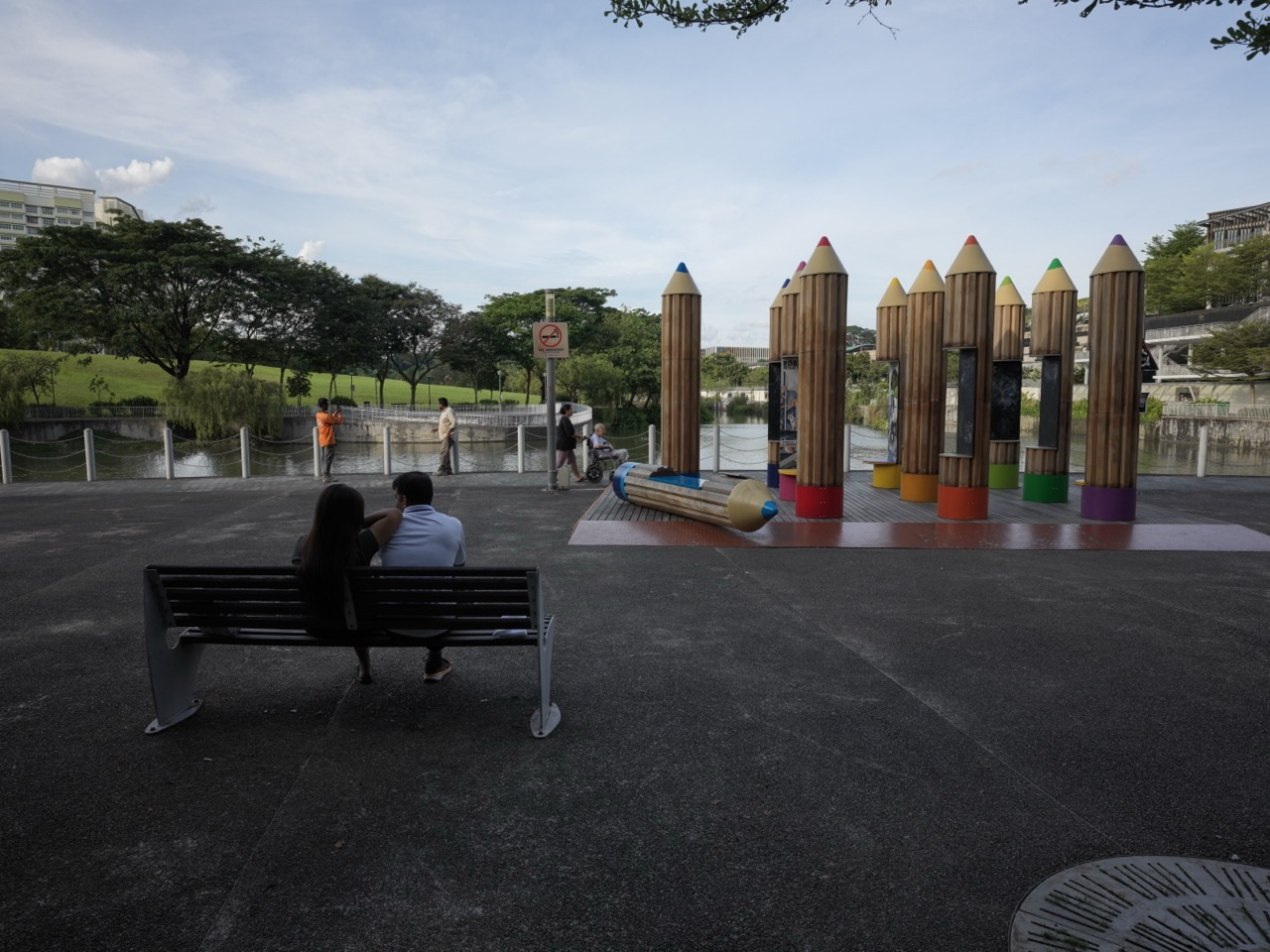
Where can children have a playdate in Punggol? For a flexible first meeting, choose a familiar Punggol playground or a short, supervised Punggol Waterway Park outing in suitable weather. For an indoor-oriented meeting, Punggol Regional Library at One Punggol is useful for age-appropriate browsing, reading and eligible scheduled programmes, with nearby food and a straightforward return route. Babies need a caregiver-led meeting rather than playground expectations; toddlers benefit from one simple activity; Primary school children may enjoy a specific game, short nature mission or reading challenge. A successful playdate is usually one clear location, two families who know the plan and an easy way to finish.
Playdate ideas in Punggol for babies, toddlers, preschoolers and Primary school friends change with age, nap schedules, food allergies, comfort with noise, parental supervision and whether a child is ready to share the activity. This guide gives low-cost park ideas, indoor alternatives, weather fallbacks, three practical schedules and a parent’s planning checklist. It is not a list of unverified commercial playroom openings or an assurance that an NLB session has space: a public building’s ordinary access and a booked children’s programme are different things.
Updated 17 October 2026. Punggol Waterway Park is a large public park, not a single childproof playground. Some bridges and boardwalks prohibit riding; public paths carry other users; water edges require direct adult supervision. Singapore’s rain, heat and occasional haze can change the outdoor plan. For the special needs of babies and newborn parents, also read the site’s new-parent life in Punggol rather than expecting an all-age outing to fit everyone.
The quick Punggol playdate selector
| Children | Plan length to try | Most useful playdate format | The main adult decision |
|---|---|---|---|
| Babies under about 18 months | 20–45 minutes, flexible | Caregivers meet, stroller walk or age-appropriate floor play at home | Feeds, sleep, safe surfaces, weather |
| Toddlers roughly 18 months–3 years | 30–60 minutes | One short playground turn or picture-book stop | Close supervision and rapid exits |
| Preschoolers roughly 4–6 years | 45–75 minutes | Outdoor game, short park observation or age-suitable story activity | Taking turns and managing transitions |
| Primary 1–3 | 60–90 minutes | A planned nature, reading or craft activity | Clear boundaries and pickup agreement |
| Primary 4–6 | 60–120 minutes | Friends’ project, board game, book discussion or active walk | Autonomy matched to readiness and family rules |
| Mixed ages | 30–60 minutes for the common activity | One simple shared anchor plus optional breaks | The youngest child’s safety and the group’s comfort |
| Poor weather or haze | As needed | Indoor reading, home games or postponement | Venue rules and official health/safety advice |
The golden playdate rule: plan for the people, not the attractions
Start with the child who needs the most support
A Punggol playdate may include a newborn sibling, a three-year-old who wants to run, a five-year-old who is learning to share and an older cousin who wants independence. They cannot be expected to behave as one age group. Choose the location and length based on the person who needs the closest supervision, then give older children an optional role.
For a toddler, a 30-minute play visit can be more enjoyable than two hours of switching between playgrounds. For older children, agreeing on the rules for one activity can prevent the visit from becoming constant negotiation. Children enjoy repeatable familiarity. A new playground is not automatically better than the one they know.
Invite clearly, without turning it into a party
Two children and their caregivers meeting for an hour is a playdate. It does not automatically require a private room, a paid activity or elaborate refreshments. A short message can say where, when, which adults will be present and whether there is an indoor fallback. Agree whether siblings are joining rather than leaving it ambiguous.
If it is a birthday party, specialist organised class or private event, it needs different venue and booking arrangements. The site’s small celebrations in Punggol guide addresses those larger commitments. The playdate approach here is deliberately lighter: one place, one shared activity, one agreed end.
Set the supervision plan before the first game
A park, shopping centre or library is not a substitute for a responsible caregiver. For young children, agree which adult is watching whom, particularly near water, traffic, stairs, escalators or busy paths. For older children, agree the permitted area, how to reach their parents and the exact return time. Do not silently assume the other parent will supervise every child.
When children want to split up, make sure the arrangement remains age-appropriate. A preschooler cannot be sent to explore a different part of a public park independently. Older Primary students may have different household permissions, so communicate the rules without embarrassment or rivalry.
Choose an activity that is fun without perfect cooperation
Young children are still practising taking turns, patience, negotiation and handling frustration. If the playdate depends on sharing one coveted toy for an hour, adults will probably spend the visit arbitrating. Two or three parallel options often work better: drawing beside each other, looking at books or observing different leaves from the same safe path.
Do not label a child ‘rude’ for feeling overwhelmed or wanting a familiar toy. Model simple turn-taking, respect a child’s comfort and keep expectations appropriate. If children are not enjoying an activity, switching or ending early is a reasonable choice.
Make food and rest predictable
A child arriving hungry or missing a nap may not enjoy a wonderful playground. Ask parents beforehand about allergies, dietary rules, snacks, bottle feeding, medication where relevant and any other practical needs the responsible caregiver must manage. Do not offer another family’s child food without asking. Bring water where appropriate and follow normal hygiene.
The easiest playdate is not necessarily the one with the most elaborate food. A simple snack and a convenient toilet can solve more problems than another destination. Use age-appropriate food and avoid eating beside active play equipment when the space or safety makes it unsuitable.
Match weather to the activity, not the other way round
Punggol Waterway has exposed sections, and tropical thunderstorms can arrive quickly. Lightning, high heat and unhealthy haze can affect whether outdoor play is appropriate. Check current Meteorological Service Singapore conditions and NEA guidance, especially when a child has respiratory or other health vulnerabilities. A plan should be easy to cancel.
For heavy rain, an indoor reading or suitable home playdate may be preferable to forcing outdoor movement between buildings. The Punggol rainy-day toddler guide offers more specific alternatives. Avoid telling children a closed or under-maintenance water-play feature is definitely available.
Keep other park users in the picture
Playgrounds and park connectors belong to everyone. Children should learn to watch out for cyclists, wheelchairs, strollers, joggers and older visitors. Some Punggol Waterway bridges have no-riding rules, and park water features are not open invitations to enter the canal. Parents can model these boundaries in a calm, understandable way.
Pick a playground appropriate for the children’s age and abilities. Avoid bringing bicycles into narrow pedestrian spaces or reserving public seats with piles of belongings. A friendly playdate includes consideration for nearby strangers.
A first friendship outing should end on a good note
When two children are meeting outside school for the first time, adults may want to extend the time because everyone is getting along. It is usually better to stop while things are still pleasant. A good first experience makes a second invitation easier. It also gives parents a simple handover with no rushed evening routine.
A twenty-minute visit can be a success. Afterward, ask the child one open question: ‘What did you enjoy?’ There is no need for a formal rating or a post-mortem on behaviour. Friendship grows through ordinary small meetings, not performances.
Where to meet: three practical Punggol playdate anchors
A local playground near home
The easiest meeting place can be the neighbourhood playground already familiar to one family. The host should name the exact block or public entrance, not assume that ‘the Punggol playground’ identifies a single place. Choose a shaded, currently usable set of equipment appropriate to age and ability. Parents should inspect wet surfaces, wear and traffic access before children begin.
Start with a small agreed activity and let children settle. If one child does not enjoy the equipment, an open public seating area or parallel picture-book game may be enough. Use the existing Punggol playground guide for location-specific choices rather than duplicating an entire town list here.
Punggol Waterway Park and a short nature activity
For older preschoolers and Primary-age children, a short supervised look at plants, bridges or birds can offer shared conversation without paid tickets. The park has four named themes—Nature Cove, Recreation Zone, Heritage Zone and Green Gallery—but the group does not have to see all of them. Use a known central public path with easy transport and a clear turning point.
Water edges, railings, slippery sections and cyclists deserve adult attention. Do not let children fish, chase animals, pick planted flowers or run across shared cycling lines. The Waterway Park guide explains actual park features; this article covers how to turn one short segment into a playdate.
One Punggol and Punggol Regional Library
One Punggol brings a regional library, community club and hawker centre into an integrated civic hub. It is useful for a reading-oriented playdate or as a wet-weather change of plan. Pick an age-suitable ordinary library section and let children explore a few books; a scheduled storytelling programme or specialist room is separate and may need a booking, registration or age eligibility.
Keep the group quiet where required, take care with food rules and avoid turning a children’s browsing area into an unbooked party room. A library visit works best when the shared goal is reading, not running around. Check current NLB opening hours and the site’s One Punggol guide before travelling.
18 easy playdate activities Punggol families can actually do
1. Find-three-colours walk
Activity: Each child finds red, green and yellow in visible plants, structures or signs without touching public vegetation. Adaptation or boundary: Older children can compare shades; younger ones can simply point. Where it fits: Short Waterway segment in suitable weather. The experience is complete once the children have enjoyed it; no one needs to finish all eighteen ideas.
2. Bridge-shape game
Activity: Look at a public bridge from a safe location and identify straight lines, curves and patterns. Adaptation or boundary: Never stand in a cycle lane or lean beyond a railing. Where it fits: Central Waterway Park. The experience is complete once the children have enjoyed it; no one needs to finish all eighteen ideas.
3. Picture-book swap
Activity: Each child chooses a picture book and tells the other why they picked it. Adaptation or boundary: Ask first whether borrowing and swapping ownership are actually intended. Where it fits: Appropriate library section. The experience is complete once the children have enjoyed it; no one needs to finish all eighteen ideas.
4. Two-drawing story
Activity: Draw a character, pass the paper and add a setting; together tell a simple story. Adaptation or boundary: Give each child a separate sheet if collaborative drawing becomes frustrating. Where it fits: Home or permitted seated public area. The experience is complete once the children have enjoyed it; no one needs to finish all eighteen ideas.
5. Five-minute bird spotting
Activity: Watch for a bird’s colour, size and movement while staying on a public path. Adaptation or boundary: Seeing no bird is fine; discuss where a bird might find shelter. Where it fits: Punggol Waterway or landscaped area. The experience is complete once the children have enjoyed it; no one needs to finish all eighteen ideas.
6. Toy-free pretend café
Activity: Use words and imaginary menus to ‘serve’ one another without equipment. Adaptation or boundary: Keep the activity indoors or in a safe seated space, not in restaurant traffic. Where it fits: Home or suitable play area. The experience is complete once the children have enjoyed it; no one needs to finish all eighteen ideas.
7. One-question reading challenge
Activity: Find a book page showing a thing the child has never seen before and talk about it. Adaptation or boundary: Respect silence and individual differences in reading ability. Where it fits: Punggol Regional Library. The experience is complete once the children have enjoyed it; no one needs to finish all eighteen ideas.
8. Short shared photography task
Activity: Older children choose one safe object and photograph it from a wide and a closer viewpoint. Adaptation or boundary: Do not photograph other children without consent or block walkers. Where it fits: Park or permitted public space. The experience is complete once the children have enjoyed it; no one needs to finish all eighteen ideas.
9. Build a story with three objects
Activity: At home, use three safe familiar household objects to invent a short story. Adaptation or boundary: Avoid small choking hazards around babies and toddlers. Where it fits: Home playdate. The experience is complete once the children have enjoyed it; no one needs to finish all eighteen ideas.
10. Snack and talk circle
Activity: Have an unhurried snack after the first activity with adults handling food safety. Adaptation or boundary: Check allergies first; no child is obliged to eat unfamiliar food. Where it fits: Suitable dining or home area. The experience is complete once the children have enjoyed it; no one needs to finish all eighteen ideas.
11. Turn-taking with two games
Activity: Offer two age-appropriate games and let the children switch after a short period. Adaptation or boundary: Provide alternatives instead of forcing one child to wait too long. Where it fits: Home or permitted indoor venue. The experience is complete once the children have enjoyed it; no one needs to finish all eighteen ideas.
12. Shape hunt in the neighbourhood
Activity: Find a rectangle, triangle and circle in public architecture. Adaptation or boundary: Safety at crossings matters more than completing every shape. Where it fits: Near a known residential public path. The experience is complete once the children have enjoyed it; no one needs to finish all eighteen ideas.
13. Leaf observation without collecting
Activity: Compare leaf outlines on two plants that can be seen from the path. Adaptation or boundary: Do not pick leaves or step into planted areas. Where it fits: Public landscaped area. The experience is complete once the children have enjoyed it; no one needs to finish all eighteen ideas.
14. Friendly directions game
Activity: Have one child describe a route to a visible landmark using left, right and beside. Adaptation or boundary: An adult manages real navigation and roads. Where it fits: Open public park path. The experience is complete once the children have enjoyed it; no one needs to finish all eighteen ideas.
15. Two-person ‘what changed?’ game
Activity: Look at the same place twice and notice what moved—a cloud, a shadow or a group of people. Adaptation or boundary: Children should not follow strangers or animals to make the change happen. Where it fits: Safe bench or public viewpoint. The experience is complete once the children have enjoyed it; no one needs to finish all eighteen ideas.
16. Simple paper-folding
Activity: Fold one boat or animal at home, then talk about shape and symmetry. Adaptation or boundary: Do not release paper boats into the Waterway or litter. Where it fits: Home or appropriate seated indoor space. The experience is complete once the children have enjoyed it; no one needs to finish all eighteen ideas.
17. Book-to-nature connection
Activity: Read one page about a plant, then look for a similar visible feature during a short outdoor segment. Adaptation or boundary: Do not assert the plant is the same species without evidence. Where it fits: One Punggol plus nearby accessible path. The experience is complete once the children have enjoyed it; no one needs to finish all eighteen ideas.
18. Thank-you postcard
Activity: At the end, draw a small card about the favourite moment and exchange it with permission. Adaptation or boundary: Avoid making the artwork a graded exercise. Where it fits: Home or after returning. The experience is complete once the children have enjoyed it; no one needs to finish all eighteen ideas.
Four schedules for different playdate situations
Baby-and-caregiver 30-minute meet-up
Agree on a nearby familiar space with reliable seating and an easy way home. Treat the conversation between caregivers as the anchor while the baby follows normal feeding, sleeping and comfort needs. If outside, choose a mild weather window, shade and a manageable stroll. The baby may not ‘play with’ another baby in the way an older child does.
Keep an exit option before the next feed or nap. Public floor surfaces and shared toys need hygiene considerations; where in doubt, meet at home under safe arrangements. Do not place infants on playground equipment designed for older children.
Toddler 45-minute neighbourhood playdate
Meet directly at a known age-suitable playground with both caregivers present. Allow a short arrival period, one main activity and a drink or snack break where appropriate. End after about 45 minutes if the children are tired, hungry or struggling with the transition.
Avoid introducing a third venue to ‘save’ a day that is already too much. If a playground is wet or closed, choose another safe known option, a suitable indoor visit or postpone.
Preschool 60-minute book-and-nature playdate
Begin with age-appropriate ordinary library browsing or a home picture-book activity. Follow with a short safe outdoor observation only if conditions are suitable, then finish with water, snacks and a clear goodbye. A child can practise describing something they saw without needing to write a composition.
Treat library rules as real limits. Special storytelling activities are not guaranteed walk-ins; check NLB event pages and admission criteria. Outdoor paths need crossing and cyclist safety.
Primary school 90-minute friend project
Agree on a simple project: collect three photographs of shapes, design an imaginary neighbourhood map, or build a story together at home. Add a brief meal or snack break, and conclude with showing each other the result if they want. Older children can help plan the sequence, while adults remain responsible for age-appropriate safety.
Explain supervision and pickup arrangements to both families beforehand. Do not let a group wander around Punggol just because they are older than preschoolers. Take consent seriously before sharing child photos.
What to agree with the other parent before setting off
- Full meeting point, including the actual block, MRT exit or library entrance.
- Child ages and any siblings attending; who remains responsible for each child.
- Start time, latest finish and what happens if a family is delayed.
- Allergies, dietary restrictions, food and any health needs the caregiver needs to know.
- Whether photographs can be taken and shared privately or publicly.
- Permitted play area, expected bathroom arrangements and basic boundaries.
- Weather or haze cancellation decision and a suitable indoor option.
- Expected spending, if any, and whether reservations or activity tickets have been confirmed.
A good invitation includes enough practical information without a complicated spreadsheet. Parents can agree on an hour, one suitable play activity and a fallback. When someone has to cancel because a child is unwell, accept it: rescheduling is more responsible than treating a playdate as a commitment that must proceed regardless of contagious symptoms.
Frequently asked questions about Punggol playdates
Where is the easiest place for a first Punggol playdate?
A known age-appropriate neighbourhood playground or a suitable ordinary library area near One Punggol is often easier than a distant attraction. Choose one exact public entrance and a short time window.
Are Punggol Waterway Park playdates free?
Ordinary public park access does not require a ticket, but transport, refreshments and any commercial rentals cost money. Public facilities are shared and not exclusively reserved for a group.
Is Punggol Regional Library a playground?
No. It offers reading, learning and eligible programmes, with behavioural rules appropriate to the area. A playdate focused on books can fit; a noisy running game belongs elsewhere.
Can toddlers attend all NLB activities?
No. Individual sessions specify age ranges, registration and rules. Check the current listing, not a previous year’s poster.
Do babies need a planned activity?
Usually a parent-and-caregiver meeting with a comfortable environment, safe play where appropriate and flexibility around routine is enough. Babies’ needs vary.
Can I plan a mixed-age playdate?
Yes, by making one simple shared anchor and optional age-appropriate alternatives. The youngest child’s safety and supervision should shape the location.
What can we do if two children refuse to share?
Offer parallel materials or a different activity and model taking turns without turning the issue into punishment. Ending early can be a sensible option if someone becomes overwhelmed.
Can children feed ducks or birds at the Waterway?
Do not feed wildlife. NParks’ park rules protect animals and visitors; watch quietly without chasing or handling.
Can children play in the canal?
No. A public waterside path is not an invitation to enter the water. Stay behind barriers and supervise closely.
Can we cycle over every Waterway Park bridge?
No. NParks prohibits cycling on selected bridges, including Kelong, Wave and Adventure Bridges. Obey current signage and dismount where required.
What happens in heavy rain?
Use a suitable open indoor option or postpone. Follow lightning safety and do not assume a park route is fully sheltered.
What if haze worsens?
Use current NEA and MOH advice for children’s outdoor activity. Modify or cancel the outdoor plan where appropriate, especially with respiratory vulnerabilities.
How much should a playdate cost?
It can be free apart from ordinary travel and optional food. Agree on a spending limit beforehand rather than surprising other parents with admission fees.
Can I bring a birthday cake to a public library playdate?
Do not assume public library areas permit eating, parties or reservations. Choose an appropriate eating venue and check its policies; a full party is a different booking format.
How do I handle a child who wants to go home early?
Give children a predictable departure plan and allow an early finish. A short comfortable first meeting can be better than a long difficult one.
Where can older Primary children meet friends?
A suitable library browse, supervised Waterway activity or agreed home project may work. Caregiver permissions, meeting points and return arrangements still matter.
Can I reserve a playground for our friends?
Public playground use does not ordinarily grant exclusive control. Any organised event or equipment setup may need the relevant authority’s permission.
What about children with sensory or mobility considerations?
Ask the family what features matter—noise, crowds, surface, lifts, toilets or a quiet exit. Check the exact path and venue rather than assuming all activities work for everyone. See the Punggol calm outings guide.
Can a playdate help friendship skills?
Yes, by offering ordinary chances to listen, cooperate and recover from disagreements. It should not become an adult-run social-skills examination.
Where do I find all Punggol activities with kids?
Use the Things to Do in Punggol With Kids guide for broader attractions. This page stays focused on two-family meet-up logistics.
Connect playdates to Punggol’s existing lifestyle and education guides
- Things to Do in Punggol With Kids — destination choices for families.
- Life in Punggol for New Parents — baby and postnatal daily-life considerations.
- Punggol Playground Guide — actual neighbourhood play spaces.
- One Punggol Community and Library Guide — indoor and food options.
- Punggol Waterway Park Guide — park features and movement rules.
- Screen-Free Punggol Family Activities — activity inspiration without a ticket.
- Punggol Lifestyle Planner — duration, weather, energy and budget decisions.
- Punggol Small Celebrations — when a playdate becomes an organised party.
- eduKateSG Punggol school journeys and family learning — learning from the neighbourhood.
Related Punggol lifestyle activities: More free community spaces in Punggol; garden and plant discovery for families; safe Punggol Waterway Science activities. These guides cover different needs, so choose the one that fits the family or visitor rather than repeating the same destination list.
Official sources and 2026 checks
Start with NParks Punggol Waterway Park, NParks current shared-path rules, People’s Association One Punggol hub information, NLB current programme finder, NEA air quality and haze and NEA/MSS weather outlook. Facilities and class registrations change, so check the exact provider before a special activity. Updated 17 October 2026; this is an independent playdate planning guide, not childcare or medical advice.


