
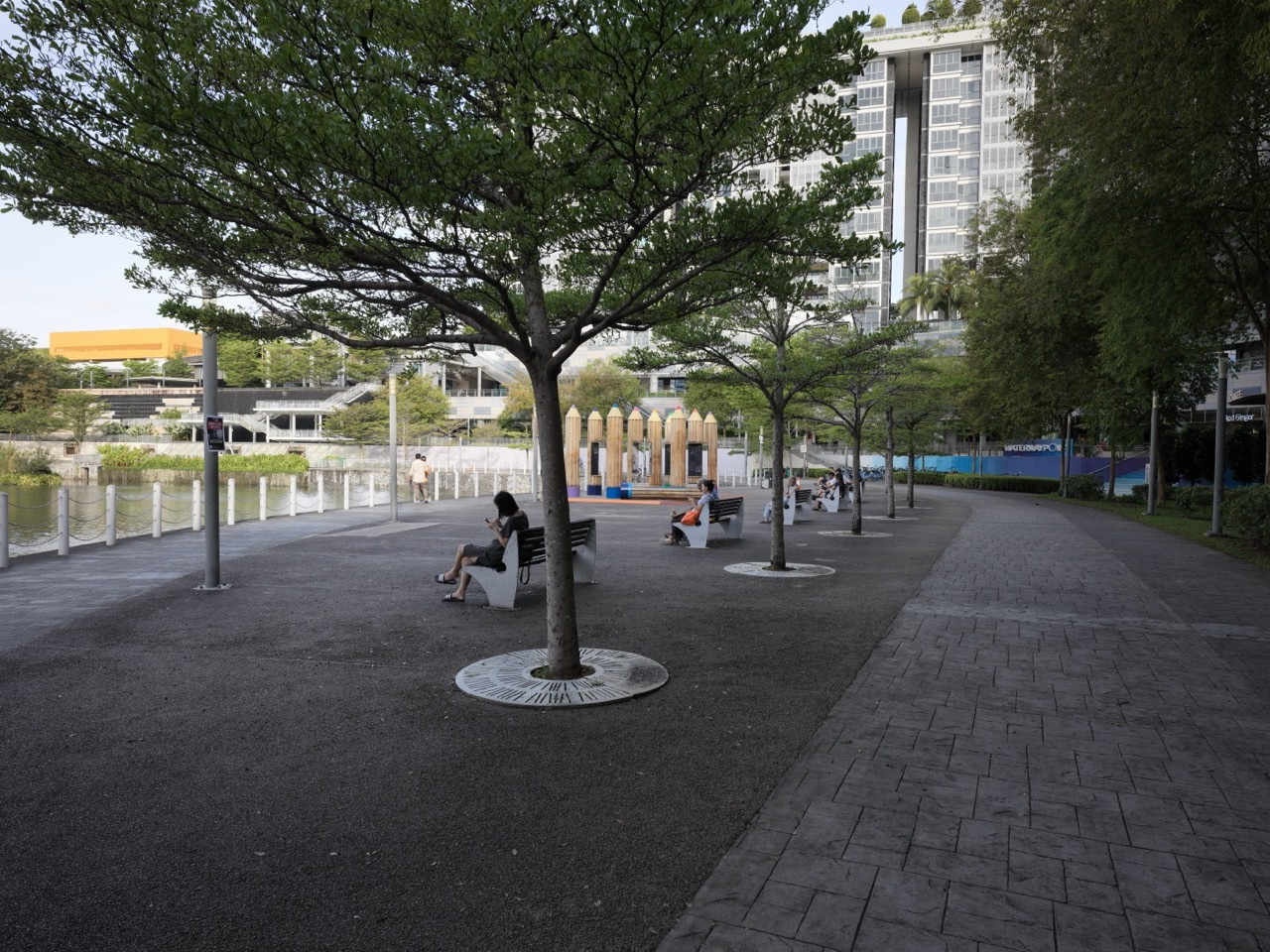
Where can people with disabilities find accessible exercise and inclusive sport options near Punggol? Begin with the official Inclusive Sport directory, ask providers which activities fit the participant’s abilities and goals, and check the whole journey rather than assuming a ‘wheelchair-friendly’ label answers every question. Punggol residents can also contact Enabling Services Hub at One Punggol for information and referrals. No one has to join competitive para sport to enjoy movement and social activity.
This accessible exercise and inclusive sport guide for Punggol in 2026 covers adaptive activity enquiries, Punggol Waterway Park’s published accessibility information, One Punggol’s Enabling Services Hub, specialised ActiveSG gyms, accessible pools, caregiver arrangements and weather or transport fallbacks. It is designed for people with disabilities, family members, carers and organisers who want practical decisions rather than labels. For neighbourhood lifestyle context, use Life in Punggol 2026; for an older-adult-focused page, see Active Ageing in Punggol. Disability, age and fitness are different considerations.
Quick answers: accessible activity in and around Punggol
| Reader question | Where to start | What must still be verified |
|---|---|---|
| I want information about disability services near home. | Enabling Services Hub at One Punggol, operated by SPD. | Current services, eligibility, activities and contact arrangements. |
| I want an inclusive sport programme. | Inclusive Sport Portal and programme-provider listings. | Disability profile, age, intake, coach and venue accessibility. |
| I want to try an accessible gym. | ActiveSG’s published accessible-gym directory and orientation pilot. | Whether that particular gym has the needed equipment, access and slots. |
| I want an accessible swimming option. | ActiveSG’s accessible-pool directory. | Actual ramp, pool wheelchair, changing rooms, support and availability. |
| I want a gentle Waterway outing. | NParks lists Punggol Waterway Park as wheelchair accessible. | The specific entrance, path, kerbs, toilet access, distance and transport. |
| A caregiver will accompany me. | Ask about provider-specific caregiver entry and support arrangements. | Actual scheme conditions and whether supervision or instruction is available. |
| A participant has recent illness or uncertain medical fitness. | Seek appropriate medical and rehabilitation advice before changing exercise. | An online beginner label is not individual clearance. |
1. Inclusive activity begins with the person, not the equipment
A meaningful activity plan begins with what someone wants to do. Perhaps they enjoy being beside water, meeting friends, building strength, swimming or trying an organised sport. Their impairment is relevant to safe access and adaptations, but it does not tell you everything about their interests, competence or ambitions. Two wheelchair users may require entirely different support. A person with an intellectual disability and a person with a visual impairment may choose the same sport but need different coaching or navigation arrangements.
The Singapore Physical Activity Guidelines recognise the value of movement for people with different abilities and life stages. The official Singapore Physical Activity Guidelines are a general reference. Specific exercise intensity, technique, assistive support and health considerations need individual assessment where appropriate. It is not enough to label a class ‘easy’ and assume it is safe for everyone.
Respect autonomy. Ask whether the participant wants to choose the route, contact the provider personally or invite someone to accompany them. Offer assistance without imposing it. A caregiver’s preferences may matter, but the participant should have as much control as possible over their own activity and social life.
2. The official local touchpoint: ESH@Punggol
The official Enabling Guide identifies Enabling Services Hub at Punggol as operated by SPD, serving Punggol, Hougang, Sengkang and Serangoon. Its published location is One Punggol, 1 Punggol Drive, #04-01, Singapore 828629. The directory also provides a telephone and enquiry email. Check the current Enabling Services Hubs directory before travelling because venue arrangements, services and eligibility can change.
ESHs provide information and referrals as an initial support point. They also work with partners to facilitate social and recreational activities; the official directory gives examples such as inclusive sports, brisk walking and low-impact activities. Not every listed example is necessarily running in Punggol this week, and not every programme has open registration. Ask the hub for current opportunities that fit the person’s actual interests, needs and schedule.
For carers, there may also be relevant support services, training and social connection opportunities, subject to individual eligibility. Do not assume that attending an activity qualifies someone for respite care, or that joining a hub guarantees a sports class. A useful first call explains what the participant wants to try, their access needs and preferred travel range. This gives the provider the information needed to recommend a realistic next step.
3. Punggol Waterway Park: accessible on paper, but inspect the route
NParks lists Punggol Waterway Park as wheelchair accessible and elderly friendly. The Punggol Waterway park connector is also described as wheelchair friendly. These are helpful starting points, especially for residents wanting outdoor recreation without committing to competitive sport. However, labels at park level do not guarantee every approach, bridge, side path or adjacent shop route has the same surface, gradient or accessible toilet availability.
Use NParks Punggol Waterway Park and the park connector page as official references. Then check your intended start and finish. Can the person reach the correct entrance by lift, accessible transport or a suitable drop-off? Does the chosen stretch include steep slopes, narrow turns, rough transitions or busy cycling crossings? Is there a reliable way to return if tired or uncomfortable?
A short, enjoyable visit may be more accessible than a full connector route. The park connector’s 8.4 km figure describes the route, not a challenge everyone should complete. If the participant prefers an indoor destination such as a library, that may be a more useful first outing. Accessibility should expand choices, not impose an exercise target merely because a place appears on a map.
4. The door-to-door accessibility audit
| Part of journey | Question to ask | What an answer changes |
|---|---|---|
| Leaving home | Is the lift working, and are ramps or thresholds manageable? | Whether the journey can begin independently or needs an alternative. |
| Approaching a station | Is the route clear, sheltered where possible and appropriately marked? | How much time and support the person may need. |
| Boarding public transport | Is the relevant service accessible for the user’s device and needs? | Whether to choose a different route or service. |
| Venue entrance | Is there level access, an appropriate lift and accessible drop-off? | Whether the planned facility is practical. |
| Activity space | Can the user manoeuvre, rest, change and access a suitable toilet? | Whether the experience is comfortable rather than merely technically possible. |
| Getting home | What happens if the person tires or a lift is unavailable? | Which fallback transport and assistance should be arranged. |
The point of this audit is not to make every outing feel complicated. It is to prevent a familiar problem: the sports hall advertises an accessible activity, but the path from the nearest LRT exit or the changing facility is unsuitable for the participant. A quick conversation with the operator before travelling can be more valuable than a long promotional brochure. If accessibility information is unclear, ask specifically about the step that matters.
Our local Punggol accessible journeys guide during haze discusses route planning for wheelchairs, prams and senior mobility in a particular environmental context. This page has a different job: choosing inclusive physical activity and locating real support. Both need to take the entire journey seriously.
5. ActiveSG gyms: specialised machines and orientations
Sport Singapore’s Accessible ActiveSG Gyms directory identifies selected gyms fitted with specialised equipment, including HUR pneumatic-resistance machines with adaptations such as removable seats. This does not mean every ActiveSG gym has those machines. Use the official list to find a suitable venue, and confirm access and current operation with the relevant site.
ActiveSG also offers a gym-orientation pilot for persons with disabilities. The official October 2026 listing describes thirty- to forty-five-minute introductions at selected gyms for people aged eighteen and above. Sessions aim to familiarise participants and carers with accessible toilets, lifts, gym layout and equipment. Check availability, eligibility and any need to book; this is not a guarantee that an orientation is running at the nearest Punggol facility.
The published ActiveSG caregiver scheme may allow carers accompanying users with special needs to enter some participating gyms without entry charges, subject to the provider’s process and QR-code arrangements. This is a specific policy, not an entitlement at every privately operated gym. Confirm with staff and distinguish accompaniment from coaching or medical supervision. A caregiver attending does not turn unsuitable equipment into a safe exercise choice.
6. Accessible swimming options require more than a ramp
SportSG’s accessible ActiveSG pools directory describes pools with ramps and, at selected venues, pool wheelchairs. The published list includes Sengkang Swimming Complex among North-East options. Check the current list because facilities, availability and closures change. A pool that has a ramp may still require careful assessment of transport, changing rooms, supervision and whether the participant can enter and leave the water safely.
Ask whether suitable instruction is available and whether the participant needs a specific accessible changing facility, appropriate support in the water or a particular session time. Do not assume an ordinary public swim lane is an adapted sports programme. For some swimmers, structured instruction under a qualified coach is essential; others may prefer recreational visits with agreed support.
Our Swimming Pools in and Around Punggol article gives general venue context. A person needing accessible features should prioritise SportSG’s current specialist directory and direct provider confirmation over any general description of pool facilities or announced sports-centre openings.
7. Inclusive sports: finding the right pathway without guesswork
The Inclusive Sport Portal provides ways to explore activities by disability profile, sport, programme provider and life stage. Singapore’s ActiveSG Para Sport Academy offers structured coaching across para sports, but eligibility may depend on the programme and classification criteria. Some community and recreational offerings are designed for a broader range of support needs. Do not assume every person who wants to participate is eligible for every competitive pathway.
One useful approach is to begin with an activity goal, not a classification. Ask: Does the person want fun, fitness, friendship, skill development or competition? Next, identify support needs: communication, sensory preferences, mobility equipment, coach experience, one-to-one support, transport and fatigue management. Then contact providers for programmes fitting those requirements. If one competitive programme is not appropriate, that does not mean suitable inclusive recreation is unavailable.
The ActiveSG Para Sport Academy lists particular eligibility rules, while the wider portal points to other providers. Read current programme terms carefully and ask about alternatives. A welcoming approach means helping someone find a good-fit activity rather than presenting rejection from one programme as a verdict on their ability to participate in sport.
8. Caregiver planning: support without reducing independence
A caregiver may need to manage transport, equipment, medicines, scheduled breaks and access to a changing room. A useful plan acknowledges that work while preserving the participant’s preferences. Discuss which assistance is wanted and which the person can handle independently. Avoid speaking only to the caregiver when the participant is present and able to communicate their own views.
A short visit to see a facility before the first class may help some people. Ask staff about arrival procedures, entry, toilets, suitable rest areas and how to report access barriers. Consider the costs of transport and time, not merely the price of the class. When families are balancing jobs, school and care, a local activity that runs predictably may be more sustainable than an ideal programme far away.
Caregiver wellbeing is also part of maintaining a programme. ESH@Punggol can direct enquiries about relevant support, but eligibility and individual services must be confirmed with the provider. If the outing leaves everyone exhausted, discuss whether a different session, closer venue or smaller frequency would better serve the household.
9. Sensory comfort and communication belong in accessibility
Accessibility is not solely about wheelchairs and ramps. Some participants need clear instructions, quieter spaces, consistent routines, visual aids, communication support or a chance to preview an unfamiliar venue. Others may prefer an active social group and need no special adjustments beyond basic courtesy. Ask the person and provider what helps. Avoid assuming everyone with a particular diagnosis has the same sensory preferences.
A venue may offer a calm room or other quiet space, but availability varies. SportSG’s facilities information describes ongoing inclusive improvements, not a promise that every location already has every feature. Contact the actual site to check. If the activity involves children, ensure the programme is appropriate for their age and includes the supervision and safeguarding arrangements they need.
For first-time participation, a short, optional orientation may reduce uncertainty. Introduce the instructor, explain how breaks work, locate exits and ask about ways to signal discomfort. The person should be free to decide whether an activity feels right. Inclusive participation is meaningful when it is chosen, not when someone is pressured to complete a session for the sake of inclusion.
10. Heat, haze, rain and transport contingency
A person planning an adapted outdoor activity should use the same official environment checks as anyone else, while taking account of individual health and mobility. The MSS heat-stress advisory concerns prolonged outdoor exertion. The lightning service addresses thunderstorm risk. The haze website provides air-quality and health guidance. The right decision may be to reduce or postpone outdoor activity, select a suitable indoor programme or rest.
An accessible route in good weather can become difficult in rain because of slippery surfaces, puddles or changes in transport access. Do not expect someone to push through a dangerous journey to protect an activity streak. Our Rainy-Day Exercise in Punggol and Punggol Heat Stress and Exercise pages explain those conditions in more detail. A sound inclusive programme has a Plan B that works for the actual participant.
11. A four-week inclusive activity discovery plan
| Week | Decision | Possible action | What counts as progress |
|---|---|---|---|
| 1 — Listen | What would the person genuinely enjoy? | Choose one activity goal and list access and support needs. | The plan reflects the person’s interests. |
| 2 — Verify | Which provider and venue are suitable? | Contact ESH@Punggol, a club or an official SportSG provider. | Eligibility, access and costs become clear. |
| 3 — Try | Would a first visit or orientation be helpful? | Arrange an agreed introduction or suitably supported session. | The experience is safe, welcoming and comfortable. |
| 4 — Decide | Would the person like to continue? | Keep, adapt or change the activity; agree on fallback arrangements. | The participant retains choice and practical support. |
This is a discovery framework, not a prescribed physical training programme. Actual movements, effort, safety equipment and medical precautions should be tailored to the person as needed. If a session does not work, ask why: transport, timing, instruction style, environment, cost or personal preference. The answer can guide a better match instead of reducing the person’s options.
12. Three worked examples around Punggol
A wheelchair user who wants a nature outing
They identify a section of Punggol Waterway Park listed as accessible. Rather than attempting the entire connector, they check the particular approach, surface, crossings and return transport. They choose a short out-and-back visit at a comfortable time, with whatever assistance they want. The result is an enjoyable park experience, not completion of a distance challenge.
An adult interested in adaptive strength training
They use the official accessible ActiveSG gym list to see which venues have suitable machines and enquire about an orientation. They compare travel time, equipment, access needs and instructor support. If the closest gym lacks the right facilities, they ask about another venue or programme instead of assuming all gyms are interchangeable.
A family seeking inclusive recreation for a child
The parents speak with the child about interests, then check programme age rules, eligibility, coaching support and travel. They do not sign up for an adult gym orientation or a competitive programme simply because its name includes ‘inclusive’. They look for an age-appropriate provider and a suitable trial where available.
The six questions that make an inclusive programme enquiry useful
Contacting a sports provider is easier when the question is specific. Start with the activity the person wants to try and their age. Then explain only the support requirements relevant to participation. Ask about current eligibility, the coach’s experience with comparable needs, accessible arrival routes, equipment, communication arrangements and whether the participant can visit before committing. You need not disclose unnecessary private medical information in an initial public enquiry.
If the first answer is ‘we do not have a place’, ask whether the provider knows a suitable alternative or can direct you to the Inclusive Sport Portal. A programme may be full, located too far away or designed for a different competition classification. None of those reasons establishes that the person cannot enjoy physical activity. The Enabling Services Hub can be another referral starting point when the family does not know which provider to contact.
The distinction between wheelchair-friendly and fully workable
A wheelchair-friendly path designation is welcome information, but it is only one part of the journey. A participant may need accessible public transport, a usable toilet, space to turn, sufficient rest opportunities and someone to help with equipment. A family might visit a park one day and a sports class another. Each outing should be evaluated independently because the access demands are not identical.
A route audit can be done without turning the participant into a passive subject. Ask what obstacles they already know, look up official venue and transport information and agree on one short test route if desired. If the facility appears inaccessible, confirm the facts with the operator and consider an alternate route. Do not improvise unsafe lifting or carrying at a step or stairway just to complete the outing.
Costs and caregivers: questions to confirm before registration
An inclusive exercise programme can involve more than a membership fee. Consider the trip, equipment, appropriate support, the participant’s energy and whether a caregiver’s work schedule allows attendance. Some ActiveSG facilities publish a caregiver entry scheme for eligible circumstances, but conditions apply and private gyms may not share that policy. Check the exact provider rather than assuming a scheme travels with the participant everywhere.
If a participant wants to try an accessible gym, an orientation may be a sensible first step. Ask whether specialised equipment is available, how to access toilets or changing areas, and what the instructor can support. An orientation is not physiotherapy or medical clearance. For a person whose condition affects safe exercise, seek suitable advice and select a programme with appropriately qualified support.
Education, leisure and sport are separate routes to belonging
Punggol’s community spaces can connect older residents, students, caregivers and people with disabilities. A quiet library visit, art activity or shared walk can be as valuable socially as joining a sports team, depending on the participant’s preferences. Organised para sport has its own rules and opportunities, but not every person seeking inclusion is pursuing competition. A thoughtful programme directory should help residents find both recreational and structured activity pathways.
School students can learn something practical from these questions. When studying citizenship, geography or community design, they can evaluate whether a public route works for a wheelchair user or someone with sensory needs, not merely whether a map shows a destination. The eduKateSG Punggol Values in Action and Community Service guide provides a separate educational context for respectful participation. Do not photograph identifiable participants or collect private disability information for a school project without appropriate permission.
A successful first outing does not need to become a weekly commitment
After an initial visit, ask the participant whether the experience was enjoyable, manageable and worth repeating. Maybe they liked the activity but disliked the travel. Maybe the instructor was supportive but the changing facilities were difficult. A useful next step could be a different session time or alternative venue rather than a new physical target. Respect the person’s decision if they do not want to continue.
Inclusion is about meaningful access and choice. It is not about completing an organiser’s attendance number, reaching a particular pace or making every individual share the same hobby. A strong Punggol lifestyle network helps someone find their own path, with the practical support needed to make that path safe, welcoming and enjoyable.
13. Frequently asked questions
Is Punggol Waterway Park wheelchair accessible?
NParks lists it as wheelchair accessible and elderly friendly. Verify the actual entrance, route, surface, facilities and return journey for your individual needs.
Where is ESH@Punggol?
The Enabling Guide lists One Punggol, 1 Punggol Drive, #04-01, operated by SPD. Check the current directory before visiting.
Does everyone qualify for para sport programmes?
No. Some structured competitive pathways have classification and eligibility rules. Other inclusive community activities may suit a wider range of needs.
Do all ActiveSG gyms have accessible resistance machines?
No. Selected gyms have specialised equipment; use the official directory and confirm with the specific site.
Can a caregiver enter free?
ActiveSG publishes a caregiver scheme for certain circumstances, subject to its process. Check actual venue and programme arrangements.
Are there accessible swimming pools near Punggol?
The SportSG specialist directory lists options including Sengkang Swimming Complex. Confirm the pool’s facilities and suitability before travel.
Does a participant need an exercise prescription?
Not automatically for every activity, but significant health conditions, recent falls, rehabilitation needs or uncertainty about safety merit appropriate professional guidance.
What if a venue is technically accessible but uncomfortable?
Ask about an alternative entrance, support or programme; the participant can choose another option. Accessibility should include a workable experience, not only a checkbox.
Related reading throughout eduKate’s Punggol ecosystem
- Life in Punggol 2026
- Exercise in Punggol — Four-Week Beginner Guide
- Active Ageing in Punggol
- Walking for Everyday Errands in Punggol
- Working From Home in Punggol
- Rainy-Day Exercise in Punggol
- Punggol Heat Stress and Outdoor Exercise
- Gyms in Punggol — general facilities
- St Luke’s ElderCare One Punggol — service enquiries
- eduKateSG — Punggol Values in Action and Student Community Service
- eduKateSG — Accessibility and Transport Geography
Official sources and editorial note
- Enabling Guide — Enabling Services Hubs
- Singapore Inclusive Sport Portal
- Accessible ActiveSG Gyms
- Accessible ActiveSG Pools
- Gym Orientation for Persons with Disabilities
- ActiveSG Para Sport Academy
- NParks — Punggol Waterway Park
- Singapore Physical Activity Guidelines
Reviewed 17 October 2026. This is a practical information and referral guide, not an individual rehabilitation or exercise prescription. Programme eligibility, locations, physical access, concessions and availability change. Contact providers and seek appropriate medical advice for individual health or exercise-safety questions.


