
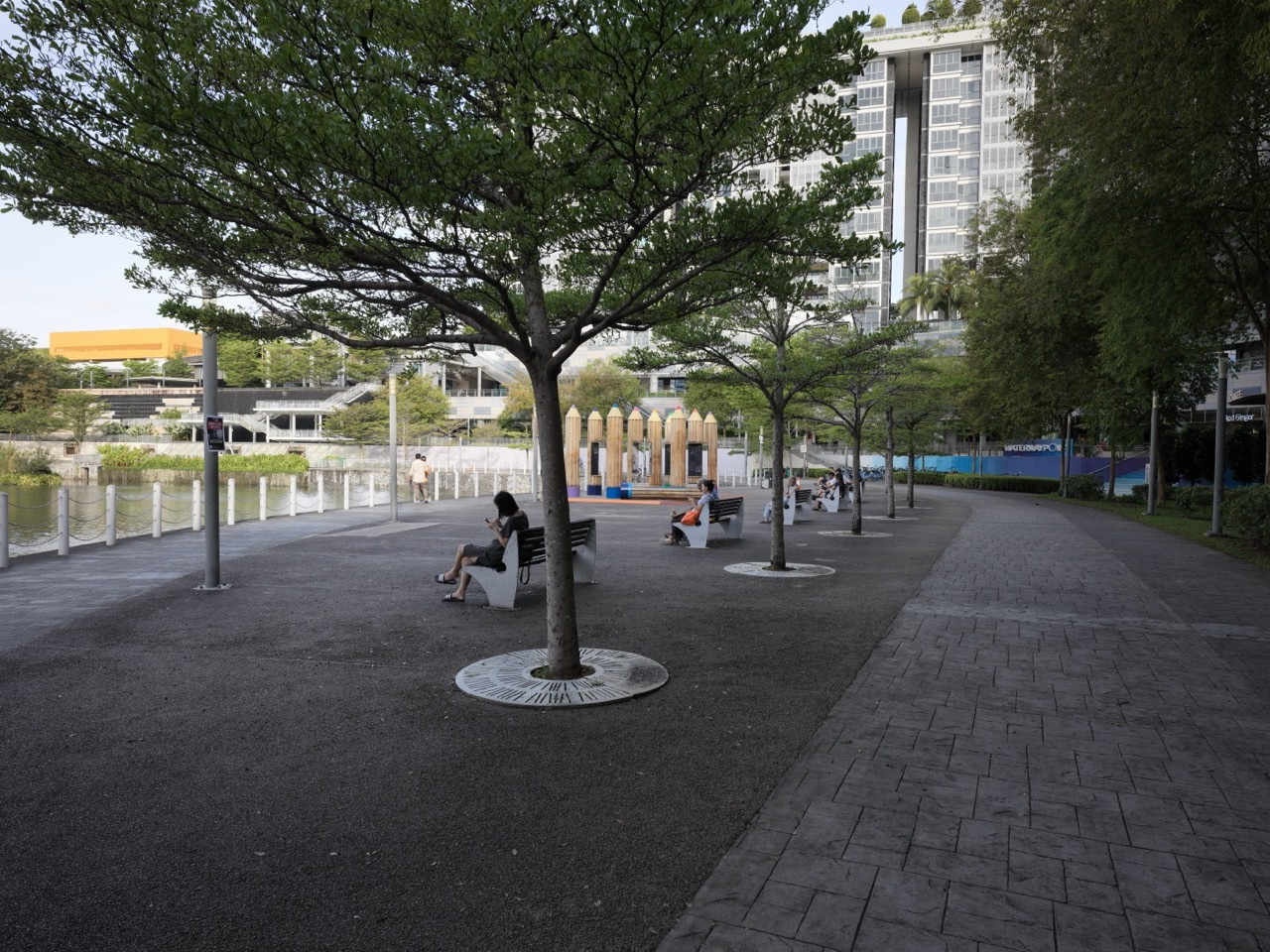
How can older adults stay active in Punggol without joining a gym? A sensible mix of comfortable walking, suitable strength and balance activity, social connection and a safer home can support independence. Start with daily activities that matter to the older person: getting out of a chair, visiting the shops, seeing friends or enjoying the Waterway. If health or balance is uncertain, ask a healthcare professional before beginning a new exercise programme. The goal is confidence and continued participation, not an impressive step-count leaderboard.
This Punggol active ageing, strength and balance guide helps older residents, family carers and three-generation households use local places such as One Punggol, Punggol Waterway Park, Oasis and Northshore sensibly. It looks at fall prevention, gentle social walks, suitable exercise, community participation and adapting plans for rain, heat and haze. For the wider neighbourhood, read Life in Punggol 2026; for a destination-focused guide, see Things to Do in Punggol for Seniors.
Quick information: what to do first
| Need | A useful first decision | Safety boundary |
|---|---|---|
| Want to walk regularly | Choose a short familiar route, rest point and easy way home. | Do not force a longer circuit when tired or unwell. |
| Feeling weaker in daily tasks | Discuss appropriate strength activity with a suitable professional. | Avoid unsafe unsupervised movements. |
| Concerned about balance | Review the home environment and ask for assessment if needed. | Recent falls or new unsteadiness require attention. |
| Missing social contact | Try a welcoming library, community or small-group activity. | Respect privacy, preferences and accessibility. |
| Supporting a parent or grandparent | Agree on one helpful routine and transport backup. | Maintain the person’s choice and dignity. |
| Haze, heavy rain or uncomfortable heat | Use safe indoor alternatives or rest. | Follow current guidance and personal health advice. |
Singapore’s HealthHub Healthy Ageing Hub encourages suitable aerobic activity alongside strength, balance and flexibility. Its older-adult guidance describes aiming for 150–300 minutes of moderate-intensity aerobic activity and doing appropriate multicomponent strength-and-balance activity on at least three days weekly. These are broad recommendations, not fixed instructions for someone recovering from illness, living with frailty or requiring mobility support.
1. The real meaning of ageing well in a Punggol neighbourhood
An older person may not care about training plans. They may care deeply about visiting the same hawker stall independently, continuing an afternoon library habit, collecting a grandchild or meeting a friend without anxiety about the journey. Those are excellent reasons to protect mobility. Activity matters because it enables life. Fitness targets are tools, and not every person needs the same tool.
The first useful conversation is not ‘How far can you walk?’ but ‘What have you stopped doing because it became difficult?’ Maybe a set of stairs is uncomfortable, standing from a low chair is harder or the trip to Punggol MRT feels exhausting. These are observations to discuss rather than online diagnoses. They help relatives avoid planning an outing whose distance, surfaces or schedule do not match the person’s needs.
Punggol contains multiple everyday centres rather than one mandatory destination. One Punggol may work for a resident nearby. Oasis Terraces may be much more convenient for someone near the East LRT loop. Northshore has its own daily amenities. Some residents enjoy the Waterway, others prefer a shorter familiar route close to home. The right destination is the one that is safe, enjoyable and useful from your actual address.
2. Why walking alone is not the whole exercise picture
Aerobic activity helps build endurance. Strength activity can support movements such as standing, climbing and carrying. Balance activities may improve stability; mobility and flexibility activities can help with comfortable movement. These areas overlap but are not interchangeable. A daily walk may be valuable and still leave the person needing safe, suitable strength or balance work.
The Health Promotion Board publishes examples of supported standing, sit-to-stand and seated movements. It also advises people who are uncertain about their health, or have relevant conditions, to check with a doctor before starting. We do not assign repetitions, weights or personal progressions here: a safe movement for one person could be inappropriate for someone with a recent fall, painful joint, dizziness or another medical issue. Readers can consult HealthHub’s seated exercise page and suitable qualified instructors.
A helpful family conversation separates three questions: Which movements does the person enjoy? Which daily activities do they want to manage more easily? Which limitations require professional guidance? A suitable plan might include a short walk with a friend, activities recommended by a clinician and rest days. It should never rely on embarrassment, pressure or comparison with other older people.
3. Short Waterway visits are often better than ambitious loops
NParks describes Punggol Waterway Park as wheelchair-accessible and elderly-friendly, but actual suitability depends on entrance, slope, surface, weather and the individual’s ability. Its park connector covers a longer route; no one needs to complete that circuit to enjoy the water, greenery and benches. A gentle out-and-back stretch from a suitable access point may be all a person wants.
Before leaving home, identify a safe start, a realistic rest point and a dependable return. Confirm kerbs, ramps, lighting, sheltered benches and the nearest transport link. Walking estimates on a digital map do not include rests or the extra time needed when using a mobility aid. The NParks Punggol Waterway Park page provides official visitor details, while our Waterway distance guide gives local route context.
There is also no rule that fresh air must involve a large park. A short shaded stroll around the block, a conversation at a familiar coffee shop or a library visit can be more pleasant than a crowded waterfront on a hot weekend. Repeatability matters. The best local outing is one the person can enjoy without worrying how far they must still walk to get home.
4. Preventing falls at home and outside
Falls prevention is not only a matter of doing more exercise. Home hazards such as loose mats, wet bathroom floors, clutter, poor lighting and unsuitable footwear deserve attention. HealthHub recommends reviewing the environment, using appropriate non-slip and support measures, staying physically active as suitable, maintaining bone health and having regular eye checks. Specific home modifications should match the person’s needs.
Walk through the flat with the older person’s permission, considering the bed-to-bathroom route, the kitchen, the front door and the lift. Notice where shoes or cables obstruct the floor, where lights do not reach and where a turn feels awkward. Do not reorganise someone’s home without consultation: familiar arrangements can be important. For someone who falls repeatedly or is newly unsteady, seek assessment rather than relying on a generic checklist.
Outside, watch for slippery paths after rain, uneven surfaces, crowded cycle crossings and steps that are difficult to see. Good footwear, appropriate mobility aids and an accessible route can matter more than the scenic value of the destination. Serious injury, chest pain, severe weakness, sudden neurological symptoms or significant head injury require urgent medical evaluation. Online exercise advice cannot rule out serious causes of a fall.
5. One Punggol: community services and social connection
The People’s Association identifies One Punggol as an integrated hub combining a community club, Punggol Regional Library, a hawker centre and other service partners. The arrangement can make it easier for residents to combine social and practical visits without separate trips around the island. An older adult might prefer a friendly group, a library session or a simple meal with family; the building provides possibilities, not an obligation to join every activity.
The hub also accommodates senior-related partners. Their presence does not mean enrolment, services or eligibility are automatic. Contact the relevant provider, check accessibility and confirm opening hours. The official One Punggol overview gives the location’s role, and our St Luke’s ElderCare One Punggol guide provides more focused service-contact context.
Isolation can be less visible than a slippery floor. Someone who has stopped leaving the house may be dealing with transport worries, reduced confidence, hearing problems or an illness. Ask what makes an outing difficult instead of telling them to socialise more. If they prefer small groups, choose familiar company; if they enjoy quiet time, a simple library visit may be the right social pace. Connection is an invitation, not a performance goal.
6. A four-week planning example for a senior and family supporter
The table below structures decisions, not repetitions or exercise prescriptions. Anyone with recent falls, major health limitations or symptoms should receive appropriate professional guidance. A family can begin by making the route predictable, identifying enjoyable activities and creating a safe alternative for difficult days. Only then consider whether more structured activity is suitable.
| Week | Question to answer | An optional action | Useful indicator |
|---|---|---|---|
| 1: Listen | What matters most to the older person? | Choose one accessible destination and discuss barriers. | The person feels confident about the plan. |
| 2: Repeat | What safe movement can fit the week? | Repeat a suitable short walk or recommended activity. | Comfort, safety and willingness to continue. |
| 3: Connect | Would company or a class make outings easier? | Ask about a suitable local programme or visit with a friend. | Enjoyment rather than attendance for its own sake. |
| 4: Review | What happened when routines changed? | Agree on transport, rest and wet-weather alternatives. | An arrangement the household can maintain. |
A family member can help by checking programme information, walking together once or arranging transport. But progress does not always mean increasing the distance. It might mean less worry about the route or a renewed willingness to leave home. If an activity causes pain, alarming symptoms or unsafe fatigue, stop and seek suitable advice. Safety should be built into the definition of success.
7. Caring without taking away independence
Punggol’s three-generation households may coordinate school pickups, meals, clinic visits and work schedules. An older relative may also be a caregiver to grandchildren rather than simply a recipient of care. Recognise both roles. Their time is not automatically available for a class because someone else thinks it would be healthy. Ask about preferred times, transport comfort and whether they want company.
A simple plan may be better than an extensive calendar. One enjoyable outing, suitable movement on other days, and an agreed contact arrangement can create predictability. Write essential information in a form everyone can use with consent. If the person uses a walking aid or needs assistance, clarify who can help and whether the destination has a suitable entrance. Leave enough time to avoid hurrying.
Our Family Life in Punggol guide discusses the wider household system: school runs, teens, carers and community routines. Readers who only want pleasant destinations can use Things to Do in Punggol for Seniors. Here, the emphasis stays on independence, safety and repeatable activities.
8. Weather, haze and the choice to stay indoors
The Waterway breeze is lovely when conditions are comfortable, but heat and humidity still matter. Older adults may have conditions or medications that affect their tolerance of exertion. Avoid insisting on a walk in a hot afternoon. Plan shade, rest and hydration where appropriate to the person’s health, and postpone outings during lightning or when surfaces are unsafe.
Haze decisions should follow official Singapore haze information and the relevant individual’s healthcare guidance. Our Punggol haze health guide discusses seniors and other vulnerable groups. Indoor alternatives can include suitable seated movement, a calm activity or rest, depending on health. A well-designed routine is flexible, not fragile.
9. When professional support matters more than a new activity
Repeated near-falls, new balance problems, unexplained dizziness, sudden weakness, persistent pain or marked shortness of breath should not be labelled laziness. These deserve medical attention. An individual with a long-term condition may still benefit from being active, but the suitable approach may require assessment and monitoring. A family website cannot provide personal medical clearance.
Notice emotional changes too. If someone is withdrawing from activities they used to enjoy, ask kindly about confidence, tiredness, mood and practical obstacles. Many different explanations are possible, and guessing is unhelpful. The goal is to understand why participation has become difficult and connect the person with suitable support, not insist that a group walk will solve every problem.
Practical active-ageing decisions for three Punggol residents
Older adults are not one uniform group. A healthy and active sixty-five-year-old may enjoy longer walks and sport, while another person of the same age lives with balance concerns or mobility limitations. Someone in their eighties may prefer a quiet reading visit or a short trip to buy food. The purpose of these fictional examples is to show how to select a sensible next action without assuming that chronological age tells us everything.
Situation A: an independent resident who wants better stamina
A resident enjoys visiting the One Punggol library but feels their regular outings have become less frequent since changing work or family arrangements. There is no need to begin by scheduling daily exercise classes. They can review their usual walking routes, consider suitable activity using official guidelines and choose one regular local destination they genuinely value. If they have been inactive or are uncertain about a health condition, they should seek appropriate guidance before increasing physical effort.
A practical plan might include a comfortable walk to a convenient local stop, meeting a friend once a week and asking about suitable community activities. Over time, they can discuss safe strength and balance work with a qualified professional or follow appropriate authorised resources. The useful test is whether everyday activities feel manageable and the routine is enjoyable enough to repeat. An ambitious step target offers no advantage if it causes discomfort or makes outings feel like homework.
When they discover that the journey involves crossing a busy cycle path or standing on a long unsheltered stretch, route design becomes the problem to solve. A safer connection, better time of day or shorter destination can improve participation without increasing fitness demands.
Situation B: someone with a recent near-fall
A different resident nearly trips while turning in the bathroom and begins avoiding outings. The family may interpret this as reluctance to exercise and propose an energetic group walk. That reverses the order of decisions. The first question is whether the near-fall signals an issue that needs assessment. The family can discuss the incident, consider health review where appropriate and identify obvious hazards in the home, while avoiding unsupported tests of balance.
After receiving suitable advice, the household can choose activities that match the person’s ability and confidence. A supported visit near home may be more appropriate than a long trip to a scenic park. Well-fitted footwear, clutter reduction, adequate lighting and appropriate bathroom supports are practical considerations, but their exact use should follow the person’s circumstances. Regaining confidence often involves making an environment more predictable, not merely exhorting someone to become stronger.
The older person’s preferences must guide the process. If they feel safer visiting a familiar neighbour first, that is a useful step. If they wish to resume a library habit, plan the most accessible approach and a way home. Avoid promising that a particular exercise or product will prevent all falls; reducing risk is more realistic than guaranteeing safety.
Situation C: a grandparent who does much of the childcare
An older resident spends weekdays taking grandchildren to school, preparing meals and helping with family errands. From the family’s perspective they are busy and therefore must be active enough. But repetitive chores are not necessarily a complete mix of strength, balance and aerobic activity, and prolonged care responsibilities can leave little room for recovery or social time. Ask how the role feels to them rather than assuming childcare supplies all their exercise and social needs.
The best improvement may be for adult children to share some of the household load, leaving the grandparent time for a preferred activity or rest. Perhaps one afternoon a week becomes a relaxed visit to Punggol Regional Library or a comfortable walk with a friend. Perhaps they would enjoy an organised class after checking suitability and availability. The point is not to use exercise to squeeze more work out of an older caregiver. It is to protect their own wellbeing and choices.
A household can put the arrangement in writing: who manages collections on a rainy day, who handles a medical appointment and who has an alternative contact if transport is disrupted. That simple coordination may prevent the older person feeling they must rush across town in uncomfortable conditions.
How to assess a local outing without guessing accessibility
Before planning a destination, ask what the person wants to do there. Next, check whether they can travel to the entrance comfortably. Routes may involve LRT stations, ramps, lifts, road crossings, walking paths and indoor corridors. A ‘wheelchair-accessible park’ listing does not tell you whether every part of the journey from an individual flat to a particular rest bench is suitable. Check the relevant entrance, path and transport operator’s latest information.
Think of the trip as a sequence of small decisions: leave home; reach transport; arrive at the venue; find a place to sit; use the toilet if necessary; return. If the person struggles at one stage, fix that stage or shorten the trip. Do not change every other activity when the real obstacle is a difficult crossing or a long wait on a hot pavement.
Plan for weather rather than treating it as a surprise. A wet-weather alternative might be a nearby indoor community activity or a postponed outing. During haze, refer to official air-quality and health advice. If the person has a medical condition that affects heat tolerance or fluid balance, the individual healthcare plan takes priority over generic recommendations to drink more or walk in the evening.
The social side: invitation, not compulsory participation
Wellbeing involves relationships, but not everyone wants a busy calendar. One older adult may enjoy group exercise; another may prefer two trusted friends. A visit to a familiar shop can bring a useful conversation, while a library reading habit can be restorative for someone who values calm. The People’s Association and other community providers can offer programmes, but eligibility, booking and charges must be confirmed. Avoid presenting an event as guaranteed available just because a venue exists.
For a family helper, try an open-ended invitation: Would you like company, or would you rather go on your own? Would you prefer a shorter outing? Would the library, a walk or a community activity be most interesting? These questions preserve choice. If loneliness or low mood appears persistent, seek suitable assessment or community support rather than assuming another event will solve it.
Social activity can also be shared across generations without placing the entire burden of organisation on grandparents. A child might help choose a library book, and an adult can manage transport and timing. The older person is still a participant with their own interests, not merely someone accompanying the family.
A household decision card for the next thirty days
Purpose: write one valued activity such as going to the shops independently, visiting a friend or attending a suitable class. Barrier: note the exact issue, such as fatigue, transport, a hazardous home feature or uncertainty about balance. Support: decide whether the answer is a practical change, a family arrangement or professional advice. Trial: choose one safe, enjoyable outing or approved activity to try. Review: ask whether it preserved comfort, dignity and independence.
This approach avoids a frequent error in family planning: setting a fitness goal before understanding what matters to the older person. Numbers can be helpful when a qualified professional uses them appropriately. But a local lifestyle article is most useful when it helps families ask better questions, remove practical obstacles and connect people with suitable support. Ageing well in Punggol is not about completing every trail. It is about continuing to belong in the neighbourhood.
Connecting healthy ageing with children, schools and local citizenship
Intergenerational outings can do more than provide a pleasant afternoon. A child who accompanies an older relative on a carefully chosen route can begin to notice what makes a neighbourhood welcoming: level access, seating, clear crossings, readable signs and patient behaviour from other path users. Those observations are valuable when approached without making the older person a teaching exhibit. Ask permission, let the older family member set the pace and treat their preferences as central.
One Punggol’s combination of library, community facilities and public services offers opportunities for family members to discover how shared spaces serve different generations. Some older residents will want a lively programme. Others will prefer a quiet visit to browse books or meet a friend. A grandchild can help look up opening information or carry a modest item, but should not be made responsible for medical decisions or physical assistance beyond their ability.
The eduKateSG school library includes a guide to health screening, dental care and vaccinations in Punggol schools. That is a different form of preventive-health literacy from the strength, balance and falls-prevention questions addressed here. A family’s wellbeing improves when members understand which concerns belong to general lifestyle habits, which are addressed through organised public-health services and which require individual medical assessment.
Consider a simple family access audit during one comfortable outing. Can an older adult find a place to sit without asking? Is the chosen crossing easy to understand? Does the route work for a stroller as well as someone using a mobility aid? Are signs clear enough for a first-time visitor? Do not photograph residents without permission or treat accessibility barriers as a competition. Note the issue and use the relevant official feedback or operator channel when appropriate.
Most importantly, let the older person’s definition of a good day prevail. A twenty-minute visit that ends comfortably may be more valuable than a three-hour excursion. A quiet conversation may be as important as an organised activity. The aim of ageing well is not to stay occupied at every moment; it is to retain meaningful choices, relationships and safe access to daily life.
10. Frequently asked questions
Is Punggol Waterway Park suitable for seniors?
NParks describes it as elderly-friendly and wheelchair-accessible. Check the specific route, entrance, surface and the individual’s needs before deciding.
Does walking replace strength and balance work?
No. The activities overlap but support different abilities. Ask an appropriate professional which mix is suitable.
Can a senior start with seated exercises?
HealthHub provides seated options. Readers who have significant conditions, recent falls or mobility limitations should obtain personalised guidance on suitability.
Is a gym necessary?
No. Suitable everyday movement, community activity and appropriate home exercise may support healthy ageing.
What is the best way for adult children to help?
Ask what the older person wants, offer transport and practical assistance, and respect their decisions where possible.
What if the person becomes anxious about falls?
Take the concern seriously. Review the environment and consider professional assessment instead of insisting on longer walks.
Are programmes at One Punggol automatically free or open to everyone?
No. Eligibility, costs, places and schedules vary by organiser, so check directly.
Should someone with a recent fall start walking more immediately?
Not without assessing injuries and underlying risk. Seek appropriate professional advice first.
Walking football and other options for staying socially active
For a resident who enjoys football but dislikes running, a recognised walking-football programme may be worth exploring. The companion explains the modified sport and carefully distinguishes it from a dated conventional soccer course beside Northshore Plaza.
- Walking Football near Punggol. Modified no-running football, official rules and the distinction from Northshore’s ordinary soccer programme.
No dedicated current Punggol class is claimed without a verified organiser and venue. SportSG’s adaptive programmes and appropriate community enquiries offer other ways to pursue social movement while respecting individual health and independence.
Continue through the eduKate Punggol lifestyle ecosystem
- Life in Punggol 2026
- Healthy Living in Punggol
- Exercise in Punggol
- Walking for Everyday Errands in Punggol
- Healthy Hawker and Grocery Choices
- After-Work Wellbeing in Punggol
More Punggol movement choices for older residents
Age does not determine everyone’s movement needs. For someone interested in comfortable community activities, these guides explain tai chi or qigong, appropriate dance-fitness classes and table tennis without promising any exercise prevents all falls.
- Tai Chi and Qigong in Punggol. Understand gentle movement, balance, proper class levels, and the difference between Punggol 21 CC and Hougang-based Punggol CC.
- Dance Fitness in Punggol — Zumba and Line Dancing. Compare music-led classes, beginner versus intermediate sessions, actual Punggol venues and dated onePA terms.
- Table Tennis for Beginners Near Punggol. Learn the first rally, legal serve and doubles while checking SportSG tables and the neighbouring Sengkang TTX location.
People with recent falls, dizziness or significant health restrictions should obtain appropriate individual guidance before joining unsupported balance or quick-movement sessions.
Support active ageing without forcing a high step goal
An older adult may prefer suitable chair exercises or simple strengthening instead of being pushed to reach a step-count badge. Match movement to medical needs, home safety and personal choice.
- Chair Exercises for Older Adults in Punggol. Use HealthHub’s seven official sit-down movements with safe chairs, towels and appropriate health guidance.
- Walking Steps in Punggol | Healthy 365 and the 10,000-Step Question. What steps measure, what MVPA means and how to build a personal walking habit without forcing one number.
- Resistance Band Training in a Punggol HDB Flat. Understand elastic strength equipment, safe anchors, beginner movements and neighbour-friendly home space.
Official references and review date
- HealthHub — active ageing exercises
- HealthHub — seated exercises
- HealthHub — falls prevention
- NParks — Punggol Waterway Park
- People’s Association — One Punggol
- Official Singapore haze information
Reviewed 17 October 2026. This article gives educational local lifestyle information, not individual exercise clearance, clinical treatment or a promise of programme availability. Seek professional advice for symptoms, falls and relevant health conditions. Confirm current facilities and class details before travelling.


