
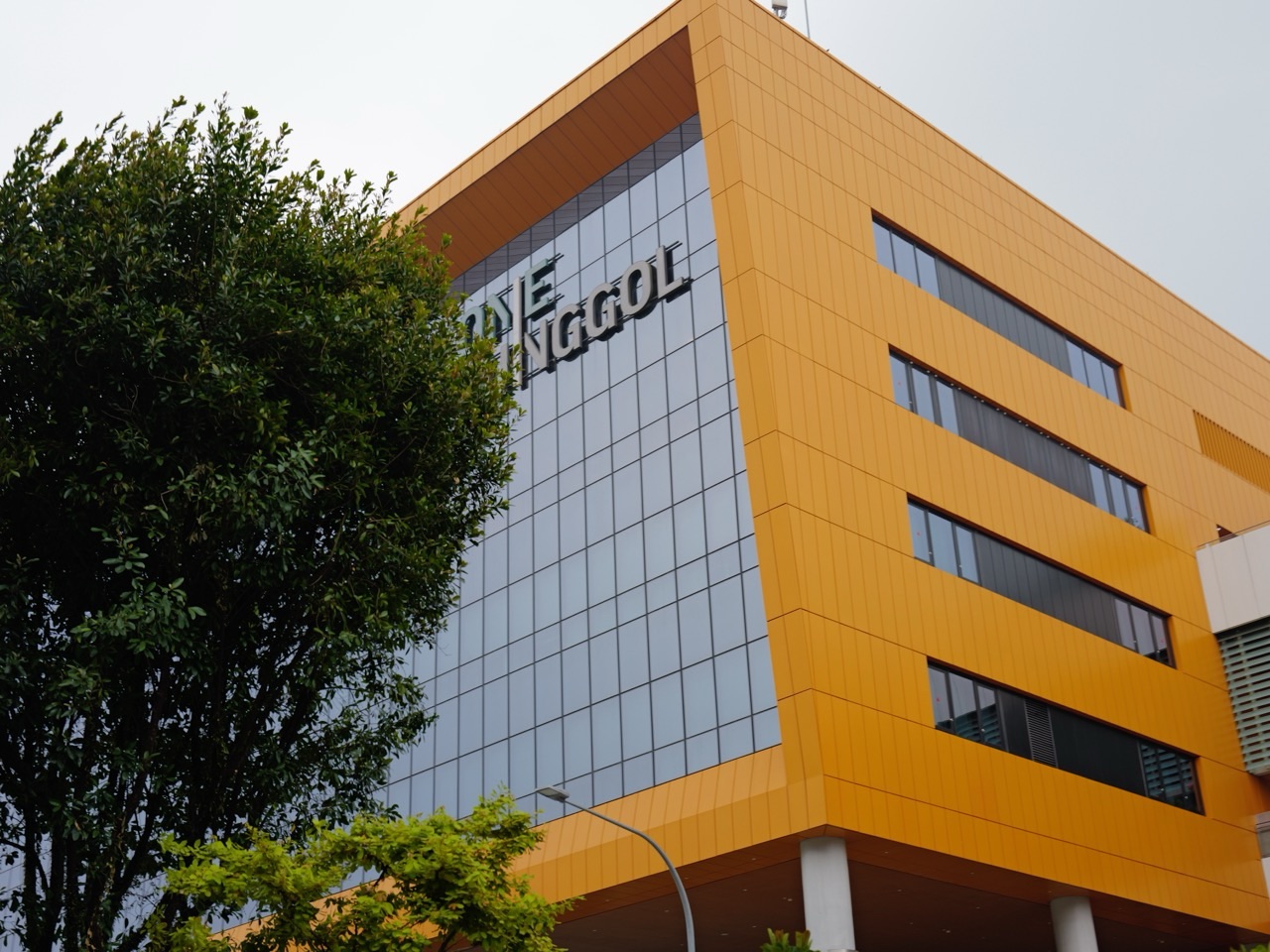
Planning group things to do in Punggol? For two people, a walk and meal is enough. For four, choose one main activity and a place where everyone can sit comfortably. For eight, agree on the meeting point, food arrangements, route length and return time before moving. Punggol Waterway Park, One Punggol and Punggol Coast each offer useful neighbourhood clusters, but a good group outing is more about coordination than the number of venues visited.
Punggol outings with friends, families, cousins, classmates or colleagues are easiest when everyone knows the budget, the actual destination and how the plan changes if it rains. A group can meet near Punggol MRT for a short waterfront walk, use Punggol Coast for contemporary public spaces and food, or make a booking enquiry for a specific organised activity. Do not assume eight seats will be available together at every stall or that any visible sports venue is currently bookable. This guide handles the group logistics that ordinary attraction lists leave out.
Updated 17 October 2026. Itinerary examples do not guarantee restaurant seats, course places, park access or public-venue bookings. Punggol Point Park remains affected by upgrading works, and Punggol Heritage Trail is being opened in phases. Check operator rules, safety notices and current event listings before inviting people to a specific activity.
How group size changes the right Punggol outing
| People | Better kind of activity | Likely coordination issue | Simple solution |
|---|---|---|---|
| 2 friends or couple | A walk, meal, exhibition or reading stop | Different interests | One person chooses the anchor, the other the finish |
| 3–4 friends | Short public-space walk followed by food | Spending and seat preferences | Agree on shared budget and one open dining cluster |
| 5–6 family members | Waterway / library-adjacent visit with an optional stop | Children, energy and walking pace | Short route, visible meeting point, clear supervision |
| 7–8 classmates | One familiar public area or confirmed booked activity | Late arrival and group splitting | Exact entrance, cut-off time and buddy plan |
| 8 relatives across generations | A meal plus a very short accessible option | Seats, toilets, mobility and time | Choose the meal first and walk second |
| 10+ colleagues or community group | Operator-confirmed organised programme | Capacity, permissions, equipment, cancellation | Get formal availability and event conditions before announcing |
Group planning is a different skill from picking attractions
Agreement is easier when the group is small
Two people can often change plans in seconds. With four, one person may want a long park walk while another wants a cafe; with eight, the disagreement gets multiplied by arrival times and different budgets. Avoid a long poll with twenty options. Offer a useful short choice: ‘one-hour outdoor walk and food, or a two-hour indoor activity and food?’
A good organiser suggests a default and a deadline for changing it. If the group is uncertain, choose an inexpensive, public-access activity that is easy to leave. This reduces the cost of somebody deciding the outing is not for them.
One map pin is better than an area name
Punggol MRT, the LRT stations, Punggol Coast MRT, Waterway Point and One Punggol are related but different landmarks. ‘Meet at Punggol’ may send members to different exits or even the wrong station. A late arrival can then disrupt the rest of the day.
Share a named station, clearly signed entrance and exact meeting window, plus a second message saying where the group will be after the start time. Avoid assuming everybody has the same route or data connection.
Capacity is not merely how many people fit on a path
An eight-person group can walk along a public path without a booking in many circumstances, but that does not mean the path is a private event space. Joggers, cyclists, families and people with mobility needs share it. Keep groups from spreading across the whole width of a connector or stopping in a pinch point.
For organised events, filming, reserved gathering spaces, BBQ pits or activities involving equipment, specific permits or operator rules may apply. Check NParks and the venue rather than inventing a universal group-size threshold or assuming ordinary public access authorises everything.
Food costs and seating can dominate the day
One person in a group of four may have a different budget or dietary need. A group of eight may not find adjacent seats during a lunch peak. Discuss what type of meal is acceptable before leaving: a hawker meal where seating is flexible, a reservation at a restaurant, or separate purchases with a clear reconvening spot.
Avoid promising a table or a price without checking. If the meal depends on a booking, confirm directly. If not, pick two suitable options in the same cluster so the group can adapt to queues or unavailable stalls. The Punggol food guide owns specific venue information.
The weakest link is often the return journey
A mixed group may travel from Hougang, Sengkang, Pasir Ris, central Singapore and northern Punggol. A perfect scenic ending can still be a poor plan if the last person faces a long transfer or a poorly lit exit. Meet and finish close to a suitable transit node whenever the visit is short.
Decide whether people will all return together. Make independent departure acceptable, especially for families or adults with appointments. A group outing should be socially welcoming rather than feeling like an obligation to stay until the organiser is done.
Weather risk grows when coordination becomes harder
With two people, moving indoors is simple. With eight, heavy rain can scatter participants, create extra waiting and upset reservations. Define the wet-weather trigger and backup in advance. Outdoor Punggol plans also need current haze and lightning information; do not rely on the previous day’s conditions.
A robust fallback stays in the same neighbourhood cluster, such as a suitable open indoor venue near the agreed meeting point. Do not assume an unbooked class or a private facility can absorb the whole group without notice. Use the Punggol rainy-day options guide for a wider shortlist.
The organiser should not do all the work
For a simple social outing, one person may select the route while another checks food, one checks transport, and another watches the return time. This is not bureaucracy; it prevents a single person from having to manage every detail while everyone else waits.
Keep roles light. A one-line task is enough: ‘Please check whether the outlet opens Sunday afternoon’ or ‘Could you find a sheltered backup near the station?’ If someone is not comfortable with an assigned role, choose another simple plan rather than making the outing a project.
The Punggol group-outing decision matrix: pick one cluster
Punggol MRT and central Waterway
This is a strong default for a group with mixed commuting origins. The area combines transport connections, Waterway Point, access to a well-known waterside stretch and One Punggol’s community/library functions. A one-hour walk and meal can be adjusted easily if somebody arrives late or wants to leave early.
It is not a single bookable space. The Waterway is a public park with shared-use paths, and each indoor facility has its own rules. On busy days, plan a standing meeting point rather than assuming a group can immediately sit together. The detailed Punggol Waterway Park guide owns map and feature details.
Punggol Coast and the Digital District
This cluster works for friends interested in architecture, modern Punggol and currently open new dining and retail. JTC identifies Punggol Coast Mall, the hawker centre and the first 400m of Punggol Heritage Trail as present public amenities. Two to six people can explore a manageable part and meet at a specific food venue.
The entire proposed 1.3km heritage connection is not automatically open, and some district buildings have controlled access. An organiser must keep within confirmed public areas and avoid assuming a large group has permission to use staff or campus spaces. Check the Punggol Digital District guide.
One Punggol and the library-community hub
This cluster is useful for an educational or community-minded small group. It can support an ordinary library visit, food and discovery of public programmes. However, library zones have behaviour rules, and a special programme needs registration. Meeting and talking at length in a quiet reading area is not appropriate.
Choose a permitted gathering place if the group wants to chat. For formal sessions, search current onePA and NLB programme conditions. The fact that a building houses multiple amenities does not mean its rooms are open for unreserved group use.
SAFRA Punggol and organised group activities
Some people prefer a booked game, cohesive activity or organised programme to a public walk. SAFRA Punggol has a range of facilities and commercial operators, with individual booking, membership, equipment, capacity and availability rules. A group enquiry is the correct next step when the event needs reserved space.
Use the existing SAFRA Punggol team-building guide or SAFRA Punggol function-room planning guide rather than stating made-up prices or promising slots. This article helps decide whether a booked activity fits the group before anybody pays.
Coney Island and a deliberate nature group
Coney Island is worth considering for a compact, nature-focused group that agrees on rustic ground and an unhurried outing. NParks lists a 7am–7pm opening window. It is less suitable for large mixed-ability groups without clear planning, or any party expecting a convenient cafe every few minutes.
Keep to designated routes, do not disturb wildlife or block other walkers, and agree on a meeting procedure. An organiser should know who is in the group and how the party will leave before closing time. When rain or unhealthy haze is a concern, choose another day or indoor plan.
Twenty useful small-group moves before, during and after the outing
1. Start with the one thing everybody can agree on
Action: Choose the shared purpose: catch up, exercise, try food, learn something or celebrate. Avoid: Avoid building an itinerary around a photo opportunity that only one person wanted. Small planning decisions matter more as a group grows; each one makes the actual social time more pleasant.
2. Set a realistic discretionary-spend range
Action: Confirm whether the budget includes transport, food and optional activity fees. Avoid: A free park can still turn into a costly afternoon if the food decision is left vague. Small planning decisions matter more as a group grows; each one makes the actual social time more pleasant.
3. Pick one exact rendezvous point
Action: State the train station and named accessible entrance. Avoid: Do not send different group members to different sides of a large mall. Small planning decisions matter more as a group grows; each one makes the actual social time more pleasant.
4. Agree on the maximum walking time
Action: Ask about children, heat, mobility and energy without making assumptions. Avoid: Shorten the route if the group is more mixed than expected. Small planning decisions matter more as a group grows; each one makes the actual social time more pleasant.
5. Choose an early exit point
Action: End somewhere with a straightforward public transport option. Avoid: It should be socially acceptable to leave before others. Small planning decisions matter more as a group grows; each one makes the actual social time more pleasant.
6. Clarify who supervises children
Action: Name the responsible adults and expectations for crossings and public paths. Avoid: Being related does not automatically make every adult responsible for every child. Small planning decisions matter more as a group grows; each one makes the actual social time more pleasant.
7. Add food after the shared activity
Action: A meal can be the reward and social anchor after one local experience. Avoid: Consider an earlier meal if hunger or age makes that kinder. Small planning decisions matter more as a group grows; each one makes the actual social time more pleasant.
8. Split optional activities from essentials
Action: Describe anything beyond the anchor as optional. Avoid: Nobody should feel obliged to follow a long route out of politeness. Small planning decisions matter more as a group grows; each one makes the actual social time more pleasant.
9. Reserve only if reservations improve the day
Action: Book courts, rooms, ticketed programmes or meals when a booking is genuinely required. Avoid: Do not let speculation about slots replace checking actual availability. Small planning decisions matter more as a group grows; each one makes the actual social time more pleasant.
10. Carry a simple weather alternative
Action: Identify a nearby public indoor fallback. Avoid: Don’t add long travel between two unverified indoor venues. Small planning decisions matter more as a group grows; each one makes the actual social time more pleasant.
11. Check path etiquette before cycling
Action: Use only designated cycling routes and follow signs around bridges and boardwalks. Avoid: Cycling together requires attention to pedestrians and group spacing. Small planning decisions matter more as a group grows; each one makes the actual social time more pleasant.
12. Assign one person to keep time
Action: Let someone politely signal when it is time to turn back. Avoid: A good outing should end comfortably, not in a sprint. Small planning decisions matter more as a group grows; each one makes the actual social time more pleasant.
13. Agree how photos will be shared
Action: Ask before posting identifiable pictures of friends or children. Avoid: People’s comfort with public posting differs. Small planning decisions matter more as a group grows; each one makes the actual social time more pleasant.
14. Avoid blocking narrow pathways
Action: Regroup at safe wider spaces, not on bridges or active cycle lanes. Avoid: A group does not have priority over other public-space users. Small planning decisions matter more as a group grows; each one makes the actual social time more pleasant.
15. Identify a safe child meeting point
Action: Agree where an adult and child reconnect after using different areas. Avoid: Do not use a phone message as a substitute for young-child supervision. Small planning decisions matter more as a group grows; each one makes the actual social time more pleasant.
16. Make the group’s food plan inclusive
Action: Ask about allergies, dietary needs and budget. Avoid: Do not treat one’s favourite stall as suitable for everyone. Small planning decisions matter more as a group grows; each one makes the actual social time more pleasant.
17. Know which facilities are not yet open
Action: Check current official notices before promising sports or heritage facilities. Avoid: A grand opening announcement and actual bookable hours are different facts. Small planning decisions matter more as a group grows; each one makes the actual social time more pleasant.
18. Bring water for outdoor segments
Action: Keep each participant responsible for suitable personal supplies. Avoid: Long hikes, hot days and toddlers need more preparation than a mall browse. Small planning decisions matter more as a group grows; each one makes the actual social time more pleasant.
19. Give quiet members room to opt out
Action: Offer a sit-down alternative or a separate end time. Avoid: A social outing should not demand constant group activity. Small planning decisions matter more as a group grows; each one makes the actual social time more pleasant.
20. Close the loop with an easy future option
Action: Afterwards, note what worked: route, budget and meeting place. Avoid: The best learning is practical and improves the next outing without a formal survey. Small planning decisions matter more as a group grows; each one makes the actual social time more pleasant.
Six complete outings scaled to the people joining
Two friends: Waterway catch-up in about 60–90 minutes
Meet at Punggol MRT, choose an accessible central Waterway stretch, walk at a conversational pace and return toward a convenient food option. Either person can shorten the activity if tired. If the weather turns unsuitable, move directly to a confirmed open indoor venue rather than making an exposed waterfront walk compulsory.
The objective is conversation and a change of scenery. There is no need to visit the whole park. Keep costs modest unless both friends want to spend more.
Four friends: Punggol Coast discovery plus food
Meet at Punggol Coast MRT, observe a small part of the open public district and first accessible heritage-trail area, then choose a suitable meal. Confirm the restaurant or hawker option before expecting four adjacent seats. If the district feels crowded, move to the meal earlier or shorten the public-space walk.
Best for friends interested in new public spaces and local conversation. Do not enter incomplete trail sections or non-public SIT/workplace areas. Spend the afternoon on one cluster.
Six family members: Waterway play and One Punggol
Start with a short park segment suitable for the youngest and least mobile participant, then use a family-appropriate indoor or food stop. Give each child one easy observation prompt if they enjoy it. Arrange seating and bathroom needs early, and avoid making the group walk on just because one adult wants a longer route.
The group can split briefly only where supervision remains appropriate and a clear meeting point exists. A short relaxed experience is preferable to competing demands across several locations.
Eight classmates: shared destination and independent choices
Choose a well-known public meeting point and two alternatives in the same cluster: a short accessible walking segment for those who want movement and a suitable public indoor/food stop for those who prefer sitting. Agree when everyone reconvenes and how people get home. Set the group budget first.
Do not expect any commercial venue to automatically seat eight without a booking. Do not spread across shared paths or enter restricted facilities. If an organised activity is essential, confirm availability before telling people to travel.
Eight relatives: shared meal with a gentle walk
Let the meal be the main event. Choose a convenient food cluster and ask about seating, age and dietary needs. Those who want a short waterfront stroll can take it before or after, while others remain at an appropriate agreed location. Make departures flexible for older relatives and households with children.
Avoid treating the walk as an obligation. Grandparents or younger children should not be expected to keep pace with the fastest adults. If the meal cannot accommodate everyone, choose another provider rather than improvising a stressful arrangement.
A workplace team: planned activity with confirmed capacity
Decide whether the objective is conversation, light movement or an organised cohesion activity. For a structured booking, ask the operator about maximum participants, membership rules, fees, timing, cancellation and weather arrangements. SAFRA Punggol may be a lead, but actual service bookability must be confirmed.
This is not a substitute for a reservation system. The existing team-building enquiries guide gives a more suitable operator-specific starting point than an assumption that any visible space can host a corporate event.
Group etiquette around children, nature and shared paths
Punggol’s public spaces work because many different people share them. Keep groups from blocking paths, reduce loud noise where it is inconsiderate, and move aside safely before comparing photos or discussing the next stop. NParks asks visitors to stay on designated trails, not feed wildlife and take care of park amenities. Groups cycling along park connectors must obey device and speed signage, including selected Punggol bridges where riding is not permitted.
A picnic is different from an organised barbecue. Ordinary sitting and eating do not grant a right to set up cooking equipment or occupy a shelter exclusively. NParks requires bookings for designated barbecue pits and other rules can apply to organised events. Read the Punggol picnic and BBQ guide before buying supplies. Do not improvise an open-flame activity in a public park.
A mixed-age group also needs clarity about responsibility: who is collecting children, whether a teen is permitted to leave with friends, which adults will stay nearby and what to do if someone becomes separated. Do not assume a shopping centre, station or park can supervise the group for you. These ordinary precautions are part of making the day enjoyable.
Frequently asked questions about group outings in Punggol
What are the best group things to do in Punggol?
For flexible informal groups, a central Waterway walk plus food, One Punggol community/library browsing, or a Punggol Coast public-space outing can work. Organised team activities require operator-specific booking confirmation.
Is Punggol suitable for eight friends?
Yes, with planning around seating, meeting points, cost and transport. Choose a clear neighbourhood cluster and expect that the group may need to split for food or a short optional activity.
What can four people do for free?
Public waterfront walking, suitable open heritage areas and general public library browsing can be free to enter. Costs for transport and food remain separate, and some workshops or facilities have fees.
Can a group use Punggol Waterway Park without booking?
Ordinary public enjoyment is different from a reserved event. For organised gatherings, commercial use, cooking or equipment, check NParks’ current permissions and rules. Do not assume one group-size rule covers every purpose.
Can we have a barbecue at the Waterway?
Do not start cooking based on an informal recommendation. Check designated BBQ locations, current permits and booking conditions. The site’s picnic and BBQ guide is the appropriate owner.
Where is the easiest group meeting place?
Near a clearly signed Punggol MRT or Punggol Coast MRT exit, depending on the first activity. Specify the exact station and entrance; these stations are not interchangeable.
What if some friends arrive late?
Choose a location where the group can start a flexible activity and provide a second clear meeting point. Do not force those who were punctual to wait outdoors indefinitely.
What is the easiest Punggol outing for mixed ages?
Make a meal the anchor, add a short optional park or public-space activity, and choose a location with straightforward toilets and transport. Ask about actual mobility needs.
What can work for classmates after school?
A short approved outing to a familiar public destination or library, with a clear parent-agreed return plan. Respect library behaviour rules and avoid making a large group crowd a quiet zone.
Can we organise a cycling group?
Yes where paths permit, with safety gear and attention to pedestrians, but not every Waterway bridge or boardwalk allows riding. Follow NParks’ current park-connector guidance and have a regrouping plan.
Does Coney Island suit a large group?
It suits a properly prepared nature-focused group, but rustic ground, 7am–7pm opening hours and limited nearby indoor facilities make it less flexible than central Punggol. Keep the party together and respect wildlife.
Can we use the full Punggol Heritage Trail?
No. JTC confirms the first 400m open; the rest is phased. Stay within public sections and avoid construction boundaries.
What if it rains during a group walk?
Have one indoor backup close to the meeting point and follow lightning guidance. Do not assume the whole group can instantly enter a booked venue that was never reserved.
How much money should each person bring?
Agree on a discretionary-spend ceiling and whether it includes travel, food and admission. A free public-space visit can still generate costs for snacks, rentals or a long meal.
How do we find a venue for a birthday or team event?
Identify required capacity, budget, duration and equipment, then enquire with the actual operator. The SAFRA Punggol room and cohesion guides can be starting points; no live availability is guaranteed here.
Do children need supervision on group outings?
Yes, with responsibilities agreed clearly among their caregivers. School-age and teen independence varies; follow family expectations, transport safety and venue rules.
What if one person dislikes outdoor walking?
Offer a sit-down or indoor alternative in the same cluster and a common meeting point. Do not treat one person’s preference as an obstacle to be overcome.
Should we make an itinerary minute by minute?
Usually not for informal leisure. One start time, one anchor, one meal and a finish time are sufficient. An organised or booked activity may require a more precise schedule.
Can everyone take photographs together?
Use a safe stopping area, respect others’ privacy and obtain consent before posting identifiable images. Do not stand in cycling lanes, near wildlife or behind restricted barriers.
Where can I find Punggol event dates?
Check current onePA and actual venue organisers, then read eligibility, date, location and fees. A Punggol organiser may run an event outside Punggol, so check the physical venue.
Is Punggol Point Park currently usable?
It has been under upgrading since 2026. Do not rely on older itineraries; confirm current NParks notices and choose a safe, open alternative.
How can a group avoid overcrowding a library?
Use appropriate library zones, respect quiet-space rules and check whether a room booking is needed. A large discussion may belong in a booked or commercial space rather than a silent reading area.
Where this article belongs in the eduKate Punggol reading network
- Punggol lifestyle planner — decide by time, budget, energy and weather.
- Hosting Friends and Family in Punggol — hospitality and individual guest needs.
- Calm Things to Do in Punggol — a quieter-feeling outing.
- Punggol Community Lifestyle — finding organised local interests, clubs and events.
- Things to Do in Punggol With Friends — destination choices for informal social time.
- Things to Do With Kids — age-appropriate activities.
- Picnic and BBQ Spots in Punggol — correct booking and cooking distinctions.
- SAFRA Punggol Team-Building Enquiries — operator-specific group bookings.
- eduKateSG Punggol family school journeys — local learning ideas when children are joining.
Official sources and 2026 update discipline
Use NParks park etiquette, NParks park connector safety, NParks Coney Island visiting hours, JTC public amenities in Punggol Digital District and One Punggol CC live organiser listings for current decisions. Planning examples are illustrative, not confirmed restaurant reservations or facility availability. Updated 17 October 2026.


