
Jump to: Picnic and BBQ map · SAFRA Punggol · NParks pit booking · Group-event booking · Local outing plans · Food handling · Organising message
A picnic in Punggol can be as simple as a meal, a mat and a short walk. A barbecue needs an authorised cooking facility and the right booking. Start with the people coming and the kind of outing you want, then choose the place. For a public-park BBQ, check NParks’ current pit directory and booking service; do not assume a Punggol park or waterfront space provides a bookable pit.
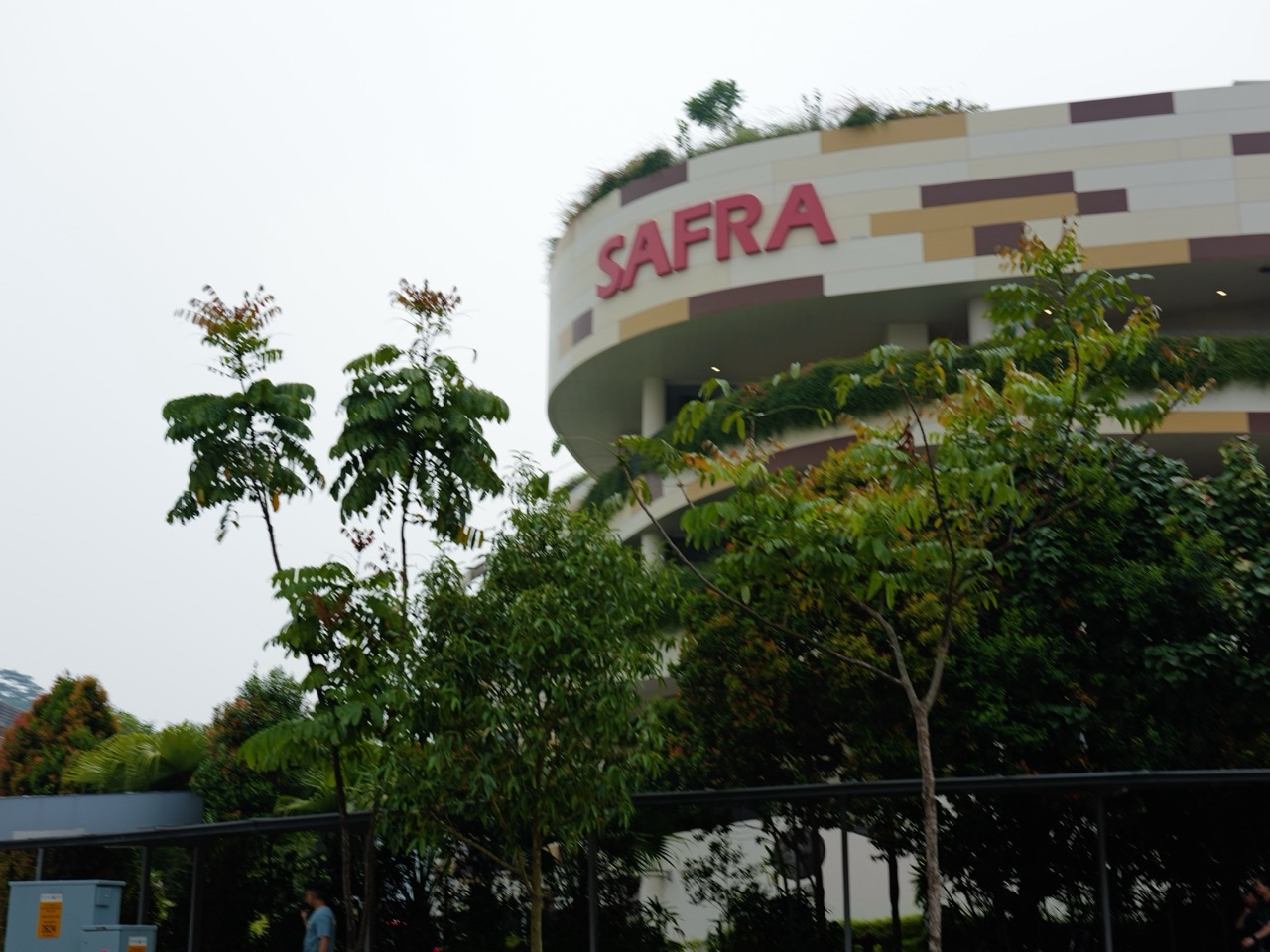
Punggol still has a legitimate bookable BBQ option: SAFRA Punggol’s Culinary Experience Studio with BBQ add-on at 9 Sentul Crescent. SAFRA currently offers a bookable indoor cooking studio with a professional charcoal grill outside, with Waterway views and day/evening booking blocks.
This guide therefore separates picnic places, public park BBQ rules, SAFRA’s bookable BBQ setup, and private HDB/condo BBQ facilities. The rule is simple: picnic freely where park rules allow; barbecue only where an authorised pit or private facility exists.
Punggol picnic and BBQ map at a glance
| Place | Picnic? | BBQ? | Planning use |
|---|---|---|---|
| Punggol Waterway Park | Where current rules and conditions permit | No public NParks BBQ pit listed | Families, Waterway view, playground + walking |
| Coney Island | Light outing; check the exact spot and rules | No | Nature outing, cyclists, quiet lunch |
| Punggol Promenade | Yes, where space/rules allow | No public pit | Waterfront picnic and walking |
| Northshore common green / waterfront | Check the exact space and its rules | Estate-specific only | Northshore residents, sunset |
| SAFRA Punggol | Not a park picnic route | Yes — bookable Culinary Experience Studio + BBQ add-on | Planned group BBQ |
| HDB / condo BBQ facilities | Estate-specific | Yes only where provided/booked | Residents and authorised guests |
| Pasir Ris Park | Yes | Yes — public NParks pits | A public-park BBQ alternative outside Punggol |
1. Punggol Waterway Park — a family picnic option
Punggol Waterway Park offers several possible starting points for a family picnic. NParks lists the 25.79-hectare park as open 24 hours, wheelchair accessible and elderly friendly. Check the exact spot, route, nearby amenities and current notices before settling in; published opening hours do not confirm that every path or facility is available.
Good picnic formats include:
- breakfast picnic before the heat;
- simple lunch near the recreation zone;
- snacks after cycling;
- sunset picnic near the western Waterway;
- children’s picnic combined with playground / water play.
Bring a mat, food, water and rubbish bags. Keep paths clear and leave the grass cleaner than you found it.
Can I barbecue at Punggol Waterway Park?
Do not assume so. NParks’ current BBQ booking system does not list Punggol Waterway Park among its public barbecue-pit parks. NParks also prohibits starting an open fire or naked flame outside a designated barbecue pit.
A disposable grill on the grass is not a substitute for a bookable pit.
2. Coney Island — picnic light, leave no trace
Coney Island works best for a small packed picnic rather than a large party. The park is open 7am–7pm, has no carpark on the island itself and is primarily a nature park. Carry in what you need and carry everything out.
- sandwiches / packed rice;
- fruit;
- water;
- small mat;
- insect repellent;
- nothing that requires cooking or an open flame.
Do not treat a quiet nature park as a party venue with loud speakers or extensive setup.
3. Punggol Promenade — waterfront picnic without a full park day
The Punggol Promenade network is useful when you want the water view without committing to a long Waterway Park outing. Riverside Walk, Nature Walk and the northern waterfront give different moods.
Check NParks’ current connector notices before choosing a coastal spot. Punggol Point Park has been closed for upgrading since 11 August 2026, with works expected to finish on 31 December 2027. That is an expected completion date, not a confirmed reopening. The notice names Punggol Point Park; check neighbouring routes separately. NParks also lists a wild-boar advisory for Punggol Promenade Nature Walk: stay on designated paths and keep your distance. The Punggol Promenade guide explains the different sections.
4. Northshore waterfront and common green
Northshore’s HDB planning deliberately connects the plazas, common green, housing and waterfront through the sheltered community spine. Casual resident picnics can work well here because food, supermarket, toilets and shelter are nearby.
This is not a public BBQ-pit promise. If an HDB precinct or private development has its own grill/BBQ facility, use the estate’s booking rules.
5. Punggol Digital District / Heritage Trail — good for takeaway-and-sit, not open-fire cooking
For a walk around Punggol Digital District, check which public spaces and Heritage Trail sections are currently accessible. The Digital District guide separates current access from planned facilities. A rest stop should fit the rules of the exact space; do not assume that a district-wide public-access description permits a picnic at every location.
Do not interpret “public open space” as permission for a barbecue, tentage or private event setup. Larger organised gatherings may require venue/permit arrangements.
6. One Punggol / Town Centre — picnic with infrastructure close by
A simple picnic near the Waterway around the Town Centre works well for families because One Punggol, the library, hawker centre and Waterway Point provide food, toilets and wet-weather backup.
This is especially useful with young children: the family can abandon the outdoor plan without losing the entire day if rain starts.
The legitimate BBQ option inside Punggol: SAFRA Punggol
SAFRA Punggol currently offers a Culinary Experience Studio with BBQ Pit Add On Package. The facility is at 9 Sentul Crescent, #01-01A, beside the Waterway environment.
SAFRA describes the studio as an air-conditioned, fully equipped cooking space, with a Napoleon Professional charcoal grill available as part of the BBQ add-on. Current packages use six-hour blocks, with a nine-hour evening extension on peak days.
Current SAFRA Punggol BBQ package structure
| Booking | Current published structure |
|---|---|
| Non-peak | Mon–Thu, 6-hour blocks |
| Peak | Fri–Sun / eve of PH / PH, 6-hour blocks |
| Typical blocks | 9am–3pm or 6pm–midnight |
| Peak extension | Evening booking can extend to 3am under current package terms |
| Capacity | Studio currently states maximum 30 persons, subject to setup |
Current SAFRA pricing is substantially higher than a public-park BBQ pit because the booking includes the Culinary Experience Studio rather than a bare outdoor pit. Check the live SAFRA page before booking because rates and package design can change.
How to book SAFRA Punggol BBQ
Use SAFRA’s Culinary Experience Studio page for the package and booking terms. Its published booking-enquiry email is pgclub@safra.sg. Ask about the BBQ add-on, your participant category and the available slot before paying; studio-only rates and studio-with-BBQ rates are different.
Before paying, confirm:
- date and block;
- current member/public price;
- BBQ grill included/add-on status;
- maximum group size;
- food preparation rules;
- cleanup responsibilities;
- wet-weather implications;
- extension options.
HDB estate BBQ pits
Some HDB precincts have estate facilities or common spaces that residents can book through the relevant Town Council / estate system. Availability is block- and precinct-specific.
Do not assume a grill visible downstairs is a public walk-in facility. Ask the Town Council / estate facility manager and follow the booking rules.
Use Town Council and Estate Matters in Punggol when you do not know which estate body owns the space.
Condo and EC BBQ pits
If a condominium or executive-condominium development provides a BBQ area, its access and booking conditions belong to the managing agent or MCST. Check the specific development’s facility list; the building type alone does not establish that a pit exists or that guests can book it.
- Resident booking usually required.
- Guest access depends on resident sponsorship.
- Deposits / cleaning fees can apply.
- Noise and end-time rules differ by development.
- Charcoal / gas / electric-grill rules differ.
Use Punggol Condos & Executive Condos 2026 for the development map, then ask the specific MCST about facilities.
If you want a public-park BBQ pit: Pasir Ris is the practical nearby option
NParks currently lists Pasir Ris Park as a public BBQ park with 65 pits across four areas. Pits must be booked in advance.
For a Punggol family that wants the traditional Singapore park-BBQ experience rather than a private facility, Pasir Ris is one of the closest practical alternatives.
How NParks public BBQ booking works
For designated NParks BBQ pits, the current general system is:
- book up to 2 months in advance, first-come-first-served;
- use Singpass / NParks online service or AXS where applicable;
- fees are generally S$12–S$20 per day depending on location;
- permitted BBQ time is 12pm–10.30pm on the booked day;
- carry the electronic or printed permit for verification.
Jurong Lake Gardens uses a separate booking route: NParks directs enquiries to nparks_jlg@1-host.sg, with no AXS booking for those pits. Follow the chosen park’s instructions rather than assuming every NParks pit uses the same channel.
NParks does not allow open fire or naked flame outside the designated booked BBQ pit. LPG cylinders, refillable gas cylinders, portable stoves and generators are also prohibited at NParks BBQ pits under the current etiquette rules.
Do not bring a portable stove to “make your own BBQ pit”
This is one of the most important practical rules. A picnic does not become a barbecue because somebody brings a portable cooker.
If cooking is the main activity, use a properly authorised facility.
Picnic with young children
- choose shade;
- stay close to toilets;
- bring more water than you think;
- use simple food that survives heat;
- keep playground / water-play access nearby;
- avoid a huge setup that one adult must carry while supervising children.
Waterway Park / Town Centre is usually easier than Coney Island for very young children because amenities are closer.
Picnic with teenagers
Ask teenagers which part of the outing appeals to them: a meal with friends, a short walk, photography or a cycle ride. Match the plan to their interests and the current route conditions rather than assuming all teenagers want the same experience.
Give them responsibility for route, food or timing rather than turning the outing into another adult-managed programme.
Sunset picnic
Jewel Bridge / western Waterway and accessible Northshore waterfront spaces work well for sunset because the view is part of the meal.
Bring a small light for packing afterward, and leave before visibility becomes poor on cycling/shared paths.
Rain plan
A Singapore picnic plan should contain an indoor fallback before the first raindrop.
- Waterway Park → Waterway Point / One Punggol.
- Northshore → Northshore Plaza.
- Punggol Coast → check Coast Mall or the hawker centre’s current access and seating.
- Oasis → Oasis Terraces.
Read the current cancellation and refund terms before paying for a pit. Keep the provider’s payment conditions separate from the decision about whether the outdoor outing is suitable on the day.
Large picnic groups may need a permit
NParks’ event-venue booking page says a booking is required if an event has ticketed admission, needs setup such as tentage or a sound system, or has more than 15 participants. Submit the booking at least one calendar month before the event. A BBQ-pit booking should not be treated as permission for extra structures or a larger event.
A family of six sitting on a mat is not the same thing as a 40-person organised gathering with equipment.
Picnic etiquette
- Keep paths clear.
- Do not tie structures to trees.
- Take all rubbish away.
- Keep sound low.
- Do not feed wildlife.
- Do not leave charcoal or hot materials behind.
- Respect closure signs and protected areas.
- Do not set up tentage without proper approval.
A simple Punggol picnic plan
- Pick the park by family age and transport.
- Check weather.
- Buy food from the nearest neighbourhood centre.
- Pack light.
- Arrive before the strongest heat.
- Use the park rather than building a campsite.
- Pack out everything.
A simple Punggol BBQ plan
- Decide whether you need Punggol specifically.
- For an in-town booked grill, check SAFRA Punggol.
- For an HDB/condo facility, use estate booking rules.
- For a public NParks pit, book a designated park such as Pasir Ris.
- Never improvise an open fire in a Punggol park.
Choose the outing before choosing the spot
A picnic and a barbecue ask different things of the organiser. A picnic can be a short meal with food ready to eat, a mat and a straightforward journey home. A barbecue adds a booked cooking facility, fuel or equipment conditions, preparation, supervision, cleanup and a fixed end time. Decide which experience your household actually wants before comparing venues. If the goal is to talk together beside the Waterway, cooking outdoors may add work without improving the afternoon.
Start with the people attending. Ask who needs a seat, who can sit on a mat, who will carry the food, and how everyone will get home. A photograph of an attractive waterfront says little about those questions. For a toddler, an older relative or someone using a mobility aid, the distance from the arrival point to the chosen spot may matter more than the view. Make that distance part of the decision rather than an afterthought.
Then choose one main activity. Lunch followed by a short walk is a different plan from cycling followed by a snack. Trying to combine a long ride, a substantial meal, a playground visit and sunset photographs can leave everyone moving between tasks. There is no need to use every amenity in one outing. A small plan with time to enjoy the place often feels more generous than a full itinerary that keeps the group rushing.
Write a simple brief: who is coming, what you want to do, when you intend to leave, and what would make you change the plan. That brief helps you compare Waterway, Northshore, Coney Island and a booked venue on the same terms. It also makes disagreements easier to resolve. One person may want scenery while another needs easy access; the outing can accommodate both if those needs are stated before food and transport are arranged.
A Waterway and Town Centre picnic with a short return route
For a first attempt, consider an outing built around a small part of the Waterway rather than the whole park. Choose the arrival point and identify a possible picnic spot nearby, then check it in person before sending the meeting instructions. You are looking for a place where sitting does not obstruct a path and where the group can leave comfortably. Do not use the name of the entire park as the meeting point.
The Town Centre can be a useful reference when your group includes people unfamiliar with Punggol. The earlier sections explain the food and indoor options around Waterway Point and One Punggol. Treat those as nearby destinations to check, not reserved shelter or guaranteed seating. Decide whether you will buy food before meeting, collect separate orders together, or bring food from home. That choice determines how long people wait and how much the group carries.
A workable sequence is to meet, collect the agreed food, walk to the checked spot, eat, and take one short optional walk. Keep the walk optional for anyone who would prefer to rest or leave earlier. If someone arrives late, a precise meeting location and one organiser’s contact are more useful than asking them to follow the group along the Waterway. Avoid repeatedly moving the destination while people are still on their way.
Finish by returning to the same familiar arrival area unless there is a clear reason to leave elsewhere. This reduces the number of directions visitors need to remember. Before going home, make a final sweep of the spot and check that no container, bag or personal item has been left behind. The successful result is a pleasant meal and an easy departure, not the longest distance covered or the largest spread photographed.
A Northshore picnic built around one neighbourhood route
Northshore offers a different planning pattern: combine a meal with the neighbourhood centre and waterfront rather than travelling between several town destinations. Begin with the exact part of Northshore you intend to use. Northshore Plaza, the common green and the waterfront are related places, but naming one does not establish permission to set up in another. Look at signs and current access, and ask the responsible manager if your intended use is unclear.
The sheltered community spine helps explain how the district connects, but it should not become a promise that every stage of your outing is sheltered. A home-to-plaza route, a plaza-to-waterfront route and the last few metres to a picnic spot can have different conditions. Check the complete journey with the people and bags you expect to bring. A route that feels effortless without a load may feel different when carrying a cooler and supervising a child.
For a resident household, the outing can be deliberately modest. Pick up one meal, walk to a suitable nearby space, and return home without creating a large event. For visitors, share a clear arrival point and decide whether the organiser will meet them there. Do not assume everyone knows which plaza building, entrance or waterfront section you mean. Sending a checked map pin alongside the written destination can prevent a surprising amount of confusion.
Keep the food choice flexible. Choose from businesses actually operating when you visit, with dietary needs and the carrying distance in mind. An older tenant list or a photograph of a shopfront does not confirm current opening hours. The value of this Northshore plan is the ability to combine a few ordinary tasks in one neighbourhood. It works best when the group spends more time enjoying the meal than searching for each other.
A Coney Island outing where the meal stays light
Coney Island should be planned as a nature outing with food carried along, rather than a venue where a large meal setup becomes the centre of attention. NParks’ current visitor page lists opening hours of 7am to 7pm and no carpark on the island. Check the official page and approach-route notices before leaving. Allow enough time to get out before closing; reaching a picnic spot is only the first half of the journey.
Think about the return load before packing. Food containers may become lighter after lunch, but bottles, the mat and all rubbish still need to come back. Divide the load in a way the group can manage for the whole outing. If one adult must carry most equipment while also supervising children, reduce the equipment. The same applies to a cycling group: an enjoyable ride is harder to maintain when the picnic load is awkward or unsecured.
Choose the meal to fit the available handling arrangements. A light packed lunch does not remove the need to keep perishable food appropriately cool. If the group cannot transport and manage its food properly, eat elsewhere before or after the nature visit. You can still carry an appropriate snack and water without turning the stop into a full outdoor lunch. An outing does not lose its value because the main meal happens at another destination.
Keep a clear turning-back decision. If the weather, route condition or someone’s comfort makes the longer outing unsuitable, shorten it before the group becomes committed to a distant endpoint. Follow barriers and current signs even when an older map shows a connection. The Coney Island guide linked below explains the location in more detail; use it alongside NParks’ live information, with the return journey and closing time visible in your plan.
Pack according to what you can carry and use
Packing begins with the journey, not with a shopping list. Put together the essentials and consider how they will move through a lift, a crossing, a station entrance or a carpark. A large container that works at home may be awkward outdoors. Several small bags can also become difficult to track. Choose a manageable arrangement and keep the items needed first easy to reach, so the group does not have to unpack everything just to find drinking water.
Separate the meal equipment from personal belongings. Keep keys, phones and travel cards away from food containers that may leak or become wet. Give each person a known place for their own belongings. A family can manage a picnic with very little equipment, but the things it does bring should have a clear use. If an item requires a separate carrying trip or has no role in the chosen outing, consider leaving it at home.
Plan rubbish storage before the meal begins. Bring bags or suitable containers for waste and keep them from spilling during the journey back. Do not leave a pile beside a full bin or assume someone else will remove it after your group departs. Choose reusable items when they are practical for you to carry and clean, while remembering that reusable containers also need to be returned. The useful measure is what your household can handle responsibly.
Make one final check after packing: food handling, drinking water, personal needs, cleanup, directions and the return plan. That is more helpful than buying extra accessories because they appear on a picnic checklist. You may discover that a smaller mat, fewer dishes or a meal collected closer to the spot makes the outing simpler. Packing well means matching the load to the actual route and group, rather than treating a picnic as a miniature household move.
Keep food handling separate from the scenic part of the plan
Food deserves its own planning step. The Singapore Food Agency’s A–Z Food Safety guidance advises keeping perishable picnic and barbecue foods cool in a fridge or cooler bag until they are needed. Its barbecue guidance also separates raw and cooked food handling. Use the agency’s current advice when deciding what to bring and how to transport it; attractive packaging and a short-looking route do not establish food safety.
Choose a menu that the organiser can actually manage with the available storage, preparation space and utensils. If several people bring dishes, agree who is responsible for each item from preparation to serving. Avoid a plan in which everyone assumes someone else will provide the cooler or manage the raw ingredients. A ready-to-eat picnic and a cooking session require different equipment. Work out those differences before buying food, rather than discovering them after the group arrives.
Keep packaging and ingredient information available where someone needs it for dietary decisions. Ask participants about their requirements privately and early enough to make a useful arrangement. Do not describe a shared meal as suitable for everyone just because one dish has a familiar label. For any specific allergy or medical requirement, the participant should follow their own established guidance and confirm ingredients with the relevant provider. The organiser’s job is to communicate clearly and avoid unsupported assurances.
Let the handling requirements shape the timetable. If the food needs a particular storage arrangement, organise the collection, travel and eating sequence around that arrangement. Do not stretch the meal into an extended photo session while assuming the food will remain suitable indefinitely. Where you cannot provide the required handling, change the menu or eat at the food outlet instead. A picnic is optional; keeping the meal appropriate for the people eating it is the more useful priority.
Budget for the complete outing
A picnic budget has more than one line. Include food, drinks, transport, any parking charges, equipment you genuinely need, and the cost of a different meal if the outdoor plan changes. A barbecue adds the venue or pit booking and whatever the provider’s terms require. Keep those categories separate so you can see what is driving the total. Comparing only the pit fee with a studio package can make unlike options look directly comparable.
Use actual quotations and current booking pages rather than turning an old article price into a commitment. The NParks range and SAFRA package descriptions above help explain the different kinds of booking; the live owner controls what is available for your date. Before paying, check which items are included, which require an add-on and which are supplied by the group. Ask about any unclear charge rather than assuming that the headline rate covers everything you intend to do.
For a shared outing, agree how costs will be divided before purchases begin. Some participants may bring food while others contribute money, and children may have different needs from adults. A simple arrangement is to name the agreed costs, assign a buyer and keep receipts for shared purchases. This is an organising suggestion, not a required payment system. Use an arrangement the group understands and avoid collecting money for a booking that has not yet been confirmed.
Decide where you want to spend and where you are comfortable simplifying. Buying one convenient meal near the destination may be more useful than purchasing equipment for a picnic you rarely organise. A smaller group may prefer a short picnic to a large venue booking. The best budget for your outing is one that supports the experience people want and leaves room for the practical details, without creating pressure to continue an unsuitable plan simply because money has already been spent.
What to ask before booking SAFRA Punggol
SAFRA’s Culinary Experience Studio is a different proposition from a public-park pit. The booking combines an indoor cooking venue with the available charcoal-grill add-on, so start by deciding whether your group needs that kind of space. Ask which package applies to the date and participant category, and whether the BBQ component is included in the quotation you are considering. Studio-only and studio-with-BBQ rates should not be mixed when comparing the cost.
Send an enquiry that contains the proposed date, preferred block, approximate group size and intended activity. Mention any setup that could affect the available capacity. The published maximum is not an automatic confirmation for every arrangement. Ask the provider how arrival, access and handover work, especially if guests will reach the venue at different times. Keep the reply with the booking record so the organiser is not relying on a remembered conversation when the day arrives.
Clarify the supplied equipment and the responsibilities that remain with your group. Ask about food preparation, the grill, permitted fuel, utensils, cleaning and the condition in which the space must be returned. The provider’s current terms control those details. A photo of a well-equipped studio does not establish that every visible item is included or available for a particular booking. If an item is essential to the meal, obtain a clear answer before purchasing ingredients around it.
Finally, read the payment, cancellation, extension and end-time conditions before confirming. Distinguish the time guests stop eating from the time the venue must be handed back. Plan the last stage of the session so the organiser is not still cooking when packing should begin. Give participants the exact address and unit, rather than only the club name. A useful booking confirmation answers what has been reserved, who may attend, when it is usable and what must happen before departure.
Choosing a Pasir Ris public-park pit from Punggol
If the group wants an authorised public-park barbecue rather than a studio booking, Pasir Ris is an option to investigate from Punggol. NParks lists pits across several areas of the park. Choose an available pit by its actual location and your group’s arrival needs, not simply by the first available number. Check the official map alongside the booking system. A pit booking identifies a specific facility; it does not reserve the whole nearby beach, path or open space.
The journey deserves the same attention as the cooking. Decide who carries the food and equipment, where people meet, and how the load reaches the booked pit. If some participants arrive by public transport and others drive, give both groups useful directions. Do not send everyone to a broad park name and expect the pit to be obvious on arrival. A confirmed pit number and checked map location help prevent the organiser from spending the beginning of the session directing lost guests.
Review the site’s current restrictions before deciding what to bring. The NParks rules above include limits on fire, portable stoves, sound systems and structures around a pit. A weather concern does not automatically permit tentage, and a large gathering may create a separate event-booking question. If your intended setup is unclear, ask the responsible owner. Treat an unanswered question as something to resolve before the outing, rather than as permission to proceed with the most convenient interpretation.
Plan departure while transport is still straightforward for the group. The authorised barbecue window does not require you to use every minute of it. A family with young children may prefer an earlier finish, while guests travelling farther may need time to return comfortably. Keep the last food preparation, cleanup and carrying tasks within the booking conditions. The outing is complete when the facility is left properly and everyone has a workable way home.
Organise a mixed-age group without assigning everyone the same day
A group with toddlers, teenagers, working adults and older relatives rarely needs one identical itinerary. They may share the meal while joining different parts of the outing. Someone might arrive only for lunch; another might enjoy the walk beforehand; a third may need to leave early. Build those choices into the invitation. Flexible participation can make an outdoor gathering more welcoming without requiring the organiser to create a separate programme for every person.
Ask about practical needs directly. Will someone need a chair or a shorter walk? Is there a caregiver who needs to stay near a particular participant? Does a child need an earlier meal than the rest of the group? Do not infer these answers from age alone. Some older residents enjoy a substantial walk, and some younger participants need a simpler route. The useful plan comes from the people attending, not from a generic picture of what their age group prefers.
Keep the meal location stable once guests start travelling. If the organiser must change it, send one clear update explaining the replacement meeting point. Avoid a chain of partial messages that leaves different people following different versions. Ask someone already with the group to help late arrivals, so the person supervising children or managing the food is not also the only source of directions. Clear coordination reduces the amount of attention the outing demands from any one adult.
Make leaving easy. A guest should be able to depart without disrupting the whole gathering or waiting for the longest optional activity. Keep personal bags accessible and avoid combining everyone’s belongings into a single container that must be unpacked repeatedly. Where someone needs accompaniment, agree who provides it and when. The aim is shared time that respects different energy levels and commitments, with enough structure to help people participate and enough flexibility to let them stop.
Plan the whole route for a stroller or mobility aid
Accessibility is a complete-journey question. A park described as wheelchair accessible can still contain a route or picnic spot that does not suit a particular person’s needs on the day. Check the journey from the arrival point to the meal location, the nearby facilities you intend to use and the return route. Include surfaces, crossings, gradients, lifts and the space needed to move around the group’s belongings. A general accessibility label is a useful starting point, not the end of the check.
Speak to the person using the route. They may have a preferred way to travel, a limit on comfortable distance or a particular difficulty with transfers. Avoid replacing that information with the organiser’s guess about what looks easy. If the group includes a stroller, consider the load carried with it as well as the child. A stroller that becomes a storage trolley can be awkward to manoeuvre even on a route that seemed manageable during an unloaded visit.
Choose the actual meal spot carefully. A patch of grass may look attractive while making it difficult for someone to reach a seat or sit with the rest of the group. Do not solve that by leaving the person at the edge while everyone else settles farther away. Find an arrangement that lets people share the meal comfortably without obstructing other users. Check whether any seating you hope to use is available; public seating is not automatically reserved for your outing.
Where the route is uncertain, use the Punggol stroller and wheelchair route guide to prepare questions, then verify the chosen journey. A brief advance visit can reveal a detour or an awkward transition that a map does not show clearly. If the full trip is unsuitable, select a shorter outing or another meal location. Adapting the plan is more useful than expecting someone to overcome a route simply because the group has already chosen it.
Give children a clear role and a clear supervision plan
Children can contribute to a picnic without becoming responsible for organising the whole day. Give a task that fits the child: count the reusable cups, help check the packing list, carry a manageable personal bag or identify the meeting point on a map. Keep an adult responsible for supervision and decisions. The outing should remain enjoyable; a useful small responsibility is enough, and there is no need to turn every part of the meal into a lesson.
Agree who watches children when the group arrives and when food is being prepared. A barbecue makes this especially important because cooking can absorb an adult’s attention. Do not assume that a gathering of several adults automatically provides continuous supervision. Name the arrangement and make any handover clear. If the person supervising needs to leave the area or help with another task, another adult should know that the responsibility has changed.
Choose play that fits the location and other users. A public path is a transport route for people walking, cycling or using mobility aids; it should not become the group’s play area or equipment store. Check the relevant facilities and rules before planning an activity. If a playground is part of the outing, confirm how the meal location and supervision arrangement relate to it. Being able to see a play area from a distance does not answer every supervision question.
End with a task children can complete successfully, such as checking their own belongings or helping spot rubbish around the mat. Adults should handle any hazardous cleanup and all hot cooking materials. This gives children a practical experience of sharing public space without asking them to manage risks beyond their role. For a wider activity plan, the linked Punggol family guides provide other options; the picnic itself can stay small, clear and pleasantly ordinary.
Make a weather change a decision rather than a scramble
Decide when the organiser will review the weather and communicate the result. For an informal picnic, that might mean checking conditions before food collection and sending a clear confirmation or change to the group. A booked barbecue also needs a review of the venue’s current conditions and cancellation terms. Keep those questions separate: an unsuitable outdoor plan and the provider’s payment policy are different matters, and one should not be guessed from the other.
Identify an alternative meal location before guests leave home. It must be a place your group can legitimately use, with current access and enough practical capacity to investigate. A mall, hawker centre or library building nearby is not reserved space for a picnic group, and its rules still apply. The fallback may simply be to buy a meal normally, meet another day or return home. A workable alternative does not have to reproduce the outdoor setup indoors.
Do not use the picnic equipment as an improvised solution to a weather problem. A tentage or structure can raise separate permission questions, particularly around a booked NParks pit. Follow the official conditions and current local instructions. The Punggol safety guide provides the separate route for weather and urgent-help information. Keep live alerts and the responsible authorities’ advice ahead of an itinerary written before conditions changed.
Send a complete update when the plan changes: whether the outdoor gathering is cancelled, where people should go instead, what happens to shared food purchases, and who to contact. This is easier for guests than a series of messages saying the weather looks uncertain. Allow people to opt out of the replacement arrangement. The purpose of a weather plan is to make a sensible change easy, without social pressure to continue just because everyone was looking forward to the outing.
Leave public space usable for the next group
Public-space etiquette begins when you choose where to sit. Keep access routes open and avoid spreading bags or equipment across the path. A group may feel settled in its own corner while other visitors are still using the area for travel, exercise or rest. Look at the space from their point of view as well. Choose a smaller setup if the meal would otherwise require people to squeeze past you.
Keep the volume suitable for a shared place. Conversation and a gathering do not require the group to occupy the whole area acoustically. Follow the specific site’s rules, especially where sound systems are restricted. If a celebration depends on amplified music, decoration or substantial equipment, resolve the venue and event permissions before choosing the public space. The right venue can make the activity possible without expecting nearby visitors to accept a setup that was never authorised.
Treat wildlife as wildlife rather than part of the picnic. Do not offer food, leave scraps to attract animals or approach an encounter for a better photograph. Keep the food and waste managed while following current park guidance. The Punggol wildlife guide explains the separate encounter advice. A meal outdoors can be enjoyable without creating an animal interaction, and sightings should never be promised as part of the outing.
Leave time for cleanup rather than treating it as whatever happens after the official finish. Collect waste, check containers and make a final look around the spot. At a cooking facility, follow the provider’s instructions for the grill, hot materials and handover; do not assume ordinary picnic cleanup is sufficient. Leaving the space ready for others is part of using it well. A good gathering should be remembered for the shared time, not for the work it left behind.
A simple organising message and final decision check
An invitation becomes much more useful when it tells people how the outing will work. Include the date, exact meeting point, organiser contact, food arrangement, intended finish and the weather decision. Explain whether the event is a picnic with ready-to-eat food or a booked barbecue. If there is a shared cost, state what it covers and whether the venue is already confirmed. Those details help guests decide and prepare without needing several rounds of follow-up messages.
For example, a small household invitation might say: “We are planning a short Waterway picnic, with food collected before we meet. We will send the checked meeting pin and confirm the outdoor plan before everyone leaves. Please tell us any practical or dietary needs beforehand. We will finish after the meal and a short optional walk.” This is an illustration, not a real event announcement. Replace it with your actual arrangements and avoid presenting unconfirmed details as settled.
For a booked session, add the venue, unit, booking block and any participant instructions supplied by the owner. Keep the booking record available to the organiser, and make sure guests know where to report. Ask one person to coordinate food and another to help with arrivals if that suits the group. The responsibilities can stay informal, but they should be understood. Clear information lets the gathering feel relaxed because fewer important questions are left hanging.
Before committing, check the complete chain once: suitable place, current access, required booking, manageable food, realistic carrying load, participant needs, supervision where needed, cleanup and the return journey. If one essential part is unresolved, adjust that part before paying or travelling. This is the practical thread running through the guide. Punggol offers several ways to enjoy a meal outdoors; the useful choice is the one that fits the people attending and the conditions of the particular place.
Current official sources
- NParks — Barbecuing and BBQ pit booking
- AXS — NParks BBQ / camping services
- SAFRA — BBQ facilities
- SAFRA Punggol — Culinary Experience Studio
- NParks — Punggol Waterway Park
- NParks — Coney Island Park
- NParks — current connector notices
- NParks — event-venue booking
- SFA — A–Z Food Safety
Updated and expanded: 2 October 2026. NParks’ BBQ and event-booking rules, Waterway Park and Coney Island visitor information, current connector notices and SAFRA’s studio-with-BBQ package were consulted. Food-handling guidance links to SFA. Suggested outings are planning options rather than reservations or assurances of access: confirm the exact space, current conditions and booking availability before travelling.
Continue exploring Punggol
- Photo Spots in Punggol 2026
- Punggol Waterway Park Guide
- Things to Do in Punggol With Kids
- The Complete Punggol Guide
Punggol is excellent for picnics and surprisingly limited for public-park BBQs. That is not a problem once the map is accurate: picnic at the Waterway, Coney Island or Northshore; book SAFRA if the grill must stay in Punggol; use an authorised NParks pit elsewhere when you want the traditional public-park barbecue.
Punggol nature web: Coney Island · Waterway Park · Punggol Point / Closure · Lorong Halus · Punggol Promenade · Sunrise & Sunset · Birds & Wildlife · Photo Spots · Accessible Routes · Punggol & Serangoon Reservoirs · Complete Punggol Guide.
Estate routing: Return to the eduKatePunggol Atlas for the full learning, family and town knowledge graph, or continue through the neighbourhood and local-life routes above.


