
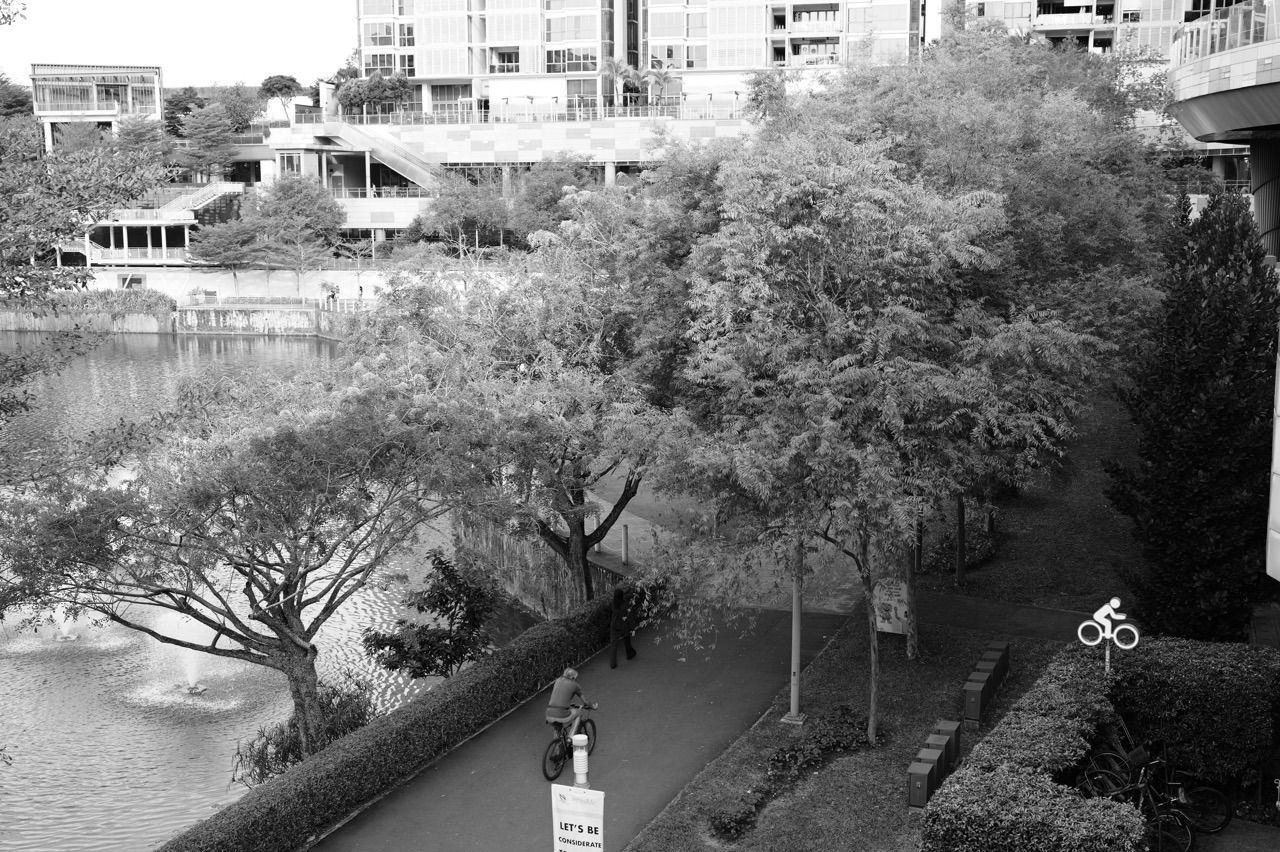
Looking for pet-friendly things to do in Punggol? Punggol Waterway Park is an official NParks dog-walking option, and nearby designated park connector routes can make a short leashed walk part of everyday life. Keep your dog under control, clean up after it, give other path users space and check conditions before leaving. A dog run is different from an ordinary park path: off-leash play belongs only in specifically designated dog-run areas where permitted. Restaurant, mall and public-transport pet access must be checked separately.
Dog walks and pet-owner lifestyle in Punggol work best when the animal’s comfort determines the outing. Choose a short waterside route during suitable weather, carry water and waste bags, look for a sensible turning point and leave before the dog becomes overheated or overwhelmed. For cats, birds and small pets, home enrichment may be kinder and safer than an unnecessary trip outside; AVS requires proper control and safe housing. This 2026 guide explains enjoyable pet activities, clear park etiquette and the details that can spoil an otherwise good day.
Updated 17 October 2026. ‘Pet-friendly’ never means pets are automatically allowed inside every shop, library, cafe, trail, vehicle or event. This article does not provide veterinary diagnosis, guarantee a venue’s pet admission or replace official licensing requirements. Special breed conditions, park notices, haze advisories and individual pet health needs must be checked directly.
Punggol pet outing at a glance: what to do, what to avoid
| Pet and goal | Practical option | Before you go | Important boundary |
|---|---|---|---|
| Dog needs a short walk | Known dog-permitted Waterway Park path | Leash, waste bags, water, temperature | Never block cycle paths or let dog chase wildlife |
| Dog enjoys longer walks | Permitted local park connector route | Footwear/paw comfort and safe return | Keep the route manageable and read signs |
| Dog needs social play | Verified designated dog run | Current location, rules, suitability | A normal park is not off-leash space |
| Dog and owner want food | Only an operator-confirmed pet-permitted venue | Pet seating policy, crowding, booking | Outdoor seating does not automatically permit dogs |
| Cat may enjoy enrichment | Safe secure home-based play | Species-appropriate toys and comfort | Do not assume outdoor trips are enjoyable |
| Small mammal or bird needs stimulation | Appropriate home enrichment and care | Safe enclosure, diet and supervision | Do not bring pets to parks as wildlife or props |
| Any pet when haze is unhealthy | Shorten outdoor exposure; choose suitable indoor care | NEA guidance and veterinary advice if needed | Do not treat human PSI advice as pet-specific treatment |
First distinction: pet-owner lifestyle is not the same thing as pet admission
Punggol Waterway Park is a good starting point for many dog owners
NParks identifies Punggol Waterway Park as a park with ‘Fun with your dog’ activities, and the park’s location through the town makes short routine visits possible. This does not mean dogs can roam off-leash, swim in the waterway, enter every landscaped area or be taken into adjoining commercial premises. Permission to walk on a public path and permission to enter a nearby indoor shop are different questions.
The simple owner approach is to choose an accessible known path, keep the dog leashed and under control, carry water and waste bags, and select a turnaround point before the weather or crowds make the outing tiring. The specialist first-visit Punggol Waterway dog-walk guide owns route-level tips.
Dog runs have special off-leash rules
An ordinary park connector is not a dog run. NParks and AVS describe designated dog runs as the places where dogs may be let off leash under the applicable rules. Even there, a safe visit depends on vaccinations, health, suitability for social interaction, constant supervision and respectful handling of other animals.
A dog that dislikes unfamiliar dogs is not failing to enjoy life when it skips a dog run. It may be happier with a quiet leashed walk or another appropriate activity. Verify the specific dog run exists and is open, and follow the posted rules. Never release a dog in a public park just because it is temporarily empty.
A cafe that looks pet-friendly may still have conditions
Some businesses allow dogs only in specified outdoor seats or have rules about size, carriers, bookings or behaviour. Others do not admit pets at all. A photograph of a dog at a table can be old or taken during an exception. If eating with your dog is the main reason to go out, phone or check the operator’s current policy before you travel.
Avoid listing unverified ‘pet-friendly cafes’ as guaranteed in 2026. Choose the walk as the reliable part of the day and treat a confirmed food stop as optional. The Punggol food guide can help find a venue to contact; it does not replace the venue’s own animal policy.
Wildlife has a right to be undisturbed
Punggol’s parks and green spaces support wild birds, reptiles, insects and plants. Dogs should not be allowed to chase animals, trample planted areas or disturb nesting locations. NParks asks park users to stay on designated trails, not feed wildlife and clean up after pets. A long lead still requires proper control and consideration.
If your dog becomes very excited by wildlife, increase distance and calmly continue or leave. Do not turn the outing into a chase, staged wildlife photograph or confrontation with other park users. A peaceful shared space is part of the purpose of responsible pet ownership.
Comfort comes before exercise targets
A dog’s suitable walking duration depends on individual health, age, breed, conditioning, behaviour and weather. Singapore’s heat and humidity make a midday waterfront walk different from a cooler early outing. The dog’s willingness to continue should not be mistaken for proof the temperature is safe; owners need to make sensible decisions.
Avoid rigid distance goals or medical claims. Carry drinking water, avoid surfaces that feel dangerously hot and choose shorter trips in uncomfortable conditions. If a pet shows concerning symptoms, stop and consult a veterinarian. This article is a route-planning guide, not an exercise prescription.
Pet public transport must be checked independently
A park may permit a leashed dog, but that does not mean a pet can travel on all buses or MRT/LRT services. Relevant animal rules, transit policies, mobility needs and recognised assistance-animal arrangements differ. Plan the full journey, including how the pet arrives, rather than starting with the assumption that public transport will accept it.
If transit is central to the outing, consult the current operator policy and the site’s pets-on-buses-and-trains guide. Do not ask a driver or station staff to improvise a policy after you have brought the animal to a vehicle.
The cat, bird or rabbit’s idea of fun may be home
People sometimes want to share the same lifestyle experience with every household pet. But a dog accustomed to walks, an indoor cat and a small caged animal have different behaviour and welfare needs. An unnecessary public trip may be stressful or unsafe. AVS’s licensing and welfare material makes the owner’s duty of proper control and appropriate care clear.
Choose enriching activities suited to the animal: supervised play, appropriate climbing or hiding opportunities for cats, species-safe foraging and environmental stimulation for suitable pets, and suitable rest. Do not prescribe one novel activity for all species or assume a social media photograph represents good animal welfare.
Punggol routes and places: what dog owners should understand
Waterway Park: a regular leashed walk with choices
This is the most straightforward Punggol-specific starting point because NParks explicitly lists dog activity for Punggol Waterway Park. The park spans multiple themed zones and offers accessible approaches from different parts of the town. A short trip can be more suitable than a long circuit, especially for young dogs, senior pets or owners with limited time.
Do not make assumptions about every bridge or planted area. Shared paths may include fast-moving cyclists and children, so keep the lead secure and give way. Never permit an animal to enter park water bodies. If your dog has difficulty with crowds, choose a quieter time and a known safe return path.
Park connectors: shared public movement, not a private dog track
Punggol is connected to other northeast green routes through the Park Connector Network. These connections can suit familiar leashed walking in good conditions, but signs, temporary works and other users matter. A wide path in a photograph can feel narrow when several people are walking and cycling in opposite directions.
Walk in a way that leaves passage for wheelchairs, prams, cyclists and runners. Avoid winding a leash across a shared path or stopping your dog in the middle of an attention zone. Check NParks PCN rules before assuming a particular bridge or connector has no restrictions.
Near food and shopping clusters: verify pet entry, don’t infer it
Waterway Point, Punggol Coast Mall and other dining areas can appear convenient for a ‘walk and coffee’ lifestyle, but each retail or food operator sets its own pet-access rules subject to relevant requirements. Outdoor tables or a wide pedestrian frontage are not a general right to bring animals inside.
Ask the exact venue whether pets are permitted, where they may sit, whether a carrier or leash is required and whether you need to reserve. If there is no clear confirmation, separate the human food trip from the dog’s walk and make safe arrangements for the pet at home.
Coney Island and nature-sensitive areas: check before bringing dogs
NParks notes that dogs are allowed in many parks and park connectors but not in certain biodiversity-sensitive areas and nature reserves. Coney Island is a rustic nature park, and the dog status of a particular segment should not be guessed from general park rules. An owner should verify current local notices before taking any dog into the island or a nature trail.
Do not use this article as blanket permission for a Coney Island dog hike. If the objective is an easy dog walk, the explicitly dog-friendly Waterway Park is a clearer starting point. Keep wildlife conservation ahead of a novel route.
Punggol Park is a different geographic destination
A common local naming mistake is confusing Punggol Waterway Park in Punggol with Punggol Park, which is located in Hougang. Both appear in NParks resources, and both may be useful to northeast residents, but they are not the same journey. A dog owner looking for a quick Punggol walk can lose time by following the wrong park pin.
Before leaving, check the full location on an authoritative map and the intended route home. Similarly, Punggol Point Park’s ongoing upgrading means a dog walk should not be planned through closed paths on the strength of an old photo or review.
18 low-fuss pet-friendly lifestyle ideas around Punggol
1. A short morning sniff walk
Try: Let a dog explore safe scents along a permitted path rather than racing for distance. Remember: Respect other people, other dogs and wildlife; keep the dog leashed. Enjoyment is measured by the animal’s comfort and safety, not by photos, steps or the number of locations reached.
2. A familiar out-and-back path
Try: Use the same safe starting point and turnaround marker. Remember: Predictability is useful when you are learning your dog’s tolerance for crowds. Enjoyment is measured by the animal’s comfort and safety, not by photos, steps or the number of locations reached.
3. A lower-crowd waterside visit
Try: Choose a time when you can reasonably expect fewer people, but keep an exit plan. Remember: No public path can be guaranteed quiet at a particular hour. Enjoyment is measured by the animal’s comfort and safety, not by photos, steps or the number of locations reached.
4. A short photography stop with your dog
Try: Take a quick picture where you can safely stand away from path traffic. Remember: Do not make the dog pose close to wildlife or at the water’s edge. Enjoyment is measured by the animal’s comfort and safety, not by photos, steps or the number of locations reached.
5. A supervised loose-leash practice moment
Try: Reward calm, attentive walking using a method appropriate to the dog. Remember: Do not obstruct others while training; seek qualified guidance if behaviour is difficult. Enjoyment is measured by the animal’s comfort and safety, not by photos, steps or the number of locations reached.
6. A sit-and-rest pause
Try: Take a short rest in a suitable public space before returning home. Remember: Keep the dog supervised and off other visitors’ seating unless permitted. Enjoyment is measured by the animal’s comfort and safety, not by photos, steps or the number of locations reached.
7. A friend-and-dog parallel walk
Try: Walk alongside someone whose dog is comfortable at a suitable distance. Remember: Do not force unfamiliar animals to meet face-to-face. Enjoyment is measured by the animal’s comfort and safety, not by photos, steps or the number of locations reached.
8. A park etiquette practice trip
Try: Use a short walk to reinforce clean-up, stopping and giving way. Remember: Always carry supplies for waste, not just a plan to find a bin. Enjoyment is measured by the animal’s comfort and safety, not by photos, steps or the number of locations reached.
9. A shady-route discovery
Try: Identify one safe shaded part of a familiar permitted route. Remember: Shade does not remove heat risk; shorten outings when necessary. Enjoyment is measured by the animal’s comfort and safety, not by photos, steps or the number of locations reached.
10. A quiet post-work pet check-in
Try: Spend time with the animal before deciding whether it needs a walk, play or rest. Remember: Not every pet needs an exciting new destination every day. Enjoyment is measured by the animal’s comfort and safety, not by photos, steps or the number of locations reached.
11. A dog-run visit where verified
Try: Choose a specifically designated open dog run if the dog is suitable for it. Remember: Check AVS etiquette, health, vaccination and owner-supervision rules. Enjoyment is measured by the animal’s comfort and safety, not by photos, steps or the number of locations reached.
12. A separate owner café outing
Try: Enjoy a cafe visit after arranging appropriate safe care for the pet when the venue doesn’t admit animals. Remember: Do not make a dog’s wellbeing depend on finding a restaurant willing to allow it. Enjoyment is measured by the animal’s comfort and safety, not by photos, steps or the number of locations reached.
13. A simple home scent game for a dog
Try: Use species-appropriate safe scent or search activities in a controlled home setting. Remember: Avoid unsafe items and consult a veterinarian if the pet has health restrictions. Enjoyment is measured by the animal’s comfort and safety, not by photos, steps or the number of locations reached.
14. An indoor cat observation game
Try: Provide a safe climbing, hiding or gentle interactive-play opportunity. Remember: Respect the cat’s choice to disengage; physical control remains the owner’s duty. Enjoyment is measured by the animal’s comfort and safety, not by photos, steps or the number of locations reached.
15. A pet-care preparation routine
Try: Before an outing check collar, leash, water, identification and current local rules. Remember: Supplies help, but they cannot replace supervision. Enjoyment is measured by the animal’s comfort and safety, not by photos, steps or the number of locations reached.
16. A weather-fallback play session
Try: When rain, lightning, extreme heat or haze makes an outing unsuitable, choose safe species-appropriate home enrichment. Remember: Do not improvise strenuous exercise indoors for an unwell pet. Enjoyment is measured by the animal’s comfort and safety, not by photos, steps or the number of locations reached.
17. A responsible wildlife-watching walk
Try: Observe nature from a distance while keeping pets from interacting with wild animals. Remember: Never feed wildlife or allow pets to chase it. Enjoyment is measured by the animal’s comfort and safety, not by photos, steps or the number of locations reached.
18. A calm return-home transition
Try: Offer water, a suitable rest and an ordinary quiet routine after the activity. Remember: Watch for concerning symptoms and seek veterinary care when appropriate. Enjoyment is measured by the animal’s comfort and safety, not by photos, steps or the number of locations reached.
Four easy pet-owner day plans
The 15-minute dog walk near home
Check the weather and the nearest permitted path. Secure a suitable leash, bring a waste bag and choose one out-and-back segment. Walk calmly, allow normal sniffing where appropriate, clean up and return. This is a perfectly valid outing for a busy day; there is no need to add a mall or cafe stop.
A dog that is unwell, overheated or distressed should not be pushed to complete an arbitrary duration. Adapt according to veterinary advice and the animal’s needs. Some pets will prefer shorter or different activities.
The 30–45-minute Waterway outing
Start at a known access point to Punggol Waterway Park. Walk on a permitted path without blocking other visitors, observe one scenic stretch and return with time to rest. Keep away from wildlife, planted beds and water bodies. Carry drinking water and watch the dog’s response to other dogs and bicycles.
If the path becomes crowded, turn around. If the temperature or air quality is unsuitable, postpone the outdoor segment. A busy public park is not a dog run.
The social-dog morning, only if it fits the dog
If the dog enjoys other animals and has the health and behaviour readiness for a designated dog run, verify an open run, its specific rules and the journey there. Before entry, assess the environment and decide whether the experience remains appropriate. Supervision is constant; be ready to leave if the animal is uncomfortable.
Do not choose social play solely because the owner wants it. AVS guidance emphasises health, vaccination, socialisation and dog-run etiquette. There is no shame in choosing an ordinary leashed walk instead.
The indoor pet afternoon on a haze or storm day
For a pet that cannot safely enjoy the planned walk today, choose appropriate home-based play, grooming or a calm interaction. A short necessary toilet trip for a dog should be adapted to conditions and the animal’s needs. For cats and small animals, the home may already be the natural and safer activity space.
Use up-to-date NEA guidance for outdoor decisions and consult a vet when pet health is in question. For location-specific advice see the site’s Punggol haze and pets guide. Do not use generic human outdoor thresholds as a substitute for animal medical assessment.
The official rules every responsible Punggol dog walker should know
NParks’ park etiquette says pet owners should clean up after dogs and keep them on a leash or use a muzzle when necessary. The Parks and Trees Regulations also require control of dogs and prohibit allowing pets into park water bodies. Designated dog runs can have specific exemptions for off-leash activity. Always read the signs at the location; rules can vary by park section.
AVS lists additional requirements for specified dog breeds, including muzzle and leash conditions for Part 1 and Part 2 specified dogs in public places. Pet licences, HDB or estate permissions and transport rules are separate responsibilities. For licensing detail, consult AVS licensing requirements and the site’s Punggol vets and pet-life guide. This lifestyle article does not replace those legal sources.
Be especially cautious about closures: Punggol Point Park is affected by upgrading works in 2026; do not plan an illegal shortcut through fenced work areas. Temporary park-connector notices may change the route as well. Confirm what is open on the actual day and use a familiar alternative when in doubt.
Frequently asked questions: pet-friendly Punggol
Can I walk my dog at Punggol Waterway Park?
NParks lists Punggol Waterway Park among dog-related activity destinations. Follow current local signs, keep your dog leashed and under control, clean up and avoid restricted areas or water bodies.
Is Punggol Waterway Park an off-leash dog run?
No, an ordinary public park path is not automatically an off-leash run. Only specially designated dog-run areas have the relevant exemption. Verify signage and current conditions before allowing any dog off-leash.
Where can dogs run off-leash in Punggol?
Use AVS and NParks listings to identify a specific designated open dog run; do not infer one exists in a particular park from a generic ‘pet-friendly’ label. A regular Waterway walk must remain leashed.
Can I take dogs into Waterway Point?
Do not assume retail pet admission from the site’s proximity to a park. Check the mall and each intended operator’s current animal policy; some spaces may restrict pet entry.
Are Punggol cafes dog-friendly?
Policies differ by operator and seating area. Confirm the exact business’s rules, any size or carrier conditions and booking details before going. Outdoor tables are not blanket permission.
Can my dog enter Coney Island?
Do not rely on this page as permission. Dogs are restricted from some biodiversity-sensitive sites and nature reserves. Check current NParks park-specific notices before taking any dog to Coney Island or its trails.
Is Punggol Park the same as Punggol Waterway Park?
No. Punggol Park is in Hougang, while Punggol Waterway Park runs through Punggol. Verify the location on your map before leaving home.
Is it okay to let my dog swim in the Punggol Waterway?
No. Park regulations restrict animals from entering lakes, reservoirs, ponds, streams and fountains. Follow local water-body rules and keep the animal on the path.
Do I have to pick up after my dog?
Yes. NParks and Singapore park rules require hygienic disposal of dog waste. Carry bags and dispose of waste properly.
What if the park is crowded with cyclists?
Shorten the leash appropriately, give other users room, stop safely where necessary and turn back if the environment is unsuitable. Park connectors are shared routes.
Can I use a long retractable lead anywhere?
Owners must retain control and prevent nuisance or danger. A long lead across a shared path can be hazardous. Use suitable control for the conditions and follow specific leash requirements.
Do all dogs need a muzzle?
No single answer applies to every dog, but specified dog breeds have additional AVS muzzle and leash conditions. Check the current requirements for your particular dog and any directions based on risk.
What if my dog does not like other dogs?
A leashed walk at a comfortable distance may be more appropriate than a busy dog run. Don’t force interaction. Seek qualified behavioural advice for serious concerns.
Can a dog walk happen in midday heat?
Decide based on actual weather and the animal’s health and tolerance. Avoid heat stress and dangerously hot walking surfaces, provide water and reduce exposure when needed. Consult a vet if the animal shows concerning symptoms.
What about haze days in Punggol?
Check NEA’s current air quality and follow appropriate veterinary advice for the pet. A shorter necessary trip or safe indoor alternative may be better than strenuous walking when pollution is high.
What about bringing cats to the park?
A cat’s welfare and temperament may make home enrichment preferable. In public, AVS requires cats to be under physical control. Do not take an unwilling or inadequately secured cat outdoors for a photo opportunity.
What can birds, rabbits or small animals do for enrichment?
Choose species-appropriate safe care and home-based stimulation rather than assuming they need the same outdoor activities as dogs. Ask an appropriate veterinarian or welfare organisation about individual needs.
Can pets travel on the Punggol LRT or MRT?
Transit policies are specific to the service and type of animal, with special arrangements for recognised assistance animals. Consult current operator rules and the site’s Punggol pets and public transport guide.
Do I need to check my pet’s licence?
Yes. Licensing and housing compliance are separate from walking-route choices. AVS publishes current dog and cat rules, and HDB or management policies can also be relevant.
Are Punggol pet-owner outings free?
A public leashed park walk may be free to enter, but transport, supplies, parking or a cafe can cost money. Special services and dog runs may have different conditions. Set a realistic budget.
Can I take my dog to Punggol Point Park now?
Do not assume normal access during its 2026 upgrading works. Check NParks’ current closure notices, use only open public routes and never enter a fenced work zone.
What is the best beginner dog walk in Punggol?
Use a short known dog-permitted section of Punggol Waterway Park with a simple turning point, waste disposal plan and sufficient water. The site’s first-visit dog-walk article gives a focused starting point.
What if I want to meet another pet owner?
Arrange a short controlled leashed walk where both animals are comfortable. Ask permission before introductions, keep distance when appropriate and do not force physical interaction.
How can children join a dog walk safely?
An adult should remain responsible for controlling the dog and supervising the child. Teach the child to ask before approaching other animals, not to touch unknown dogs and to stay clear of shared cycle paths.
Connect this to the eduKate Punggol lifestyle and pet library
- Punggol Waterway Dog Walk: First-Visit Plan — the direct walk guide.
- Vets and Pet Life in Punggol — veterinary and licensing context.
- Punggol Haze and Pets — pet-specific smoky-air decisions.
- Can Pets Take Punggol Buses and Trains? — current transit rules.
- Punggol Lifestyle Planner — time, weather and budget.
- Calm Things to Do in Punggol — visitor-friendly low-pressure walks.
- Hosting Visitors in Punggol — introducing people to the town, without assuming animals are accepted.
- Group Things to Do in Punggol — coordinating people and appropriate shared spaces.
- Punggol Waterway Park Guide — location details and walking context.
Official source checks and update note
Check NParks Punggol Waterway Park, NParks parks dos and don’ts, NParks fun with your dog, AVS dog-run etiquette, AVS pet licensing requirements, AVS Code of Animal Welfare and NEA haze advice. Updated 17 October 2026. Park notices, pet-admission rules and medical recommendations may change; consult relevant operators and veterinarians.


