
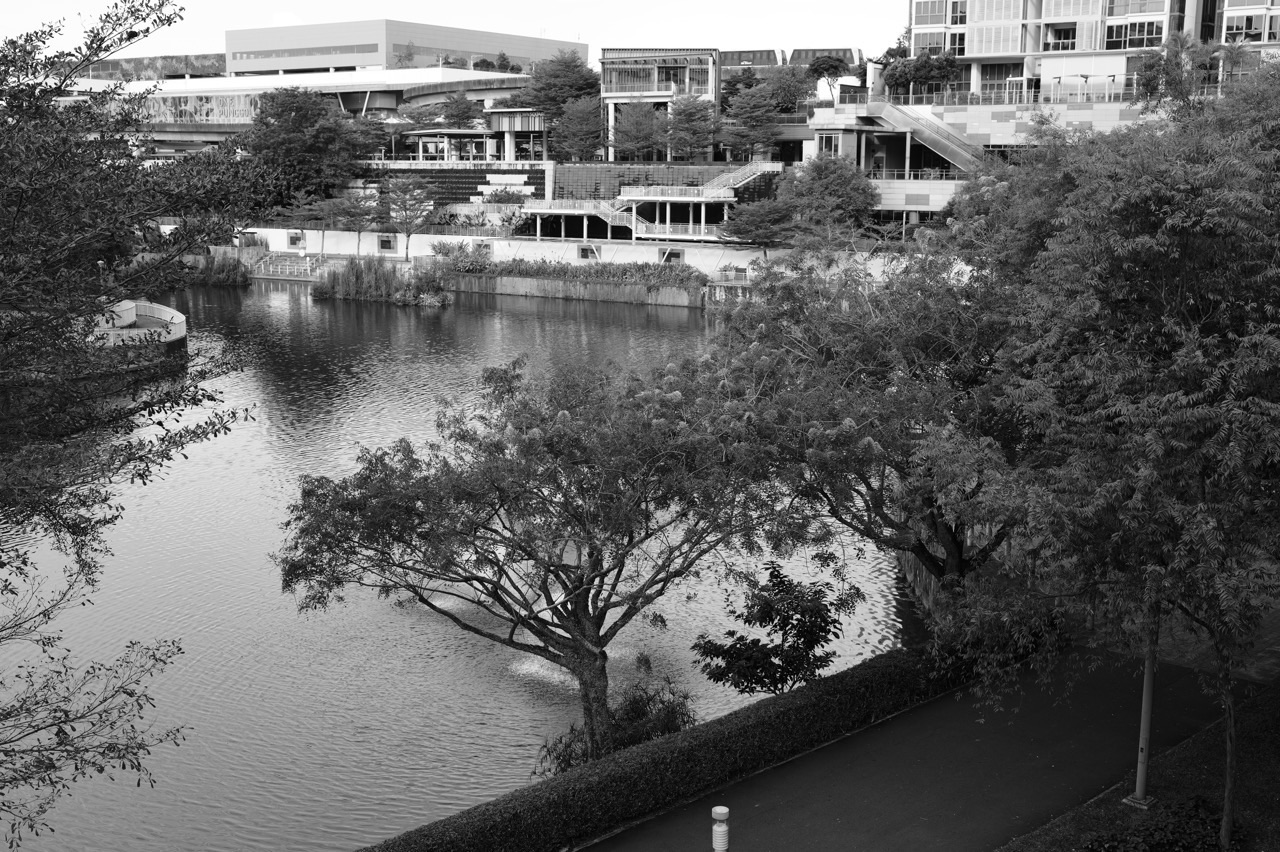
Hosting friends or family in Punggol? The easiest visitor outing starts near Punggol MRT or Punggol Coast MRT, uses one main neighbourhood cluster and finishes with a meal or convenient transport connection. For two hours, combine a short Waterway Park stroll with One Punggol or Waterway Point. For half a day, introduce guests to the Punggol Coast area, its currently accessible Digital District public spaces and one food stop. For guests who love nature and have enough daylight, Coney Island can be a separate outing rather than a rushed extra destination.
Things to do in Punggol with visiting relatives, grandparents, colleagues or overseas friends depend less on the number of attractions than on your guests’ energy, mobility, interests, budget and journey home. The host’s job is to remove friction: pick the correct station, check one venue is genuinely open, build a short route with a seat or toilet stop, and make an indoor fallback. This local guide covers the hosting decisions that ordinary first-timer lists often miss, without duplicating the site’s detailed park, food, mall and transport guides.
Updated 17 October 2026. Punggol is developing quickly, which makes accuracy part of hospitality. Punggol Point Park is under upgrading, and the Punggol Heritage Trail is being opened in phases. The first 400 metres of the trail are confirmed by JTC; the entire future connection must not be represented as open. Use current operator guidance for every specific outlet, accessibility need and event booking.
The five-minute Punggol hosting decision
| Who is visiting? | Suitable start | One main experience | What hosts must check |
|---|---|---|---|
| A friend with only 60–90 minutes | Punggol MRT | Central waterfront and a quick drink | Arrival and return timing |
| Grandparents or a relative with limited mobility | One Punggol / Waterway Point | Short seated indoor-outdoor programme | Lift access, toilets, shade, seating |
| A friend who likes architecture and new districts | Punggol Coast MRT | Public art and confirmed open PDD areas | Phased opening and pedestrian access |
| Children and their cousins | Central Punggol | One playground/park segment and a library option | Supervision, heat, age suitability |
| A nature-focused guest | Coney Island approach | Short defined daylight nature route | 7am–7pm access, terrain, weather |
| Visitors who want local food | One Punggol or Punggol Coast food cluster | A meal and short walk | Dietary needs, stall hours, queues |
| Group with mixed interests | Punggol MRT | One shared activity plus optional splits | Meeting point and transport home |
Why a Punggol host needs a different guide from a tourist
You know the town; your guest does not know your shortcuts
A host may think ‘meet me at Punggol’ is perfectly clear, while a visitor sees unfamiliar MRT exits, bus stops, LRT platforms and malls. Punggol MRT, the LRT interchange and Punggol Coast MRT are different destinations. A small misunderstanding can consume half a short visit and create unnecessary stress.
Send one exact meeting point in words that can be recognised on arrival. Include the station name, entrance or public landmark, not a vague area. Reconfirm the journey home at the start, particularly if someone has a later appointment. A simple map shared in advance is helpful, but do not assume the guest can navigate on the fly.
Your guest did not come to complete your checklist
When we are proud of where we live, we want to show everything: the Waterway, Coney Island, the Digital District, mall, heritage trail, library, famous bridges and restaurants. But the guest may chiefly want to see you. A good host recognises when the conversation matters more than the number of locations visited.
Offer two possible moods: ‘Would you enjoy a short waterside walk or rather sit down and catch up?’ The answer guides the itinerary. Avoid scheduling every minute. Build a pause after the first activity when the guest can choose to continue or finish. The site’s first-time visitor guide owns the broader destination list; this article focuses on a welcoming experience.
Transport is part of the invitation
A meeting near a transport node reduces anxiety. Central Punggol has the MRT/LRT interchange and Waterway Point, while Punggol Coast serves the northern Digital District. If guests are carrying bags or travelling with a stroller, a route that appears short on a map can feel longer after transfers and lifts.
Choose the station closest to the first activity rather than choosing a favourite landmark and working backwards. Tell guests whether the last stop is near that same station. If you are giving someone a lift, specify a legal, recognisable pickup location and avoid waiting along restricted access roads.
The meal is often the real anchor
Guests frequently remember a comfortable shared meal more vividly than a fast sequence of sights. Choose one suitable food cluster after asking about dietary restrictions and budget, then allow time for queues and conversation. A famous dish is not a successful recommendation if one guest cannot eat it.
Use the Punggol food guide as the place-specific owner. Do not promise an individual stall’s opening hours or that an outlet remains in the same unit without checking. If the restaurant is essential, confirm it; otherwise, keep a straightforward alternative nearby.
The weather can change the meaning of ‘waterfront day’
Punggol’s waterfront is attractive, but sun exposure, heavy tropical rain, lightning and haze can make a long outdoor plan inappropriate. A guest who has travelled far should not have to choose between an unsafe outdoor activity and going home immediately. An indoor companion destination makes the outing robust.
Plan A and Plan B in the same zone. At central Punggol, a brief Waterway visit can give way to a suitable open indoor space; at Punggol Coast, current mall/food facilities may be the companion. Check NEA advice for haze and Meteorological Service Singapore for current weather. A photo from last weekend is not an air-quality reading for today.
Local pride works better with truthful details
A host who explains what is open, under construction or historically significant builds trust. JTC reports the first 400m of the Punggol Heritage Trail is open, with later parts planned. Punggol Point Park is under upgrading; current restrictions apply. These facts matter because a guest may rely on your explanation to choose suitable shoes, routes and transport.
Be clear about present and future. Say ‘This is the first open part of the trail’ rather than ‘You can walk the whole new heritage trail.’ A local host gains nothing by exaggerating the town. Punggol’s current places are interesting enough on their own.
Unexpected tiredness is not a social failure
Children can suddenly need food. An older guest may want to sit sooner than expected. Someone who arrived from a long workday may not enjoy a long nature route. A good host watches for comfort without making a public fuss. Shortening the walk or moving to a meal keeps the visit warm rather than awkward.
Build two possible end times: the earliest convenient ending and the extended version if everyone feels good. A guest can enjoy a short visit without having to apologise for their energy level. Hospitality is measured by ease, not distance covered.
The main visitor zones: pick the one that tells the right story
Central Punggol: water, homes, shared public space
Start near Punggol MRT when the visitor wants the town’s everyday identity. Waterway Point, accessible approaches to Punggol Waterway Park and One Punggol allow you to combine an ordinary neighbourhood outing with a scenic view. It is a good way to explain that Punggol is not merely a housing estate or a list of waterfront photographs.
For a quick visit, walk one stretch of the Waterway, identify an easy place to rest and return for food or the library. If your guest is curious about community services, One Punggol shows how library, community and daily needs can come together. The detailed Waterway Park guide and One Punggol guide own facility facts.
Punggol Coast: a town’s next chapter made visible
Punggol Coast MRT gives visitors a different conversation: contemporary workplaces, SIT, new public amenities, the Digital District and historical layers within new development. JTC’s official site identifies Punggol Coast Mall, the hawker centre, public art and the first open part of the Heritage Trail. It is a strong choice for guests curious about architecture, technology and how Singapore’s new towns evolve.
Limit the tour to publicly accessible, completed areas. Do not treat university buildings or tenant workplaces as automatically open sightseeing stops. The district’s public spaces and a confirmed food option are enough for a good afternoon. See the Punggol Digital District guide for more specific details.
Coney Island: a nature outing, not a quick detour
Coney Island is a more deliberate choice for guests who want wildlife, vegetation and quieter paths. NParks lists a 7am–7pm opening window and routes from western and eastern entrances. It is not ideal for guests who arrive late in the afternoon, dislike rustic ground or need predictable indoor rest opportunities.
Select a short nature route suitable for the group and time of day. Carry drinking water, give wildlife space, wear suitable footwear and allow time to exit before closing. Avoid promising that every beach or trail section is accessible to strollers and mobility aids. If conditions are poor, choose central Punggol instead.
Northshore and Punggol Point: sea views with real limitations
The northern waterfront is attractive, but routes and destinations near Punggol Point must be checked carefully. Punggol Point Park is closed for upgrading, so photographs and older blog posts cannot be used to construct a current park itinerary. A business nearby may still be trading even when the public park is closed.
Host guests at a confirmed open and reachable venue only. Verify how to reach it without crossing work zones, and do not conflate Punggol Point with Punggol Coast MRT. If the northern route is uncertain, the Punggol Coast cluster or central waterway offers an easier alternative.
18 hosting moves that make a Punggol visit easier
1. Ask for the departure deadline
What works: Work backwards from the time a guest must leave, rather than from the time they arrive. Watch for: Leave an unspent time buffer instead of filling it with another photo stop. This is one practical improvement to the guest experience, not a rule requiring extra money or a perfect day.
2. Agree on one exact meeting point
What works: State the station and exit or the clearly labelled public entrance. Watch for: ‘Meet at Punggol’ can mean too many different things to a newcomer. This is one practical improvement to the guest experience, not a rule requiring extra money or a perfect day.
3. Ask which mobility needs actually matter
What works: Discuss comfortable walking distance, steps, lifts and rest stops politely. Watch for: Do not infer ability or preference from age or appearance. This is one practical improvement to the guest experience, not a rule requiring extra money or a perfect day.
4. Offer a walk-or-sit choice
What works: Let guests choose between a short waterfront walk and a leisurely conversation. Watch for: Being hospitable is different from persuading guests to walk farther. This is one practical improvement to the guest experience, not a rule requiring extra money or a perfect day.
5. Choose food before introducing attractions
What works: Ask about allergies, vegetarian/halal requirements and budget. Watch for: Confirm the restaurant or stall rather than guessing its status. This is one practical improvement to the guest experience, not a rule requiring extra money or a perfect day.
6. Make one attraction the anchor
What works: Use the Waterway, a library, a mall or the Digital District as the main experience. Watch for: One well-enjoyed anchor is better than several rushed ones. This is one practical improvement to the guest experience, not a rule requiring extra money or a perfect day.
7. Decide what is optional
What works: Label the second stop ‘only if we feel like it’. Watch for: Optional activity should be easy to decline without social pressure. This is one practical improvement to the guest experience, not a rule requiring extra money or a perfect day.
8. Prepare an indoor fallback
What works: Identify a nearby open indoor venue in the same cluster. Watch for: Do not send guests across Punggol during a thunderstorm to save the itinerary. This is one practical improvement to the guest experience, not a rule requiring extra money or a perfect day.
9. Keep a local weather check
What works: Review current conditions before a long outdoor stretch. Watch for: Heat and haze matter particularly when guests expect exertion. This is one practical improvement to the guest experience, not a rule requiring extra money or a perfect day.
10. Plan the return route early
What works: Make sure the final destination connects simply to transit or pickup. Watch for: Finishing in a beautiful but inconvenient place often creates the worst memory. This is one practical improvement to the guest experience, not a rule requiring extra money or a perfect day.
11. Use a simple family photo spot
What works: Choose a place with a safe stopping area and adequate space. Watch for: Never stand in cycle lanes, restricted works or close to wildlife for a photo. This is one practical improvement to the guest experience, not a rule requiring extra money or a perfect day.
12. Give children an observation mission
What works: Ask them to notice a plant, bridge shape or one difference from their neighbourhood. Watch for: Keep it playful, not an unexpected school assignment. This is one practical improvement to the guest experience, not a rule requiring extra money or a perfect day.
13. Avoid future-facility promises
What works: Describe planned places honestly as planned. Watch for: A building visible from outside is not proof of bookability or public access. This is one practical improvement to the guest experience, not a rule requiring extra money or a perfect day.
14. Listen for the real reason for the visit
What works: Some guests want stories and company, not attractions. Watch for: An unhurried meal may be the best host decision. This is one practical improvement to the guest experience, not a rule requiring extra money or a perfect day.
15. Carry only what the group needs
What works: Water, a small weather item and necessary personal supplies may help. Watch for: Heavy picnic equipment can turn a short visit into an endurance event. This is one practical improvement to the guest experience, not a rule requiring extra money or a perfect day.
16. Give guests control of the budget
What works: Make paid elements explicit before entering a venue. Watch for: Do not surprise visitors with admission fees or a high restaurant bill. This is one practical improvement to the guest experience, not a rule requiring extra money or a perfect day.
17. End while everybody still feels comfortable
What works: Leave a few minutes for a relaxed farewell and return journey. Watch for: Last-minute sprinting to public transport is avoidable. This is one practical improvement to the guest experience, not a rule requiring extra money or a perfect day.
18. Offer a return idea, not a list of regrets
What works: If something was missed, mention it as a possibility for another visit. Watch for: Guests are more likely to return when the day feels enjoyable rather than incomplete. This is one practical improvement to the guest experience, not a rule requiring extra money or a perfect day.
Four complete hosting itineraries with no invented bookings
The 75-minute coffee-and-waterway catch-up
Meet at Punggol MRT. Begin with a short, confirmed accessible Waterway Park segment so guests see the town’s waterfront, then turn back toward one nearby meal or beverage option. Discuss local life while walking, not while trying to cross multiple busy roads. End close to the interchange with a generous return buffer.
Best for friends, colleagues, and guests who chiefly came to see you. Skip the outdoor segment if the weather is unsuitable. If someone has brought heavy luggage, eat first and make the walk optional.
The two-hour family visit with young children
Meet in central Punggol. Offer a short age-appropriate outdoor visit, followed by a library or food stop at One Punggol where suitable. Let a child look for one interesting natural object or choose one book. Keep toilets, water and any necessary changing supplies in mind; parents decide when the group needs a pause.
Do not assume every special library facility is an unbooked playroom. Choose open areas where children can behave appropriately. The outing should remain fun even if no special programme is available. See screen-free family activities for simple prompts.
The three-hour Digital District conversation
Meet at Punggol Coast MRT, see currently open public district areas, discuss the shift from Old Punggol Road to the new landscaped heritage setting, pause for food and optionally observe art or the architecture. JTC confirms the first 400m of Punggol Heritage Trail, not the full planned length. This works for guests interested in design, education or urban change.
Allow time for meal queues and pedestrian travel. Do not enter uncompleted or staff-only areas. If heat or haze makes outdoor time unsuitable, use confirmed open indoor destinations and end the heritage component.
The nature morning for guests who actually love nature
Arrange transport to the suitable Coney Island entrance, begin early enough to avoid the most demanding heat, follow a specific permitted trail, rest and return with time before the park’s 7pm close. Let wildlife and vegetation set the pace rather than using a step-count target.
Do not use this for a guest who expected a paved mall walk. Check recent NParks notices and forecast, explain the rustic ground in advance and remain within public paths. Put an alternative central-Punggol plan on standby.
Hosting with children, older relatives and mixed-interest groups
Visiting grandparents
Choose a clearly accessible start and a short route. Ask about walking, seating, shade and toilet preferences without assuming every older person needs the same concessions. A library and a meal may be preferable to Coney Island. A good host chooses comfort in collaboration with the guest.
Visiting cousins and children
Start with basic needs, supervision and a predictable exit. A bridge-view challenge, short reading activity or public playground stop may suit, but check age and facility rules. Avoid scheduling several different child-focused attractions across the town; transitions often cost more energy than the activities.
Friends who come after work
A meal plus a twenty-minute waterfront or public-space stroll may be enough. Let conversation remain central. Do not make a guest who has already commuted across Singapore hike to a far corner because it was labelled ‘must-see’ in a travel list.
Guests curious about Singapore’s new towns
Compare central Punggol’s Waterway and One Punggol community hub with the Punggol Coast Digital District. Explain what is currently open and what is planned. Good storytelling is based on real public-space observation rather than claims that every future facility is already operating.
Visitors who dislike crowds
Offer a quieter-feeling outing with a short familiar path, book-browsing or a meal outside obvious peak periods. No public place can be promised silent, and ‘calm’ is personal. The Punggol calm outing guide helps choose a lower-pressure alternative.
A guest who wants a family photo
Find a safe, publicly accessible photo viewpoint with good lighting and room to stop. The Waterway and completed district spaces can give different backdrops, but do not obstruct shared paths, film strangers intrusively or enter fenced areas.
Avoid these six visitor-day mistakes
| Mistake | Better hosting choice |
|---|---|
| Planning Waterway, Coney Island and Coast in a short afternoon | Select one zone; make a second optional. |
| Assuming Punggol Coast MRT is the same as Punggol MRT | State the correct station and exact meeting point. |
| Treating the full heritage trail as open | Use JTC’s confirmed current segment and signage. |
| Sending guests to Punggol Point Park during upgrading | Use the latest closure notice and choose an open alternative. |
| No wet-weather or haze alternative | Plan an indoor companion in the same area. |
| Surprising guests with fees or a long hike | Ask about budget, walking preferences and finish time first. |
FAQs: bringing visitors to Punggol
What are the best things to do in Punggol with visitors?
A short central Waterway Park walk, a stop at One Punggol, and food near the MRT make a flexible first visit. Guests interested in modern design can choose Punggol Coast; nature-focused guests may enjoy a prepared daylight visit to Coney Island.
Where should I meet someone who has never visited Punggol?
Choose a specific signed public entrance or MRT exit and name the station exactly. Punggol and Punggol Coast are separate MRT stations, and the LRT adds another layer of navigation.
Can I show Punggol in one hour?
You can show one meaningful piece of it. A short Waterway stroll and conversation near Punggol MRT is more pleasant than crossing the whole town to fit in multiple landmarks.
What is good for grandparents visiting Punggol?
A suitable short accessible route, nearby toilets and seating, a library or community stop and a relaxed meal. Ask the individual what walking distance feels comfortable.
What about visiting cousins with children?
Choose one simple age-appropriate outdoor or reading activity, then food. Bring necessary supplies, avoid overloading the schedule and make supervision arrangements clear.
Which is better for a first visit: Punggol MRT or Punggol Coast MRT?
Punggol MRT is a convenient central base for Waterway Point, One Punggol and central waterfront walks. Punggol Coast MRT suits the newer Digital District, food options and confirmed public heritage spaces.
Is Punggol Heritage Trail open in full?
No. JTC identifies its first 400m as open while the future 1.3km route is phased. Follow current signs and do not enter construction zones.
Can I take visitors to Punggol Point Park now?
The park is undergoing upgrading, so an old sightseeing recommendation may not be valid. Check current NParks notices and choose an alternative confirmed open site.
Is Coney Island a quick tourist stop?
Usually it is better as a deliberate nature outing. NParks lists 7am–7pm opening hours, and the terrain is more rustic than a mall walk. Allow enough daylight and an uncomplicated return.
What if our guest dislikes the heat?
Keep the exposed outdoor segment short or choose suitable indoor activities. Heat, rain and haze can change the plan; comfort is more important than completing the route.
Where should I take guests for local food?
Use One Punggol, central Punggol or Punggol Coast food clusters depending on the route. Ask about dietary requirements and check the current individual outlet details. The food guide covers venue choices.
Do we need to book anything?
Public walks usually do not require booking, but workshops, event seats, some attractions, facilities and restaurant reservations may. Do not claim a bookable space exists without checking the specific provider.
What can guests see for free?
Public waterfront routes, accessible public district areas and ordinary library browsing can offer low-cost or free experiences. Incidental spending such as transport, drinks and food still matters.
Is Punggol good for visitors interested in architecture?
Yes. The town shows planned housing, bridges, civic hubs and newer Digital District spaces. Keep claims grounded in what is open and accessible to the public.
Is Punggol suitable for photos?
Waterway public spaces and completed northern district areas provide backdrops. Respect other people, stay out of paths and restricted zones, and remember weather and lighting affect the outcome.
How do I plan for an overseas friend with luggage?
Meet at a simple transit point and prioritise a meal or short nearby stop. Long walks with bags are uncomfortable; ask whether luggage can be safely stored or whether the guest would rather skip sightseeing.
What if a guest arrives late?
Shorten the plan instead of rushing. Keep the meal or the main activity and remove optional stops. Do not force Coney Island into the end of the day as it closes at 7pm.
Can a schoolchild learn something from hosting?
Yes, gently: planning routes, explaining place names and listening to visitors’ questions can support geography and communication. See eduKateSG’s Punggol map-and-distance learning; hosting is still first and foremost about welcoming people.
What if someone in the group feels tired?
Stop, sit if practical, and choose an easy route home. A short visit that ends pleasantly is better than making someone keep going out of politeness.
Where do I find a full list of Punggol attractions?
Use the existing Punggol complete guide and first-time visitor destination guide. This page is specifically about making the visit comfortable for guests.
Connect this guide to eduKatePunggol and eduKateSG
- Punggol local lifestyle planner — time, energy and budget choices.
- Things to Do in Punggol for First-Time Visitors — visitor-facing attraction overview.
- One Day in Punggol — longer first-timer route ideas.
- Two Hours in Punggol — a short itinerary owner.
- Calm Outings in Punggol — for lower-stimulation and easier exit options.
- Screen-Free Punggol Family Activities — creative family learning and play.
- Punggol Community Lifestyle — resident hobbies and local events.
- Punggol Food Guide — verified venue discovery.
- eduKateSG Punggol school journeys and neighbourhood learning — learning links for curious children.
Official references and update note
Check NParks Punggol Waterway Park, NParks Coney Island Park, JTC Punggol Digital District community facilities, JTC’s opening of the first Punggol Heritage Trail stretch, NParks park connector notices and NEA haze advice before a time-sensitive visit. Updated 17 October 2026; venue operation, access, events and bookings may change.


