
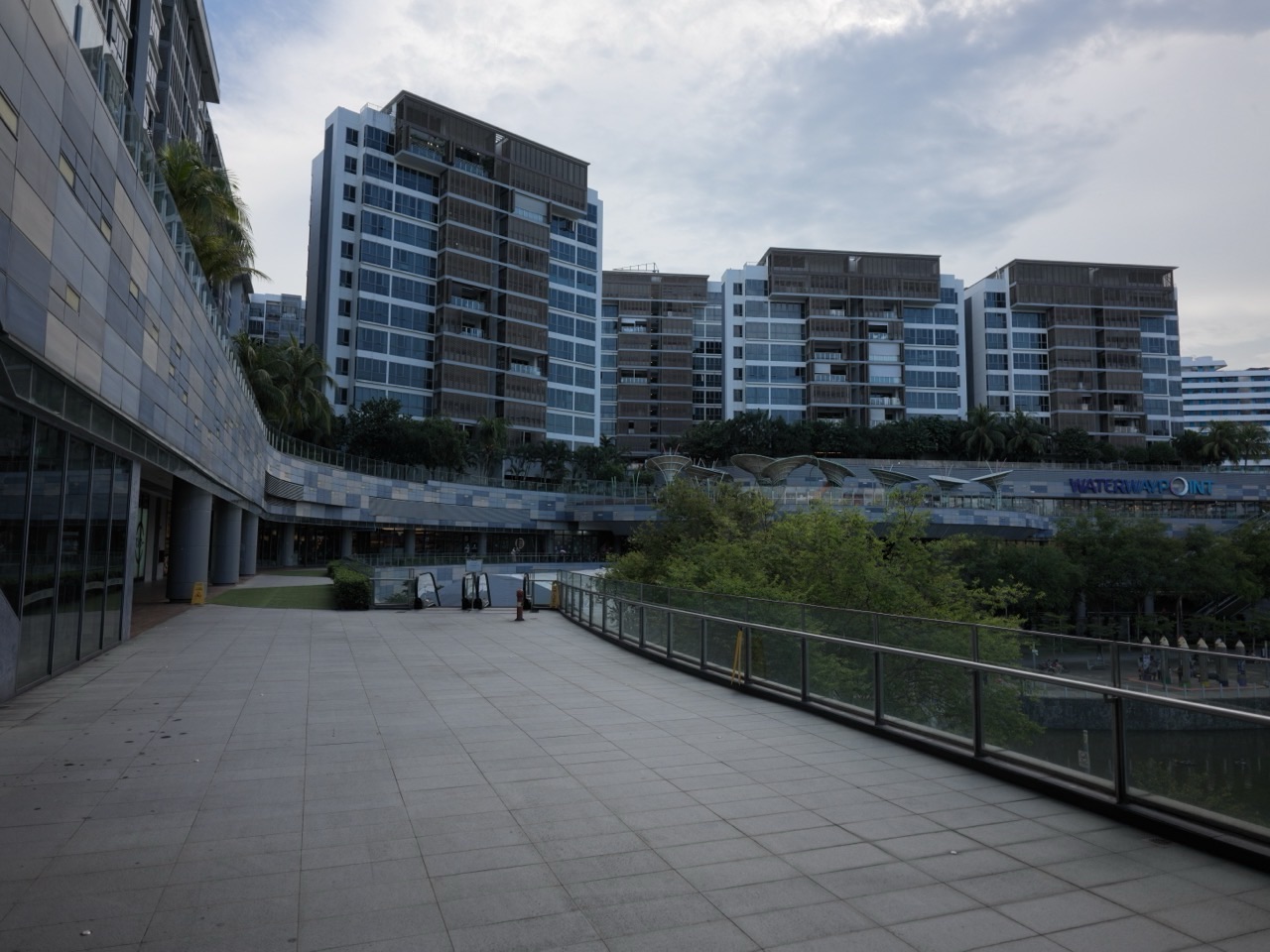
Things to do in Punggol for first-time visitors are easiest to understand when the town is treated as a set of connected zones rather than one attraction. Start with Punggol MRT, Waterway Point and Punggol Waterway Park for the established town centre; use One Punggol and Punggol Regional Library for civic life; and use Punggol Coast MRT for the newer digital district, Comics & Games Library and northern food cluster.
A first visit should prioritise orientation, comfort and current information. Punggol Point Park is closed for upgrading from 11 August 2026 until the expected completion date of 31 December 2027, so older guides that route visitors there are now outdated. Coney Island remains a daytime nature destination, while Punggol Heritage Trail is still developing toward Phase 2 completion.
This 2026 first-time visitor guide is therefore not a longer attraction list. It is a route-planning manual: which MRT station to use, what to do first, what to save for later, how to handle heat and rain, and how to understand Punggol’s waterway, nature, civic spaces and new urban district without wasting half the day on transfers.
First-Time Punggol at a Glance
- Best first stop: Punggol MRT → Waterway Point → Waterway Park.
- Best civic stop: One Punggol + Punggol Regional Library.
- Best second zone: Punggol Coast MRT + Digital District + Heritage Trail + Comics & Games Library.
- Best nature extension: Coney Island during 7am–7pm opening hours.
- Do not plan: Punggol Point Park while the current upgrading closure continues.
- Best two-hour visit: one waterway loop + meal or library.
- Best half day: central Punggol or Punggol Coast, not both.
- Best full day: central Punggol in the morning + indoor recovery + Punggol Coast in the afternoon.
The most useful rule is to learn the geography before expanding the route. Once the two MRT anchors and waterway are clear, later visits become much easier.
1. Start With Punggol MRT, Not a Random Attraction
Punggol MRT is the easiest first gateway to the established town centre. Waterway Point, the bus interchange, LRT connections and the central waterway sit close together, so a first-time visitor can understand the town before deciding whether to travel farther. A good first visit values orientation and comfort more than the number of attractions completed.
Begin indoors if the weather is hot or wet, then enter Punggol Waterway Park when conditions are comfortable. The station area also gives immediate access to food, toilets and a straightforward route home. Use a clear transport anchor and one obvious regrouping point so the outing remains easy to understand.
Do not begin a first visit by chasing a remote park entrance. A transport-connected start reduces uncertainty and lets the rest of the itinerary remain flexible. This helps visitors learn Punggol’s geography rather than simply moving between names on a list.
2. Understand Punggol as More Than One Zone
Modern Punggol is easier to navigate when visitors separate it into central Punggol, the waterway and civic hub, the nature-and-park-connector side, and the newer Punggol Coast district. First-time visitors should keep the next stop optional so weather, heat and energy can decide whether the route expands or ends.
Central Punggol is anchored by Punggol MRT, Waterway Point, Waterway Park and One Punggol. Punggol Coast is anchored by its own MRT station, Punggol Digital District, Punggol Coast Mall, hawker dining and the Comics & Games Library. Use a clear transport anchor and one obvious regrouping point so the outing remains easy to understand.
Nature routes such as Coney Island and Lorong Halus deserve their own planning time. Trying to treat every zone as one compact cluster creates unnecessary backtracking. This helps visitors learn Punggol’s geography rather than simply moving between names on a list.
3. Walk One Waterway Loop First
Punggol Waterway Park is the simplest visual introduction to the town. NParks lists the park as open 24 hours, and its bridges, water, housing and greenery explain the identity of contemporary Punggol quickly. A good first visit values orientation and comfort more than the number of attractions completed.
For a first visit, follow one bank to a bridge, cross and return on the opposite side. This creates a loop that feels complete without requiring the visitor to understand the entire park network. Use a clear transport anchor and one obvious regrouping point so the outing remains easy to understand.
Morning and late afternoon are more comfortable for longer walking. Midday heat can make a short route feel much longer than it looks on a map. This helps visitors learn Punggol’s geography rather than simply moving between names on a list.
4. Use the Bridges as Orientation Markers
The waterway bridges are useful landmarks because they break the route into understandable segments. Choose one as the midpoint and use it to decide whether the group wants to continue. First-time visitors should keep the next stop optional so weather, heat and energy can decide whether the route expands or ends.
Bridges also show how Punggol’s housing, pedestrian movement and waterway work together. They are more than photo spots; they reveal the town’s spatial logic. Use a clear transport anchor and one obvious regrouping point so the outing remains easy to understand.
A first-time visitor does not need to identify every bridge by name. The important skill is learning how crossing points turn the waterway into loops rather than a single linear path. This helps visitors learn Punggol’s geography rather than simply moving between names on a list.
5. Use Waterway Point as a Service Base
Waterway Point is directly connected to Punggol MRT/LRT and the bus interchange, making it the most useful first-visit indoor anchor. Food, toilets, retail and cinema options allow visitors to recover without leaving the town centre. A good first visit values orientation and comfort more than the number of attractions completed.
The mall should support the visit rather than automatically become the whole visit. Pick up water, eat, wait out rain or finish with a film, then return to the outdoor route when appropriate. Use a clear transport anchor and one obvious regrouping point so the outing remains easy to understand.
Because transport is integrated, Waterway Point also makes the final hour easier. Visitors do not need to save energy for an unfamiliar journey back to the station. This helps visitors learn Punggol’s geography rather than simply moving between names on a list.
6. Walk to One Punggol
One Punggol adds a civic and community layer to the first visit. The integrated hub brings together Punggol Regional Library, hawker dining, community facilities and public services. First-time visitors should keep the next stop optional so weather, heat and energy can decide whether the route expands or ends.
This contrast matters because Punggol is not only parks and malls. A visitor who sees One Punggol begins to understand how daily life, learning and community infrastructure are built into the town centre. Use a clear transport anchor and one obvious regrouping point so the outing remains easy to understand.
Use the hub as an indoor recovery stop after walking. It is especially useful for families, seniors and visitors who prefer a slower itinerary. This helps visitors learn Punggol’s geography rather than simply moving between names on a list.
7. Spend Time at Punggol Regional Library
Punggol Regional Library is one of the strongest public indoor destinations for a first-time visitor. Its inclusive design, multiple levels and broad collections make it useful for children, students, adults and seniors. A good first visit values orientation and comfort more than the number of attractions completed.
A visitor does not need to be borrowing books to benefit. Browse local history, architecture, nature or Singapore topics connected to the walk and let the library deepen what was observed outdoors. Use a clear transport anchor and one obvious regrouping point so the outing remains easy to understand.
The library also makes the itinerary resilient. If weather or heat removes the next park segment, the day still contains a substantial destination. This helps visitors learn Punggol’s geography rather than simply moving between names on a list.
8. Eat at One Punggol Hawker Centre
One Punggol Hawker Centre gives first-time visitors a practical local meal without creating another transport leg. Different stalls make it easy for groups with mixed preferences to eat together. First-time visitors should keep the next stop optional so weather, heat and energy can decide whether the route expands or ends.
Place the meal before fatigue takes over. A first-time visitor is already processing transport, landmarks and unfamiliar routes, so a timely food break protects the rest of the day. Use a clear transport anchor and one obvious regrouping point so the outing remains easy to understand.
For a more detailed food route, use the published One Punggol Hawker Centre Guide. This helps visitors learn Punggol’s geography rather than simply moving between names on a list.
9. Know That Punggol Point Park Is Closed
One of the most important current facts for a first visit is that Punggol Point Park is closed for upgrading. NParks’ notice says the closure began on 11 August 2026, with expected completion on 31 December 2027. A good first visit values orientation and comfort more than the number of attractions completed.
Older travel articles may still recommend the park as though it were open. Current visitors should not waste time travelling toward a closed destination or ignore construction barriers. Use a clear transport anchor and one obvious regrouping point so the outing remains easy to understand.
Use verified alternatives such as the central waterway, Coney Island during opening hours, Punggol Heritage Trail and public areas of Punggol Coast. This helps visitors learn Punggol’s geography rather than simply moving between names on a list.
10. Treat Coney Island as a Separate Nature Visit
Coney Island is one of Punggol’s best nature destinations, but it is not a five-minute extension of a casual town-centre walk. NParks currently lists the park as open from 7am to 7pm. First-time visitors should keep the next stop optional so weather, heat and energy can decide whether the route expands or ends.
Visitors should bring water, use appropriate footwear, prepare for insects and remain on designated trails. Some internal terrain is rugged even though the east and west ends are accessible. Use a clear transport anchor and one obvious regrouping point so the outing remains easy to understand.
A first visit can use a shorter nature segment rather than attempting a full crossing. The goal is to understand the environment, not prove that the whole island was completed. This helps visitors learn Punggol’s geography rather than simply moving between names on a list.
11. Add Lorong Halus Only When Time Allows
Lorong Halus gives a first-time visitor a different Punggol story: wetland, reservoir, environmental infrastructure and a more open landscape. It pairs well with cycling or a science-focused walk. A good first visit values orientation and comfort more than the number of attractions completed.
The route can be hot and exposed, so it should not be added casually after a long central-Punggol morning. Give the wetland its own time window or make it the main destination for that part of the day. Use a clear transport anchor and one obvious regrouping point so the outing remains easy to understand.
For context, read Why Lorong Halus Matters to Punggol before the visit. This helps visitors learn Punggol’s geography rather than simply moving between names on a list.
12. Use Punggol Coast MRT for the Newer District
Punggol Coast MRT is the correct rail anchor for Punggol Digital District, Punggol Coast Mall, Punggol Coast Hawker Centre and the Comics & Games Library. First-time visitors should not assume every Punggol attraction is best reached from Punggol MRT. First-time visitors should keep the next stop optional so weather, heat and energy can decide whether the route expands or ends.
Treat Punggol Coast as a second zone with its own beginning and end. Starting at the correct station reduces unnecessary backtracking and clarifies the geography. Use a clear transport anchor and one obvious regrouping point so the outing remains easy to understand.
If the visit is only two or three hours, choose central Punggol or Punggol Coast rather than forcing both into the same short window. This helps visitors learn Punggol’s geography rather than simply moving between names on a list.
13. Explore Punggol Digital District
Punggol Digital District shows a newer layer of the town where business, education, public space and transport are integrated around SIT and Punggol Coast MRT. A good first visit values orientation and comfort more than the number of attractions completed.
A first-time visitor should focus on public space rather than trying to enter every building. Look at shade, bridges, greenery, circulation and how the district connects to the campus environment. Use a clear transport anchor and one obvious regrouping point so the outing remains easy to understand.
Because development is ongoing, follow current signs and barriers. New districts change faster than older travel guides. This helps visitors learn Punggol’s geography rather than simply moving between names on a list.
14. Walk the Open Punggol Heritage Trail
NParks lists Punggol Heritage Trail as open 24 hours and wheelchair accessible, with Phase 2 expected to be completed by the end of 2026. It is one of the best places to connect old and new Punggol on a first visit. First-time visitors should keep the next stop optional so weather, heat and energy can decide whether the route expands or ends.
Use the open sections and look for retained terrain, trees and traces of Old Punggol Road. The purpose is not to complete a future route that does not yet exist. Use a clear transport anchor and one obvious regrouping point so the outing remains easy to understand.
Pair the trail with Punggol Coast Mall, the Comics & Games Library or a meal so the outdoor heritage segment remains comfortable. This helps visitors learn Punggol’s geography rather than simply moving between names on a list.
15. Visit the Comics & Games Library
NLB’s Comics & Games Library at Punggol Coast Mall gives first-time visitors a distinctive indoor reason to visit the newer district. NLB says it contains more than 7,000 comics, game-themed reads, graphic novels and board games. A good first visit values orientation and comfort more than the number of attractions completed.
The library is currently listed as open from 10am to 10pm daily. It works particularly well with teenagers, friends and families with older children, but adults who enjoy comics and games can use it too. Use a clear transport anchor and one obvious regrouping point so the outing remains easy to understand.
Check current entry requirements before travelling specifically for the library, especially if the visitor does not already use an NLB eCard. This helps visitors learn Punggol’s geography rather than simply moving between names on a list.
16. Eat at Punggol Coast Hawker Centre
JTC states that Punggol Coast Hawker Centre is open with 40 stalls. This makes the northern district easier for first-time visitors because food is built into the same activity zone. First-time visitors should keep the next stop optional so weather, heat and energy can decide whether the route expands or ends.
Eat between activities rather than at the very end. A meal provides recovery and gives the group time to decide whether to continue walking or end the day. Use a clear transport anchor and one obvious regrouping point so the outing remains easy to understand.
For stall-specific ideas, use the Punggol Coast Hawker Centre Guide. This helps visitors learn Punggol’s geography rather than simply moving between names on a list.
17. Do Not Treat Punggol as Only a Family Destination
Punggol is often described through children’s activities, but first-time adult visitors can build strong routes around architecture, photography, cycling, nature, food, reading and urban design. A good first visit values orientation and comfort more than the number of attractions completed.
Couples can use the waterway for a sunset walk. Friends can use Punggol Coast for comics, games and food. Solo visitors can use the library and waterway. Seniors can choose shorter accessible sections. Use a clear transport anchor and one obvious regrouping point so the outing remains easy to understand.
The town works best when the itinerary matches the visitor rather than a generic family checklist. This helps visitors learn Punggol’s geography rather than simply moving between names on a list.
18. Use Public Transport Instead of Overcomplicating the Day
Punggol’s MRT, LRT and bus network is strong enough that most first-time leisure visits do not require a car. Punggol MRT and Punggol Coast MRT provide clear anchors for the two main activity zones. First-time visitors should keep the next stop optional so weather, heat and energy can decide whether the route expands or ends.
Use buses or LRT only when they shorten an awkward last-mile segment. Every extra transfer adds waiting, navigation and heat exposure. Use a clear transport anchor and one obvious regrouping point so the outing remains easy to understand.
A compact walking cluster around the correct station is usually more satisfying than a larger route that spends half the day in transit. This helps visitors learn Punggol’s geography rather than simply moving between names on a list.
19. Choose Morning or Late Afternoon for Outdoor Segments
Singapore heat changes how Punggol feels. Morning is usually better for Coney Island, longer cycling and waterway walking. Late afternoon is good for shorter routes, photography and a transition into dinner. A good first visit values orientation and comfort more than the number of attractions completed.
Use the hottest part of the day for the library, One Punggol, Waterway Point or Punggol Coast Mall. This protects energy and reduces the risk that the group becomes irritable or dehydrated. Use a clear transport anchor and one obvious regrouping point so the outing remains easy to understand.
A first-time visit should leave a positive physical memory. End before the route becomes an endurance test. This helps visitors learn Punggol’s geography rather than simply moving between names on a list.
20. Build a Rainy-Day Backup Before Leaving Home
Punggol is unusually resilient in wet weather because strong indoor anchors sit beside outdoor routes. Central Punggol has Waterway Point, One Punggol and Punggol Regional Library; Punggol Coast has the mall and Comics & Games Library. First-time visitors should keep the next stop optional so weather, heat and energy can decide whether the route expands or ends.
During thunderstorms, leave exposed waterfronts and open paths. Resume outdoor activity only when conditions are safe. Use a clear transport anchor and one obvious regrouping point so the outing remains easy to understand.
The detailed rainy-day guide provides a full weather-resilient plan. This helps visitors learn Punggol’s geography rather than simply moving between names on a list.
21. Bring Only What the First Visit Needs
For central Punggol, a simple kit is enough: water, comfortable shoes, sun protection, compact rain protection, a charged phone and power bank. A good first visit values orientation and comfort more than the number of attractions completed.
Nature-heavy routes may justify insect repellent and covered footwear. Cycling near dusk requires working lights. Families may need snacks and spare items for children. Use a clear transport anchor and one obvious regrouping point so the outing remains easy to understand.
Do not overpack for a town-centre walk. Punggol has food, toilets and indoor recovery near its main public-transport anchors. This helps visitors learn Punggol’s geography rather than simply moving between names on a list.
22. Use One Main Question to Understand the Town
Punggol becomes more interesting when visitors ask how the place works, not only what attractions it contains. Why is the waterway central to the town? Why are civic functions grouped at One Punggol? Why does Punggol Coast have a separate MRT anchor? First-time visitors should keep the next stop optional so weather, heat and energy can decide whether the route expands or ends.
One question can connect parks, housing, transport, community space and urban design. The town becomes a system rather than a checklist. Use a clear transport anchor and one obvious regrouping point so the outing remains easy to understand.
For a broader learning lens, read Punggol as a Classroom. This helps visitors learn Punggol’s geography rather than simply moving between names on a list.
23. Notice Old Punggol Inside New Punggol
First-time visitors often see only the modern waterfront town. Local-history articles reveal earlier kampungs, farms, fishing, seaside recreation and old roads beneath the contemporary landscape. A good first visit values orientation and comfort more than the number of attractions completed.
Read one history piece before walking. the complete Punggol history timeline gives an orientation to the larger story. Use a clear transport anchor and one obvious regrouping point so the outing remains easy to understand.
The Heritage Trail and older place names become more meaningful when visitors know that modern Punggol was assembled over a much older working landscape. This helps visitors learn Punggol’s geography rather than simply moving between names on a list.
24. Notice Punggol’s Architecture and Design
Punggol’s identity was shaped through waterway design, HDB projects, bridges, tropical design and newer Punggol Digital District architecture. A first visit can be visually richer when the visitor notices these systems. First-time visitors should keep the next stop optional so weather, heat and energy can decide whether the route expands or ends.
Look at how buildings face water, how shade is created, how greenery softens dense housing and how public paths connect transport with daily life. Use a clear transport anchor and one obvious regrouping point so the outing remains easy to understand.
The architecture-and-design guide in this batch gives a deeper route for visitors who want to explore this aspect specifically. This helps visitors learn Punggol’s geography rather than simply moving between names on a list.
25. Notice Nature Beyond Coney Island
Nature in Punggol is not limited to one island. Waterway Park’s Green Gallery and Nature Cove, Lorong Halus, park connectors and everyday wildlife encounters all contribute to the ecological experience. A good first visit values orientation and comfort more than the number of attractions completed.
Visitors may see birds, butterflies, otters or monitor lizards. Observe from a distance, do not feed animals and treat wildlife as part of a living system rather than a photo prop. Use a clear transport anchor and one obvious regrouping point so the outing remains easy to understand.
The nature-lovers guide in this batch provides a deeper route through Punggol’s ecology. This helps visitors learn Punggol’s geography rather than simply moving between names on a list.
26. Plan a Two-Hour First Visit
For two hours, stay central. Start at Punggol MRT, walk one waterway loop, cross a bridge and finish with food or a short library visit. First-time visitors should keep the next stop optional so weather, heat and energy can decide whether the route expands or ends.
This route gives a clear picture of modern Punggol without requiring secondary transport. It also makes weather changes easy to manage. Use a clear transport anchor and one obvious regrouping point so the outing remains easy to understand.
Do not add Coney Island or Punggol Coast simply because they appear nearby on a map. Save them for another visit or a longer day. This helps visitors learn Punggol’s geography rather than simply moving between names on a list.
27. Plan a Half-Day Central Punggol Visit
Begin with Waterway Park while temperatures are manageable. Continue to One Punggol and Punggol Regional Library, then eat at the hawker centre or Waterway Point. A good first visit values orientation and comfort more than the number of attractions completed.
This route combines outdoor scenery, civic life, food and indoor recovery. It is the most reliable first visit for families and visitors who want a broad introduction. Use a clear transport anchor and one obvious regrouping point so the outing remains easy to understand.
If energy remains, add a short extra waterway segment. The half day is already complete without another district. This helps visitors learn Punggol’s geography rather than simply moving between names on a list.
28. Plan a Half-Day Punggol Coast Visit
Start at Punggol Coast MRT, walk the open Heritage Trail section, explore public areas of Punggol Digital District, visit the Comics & Games Library and eat at Punggol Coast Hawker Centre or the mall. First-time visitors should keep the next stop optional so weather, heat and energy can decide whether the route expands or ends.
The sequence shows Punggol’s newest urban layer and works especially well for teenagers, friends and adults interested in design or technology. Use a clear transport anchor and one obvious regrouping point so the outing remains easy to understand.
Keep central Punggol for another day rather than converting the half-day visit into a transfer exercise. This helps visitors learn Punggol’s geography rather than simply moving between names on a list.
29. Plan a Full-Day First Visit
A full day can combine two zones if recovery is built in. Start early with central Waterway Park or Coney Island, use One Punggol or the library as the midday indoor block, then continue to Punggol Coast in the afternoon. A good first visit values orientation and comfort more than the number of attractions completed.
Use the Comics & Games Library, mall or hawker centre as the final recovery and meal. End near Punggol Coast MRT or return to the most convenient station for the journey home. Use a clear transport anchor and one obvious regrouping point so the outing remains easy to understand.
Do not include Punggol Point Park while it remains closed. The verified open alternatives already fill a complete day. This helps visitors learn Punggol’s geography rather than simply moving between names on a list.
30. Know When to Stop
First-time visitors often keep adding stops because every route looks close on the map. The town is larger in lived effort than in visual scale once heat, meals, toilets and waiting are included. First-time visitors should keep the next stop optional so weather, heat and energy can decide whether the route expands or ends.
Decide in advance what completion looks like: one bridge and lunch, library plus waterway, or one complete Punggol Coast loop. Use a clear transport anchor and one obvious regrouping point so the outing remains easy to understand.
Ending while the group is comfortable creates a better memory and makes a second visit more likely. This helps visitors learn Punggol’s geography rather than simply moving between names on a list.
31. Save Something for the Second Visit
A first visit should create orientation, not exhaust the town. Save Coney Island, Lorong Halus, a longer cycling route, photography themes or deeper local-history exploration for later. A good first visit values orientation and comfort more than the number of attractions completed.
Repeat visits become more interesting because the visitor already understands the transport anchors and can focus on one landscape or topic. Use a clear transport anchor and one obvious regrouping point so the outing remains easy to understand.
Punggol rewards return visits precisely because central waterway, nature, history and Punggol Coast offer different experiences rather than one single attraction. This helps visitors learn Punggol’s geography rather than simply moving between names on a list.
32. Check Current Conditions Before Leaving
Punggol is changing quickly, especially around Punggol Coast and the continuing Punggol Point Park closure. Current official notices, live transport information and venue pages should override old travel articles. First-time visitors should keep the next stop optional so weather, heat and energy can decide whether the route expands or ends.
Check weather, Coney Island opening status, any trail diversions and opening details for indoor destinations that matter to the day. Use a clear transport anchor and one obvious regrouping point so the outing remains easy to understand.
A current plan prevents wasted travel and leaves more time for actual exploration. This helps visitors learn Punggol’s geography rather than simply moving between names on a list.
33. Avoid the Three Most Common First-Visit Mistakes
The first mistake is using one MRT station for every Punggol destination. The second is treating Coney Island as a tiny add-on. The third is following an old guide into the closed Punggol Point Park area. A good first visit values orientation and comfort more than the number of attractions completed.
A fourth practical mistake is skipping indoor recovery because the map looks compact. Singapore heat and humidity can turn a geographically short route into a tiring afternoon. Use a clear transport anchor and one obvious regrouping point so the outing remains easy to understand.
Correcting these mistakes early makes the visit feel much more coherent: choose the right zone, respect current closures, and let meals or library time divide the day. This helps visitors learn Punggol’s geography rather than simply moving between names on a list.
34. Choose the Meal Before the Nature Segment
Visitors often plan the attraction first and assume food will appear at the right moment. For nature-heavy routes, reverse that thinking: know where the next reliable meal and water stop will be before entering the longer section. First-time visitors should keep the next stop optional so weather, heat and energy can decide whether the route expands or ends.
This is particularly important around Coney Island and Lorong Halus, where the experience is stronger precisely because commercial services are less dominant than in the town centre. Use a clear transport anchor and one obvious regrouping point so the outing remains easy to understand.
A clear meal plan prevents the final hour from becoming a hurried search for food and lets the group enjoy nature without constantly checking the clock. This helps visitors learn Punggol’s geography rather than simply moving between names on a list.
35. Use the Two-Library Experience to Understand New Punggol
Punggol now offers two very different library experiences: Punggol Regional Library at One Punggol and the Comics & Games Library at Punggol Coast Mall. They reveal two different sides of the town. A good first visit values orientation and comfort more than the number of attractions completed.
The regional library represents inclusive civic learning and community infrastructure; the Comics & Games Library is a pop-up social and cultural experience embedded in the newer Punggol Coast district. Use a clear transport anchor and one obvious regrouping point so the outing remains easy to understand.
A first-time visitor who sees both across separate visits gains a better understanding of how Punggol combines ordinary public services with newer experimentation. This helps visitors learn Punggol’s geography rather than simply moving between names on a list.
36. Build a Return-Visit List Before Going Home
Before leaving, note the places that were deliberately skipped. This can be as simple as Coney Island, Lorong Halus, Punggol Coast, a longer cycling route or a local-history walk. First-time visitors should keep the next stop optional so weather, heat and energy can decide whether the route expands or ends.
A return list changes the psychology of the first day. Visitors no longer feel pressure to complete everything because unfinished places have become planned future visits rather than omissions. Use a clear transport anchor and one obvious regrouping point so the outing remains easy to understand.
Punggol works particularly well this way because its different zones reward different times of day, weather conditions and visitor interests. This helps visitors learn Punggol’s geography rather than simply moving between names on a list.
Frequently Asked Questions
Where should a first-time visitor start in Punggol?
Start at Punggol MRT for Waterway Point, central Waterway Park and One Punggol. This gives the clearest first orientation.
Is Punggol Point Park open?
No. NParks’ current notice says Punggol Point Park is closed for upgrading from 11 August 2026, with expected completion on 31 December 2027.
Should I use Punggol MRT or Punggol Coast MRT?
Use Punggol MRT for the established town centre and central waterway. Use Punggol Coast MRT for Punggol Digital District, Punggol Coast Mall, hawker centre, Heritage Trail and Comics & Games Library.
Can I see Coney Island on my first visit?
Yes, but treat it as a proper nature segment rather than a tiny add-on. NParks currently lists the park as open 7am to 7pm.
How long do I need?
Two hours is enough for central Punggol. Half a day supports one zone well. A full day can combine two zones when a real indoor recovery block is included.
What if it rains?
Use Waterway Point, One Punggol, Punggol Regional Library, Punggol Coast Mall or the Comics & Games Library as indoor anchors and resume outdoor activity only when conditions are safe.
Related Punggol Guides
- Things to Do in Punggol | Complete Local Guide
- Things to Do Near Punggol MRT
- Things to Do in Punggol This Weekend
- Things to Do in Punggol on a Rainy Day
- Punggol Point Park Closure Guide
The Best First Visit Creates a Mental Map
Punggol makes more sense when the visitor leaves knowing how the parts connect. The waterway explains the established town centre. One Punggol explains civic life. Coney Island and Lorong Halus explain the nature edge. Punggol Coast explains the newest phase of growth.
A first visit does not need to complete every zone. It needs to create enough orientation that the second visit can be more specific and less logistical.
Start with one anchor, protect the group from heat and unnecessary transfers, and save something for later. That is how Punggol becomes a place rather than a checklist.


