
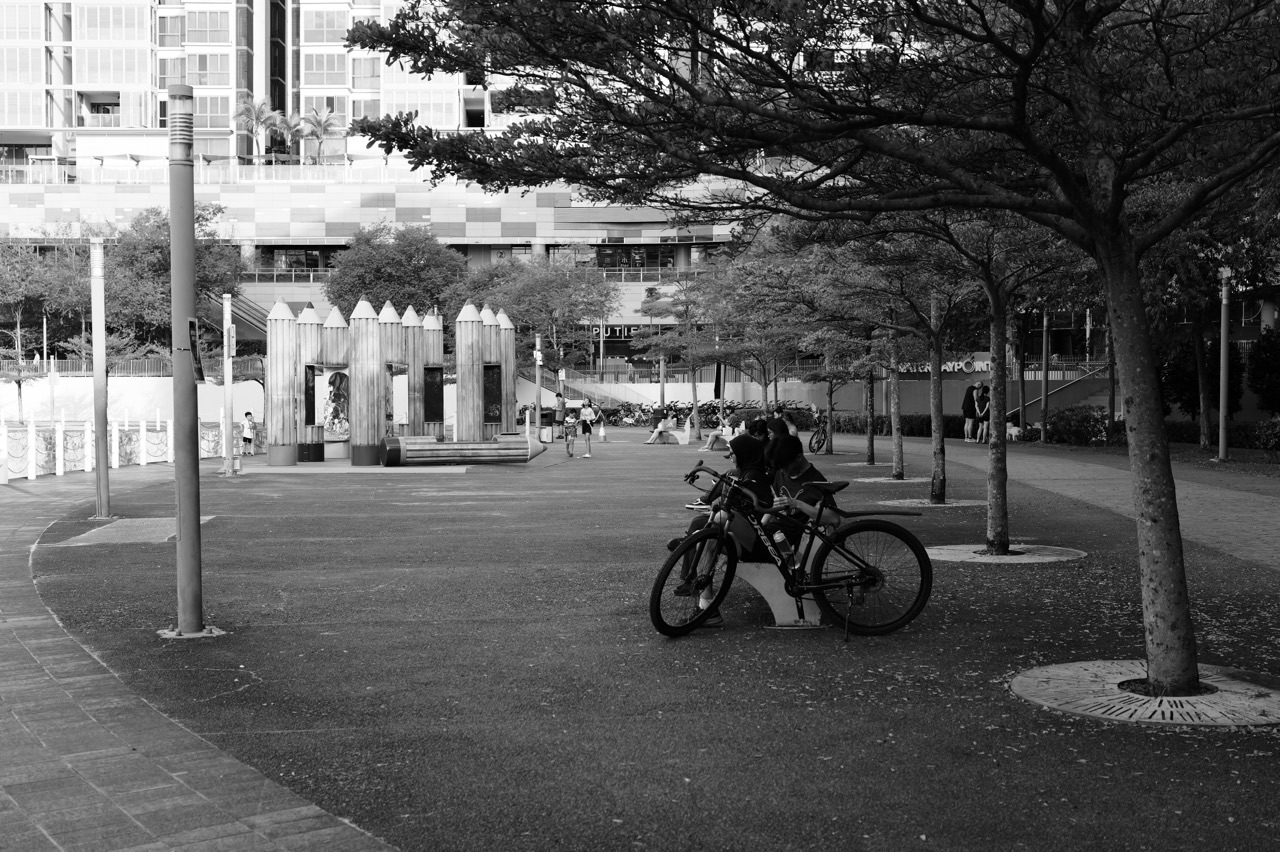
Do you need 10,000 steps every day to be healthy in Punggol? No single daily step target is a universal personal health requirement. Singapore’s adult physical-activity guidance instead encourages 150–300 minutes of moderate-intensity aerobic activity weekly and muscle strengthening on at least two days. A step counter may motivate everyday movement, but total steps, exercise minutes and intensity answer different questions. A slow shopping outing can add many steps without providing the same aerobic stimulus as a brisk walk; cycling or swimming may provide useful activity without many recorded steps.
This 2026 Punggol steps-versus-brisk-walking guide explains the talk test, 10,000-step myth, useful and misleading tracker readings, weekly movement maths, the Waterway connector, commuting, recovery, health limitations and ways to build a habit without buying a smartwatch. It is a companion to Walking for Everyday Errands in Punggol, which focuses on actual travel; here the question is how to understand activity accurately and act sensibly on the numbers.
Quick answers: step counts and healthy walking
| Question | Answer | Avoid |
|---|---|---|
| Must I reach 10,000 daily? | No universal mandatory step count is set in the adult Singapore guideline. | Turning the number into a pass/fail score. |
| How much adult aerobic movement? | Work toward 150–300 moderate-intensity minutes weekly when suitable. | Forcing the upper target from the first day. |
| How do I recognise moderate effort? | You can talk in phrases or short sentences but not comfortably sing. | Judging solely by device step count. |
| What about strengthening? | At least two suitable strength days each week. | Treating a pedometer as a complete fitness programme. |
| Does cycling count? | It may contribute aerobic time according to effort. | Mistaking a low step reading for inactivity. |
| Do chores count? | They contribute movement; intensity varies. | Counting all housework as vigorous exercise. |
| Do I need a smartwatch? | No. A simple time note and awareness of effort can help. | Buying tracking technology before forming a habit. |
| Must I finish the Waterway route? | No. The 8.4 km connector is a resource, not a beginner requirement. | Adding distance despite heat, pain or fatigue. |
| Can kids use adult steps guidance? | Children have age-specific activity and sleep recommendations. | Competing against a parent’s tracker. |
| What if illness stops my streak? | Prioritise appropriate rest and medical advice. | Trying to repay missed steps with unsafe exertion. |
1. Why the step number is attractive—but incomplete
A phone or wearable displays a large integer that is easy to understand. It makes movement visible during journeys to Punggol MRT, visits to the grocery shop or time spent around One Punggol. This can help a person who works at a desk recognise how little they have moved and choose a comfortable walk. The problem begins when the display becomes the only measure of an otherwise complex health habit. A number is a useful clue, not a verdict about a person’s health, fitness or character.
A pedometer is not an instructor observing your gait, a clinical assessment of cardiovascular readiness or a measure of every muscle you used. Consumer electronics estimate motion through their sensors and algorithms. They may miss steps while a device is left on a table, recognise unrelated arm movements or record cycling differently from walking. Two devices can disagree while the person experiences exactly the same day. A user should be wary of claiming precise physiological conclusions from those readings.
The better question is what decision you want the number to improve. If it reminds you to interrupt prolonged sitting or visit a nearby park more often, it may have done its job. If it makes you walk through an approaching thunderstorm to protect a streak, it has become an unhealthy master. Useful measurement must remain subordinate to safety, enjoyment, enough sleep and everyday responsibilities.
2. The actual Singapore physical-activity recommendations
HealthHub’s weekly physical-activity guidance recommends healthy adults aim for 150–300 minutes of moderate-intensity aerobic activity per week and two days of muscle strengthening. The Singapore Physical Activity Guidelines also promote replacing sedentary time with activity of any suitable intensity. The adult recommendation is expressed in effort, duration and varied movement—not as a rule that everyone must count exactly ten thousand footsteps each day.
A weekly target is not a request to exercise for two and a half hours without stopping. Suitable activity can be accumulated through shorter periods across the week. Someone may enjoy a brisk walk before work and another appropriate bout after dinner; someone else might combine walking, swimming and cycling. The question is whether the chosen activity is appropriate for the individual and actually reaches the effort implied by the guideline. Simply attaching the label “exercise” to every movement does not change its intensity.
The guidance also recognises that different people need different starting points. Someone who has been inactive for a long period may begin with small changes and gradually progress. Older adults may need balance and strength considerations, while people with medical conditions may need individual clearance or adaptation. Children’s youth targets differ from those for adults. One round pedometer number cannot replace all those distinctions.
3. What makes a walk brisk rather than merely long?
HealthHub’s intensity explanation describes moderate effort using the talk test: you can generally talk in short phrases but not comfortably sing. Light activity usually allows conversation and singing, while vigorous activity makes speaking harder. This is a simple general clue, not an individual medical test. A person with breathing or heart concerns should follow suitable professional guidance rather than applying the test as clinical clearance.
A Punggol family can walk together at one measured speed while experiencing very different effort. A fit teenager might find the walk easy; a previously inactive adult might find the same pace moderately challenging; an older person with balance concerns may need a much slower route. The path distance and stopwatch do not automatically determine how the effort affects every participant. Choose a pace that is safe and appropriate for the person instead of insisting that everyone marches to one app-generated rhythm.
The distinction matters because a leisurely Waterway photo walk is still an enjoyable activity, even if it is not a sustained brisk workout. A short purposeful brisk walk may contribute useful aerobic minutes without accumulating an impressive daily total. Both can belong in a balanced week. There is no need to transform every birdwatching or coffee outing into a timed fitness challenge.
4. Walking steps, swimming and strength belong in different columns
Someone who walks 12,000 steps while browsing shops may spend much of the day at light intensity with pauses. Another resident may complete twenty appropriate moderate minutes, then spend the rest of the day in meetings and record only 5,500 steps. The first person has more total movement on that one metric; the second has a clearer planned brisk bout. It is invalid to declare the first person’s cardiovascular training superior solely because 12,000 exceeds 5,500. The underlying activities are not directly comparable through step count alone.
A cyclist may cover a meaningful journey without registering many foot steps. The new Learn to Cycle as an Adult in Punggol guide covers how safe cycling begins with balance, stopping and legal paths; this page adds how to record the activity appropriately. Swimming and aqua fitness may also contribute movement without a normal pedometer reading. Similarly, resistance exercises work muscles in ways not captured by an ordinary daily step total.
A sensible health log can include approximate aerobic time, appropriate effort, strength sessions and how recovery feels. You need not measure all of it electronically. The correct amount and format depend on the individual; never use an internet log to self-prescribe exercise through illness or pain. The point is to avoid overlooking useful movement simply because the device does not represent it with a larger footstep integer.
5. Punggol’s built environment makes everyday movement practical
A resident might naturally walk between an HDB block, an LRT stop, the grocery shop and Waterway Point. Another may take a convenient route to Punggol Regional Library, One Punggol Hawker Centre or a short park segment. Those activities can reduce sitting and make the day more active without paying for a gym. The actual route depends on whether the household is in Oasis, Northshore, Matilda, Punggol Coast or another precinct. Convenience is a major factor in whether a behaviour is repeated.
But the shortest path on a phone screen may involve a busy crossing, a narrow section or an unsuitable accessibility route. A person using a stroller or mobility aid may need a different path from someone travelling alone. Do not add a long detour just to increase step counts when it makes the journey stressful or unsafe. Local geography offers opportunities, not an obligation to compete on distance. The Punggol active-commuting guide addresses the practical route decisions separately.
Walking also happens in shared public spaces. Respect cycling paths, pedestrian-only markings, lifts, escalators and crossings. Avoid stopping suddenly in front of another person because the tracker has reached a daily target. A worthwhile activity habit should improve your relationship with your neighbourhood, not create a conflict with people using the same paths for transport.
6. The Waterway Park route is optional, not a test of discipline
NParks describes Punggol Waterway Park as an accessible park connecting different parts of the town. The published Punggol Waterway park connector extends 8.4 km. That figure describes a public route network, not the distance every resident must finish. For someone restarting activity, a familiar fifteen-minute out-and-back section may be more sustainable than undertaking a long unknown circuit and feeling obliged to complete it.
The same route may have different walking experiences at different times. At sunset it may be busy with families, cyclists and runners. After rain, surfaces may be slippery. In a high heat-stress period, exposed sections may not suit a prolonged workout. Plan an easy return, know an appropriate rest point and respect the presence of other users. The Waterway is a shared neighbourhood space, not a private 10,000-step track.
If you prefer indoor movement on an unsuitable day, there are other appropriate choices. A quiet activity at home, a managed sports facility or rest may fit the circumstances better. The value of an exercise routine comes from safe repetition over time, not proving that weather cannot interrupt a daily outdoor streak.
7. Worked mathematics example: assemble 150 useful minutes
Consider an illustrative adult week with these appropriately moderate walking bouts: Monday 25 minutes, Tuesday 20, Wednesday 30, Thursday 15, Friday 25, Saturday 20 and Sunday 15. Add them carefully: 25 + 20 + 30 + 15 + 25 + 20 + 15 = 150 minutes. This is a worked example of weekly accumulation. It assumes those portions are genuinely moderate and suitable for that person; slow strolling or a medically restricted activity cannot be reclassified by arithmetic.
The example deliberately does not predict how many steps the resident will take. Step length, cadence, pauses and tracker placement differ. One individual may record a particular total while another records less over the same time. The arithmetic is meaningful because it adds like quantities—minutes of the specified type of activity. It would be an error to take an unknown number of easy steps and announce an equivalent number of moderate minutes without knowing effort.
The person’s wider week should also include suitable muscle strengthening on two or more days. Someone beginning from inactivity may take time to build towards this amount; a qualified professional can help when health conditions make choices uncertain. If they fall ill midweek, the example is not an instruction to double the next day. Recovery and safety override the worksheet.
| Day | Illustrative appropriate moderate minutes | Why the day differs |
|---|---|---|
| Monday | 25 | Practical walk after ordinary commitments. |
| Tuesday | 20 | Shorter available window. |
| Wednesday | 30 | Longer planned session if conditions allow. |
| Thursday | 15 | Busy day, suitable shorter effort. |
| Friday | 25 | Regular Punggol movement opportunity. |
| Saturday | 20 | Social or leisure walk. |
| Sunday | 15 | Flexible session or rest if needed. |
| Total | 150 | Weekly aerobic time, not 150,000 steps. |
8. Worked comparison: the 11,200-step outing versus the 5,500-step day
A fictional Punggol resident spends a Saturday shopping, browsing the library and catching up with friends. Their phone records 11,200 steps, but the outings involve much stopping and slow movement. It is a worthwhile active social day. The number does not, by itself, establish how many of those minutes involved moderate aerobic exertion. A reader who sees a high total should feel free to enjoy it without making a medical claim the data cannot support.
A second resident records only 5,500 steps after a busy office day but did a comfortable twenty-minute brisk walk with an appropriate level of effort. The lower total does not mean the walk lacked value. There are two different questions: who moved more overall, and who completed a particular amount of suitable moderate activity? The screen alone cannot settle the second. Different goals require different evidence.
This mistake is similar to confusing route length with travel safety. Two data points may be easy to compare numerically while representing different contexts. The repair is to define what you mean by “more active” before measuring. A step count is useful for total walking behaviour; activity minutes can better describe appropriate aerobic effort; strength days capture another dimension. No single column replaces the others.
9. Why smartwatches sometimes disagree, and what to do
Phones and watches estimate steps and other movement through sensors. A phone left on a desk during a walk will miss the activity entirely. A wrist tracker may process movements differently from a pocket pedometer. Pushchair handling, hand use during chores, cycling and strength work can change the way motion is recorded. A day’s reading therefore has uncertainty that should be understood before treating it as exact.
If you are using a tracker for curiosity, compare broad patterns under reasonably similar conditions instead of obsessing over exact single-day numbers. Do you seem to sit all day at work? Is there room for a convenient movement break? Does a short Waterway walk feel pleasant enough to repeat? Those are actionable observations. When a device reading is obviously inconsistent with what you did, note the limitation rather than forcing extra activity to compensate for the screen.
If tracking triggers guilt, anxiety or unhealthy competition, it is reasonable to pause the tracking. Some residents would rather enjoy an undisturbed morning outdoors. A paper log of approximate time and activity type may serve them better, while another person finds a simple watch motivating. Choose the tool that supports decisions without replacing them.
10. Children, older relatives and family leaderboards
Singapore’s youth guidelines recommend an average of sixty minutes of moderate-to-vigorous activity daily across the week for ages seven to seventeen, alongside other age-specific guidance. A schoolchild’s PE, CCA, active play and travel all contribute in different ways. An adult’s 10,000-step goal is not a suitable universal comparison for a child. A parent should encourage enjoyable movement and adequate sleep rather than make a student compete with a parent’s wristwatch.
Older adults may have different priorities, particularly maintaining independence and reducing falls risk. Some benefit from appropriate balance and strength programmes as well as walking, while others need personal clinical guidance. A step contest is not a reason to push a grandparent to follow an unsafe or tiring route. See Active Ageing in Punggol for the wider context.
Family walking should also be enjoyable at different paces. A child might identify birds; an adult may want a brisk segment; an older relative may want regular rests. The group can choose a safe, shorter route and make separate activity choices when appropriate. The purpose of living well together is not to make the slowest person feel responsible for everybody else’s exercise score.
11. Safety in Punggol’s heat, haze and thunderstorms
A step-count challenge can encourage outdoor movement at the wrong time. Singapore’s Meteorological Service publishes WBGT heat-stress information for prolonged exertion. Heat risk is not determined by sunshine or a breeze alone. Someone planning brisk walking at the Waterway should consult official heat-stress guidance, adjust effort and take personal medical considerations seriously. Exposed paths and humidity can affect comfort even on a familiar route.
Haze is a separate air-quality decision. Use official Singapore haze advisories, especially for participants with conditions that heighten vulnerability. A clear photograph of the skyline does not establish that particulate pollution is safe for vigorous activity. If air conditions are unsuitable, postpone the session or choose a suitable alternative without trying to “make up” the numerical step goal later.
Lightning and thunderstorms require different precautions again. Consult MSS lightning information and seek appropriate safe shelter rather than walking under trees or through exposed parkland. Do not continue outdoors because a device says there are 300 steps left to reach a streak. A good tracking habit is one that can stop when safety requires it.
12. Different household situations call for different metrics
A Punggol shift worker returning in the morning after a night shift might benefit more from safe travel and adequate sleep than a mandatory extra walk. A desk worker can benefit from interrupting long sitting and choosing a suitable aerobic bout. A parent managing school collection may already accumulate many errands on foot but still want suitable strength work. A wheelchair user or someone using an adapted cycle may find ordinary footstep counting especially unrepresentative of movement.
The measurement should match the goal: use time and suitable effort for a planned aerobic activity, track appropriate strength sessions for resistance work, and evaluate comfort or independence when mobility is the concern. A cyclist may care about safe route control; an older person may prioritise confidence and balance. Those are legitimate health-related goals even though none can be summarised by a daily footstep number.
When illness or injury changes ability, an earlier tracking baseline may no longer be useful. Seek suitable professional advice rather than insist on reproducing yesterday’s reading. A habit becomes sustainable because it adapts, not because it ignores changing circumstances.
13. Four-week observation plan without the pressure of a streak
Week one is for observation. Notice the actual journeys you make in Punggol and how much time you spend sitting. Use a tracker only if it helps, and record any walking that you already find enjoyable. The question is not whether you are “good” or “bad” at exercise but where movement fits the existing work, care and school schedule. Small honest observations are enough.
Week two focuses on understanding effort. When medically appropriate, learn the difference between light and moderate effort using the HealthHub talk-test description. Identify whether a familiar ten- or fifteen-minute walk feels like a reasonable starting activity. Do not change distance, speed and frequency all at once. A person who starts too aggressively may become discouraged or feel unwell.
Week three is a small adjustment, perhaps one additional appropriate brisk bout or a movement break during a long desk day. Week four asks whether the change is sustainable. Keep what works, discard pressure that harms rest or enjoyment, and seek guidance for health concerns. The four weeks are illustrative planning stages, not a claim that specific physiological results are guaranteed within a month.
14. Diagnosing the mistake when the screen becomes the goal
Case A: a Punggol office worker begins walking to feel calmer and move more after meetings. A tracker rewards a streak of 10,000 daily steps. After a late workday, the person becomes anxious and considers walking outside in a storm to protect the streak. The original goal—safe health-supporting movement—has been replaced by satisfying the display. The repair is to return to a sustainable weekly plan and recognise that a tracking number must never override lightning risk or sleep.
Case B: a Secondary 2 student attends sports CCA and swims, but the phone stays in a schoolbag. The step count looks low, and a parent concludes that the child is inactive. The error is failure of measurement: the device may not capture swimming or the activity performed without carrying it. Review actual PE, CCA, play, fatigue and sleep against appropriate youth guidance instead of a parent’s adult step goal.
Case C: an older relative enjoys a short waterfront stroll with rest breaks. A younger family member suggests increasing steps rapidly to match an online challenge. But recent balance concerns may require assessment and adapted activity. The wiser decision is to preserve safe independence, discuss suitable strength or balance programmes when needed and allow the walk to remain enjoyable. The lesson transfers across ages: define the purpose before selecting the measurement.
15. When a simple notebook is better than a device
A paper note can contain the date, the activity, approximate suitable minutes, whether it felt light or moderate, and any important safety concern. That can be enough to notice a routine developing. Someone may mark that they took a brisk walk on a permitted Waterway segment, then recorded a suitable strength session on another day. The log need not display calorie estimates, personal rankings or competitive badges.
If the most important goal is enjoying Punggol’s nature, the note could instead describe a bird, a tree or how the weather changed during a walk. A person may choose one leisure observation and one health-related movement note without confusing them. This allows the outdoors to remain a place for curiosity and connection rather than a place where every activity is graded.
Choose what is private and useful. Do not publish children’s exercise scores or another family member’s medical details without permission. A household may agree to spend more time moving together while keeping individual effort and health information personal. The most practical data system is the smallest one that improves a real decision.
16. Four practical step-count mistakes to repair
- Using 10,000 as an absolute health threshold: read the actual weekly guideline.
- Counting every errand as moderate activity: check effort, not just movement.
- Ignoring swimming, cycling and strength: choose a metric suited to each activity.
- Trying to recover missed steps through exhaustion: rest and respond to symptoms.
- Comparing adults and children: use age-appropriate guidance.
- Expecting a smartwatch to diagnose fitness: understand estimates and device limits.
- Walking longer despite heat or haze: environmental risk overrides the target.
- Treating slow nature walks as failure: movement and leisure have different value.
- Assuming the whole 8.4 km Waterway is compulsory: choose a useful short route.
- Forgetting strength: include suitable resistance work on appropriate days.
- Sharing someone else’s step totals publicly: respect privacy and individual goals.
- Believing one successful high-step day replaces a balanced week: consistency matters.
17. Frequently asked questions
Is 10,000 steps compulsory for healthy adults?
No. It can be an optional motivational goal; the adult national activity guideline uses aerobic minutes and strengthening days.
What is the recommended adult aerobic target?
150–300 minutes of moderate-intensity activity weekly for suitable healthy adults, with gradual progression.
How does HealthHub describe moderate intensity?
You can generally talk in phrases or short sentences but cannot comfortably sing.
Does every step count as moderate exercise?
No. Pace and effort vary.
Can walking in short sessions contribute?
Yes, appropriate activity can accumulate across the week.
Is grocery shopping useful movement?
Yes, but not every moment automatically reaches moderate intensity.
Can a slow Waterway walk still be worthwhile?
Yes. It offers general movement, nature and social enjoyment even when not sustained moderate exercise.
Do I need to finish the 8.4 km Waterway connector?
No. Choose a suitable permitted section and easy return.
Do I need a smartwatch to follow the guidelines?
No. Time, effort awareness and suitable activity notes can help.
Can a watch miscount steps?
Yes. Consumer sensors estimate movement and may miss or misclassify activity.
Does cycling count if it generates few steps?
It can contribute aerobic activity according to effort and duration; measure it appropriately.
Does swimming count without footsteps?
It can. Foot-step trackers are not the only way to describe activity.
Are muscle-strengthening sessions necessary too?
Adults are recommended to include suitable strengthening on at least two days.
Should my child copy my step challenge?
Not automatically. Youth activity and sleep guidance is age-specific.
Can older adults have different goals?
Yes. Balance, independence, medical needs and suitable strength activity may matter.
What if the weather is unsafe?
Postpone or change the activity; do not chase a number during heat, haze or lightning hazards.
Should I double walking after missing a day?
Not automatically. Recovery, symptoms and gradual suitable progression matter.
Is the talk test personal medical clearance?
No. People with relevant health conditions should obtain individual advice.
How can a beginner reach 150 minutes?
Use a suitable gradual plan of moderate activity across the week, as personal health allows.
What is a useful alternative to step obsession?
Track a manageable safe movement habit, appropriate effort, strength and recovery rather than one daily number.
Continue across eduKate’s Punggol health and lifestyle library
- Life in Punggol — Master Lifestyle Hub
- Exercise in Punggol — Four-Week Beginner Plan
- Walking for Everyday Errands in Punggol
- Low-Cost Fitness in Punggol
- Active Ageing in Punggol
- Weekend Sport and Recovery
- Learn to Cycle as an Adult in Punggol
- Children’s Fundamental Movement Skills in Punggol
- How to Choose Your First Sport in Punggol
- eduKateSG — Punggol Geography and Accessibility
- eduKateSG — Waterway Park and Student Life
Official sources and editorial note
- HealthHub — At Least 150 Minutes and Two Strength Days
- HealthHub — Activity Intensity and Talk Test
- HPB — Singapore Physical Activity Guidelines
- HealthHub — How to Increase Step Counts
- HealthHub — Start Small and Progress
- NParks — Punggol Waterway Park
- NParks — Waterway Connector
- MSS — Heat Stress
- MSS — Lightning
- Official Singapore Haze Guidance
Reviewed 23 October 2026. This article provides general lifestyle and physical-activity education, not individual medical advice or an instruction to exercise through symptoms. Activity trackers are estimates and personal suitability may differ. Case studies are fictional; numerical examples illustrate how weekly minutes work.


