
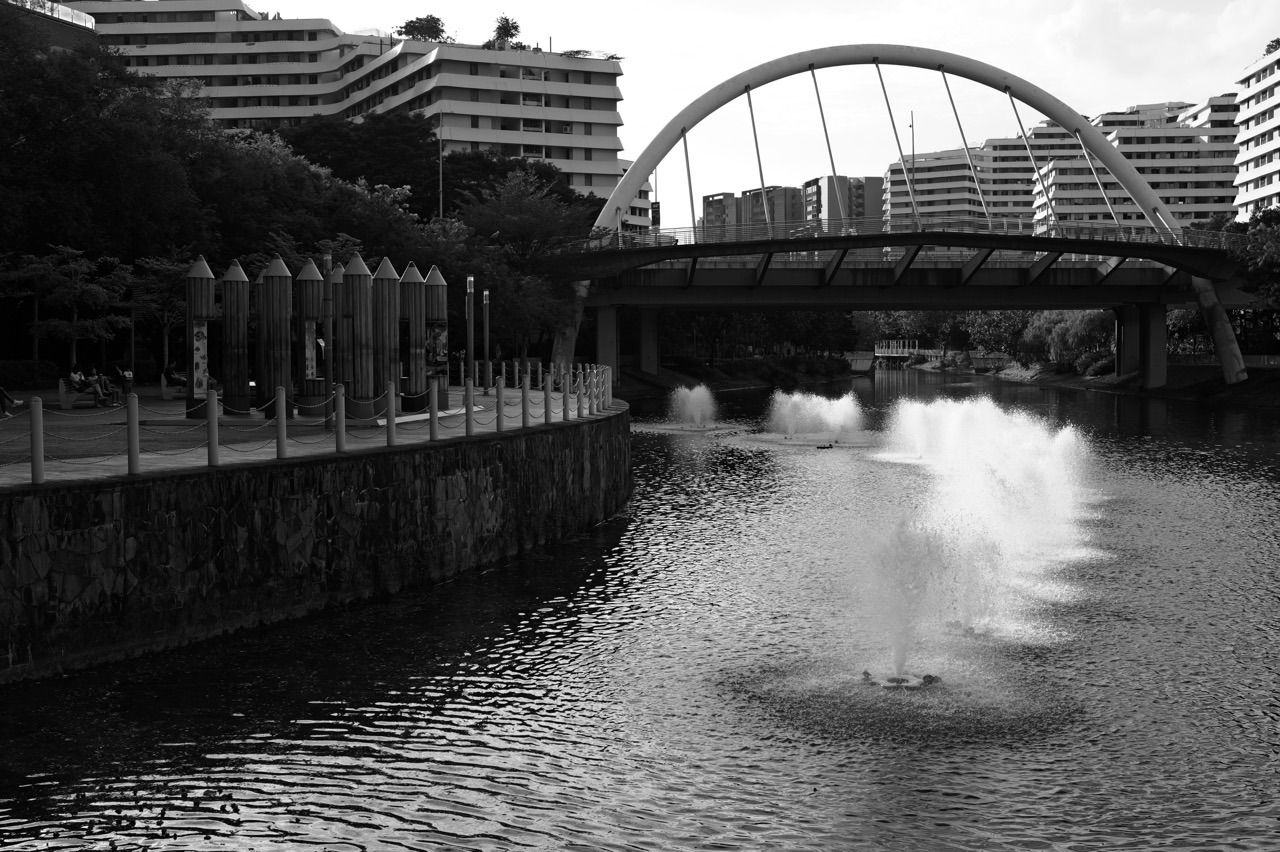
Where can a beginner watch butterflies around Punggol? Start at a suitable planted section of Punggol Waterway Park during a bright but comfortable morning, looking at flowering shrubs and leaves from permitted public paths. Coney Island Park offers a different, more natural habitat to observe, but its gates open only 7am–7pm and some trails are rugged. You need neither a long hike nor an expensive camera. A calm short walk, careful notes and respect for the insects are enough for a useful first outing.
This 2026 Punggol butterfly-watching guide explains how to distinguish adult butterflies from caterpillars, host plants from nectar plants, what Singapore’s NParks Butterfly Watch actually surveys, when to observe, how to record uncertain identifications, family-friendly Waterway routes, Coney Island opening rules, responsible insect photography and how to support pollinators without creating mosquito-breeding containers. It is a skill-based companion to Birdwatching in Punggol and the wider Life in Punggol lifestyle hub.
Butterfly watching in Punggol: quick information
| Beginner question | Useful answer | What not to assume |
|---|---|---|
| Where should I start? | A safe short Waterway Park path beside planted vegetation. | No need to cover an entire park connector. |
| When are butterflies generally active? | NParks suggests bright sunny conditions when these cold-blooded animals can warm up. | A hot afternoon is not automatically suitable for people. |
| What is a host plant? | A plant supporting eggs and caterpillars, which feed on its leaves. | A flower visited by adults is not always the larval host. |
| What is a nectar plant? | A plant whose flowers feed adult butterflies. | Not every flowering plant supports every butterfly species. |
| Which species can I learn first? | NParks Butterfly Watch examples include Tawny Coster, Common Grass Yellow and Painted Jezebel. | Singapore-wide examples are not guaranteed Punggol sightings. |
| Can children observe caterpillars? | Yes, from suitable public areas without touching or taking them. | Avoid moving eggs, pupae or host plant leaves. |
| Can I enter Coney Island at night? | No. NParks lists Coney Island hours as 7am–7pm. | Leave before the gates close. |
| Does NParks run citizen-science surveys? | Yes: Butterfly Watch is a biannual NParks/ButterflyCircle initiative. | A historic 2026 survey listing is not current open registration. |
| Should I use insect spray on the butterflies? | No. Observe without capturing, spraying or disturbing them. | Personal insect protection must be used responsibly. |
| Can I plant flowers at an HDB block? | Only in authorised private pots or approved community-garden arrangements. | Never appropriate public landscaped beds. |
1. Butterflies are an easy introduction to urban ecology
A butterfly can appear for a few seconds beside a Punggol flowerbed and then disappear over a hedge. A newcomer may never learn its name on the first visit. That is fine. The more interesting starting question is what it was doing. Was it feeding from a flower, resting with open wings, flying low over grass or visiting a leaf? Observing behaviour turns a colourful moment into an explanation of the environment.
The NParks article on butterflies and flowers explains that many butterflies contribute to pollination as they move between flowers. The insects use a long straw-like mouthpart, the proboscis, to take nectar. Flowers with suitable shapes and nectar can attract them. A visitor need not disturb the animal to understand this: watching one carefully for half a minute can reveal feeding or resting.
Butterfly watching also makes everyday green spaces more interesting. You may already walk past Punggol Waterway Park when travelling to Waterway Point or meeting friends. Instead of needing a large expedition, you can pause at a safe planted area on a route you already know. Over time, repeat visits give you a more realistic sense of what appears under different conditions.
The activity is not a promise of therapy or a cure for stress. Some people simply enjoy looking at living things and using their attention away from screens. Others value a gentle walk with children or a friend. Those are meaningful reasons to take up a hobby even if no rare species is ever seen.
2. The difference between a nectar plant and a host plant
| Plant role | What happens there | Clue to look for without touching |
|---|---|---|
| Adult nectar plant | An adult butterfly may drink nectar from flowers. | A butterfly visiting the same flower cluster. |
| Caterpillar host plant | An adult lays eggs and the larvae eat appropriate leaves. | Leaf chewing or a resting caterpillar, observed from a respectful distance. |
| Shelter vegetation | Leaves and branches provide places to rest or avoid exposure. | A butterfly perched without feeding. |
| Nearby ground or damp patch | Some butterflies obtain dissolved salts or minerals. | A butterfly resting on damp soil, without disturbing it. |
| Mixed habitat | Several plant types offer food and life-stage resources. | Different insects at different heights and plant structures. |
NParks’ HortPark butterfly-garden information and Butterfly Garden Trail describe the distinction explicitly: host leaves are food for caterpillars, while nectar plants feed adult butterflies. A garden full of attractive flowers may still be unsuitable for breeding if it lacks the right host plants. This is a useful idea to discuss with children because “butterflies like flowers” is only part of their life cycle.
For example, a caterpillar chewing a leaf might be seen by a gardener as damage. Ecologically, it may also be a necessary stage in the butterfly’s development. This does not require a homeowner to tolerate every pest in edible crops, but it suggests identifying the insect and plant before deciding what to do. In an NParks landscape, never remove leaves, eggs or caterpillars as a home experiment.
Butterflies also behave differently depending on weather and temperature. NParks says butterflies rely on the sun’s warmth to become active, and the HortPark trail describes basking, puddling, courting, mating and egg-laying. The observer can watch for these actions without trying to provoke them. A warm bright day may support insect activity, but people must still assess heat stress and hydration separately.
3. Where Punggol Waterway Park fits into the hobby
Punggol Waterway Park is a landscaped park with different zones, bridges, planted areas and public paths. NParks describes the park’s vegetation and recreational environment, which provide a practical starting point for a person interested in urban insects. The page does not promise an official butterfly sanctuary or a guaranteed list of target species at every bridge. It is honest to say “look for butterflies around suitable flowering plants” rather than advertise an invented named butterfly hotspot.
Begin near a familiar entrance, choose an appropriate short stretch, stop only where you are not obstructing pedestrians and watch any flowering vegetation from the public path. You can record the colour, size and behaviour of a butterfly without entering a planted bed. If a family arrives at a section with no visible insects, enjoy the waterway and return. A successful observation does not require a fixed count.
The Punggol Waterway connector page lists an 8.4 km park connector. That is not a prescribed insect-watching distance. A five- or ten-minute observation segment can be more useful for a beginner than marching through every zone while looking at a phone. Choosing a repeatable location near home makes it easier to compare visits over time.
The surroundings are shared with joggers, cyclists, parents with strollers and people using mobility aids. Never lay photographic equipment across a cycling path or invite children to run after an insect near the water. Stop only where the verge and path permit it, keep a safe distance from the edge and follow the park’s on-site restrictions. Responsible enjoyment protects both people and insects.
4. Coney Island offers a different landscape, not an unlimited trail
Coney Island Park has coastal and terrestrial habitats that differ from the manicured landscape beside parts of the Waterway. NParks lists the island’s natural environment and conservation features, with access from West and East entrances and operating hours of 7am–7pm. Its internal paths can be rustic or uneven. Those features make it a possible place to observe insects and their associated plants, but not a reason to enter restricted vegetation.
The official Coney Island page explains access, hours and park rules. Visitors are told to stay on designated trails and respect sensitive habitats. A butterfly flying into the forest is not an invitation to follow it. If you see a caterpillar or pupal case on a plant beside a permitted trail, observe from a safe distance and leave it undisturbed.
Plan the exit before entering. A family from Punggol Point may use the West entrance, while someone coming from Lorong Halus might use the East entrance. Both are valid under the appropriate routes. Do not try to finish the island as a race or remain after the park closes in pursuit of an imagined nocturnal butterfly. Butterflies and moths have different natural-history patterns, but that distinction does not override gate hours.
For a family whose member uses a stroller or wheelchair, the park’s different surfaces matter. NParks identifies some entrance areas as more accessible than internal rugged trails. A shorter Waterway butterfly walk may be more appropriate. The Coney Island map-reading guide explains choosing legal routes without implying every path is equally accessible.
5. Five Singapore butterflies beginners can learn to recognise
| Species or group | An introductory observation idea | Locality caution |
|---|---|---|
| Tawny Coster | Notice orange-brown wing colours and behaviour at flowers. | Named in NParks HortPark and Butterfly Watch examples; not a guaranteed Punggol sighting. |
| Common Grass Yellow | Observe small yellow butterflies in suitable sunny greenery. | Singapore-wide survey species, requiring careful identification. |
| Painted Jezebel | Look for distinctive contrasting markings when the wings are visible. | NParks survey and HortPark examples, not a fixed Waterway census. |
| Blue Glassy Tiger | Compare slow flight and patterned translucent-looking wing areas. | Present in NParks butterfly learning materials. |
| Lime Butterfly | Learn how adult appearances connect with specific host plants. | NParks horticultural species example, not a promise on every route. |
NParks’ Butterfly Watch information includes an official list of common taxa volunteers learn to identify. Its HortPark trail separately names Tawny Coster, Common Grass Yellow, Blue Glassy Tiger and Painted Jezebel. These are supported examples from Singapore, not evidence that any one species is present at a particular Punggol bridge this morning.
Butterflies can be difficult to identify in flight. A yellow shape might be a Grass Yellow butterfly, but several related species look similar. A dark patterned butterfly could be seen only from beneath, where markings differ. Rather than guessing immediately, record the general wing colours, approximate size, flight style, plant and time. A clear photograph obtained without disturbing the animal can support later comparison.
An article that provides scientific examples should also acknowledge uncertainty. The reader who records “small yellow butterfly, probably a grass yellow” has not failed. They have made a more reliable observation than someone who claims a rare species from a blurry glimpse. The same discipline is useful in school Science: separate facts, possibilities and assumptions.
6. The butterfly life cycle makes a good family Science lesson
Butterflies undergo complete metamorphosis: egg, larva (caterpillar), pupa and adult. Different stages use habitats differently. The caterpillar relies on appropriate host plant material and eats to grow, while the adult may use nectar and other resources. The pupa is a transformative stage rather than a tiny adult taking a rest. This helps students understand why protecting one flower does not automatically protect a whole butterfly population.
NParks’ Guide to Common Butterflies and Butterfly-Friendly Gardens introduces the relation between host and nectar plants. Families do not need to bring caterpillars home. Instead, a child can draw a simple four-stage diagram indoors after an observation and ask which stage could live near each type of plant.
The life cycle also warns against simplistic claims. An adult butterfly feeding from a particular flower is not necessarily using that plant for eggs. A caterpillar damaging a leaf is not automatically a butterfly species without identification. A butterfly-shaped object might be a moth, and the two groups include many forms with varied active times. If uncertain, look at reputable NParks or biological references rather than invent a confident answer.
If a child wants to care for an insect, use appropriate accredited educational programmes and safeguarding instead of collecting eggs or a pupal case from public landscaping. Insects may have specific host needs and handling can harm them. A neighbourhood observation outing is sufficient for an excellent learning activity.
7. How to record observations without expensive cameras
| Field-note column | What to write | Why it matters |
|---|---|---|
| Date and time | A simple accurate timestamp. | Allows comparisons among visits. |
| General place | Waterway Park or Coney Island area, not sensitive exact breeding spot. | Gives context without encouraging disturbance. |
| Weather | Sunny, cloudy or after rain; note heat/haze when relevant. | Activity and human safety vary. |
| Plant context | Flower cluster, leaf, grass or shrub. | Helps explain observed behaviour. |
| Wing pattern | Colours and broad shape. | Supports later identification. |
| Behaviour | Nectaring, resting, basking, puddling or flying. | Describes what you actually saw. |
| Confidence | Certain, possible species or unknown. | Prevents false wildlife records. |
| Ethics check | Stayed on path, did not touch or lure. | Encourages responsible practice. |
A notebook is enough. Children can sketch wing colours using coloured pencils, write a short description or dictate it to an adult. A smartphone can be helpful if used respectfully, but a close-up is not always possible. Do not follow a butterfly into a road or off an authorised trail just to improve the image. Nor should a family post the exact location of a sensitive egg or pupal cluster online.
Some people use photo-identification applications. They can offer possibilities but may confuse related species or misidentify poor photographs. Treat the output as a suggestion, then compare with official references or ask experienced naturalists when necessary. An unidentified specimen is not a failed observation. Learning to be accurate is part of the fun.
8. NParks Butterfly Watch: how real citizen science differs from casual notes
NParks runs Butterfly Watch with ButterflyCircle as part of its Community in Nature programme. Its official page describes the scheme as biannual and states that volunteers attend training, with new participants expected to receive practical instruction. The listed May 2026 survey period was 23–31 May, with prescribed survey timing and defined methods. That date is in the past as of October 2026; it is not evidence the next registration is open.
The programme’s survey materials refer to a structured butterfly-count method known as the Pollard walk, where observation is conducted under consistent conditions along an assigned route. That is different from jotting down whatever you happen to notice during a family picnic. Both can be worthwhile, but only the structured work should be presented as official survey data collected under NParks protocols.
NParks says new volunteer workshops are compulsory, returning participants can refresh their training and registered groups of up to five can use an assigned group code. Volunteers indicate location preferences and NParks may allocate a survey location near them. Do not promise that every Punggol resident will be assigned the Waterway or Coney Island, or that a person who fills an interest form can immediately survey without training.
Families or schools wishing to take part should check the current Butterfly Watch page and official volunteering arrangements. A casual local observation diary can be a good preparation activity while waiting for a recognised intake. The objective is to collect comparable, trustworthy data, not inflate sightings or maximise species claims.
9. Host plants, home gardens and the dengue problem
A Punggol resident with balcony pots or access to an authorised community garden may want to support pollinators. NParks recommends providing suitable host and nectar plants rather than random flowers. But any new planting must respect the exact space’s rules, weight and drainage constraints, wildlife considerations and owner or operator approval. Do not add private plants to HDB common landscaping without permission.
Dengue prevention is especially important in a warm, humid environment. NEA warns that Aedes mosquitoes can breed in very small amounts of stagnant water and encourages weekly Mozzie Wipeout checks. A butterfly garden cannot rely on uncovered containers or permanently water-filled saucers as a substitute for proper plant care. If a container accumulates water, correct the source promptly according to NEA guidance.
The existing Community Gardening in Punggol article covers gardening permission, herbs and mosquito prevention. Our butterfly guide has a different purpose: learn the relationship between host and nectar plants and observe insects without causing new risks. Community gardeners who want a pollinator corner should coordinate species and maintenance through their group’s actual organiser.
Avoid using broad-spectrum pesticides just to make every leaf look pristine when your purpose is supporting butterflies. At the same time, food safety and regulated pest management may require separate decisions. Ask NParks gardening resources or an appropriate specialist rather than assuming all insects are harmless to crops, children or people with allergies.
10. What butterflies can tell us—and what they cannot
Butterflies are sensitive to available host plants, nectar, habitat changes, season and other environmental factors. Observers sometimes describe them as indicators of ecosystem conditions. That can be useful, but one morning with fewer butterflies does not establish that the park’s biodiversity is collapsing or that haze caused a permanent decline. Weather, effort, time and chance also affect counts.
Suppose a parent counts four butterflies along one short Waterway section on Saturday and none the following Thursday. The visits may differ in weather, time of day or flowering condition. The parent can record both observations accurately and ask which conditions differed; they should not invent a firm cause. This is a practical lesson in data literacy. Population trends need repeated comparable surveys, such as those supported by NParks citizen science.
The same reasoning applies to comparing different parks. Coney Island may have more rustic habitat, but seeing more species there on one trip does not prove it has a higher population than another site. Route length, observation time and observer skill matter. The purpose of a beginner outing is to enjoy and notice, while formal ecological claims require much stronger evidence.
11. Photography, mobile phones and the no-disturbance rule
A butterfly can be fast and difficult to photograph. Avoid chasing it into gardens or across shared paths. A natural photograph where the insect is distant may be more ethical than a close shot obtained by pushing aside foliage. Do not handle wings, place insects on fingers or disturb a pupa to create a staged image. The wing scales and life stages are delicate.
Someone using a macro lens or smartphone should stabilise their device safely without blocking wheelchair routes or cycling lanes. A heavy tripod is not justified if it creates danger to others. A field notebook or voice note can record the sighting more quickly. The Punggol Nature Photography Walks article explains the wider phone-camera and ethics approach, while this page focuses on butterfly biology and identification.
Sharing an identification with a friend can be enjoyable, but avoid claiming that another visitor must disclose the location of a rare butterfly’s breeding site. Respect quiet observation and habitat protection. Do not play loud audio or use flash equipment that disturbs wildlife or nearby people.
12. Weather: bright enough for butterflies, safe enough for people
NParks says butterflies depend on sunshine to raise their body temperature for activity, making bright conditions useful for observation. Singapore’s heat, however, can create risk for long outdoor walks, particularly for young children, older people and people with health concerns. The Meteorological Service publishes a WBGT heat-stress advisory at weather.gov.sg/heat-stress. A sunny period that suits butterflies may be unsuitable for prolonged human exertion.
The family can choose a short visit rather than spending hours under direct sun. Carry suitable water, make reasonable use of shade and finish when participants are tired. If the official guidance indicates high heat stress, shorten or postpone as appropriate. No butterfly photograph is worth making someone unwell.
During haze, use official air-quality guidance rather than judging visibility alone. During lightning risk, stop outdoor activity and follow MSS lightning information. A tree or open shelter is not a suitable refuge during dangerous thunderstorms. A safe rainy-day alternative is identifying butterflies from official photographs or drawing the life cycle indoors.
13. A four-visit Punggol butterfly-learning plan
| Visit | Primary learning task | Appropriate setting | What success looks like |
|---|---|---|---|
| 1 — Notice | Observe one insect carefully, even unidentified. | Short familiar Waterway route. | Accurate notes about movement and colour. |
| 2 — Learn plants | Distinguish adult feeding flowers from possible host leaves. | Same or nearby planted area. | A clear explanation of nectar versus host plants. |
| 3 — Compare habitats | Observe a different permitted greenery area. | Suitable Coney Island section if accessible. | Awareness that habitat affects observation. |
| 4 — Record responsibly | Create a short field-note summary and use NParks references. | Return to a known safe public path. | Honest identification, no disturbance. |
The plan is not a guarantee of four species in four trips or an official Butterfly Watch qualification. One person may be delighted by a single butterfly, while another learns more from caterpillar leaf damage. Children can adjust the work according to their age. The activity should remain pleasant, not become an unwanted school-style test.
A family may discover that walking quietly and paying attention is the main benefit. If they enjoy it, they can continue with birdwatching, dragonfly observations, gardening or recognised citizen-science volunteering. If not, they have still spent time outdoors without needing to buy expensive equipment.
14. Three everyday Punggol scenarios
A Primary 4 child wants to recognise a butterfly
The child sees a small yellow butterfly near a flowering shrub and immediately calls it a Common Grass Yellow. The parent praises the observation but suggests writing “small yellow butterfly; possible grass yellow” until a clearer comparison can be made. They record the time and plant but do not catch the insect. Later, they use NParks resources to check likely markings. The child learns that evidence matters more than a confident guess.
An HDB resident wants more butterflies on a balcony
The resident enjoys potted plants and considers buying nectar flowers. Before doing so, they check whether the balcony can safely accommodate the pots, how drainage will be handled and whether an appropriate host plant can be maintained. They make weekly stagnant-water inspections part of the routine. They do not promise the neighbours a “butterfly breeding station” or turn communal landscaping into a private project.
A family with a stroller plans a Coney Island butterfly walk
The parents see a map of the island and want to explore every beach area. On checking NParks, they learn the internal trails can be rugged and the gates close at 7pm. They select a comfortable permitted entrance section or use Waterway Park instead, leaving enough time to return. The outcome is a pleasant observation rather than a difficult push through unsuitable terrain.
15. A worked example: why a ten-minute walk can be more useful than a long list
Imagine two approaches. One visitor spends ninety minutes rushing through several parks and records “probably ten butterfly species”, with little detail. Another spends fifteen minutes beside a permitted flowerbed and records one clear insect feeding repeatedly, its wing colours, the time, weather and a rough size estimate. The second observation may be easier to validate and teach from, even though the species total is much smaller.
For learning, the quality of attention matters. An observer can ask why the insect visited that flower, which plants might support its larvae and how today’s conditions differ from last week. No statistic about biodiversity should be inferred from one brief session. But the observation can prompt a sensible future question or a properly planned NParks survey when available.
16. Beginner mistakes to avoid
- Assuming all flowers are host plants. Separate larval food from adult nectar.
- Chasing butterflies into planted beds. Observe from permitted paths.
- Taking caterpillars or pupae home. Leave wildlife in place.
- Claiming every NParks butterfly species appears at the Waterway daily. Sightings are not guaranteed.
- Identifying a rare species from one blurry photograph. Keep uncertainty honest.
- Playing recordings to attract wildlife. Avoid unnecessary disturbance.
- Installing pots in common areas without permission. Use approved gardening arrangements.
- Leaving stagnant water for butterflies. Follow NEA mosquito-prevention rules.
- Entering Coney Island near closing. Observe the 7am–7pm access window.
- Using a tripod across the cycle path. Share space safely.
- Assuming sun means comfortable human conditions. Check heat stress.
- Calling an informal diary an official Butterfly Watch count. Use trained programme protocols.
17. Frequently asked questions about Punggol butterflies
Where can I watch butterflies in Punggol?
Start at safe, suitable planted areas of Punggol Waterway Park and other permitted parks; sightings vary.
Is Coney Island suitable?
It can offer natural habitats, but stay on designated trails and observe 7am–7pm gate hours.
What is the difference between a host and nectar plant?
Caterpillars feed on host plants, while adult butterflies obtain nectar from suitable flowers.
Does every flower support butterfly reproduction?
No. Host requirements are species-specific.
What Singapore butterflies can beginners study?
NParks examples include Tawny Coster, Common Grass Yellow, Painted Jezebel and Blue Glassy Tiger.
Are these guaranteed to occur at Punggol Waterway Park today?
No. They are Singapore educational examples, not live Punggol sightings.
What do butterflies use to drink nectar?
A long proboscis, which works like a feeding tube.
Can I touch a butterfly’s wings?
Avoid handling them; observation from a distance is safer for wildlife.
Can I collect caterpillars from park leaves?
Do not remove wildlife or plants from public landscaping.
Do I need expensive binoculars?
No. Short careful observation and a notebook are enough to begin.
When are butterflies often active?
NParks highlights bright sunny conditions, subject to local weather and the species.
Is the hottest part of the day best for my family?
Not necessarily. Check human heat-stress guidance and keep walks comfortable.
What is puddling?
Some butterflies obtain minerals or salts from damp ground.
Can I grow nectar flowers on my balcony?
Only within building rules and safe plant-care arrangements, while preventing stagnant water.
Does NParks organise butterfly surveys?
Yes. Butterfly Watch is biannual and involves registered trained participants.
Is the May 2026 survey still open?
No. That listed survey period is in the past; check current NParks announcements for future opportunities.
Can schools take part?
NParks provides a group-registration process, subject to programme dates and training.
How should I share a butterfly sighting?
Describe honestly, avoid sensitive breeding-location details and never disturb habitat.
What if I see none?
Enjoy the walk, note conditions and try another safe day; a zero-sighting visit is still valid observation.
Is butterfly watching exercise?
It can involve walking, but the amount and intensity depend on the visit; recreation also has value beyond exercise.
From observing butterflies to everyday Punggol green living
Nature observation becomes more meaningful when it connects with the habitats residents maintain and the sustainable habits they practise at home. These separate guides cover garden material, cycle-to-park transport and correct waste sorting.
- Composting in a Punggol HDB Home. NParks food-scrap and dry-brown guidelines, household permissions, mature compost, worm care and dengue prevention.
- Bicycle Parking in Punggol. Punggol Coast MRT racks, police anti-theft advice, shared-bike parking and safe last-mile commuting.
- Recycling and E-Waste in Punggol. NEA blue bins, batteries, authorised e-waste, Waterway Point bottle returns and the October 2026 10-cent scheme.
Continue through Punggol’s nature, lifestyle and education library
- Life in Punggol — Master Lifestyle Guide
- Birdwatching in Punggol for Beginners
- Dragonfly and Damselfly Spotting in Punggol
- Coney Island Map-Reading Nature Walk
- Nature Photography Walks in Punggol
- Community Gardening in Punggol
- Punggol Waterway Science Trail
- Punggol Science — Biodiversity Sampling, Birds and Butterflies
- eduKateSG — Punggol Waterway Park and Learning
- eduKateSG — School Gardens and Sustainability
Official references and editorial review
- NParks — Punggol Waterway Park
- NParks — Coney Island Park Hours and Habitats
- NParks — Butterfly Watch Citizen Science, Species and Training
- NParks — Butterflies and Pollination
- NParks — Butterfly Garden Trail and Butterfly Behaviour
- NParks — HortPark Butterfly Host and Nectar Plants
- NParks — Host Plants, Nectar and Pollination
- NEA — Prevent Mosquito Breeding
- MSS — Heat Stress
- MSS — Lightning Information
- Official Singapore Haze Guidance
Reviewed 22 October 2026. This is a general local nature-learning guide, not an authorised wildlife survey or a guarantee of any species sightings. Named butterflies are NParks Singapore-wide examples, not a real-time Punggol census. Observe wildlife without catching it or disturbing plants, follow NParks opening rules and official weather or haze guidance.


