
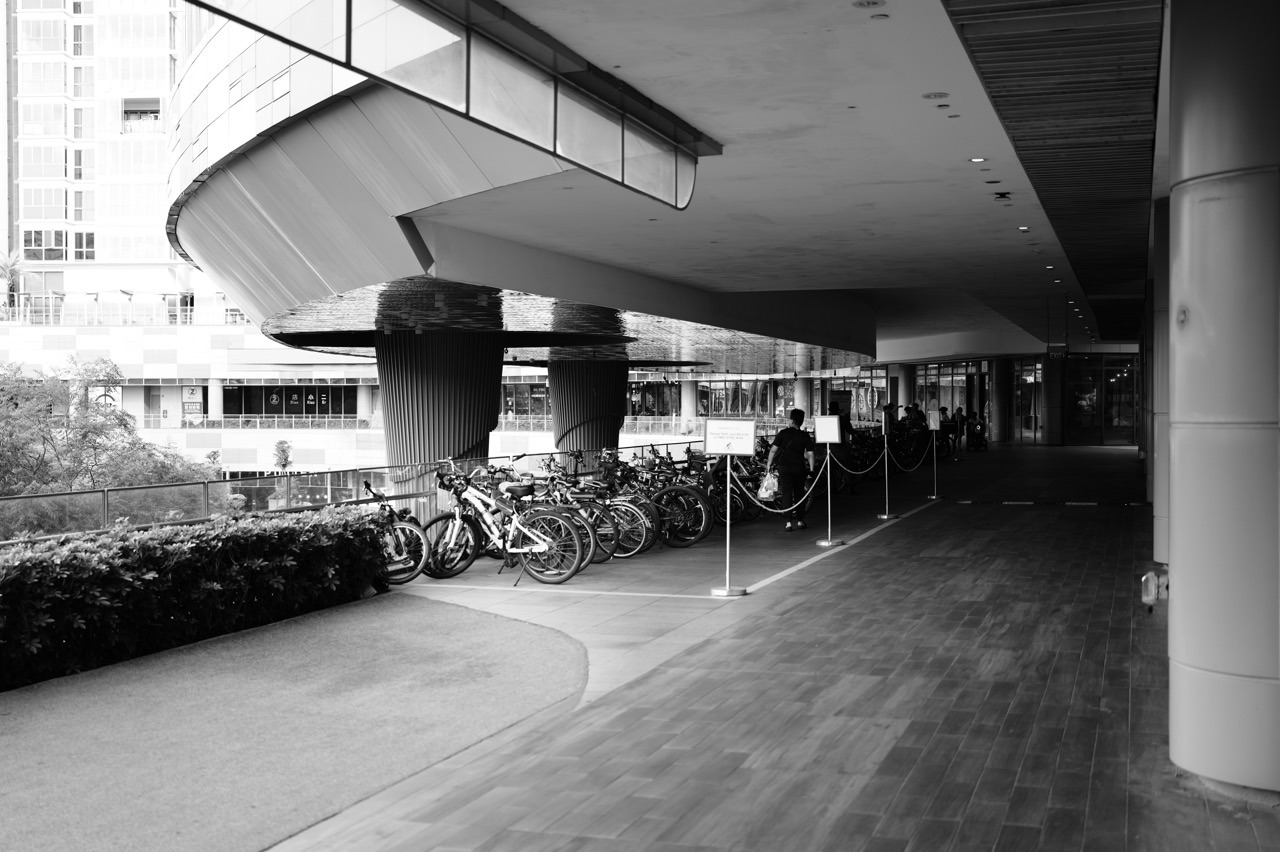
Where can you park a bicycle when cycling to Punggol Coast or Punggol MRT? Choose a designated bicycle rack or authorised bicycle parking area near the station or building entrance, lock your own bicycle securely to an appropriate permanent rack, and leave paths, entrances, lifts and fire-escape routes clear. LTA confirmed that Punggol Coast MRT station opened on 10 December 2024 with more than 300 bicycle parking lots, supporting journeys to Punggol Digital District and SIT. That is a published provision figure, not a real-time promise that one empty rack is available at your chosen hour.
This Bicycle Parking in Punggol 2026 guide covers Punggol Coast and Punggol MRT, Waterway Point, One Punggol, shared-bicycle QR zones, Singapore Police anti-theft advice, choosing locks, protecting parts, permitted path use, rain and late-night safety, reporting obstructions and a practical week of cycling to transport or errands. It differs from the existing Punggol Bicycle Maintenance article, which focuses on brakes, tyres and mechanics. This page answers what happens after you reach your destination and need to leave the bicycle safely.
Punggol bicycle parking: quick answers
| Question | Grounded answer | Avoid assuming |
|---|---|---|
| Punggol Coast MRT bicycle parking? | LTA announced over 300 lots at station opening in December 2024. | That a vacant rack is available right now. |
| Where do I leave my own bicycle? | A legitimate designated rack or facility permitted by the operator. | Any signpost, tree, railing or corridor is a parking rack. |
| How should I lock it? | Singapore Police advise quality locks securing it to a permanent structure, preferably with high visibility/CCTV. | That a simple wheel cable guarantees theft prevention. |
| What about removable items? | Police advise securing removable bicycle and PMD components. | Loose lights, seat or bags cannot be stolen. |
| What about shared bikes? | LTA requires designated shared-bike parking zones and QR trip ending. | That a rack for private bicycles always functions as a shared-bike return zone. |
| Can I park on pedestrian paths? | Avoid obstructing or parking outside authorised areas. | Empty-looking walkways are always legal parking. |
| How do I find actual racks? | Follow site signs and the destination operator’s current information. | An old web map guarantees an open rack. |
| What if all racks are occupied? | Use another permitted location or change plans. | That blocking a lift lobby is acceptable. |
| Do all cycling paths permit riding? | LTA distinguishes cycling paths from Pedestrian-Only Paths. | That all footways beside a cycling path allow bicycles. |
| Can a folding bike be stored in a corridor? | Private storage must comply with building and fire-access requirements. | That any corridor space belongs to one flat. |
| Should I photograph my bicycle? | A record of make, serial details and distinctive marks can help after theft. | That photos prevent a theft from happening. |
| What if a bicycle has disappeared? | Report suspected theft through appropriate police channels. | That the station or town council automatically covers replacement. |
1. Cycling to a station is only useful when parking works
A short bicycle ride can connect a Punggol HDB block to public transport, shops, community services or a park. But the journey is incomplete until the bicycle has a legitimate place to stay. Someone who can ride five minutes to the station but spends another fifteen hunting for a rack may decide not to repeat the habit. Parking therefore belongs to active mobility planning, not an afterthought.
For a Punggol commuter, distinguish three practical activities. First is cycling on an authorised route. Second is stopping and dismounting appropriately at the destination. Third is parking and securing a personal bicycle or ending a shared-bike trip through the approved system. Each follows different rules. The cycle path does not become a parking bay when a rider wants to stop.
The Walking for Everyday Errands and Cycling in Punggol guides cover journey choices and routes. This specialist article concentrates on the secure, considerate last step, because getting it wrong can obstruct neighbours or expose the bicycle to theft.
2. Punggol Coast station’s published bicycle provision
The Land Transport Authority’s 10 December 2024 Punggol Coast factsheet announced more than 300 bicycle parking lots at the station. The station has entrances serving New Punggol Road and Punggol Digital District, improving access to SIT, nearby workspaces and public transport. This is a concrete, verified figure, unlike a guessed street-level rack count from a travel blog.
However, infrastructure provision and real-time occupancy are different. An official opening notice does not establish how many spaces are free this morning, whether a particular rack is under maintenance, or whether all racks are sheltered. Follow current station wayfinding and parking signs. If a bicycle rack is full, use an appropriate alternative rather than attach a bicycle to a station railing or obstruct the entrance.
A student cycling towards SIT’s Punggol Campus should also check any campus-specific bicycle parking and access arrangements. Public access to a boulevard is not automatic permission to park inside any university building. An employee heading to Punggol Digital District should ask about workplace facilities, security and operating hours, because commuting patterns may differ from a short station-and-home trip.
3. Punggol MRT, Waterway Point and One Punggol are different destinations
Punggol MRT and LRT interchange is closely connected with Waterway Point and nearby community facilities, yet each destination can have different designated bicycle racks, internal access and operator rules. The existing eduKatePunggol media library includes a photograph identified as bicycle parking at Waterway Point, illustrating that the area has actual parking infrastructure. It does not confirm a free lot or the permission to leave a bicycle indefinitely.
One Punggol integrated hub has also promoted its designated bicycle-parking arrangements. A visitor going to the library or community club should follow the hub’s on-site signs rather than park across a passage near family entrances. The nearest suitable rack may require dismounting and walking for the last part of the journey. That inconvenience is minor compared with blocking someone pushing a wheelchair or stroller.
A local guide should avoid inventing exact rack counts at each building. Managers can reconfigure areas, close racks for works or impose time limits. Verify the specific destination before promising friends a meeting place. Good bicycle parking means both the rider and pedestrians can use the site as intended.
4. Private bicycles and shared bicycles use different parking systems
A resident’s personally owned bicycle is normally parked at an appropriate physical rack or authorised space, with a suitable lock. Shared bicycles rely on the operator’s parking system. LTA’s Rules and Code of Conduct states that shared bicycles must be returned only to designated parking zones. The rider uses the bicycle-sharing app to find the location and scans the QR code to end the trip as required.
A public rack beside a railway station may be legitimate for privately owned bicycles without being an approved shared-bike return zone. Similarly, a QR parking zone must not be interpreted as a private rack with no limits. Users should follow the actual designated category and operator process. If you cannot find an approved shared-bike return point, do not end the trip by placing the bike across a pavement.
The Ministry of Transport’s February 2026 parliamentary reply explains that shared-bike operators integrate LTA’s QR system and impose consequences for improper parking, including a $5 fee and potential bans for repeat offenders. This makes the digital trip-ending step a real part of using a shared bicycle responsibly.
5. What counts as a safe place to leave a personal bicycle?
A safe-looking wall or sheltered corner is not necessarily an authorised parking area. Prefer a proper rack designed to support a bicycle and provide a fixed anchor for locking. The Singapore Police advise choosing high-traffic areas with CCTV where possible and securing bicycles to permanent structures. The aim is to make opportunistic removal harder, not to promise that any single rack makes theft impossible.
Check that your bicycle does not overhang a pedestrian path, obstruct a wheelchair route, block a lift or stand in front of fire equipment. Leave space for other parked bicycles to be removed safely. A long handlebar or cargo basket can interfere with neighbouring bicycles if the rider parks carelessly. Never use a tree, fence or sign not intended as a bicycle rack merely because it is convenient.
Public bicycle parking near a station may experience crowding during rush hours. A rider who cannot find a permitted lot should adjust the journey and use a lawful alternative. A wrong parking decision can obstruct dozens of people each day, especially near schools, bus stops and stations. Consideration is part of active mobility, not a separate courtesy after the exercise is finished.
6. Singapore Police anti-theft advice is concrete
The Singapore Police Force’s Bicycle and PMD Theft advisory recommends keeping bicycles in locked premises when not used. If parking in public is necessary, it advises securing the bicycle to a permanent fixture in a high-traffic area with CCTV, using a good-quality lock and protecting removable parts. These measures reduce opportunity but do not guarantee that theft cannot occur.
The difference between securing a wheel and securing the whole bicycle matters. If the lock can be bypassed by removing one component, the remaining bicycle may be taken. Choose a lock that works with the bike frame and the proper rack without damaging equipment or neighbouring bicycles. A secondary cable for removable components can sometimes complement a more robust primary lock, but the primary security choice should be suitable for the risk.
A cyclist might be tempted to leave an unlocked bike for a quick coffee because the rack is close to the café window. Police advice explicitly applies even to short periods away. If you carry expensive lights, bags or a detachable computer, consider whether to remove them when leaving the bicycle, or secure them appropriately. Theft prevention is a repeated habit, not something to remember only overnight.
7. Choosing a lock without pretending it is invincible
Locks vary in form, material, weight, ease of use and resistance to tampering. A good U-lock or other appropriately strong device can be more suitable than a thin low-cost cable for a bicycle frequently left in public. Singapore Police have promoted sturdy locks and securing bicycles to fixed racks. However, no lock should be advertised as theft-proof, and a product’s price does not establish how well it works in every situation.
Consider the bicycle’s frame, the rack and what part of the bicycle is removable. A lock needs to fit around an appropriate point without forcing the frame, damaging brake cables or preventing another user from accessing a rack. Do not leave the lock key attached to the bicycle, and keep the spare secure. If a chosen rack only allows the front wheel to be captured, rethink whether the whole setup is suitable.
The best system is one a commuter can apply consistently. A heavy secure device that is left at home because it is inconvenient does little practical good. A family teaching a teenager to cycle to an MRT station should practise the lock-and-check routine at home, then review the actual parking arrangement at the destination.
8. Record the bicycle’s identity before something goes wrong
Police reporting is easier when an owner can describe the bicycle accurately. Keep a private record of make, model, colour, distinctive markings, frame or serial number where available, and dated photographs. Store proof of purchase if practical. Do not post sensitive tracking information or details of where a high-value bicycle is routinely parked to strangers. The purpose is to establish ownership and aid identification if necessary.
Parents can help children recognise the difference between a personal bicycle and a shared-bike rental. Some bikes look similar after modifications or upgrades. Personal photographs and records can help avoid confusion. A tracker or alarm may be an optional additional measure, but neither replaces a strong lock, permitted parking and basic situational awareness.
If a bicycle appears stolen, avoid confronting an unknown suspect or taking unsafe action yourself. Report the matter through the appropriate Singapore Police channel and provide the details honestly. An item may also have been moved by an authorised estate-management process because it was parked illegally or abandoned, so identify the last confirmed location and check the relevant site manager as appropriate.
9. The bicycle needs to be safe to ride home
A perfectly secured bicycle can still be unsafe to ride if the brakes, wheels, tyres or lights have changed condition while it was parked. Before leaving the rack, make a short visual and functional check appropriate to the bicycle. Look for an obviously flat tyre, unsecured wheel, damaged brake component or missing lights. Never ride off if a safety-critical item appears broken or tampered with.
The Bicycle Maintenance in Punggol article explains routine checks and when professional repair may be needed. This page focuses on parking security, but the two tasks join naturally: leaving a bicycle safely and returning to ride it safely are part of one daily habit.
Families should teach teenagers to stop and ask for help rather than force a ride on a broken bicycle. A minor delay or a short walk home is preferable to losing control near shared paths or busy crossings. A lock can also be difficult to remove in poor light or during a storm; plan the return route and do not block other riders while struggling with equipment.
10. Path rules on the way to the parking rack
LTA’s active-mobility rules distinguish dedicated cycling paths from pedestrian-only sections. Since July 2025, converted footpaths beside certain dedicated cycling tracks are Pedestrian-Only Paths, and bicycles are not permitted to be ridden on those converted areas. A rider should follow current symbols and dismount where appropriate rather than assume that any pavement beside a station allows cycling.
Near a busy interchange, the final few metres may involve pedestrians waiting for buses, children leaving school or shoppers carrying bags. Slow before the destination, use marked cycling paths and dismount for crossings or areas where riding is prohibited. The rack is the endpoint, not a reason to rush past someone to claim an empty place.
NParks’ park connector etiquette asks cyclists to ride considerately, give way and obey no-riding signs. A shared-path outing along Punggol Waterway Park does not create an unrestricted right to cycle through every bridge, garden or promenade. The Punggol Active Mobility Rules guide provides more detail about different device types.
11. Safe bicycle storage in an HDB estate
A bicycle kept overnight at home creates different questions from one left at a station. Some households have suitable private indoor storage, while others rely on authorised estate racks. Do not assume a corridor outside the flat is private space. Common corridors, lift access and fire-escape routes must remain unobstructed. Consult the building’s current rules before installing racks, hooks or storage devices that affect common areas or neighbouring units.
The owner should also think about household safety. A bicycle stored behind a door may obstruct a child or older relative during an emergency. Leaning a heavy bicycle against fragile furniture can create a fall hazard. If a resident has several bicycles, an approved secure storage arrangement may be more practical than accumulating equipment in a narrow HDB hallway.
For someone using a folding bicycle, the permitted dimensions and rules for carrying it aboard public transport or through a building are separate matters. Check the actual transport operator’s current requirements instead of assuming every folded bike is accepted in every situation. Parking rules at the destination do not automatically change those transport conditions.
12. Why 2026 enforcement makes considerate parking more important
LTA has increased attention to indiscriminate parking and abandoned bicycles around transit locations. A June 2026 Channel NewsAsia report documented efforts to clear obstructions on covered walkways and improve signage and engagement. The underlying purpose is access, particularly for people using mobility aids, prams or busy station routes. A bicycle left across an exit is a public hazard regardless of its owner’s good intentions.
Owners should not assume an unused-looking rack or public space can permanently store a bicycle that has not moved in months. Check current estate and operator processes for long-abandoned bikes and do not treat public facilities as personal long-term storage. A legitimate bike may be moved when it is obstructing access, subject to the responsible authority’s rules. This is a different problem from ordinary theft.
The practical repair is simple: park in a correct designated place, secure the bicycle and return within allowed conditions. If there is a recurring shortage of racks, provide useful feedback through the proper agency or building-management channel rather than creating an unsafe overflow area. Good feedback includes the location, problem and how it affects users, without unnecessary personal accusations.
13. Rain, haze and the reality of a parked bicycle
A bicycle may stay outside during heavy showers while its owner works or studies. Wet weather can affect chains, brakes, lights and accessories, and a rider may return to a wet surface or flooded route. A sheltered rack is useful but not always available. Protect suitable components, maintain the bicycle according to its manufacturer’s instructions and perform safety checks before riding when conditions are poor.
Singapore’s haze periods may affect the decision to cycle outdoors even if the bike is safely parked. The official haze guidance should inform strenuous outdoor movement; visibility alone is not a reliable PM2.5 reading. Lightning and storms create other risks, so check MSS lightning information before a long ride and do not force the journey because a parking payment or work schedule is inconvenient.
A commuter can also choose a bus, MRT or safe walking alternative on unsuitable days. Active transport is a valuable option, not an obligation to ride through every environmental condition. The most sustainable routine allows people to change plans without feeling they have failed.
14. Three Punggol commuter situations
A student cycling to Punggol Coast MRT arrives during morning rush hour. The first set of racks is full. Instead of attaching the bicycle to a nearby railing, they find another designated lot, secure the frame and removable lights, and walk appropriately to the station entrance. They leave enough time to use the correct cycling paths rather than cutting across a pedestrian-only section.
Another commuter rents a shared bicycle near Waterway Point. They reach a private bike rack but the rental app does not recognise it as a valid drop-off. They continue to an approved QR-marked shared-bike zone, scan the code and end the trip correctly. Their behaviour follows LTA’s distinction between physical racks and digital shared-bike zones, preventing needless obstruction and possible fees.
A family member finds that their bicycle’s rear light is missing when collecting it after work. They check for other obvious damage and do not ride a poorly visible bicycle into the evening. They keep appropriate ownership details, report suspected theft where necessary and arrange safe travel home. Securing a bicycle is important; checking it remains rideable matters too.
15. A week-long cycle-to-station improvement plan
On day one, walk the final few metres from a Punggol destination to identify genuine racks, exits and pedestrian paths. On day two, practise the full parking-and-lock routine at a calm time. On another day, check whether the journey is still convenient during ordinary peak hours. Then test a reasonable rainy-day fallback and review equipment security. The goal is a route you can use without imposing on others.
This is a planning experiment, not a challenge to ride every day. The real measure is whether the rider feels safe, respects parking rules and can manage the last-mile trip within a normal school or work week. If the rack remains consistently full, consider another approved place or a different route. You do not need to leave a bicycle in an unsuitable location to prove commitment to sustainable commuting.
A family that makes the routine predictable may reduce reliance on short vehicle trips while enjoying some physical activity. But convenience, weather and accessibility remain personal. A well-managed journey is better than an optimistic plan that depends on breaking rules when the station becomes crowded.
16. Cycling and everyday exercise: a healthy but realistic claim
Regular active travel can contribute to physical movement, but a cycle-to-MRT trip varies in duration and intensity. A short ride does not automatically replace all recommended weekly aerobic and strength activity. The Health Promotion Board encourages appropriate regular activity that fits the person and their health. Cycling can be one part of a broader routine of walking, suitable strength training and recovery.
For families, the quality of the journey matters. Children may have different riding abilities and require supervision; a short safe school-route cycle is more useful than forcing them to keep pace with adults on busy paths. Older adults or people with mobility needs may prefer walking or public transport instead. A town’s mobility system should offer choice rather than a single ideal lifestyle.
The existing Family Cycling in Punggol article provides more about helmets and shared-path rules. This parking guide fills a different gap: what happens when a rider needs to leave a bicycle and trust that it will not obstruct the next person’s journey.
Common Punggol bicycle-parking mistakes
- Locking only a removable wheel. Secure the bicycle frame to a legitimate rack.
- Assuming a shared-bike QR zone is any ordinary rack. Follow the operator’s actual marked zone.
- Leaving a shared bike across a footpath. End the trip properly at an approved location.
- Blocking lifts, HDB corridors or station access. Leave all shared routes clear.
- Trusting an old rack-count announcement as current capacity. Check today’s conditions.
- Leaving lights, bags and detachable parts unsecured. Police advise protecting removable parts.
- Using the cheapest weak lock without considering the risk. Choose a suitable quality device.
- Assuming CCTV prevents all theft. Take practical security measures.
- Riding on a marked Pedestrian-Only Path. Follow current LTA markings.
- Ignoring brakes or tyre damage when collecting the bike. Perform safe pre-ride checks.
- Using a station rack for abandoned long-term storage. Respect operator conditions.
- Forcing a cycle trip through storms or unsafe haze. Choose a safer alternative.
Frequently asked questions
Does Punggol Coast MRT provide bicycle parking?
Yes. LTA announced more than 300 lots at station opening in December 2024.
Does 300 lots mean I can park there at any hour?
No. Provision does not confirm current occupancy or access conditions.
Can I park at Waterway Point?
The centre has bicycle parking facilities, but use its current designated racks and rules.
Can I lock a bicycle to a tree near the MRT?
Do not use unsuitable public structures; choose a designated rack or authorised place.
What is the best kind of lock?
A suitable strong-quality lock secured to a fixed rack; no device is guaranteed theft-proof.
Should I secure the wheels and lights too?
Yes, Police advise protecting removable parts as appropriate.
Should I photograph my bicycle?
Keeping accurate private ownership records may help if it is lost or stolen.
Can shared bicycles use any private bike rack?
No. Shared bikes must be left in designated zones and trips ended with the proper QR procedure.
Is there a fee for improper shared-bike parking?
Government rules provide for a $5 fee imposed by the operator and sanctions for repeat misuse.
Can I park across a sheltered walkway if racks are full?
No. Obstructing public access is unsafe and improper.
Do bicycle racks guarantee against theft?
No. Follow SPF security guidance and use an appropriate lock.
What if my bicycle is stolen?
Report it through appropriate police channels, with useful ownership and last-location details.
Can I store a bicycle in an HDB corridor?
Do not assume common-space storage is permitted; fire and accessibility requirements apply.
Is an MRT cycle park the same as a secure paid locker?
No. Check the actual facility’s type and services rather than inferring extra security.
Can I cycle on all footpaths near a station?
No. LTA distinguishes cycling paths and converted Pedestrian-Only Paths.
Do I need to dismount near busy entrances?
Follow on-site signs and slow or dismount wherever required for safety.
Can cyclists park at SIT Punggol Campus?
Check the university’s specific parking and access rules before assuming public entitlement.
What if a rack is broken?
Report the issue to the relevant site operator rather than attaching the bicycle unsafely.
What if I find an abandoned bicycle obstructing a walkway?
Use appropriate estate or public-agency feedback channels; do not handle it as your own property.
Does cycling to the MRT count as exercise?
It contributes activity, with effort and time varying by person and route.
What about heavy rain or haze?
Use official weather and air-quality guidance and change the journey if necessary.
Should I check the bike after unlocking?
Yes. Look for safety-critical changes before riding home.
Beyond the bicycle rack: sustainable and active Punggol living
Cycling can connect a household with Punggol’s public green spaces, while responsible waste sorting and small-scale gardening support healthier shared spaces. Choose the next practical topic below.
- Butterfly Watching in Punggol. Waterway and Coney Island observations, nectar versus host plants, NParks Butterfly Watch and responsible wildlife notes.
- Composting in a Punggol HDB Home. NParks food-scrap and dry-brown guidelines, household permissions, mature compost, worm care and dengue prevention.
- Recycling and E-Waste in Punggol. NEA blue bins, batteries, authorised e-waste, Waterway Point bottle returns and the October 2026 10-cent scheme.
Explore connected Punggol lifestyle and active-mobility guides
- Life in Punggol — Master Guide
- Cycling in Punggol — Routes and Rentals
- Bicycle Maintenance and Safety Checks in Punggol
- Punggol Active Mobility Device Rules
- Family Cycling in Punggol
- Walking and Active Commuting in Punggol
- Punggol Heat Stress and Outdoor Activity
- eduKateSG — Punggol Transport Geography and Accessibility
- eduKateSG — Student Life and Punggol Waterway
Official sources and reviewed information
- LTA — Punggol Coast MRT Opening and 300+ Bicycle Lots
- LTA — Cycling, Pedestrian Paths and Shared-Bicycle Parking Rules
- Ministry of Transport — Shared-Bike QR Compliance, 2026
- Singapore Police — Bicycle and PMD Theft Prevention
- NParks — Safe Park Connector Cycling Etiquette
- SportSG — Healthy Active Lifestyles
- MSS — Lightning Information
- Official Singapore Haze Guidance
Reviewed 22 October 2026. This guide provides general active-mobility and bicycle security information, not a live rack-occupancy map, guarantee against theft or permission to park outside authorised spaces. The published 300-plus figure concerns Punggol Coast station’s opening provision, not current free spaces. Follow LTA, SPF and site-specific rules.


