
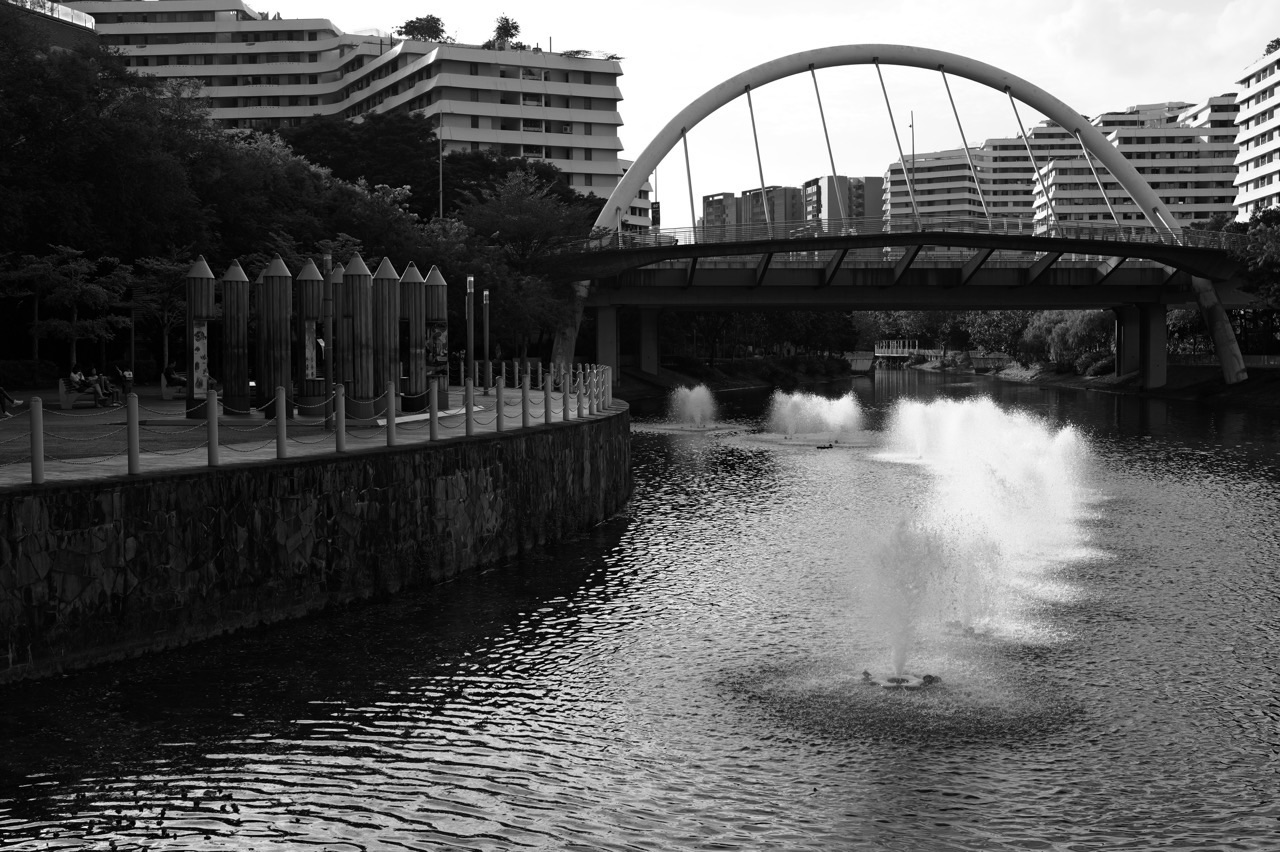
How can a Punggol resident start gardening in 2026 without owning land? Begin with one suitable potted plant at home, join an authorised Community in Bloom group through a Residents’ Network or managing body, or apply for an NParks allotment plot when an official application exercise opens. The 2026 allotment fee is S$65.40 per year for an allocation of up to three years, with the next application exercise announced for the fourth quarter of 2026—not a guaranteed immediate plot. Punggol Waterway Park is on the NParks allotment-garden list. Do not assume all common green space in an HDB estate is available for private planting.
This Community Gardening for Beginners in Punggol 2026 guide focuses on choosing a legal garden setting, measuring light, selecting herbs and leafy vegetables that suit Singapore’s climate, watering and drainage, dengue protection, family participation, soil safety, sustainable costs and a manageable four-week trial. The site’s Community Gardens and Allotment Plots in Punggol page serves as the directory of possible sites; this article teaches a practical first gardening habit.
Start gardening in Punggol: quick information
| Question | Practical first answer | What to verify |
|---|---|---|
| Can I grow plants without an allotment? | Yes, at home where light and space permit. | HDB corridor, balcony and drainage rules still apply. |
| How do I join a community garden? | Ask an existing Community in Bloom group or local Residents’ Network. | Whether it is currently accepting volunteers. |
| Can I claim an empty plot by planting? | No. Public or estate land requires approval from the relevant manager/landowner. | Do not plant or fence an unauthorised area. |
| How much is an NParks allotment in 2026? | S$65.40 per year under the published 2026 application rate. | Allocation, renewal and application conditions. |
| When is the next NParks ballot? | NParks says the fourth quarter of 2026. | No assumption that a particular Punggol plot is available. |
| Which parks appear on the allotment list? | Punggol Waterway Park and the separately named Punggol Park. | Punggol Park is in the Hougang area, not inside Punggol Town. |
| What edible plants suit a beginner? | NParks suggests plants such as bayam, Thai basil and Indian borage depending on conditions. | Actual sunlight, drainage, plant identification and care. |
| How much sun for leafy vegetables? | NParks describes around four to six hours of direct sun for many leafy crops. | A shaded HDB balcony may not meet that demand. |
| What is the most important public-health habit? | Remove stagnant water and prevent mosquito breeding. | NEA advises regular inspection, including every-other-day pot-plate checks. |
| Does gardening count as exercise? | Some gardening tasks contribute movement and time outdoors. | It does not automatically replace aerobic/strength guidelines. |
1. Choose the correct type of garden before choosing a plant
There are at least three distinct routes into gardening. A home container garden is private and limited by windows, balconies, light, household rules and safety. A Community in Bloom (CIB) garden is run with an authorised group and managing body, often a Residents’ Network, school or other organisation. An allotment garden gives an approved individual a defined rented plot under a scheme, with specific fees and conditions. Confusing them leads to unnecessary disappointment.
NParks’ Gardening 101 separates home growing, community gardens and allotment gardening. A resident wanting one pot of Thai basil has no reason to wait for a plot ballot. Conversely, somebody wanting to build raised beds in a common area cannot do so simply because the area looks unused. Permission and responsible maintenance must be part of the plan.
The useful first question is not “What plant is best for Punggol?” but “Where can I legitimately grow and care for this plant?” A west-facing flat with strong afternoon light differs from a shaded ground-floor corridor. A community garden can have shared water access, established tools and a volunteer timetable, but it may also have rules about harvesting and supervision. Starting from the actual place makes every later decision more realistic.
For families, gardening can also be a social hobby. Children might enjoy watching seeds emerge, while an older relative enjoys a familiar routine or chatting with neighbours. Yet participation should be voluntary and adapted to ability. Nobody needs to carry heavy soil or kneel for long periods to prove they are contributing to a garden.
2. Community in Bloom: group permission matters
NParks’ Community in Bloom overview explains that creating a community garden requires a core group of volunteers, support from a managing body such as a Residents’ Network or school, and approval from the relevant landowner. This means the green verge outside a Punggol HDB block is not automatically public planting space. The town council, school or other responsible party may control access and maintenance.
A practical first step is to ask the local Residents’ Network or an existing registered group whether volunteers can join. Describe your availability and interest rather than demanding an individual plot. Some gardens have established teams for watering, composting, seedling care and events. If the group is full or uses a roster, ask about another suitable activity or a future intake. Joining a community initiative should feel cooperative, not competitive.
The official CIB programme is about shared stewardship. A volunteer should understand who approves changes, who purchases tools, whether harvesting is shared, what to do with pests and when the site is open. A person who builds an unauthorised raised bed can create access and drainage problems for others, even with good intentions. Legal permission is a gardening skill in a high-density estate.
If you want to help create a new garden, the community needs both people willing to maintain it and a managing body able to approve and support the site. The landowner’s clearance is essential. An empty space near a lift lobby, storm drain or fire access route may be unsuitable. The Punggol town-council and estate guide helps residents understand who may be responsible for different shared spaces.
3. Allotment gardening: the real 2026 fee and application status
Under NParks’ Allotment Gardening Scheme, the published rate is S$65.40 per year including GST for a period of up to three years for application exercises in 2026. The next application exercise was announced for the fourth quarter of 2026, with more details to be provided closer to the period. The previous December 2025 ballot has already notified applicants. This means a reader in October cannot be promised an immediate plot at the park of their choice.
NParks’ list includes Punggol Waterway Park as a location in the allotment network. It also includes Punggol Park, a different park located in the Hougang area. A person must not select a park solely by the similar names. Check the actual site, current application inventory and transport from home. The official scheme controls eligibility, application, plot allocation and ongoing rules.
The three-year upper limit does not mean a new applicant automatically receives an uninterrupted three years or that the yearly charge buys garden services without responsibility. Read the allotment terms, plot dimensions, garden hygiene rules and renewal arrangements. The gardener may need to visit frequently for watering, pruning and pest control. A plot far from home can be expensive in travel time even when the annual rental looks modest.
A household that wants to see whether gardening is enjoyable may be better served by a small home pot or volunteering before entering a lottery. Planting one herb is a low-commitment experiment; maintaining a plot through rainy and hot seasons is a longer-term obligation. The choice is about sustainability, not claiming the largest growing space.
4. Light comes before seeds: the balcony diagnostic
NParks’ Gardening 101 teaches that sunlight is a critical plant requirement because photosynthesis allows plants to make chemical energy from light, water and carbon dioxide. A plant’s growth depends on the amount of usable light it receives, not simply whether the balcony looks bright to a human. Some herbs tolerate partial shade, while many fruiting plants and leafy vegetables need more direct sun.
Before buying seeds, observe the proposed space at different times of day. Does it receive direct sun for several hours or only indirect daylight? Is the light blocked by another block? Does rain enter from the side? Are there safe locations for pots where drainage is possible without dripping on neighbours? A quick written note can prevent weeks of frustration over a plant that never had suitable conditions.
NParks’ Good Corridor Gardening Practices stresses choosing suitable container plants, keeping passageways clear, and avoiding thorny or dangerous species near neighbours. Do not interpret its advice as permission to occupy any common corridor. Obstruction, fire access, structural safety and estate rules all remain applicable. If the space cannot safely hold a pot, choose an indoor or authorised community option.
A small plant that fits the available light and legal space is a stronger start than a large “urban farm” design. Punggol’s high-rise living rewards practical observation and considerate arrangements. Avoid building heavy shelves or hanging planters over public walkways without proper permission and secure professional installation.
5. Beginner edible plants: how to select by conditions
| Plant or group | NParks gardening information | Beginner decision |
|---|---|---|
| Bayam | Recommended as a Singapore-suitable edible leafy vegetable. | Needs appropriate sun and frequent care. |
| Thai basil | Listed in Gardening 101 as resilient in suitable local conditions. | Useful familiar herb where light permits. |
| Indian borage | NParks includes it among hardy beginner-friendly plants. | Choose if the household enjoys the plant and can identify it. |
| Laksa plant | NParks includes it in the beginner list. | Suitable growing conditions and food use need checking. |
| Chives | NParks has a dedicated container-growing guide. | Consider shallow-rooted herb options with adequate light. |
| Cai xin or kang kong | Listed as edible leafy choices in allotment guidance. | More sunlight and watering than a dark corridor may provide. |
| Microgreens | NParks provides a short indoor growing guide. | Short harvest cycle, but hygiene and moisture control matter. |
The NParks list is a starting point, not a guarantee that every herb thrives in every Punggol flat. Bayam and many leafy vegetables typically benefit from several hours of direct sun and regular watering, as its allotment guidance explains. Thai basil can suit a sunnier spot. Some plants that survive shade may produce slower growth. Choose by actual sunlight and available maintenance time.
For beginners who enjoy cooking, familiar culinary herbs offer a clear purpose: adding flavour to meals. But not every ornamental plant is edible and not every plant used in folk medicine should be consumed as treatment. Identify species carefully and obtain appropriate dietary or medical advice before eating unfamiliar leaves, especially with children or people who have allergies.
The NParks microgreens guide describes small-space growing that can produce a harvest within roughly two weeks under suitable conditions. This can appeal to a family interested in the relationship between seeds, light and plant development. It still requires clean materials, appropriate water management and food hygiene. A wet tray left forgotten in a flat is not a healthy garden.
6. A two-pot starter system for a normal Punggol household
Instead of buying ten plants, begin with one hardy herb and one edible leafy option matched to your light. The purpose is to compare different care needs and learn how the space behaves. Use safe containers with appropriate drainage, suitable potting mix and labels. Keep a simple watering and growth record. Do not turn the project into a demand that the entire family care for an elaborate set of plants.
One pot may grow reasonably while the other struggles. This is information, not failure. Ask whether the struggling plant receives enough sunlight, whether its soil remains too wet or whether a pest has appeared. Make one change at a time: moving an authorised container to a brighter safe place, adjusting watering or replacing a species that does not suit the space. Randomly changing every condition makes the cause hard to understand.
Choose safe access. A pot that must be moved across a cluttered HDB corridor each morning creates a household hazard. A balcony with strong wind requires suitable placement and secure items. Do not block window openings needed for ventilation or a door that serves as an escape route. The most sustainable garden is the one that can be maintained without compromising other residents.
If your plant grows edible leaves, use safe food-handling practices. Wash harvested produce appropriately, avoid using unknown chemicals and ensure children understand that not all garden plants are food. Homegrown does not automatically mean clean or safe to eat. The Singapore Food Agency’s food-safety information is a useful companion to horticultural advice.
7. Watering correctly is not the same as watering frequently
New gardeners often assume more water means faster growth. In reality, roots need a suitable balance of water and air, and persistently wet soil can cause problems. NParks’ Gardening 101 explains the roles of water and soil in plant growth; its watering resources show why pot material, soil, plant size, sun and weather change the amount needed. A single universal daily volume is not appropriate for every plant.
Observe soil moisture and the plant’s condition rather than following a rigid viral gardening hack. If a container is poorly drained, adding more water will not solve the problem. If a tiny pot sits in direct sun, it may dry more rapidly than a larger shaded one. Choose a manageable routine that checks conditions and adjusts. A child learning to care for plants can understand these trade-offs without using complicated tools.
Bottom watering, where a pot absorbs moisture from below temporarily, can work for certain smaller containers. NParks’ Bottom Watering guide explains the method and emphasises draining excess water afterwards. For a dengue-safe home, never leave a bowl or saucer of standing water sitting out as a permanent system. Water management and public-health responsibilities must work together.
The most important simplification is to choose plants whose needs fit the household. Someone working shifts may not be able to attend a vegetable bed twice a day. A community group can use an agreed watering roster; a home gardener can select suitable hardier species. Do not plant a large crop that becomes someone else’s unplanned responsibility when you travel.
8. Dengue prevention: gardening has a duty to neighbours
The National Environment Agency warns that Aedes mosquitoes can breed in surprisingly small amounts of clean stagnant water. Plant-pot plates, unused pails, blocked scupper drains, garden containers and hardened soil where water collects all require attention. NEA recommends a Mozzie Wipeout at least weekly, with some plant-pot and vase inspections even more frequently. These rules are relevant to balcony growers and communal plots alike.
NEA’s Mosquito-Free Home checklist specifically calls for removing water from plant-pot plates every other day, cleaning and scrubbing them, and avoiding standing-water plates where possible. It also warns against blocking HDB corridor scupper drains with pots or racks. A garden designed around responsible drainage is safer for neighbours than one using trays that quietly collect water.
If a volunteer group manages a community garden, put dengue checks on its maintenance roster. Review watering containers, rainwater collectors and any items that hold water after a downpour. Do not assume one volunteer will remember every week or that a nice-looking garden cannot breed mosquitoes. If a suspected breeding issue cannot be safely resolved, contact the appropriate responsible agency.
Avoid risky improvised pesticides or mixing chemical treatments. For troublesome pests, seek integrated pest management advice from NParks and follow product labelling or a qualified specialist where necessary. Keep chemicals away from food-growing areas and vulnerable people. A gardening project meant to promote wellbeing should not create a preventable exposure hazard.
9. Soil and fertiliser: keep the first lessons simple
Plants need appropriate soil structure, nutrients and aeration. A beginner container with dense poorly drained soil can suffer even with a good plant choice. NParks discusses potting mix, compost, fertiliser and watering across its horticultural resources. Start with a reputable suitable medium rather than gathering unknown soil from a roadside verge, which may contain weeds, contaminants or pests and may not be permitted to remove.
Fertiliser should be used according to plant needs and product instructions. More does not automatically mean better; excessive fertiliser can damage roots or contaminate drainage. Beginners can learn to identify signs of nutrient and water problems, but visual symptoms have several possible causes. Avoid diagnosing every yellow leaf as a demand for a new chemical product.
For shared plots, follow the managing body’s approved growing practices. A volunteer should not add untreated household waste, unfamiliar compost or strong fertiliser without consent. Soil and compost can attract pests or create odour when poorly managed. The goal is a garden that neighbours welcome, not one that grows the largest vegetables by any means available.
Community groups may also benefit from documenting what works across seasons. A simple record of seed variety, light, watering and harvest is more useful than purchasing exotic seeds based on a social-media claim. Children can practise counting days to germination and measuring growth while respecting the limits of a small school-style experiment.
10. Punggol’s community plot geography and the naming trap
Punggol Waterway Park is a real Punggol Town park, while Punggol Park is in the Hougang Avenue 8/10 area. NParks’ allotment scheme lists both locations. A resident selecting a plot should use the exact park name, check the ballot map and work out the journey from home. A low annual plot fee can lose appeal if reaching it requires inconvenient travel several times weekly.
The wider Punggol Garden Explorer and One Punggol Rooftop Garden guides show different local garden settings. But visiting an ornamental rooftop garden does not grant permission to harvest the plants, and a therapeutic garden is not a personal vegetable allotment. Always distinguish visitor access from gardening rights.
For those interested in Punggol’s history, the Punggol Periwinkle Community Garden history shows how community growing has been part of the local story. It does not establish that any historical plot is available now. The reader should always return to current NParks and managing-body information for participation.
11. Gardening, mental wellbeing and physical activity
Gardening can provide a reason to move gently, spend time outdoors and connect with neighbours. It may involve walking, carrying small tools, bending or tending plants. But these tasks differ in intensity and physical demands. A quiet half hour pruning leaves is not automatically equivalent to moderate aerobic exercise, and lifting heavy soil bags may be unsuitable for someone with back or mobility problems.
HealthHub recommends a mix of weekly aerobic and muscle-strengthening activity for healthy adults, with individual adjustments. A gardener who enjoys the hobby might also take suitable neighbourhood walks or participate in another activity. Gardening’s value need not be reduced to calorie estimates. Learning a plant skill, watching growth and meeting people can be worthwhile on their own.
For people with persistent low mood or other mental-health concerns, gardening may be one pleasant component of daily life, not a substitute for professional assessment or support. A community gardener might appreciate regular social contact while another prefers a solitary home pot. Respect different preferences without declaring that everyone must join a group to be healthy.
The site’s Nature and Mental Wellbeing in Punggol covers broader green-space experiences, while Healthy HDB Home discusses the household safety system. A garden works best when its benefits do not come at the cost of obstructed corridors, standing water or family stress.
12. One simple four-week Punggol gardening experiment
| Week | Question | A reasonable action | What you learn |
|---|---|---|---|
| 1 — Site | Where may I legally garden, and what light is available? | Choose home container or enquire about an authorised group. | A realistic growing place. |
| 2 — Plant | Which one or two plants suit the light and household? | Select verified, manageable plants and containers. | Whether the choice fits your environment. |
| 3 — Care | Does watering and drainage work safely? | Observe moisture, growth, mosquitoes and any pests. | A repeatable responsible routine. |
| 4 — Review | Would I enjoy maintaining this longer? | Keep, adjust, join a community group or wait for ballot. | A sustainable decision rather than an impulse purchase. |
This experiment is not a four-week guarantee of a vegetable harvest. Different species germinate and grow at different speeds, while weather, light, soil and pests vary. Microgreens may mature quickly, but a fruiting plant may need much longer. Success may simply mean establishing a dependable care routine and discovering that the chosen balcony receives insufficient light for the initial crop.
A household can also learn that gardening is not its preferred hobby. That is a valid outcome: perhaps a regular nature walk or volunteering at an existing garden is better. Do not commit to a three-year allotment term simply because a short seed experiment was fun. The level of responsibility should match genuine interest.
13. Worked example: a family near Punggol Waterway
A Primary 5 student wants to grow vegetables for Science
The child proposes planting a dozen different vegetables in an HDB corridor. The parent reviews light and shared-space rules, then selects a small permitted private growing area and two suitable species. They label pots, record watering and measure changes in leaves over several weeks. The project teaches plant needs and data collection, without claiming that a shaded corridor can produce a full market basket.
The family also checks for standing water and keeps tools away from small children. They do not harvest ornamental plants from a public park. The most educational outcome is understanding why one plant grew better than another and identifying uncertainty, rather than displaying an enormous harvest for a photograph.
A working adult wants to meet neighbours through gardening
The resident enjoys plants but has limited indoor light. Instead of buying a balcony kit that is unlikely to thrive, they enquire through a local Residents’ Network about an existing community garden. The group explains its volunteer and maintenance arrangements, and the adult tries one regular task. If the timing fits, they continue. A genuine community relationship is more useful than creating an unauthorised plot behind the block.
An older resident considers an allotment plot
The resident sees the S$65.40 annual rate and wants to apply. The family checks the official Q4 2026 announcement, the actual park, travel time and the physical effort involved. If maintaining a plot feels demanding, they consider a suitable community garden or a few manageable home pots. The choice respects the person’s interests and mobility instead of treating the lowest-priced plot as automatically ideal.
14. The relationship between plants and Punggol’s urban ecology
Punggol’s Waterway is not simply a decorative canal. Planted banks and floating wetlands have environmental roles, providing habitat and contributing to water management. Observing them can help gardeners understand why different plants are used in public landscapes. However, a plant attractive in a waterway project may be unsuitable for a small food-growing pot. Public ecological plantings and private edible gardening have distinct purposes.
A community garden may encourage pollinators or local biodiversity when plants are appropriately chosen, but it should not import potentially invasive species or disturb nearby habitats. Follow NParks guidance and use suitable legal plants. Do not release aquarium plants, pets or unwanted species into drains or parks. The public landscape belongs to many users and has conservation responsibilities beyond one household’s preferences.
For students, this is an opportunity to connect Geography, Biology and responsible citizenship. They can study how direct sun changes plant growth, why rainwater must be managed and how neighbours share space. The eduKateSG Punggol School Gardens and Sustainability guide provides the wider educational context.
15. Hidden costs beyond soil and seeds
An allotment rental price does not include every cost of growing. Containers, soil amendments, seeds, water, tools, protective equipment, transport and time may all matter. Community groups can share equipment but have their own approval and maintenance system. Some households may be tempted by expensive grow lights, automatic watering units or specialised fertiliser before knowing whether simple conditions support one plant.
A beginner can often avoid waste by borrowing appropriate tools, using the site’s available resources and buying only what has a defined purpose. Choose a small number of containers rather than accumulating unused plastic pots. Do not buy chemicals to solve a problem you have not identified. If you later discover that indoor light is insufficient, compare the cost and safety of grow lights before purchasing, rather than assuming that any desk lamp works for plant growth.
NParks has an official Grow Lights guide for readers considering indoor setups. It explains why the light perceived by human eyes is not the same as the light spectrum and intensity useful for plants. Such systems may help particular homes but are not prerequisites for a community gardening habit. A nearby authorised garden may be the more practical solution.
16. Common beginner mistakes
- Planting on public land without permission. Use an authorised group or plot.
- Confusing Community in Bloom with an allotment ballot. Their structures differ.
- Assuming the next allotment exercise guarantees a Punggol plot. Application and availability remain uncertain.
- Confusing Punggol Park with Punggol Waterway Park. The former is near Hougang.
- Buying sun-loving crops for a dark window. Measure light first.
- Using pots that obstruct HDB common areas. Respect safety and estate rules.
- Leaving water permanently in saucers or trays. Prevent mosquito breeding.
- Using unknown pesticides on edible crops. Follow proper horticultural and product guidance.
- Eating an unidentified plant because it looks like a herb. Verify species and food safety.
- Overwatering every day without checking conditions. Soil and plant needs differ.
- Demanding a fast harvest from every crop. Growth cycles vary.
- Treating gardening as a full substitute for exercise. Mix suitable movement and recovery.
17. Your starter gardening checklist
- Choose home, approved community garden or authorised allotment.
- Check the managing body’s permission before placing any container in shared areas.
- Record the available direct and indirect sunlight.
- Choose only one or two species that fit the real conditions.
- Identify edible plants correctly and avoid unknown chemicals.
- Use suitable stable containers and appropriate soil.
- Provide drainage without letting trays retain stagnant water.
- Check the NEA mosquito-prevention routine, including pot plates.
- Keep corridors, exits and scupper drains clear.
- Plan a realistic watering and care schedule.
- Store tools safely and supervise children.
- Ask a community manager before harvesting shared produce.
- Compare actual yearly and equipment costs before a long commitment.
- Consider the garden’s heat, rain, haze and accessibility.
- Review whether everyone involved still enjoys the project.
18. Frequently asked questions
Can I garden in Punggol without owning a garden?
Yes. Home containers and authorised community groups are options, and an allotment ballot is a separate route.
Is Community in Bloom free?
NParks describes free CIB programme registration for eligible groups, but individual site arrangements and membership may differ.
Can I start planting in an unused HDB patch?
Not without relevant landowner and managing-body approval.
How much does an NParks allotment cost in 2026?
The published 2026 rate is S$65.40 per year for up to three years.
When is the next allotment application exercise?
NParks says Q4 2026 and will publish details closer to the period.
Is there an allotment site in Punggol?
NParks lists Punggol Waterway Park; actual vacancies depend on the ballot.
Is Punggol Park in the same town as Waterway Park?
No. Punggol Park is in the Hougang area, so confirm the real site.
Which herbs can beginners grow?
NParks lists Thai basil, Indian borage and laksa among possible hardy plants, depending on light and care.
Can I grow bayam in a shaded corridor?
Many leafy vegetables need significant direct sunlight; check your actual light and the species’ needs.
How much water should plants receive?
It varies by plant, soil, weather and container; observe moisture rather than using one universal volume.
Can pot plates breed dengue mosquitoes?
Yes. NEA advises checking and emptying plant-pot plates frequently, including every-other-day maintenance.
Can I keep pots on HDB corridor drains?
Do not block scupper drains or shared routes; follow current estate and fire-safety requirements.
Are balcony plants safe during haze?
Follow official air-quality and household advice; plant care and people’s health may require changes.
Can children learn Science through gardening?
Yes, with suitable supervision, safe plants and honest observation rather than unrealistic harvest promises.
Is a rooftop garden at One Punggol open for residents to harvest?
Do not assume visitor access grants harvesting rights; check the responsible manager’s rules.
Does gardening count towards exercise?
Some tasks involve movement, but intensity varies; it does not automatically replace weekly activity guidance.
What if I cannot bend or lift soil bags?
Seek a suitable adapted activity or volunteer role and avoid tasks beyond your ability.
Do I need expensive grow lights?
Not necessarily. Check natural light and plant choice first; specialist indoor setups may be an option.
Can I register for a plot today?
Only if the official application exercise is open and eligibility is met; a Q4 announcement is not a guaranteed slot.
Continue through eduKate’s Punggol garden, health and environment guides
- Life in Punggol — Master Lifestyle Guide
- Community Gardens and Allotment Plots in Punggol
- Punggol Garden Explorer
- One Punggol Rooftop Garden
- Eco-Friendly Things to Do in Punggol
- Healthy HDB Home in Punggol
- History of Punggol Periwinkle Community Garden
- Nature and Mental Wellbeing in Punggol
- Punggol Market-to-Table Family Day
- eduKateSG — Punggol School Gardens and Sustainability
Official sources and editorial review
- NParks GardeningSG — Gardening 101, June 2026
- NParks — Community in Bloom and Managing-Body Approval
- NParks — 2026 Allotment Price and Application Status
- NParks — Good Corridor Gardening Practices
- NParks — Good Allotment Practices and Edibles
- NParks — Microgreens in Small Spaces
- NParks — Bottom Watering and Drainage
- NEA — Stop Dengue Now
- NEA — Potted Plant and Home Mosquito Prevention
- HealthHub — Physical Activity
- Singapore Official Haze Advice
Reviewed 18 October 2026. This is general horticultural and local programme information, not an allotment award, live volunteer vacancy, site authorisation or medical advice. The 2026 rental rate and Q4 exercise come from NParks; obtain current application, estate permission and gardening conditions directly. Food plants, chemicals, hygiene and individual health require appropriate care.


