
How can a resident start community gardening in Punggol? Choose one of three genuine routes: grow a small number of suitable plants at home, enquire about an existing NParks Community in Bloom garden in your neighbourhood, or ballot for an NParks allotment plot when an application exercise opens. These are not the same entitlement. In the 2026 Allotment Gardening Scheme, a successful household applicant gets a raised plot measuring 2.5 m × 1 m at S$65.40 per year, subject to ballot, scheme rules and availability. Punggol Waterway Park appears among scheme locations; the similarly named Punggol Park is actually in Hougang.
This Community Gardening in Punggol 2026 guide explains how Community in Bloom (CIB) groups work, whether you may plant outside an HDB unit, how allotment ballots differ from shared gardens, how to choose easy herbs and chilli plants, why dengue prevention matters, and how families can use gardening for gentle activity and Science learning. It includes checklists, model budgets, realistic scenarios, FAQs and official NParks/NEA sources. For the whole neighbourhood lifestyle system, read Life in Punggol 2026; this page is specifically about starting and sustaining a garden.
Punggol gardening: the answers at a glance
| Reader question | Direct answer | What to check |
|---|---|---|
| Can I join a shared neighbourhood garden? | Many community gardens operate through Community in Bloom groups. | Find the actual Punggol group, its manager and member availability. |
| Can I start one on HDB common land? | Not without the relevant managing body and landowner approval. | Do not turn an empty lawn or corridor into a private plot. |
| How many volunteers for a new CIB project? | NParks suggests building a core team of roughly 8–10 gardeners. | A managing body and approved site remain essential. |
| Are there allotments at Punggol Waterway Park? | NParks lists Waterway Park among allotment scheme locations. | Availability and next ballot are not guaranteed. |
| What is the 2026 allotment fee? | S$65.40 annually, including GST, for an eligible allocated plot. | Only applies to 2026 application exercises and their rules. |
| How large is the plot? | 2.5 m long × 1 m wide raised bed. | Not an entire private garden. |
| How long is the lease? | Up to three years under the scheme. | Read current renewal and usage conditions. |
| Can each family apply for several plots? | One household may apply for one plot in one location at a time. | Ballot rules and identity checks apply. |
| When is the next exercise? | NParks opened the October 2026 ballot: 84 Punggol Waterway plots, 20 Oct–2 Nov. | Apply via AXS by 2 November 2026 at 11.59pm; selection is by ballot. |
| Are garden events and programmes free? | CIB registration is free; other fees and eligibility can differ. | An event may require an established registered group. |
| Can pot saucers breed mosquitoes? | Yes; NEA identifies flowerpot plates/trays among common sites. | Empty and scrub appropriately, including every-other-day checks. |
October 2026 update: 84 Punggol Waterway Park plots are in the ballot now
As of 21 October 2026, the allotment application is open. NParks announced on 19 October that 84 allotment plots at Punggol Waterway Park are available in the October application exercise. The official application window began 20 October 2026 at 2.00pm and closes on 2 November 2026 at 11.59pm. The application is made through AXS channels, not by joining a first-come queue at the park. Visit the updated NParks Allotment Gardening Scheme for the actual application link and eligibility terms. This factual update supersedes references below to a merely forthcoming Q4 exercise.
The park’s allocation is one of thirteen site batches across Singapore. A resident choosing Punggol Waterway Park is applying for a chance at one of the 84 plots, not securing a raised bed through payment or signing up earlier than someone else. NParks allocates plots by a computerised ballot. The official scheme lists an estimated Q2 2027 Temporary Occupation Licence start for Punggol Waterway Park, which is a planning estimate rather than an invitation to plant before the actual licence begins.
| October 2026 allotment fact | Punggol-specific answer | Reader’s required action |
|---|---|---|
| Available plots | 84 at Punggol Waterway Park | Choose the exact park name in AXS |
| Application opens | 20 October 2026, 2pm | Use authorised AXS channel |
| Application closes | 2 November 2026, 11.59pm | Submit before deadline, not after |
| Plot size | Raised bed measuring 2.5m × 1m | Plan realistic soil and crop maintenance |
| 2026 rate | S$65.40 per year incl. GST | Pay only if successful and offered a licence |
| Potential lease length | Up to three years, as specified in Letter of Offer | Check total upfront amount and expiry |
| Expected Punggol TOL start | Q2 2027 | Do not cultivate before licence |
| Household limit | One active application for one plot/site at a time | Avoid duplicate family submissions |
| Ballot outcome | Success offers within one month; unsuccessful notices within three months | Check registered email and spam folders |
How to apply: choose an AXS route, not a park-counter queue
There are three authorised application channels: AXS e-Station on the web, AXS m-Station on its supported mobile platforms, or an AXS self-service kiosk. NParks says this system uses Singpass for digital authentication, while AXS kiosks may support applicants without direct Singpass access. Follow the screen’s exact allotment application terms, identify the correct park and retain the application receipt or reference. Do not send identity credentials, verification codes or other sensitive information to someone offering to ‘help secure a garden plot’ through social media.
An application does not mean you should immediately pay a full three-year allotment fee to an individual, grower, community group or unknown intermediary. NParks explains that successful applicants receive a Letter of Offer from AXS with instructions and later pay through authorised AXS channels. A Temporary Occupation Licence is issued after payment is received. This process helps prevent confusion between a ballot entry and a real allocated plot. If anyone promises an allotment in exchange for a private bank transfer, use NParks and AXS directly to verify the request.
NParks directs people needing AXS application support to AXS customer service at 6560 2727, 8.30am–6pm daily. The source also supplies step-by-step application and payment guides. The process is an official government scheme; there is no reason to buy a paid third-party application service or assume that repeating submissions increases the chance of selection.
One household, one choice: how balloting actually works
The NParks conditions are precise: only one application per household is accepted at any one time, for one selected allotment location. Several family members cannot improve the chance by submitting multiple claims for different plots, and the application system rejects multiple household applications. This restriction is different from a general shared Community in Bloom garden, whose participation is coordinated by its local organiser. Decide which allotment location your household genuinely wants before submitting.
There is also no guarantee of choosing an exact raised bed within the site. NParks allocates waist-height and knee-height plots by ballot. A participant with a particular mobility or accessibility need should read the operator’s current conditions and ask about relevant suitability before making assumptions. A successful ballot provides the designated licence under stated terms; it does not grant a landowner’s freedom to redesign public garden infrastructure or pick the most convenient bed on arrival.
Who may apply? NParks lists a minimum applicant age of 18. It permits foreign applicants but gives Singapore citizens and permanent residents priority. This is not a promise that all applicants have equal odds or that anyone is entitled to a plot by being a long-term resident near the Waterway. Only the official ballot decides allocation, and the precise eligibility rules in the 2026 AXS application should be read before submission.
What happens after 2 November: result, payment and a future garden
NParks says successful applicants receive an AXS Letter of Offer within one month after the ballot closes, while unsuccessful applicants may be notified within three months. If the ballot closes 2 November, that is an indicative notice window, not an exact calendar promise to every household. Email delivery and contact details therefore matter. Check the inbox and junk folder associated with the AXS registration rather than inventing a personal ballot result from a public page.
The Letter of Offer states the payment deadline and actual lease start. NParks does not accept payment after the deadline and does not operate a general waiting list for missed or unsuccessful applications. The 2026 annual price is S$65.40 including GST, but the successful applicant may need to pay the full specified lease period upfront; one cannot assume the choice to pay only the first year. For illustration, a hypothetical full three-year lease at S$65.40 annually totals S$196.20, subject to the actual awarded period and official payment terms.
The expected Punggol Waterway TOL commencement is Q2 2027. Until the actual licence begins, a selected applicant cannot claim an empty-looking planter or start growing there. Even after receiving a licence, the plot is a public-park amenity with restrictions on storage, chemicals, heights and use. The household may grow suitable plants, but must respect other gardeners and NParks’ landscape management.
The rules that can surprise a first-time Punggol plot holder
The allotment garden is a raised public-park plot, not an enclosed private yard. NParks says plantings and garden structures must remain no more than one metre above the top of the raised bed; plants should not obstruct neighbouring beds or pathways. It also discourages thorny, poisonous or irritant plants and prohibits illegal species. A family should not choose tall trees, sprawling vines or elaborate shade structures without checking compatibility. The goal is a safe shared landscape.
NParks prohibits chemical pesticides, herbicides and fungicides in its allotment garden plots. These substances may harm pollinating insects, migrate into neighbouring beds or create exposure problems for visitors. The gardener is responsible for pest monitoring and plant health under the scheme’s approved rules. Do not assume that an insect problem authorises unapproved spraying. Seek NParks guidance or an appropriate expert when control is uncertain.
Shared water points are available, but electricity is not provided to allotment beds. Tools should be placed in the supplied storage area, with nothing blocking pathways. NParks also says its plots are in publicly accessible settings and that individual gardeners cannot install private security fencing or CCTV around their plot. This is not a personal storage shed or a fenced private piece of land. A visitor should likewise not harvest another gardener’s herbs without permission.
Responsibility lasts beyond the first week. Plot holders must remove weeds, trim overgrowth and deal with dead or pest-infested plants. NParks may rescind a licence when a garden is not maintained within the required terms. Its FAQ also says assigning maintenance to another person is not allowed: the named registered licensee remains responsible. Someone planning an extended overseas stay, hospital treatment or an irregular caregiving period should consider these obligations before joining the ballot.
Dengue safety and a responsible gardening routine
Stagnant water is a major risk around plant trays, buckets, tools and poorly drained planters. NEA states that small amounts of clean stagnant water can support Aedes mosquito breeding and advises regular Mozzie Wipeout checks. The gardening household should not interpret a park location as an exemption from personal mosquito control. NParks makes each allotment licensee responsible for avoiding mosquito breeding at their plot and says gardeners may face consequences for neglect.
A sustainable routine includes watching drainage, keeping unused containers inverted or appropriately secured, checking small receptacles, avoiding pots that trap water and maintaining the bed before pests proliferate. Guidance on the NEA dengue prevention page is more reliable than social-media recipes involving unsafe chemicals. Remember that rainfall and Singapore humidity change daily, so prevention belongs in the gardening habit rather than a once-a-month clean-up.
The public-health aim is compatible with biodiversity. NParks prohibits certain chemical treatments partly to protect pollinators and neighbours. A careful gardener therefore needs to understand the difference between preventing stagnant water and eliminating all insects. Not every small organism on a leaf is a threat, and indiscriminate pesticide use can undermine the local ecosystem. When unsure, obtain appropriate verified advice and follow the licence terms.
A worked Punggol example: choosing a garden that fits household life
Imagine a couple near Punggol Coast MRT who want to grow basil and leafy vegetables. They can visit the Waterway Park allotment area respectfully from public pathways, but that does not grant access to another holder’s raised bed. They note that the October 2026 ballot includes 84 plots, then compare the journey from home with the need for frequent plant checks. They read the annual price and understand that the successful lease might require paying more than one year upfront. They decide to apply only because they can realistically maintain a licensed plot.
If selected, they will await the Letter of Offer and Q2 2027 start arrangements rather than plant in October. They do not build a high trellis that exceeds the one-metre structural limit, place chemicals in the shared garden or install a camera. If unsuccessful, they can keep a suitable home herb container or enquire about a real Community in Bloom group with permission. The ballot result changes their access to a plot; it does not determine whether they can enjoy gardening at all.
A different family with several children may wish to apply under multiple adult names to improve their chance. The correct answer is no: only one application per household is accepted. The family can still use the waiting period to learn about plants, household soil and dengue prevention. That makes the education meaningful regardless of whether the ballot succeeds. The Punggol Waterway Science Trail gives additional safe ecological observation ideas.
Ballot FAQs: the short version for late October 2026
Is the application currently open?
Yes, as at 21 October 2026. NParks opened the exercise on 20 October at 2pm; it closes 2 November at 11.59pm.
How many Punggol plots are available?
84 raised allotment plots at Punggol Waterway Park are in this October exercise.
Does Punggol Park mean the same place?
No. Punggol Park is in the Hougang Avenue 8/10 area; choose Punggol Waterway Park for the Punggol Town allotment.
Can a 17-year-old apply alone?
No. NParks sets the minimum application age at 18.
Can a household submit several applications?
No. Only one active household application, for one location at a time.
Do successful applicants pay immediately during the ballot?
NParks describes payment through AXS when the Letter of Offer is issued to successful applicants.
When does gardening start?
NParks estimates Q2 2027 for Punggol Waterway plots. The actual licence governs the start.
Can I keep an unapproved chemical pesticide in my bed?
No. NParks prohibits chemical pesticides, herbicides and fungicides at its allotment plots.
If I miss the payment deadline, can I appeal?
NParks says late payment is not accepted; follow the Letter of Offer strictly.
Where do I check the results?
Monitor the AXS email and spam folder; NParks gives indicative successful/unsuccessful notification windows.
Is a spot guaranteed because I live nearby?
No. The plots are balloted subject to scheme eligibility and terms.
What if the ballot is unsuccessful?
No waiting list is maintained; choose permitted home/community gardening options or watch future official application exercises.
Current application information checked 21 October 2026 against the official NParks scheme and terms and its 19 October announcement. After 2 November, read these as historical 2026 ballot details and consult NParks for later intakes; the published future exercise is expected in Q2 2027.
1. The three routes have different permissions and costs
Someone saying “I want to garden in Punggol” may mean very different things. They may want a small herb plant near a legal window or balcony, a social gardening group they can join, or a plot they manage through the public allotment scheme. Each route has its own practical responsibilities. The home grower must understand light, space and household rules. The community volunteer follows a group’s management arrangements. The allotment gardener takes on regular responsibilities for a specifically allocated raised bed.
NParks’ Gardening 101 distinguishes home growing, community gardens and allotments. That is the clearest starting point. It avoids presenting every plant container as a “Community in Bloom” garden and avoids promising a public plot merely because an estate has greenery. Punggol is a green neighbourhood, but green space remains subject to authorised uses.
For a complete beginner without any growing experience, starting small at home may be a useful low-commitment trial if there is a safe approved place with enough light. Someone primarily interested in meeting neighbours may prefer joining an established authorised group rather than tending a private plot alone. Someone who enjoys planned independent growing and can visit the park regularly may find an allotment appealing, subject to a successful application.
There is no need to choose the most demanding route first. A resident can learn how plants respond to light and watering before applying for a long-term plot. A family can enjoy a community gardening event without claiming an area as its own. The healthy lifestyle goal is manageable engagement with plants, nature and people rather than building the largest collection of pots.
2. NParks Community in Bloom: social gardening is an organised programme
Community in Bloom (CIB) began in 2005 and is NParks’ nationwide initiative to support community gardens in housing estates, schools, organisations and other approved sites. NParks’ Community in Bloom page, updated in October 2026, describes more than 2,000 registered community garden groups engaging more than 48,000 gardening enthusiasts across Singapore. Those are national numbers, not a count of currently active Punggol groups.
A shared garden is not simply an unoccupied patch that somebody may decide to cultivate. NParks describes support from a managing body such as an RC, RN, school, neighbourhood committee or organisation, plus the relevant landowner’s approval. The garden operates through people who share responsibilities for watering, weeding, harvest decisions and how the space remains safe for others.
This structure matters in a high-density town. An HDB estate includes pedestrians, prams, emergency access, drainage, utilities and landscaping managed by different parties. Adding soil boxes or hoses without permission can create hazards or conflict. An approved CIB group helps residents coordinate with the right people and design something maintainable. It also provides guidance when volunteers move away or become less available.
Use the official Community in Bloom map or the site’s contact route to identify a garden serving your area. Do not invent names for a Punggol RN garden or claim open membership when it has not been confirmed. An existing garden may be private to a particular school, neighbourhood organisation or set of residents. Ask the manager whether visitors, volunteers or new gardeners are welcomed and what training or routines apply.
3. How many people are needed to start a community garden?
NParks’ Start and Design a Community Garden guide recommends forming a core group of approximately eight to ten gardeners. That is a practical starting strength for a shared project, not a law that exactly eight people automatically entitles the neighbourhood to land. The group still needs a managing body, a suitable site, landowner support and a feasible maintenance plan.
Why a group rather than one enthusiastic volunteer? A garden needs care throughout ordinary weeks. One resident may work shifts, another may travel, a third may care for children and some may be unwell. Shared responsibility makes watering, checking drainage and maintaining pathways more realistic. A garden that depends entirely on one unpaid person may become neglected if that person is unavailable.
Before contacting NParks, the core group should discuss purpose. Is it mainly edible growing, a pollinator garden, children’s learning, neighbourhood social connection or some combination? The design and maintenance will differ. A garden that includes children may need especially thoughtful equipment storage, plant selection and clear access, while a senior-focused space may prioritise reachable beds and comfortable routes.
The group should also agree who communicates with the landowner or estate management. Without one contact, volunteers can receive contradictory advice about where to plant. There is no need to argue over a large design before gaining permission. Start with a clear proposal that identifies the users, responsibilities, likely site and how safety and waste will be managed.
4. Allotment gardening: how the 2026 Punggol option actually works
NParks’ Allotment Gardening Scheme page, updated 19 October 2026, says Singapore has more than 2,500 allotment plots across 29 parks and gardens. It lists both Punggol Waterway Park and Punggol Park among allotment locations. But those two names refer to different geographical places: Waterway Park is in Punggol Town, while Punggol Park is at the junction of Hougang Avenues 8 and 10. Check the exact named park during an application exercise.
A standard plot consists of a raised planter 2.5 metres by 1 metre, with soil and a small tool-storage space. The annual 2026 allotment rate is S$65.40 including GST, and the lease can run up to three years. Each household can submit an application for a single plot at one chosen location at a time. NParks uses a ballot; there is no guaranteed allocation just because someone pays attention to the announcement.
NParks opened the October 2026 application exercise on 20 October at 2pm, closing 2 November at 11.59pm. 84 plots at Punggol Waterway Park are included, with a tentative Q2 2027 licence start. Apply through AXS and read the current terms. Do not assume a vacant-looking raised bed is unallocated or available for independent use. Gardens can be reserved, maintained or subject to operational restrictions.
Allotment growing involves regular visits even when the initial enthusiasm fades. The gardener needs to plan irrigation responsibly, manage pests without unsafe chemicals, harvest appropriately and leave shared paths clear. A plot is not a substitute for a childcare arrangement or an invitation to install structures beyond what NParks permits. Read current lease conditions and follow them throughout the allocation.
5. What does a 2.5-by-1-metre plot mean in practice?
| Measurement | Arithmetic | Everyday interpretation |
|---|---|---|
| Plot length | 2.5 metres | A modest raised bed, not a whole field. |
| Plot width | 1 metre | Reach and access need to be planned. |
| Growing surface | 2.5 × 1 = 2.5 square metres | Crop choices must fit limited space. |
| Annual 2026 fee | S$65.40 | S$5.45 per month on a simple twelve-month basis. |
| Three-year fee at unchanged rate | S$196.20 | Illustrative multiplication only; future rates can change. |
| Household allocation | One application for one site at a time | Ballot success is not guaranteed. |
These calculations help a prospective gardener understand the scale and cost. Dividing S$65.40 by twelve gives S$5.45 as a monthly equivalent, but the scheme may collect charges according to actual lease arrangements rather than monthly instalments. The three-year illustration assumes the 2026 annual rate never changes, which is not a promise. The growing surface of 2.5 square metres also doesn’t specify how much a household can harvest; sunlight, crop selection, maintenance and weather determine yields.
An allotment should not be advertised as a guaranteed way to save money on groceries. Seeds, compost, tools, water and journeys have costs, and plants may fail. Its value may be enjoyment, learning, community contact or modest produce rather than beating supermarket prices. A person focused on budget-friendly nutrition can also use the Punggol Healthy Hawker and Grocery guide.
6. A beginner’s first herbs and edible plants
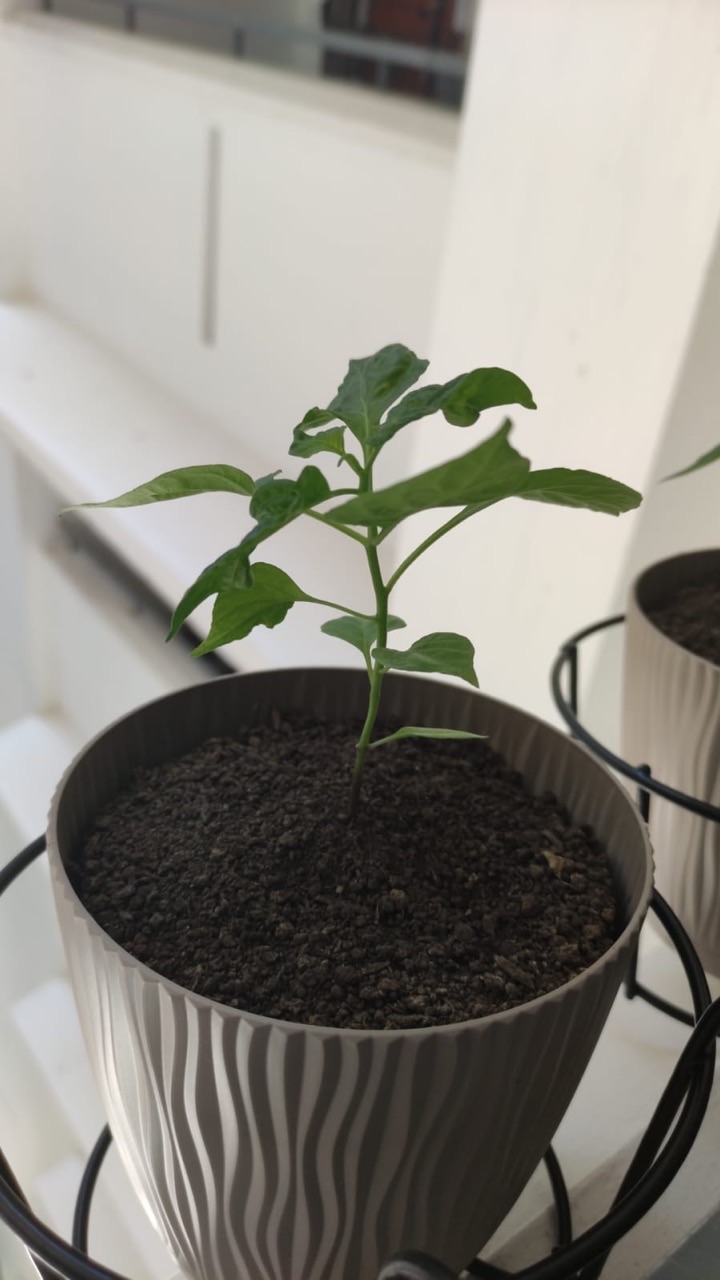
A small food-growing project might involve herbs that the household actually uses, such as mint or basil, or a chilli plant where sufficient light and appropriate conditions exist. But plant needs differ substantially. What grows well on a balcony receiving long morning sun may struggle in a shaded interior. Do not select plants solely by the popularity of a social-media video. Start with the light and space you genuinely have.
NParks’ Gardening 101 explains light, water, soil and plant choice, while GardeningSG provides guidance for selecting plants suited to the growing space. Read it before buying many pots. A plant needs light to photosynthesise, but more sun is not always better for every species, particularly when a planter overheats or dries quickly. Water requirements also change with rainfall, container size and soil.
A beginner who buys five different seedlings and waters them on one rigid schedule may find that some remain soaked while others dry out. A better first experiment is one or two appropriate plants, labelled and observed over time. Check soil condition, leaves and the actual container rather than assuming every plant needs the same amount of water each day. Avoid handling pesticides or fertilisers outside their approved instructions.
Edible gardens require particular care with contamination and plant identification. Do not eat an unidentified ornamental plant because the leaves resemble a cooking herb. Wash home-grown produce appropriately and follow Singapore Food Agency food-safety guidance. If pesticides are used by an authorised gardener, only legally appropriate products and safe handling should be considered; children should not mix or apply hazardous chemicals.
7. Dengue prevention is essential gardening knowledge in Singapore
One of the most important safety lessons is that a garden can collect small amounts of clean standing water. The National Environment Agency identifies flowerpot plates, ornamental containers, vases and hardened soil among common Aedes breeding sites. This is particularly relevant in an estate with balconies, HDB corridors, communal planters and tropical rain. A beautiful garden does not excuse a mosquito-breeding hazard.
NEA’s detailed preventive-measures checklist recommends checking plant-pot plates and changing vase water every other day, cleaning and scrubbing appropriately, and preventing drainage blockages. It also recommends weekly attention to garden leaves and drains. The general B-L-O-C-K Mozzie Wipeout guidance urges residents to remove stagnant water at least weekly. The detailed plant-specific guidance is more frequent than a casual once-a-week look.
A new gardener should design out water collection where possible instead of relying on spraying chemicals. Do not leave buckets open or lay items where rainwater accumulates. Do not obstruct HDB corridor scupper drains with pots. If a community garden has a persistent pooling-water or drainage problem, inform the responsible manager or public agency instead of privately modifying building infrastructure.
NEA’s figures show that discarded and domestic containers remain common breeding environments. Gardening therefore benefits the whole neighbourhood when it is done responsibly. The shared goal is not just growing edible plants but protecting people and avoiding preventable dengue risk. The Healthy HDB Home in Punggol guide explains the broader household maintenance system.
8. HDB corridors, windows and balconies: keep the shared space usable
An HDB unit may have a corridor-facing window, shared access area or balcony. Before placing planters, check building and estate-management rules, required access clearance, drainage and whether the structure is secure. A common corridor is not the private extension of a household garden. Other residents, strollers, wheelchairs and emergency services may need a clear route. Heavy or unstable pots can also become falling hazards if placed improperly.
The ideal small-space setup balances plant needs with safety. A container can be attractive without hanging over another resident’s walkway. Watering should not create slippery floors or drip onto neighbours. Do not allow runoff to accumulate in trays or common drains. If something must be installed on a facade or railing, seek necessary approvals rather than inventing a homemade support.
For someone living in a rental or condominium property, landlord or MCST rules may add another layer. Verify those conditions before making permanent changes. A small portable arrangement in an expressly approved space may be more sensible than an elaborate vertical system that is difficult to maintain and possibly unauthorised.
9. Community harvests, sharing and the real social benefit
A community garden can bring people together because tending plants creates a recurring reason to meet. One resident knows when to harvest chilli; another enjoys seed propagation; a younger participant helps label beds; an older gardener shares experience. These interactions can be meaningful, but they depend on actual willingness and the group being welcoming. Gardening should not become another unpaid job imposed on the same small group of volunteers.
NParks’ Grow and Share Initiative 2026 supports registered CIB groups that organise garden-related community events, workshops and sharing activities within the programme conditions. CIB registration is free, but eligibility includes support from a recognised managing group and actual registration. The initiative is not a blanket free plant distribution to anyone who appears at a garden.
If a Punggol garden offers a harvest-sharing activity, ask how the harvest is allocated and whether non-members may join. Do not pick someone else’s vegetables because the beds are outdoors. Community ownership is organised, not the absence of ownership. Clear group rules about watering, seeds, shared tools and produce can prevent misunderstandings and preserve goodwill.
Some residents may not want a regular commitment. They might prefer attending an advertised garden open day or contributing to one event. That can still be a positive experience. Gardening involvement should fit the person’s time and health, with flexibility for people who work shifts, care for children or have mobility limitations.
10. Gardening is gentle movement, but not a prescribed workout
Gardening may involve walking, light lifting, bending, reaching and time outdoors. These activities can contribute movement and enjoyment, though they vary greatly in intensity. It would be misleading to state that tending a small pot for ten minutes automatically meets weekly aerobic or muscle-strengthening recommendations. A resident may value the garden for mental engagement, social contact and time with nature without classifying every minute as formal exercise.
Someone with knee, back or balance concerns might benefit from raised beds, accessible routes or suitably adapted tools, but should not be told that any gardening task is safe for them. Ask a healthcare professional about significant limitations. A community group designing beds can consider comfortable access for gardeners of different abilities and avoid requiring heavy soil lifting or awkward reaching from every volunteer.
The Active Ageing in Punggol guide covers strength, balance and independence, while Nature and Mental Wellbeing in Punggol explores quiet outdoor routines. A garden can complement these habits, not replace appropriate care or all other movement.
11. A four-week starter experiment for a home grower
| Week | What to learn | One manageable action | What to notice |
|---|---|---|---|
| 1 — Assess | Light, space and permission. | Choose an authorised safe planter location. | Whether the space is actually suitable. |
| 2 — Start | Plant needs and watering. | Begin with one or two appropriate plants. | Changes in leaf and soil condition. |
| 3 — Maintain | Dengue checks and plant observation. | Follow NEA water-prevention routines and adjust care. | No stagnant water or blocked access. |
| 4 — Decide | Whether to expand or join a group. | Review enjoyment, cost, progress and schedule. | A habit that can survive ordinary weeks. |
Four weeks is an illustrative learning window, not a guarantee of a harvest or of healthy growth. Some seeds germinate quickly and others need much longer. A plant’s survival depends on light, water, pests, soil, temperature and care. A failed plant is information to investigate, not a reason to keep buying more varieties without understanding what went wrong.
A simple notebook can help. Record what you planted, where it sits, whether the surface receives sun and what happened over the week. A child can compare observation notes with a plant-care source and learn about photosynthesis and water movement. This turns a manageable home project into a real-world Science lesson without overstating how much produce the household will obtain.
12. What a new Punggol Community in Bloom group should prepare
- Identify a group of interested, willing gardeners rather than assuming neighbours will volunteer.
- Approach the relevant Residents’ Network, committee, school or organisation for support.
- Confirm the landowner and obtain the required approval before planting.
- Explain the purpose: edible growing, community connection, biodiversity or learning.
- Choose safe access for children, older adults and people with mobility needs.
- Review irrigation, drainage and the absence of standing-water traps.
- Prepare safe storage for tools and maintenance materials.
- Agree on a routine for watering, harvesting, waste and cleaning.
- Arrange cover during holidays, illness and shift-work absences.
- Keep public paths, corridors and emergency routes clear.
- Use gardening methods and products appropriate to the space and participants.
- Check NParks CIB registration and support requirements.
- Choose reasonable planting scale rather than attempting a large project immediately.
- Review community feedback, costs and the group’s capacity over time.
13. Worked Punggol gardening scenarios
A Waterway-area resident wants a personal allotment
The resident sees planted beds at Punggol Waterway and assumes any unused space can be leased directly. They read NParks’ official Allotment Gardening Scheme page and discover that allocation is through a formal application and ballot. They confirm the park name, price and actual October 2026 ballot and closing date rather than turning up with seedlings. If unsuccessful, they can continue home gardening or explore a shared group where membership is legitimately available.
Eight neighbours want a community herb garden
The residents enjoy cooking and want to share herbs. They begin by speaking with the relevant local community managing body and identifying a proper approved site. They consider who will maintain watering and mosquito checks when members are away. Instead of filling the whole site immediately, they plan a small supervised planting area and agree on harvest rules. The group’s biggest early success is establishing permissions and responsibilities.
A family grows chilli on a balcony
A parent buys a small chilli plant, and the child wants to water it every hour. The family learns to observe actual soil conditions and light rather than using watering as a game that creates runoff. They also remove standing water from any plate and keep pots securely placed. The child’s Science exercise involves making an honest weekly observation table, not claiming the plant will produce enough chilli to feed the entire block.
14. Six common gardening mistakes in a dense town
- Assuming public green space is available for private planting. Landowner and manager approval come first.
- Confusing a CIB community garden with a personal allotment. They have different structures.
- Assuming the Punggol Park allotment is in Punggol Town. The separate Punggol Park is in Hougang.
- Relying on a future ballot as a confirmed allocation. NParks chooses eligible successful applicants.
- Buying too many plants before checking light. Start small and observe.
- Leaving flowerpot saucers full of water. Follow NEA’s frequent dengue-prevention checks.
- Blocking corridor drainage or emergency access. Keep shared spaces safe.
- Assuming every garden member can attend every week. Build a realistic care roster.
- Picking community produce without permission. Follow group harvest rules.
- Using unapproved pesticide near children or food. Seek appropriate horticultural guidance.
- Guaranteeing financial savings from edible plants. Include tools, produce failure and time.
- Ignoring gardening accessibility needs. Adapt tasks and raised-bed design where possible.
15. Frequently asked questions about gardening in Punggol
What is Community in Bloom?
NParks’ nationwide programme supporting approved shared gardens managed through local organisations and groups.
Can I join a garden near my Punggol block?
Possibly, if a relevant existing group accepts new members. Use the official CIB map or managing body to enquire.
Can I begin a garden on an empty HDB lawn?
Not without the appropriate landowner, estate and community management permission.
How many neighbours are needed to start?
NParks suggests a core team of about eight to ten gardeners, with managing-body and landowner support.
Does Punggol Waterway Park have allotment plots?
NParks includes it among its allotment park locations, subject to actual application exercises and allocations.
Is Punggol Park the same as Punggol Waterway Park?
No. The named Punggol Park is in Hougang, while Waterway Park passes through Punggol Town.
How big is an allotment bed?
A raised bed measuring 2.5 m by 1 m, or 2.5 square metres.
How much is an NParks allotment in 2026?
S$65.40 per year including GST for the 2026 application exercises, subject to current rules.
Can each household get several plots?
The published scheme permits one application for one plot in one location at a time.
Is the October 2026 ballot open, and when does it close?
Yes. NParks opened the exercise on 20 October 2026, 2pm; it closes on 2 November 2026 at 11.59pm, and 84 Punggol Waterway plots are available for balloting.
Will a plot pay for itself in produce?
No harvest or financial return is guaranteed. Gardening has other lifestyle benefits and costs.
What plants can a beginner start with?
Choose a small number appropriate to actual light, space and household needs, such as suitable culinary herbs or chilli.
Can I grow food in an HDB corridor?
Only in ways authorised by relevant estate and safety rules; do not obstruct access or drains.
How do I prevent mosquito breeding in pots?
Follow NEA advice, including frequent emptying and scrubbing of plates and avoiding stagnant water.
How often should saucers be checked?
NEA’s detailed plant-specific checklist includes every-other-day removal of water from flowerpot plates.
Is CIB membership free?
NParks says CIB registration is free, while local group conditions and other activities may vary.
What is Grow and Share 2026?
An NParks initiative for eligible registered CIB groups to organise gardening-related community events.
Can schoolchildren learn Science from growing herbs?
Yes through observation of light, watering and growth, provided it is age-appropriate and safe.
Can older adults participate?
Many can enjoy suitable gardening; accessibility and individual physical limits should be considered.
Where do I find official guidance?
Use GardeningSG, the CIB and allotment programme pages, and NEA’s mosquito-prevention information.
Related reading in eduKate’s Punggol ecosystem
- Life in Punggol — Master Lifestyle Guide
- Punggol Community Hobbies and Volunteering
- Healthy HDB Home in Punggol
- Healthy Hawker and Grocery Choices
- Active Ageing in Punggol
- Coney Island Map Reading
- Dog Walking in Punggol
- Nature Photography Walks in Punggol
- Coney Island Park Clean-Up Volunteering
- eduKateSG — Punggol School Gardens and Sustainability
- eduKateSG — Punggol Waterfront and Student Life
Official sources and editorial review
- NParks GardeningSG — Community in Bloom, October 2026
- NParks — Starting a Community Garden
- NParks — 2026 Allotment Gardening, Sites and S$65.40 Fee
- NParks — Gardening 101: Light, Soil and Water
- NParks — Grow and Share 2026
- NParks — Nature Kakis Community Gardening
- NEA — Plant-Plate and Other Dengue Prevention
- NEA — Mozzie Wipeout B-L-O-C-K
- Singapore Food Agency — Food Safety
- NParks — Punggol Waterway Park
Reviewed 20 October 2026. This is general community gardening, local scheme and household health information, not a confirmed allotment ballot, CIB membership, permission to plant on HDB land or personal medical advice. The 2026 rate is specific to the published exercise, and current availability must be checked with NParks. Dengue-prevention measures and approvals remain essential.


