
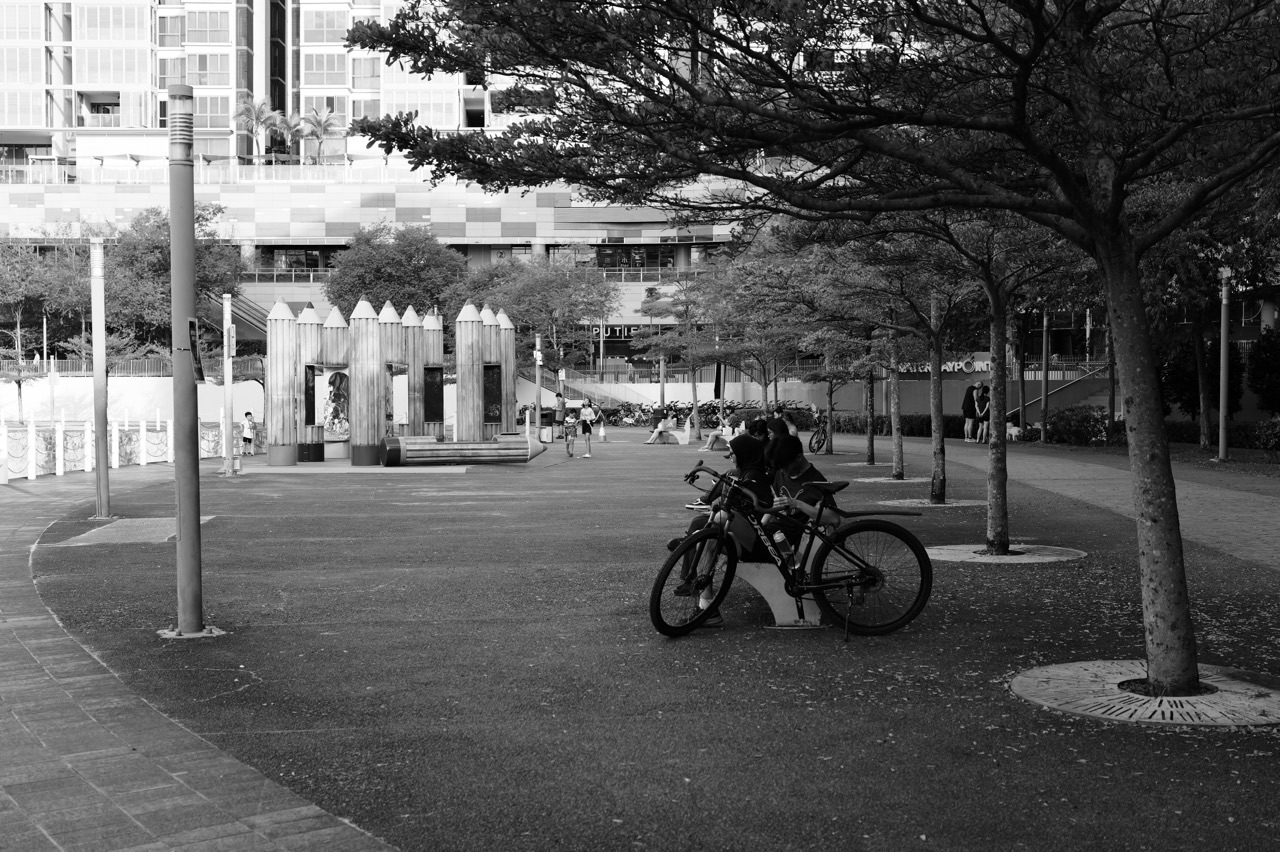
Where can you walk your dog in Punggol? A sensible starting point is a familiar, permitted section of Punggol Waterway Park or a suitable neighbourhood park connector. Keep your dog leashed and under control, carry waste bags and choose a route appropriate to its age, health and comfort. A fenced dog run, when open and expressly designated for dogs, has different rules from an ordinary shared path. Do not assume the whole Waterway is an off-leash area or that every park and nature trail permits pets.
This dog walking in Punggol guide for 2026 answers the practical questions residents ask: Can dogs use Waterway Park? Which off-leash rules apply? What should owners know about the Punggol Waterway dog run, shared cycling paths, HDB corridors, park access, heat, haze and responsible cleanup? It also offers a route-planning framework, examples for puppies, anxious dogs and older pets, and official NParks and AVS references. For the neighbourhood picture, start with Life in Punggol 2026; here the focus is life as a pet owner, not a general Waterway sightseeing itinerary.
Dog walking in Punggol: quick answers
| Question | Practical answer | Important qualification |
|---|---|---|
| Can dogs visit Punggol Waterway Park? | NParks lists ‘Fun with your dog’ at Waterway Park. | Keep leashed; follow posted area-specific restrictions. |
| May my dog run off-leash on a shared path? | No. Dogs must be leashed and properly controlled in public. | Use a designated open dog run under its rules, not a park connector. |
| Is there a dog run along the Waterway? | A fenced dog-run amenity has been documented at Waterway Park. | Check current on-site signs, opening and maintenance before relying on it. |
| Where is Punggol Park? | At Hougang Avenues 8/10, not inside Punggol Waterway Town. | It is a separate park despite the confusing name. |
| Does a well-trained dog still need a leash? | Yes in public areas outside designated off-leash facilities. | Recall training does not exempt the owner. |
| What must owners clean up? | Pick up dog waste and dispose of it appropriately. | Do not leave tied bags beside bins or in greenery. |
| Can puppies visit dog runs immediately? | Only when suitably healthy, vaccinated, socialised and able to cope. | Ask a veterinarian for individual vaccination and exercise advice. |
| When is a walk too demanding? | When weather, ground conditions, the dog’s behaviour or health make it unsuitable. | No universal distance target applies to every dog. |
| What if there is haze or lightning? | Use official environmental guidance and veterinary judgement. | Do not insist on completing a long outdoor route. |
| Can we walk all 8.4 km of the connector? | NParks gives 8.4 km as the connector length. | It is not a suitable default target for every pet. |
1. First choose a route you can reliably shorten
Punggol Waterway Park runs through the town, with access from different residential precincts. Someone near Oasis can use a different entrance from a resident near Matilda, Northshore or Punggol MRT. A good pet walk starts with the owner’s actual home, a safe route past roads and lifts, and an easy return. Choose the path your dog can comfortably handle instead of committing to a scenic loop that is difficult to shorten.
NParks identifies Waterway Park as a dog-friendly park and provides its official visitor information at Punggol Waterway Park. The park itself is open 24 hours according to that listing, but that does not mean every amenity, toilet or fenced enclosure has the same hours or remains accessible during maintenance. Nor does it mean a visitor should attempt an unfamiliar route late at night when visibility or comfort is poor.
A dog that enjoys sniffing may benefit from a slower, shorter outing rather than a long march alongside a human fitness tracker. Opportunities to explore within safe leash control can be part of its normal behaviour. A human’s step goal and a pet’s physical readiness are not the same thing. A young puppy, senior dog or dog with joint problems may need a much smaller activity window than an active healthy adult animal.
For someone building a walking habit, the owner’s movement is a bonus. The Walking for Everyday Errands in Punggol guide explains how walking can fit normal life. With a dog, the pace and route also have to accommodate the animal’s behaviour and welfare, so a comfortable shared routine matters more than uninterrupted exercise intensity.
2. Park connector, dog run and public pavement are three different settings
A park connector is a shared public route. People may be walking, running, cycling, pushing strollers or using mobility aids. Dogs on these paths must stay under control and should not block other users or chase bikes. A designated fenced dog run may allow off-leash play within the boundaries and under its safety rules. A public pavement or HDB corridor is not an informal dog run simply because it looks empty.
The Animal and Veterinary Service (AVS) explains the different expectations in its dog-run etiquette guidance. Entering a dog run responsibly involves checking the other dogs, using the gates correctly, supervising interactions and leaving if a dog appears uncomfortable or unsafe. Its PDF discusses double gates and reattaching the leash before returning to the general park.
Historical public photographs document a fenced dog run beside Punggol Waterway. But a dog-run photo does not guarantee a particular gate is open today or that the fencing is in perfect condition. Inspect current on-site signs and consult NParks information rather than assuming an old viral image identifies a permanent always-open facility. If it is temporarily closed, keep your dog leashed on a permitted route and select another suitable activity.
NParks also lists a separate Punggol Park at the junction of Hougang Avenues 8 and 10. This is a long-standing naming confusion: Punggol Park is geographically in Hougang, whereas Punggol Waterway Park passes through Punggol Town. If someone recommends a dog run at “Punggol Park”, check the full location before arranging transport. Do not assume every named park is near Punggol MRT.
3. The leash rule is a legal responsibility, not a suggestion
AVS licensing guidance requires dogs in public to be leashed, properly supervised and controlled, and NParks also reminds owners of this obligation in its Leashing Your Dog? Lead the Way article. A dog that reliably returns when called can still be startled by a cyclist, thunder, wildlife or a passing child. Keeping it leashed protects the dog, other people and the owner.
There is no need to make the dog walk with constant tension. NParks notes that a suitable leash with some slack can be more comfortable and practical when used with appropriate control. However, a very long line can create a dangerous tripwire on narrow Waterway paths. Choose length and handling suited to the crowd, the dog’s training and its equipment. A longer leash is not a licence to allow a dog across an entire cycling path.
Some dogs are subject to additional specified-dog licensing, control or muzzle conditions. See AVS specified-dog requirements rather than assuming rules apply equally to all breeds and individuals. The owner should know the conditions associated with their pet. Do not depend on another park user’s casual interpretation of whether a muzzle is required.
Owners are also responsible for microchipping, licensing and welfare under the applicable conditions. AVS’s licensing requirements explain these obligations and the separate issue of estate approval. A dog licence does not by itself guarantee that a particular pet is permitted in a particular HDB home or private estate; current housing policies need separate verification.
4. What a good first Waterway walk looks like
| Part of the outing | Owner’s decision | Why it helps |
|---|---|---|
| Before leaving | Check the weather, leash, harness, waste bags and water needs. | Avoid preventable problems. |
| Lift and corridor | Keep the dog close and away from doors or neighbours. | Shared residential access remains safe. |
| First street crossing | Stop, look and control the leash appropriately. | Reduces conflict with bicycles and vehicles. |
| Park entry | Read signs for permitted pet access and path type. | Avoids restricted areas. |
| Short route | Allow controlled sniffing and occasional pauses. | Lets the dog experience its environment. |
| Turnaround | Return before the dog becomes exhausted or distressed. | The journey home also requires energy. |
| After walk | Dispose of waste properly, check paws and rest as appropriate. | Supports hygiene and pet welfare. |
There is no compulsory distance in this example. An energetic well-conditioned pet may enjoy a longer outing, while a puppy or dog recovering from illness may need a shorter one. Speak with a veterinarian about a particular animal’s exercise needs, especially when there are respiratory, cardiac, joint or heat-related concerns. A generic neighbourhood article cannot determine a safe distance for your dog.
If the animal pulls, lunges or repeatedly becomes alarmed by others, shorten the outing and consider qualified positive-reinforcement training. A dog owner should not subject pedestrians to unwanted contact or allow a frightened dog to be crowded. A quieter time or more spacious permitted path may be more suitable than the busiest Waterway boardwalk on a weekend.
5. Inside a dog run, off-leash freedom still requires active supervision
AVS explains that dog runs are shared spaces for dogs to exercise and interact. Its guidance asks that participating dogs be healthy, appropriately vaccinated, socialised and not in heat, with owners supervising them continuously. Do not use a dog run as a place to leave a pet unattended while you buy coffee or answer a long work call. A fenced enclosure is not automatic childcare for dogs.
The two-gate system is a useful safety feature. Follow the displayed process for entering and leaving so that unleashed dogs do not escape through both gates. If another owner is exiting, wait for them to finish. Check that the buffer area is clear. Put your dog’s leash back on before leaving the designated run and entering the ordinary park. These details protect both pets and people outside the enclosure.
A dog that is friendly at home may still find a busy dog run overwhelming. Watch for repeated attempts to hide, stiff behaviour, escalating confrontation or an inability to disengage. Rather than forcing introductions, consider leaving and choosing a calm leashed walk. A dog does not need to enjoy crowded off-leash play to have a good life. A veterinarian or qualified behaviour professional can help with individual concerns.
Owners should also clean up after their animals inside the run, remove litter and check the ground for unsafe objects. Respect posted rules about toys, food or age and size separation. If a dog is unwell, injured or recovering after surgery, the public run is not an appropriate place to test its endurance. AVS’s latest Dog Run Etiquette and User Safety document provides more detail.
6. Heat, paw surfaces and the difference between human comfort and dog comfort
Singapore’s heat and humidity matter for dog walking. A human may feel comfortable in light clothing while a dog is panting excessively or struggling with a hot surface. Direct sunlight can heat pavement and exposed park sections. Choose conditions appropriate to the animal, offer suitable water and rest, avoid prolonged exertion during dangerous heat and ask a veterinarian about breed- or health-specific vulnerabilities. Do not rely solely on the clock time “evening” or the impression of a breeze beside the Waterway.
The Meteorological Service Singapore’s heat-stress service provides environmental context for prolonged human outdoor activity, but it is not a dog-specific veterinary safety rating. Pet vulnerability varies with anatomy, age, conditioning, breathing problems and other circumstances. The right decision may be a short necessary toilet walk, a cooler route, indoor enrichment or veterinary advice rather than an ambitious waterfront run.
If a dog shows worrying overheating symptoms, weakness, collapse or difficulty breathing, stop and obtain prompt veterinary guidance or emergency care. A website cannot diagnose heatstroke. Do not force exercise to complete a human step count or assume that water sprayed on an animal means it can safely continue a demanding outing.
Paws also need attention after walks. Check for signs of injury, debris or discomfort rather than assuming the route is harmless because you can walk on it in shoes. Damaged or sharp surfaces, glass, construction debris and extreme pavement heat should be avoided. A person using a stroller, wheelchair or walking aid may face different route hazards; everyone benefits from clear accessible public paths.
7. Haze, thunderstorms and the dog walk that becomes too risky
A haze episode changes the outdoor environment even when the park looks picturesque. The official haze portal gives human air-quality readings and activity advice. A veterinarian is the right person to address individual pet respiratory concerns, particularly for animals with existing breathing or heart conditions. Do not assume that a human health advisory automatically gives an exact safe walk duration for every dog.
During thunderstorms and lightning warnings, avoid exposed outdoor areas and consult MSS lightning information. Dogs may also be frightened by thunder or sudden noise. Maintain control, return by a safe route and do not hide beneath isolated trees or open park shelters during lightning risk. Weather protection is a safety decision, not an opportunity to finish a predetermined route.
A rainy day does not require an outdoor endurance session. A brief appropriate necessity walk and suitable indoor enrichment may serve the animal better. Choose games or quiet interaction that fit the dog’s physical and behavioural needs. Avoid allowing repeated loud barking or vigorous play to disturb neighbours in an HDB block.
8. Hygiene and dog waste are everyday community obligations
NParks’ park etiquette guidance asks pet owners to clean up after their dogs and dispose of waste properly. Carry enough waste bags to handle an unexpected extra stop. Do not leave tied bags beside trees, benches or full bins, and do not throw waste into the Waterway. Dog waste is not natural fertiliser to be abandoned beside a public park connector.
Responsible pet hygiene also matters in HDB lifts, corridors, sheltered walkways and communal gardens. Other residents may be frightened of dogs, have allergies or prefer not to interact. Keep the dog close and ask before allowing contact, especially with children. A friendly animal does not automatically have consent to jump on a stranger.
When the route crosses community planting or fragile verge areas, prevent digging or trampling. NParks prohibits disturbing wildlife and plants. A dog may be curious about birds, otters or other animals; keep enough distance that natural behaviour is not disrupted. The ecosystem is not a pet playground, and the owner is responsible for preventing chasing or harassment.
If a dog is sick or has diarrhoea, the priority is appropriate veterinary care and hygiene, not a public group event. AVS discourages taking unwell pets to dog runs. Ask veterinary professionals about disease prevention and contact with other animals rather than substituting anonymous social-media advice.
9. Pets, wildlife and why Coney Island needs extra checking
Coney Island Park is managed partly for conservation and has specific visitor rules, limited hours and sensitive wildlife habitat. Do not assume that because Waterway Park is listed as dog-friendly every protected nature park is equally appropriate for pets. NParks’ general dog-friendly parks guidance identifies exclusions in biodiverse areas; always check the actual park’s regulations before bringing a pet to a nature trail.
This is especially important for a family hoping to walk a dog and birdwatch at the same time. A dog that barks or chases wildlife can disturb nesting or feeding animals. Even a leashed dog may be unsuitable for a particular sensitive location, and some areas prohibit access. Use a suitable dog-friendly route for the pet and choose a separate wildlife-focused outing when necessary. The Birdwatching in Punggol guide explores low-disturbance observation.
The principle is simple: pet access, off-leash access and wildlife access are three separate questions. A place may allow leashed dogs while prohibiting off-leash play, or it may be primarily a habitat where pet entry is restricted. Never infer permission from another person’s photograph or the presence of a dog already on a path.
10. A seven-day realistic dog-walking routine
| Day | Possible focus | Adjust if… |
|---|---|---|
| Monday | A familiar short neighbourhood walk. | Work or school reduces available time. |
| Tuesday | Leash manners and controlled observation. | The dog becomes anxious around other path users. |
| Wednesday | A suitably cool Waterway out-and-back. | Heat, haze or rain conditions are poor. |
| Thursday | Quiet enrichment and ordinary needs. | The animal is unwell or needs rest. |
| Friday | A suitable social walk, if the dog enjoys company. | Another dog or crowd causes stress. |
| Saturday | Optional designated dog-run time when genuinely open. | The enclosure is busy or the dog is uncomfortable. |
| Sunday | Review hygiene, supplies and next week’s routes. | Family, transport or health needs change. |
This menu is illustrative, not a veterinary training prescription. Dogs need different amounts and types of activity; a highly active adult animal and an elderly pet cannot be treated identically. A specialist may advise restrictions after surgery or during puppy development. The owner should identify the animal’s actual behaviour and response rather than completing a rigid seven-day challenge for social media.
11. What if you live in an HDB flat with a dog?
Shared home infrastructure introduces everyday decisions. Keep a leash ready before leaving the flat, check the lift area before opening the door and give neighbours reasonable room. A dog may be startled by scooters, lift bells, umbrellas or children rushing toward it. Calm handling helps prevent a routine toilet walk from becoming stressful. Avoid leaving pets unattended in corridors or using common spaces as an enclosed training area.
HDB pet ownership rules and AVS licensing conditions are separate. Consult the relevant current housing and licence information rather than assuming a microchip or licence means every breed may be kept in every HDB unit. Condo residents must also consider MCST rules and common-area access. The purpose is responsible care, not confrontation with neighbours.
Dog walks can create an opportunity for social connection when owners meet familiar neighbours at appropriate distance. But do not assume everyone wants to greet a pet. Ask permission before allowing a child or another dog to approach, and accept a refusal without offence. Good pet ownership makes the park more comfortable for people who love dogs and people who do not.
12. Three practical Punggol dog-walking situations
A new puppy meets bicycles along the Waterway
The owner hopes to complete a long scenic route but notices the puppy startles whenever a cyclist approaches. Instead of forcing more distance, they choose a shorter quieter path and discuss training and veterinary readiness. They keep the leash controlled, leave room for others and reward calm behaviour appropriately under suitable guidance. Success means the puppy is comfortable and safe, not that it has reached a step count.
A resident wants to use the fenced dog run
The person has seen an old photograph of the Waterway dog run and assumes the gate will be open. They first check current signage and the enclosure’s state. On arrival, several energetic dogs are already playing, and their own pet appears overwhelmed. The resident chooses an ordinary leashed walk instead. That is a sensible outcome; an off-leash enclosure is an option, not a requirement.
A family with a senior dog during a hot afternoon
The household has time for an outing but the dog has less stamina than before. Rather than walking the full connector, they plan a short suitable route and allow rest. They ask a veterinarian about any concerning panting, movement difficulty or known medical needs. Family members who want more walking can do a separate human exercise session afterwards. The animal does not need to fulfil the adults’ fitness ambitions.
13. A four-week owner-led route and welfare review
| Week | Question | One useful step | A reasonable outcome |
|---|---|---|---|
| 1 | What does our dog actually enjoy? | Observe comfort on a short known route. | An appropriate starting habit. |
| 2 | Which shared-path situations create stress? | Review leash handling and passing room. | Safer routine for others. |
| 3 | Would a dog run help, or is a calm walk better? | Evaluate actual venue and animal behaviour. | Choice based on welfare, not popularity. |
| 4 | Is the routine sustainable in heat and rain? | Plan weather-safe alternatives and review supplies. | A repeatable plan without forced distance. |
The four weeks are for noticing patterns, not claiming to train any dog or solve behaviour problems by a deadline. A qualified dog trainer and veterinarian can address specific welfare or reactivity concerns. A resident can also decide that the routine already works well and no new destination is needed.
14. Before leaving home: a practical checklist
- Check the dog is healthy enough for the proposed activity.
- Know its current AVS licence and housing eligibility requirements.
- Use a suitable leash and secure fitted collar or harness.
- Carry waste bags and plan proper disposal.
- Consider water and breaks suited to the dog and weather.
- Select a permitted dog-friendly route with an easy return.
- Plan a safe road crossing and avoid blocking shared cycle paths.
- Check actual dog-run gates, signage and other dogs before entry.
- Supervise the dog rather than leaving it unattended.
- Respect children, other pets and people who prefer distance.
- Stay away from wildlife and sensitive planted areas.
- Adjust when heat, haze, rain or lightning become unsuitable.
- Know when to stop and contact a veterinarian about concerning symptoms.
- Respect neighbours in HDB corridors and lifts.
- Choose enjoyment, comfort and safety instead of a distance target.
15. Frequently asked questions about Punggol dog walking
Can I walk my dog at Punggol Waterway Park?
NParks lists Waterway Park as suitable for dog-related visits, subject to its pet rules and posted restrictions.
Must my dog be leashed on the Waterway Park Connector?
Yes. Public leashing and control requirements apply outside authorised off-leash enclosures.
Is my well-trained dog exempt from leashing?
No. Training and good recall do not automatically remove public leashing obligations.
Is there a dog run near the Waterway?
A fenced Waterway dog-run amenity has been documented, but check current park signs and availability.
Can dogs run off leash anywhere on a Waterway path?
No. Off-leash play belongs only in appropriately designated dog runs under their conditions.
What is Punggol Park’s address?
The separately named Punggol Park is at Hougang Avenue 8/10, not in central Punggol Waterway Town.
Can puppies enter a dog run?
Only when suitable for their health, vaccinations, socialisation and the enclosure’s actual rules; ask a veterinarian.
What should I do if other dogs scare mine?
Choose distance or leave the enclosure and consult a qualified behaviour professional where needed.
How far should a Punggol dog walk be?
There is no universal distance. Age, health, conditioning and weather determine appropriate activity.
Is Coney Island dog-friendly?
Check the current specific park restrictions rather than assuming all NParks biodiversity areas permit pets.
What about my dog’s waste?
Pick it up and dispose of it properly; never leave tied bags on public paths.
Does my dog need a licence?
AVS licensing and microchipping rules apply, alongside separate housing conditions.
Can a child hold a large dog on a crowded path?
Only when adequate supervision and control are possible; safety takes priority over a child’s wish to lead.
Is a long leash always safer?
No. It can entangle others in crowded spaces; use suitable control and equipment for the environment.
Can the dog walk during a haze episode?
Consider official air guidance and a veterinarian’s advice for individual pet needs; shorten or postpone unsuitable activity.
What if my dog appears overheated?
Stop exertion and seek prompt veterinary assistance for concerning symptoms.
Can owners picnic beside the dog run?
Follow the enclosure’s posted rules about food, toys and safe dog interaction.
Does walking the dog count as my exercise?
It can contribute to everyday movement, but the actual intensity and duration vary.
Can I make a dog-walking meetup without registration?
Check applicable group, venue and park-use rules; do not assume permission to occupy a public area exclusively.
Where do I confirm the rules?
Use AVS/NParks current dog-run guidance, park pages and on-site signs.
Explore eduKate Punggol’s connected lifestyle guides
- Life in Punggol — master lifestyle guide
- Walking for Everyday Errands in Punggol
- Punggol Waterway Park — access and four zones
- Healthy Hawker and Grocery Choices in Punggol
- Active Ageing in Punggol
- Birdwatching in Punggol
- Community Gardening in Punggol
- Nature Photography Walks in Punggol
- Coney Island Park Clean-Ups in Punggol
- eduKateSG — Punggol Urban Mobility and Park Connections
- eduKateSG — Punggol Waterfront Student Life
Official references and editorial review
- NParks — Punggol Waterway Park and Pet-Friendly Activities
- NParks — Fun with Your Dog and Restricted Nature Areas
- AVS — Dog Runs and Responsible Use (2026)
- NParks — Public Leash Duties and Safe Dog Handling
- AVS — Licensing, Microchipping and Estate Approval
- AVS — Additional Specified-Dog Conditions
- NParks — Park Rules, Cleanup and Wildlife Protection
- MSS — Heat Stress (Human Environmental Context)
- MSS — Lightning Information
- Singapore Official Haze Information
Reviewed 20 October 2026. This is general local pet-walking and park-use education, not individual veterinary, behaviour or exercise prescription. Dog-run availability, pet permissions, housing policies and weather conditions can change. Use current AVS/NParks information and on-site signs; ask a veterinarian about health, overheating, vaccination or mobility concerns. All case studies are illustrative.


