
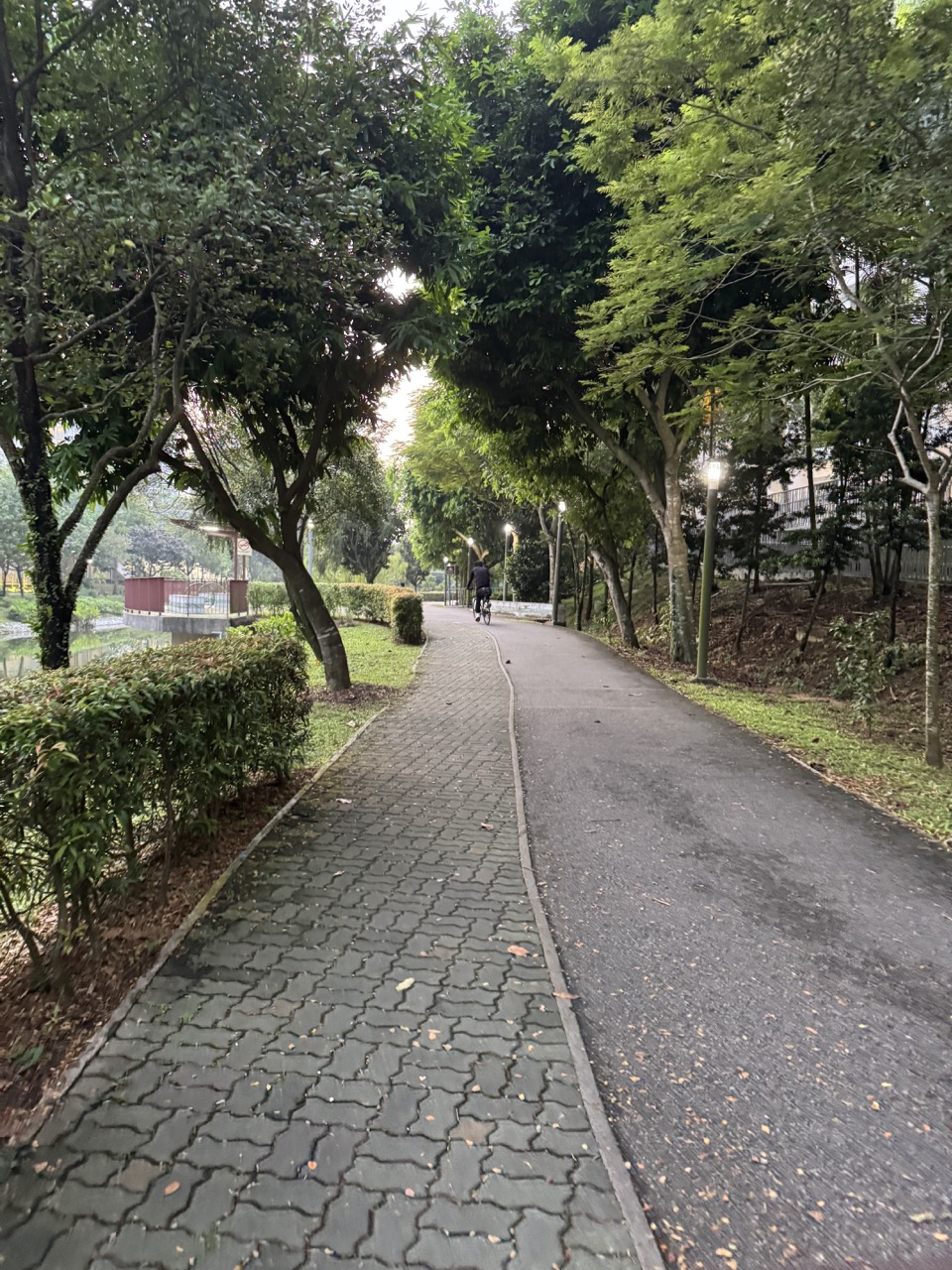
How can you organise or join a park clean-up in Punggol? For a structured Coney Island Park clean-up, use the Public Hygiene Council (PHC) and NEA ePortal registration route. Coney Island is specifically listed among locations requiring ePortal registration. The public organiser leads the activity; NEA and PHC do not automatically send staff to supervise it. Plan within the published 9am–6pm clean-up window, provide a safety briefing, stay on designated trails and arrange proper waste disposal. Coney Island Park itself is open 7am–7pm and must be left before closing.
This Coney Island Clean-Up Volunteering from Punggol 2026 guide explains the real registration process, how to borrow a PHC CleanPod litter-picking kit, the difference between an officially registered beach/park clean-up and ordinary personal responsible behaviour, what not to collect, volunteer roles, children and accessibility, haze and heat safety, waste disposal, photography and recording impact. It also resolves a timing discrepancy: PHC’s 16 October 2026 guide refers to registration 7–90 days ahead, while the live NEA ePortal form states 21–90 days. Follow the current submission portal and begin planning at least three weeks ahead rather than promising an event on short notice.
Coney Island clean-up: the quick information table
| Question | Supported answer | What matters to the organiser |
|---|---|---|
| Is Coney Island on the official clean-up list? | Yes, PHC lists Coney Island Park among ePortal registration locations. | Do not assume the same route applies to every Punggol park. |
| Where is the application? | NEA’s Clean-up at Beaches and Parks ePortal. | Follow current live submission conditions. |
| How far ahead must I register? | PHC page says 7–90 days; the ePortal form says 21–90 days. | Allow 21+ days and verify the live portal. |
| Is there a registration fee? | PHC states that clean-up registration is free. | Equipment, transport and group needs can still have costs. |
| What time may a registered clean-up operate? | PHC lists 9am–6pm daily for participating locations. | Also respect Coney Island’s 7am–7pm gates. |
| How many participants? | PHC recommends a maximum of 50 for each beach/park area. | Group suitability, permissions and supervision still matter. |
| Will NEA provide facilitators? | No; the teacher or person-in-charge leads. | Organiser is responsible for briefing and coordination. |
| Can I borrow litter tools? | Yes via a PHC CleanPod where available. | Request access with booking reference about seven days before. |
| Does PHC issue participation certificates? | It says no certificate is issued for this service. | Never promise CCA or volunteer hours automatically. |
| Where does collected waste go? | Nearest available bins or designated disposal points. | Do not dump bags into nature, drains or waterways. |
| Can volunteers enter vegetation to retrieve litter? | No. Coney Island’s protected-trail rules still apply. | Report inaccessible or hazardous items. |
| What happens in haze? | PHC advises PSI checks, breaks and postponing when necessary. | Participant health outranks the planned event. |
1. First distinguish a casual good deed from an organised clean-up
Anyone can help keep Punggol clean by not littering, disposing of their own rubbish properly and reporting problems to the right public service. An organised clean-up is a different activity: it may involve a defined public space, multiple volunteers, shared tools, a leader, a waste collection plan, permissions and environmental safety responsibilities. Those organisational needs matter more as the group becomes larger or enters a protected park like Coney Island.
The Public Hygiene Council’s Clean-up at Beaches and Parks guidance, last updated on 16 October 2026, sets out a six-step process: plan the activity, register where necessary, arrange tools, brief participants, dispose of collected waste and optionally report the outcome. This is the proper starting point for someone organising a school, workplace, family or neighbourhood event rather than inventing a route through a private Facebook post.
If you are a single person who notices a plastic wrapper on an ordinary path, responsibly disposing of accessible harmless litter is not the same as organising a commercial or large volunteer event. Yet handling waste still requires judgement: do not pick up needles, chemicals, broken glass, unknown containers or biological waste with bare hands. If it is unsafe, leave it for trained staff and report the location through the appropriate official channel.
A Punggol group’s first question should be what it intends to do: a registered conservation-area clean-up, a small litter-picking activity in an ordinary estate location, or volunteering with an established organisation. The process and permissions differ. A successful event begins with accurate classification, not a promise that every public park can be used under the same permission.
2. Why Coney Island is a named PHC/NEA registration location
PHC explicitly includes Coney Island Park in its list of sites for which clean-up organisers should use NEA ePortal registration. That is useful, because Coney Island is a protected natural setting with beaches, vegetation and wildlife. Its public areas are not blank event venues. Registration helps organisers use the specific public framework rather than arrive with fifty volunteers and attempt to occupy a sensitive trail without warning.
Coney Island Park lies beside Punggol Promenade Nature Walk, with a West entrance near Punggol Point and an East entrance near Lorong Halus Wetland. NParks lists 81 hectares and operating hours of 7am–7pm. Those facts are not a suggestion to roam throughout the island. The registration and park rules determine exactly where the clean-up may occur, and the area may be subject to closures or specific conservation instructions.
NParks’ official Coney Island Park page asks visitors to stay on designated trails, protect wildlife and leave within the gate hours. A volunteer group should not enter undergrowth or reach into restricted beaches merely because they can see litter. Protected habitat remains protected during a good cause. Where a hazardous or inaccessible item is visible, note the approximate location and seek the relevant authority’s help.
Waterway Park and other Punggol park connectors are different management contexts. The PHC page identifies Coney Island specifically but does not list every public walkway in Punggol as an ePortal clean-up site. For a Waterway community event, check NParks, the local manager, PHC or other appropriate operator for the current permission process. Do not claim a Coney Island registration reference automatically authorises a second activity at Waterway Point or Northshore.
3. The 7–90 versus 21–90-day registration discrepancy
Two live official pages give different advance windows. PHC’s October 16 guidance says that locations requiring ePortal registration should be registered between seven and ninety days before the clean-up. The actual NEA ePortal application form says requests are accepted at least twenty-one and up to ninety days before the activity, and that requests outside those bounds will not be accepted. An organiser should not silently choose the shorter window and risk rejection.
The practical recommendation is to plan at least twenty-one days ahead for an ePortal-required Coney Island event, then read the live form and current notices again before filing. A teacher or company arranging transport may want additional time for permissions, volunteers and safe participation. If an official policy has changed, the submission service’s actual validation and direct agency confirmation determine what can be filed.
A calendar example shows why the distinction matters: a group that decides on a clean-up only ten days away may think PHC’s seven-day wording allows it, but the portal may refuse registration under its twenty-one-day condition. The group should not override the form by changing its intended date falsely. It can choose a later legitimate date or ask the authority for an appropriate alternative.
After registration, note the booking reference number. PHC says it may be needed when requesting CleanPod tools. Keep the reference and any instructions with the person-in-charge rather than circulating private contact details publicly. A booking acknowledgement should be read for the actual site, boundaries and any special arrangements.
4. The six official steps in a Punggol organiser’s language
| Step | Organiser task | Common mistake to avoid |
|---|---|---|
| Plan | Select a date, lawful location, group and responsible person. | Promising a venue before permissions. |
| Register | Use NEA ePortal when required and save the reference. | Relying on an old shorter deadline. |
| Prepare tools | Arrange tongs, bags and any suitable protective items. | Assuming equipment will be waiting automatically. |
| Brief volunteers | Explain routes, hazards, weather and when to stop. | Sending children out without adult supervision. |
| Dispose properly | Use approved bins or designated collection points. | Leaving piles of collected waste behind. |
| Record responsibly | Share data or photos with consent, if desired. | Inventing certificates or unsafe publicity. |
An official process helps residents separate enthusiasm from practical responsibility. A clean-up may look simple in photographs, but the real work is site selection, supervision, handling unexpected hazards and ensuring the collected waste actually reaches the proper disposal route. If there is no responsible adult or team able to provide that care, the group should join an established event instead of improvising its own.
PHC’s guide says the person-in-charge conducts the clean-up and that NEA/PHC staff are not deployed as facilitators. This should be stated plainly when a school or business recruits volunteers. The presence of government registration is not equivalent to having a trained official supervising every child. Organisers remain responsible for a safe activity within the approved scope.
5. CleanPods: free tools, but access must be arranged
The Public Hygiene Council maintains a CleanPod borrowing route to support volunteer groups. Its October guidance says organisers can request access to a CleanPod about seven calendar days before the event, using the ePortal registration reference where applicable. This is a tool-access step, not a new registration shortcut that removes the ePortal’s advance requirements.
CleanPods may contain litter-picking tools such as tongs and bags, but actual contents and availability differ by location. Do not promise every participant a pair of tongs without confirming capacity. PHC’s site links to partners for estate CleanPod access and notes where a clean-up site lacks its own CleanPod. The organiser should plan for safe tools and a fallback rather than assuming an unattended locker can be opened at will.
Using borrowed tools responsibly includes caring for equipment, keeping it out of children’s unsupervised reach and returning it according to the arrangement. Clean and handle items as instructed after the activity. Do not store waste, liquids or personal supplies in a CleanPod without permission. The equipment exists to support a safe event, not a licence to collect hazardous materials.
If the listed tool point is distant from the registered section, factor in transport and time. A group may need to assign adults to collect and return kits. That is a separate responsibility from overseeing the volunteers. The organiser’s capacity to manage these logistics is one reason not to recruit an arbitrarily large crowd for a first event.
6. What is safe to pick up—and what should be left to professionals?
| Item observed | General volunteer decision | Why |
|---|---|---|
| Dry wrapper on a safe public surface | Pick up with appropriate tool if permitted. | Low-risk litter collection within approved area. |
| Plastic bottle without concerning contents | Use tongs where appropriate; handle safely. | Avoid direct contact and accidental spills. |
| Broken glass or sharp metal | Do not handle casually; alert the leader and appropriate staff. | Cuts and contamination risk. |
| Needle or syringe | Do not touch or bag as ordinary litter. | High-risk sharps requiring trained response. |
| Unknown liquid, chemical container or battery | Keep away and report to responsible authority. | Possible hazardous material. |
| Animal remains or biological waste | Do not approach or handle without specialist instruction. | Health and wildlife risk. |
| Object in deep water or unstable bank | Do not enter water or climb over barrier. | Drowning, unstable ground and PUB/park restrictions. |
| Litter deep in vegetation or nesting zone | Leave it and report location appropriately. | Conservation protection comes first. |
The table explains risk categories rather than training volunteers in hazardous-waste procedures. A volunteer should never open an unknown bag to identify its contents, pick up sharps in ordinary plastic bags, or reach into drains or waterways. The most important instruction for children is that they must ask an adult when unsure and avoid contact with anything potentially sharp or contaminated.
An organiser can reduce avoidable risk by focusing on clearly safe accessible surface litter. PHC’s resources and clean-up guide offers briefing materials. Volunteers should also wear appropriate footwear and consider suitable protection under the organiser’s instructions. Personal hygiene after the event matters, particularly before eating. If someone is injured or exposed to a concerning substance, seek suitable professional medical help promptly.
7. Coney Island ecology means volunteers must stay on trails
Coney Island includes coastal forest, grassland, beaches, wetlands and sensitive wildlife habitats. A litter-picker might see rubbish just a few steps inside vegetation and want to help. But walking off a designated trail could trample plants or disturb an animal’s feeding or nesting site. NParks’ conservation rules remain in effect during clean-ups. The answer is not to send more volunteers into the undergrowth.
An officially organised activity should clarify the permitted collection zone, including which shore or path sections may be used. The West and East entrances serve different approaches, and an organiser must know where the group will begin and finish. If the approved clean-up area includes a beach, participants still follow relevant signs, tide or water-safety restrictions and staff guidance. Do not treat the entire coastline as accessible just because the registration names the island.
Wildlife observation and volunteer work can coexist when people respect distance. Do not pursue otters, chase birds, lift nest material or feed animals. A clean-up photograph should not be staged by moving litter next to a resting animal. Conservation work should make the habitat safer while minimising disturbance from the volunteers themselves.
The site’s Coney Island Map-Reading guide explains entrances and safe trail planning. The Birdwatching in Punggol guide adds ethical wildlife observation. Those skills matter to volunteers because a protected island is not simply a rubbish collection site.
8. Volunteer group size, children and safeguarding
PHC recommends a maximum of fifty participants per designated beach or park area for its programme. That is a recommended group-size limit, not permission for fifty people to arrive without registration. For a family or school first event, a smaller group with clear adult supervision may be much easier to manage. The number should reflect the participants’ ages, mobility, terrain, tool availability and leaders’ competence.
Children may benefit from learning how public cleanliness works, but a clean-up is not a competitive scavenger hunt. They should be given age-appropriate tasks and clear boundaries about unknown objects. An adult must be able to see where children are, know the safe collection area and respond if someone is tired or distressed. No child should be asked to retrieve a sharp item or enter water to complete a quota.
Older adults and people with disabilities may wish to volunteer too. Organisers should consider the actual surface, available rest, suitable paths and alternative roles such as briefing, counting safe collected items or helping document the activity from an accessible point. This should be a choice offered respectfully, not an assumption that everyone must carry heavy bags along rugged beach terrain.
Schools often need additional consent, safeguarding, transport and emergency plans. PHC does not issue a certificate of participation through this clean-up service, so schools should not promise an automatic CCA award or external certification. Participation and educational recognition are separate systems governed by schools and relevant programme rules.
9. Planning the timing: PHC’s 9am–6pm versus NParks’ 7am–7pm
The PHC clean-up programme says registered beach or park activities may take place from 9am to 6pm. Coney Island Park itself is open from 7am to 7pm. These windows serve different functions. A clean-up should follow its authorised programme hours, and the group should still finish disposal and leave the park before gates close. An organiser should not schedule a 6.30am clean-up simply because the park opens at seven.
A shorter morning event may be sensible given Singapore’s heat, but the time must match the actual registration. If a group begins after nine, allow time for arrival, briefing, cleaning, rest and proper waste disposal before six. Do not recruit participants to remain after the permitted cleaning period to photograph their bags. A well-managed event has an end plan, not merely a starting point.
Family travel from Northshore, Matilda, Oasis or Punggol MRT can differ. The two Coney Island entrances also require different last-mile access. Confirm the correct gate with participants, rather than giving only “meet at Coney Island” as the instruction. Someone arriving at the East gate while the organiser uses West can lose significant time. Precise location information is part of good volunteer coordination.
10. Heat, haze and storms can change a responsible clean-up
PHC’s 16 October 2026 guide contains a specific haze safety advisory. It recommends checking the 24-hour PSI before activity, reducing prolonged strenuous exposure—particularly for older adults, pregnant participants and people with chronic heart or lung conditions—allowing breaks, staying hydrated and postponing or ending a clean-up if conditions worsen. See official Singapore haze information for the latest readings and activity advice.
Heat is a different hazard. Volunteers carrying bags and bending repeatedly may become tired, particularly in direct sunlight. Check MSS WBGT heat-stress guidance and adapt duration and rest. Suitable water and shade may help but do not make every outdoor condition safe. A participant with illness, concerning dizziness or other symptoms should stop and obtain appropriate help.
Lightning requires immediate caution. Use MSS lightning information and follow the site’s rules. An open park shelter or tree is not automatically safe during a thunderstorm. Do not send volunteers onto an exposed beach because the event has already been registered. Postponing an activity is less consequential than creating an avoidable emergency.
Organisers should identify the communication channel for cancellation before participants leave home. If the weather deteriorates, the person-in-charge should know how to contact the relevant facility or public authority and whether the registration needs changing. Do not promise refunds for private transport or food unless the arrangements actually provide them.
11. What happens to the rubbish after collection?
The official PHC steps require properly disposing of the collected rubbish at an available bin or designated collection point. The group should not leave tied bags under trees or beside a locked service gate because volunteers believe they have done their part by gathering litter. Moving rubbish into one visible pile without a proper disposal arrangement can create a new hygiene and wildlife problem.
Before the event, ask where the disposal point is and whether any collection arrangement applies to the amount the group expects. The leader should check that bins or storage are suitable for the material. Heavy or hazardous objects should not be concealed inside ordinary litter bags. If a waste item falls outside the group’s safe scope, report it rather than treating it as a competition to pick up the biggest object.
Volunteers may separate types of clean safe recyclables if the operator’s instructions permit, but contaminated waste should not be presented as clean recyclable material. An improvised recycling pile at a public beach is not a responsible outcome. Follow local agency and waste-collection guidance, and avoid creating standing water or other hazards with abandoned collection containers.
12. Reporting impact: honest observations matter more than kilograms
PHC encourages organisers to record clean-up information through the R.I.S.E. Champions Network Portal. This supports understanding ground-up cleaning efforts. The activity’s value is not limited to total bag weight. Useful information may include group size, actual authorised location, safe litter types collected and reflections about where waste accumulates. Do not invent weights or record hazardous items that nobody collected.
Photographs can document the group and its work, but ask participants for appropriate consent. Children and school groups have added privacy considerations. Never publish someone’s home details or a sensitive wildlife site merely to make an impact post more interesting. A photo of collected bags should not block a public trail or disturb habitat. Avoid staging extra litter for dramatic “before” images.
A small honest report can be more useful than claiming to have saved an entire ecosystem. One clean-up may make a particular area tidier that day, but it does not prove long-term waste reduction without further evidence. Volunteers can learn to distinguish an observed outcome from a larger environmental claim. This is a valuable educational lesson for schoolchildren and adults.
13. A four-stage first Punggol clean-up pathway
| Stage | Goal | Appropriate action | What success means |
|---|---|---|---|
| 1 — Confirm | Choose a real legal location and organiser. | Read PHC/NEA/NParks requirements and ask necessary questions. | Correct scope and registration route. |
| 2 — Prepare | Make the event manageable. | Arrange tools, volunteers, safe roles and disposal plan. | Everyone understands their duties. |
| 3 — Participate | Collect only safe reachable items within the permitted area. | Follow briefing, supervision, weather and habitat boundaries. | No unsafe incidents or disturbance. |
| 4 — Close and learn | Dispose properly and review the activity. | Return tools and optionally record honest data. | A completed responsible event. |
These stages are not a promise that an event can be organised in four days or four weeks. The actual application portal may require twenty-one to ninety days’ notice, and large school or company groups may need extra preparation. If the proposed date is too soon, change the plan rather than ignoring the submission rules. The journey from enthusiasm to a registered activity should be deliberate.
14. Three worked Punggol volunteer situations
A family wants a Saturday Coney Island litter-pick
The family has two children and sees rubbish during a nature walk. They want to invite twenty friends to return next weekend for a formal clean-up. On reading PHC, they learn Coney Island is a named registration site and the ePortal currently requires greater advance notice than a one-week plan allows. They schedule a later event through the proper route or join a pre-existing approved activity. The children can still practise not littering and respecting wildlife in the meantime.
A company group wants an environmental team-building event
A Punggol-based team plans a Coney Island clean-up with forty volunteers. It checks the recommended group size, registers in time, identifies the person-in-charge, prepares a weather cancellation process and arranges CleanPod tools. It also plans waste disposal rather than assuming NEA will collect bags at the end. The event’s success is safe responsible action and honest reporting, not a promotional claim that employees personally removed all pollution from the coast.
A senior residents’ group wants gentle volunteering
Several older adults want to help but some cannot manage rugged Coney Island surfaces. The organiser checks access requirements and offers suitable alternative roles or a different approved location where appropriate. Nobody is pressured to walk on unsafe terrain to prove commitment. The group may contribute by learning waste-reduction habits, helping with briefings or joining a suitably accessible supervised activity.
15. Why park clean-ups connect to the wider Punggol lifestyle system
Punggol Waterway Park, Punggol Promenade and Coney Island give residents ways to walk, observe nature and meet neighbours. Responsible clean-ups add civic care to that lifestyle. But an environmental volunteer activity should not be marketed as a substitute for all fitness, as a guaranteed cure for loneliness or as a compulsory school achievement. Its value includes contribution, learning and time together.
The Punggol Birdwatching guide explains wildlife-sensitive observation, while Coney Island Map-Reading helps visitors understand entrances, closing time and why off-trail shortcuts are inappropriate. The new Community Gardening in Punggol article shows another form of civic stewardship that requires permission and regular maintenance. These are connected ways to engage with the neighbourhood, not interchangeable booking programmes.
For education, students can observe how litter reaches public spaces and discuss source reduction, resource protection and collective responsibility. But they should not claim that one afternoon’s bag count proves a trend across all of Punggol. A careful report explains what was collected, where and under what conditions, and respects the limits of that evidence. Science and civic learning become stronger through accurate observations.
16. The organiser’s complete checklist
- Decide whether the activity is a formal clean-up, joining an existing volunteer group or ordinary personal responsible behaviour.
- Choose a real public location and identify its managing agency.
- For Coney Island, use the NEA ePortal and check its live timing conditions.
- Allow at least 21 days when the current portal requires it, despite the shorter PHC wording.
- Keep the registration reference and site conditions accessible to the responsible organiser.
- Choose the real entrance and safe permitted route, not just a town name.
- Operate within the authorised clean-up window, generally 9am–6pm.
- Respect NParks’ 7am–7pm Coney Island park opening window.
- Consider PHC’s recommended maximum of 50 volunteers per approved area.
- Provide age-appropriate supervision, safeguarding and accessible roles.
- Request CleanPod tools about seven days before when appropriate and confirm actual collection.
- Brief volunteers about sharp objects, unknown liquids, biological waste and unsafe terrain.
- Stay on designated trails; do not enter water or disturb nesting and wildlife zones.
- Know who to report unsafe or unreachable waste to.
- Check heat, haze, lightning and actual weather on the day.
- Provide realistic breaks, water and a clear stop/cancellation procedure.
- Identify approved waste disposal points before collecting bags.
- Return borrowed equipment according to the arrangement.
- Do not promise a government-issued participation certificate.
- Optionally log accurate clean-up data and use photos with consent.
17. Frequently asked questions about Coney Island and Punggol clean-ups
Can I organise a clean-up at Coney Island Park?
Yes through the applicable PHC/NEA registration system and NParks conditions; confirm your approved area and date.
Is Coney Island listed on the official PHC registration list?
Yes. The October 2026 PHC page explicitly includes Coney Island Park.
How many days ahead do I register?
PHC’s page says 7–90; the live NEA ePortal form states 21–90. Follow current form requirements and allow at least three weeks.
Is a clean-up registration free?
PHC states there is no registration fee, although personal transport or other arrangements may cost money.
What is the clean-up time window?
PHC lists 9am–6pm for its registered beach/park programme.
When does Coney Island Park close?
NParks lists opening from 7am to 7pm; participants must exit before closure.
Where can I borrow litter-picking tools?
Ask PHC about a suitable CleanPod and confirm arrangements with your booking reference.
When should I request CleanPod access?
PHC instructs organisers to contact it approximately seven calendar days beforehand.
Will NEA staff supervise the event?
No. PHC states the designated person-in-charge or teacher leads; NEA/PHC personnel are not deployed for facilitation.
How many volunteers can participate?
PHC recommends no more than 50 per beach or park area, subject to actual site and safety rules.
Can children join?
Potentially with appropriate supervision, age-suitable tasks, consent and safe boundaries.
Should volunteers collect needles or chemical waste?
No. Do not handle hazardous or uncertain material as ordinary litter; alert appropriate personnel.
Can I wade into the sea or Waterway to retrieve a bottle?
No. Avoid entering water or restricted areas to collect litter.
Can I leave collected bags near a gate?
No. Use appropriate bins or designated disposal points arranged under the activity.
Does Coney Island allow off-trail cleaning?
No general permission. NParks requires staying on designated trails and protecting sensitive habitat.
Do volunteers get a certificate?
PHC says it does not issue a Certificate of Participation under this clean-up service.
Can schoolchildren receive CCA points?
Do not assume so. Schools determine their recognition and requirements separately.
Does registration apply to Punggol Waterway Park too?
Not automatically by analogy. Check its responsible operator and current approval process.
What if haze is severe?
PHC specifically advises reducing exposure and postponing or stopping activities as conditions warrant.
What if lightning is reported?
Stop unsafe outdoor activity and follow site and MSS guidance.
Where can we submit honest clean-up data?
PHC recommends its R.I.S.E. Champions Network reporting portal.
How can a single resident help without organising an event?
Avoid littering, dispose of harmless personal waste correctly and report unsafe or significant rubbish through official channels.
Related reading across the eduKate Punggol ecosystem
- Life in Punggol — Master Lifestyle Guide
- Punggol Community Hobbies and Volunteering
- Coney Island Map-Reading and Nature Navigation
- Birdwatching in Punggol
- Waterway Science Trail
- Dog Walking and Public-Path Etiquette in Punggol
- Community Gardening in Punggol
- Nature Photography Walks in Punggol
- eduKateSG — School Gardens and Sustainability
- eduKateSG — Punggol Waterfront and Student Life
- eduKateSG — Urban Geography and Access
Official sources and editorial note
- Public Hygiene Council — Clean-up at Beaches and Parks, updated 16 October 2026
- NEA ePortal — Official Registration and 21–90-Day Validation
- PHC — Clean-Up Organiser FAQs and Resources
- PHC — R.I.S.E. Champions Network Activity Log
- NParks — Coney Island Park, Hours and Conservation Rules
- NParks — Park Etiquette and Wildlife Protection
- NParks — Enjoying Nature Responsibly
- MSS — Heat Stress
- MSS — Lightning
- Official Singapore Haze and Health Advice
Reviewed 20 October 2026. This guide provides general community clean-up planning and safety information, not a confirmed registration, CleanPod reservation, event permit, guarantee of voluntary service recognition or medical instruction. PHC and NEA currently show different application lead times; follow the actual current ePortal form and relevant agency confirmation. Coney Island’s protected trails and wildlife limits remain in force.


