
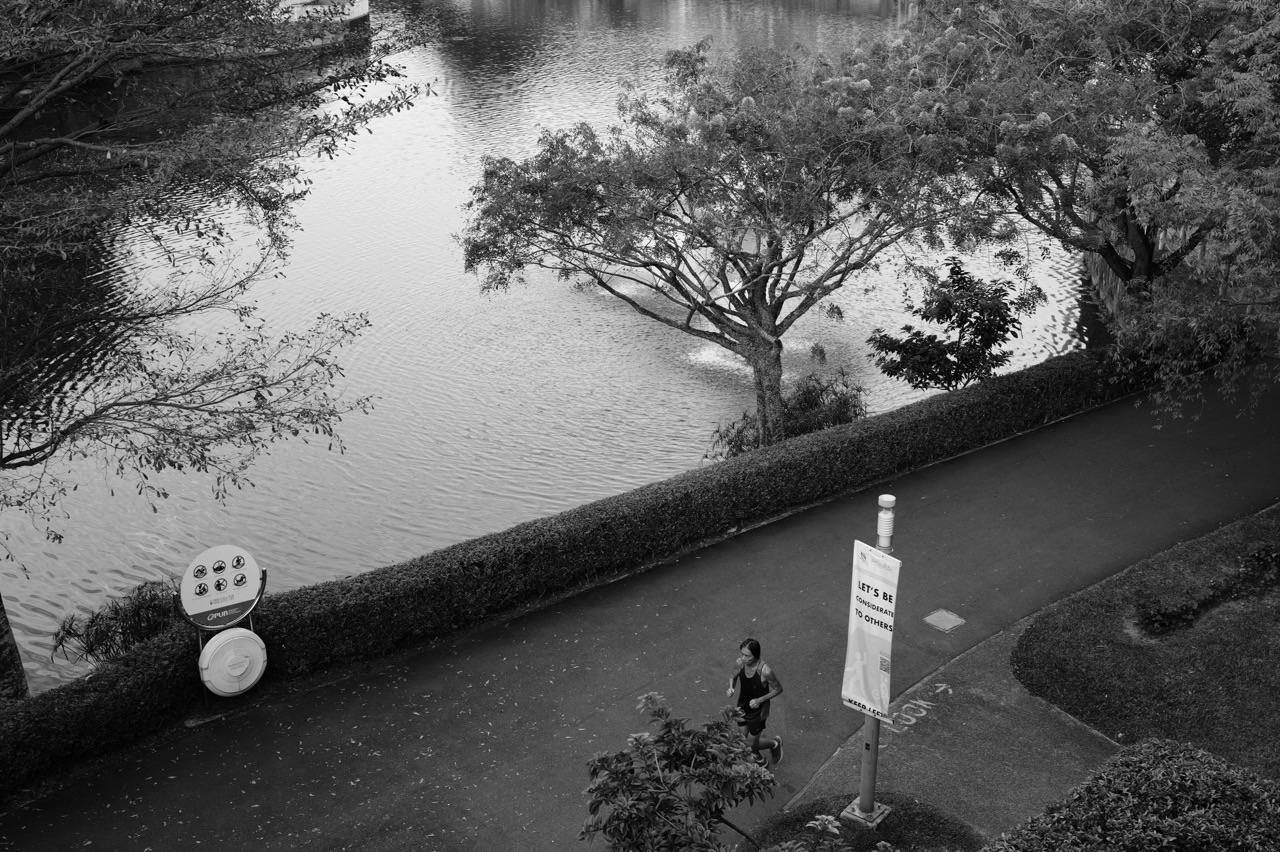
Does Punggol haze give you a headache? A headache during haze may have several explanations—migraine triggered by odours or glare, heat stress, missed meals, sleep loss, infection, or another medical condition. The sky and one-hour PM2.5 cannot diagnose the cause. If the headache is sudden, unusually severe, or accompanied by weakness, speech or vision changes, confusion, fever with neck stiffness or other warning signs, seek urgent medical care rather than waiting for haze to clear.
For an otherwise familiar mild headache, reduce unnecessary irritating exposure, rest appropriately and seek pharmacist or clinician guidance when needed. This guide explains actual HealthHub headache warning signs, migraine triggers, heat-stress symptoms and the practical decisions around Punggol Waterway outings, HDB homes, school and work. It does not describe any named Punggol patient’s condition.

Jump to the answer: The important answer: don’t diagnose a headache from the sky · Bright orange sunsets and visual discomfort · Can a headache be a sign of infection? · When a headache is an emergency · Pregnancy and headache caution · Worked case: an orange Punggol sunset and a familiar migraine
The important answer: don’t diagnose a headache from the sky
Can a Punggol haze day coincide with a headache or migraine? Yes, but a headache is a symptom with many possible causes, and there is no reliable way to diagnose ‘haze headache’ from a grey skyline or one PM2.5 reading. HealthHub’s headache guide lists possible triggers including strong smells or fumes, bright light, sleep changes, stress, delayed meals and weather changes. Haze may involve odours and changes to outdoor routines, but the relationship for an individual person needs medical context. Do not assume that every headache was caused by smoke or that reducing PSI alone will cure it.
First check for warning signs: an abrupt severe or thunderclap headache, new weakness or difficulty speaking, visual loss, confusion, seizures, a stiff neck with fever or worsening symptoms after a head injury require urgent medical evaluation. Serious breathing problems or chest pain likewise need prompt care. For an otherwise mild familiar headache, move away from avoidable irritants, rest in an appropriate environment, follow normal hydration and food routines, and seek a pharmacist or doctor’s advice where appropriate. Your health comes before tracing a plume on a phone.
Smoke irritation, migraine and heat can overlap
Haze exposure can irritate the eyes, nose and throat, according to MOH’s October 2026 haze guidance, while migraine is a neurological headache disorder with symptoms and triggers that can include strong smells, light sensitivity or stress. Heat stress is yet another mechanism: MSS lists headache, dizziness, weakness and nausea among signs that can occur when the body struggles to lose heat in Singapore’s humid climate. A person taking a long Punggol Waterway walk may face all three conditions in the same afternoon, without one being proven as the unique cause.
These possibilities should not be mixed into a homemade diagnosis. Two people exposed to the same outdoor air may have different symptoms, and one person can have a migraine or viral illness even during a day when regional PM2.5 is Normal. The sensible response is to describe what happened, reduce unnecessary exposure, pay attention to the symptom pattern and seek professional assessment when needed. A blog, smartwatch or air-quality app cannot substitute for examination of a new, severe or atypical headache.
What a tension-type headache may feel like
HealthHub describes tension-type headache as often a steady pressure or band-like tightness around the forehead, scalp or neck. Posture, fatigue, stress, screen strain and muscle tension may contribute. A Punggol employee working longer hours from home during haze might spend much of the afternoon hunched over a laptop, then develop this familiar pattern. It would be misleading to conclude that PM2.5 directly caused it simply because the windows happened to be closed that day.
General comfort measures may involve taking appropriate screen breaks, resting and adjusting posture, but they are not treatment for serious or unexplained neurological symptoms. A person whose headache changes markedly from their usual pattern should consult a clinician. Don’t encourage someone to keep working through severe pain merely because the ‘tension headache’ label sounds benign. Distinguish a possible everyday explanation from a confirmed medical diagnosis.
What a migraine may look like
According to HealthHub’s migraine guidance, a migraine can be a progressively worsening throbbing headache associated with nausea, sensitivity to light, sound or smell, and sometimes an aura with visual or sensory changes. Some people have a known history and recognise a familiar pattern; others may be experiencing these symptoms for the first time. Strong odours, weather changes, skipped meals, stress and lack of sleep can be triggers for susceptible people. None of these clues proves that wildfire smoke was the sole cause of a specific attack.
For someone with a clinician-directed migraine management plan, follow that established approach and seek advice if the episode differs from usual, fails to improve or has worrying signs. A family should not suggest a high-dose vitamin or unfamiliar supplement as a replacement for prescribed therapy. A person with new speech or movement difficulty requires urgent medical assessment rather than simply remaining in a dark room until tomorrow’s air quality improves.
Bright orange sunsets and visual discomfort
The unusual colours and glare of an evening haze episode can attract attention around Punggol Waterway Point and the bridges. Bright or flickering light can provoke discomfort in some people prone to headaches, while a camera’s exposure can exaggerate the appearance. This is different from proving that the colour orange causes migraines in everybody. A visitor who already feels unwell may prefer a more comfortable indoor environment rather than watching the sunset from an exposed promenade.
If light sensitivity is part of someone’s familiar migraine pattern, following their clinical advice and avoiding unnecessary triggers may help. Ordinary sunglasses can reduce glare when appropriate but cannot filter PM2.5 or make prolonged outdoor activity safe. The correct environmental action remains the current NEA and MOH guidance. A striking photograph says something about visual appearance; it does not diagnose migraine or quantify toxic exposure.
Heat stress must be checked separately
Meteorological Service Singapore’s heat-stress resource explains that humidity can inhibit cooling by sweat evaporation, and lists headache, dizziness, fatigue, thirst and nausea among possible heat-related symptoms. A Punggol runner may feel the waterfront breeze and still encounter significant heat stress under strong sun. PM2.5 measures airborne particles; the heat-stress index WBGT considers temperature, humidity, wind and solar radiation. A relatively reassuring PM2.5 value does not overrule a high heat warning.
If someone develops concerning heat symptoms, stop exertion, move to a suitable cooler environment and seek timely healthcare. Suspected heat stroke is an emergency. Do not take a bottle of water and claim the heat risk has been solved without changing exertion. The Punggol haze and WBGT guide explains the separate environmental readings. The headache article concentrates on recognising a symptom that cannot be interpreted from either measurement alone.
Hydration helps, but water is not a haze detox
A person who has been outdoors during a warm afternoon may be thirsty, and adequate fluids are part of ordinary care. MOH also notes water can soothe a dry throat during haze. However, drinking water does not filter the outside air, remove inhaled fine particles from the lungs or diagnose a headache. A person who feels better after drinking may have benefited from addressing thirst or rest; that observation alone cannot prove the original cause was dehydration.
Do not instruct every person to force large amounts of water irrespective of health. Some older adults and patients with heart or kidney conditions have medical fluid restrictions, and infants need age-specific feeding advice. Follow the person’s clinician instructions and actual needs. A significant new headache after outdoor exertion needs assessment of the overall symptoms rather than a simplistic calculation that one litre of water will ‘flush out’ haze.
Skipping meals and sleep changes
A family whose usual Punggol outdoor routine is disrupted may eat late, stay awake following air-quality alerts and spend longer using screens. HealthHub lists delayed meals, caffeine changes, stress and irregular sleep among possible headache or migraine triggers. That does not make every air-quality alert psychologically dangerous; it simply means routine matters. A balanced ordinary meal, adequate sleep and a predictable bedtime can support general wellbeing without claiming to cure neurological disease.
Children who are disappointed about cancelled playdates may need familiar activities and reassurance more than complicated health explanations. Adults can check official readings at sensible decision times instead of refreshing every unofficial app throughout the night. If a student develops a persistent or unusual headache, seek appropriate assessment rather than attributing it automatically to lost sleep or asking the child to study through severe discomfort.
Can a headache be a sign of infection?
A headache can accompany a viral illness, and a person with fever, sore throat or cough may be facing an infectious condition rather than only environmental irritation. Singapore’s haze episodes can coincide with ordinary respiratory infections. A person with significant fever, a stiff neck, confusion or other alarming features needs medical attention rather than an internet diagnosis. A child who is sick should follow school or student care illness procedures even if the outdoor PM2.5 has improved.
Families can observe when symptoms began, whether fever developed, what other household members experienced and whether the person’s condition is worsening. These notes may help a healthcare professional. Avoid assuming antibiotics are needed for every headache or cold, and do not share a sibling’s prescribed medicine. The Punggol cough-versus-cold guide explains respiratory symptom overlap separately.
The eye and nose connection
Irritation of the eyes and nose can occur during haze, and allergies or sinus conditions may overlap with headache symptoms. A blocked nose, watery eyes and forehead discomfort do not automatically establish bacterial sinusitis. HealthHub describes distinct patterns of migraine, tension-type, cluster and sinus-related headaches. A person with significant eye pain, change in vision or contact-lens discomfort may need prompt eye assessment rather than assuming the haze caused harmless watering.
Avoid jumping from one symptom to a single causal story. A local air-quality reading cannot tell whether the person’s nasal symptoms are allergic rhinitis, infection or non-specific irritation. Use the Punggol red-eye guide and runny nose and allergic rhinitis guide for more detailed distinctions. A clinician can evaluate persistent or worsening concerns; family members should not prescribe steroid drops or antibiotics based on an article title.
Strong odours and migraine triggers
HealthHub includes perfumes, cigarettes and strong chemical odours among migraine triggers for some individuals. A smoky smell near an HDB corridor may therefore be uncomfortable to a person with a known migraine pattern, even though the odour cannot calculate the ambient PM2.5 concentration. NEA notes odorous gases may vary independently from particulate measurements. A person who feels unwell can avoid unnecessary exposure and use an appropriate comfortable space without needing to identify every component of the smell.
When a recurrent local odour is suspected, a factual record of time and place may be suitable for building-management or environmental feedback, but do not accuse a neighbour or nearby contractor without evidence. An actual fire or chemical emergency follows its own safety procedure. Trying to track down a smell while experiencing a severe headache is not the priority; personal safety and medical concerns come first.
Carbon monoxide is not the same as regional haze
Carbon monoxide is one of the six monitored air pollutants used in Singapore’s PSI, but dangerous indoor carbon monoxide exposure is also a specific emergency concern associated with faulty combustion sources and poorly ventilated generators. The CDC’s carbon monoxide information lists headache, dizziness, weakness, upset stomach and confusion among symptoms of poisoning. A household should not assume an unusual cluster of symptoms near a combustion appliance is ‘just the haze’.
Never operate a fuel-burning generator or barbecue inside a flat, balcony enclosure, corridor or other unsuitable space. If a dangerous combustion exposure is suspected, get people into a safe environment and seek emergency assistance promptly. A portable PM2.5 monitor or ordinary smoke alarm does not necessarily detect carbon monoxide. Likewise, a regional PSI is not a safety instrument for one home with a faulty heater or generator. This is a distinct hazard requiring proper safety controls.
When a headache is an emergency
HealthHub identifies a sudden severe thunderclap or worst-ever headache, new neurological changes such as weakness, numbness, speech difficulty, vision disturbance or confusion, seizures, and headache with fever and neck stiffness as signs needing urgent assessment. A headache that follows a significant injury or rapidly worsens also warrants appropriate care. In such a situation, there is no benefit in checking whether Punggol’s latest air band is Normal before contacting emergency services.
A caregiver should not let a person drive if their vision, awareness or coordination is affected. The family can describe symptoms, onset and known medical conditions to healthcare responders, keeping important medications and relevant documents available if safe. The correct route may be emergency care rather than waiting for a routine clinic. The static information in this article cannot diagnose a stroke, infection, heat stroke or poisoning in an individual.
When a GP or pharmacist is appropriate
For a familiar mild headache without alarming signs, a pharmacist may advise on suitable over-the-counter products or non-drug care, considering the person’s age, health conditions and other medicines. HealthHub describes several headache treatments but also warns that persistent, worsening or unusual symptoms merit a doctor. Do not assume that a product is appropriate for everyone just because it is available without a prescription. Follow labels and professional advice.
Medication-overuse headache is another concern: HealthHub notes that frequent reliance on pain relievers over time can itself contribute to chronic headache patterns. Do not repeatedly increase medication to keep training through smoke or heat. A person with a known migraine diagnosis may have a personalised plan that differs from generic advice. For decisions about care, MOH’s guidance on seeking a doctor is more appropriate than diagnosing through a public air-quality graph.
Children with headaches on a school day
A Primary 4 pupil may report a headache after a modified PE session or a busy school day. The adult should ask simple questions about onset, severity, associated symptoms, food, rest and whether the child is behaving as usual. A headache should not automatically be attributed to haze simply because everyone in the class has been discussing it. If the child has fever, significant neurological symptoms, unusual distress or worsening illness, seek suitable medical assessment.
School or student care staff should follow their own care and emergency procedures and contact caregivers where necessary. A parent can share relevant clinician-directed advice privately rather than posting the child’s medical details into a general class chat. If outdoor programmes are changed, provide a calm indoor alternative and an ordinary meal or rest routine. A child does not need an elaborate ‘haze headache detox’ to have a comfortable afternoon.
Older residents and medication routines
A senior may have several health conditions or medicines that influence headaches, dizziness or blood pressure. Regional haze can add environmental discomfort, but the person should not change prescribed treatments because a headline suggests smoke is the cause. If a headache is new, severe or accompanied by weakness, chest pain or altered awareness, seek timely or urgent healthcare. Caregivers should know the person’s baseline and how to reach the usual clinician.
A comfortable indoor environment, access to meals and water within any medical restrictions, and a practical clinic transport plan may help everyday care. Don’t encourage an older relative to undertake a long exposed walk simply to ‘clear the head’. A suitable lower-exposure outing or postponement may be better. The Punggol seniors and caregivers guide provides the wider care-planning context.
Pregnancy and headache caution
Headaches can occur during pregnancy for different reasons, and a new or severe headache should not be dismissed as a normal response to the October haze. Pregnancy introduces medical considerations beyond a generic adult headache checklist. Symptoms such as severe headache together with vision changes, significant swelling, high blood pressure concerns or other unusual features may need prompt maternity assessment.
Do not prescribe painkillers, supplements or herbal detox products to a pregnant family member based on internet advice. Follow the actual maternity clinician’s guidance. Reduce unnecessary outdoor smoke exposure according to MOH’s more cautious advice for vulnerable people, and keep planned antenatal care arrangements clear. A haze forecast is a planning tool, not a medical screening method.
Office and work-from-home headache routines
A Punggol office worker may work from home during haze, spend longer on video calls and lose the normal walk between meetings. Neck tension, screen use, stress, missed meals and changes to sleep can contribute to headache experiences independently of PM2.5. A useful routine may include appropriate breaks, safe posture, a regular meal, comfortable lighting and realistic workloads. Do not assume every employee needs complete darkness or that longer working hours prove commitment.
If a person is medically unfit, appropriate sick leave or care may be needed rather than merely switching to a laptop at home. The Punggol WFH and leave guide separates employment arrangements from health decisions. A manager should not diagnose the employee, demand public disclosure or advise someone to ignore significant symptoms because air quality data appear reassuring.
Waterway Park and exercise-related headache
A runner who develops a headache during or soon after exertion should stop, reduce environmental strain and consider medical evaluation, particularly if it is a new pattern. HealthHub lists headaches starting after exertion, straining or coughing among situations that can require clinical review. It is inappropriate to reassure someone that every post-run headache is dehydration or harmless haze. Heat stress, exertion and medical conditions all need consideration.
A rest day or suitable lower-intensity indoor activity may be a more useful choice than forcing a planned five-kilometre loop along the Waterway. The current one-hour PM2.5, outdoor heat-stress WBGT and the person’s symptoms are separate information streams. A person whose usual migraine is provoked by glare may additionally avoid intense sunset light without claiming that sunglasses remove smoke particles. Safe fitness progresses over weeks, not one mandatory outing.
A headache diary that avoids false conclusions
A simple record can note when the pain began, where it occurred, its intensity, duration, accompanying symptoms, sleep, meals, medicines taken and possible triggers. If the person was outdoors, the family may also record the current official NEA region and timestamp for context. Keep the data honest and avoid filling missing numbers from a retrospective screenshot. The diary supports a clinical conversation rather than proving cause and effect.
A graph of headache severity against PM2.5 can be interesting for a school or personal project, but it cannot isolate smoke as the cause without considering sleep, heat, stress, medication and other factors. Do not publish children’s private medical logs or identifiable location data online. A low-tech paper note can be as useful as a proprietary symptom-tracking app when the observations are accurate and the person knows when to seek care.
Worked case: an orange Punggol sunset and a familiar migraine
Imagine an adult with a known migraine history visits Punggol Waterway Point after a long workday. They have skipped lunch, slept poorly and find the evening glare uncomfortable. The regional air is also hazy. Rather than declaring that the smoke caused the migraine with certainty, they reduce unnecessary exposure, follow their clinician’s usual migraine plan and arrange safe transport if vision or concentration is affected.
The next day they record the timing, light exposure, meal routine and current official air information as context. They do not use an N95 as permission to complete a strenuous waterfront workout or give themselves a new prescription. This fictional example shows how more than one plausible factor can coexist, and why medical guidance remains distinct from atmosphere measurements.
Worked case: a child has a severe unfamiliar headache
A Punggol student’s school has moved an outdoor activity inside because of the haze. During the afternoon the child develops a sudden unusual severe headache with repeated vomiting and marked distress. The adults should not attribute it to a ‘normal haze reaction’ and wait for tomorrow’s PSI forecast. The appropriate response is to follow the school’s urgent-care procedure and obtain prompt medical assessment.
This example makes no claim about any actual child or school incident. It demonstrates the importance of assessing severity and red flags independently from environmental readings. The fact that the outdoor activity had been cancelled for pollution provides context, not a diagnosis. The same caution applies to an adult who experiences new neurological symptoms during a smoky commute.
Common headache myths during haze
Myth one: if the PSI is high, all headaches must be caused by smoke. Myth two: if PM2.5 is Normal, a severe headache cannot be serious. Myth three: drinking enough water removes all inhaled particles. Myth four: an N95 makes exercising with a migraine safe. Myth five: every headache after outdoor sport is benign dehydration. Myth six: a smartwatch normal heart rate proves the person is medically well. None of those statements follows from the actual evidence.
The corrective habit is to separate cause, measurement and action. NEA measures environmental particles, MSS reports heat stress, HealthHub explains headache symptoms and healthcare professionals evaluate individual illness. A parent can make an appropriate exposure choice and still seek medical care without needing to identify the exact pollutant that caused the person’s pain. Accurate information should reduce uncertainty, not falsely eliminate it.
A practical Punggol headache-day plan
For a familiar mild headache without warning features, a person may find that reducing glare, avoiding strong irritants, eating a normal meal, resting and following appropriate pharmacist or clinician advice supports comfort. If the air is poor, choose an appropriate indoor setting; if heat stress is significant, reduce outdoor exertion. Do not automatically force every family member into an unventilated room with the windows sealed indefinitely.
For a new, worsening or severe headache—or any accompanying neurological or serious respiratory symptom—medical assessment takes priority. Confirm an accessible route to healthcare and avoid having a person with significant visual or cognitive symptoms drive. Children, pregnant people and medically vulnerable relatives may need particular attention. Punggol’s waterfront and recreational plans can wait; the important outcome is safe, proportionate care.
Headache patterns and useful next questions
| Situation | Possible context | What not to assume |
|---|---|---|
| Band-like head pressure after screens | Stress, posture or tension-type pattern | Haze is proven sole cause |
| Throbbing pain, nausea, light sensitivity | Migraine-type symptoms need assessment | Orange skies diagnose migraine |
| Headache, dizziness, weakness in heat | Possible heat-related illness | Water alone resolves every risk |
| Headache with fever or infection signs | Possible infectious illness | All symptoms must be from smoke |
| Sudden severe pain or new neurological changes | Potential medical emergency | It is safe to wait for PSI to fall |
| Headache near faulty combustion equipment | Possible carbon monoxide exposure | A PM2.5 sensor can exclude it |
Why shutting windows temporarily is not a diagnosis
NEA recommends limiting outdoor smoke entering homes when haze worsens, while restoring suitable ventilation when outside conditions improve. A Punggol bedroom where several people work or study may feel warmer or stuffier with the windows closed. The sensation is worth examining, but does not establish that particulate exposure caused a headache or that a particular CO2 reading is the reason someone feels unwell. A portable HEPA cleaner captures particles but does not replace fresh-air ventilation, while some home air-conditioning units mainly recirculate and cool indoor air.
Do not block mandatory ventilation, interfere with fire systems or operate an unventilated fuel-burning appliance in a closed room to improve comfort. These actions can add new hazards. Check the actual ventilation setup, reduce avoidable indoor smoke sources and use suitable cooling. If a headache is unusual or persistent, ask a healthcare professional rather than trying to solve the condition solely by changing a fan setting. A monitor describes aspects of air, not an individual’s neurological diagnosis.
What if a headache develops just before exams?
A Secondary 4 or Primary 6 pupil may be studying for a major paper while haze changes PE, outdoor recess or after-school routines. Revision fatigue, missed meals, irregular sleep and anxiety can be relevant to headaches without proving that outside smoke was the cause. A parent can confirm the real school or SEAB announcement, reduce needless checking of group messages, serve a familiar meal and protect a reasonable bedtime. Extra worksheets are not the obvious solution when the pupil already feels unwell.
If a student is significantly unwell, appropriate medical care and prompt communication with the school or examination authority matter. Do not assume that every headache automatically qualifies for special consideration, or that the examination will be cancelled merely because the skyline is orange. Our existing national examinations guide describes administrative arrangements; here the key question is the person’s symptoms and clinical fitness. A child should not be pushed to sit a paper through concerning neurological signs simply to preserve a planned revision schedule.
Why a fitness watch cannot identify the cause
A smartwatch may display pulse, activity, sleep estimates or a supported wellness oxygen-saturation feature. It does not establish whether a headache was caused by smoke, heat, a migraine disorder, stress or something else. A normal-looking heart-rate display should never reassure someone with sudden severe pain, weakness, visual disturbance or speech changes. Similarly, a higher pulse after exercise cannot tell a runner precisely how much PM2.5 they inhaled along Punggol Waterway.
Wearable trends may supply useful context to a healthcare professional when the device and timing are understood, but a diary of symptoms and events is often more relevant than a colourful recovery score. Avoid public posting of a child’s medical data or detailed GPS route. Constantly refreshing a consumer display may distract from rest and recognition of worsening symptoms. Assess the person first, follow clinical red flags and consult NEA separately when deciding whether an optional outdoor activity is appropriate.
Be careful with repeated painkiller use
Headache treatment choices depend on the person’s age, health conditions, pregnancy, existing prescriptions and the frequency of use. HealthHub describes medication-overuse headache, in which frequent use of pain-relieving medicines over time may contribute to chronic pain. Someone with recurring headaches throughout a haze spell should not simply increase tablets each day based on a social-media suggestion that the headaches are expected from air pollution. A worsening pattern deserves professional review.
Combination flu, cold and pain products sometimes share active ingredients. A person who takes multiple products without checking may accidentally duplicate a medicine. Ask a pharmacist about appropriate non-prescription treatment and follow labels, or consult a doctor about recurrent or altered symptoms. Do not share another person’s migraine prescription or give adult headache medicine to a child without individual guidance. A symptom and medicine diary can help explain to the clinician what was used, when it was taken and how the person responded.
When to choose a clinic and when not to wait
For a non-emergency headache that requires assessment, an appropriate GP or polyclinic may be a reasonable starting point. A sudden severe headache, seizure, newly impaired speech or movement, significant confusion or other neurological warning signs require urgent care. No static article can know whether a real patient is safe to wait for a routine appointment. A healthcare professional can assess the person’s illness and determine the right treatment. The Haze Subsidy Scheme covers specified eligible conditions, not automatically every headache reported during an episode.
A safe route to care matters, particularly for a person experiencing blurred vision, dizziness or impaired balance. Someone with those symptoms should not drive themselves through reduced-visibility traffic. Arrange an appropriate caregiver or emergency transport according to urgency. Record the time symptoms started and other significant features if it can be done without delaying help. The priority is clinical safety, not identifying which pollution source to blame.
How to make a useful family decision without panic
If a family member has a familiar mild headache and no warning signs, practical first steps may include moving away from strong irritants, resting comfortably, avoiding harsh glare and keeping regular food and fluid habits consistent with individual medical needs. Check official haze information for optional outdoor plans, but do not ask the person to spend an hour staring at pollution charts to prove why they feel unwell.
If discomfort recurs, changes or begins interfering with ordinary life, arrange a medical discussion and bring a clear description rather than a speculative diagnosis. A child may need an authorised school absence or care arrangement; an adult may need workplace leave rather than being pressured into a long video meeting while ill. Good Punggol haze planning preserves daily routines where possible and seeks timely help for symptoms that cannot safely be managed at home.
Frequently asked questions about Punggol haze and headaches
Can haze cause headaches?
A haze episode may coincide with headache-triggering factors such as irritant smells or changes in routines, but an individual’s headache has many possible causes. MOH emphasises eye, nose and throat irritation and health impacts on susceptible people; it does not provide a home test for ‘haze headache’. Seek evaluation when symptoms are unusual or concerning.
Can smoke trigger a migraine?
Strong odours, some fumes, changes in weather and light exposure are recognised migraine triggers for some individuals in HealthHub guidance. A person with a known migraine should follow their clinical plan, while new or atypical attacks need medical advice. A visible haze plume does not prove it caused the migraine.
How can I distinguish tension headache from migraine?
Tension-type headaches often involve steady band-like pressure, while migraine may be throbbing with nausea and sensitivity to light, sound or smell. These are general patterns, not a reliable self-diagnosis. A clinician can assess the person’s history, severity and other signs.
What headache warning signs need urgent care?
A sudden worst-ever or thunderclap headache, new weakness, confusion, seizure, difficulty speaking, significant visual changes or fever with neck stiffness requires prompt urgent evaluation. Worsening headache after injury also warrants care. Do not wait for an air-quality reading to change.
Will drinking more water make haze headache disappear?
Normal hydration helps wellbeing and can ease thirst; it is not a proven haze antidote or diagnosis. Some people have medical fluid restrictions. Persistent or severe pain needs appropriate assessment rather than increasingly large water intake.
Why do I get headaches when working from home during haze?
Possible factors include screen strain, posture, delayed meals, sleep changes, stress, heat and odours. None can be established from a PM2.5 screenshot alone. Track patterns and seek medical advice if the headache persists, worsens or differs from normal.
Can heat stress and haze happen together in Punggol?
Yes. MSS measures heat stress using WBGT, while NEA measures pollution including one-hour PM2.5. A comfortable breeze does not establish low particle exposure, and a Normal PM2.5 band does not mean outdoor heat risk is absent. Consider each hazard separately.
Should a child take my headache tablets?
Do not share adult or another person’s medication with a child. Age, medical history, dosing and other medicines matter. Speak to a pharmacist or clinician and seek prompt assessment for serious or unusual symptoms.
Does an air purifier treat migraine?
A suitable cleaner can reduce airborne particles in a room, but cannot diagnose or treat migraine itself, or replace ventilation and clinical care. Avoid making claims that removing PM2.5 automatically cures headaches from other causes.
Can carbon monoxide poisoning cause headache?
Yes. Carbon monoxide exposure from faulty combustion sources can cause headache, dizziness and other serious symptoms and requires urgent action. It is a distinct potential local hazard from regional transboundary haze. Do not run fuel-burning equipment indoors or rely on a PM2.5 sensor to detect carbon monoxide.
Related Punggol haze health and lifestyle guides
- NEA one-hour PM2.5 and PSI for activity planning
- Haze plus WBGT heat-stress guide
- Red eyes and contact lenses during haze
- Allergic rhinitis, runny nose and sinus discomfort
- Haze cough, influenza and breathing symptoms
- Food, hydration and detox claims
- HDB indoor air and air purifiers
- Home fires versus regional haze
- Punggol home working and employee leave
- Caregiving and older residents
- Punggol school-day haze changes
- Haze Subsidy Scheme and qualifying clinics
- Punggol Haze Complete Guide 2026
- eduKateSG Punggol haze health companion
HealthHub, MSS, MOH and environmental references
- HealthHub: Headache signs, symptoms and when to see a doctor
- HealthHub: Migraine triggers and warning signs
- Ng Teng Fong General Hospital / HealthHub: Headache and Migraine
- Meteorological Service Singapore: Heat-Stress Symptoms
- MSS: Current Heat-Stress Map and Advisory
- CDC: Carbon Monoxide Poisoning Basics
- MOH: Current Haze Health Advice
- NEA: Current Haze Readings
- MOH: Getting Medical Help
Reviewed 18 October 2026. This guide does not diagnose an individual headache, establish that haze caused an attack, or recommend particular medication doses. The family cases are hypothetical and do not report actual patients. Serious or unusual symptoms deserve professional assessment; in a medical emergency seek immediate help.


