
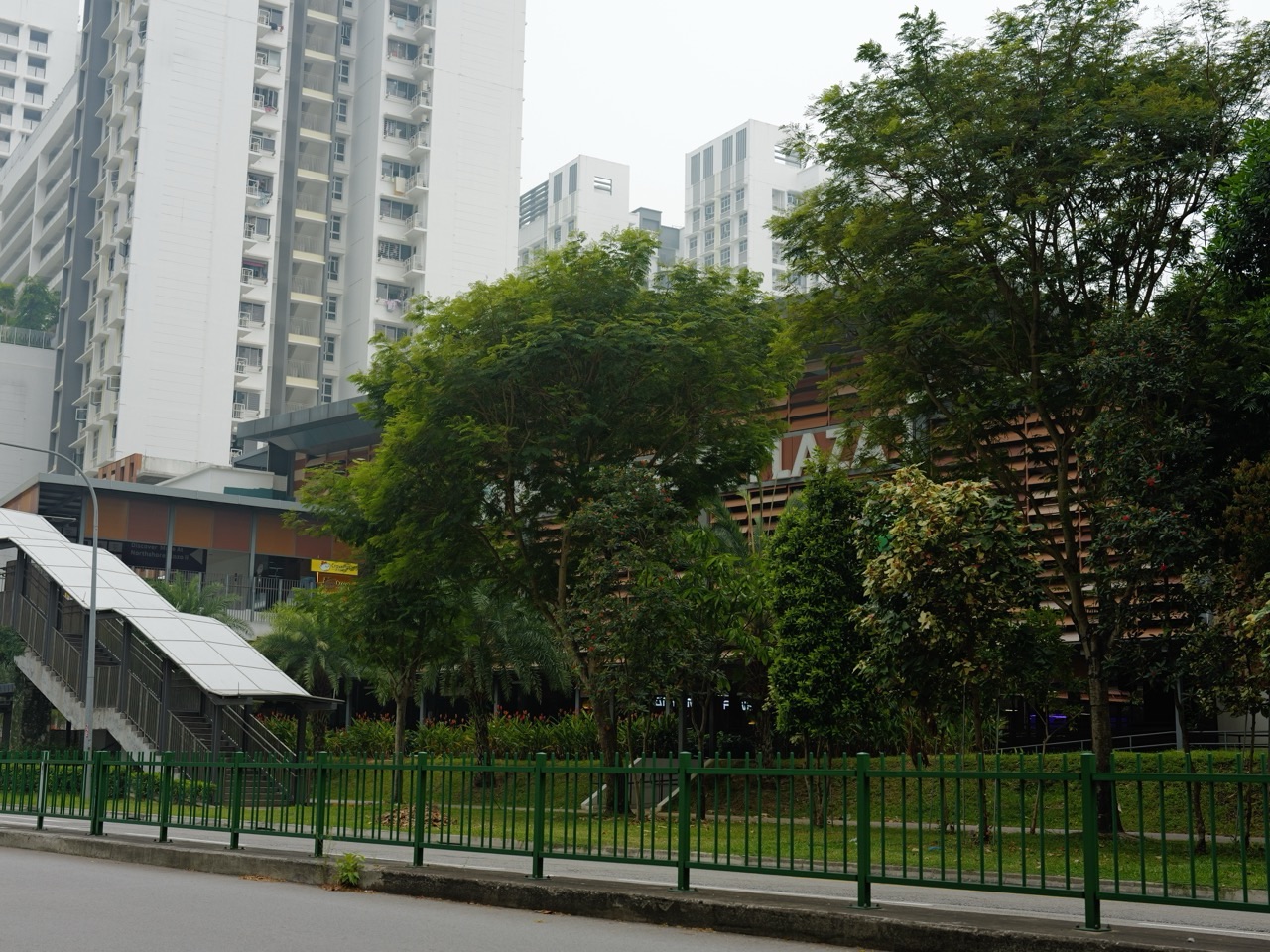
Who qualifies for the Haze Subsidy Scheme (HSS) in Punggol in October 2026? MOH activated HSS from 12 October 2026 for haze-related medical conditions at participating Public Health Preparedness Clinics (PHPCs) and all polyclinics. At PHPCs, eligible Singapore Citizens include children aged 18 and below, seniors aged 65 and above, and people on Public Assistance, Pioneer Generation, Merdeka Generation, CHAS Blue or Orange, or the Medical Fee Exemption Card. All Singapore Citizens are eligible for HSS at polyclinics. MOH’s capped fees for qualifying treatment are fully subsidised for Public Assistance cardholders, no more than $5 for Pioneer or Merdeka Generation seniors, and no more than $10 for other eligible Singapore Citizens.
For Punggol families with coughing children, an older relative or asthma symptoms, the next step is to choose appropriate healthcare rather than diagnose the cause from haze readings. Use MOH’s current haze page to find participating clinics through GPGoWhere and confirm the scheme remains active. HSS covers specified conditions, including asthma, bronchitis, allergic rhinitis, conjunctivitis, chronic obstructive pulmonary disease and upper respiratory tract infection, plus their complications. Severe breathing difficulty, chest pain or collapse calls for urgent care rather than waiting for a subsidised GP appointment.

Fast route: What changed on 12 October 2026? · Why polyclinic eligibility is wider · Which illnesses and symptoms does HSS actually cover? · What should a caregiver prepare for the visit? · Punggol is a town, not a special set of eligibility rules · A senior who usually collects medicine alone · What to ask the clinic before making a journey · Frequently asked questions about Punggol HSS in 2026
What changed on 12 October 2026?
In an 11 October announcement, the Ministry of Health explained that worsening transboundary haze had led it to activate both the PHPC system and the Haze Subsidy Scheme from the next day. The purpose was to make appropriate primary care accessible, particularly to children, older residents and lower- to middle-income Singaporeans with qualifying conditions. These are specific, dated 2026 arrangements, not a generic historical promise that the subsidy is always available.
The practical question for a Punggol resident is simple: does the scheme currently apply, where can I seek suitable care, and is this a condition covered by the arrangement? The GP or polyclinic assesses the clinical issue; an online author cannot guarantee eligibility for a particular visit. Start with the MOH 11 October 2026 announcement and confirm any newer instructions before leaving home.
Eligibility at participating private GP clinics
For PHPCs, MOH lists Singapore Citizens in specific groups: children aged 18 and under; seniors aged 65 and over; and people who have Public Assistance, Pioneer Generation, Merdeka Generation, CHAS Blue, CHAS Orange or a Medical Fee Exemption Card. A person need only qualify under one applicable category, but the clinic should verify the eligibility. A Singapore Permanent Resident without Singapore citizenship should not assume the same benefit applies merely because they have visited a PHPC before.
Check the official government information rather than an undated community screenshot. A child who turns 19 or an older adult who is not yet 65 may still qualify through another listed scheme if they are Singapore Citizens. A family member with a different CHAS tier should not assume all CHAS categories are included for PHPC HSS. The official statement specifically names Blue and Orange.
Why polyclinic eligibility is wider
The 11 October MOH statement says that all Singapore Citizens are eligible for HSS at polyclinics, even if they do not belong to one of the PHPC categories. That is an important difference for an adult in Punggol who is not a child, senior or member of a listed assistance scheme. Do not treat the GP and polyclinic rules as identical. The type of clinical issue and the continuing availability of the HSS still matter.
A polyclinic is not automatically the best option for every symptom; appointment availability, clinical urgency and existing care arrangements affect the decision. MOH directs residents to the latest haze information and participating clinic finder. Families who need continuity with a usual doctor should ask that clinic about participation rather than choosing solely based on the presumed subsidy.
The $0, $5 and $10 limits explained
MOH’s announced HSS charge structure for qualifying haze-related consultations is unusually useful for household budgeting. Public Assistance cardholders receive fully subsidised care; Pioneer and Merdeka Generation seniors pay up to $5; other eligible Singapore Citizens pay up to $10. These figures belong to the scheme’s specified treatment arrangements and should not be read as a promise that every possible medication, unrelated complaint or additional service will cost only that amount.
Before agreeing to a procedure or asking for unrelated care, confirm with the clinic whether it falls within the activated scheme. Do not pressure staff to classify a non-qualifying condition as haze-related. If a family has complex medical needs, the patient’s welfare and proper diagnosis remain more important than finding the lowest published fee.
Which illnesses and symptoms does HSS actually cover?
MOH lists allergic rhinitis, asthma, bronchitis, conjunctivitis, chronic obstructive pulmonary disease (COPD), upper respiratory tract infection and their complications as covered conditions. These are medical categories that a clinician assesses, not phrases that residents should simply copy into an appointment form to qualify. Sneezing can have many causes. A cough could arise from infection, irritation, asthma or something else entirely.
Use the scheme to seek appropriate professional evaluation, not to establish that a symptom must have been caused by a particular regional fire. A medical professional may decide which treatment is necessary and whether the HSS applies. If an existing asthma action plan calls for specific steps, continue following the clinician’s instructions. This page does not tell anyone to alter inhaler dosages or stop prescribed medication.
How to find a participating PHPC without guessing local clinic names
MOH directs people to GPGoWhere from the official haze information page. It also says participating clinics can be recognised through a PHPC decal or an HSS poster. Begin with MOH’s Haze Subsidy Scheme section; use its current clinic-finder link, check the desired service and confirm operating hours directly. This avoids publishing a stale list of clinics that may change participation, closing time or appointment policies.
Do not infer that every GP at Waterway Point, Punggol Central, Northshore or Punggol Coast is a participating PHPC. A clinic’s name, past CHAS affiliation or location inside Punggol is not sufficient proof. Call or use the official booking channel where appropriate. The clinic is the reliable source for whether a given appointment and patient can use HSS.
What should a caregiver prepare for the visit?
A practical checklist includes the patient’s identity and relevant eligibility details, current symptoms and when they began, existing medication or treatment information where useful, and any allergies or important diagnoses. A parent should know the child’s prescribed asthma plan; a caregiver should know the older patient’s regular medicines. Only give sensitive details through the clinic’s approved systems. Do not post NRIC numbers or diagnostic documents in an informal neighbourhood group.
If the patient cannot travel independently, plan who will accompany them and whether wheelchair-accessible transport or a more suitable appointment is necessary. The scheme is intended to make care affordable, not to require a person with serious symptoms to struggle through a long outdoor commute. Where the condition is urgent or severe, seek emergency assessment rather than delaying it to complete an eligibility check.
When an emergency should bypass ordinary HSS planning
Chest pain, marked breathing difficulty, fainting, collapse or other serious symptoms need urgent medical help. Do not wait to find a PHPC sticker, and do not assume a person is safe because the regional PSI has improved since the morning. For emergencies in Singapore, call 995. A subsidy programme helps with appropriate primary care; it is not designed to replace emergency response.
For non-emergency symptoms that are persistent or worsening, seek timely clinical assessment. Children, older residents and people with chronic heart or lung conditions may need closer attention according to MOH’s haze advisory. Never use an online dose chart or social post to change prescribed medicine. The correct healthcare setting depends on the real person and their symptoms, not the keyword used in a Google search.
Punggol is a town, not a special set of eligibility rules
The scheme is national. A patient does not qualify simply because they live near Punggol Waterway or attend a Punggol school, and a Singapore Citizen is not disqualified because their usual polyclinic is elsewhere. Location helps answer where care is practical, not who counts as an eligible patient. In an established new town, a GP near home may be convenient, but the official participation and scheme rules still control.
For people relying on the LRT, MRT, buses or care transport, choose the least burdensome safe route and check the current air-quality guidance before necessary travel. A short trip to care is a different decision from prolonged optional exercise. If the person is too unwell to travel comfortably, contact an appropriate healthcare service about alternatives.
A child with symptoms during school hours
A Punggol schoolchild may be coughing at recess or notice wheezing during PE. The school should follow its own medical and haze response procedures, inform caregivers as appropriate and arrange professional help where needed. HSS does not mean a child must be sent home from every class, nor does it establish that the child has asthma. Individual symptoms and school advice guide the next step.
Parents can check the child’s known medical plan, arrange pickup if requested and book suitable care through current channels. If a school exercise session is changed, do not schedule a demanding replacement workout after dinner. Our Punggol haze schools guide explains the role of official school notices; the HSS article focuses on the clinical funding and appointment process.
A senior who usually collects medicine alone
Imagine a 70-year-old resident who normally walks to a clinic or pharmacy. During poor air, a family member may be able to accompany them or collect eligible repeat prescriptions under the provider’s usual rules. If new symptoms need assessment, do not automatically treat a medicine collection as a substitute for consultation. An older Singapore Citizen is within the PHPC age group listed for HSS, but actual care must still qualify.
If the person belongs to Pioneer or Merdeka Generation, the announced scheme cap for qualifying care is up to $5. Keep the correct identification and check the clinic’s advice about appointments and medicine. A family can provide transport and company without making unsupported promises about guaranteed clinic slots or treatment.
Worked family example: two different eligibility routes
Consider a family of four in Punggol: a 12-year-old child, two adults aged 39 and 42 and a grandfather aged 71. The child and grandfather, if Singapore Citizens with qualifying haze-related conditions, meet PHPC eligibility through age. An adult who is not in any PHPC eligibility group may still qualify for HSS at a polyclinic because MOH’s 2026 announcement includes all Singapore Citizens there. The exact charge depends on the relevant scheme group and clinical conditions.
This example is not a cost quotation. One adult might hold CHAS Orange or Blue, which changes their PHPC eligibility. Another might have an unrelated complaint not covered by HSS. A clinician must determine which condition is being treated. The purpose of the example is to show why age, citizenship, listed assistance schemes and venue type need separate checks.
What to ask the clinic before making a journey
Ask whether the clinic is currently participating in HSS, whether an appointment is available, what identification or documentation is needed and how the announced subsidy applies to the intended consultation. Do not demand a medical diagnosis over the phone. For a child or older adult, explain any mobility or significant chronic health needs through appropriate private channels.
If the clinic cannot answer a particular government policy question, use MOH’s official haze page and the published scheme announcement. An out-of-date social-media list is not the final authority. Clear questions often save a Punggol household an unnecessary journey during a period when reducing optional outdoor exposure is already a sensible goal.
Common HSS misunderstandings in a Punggol family chat
‘Every private clinic offers HSS’ is untrue; the eligible private GP route is through participating PHPCs. ‘Every resident receives the same charge’ misses the Public Assistance and PG/MG distinctions. ‘A high PSI proves the patient has a covered disease’ confuses an air-quality reading with diagnosis. ‘The subsidy runs forever’ ignores that the 2026 activation is a dated public policy that may later change.
The correct sequence is official announcement, eligibility route, current clinic participation and professional assessment. The arrangement helps people receive affordable healthcare; it does not change MOH’s preventive advice about outdoor exertion. Keep children and vulnerable relatives safe by reducing exposure when advised rather than treating the scheme as a reason to delay precautions.
Frequently asked questions about Punggol HSS in 2026
Is HSS active as of 17 October 2026? MOH announced activation from 12 October; verify updates before booking. Can a 35-year-old Singapore Citizen receive HSS? All Singapore Citizens are eligible at polyclinics, subject to covered care; at PHPCs, the person must meet an eligible category. Does CHAS Green count at PHPCs? MOH names CHAS Blue and Orange, not Green, for the PHPC route. Can a 16-year-old use HSS? A Singapore Citizen aged 18 or below is in the PHPC age category.
Where do I find a Punggol GP? Follow GPGoWhere from MOH’s official haze page and confirm with the clinic. Does a subsidy mean every medicine is free? Do not assume that; clarify qualifying treatment and any additional services. Should I delay urgent care to use HSS? No. Is HSS the same as free N95 mask collection? No; community mask distribution is a separate PA programme explained in our Punggol shelters and mask guide.
The most useful savings are matched with the right care
A subsidy matters most when families know exactly how to use it. A parent no longer needs to guess whether their child can seek subsidised help; a senior can understand the fee bands; a working adult can see why polyclinic and PHPC rules differ. Those are valuable distinctions during a haze episode.
Keep official information at the centre. Make a sensible appointment, bring relevant details and let the clinician assess the condition. Healthcare should remain practical and compassionate, even when the outside air is uncertain.
| Patient category (Singapore Citizens) | At participating PHPCs | At polyclinics |
|---|---|---|
| Age 18 and below | HSS eligible for covered conditions | HSS eligible |
| Age 65 or above | HSS eligible for covered conditions | HSS eligible |
| CHAS Blue / CHAS Orange | HSS eligible for covered conditions | HSS eligible |
| PG / MG / Public Assistance / MFEC | HSS eligible for covered conditions | HSS eligible |
| Other adult Singapore Citizen | Not eligible solely by citizenship at PHPCs | HSS eligible |
| Scheme group | MOH’s announced maximum charge for qualifying HSS care |
|---|---|
| Public Assistance | Fully subsidised |
| Pioneer or Merdeka Generation seniors | No more than $5 |
| Other eligible Singapore Citizens | No more than $10 |
Explore the Punggol haze knowledge network
This guide has one defined job. For air-quality readings use the immediate PM2.5 and next-day PSI guide; for clinical questions use MOH and your healthcare provider; for school, workplace or household adjustments read the relevant specialist resource. The wider eduKate Punggol library connects these decisions without turning each page into a duplicate.
- Punggol Haze Check: PM2.5 and PSI
- Punggol haze health for children and seniors
- Home-air measures in a Punggol HDB flat
- Punggol community haze shelters and N95 mask collection
- 48-hour family haze preparedness
- One Punggol integrated community hub
- eduKateSG: Punggol haze health companion
Primary sources and editorial note
Reviewed 17 October 2026. This guide is not an individual medical evaluation, a promised clinic appointment, a guarantee that any Punggol building is a designated shelter, or a live reading. Schemes, facilities and opening hours can change. Read the official sources below when acting, and seek urgent care for serious symptoms.


