
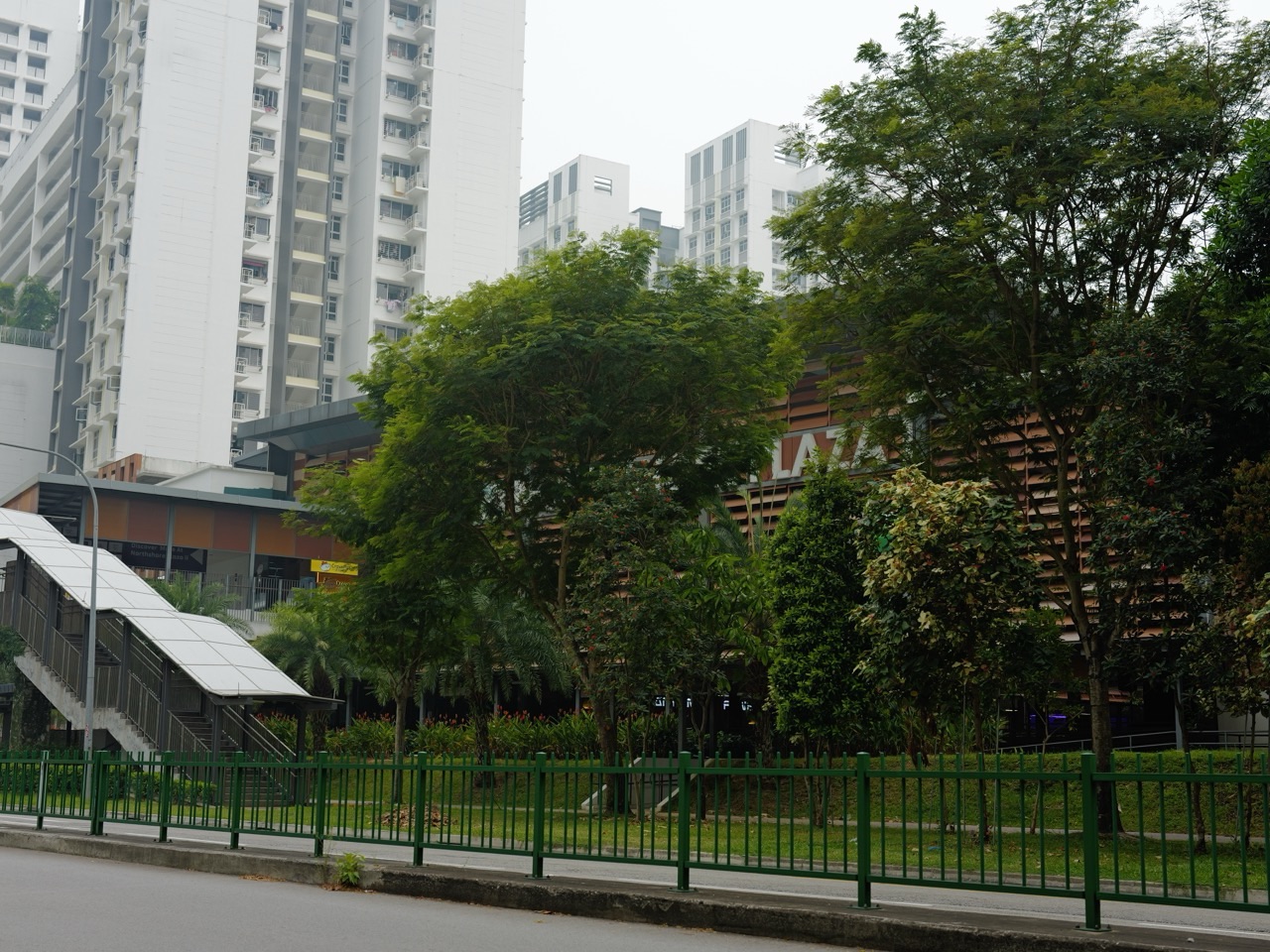
Coughing during the Punggol haze does not necessarily mean haze caused the cough. Smoke irritation, viral infections and asthma can overlap. Use official haze advice for exposure, infection guidance for social contact and healthcare assessment for concerning symptoms.

Quick answer: smoke irritation and infection can look similar
A cough during Punggol haze is not automatically caused by the haze. MOH’s current guidance says short-term exposure can irritate the eyes, nose and throat and may worsen chronic heart or lung conditions. Meanwhile, colds and influenza are infections that may also cause coughing, sore throats and fatigue. These conditions can occur on the same day. The appearance of a grey sky cannot diagnose the cause, and an otherwise normal air reading does not prove the person has no illness.
Start with the person, not the pollution number. Check whether they have difficulty breathing, chest pain, worsening symptoms or other concerning signs. Serious symptoms require prompt or emergency assessment. For a mild cough, reduce unnecessary smoke exposure, consider whether infectious symptoms are also present, follow health advice and seek a clinician’s assessment where indicated. Do not assume one trigger merely because that is the biggest headline of the week.
Why 2026 haze and influenza can overlap
In a public statement on 11 October 2026, Singapore’s Minister for Health said the haze episode was coinciding with Influenza A season and that both could contribute to rising respiratory presentations. That matters for families because a child can return from school with a cough during a smoky week and still have an infectious illness. A caregiver should not dismiss a possible infection by saying ‘everyone is coughing from the haze’.
The reverse is also true: having a cold does not make outdoor smoke exposure irrelevant. Someone already unwell might find their symptoms more uncomfortable during poorer air. The official 11 October MOH remarks provide the context, while the clinician remains responsible for identifying an individual illness.
Common cold symptoms and haze irritation are not a home diagnostic test
HealthHub explains that a common cold is a viral infection of the nose, airways and throat. Typical symptoms can include a runny or blocked nose, sore throat, cough and sometimes a mild fever. Haze irritation may cause scratchiness, watery eyes and throat discomfort, but symptoms overlap with infection and allergy. No single symptom reliably tells every family which cause applies.
A parent can usefully observe when symptoms began, whether there is fever, how the child behaves, whether other household members are unwell and whether symptoms improve after reducing exposure. These observations help a clinician, but they are not an invitation to self-diagnose influenza, asthma, COVID-19 or a bacterial infection from a short checklist. If symptoms persist, worsen or are unusual, obtain medical advice.
What if the cough starts immediately after a smoky outdoor walk?
A person who begins to cough or develops throat irritation soon after spending time outdoors may reasonably suspect an environmental trigger. MOH recognises temporary irritation from haze among otherwise healthy individuals. Moving to a suitable lower-exposure indoor space and avoiding additional strenuous outdoor activity are sensible exposure-reduction choices. The official one-hour PM2.5 can help explain the public air-quality context.
But timing alone does not prove that smoke is the only cause. A viral infection may already be developing, and a person with asthma can have multiple triggers. An individual can cough after a long walk because of several factors. Focus on symptoms, severity and the actual medical history. If there is wheezing, worsening breathlessness or chest pain, do not merely wait for a better PM2.5 reading.
Can fever tell you whether it is haze or an infection?
Fever is a sign that warrants considering infection or other medical causes rather than assuming the air has made someone hot. Common viral illnesses may cause fever, but not every respiratory infection causes a high temperature. A person can also experience irritation and infection together. Do not rely on ‘has fever’ or ‘no fever’ alone to diagnose the illness or decide whether they can safely attend school.
HealthHub’s fever guidance describes when children and adults should see a doctor, with especially cautious advice for very young infants and people who are pregnant or immunocompromised. A child under three months with temperature above 38°C requires prompt medical assessment. If the individual is severely unwell, confused, struggling to breathe or has other alarming symptoms, seek urgent care rather than making the appointment hinge on the haze forecast.
Asthma, wheezing and chest tightness need special attention
Haze particles can aggravate pre-existing asthma and other chronic lung diseases. Someone with an asthma action plan should keep prescribed medication accessible and follow their own clinician’s instructions. Avoid adding doses, borrowing another family member’s inhaler or changing medication based solely on a web article. A cough with wheeze or chest tightness may signal more than simple throat irritation.
For children, older residents and people with chronic respiratory conditions, MOH’s haze guidance recommends more protective outdoor decisions. If breathing difficulties persist or worsen, seek medical help promptly; severe difficulty breathing requires emergency assessment. A family should also inform the school or student care centre about relevant clinician-directed restrictions through the approved private channel, not broadcast the patient’s diagnosis in a neighbourhood chat.
When should you seek medical care rather than observe at home?
HealthHub’s common-cold guide advises seeing a doctor if a cold lasts more than about two weeks without improvement or worsens, or if the person develops concerning symptoms such as chest pain, shortness of breath, significant fever or blood in sputum. People with heart or lung disease, suppressed immunity and other risk factors need earlier attention. Individual symptoms matter more than whether the citywide PSI is currently falling.
If someone is struggling to breathe, has severe chest pain, a new altered state of consciousness or other life-threatening signs, seek emergency care without waiting for a routine GP appointment. For many non-emergency coughs and upper respiratory problems, a GP or polyclinic can assess the cause and appropriate treatment. MOH’s February 2026 guidance explains the role of GPs versus Emergency Departments.
Do not confuse cough medicines with the cause of cough
A cough is a symptom. HealthHub explains it can relate to viral infections, postnasal drip, asthma, gastro-oesophageal reflux and certain medications, among other conditions. Because the causes differ, over-the-counter preparations and antibiotics are not universally appropriate. Antibiotics do not treat an ordinary viral common cold, and taking another person’s medicine can introduce risks.
Seek advice from a pharmacist or clinician about products that suit the person’s age, conditions and other medicines. Be particularly careful with combinations that duplicate ingredients. If a prescribed medication might be contributing to cough, speak with the prescribing clinician rather than stopping it independently. No haze-related supplement or herbal drink is a substitute for evaluating serious or persistent symptoms.
Staying home can matter even if outdoor air improves
On 4 September 2026, MOH and the Communicable Diseases Agency reiterated that people with mild acute respiratory infection symptoms should stay home until symptoms resolve. If they must go out, they should minimise social interactions, wear a mask and avoid crowded places and medically vulnerable people. That infection-control advice has a different purpose from an N95 used for reducing haze particle exposure.
A child who is coughing because of an infectious illness should not be returned to tuition or student care simply because NEA now reports a Normal band. Similarly, a healthy child need not be labelled infectious merely because the family reports mild smoky-air irritation. Follow the actual institution’s illness policy and seek medical advice when the cause or fitness to attend is unclear.
N95 masks for haze versus masks for respiratory infections
A well-fitted respirator can help reduce inhalation of fine particles in certain circumstances, while a mask worn during respiratory infection may help reduce transmission to others. These purposes are related but not identical. MOH does not generally recommend N95 masks for brief school or work commutes and emphasises reducing outdoor exposure during high haze. For a symptomatic person who must go out, its respiratory infection guidance recommends masking and reducing contacts.
Do not assume every child can fit an adult N95 or that a mask makes prolonged outdoor sport appropriate during high PM2.5. Anyone with a relevant heart or lung condition should consider their clinical needs and ability to tolerate tight-fitting protection. Most importantly, masks do not turn severe symptoms into a situation that can be self-managed without medical care.
Punggol HDB indoor air and the cough question
Closing external windows when outdoor smoke worsens can help limit entry of fine particles. Appropriate portable air cleaning and avoiding additional indoor smoke sources may also help reduce exposure. But an air purifier does not diagnose cough, kill every respiratory virus or replace medical care for an ill resident. Nor should a family seal designed ventilation openings or ignore building safety systems.
A comfortable indoor room might still have other irritants or infection risks. Cooking smoke, fragrance aerosols and smoke from incense can add indoor particles; ordinary cleaning and hygiene help with separate household concerns. Read the Punggol indoor air guide for the distinction between outside infiltration and indoor particle sources.
Schools and student care: who needs to know?
A school may adjust outdoor PE, recess or CCAs under its haze plan while continuing lessons. A student with symptoms may separately need time away from school or medical review under its health policies. Do not confuse an exercise cancellation with permission for a child who is ill to attend classes. Conversely, a parent should not infer a government school closure from a coughing child’s symptoms.
Communicate useful information: how the child feels, whether a clinician has advised rest or restrictions, and whether any prescribed asthma medication plan is relevant. Use Parents Gateway or the school’s approved route for operational notices and private channels for health details. The Punggol student care haze guide discusses pickup, operator instructions and health handovers.
How to track a child’s symptoms without making them anxious
A simple family record can note the day symptoms began, whether there is a fever, cough pattern, breathlessness, appetite, sleep and any medicines already prescribed. Share this information with the healthcare professional when needed. Avoid making children look at the air-quality app every few minutes or asking them to rate every cough for social-media updates. Clear observations help; constant monitoring can make an ordinary afternoon needlessly stressful.
If the child is playful and comfortable, provide the usual supportive care appropriate to the illness and follow school attendance rules. If symptoms become more severe or unusual, reassess. The key distinction is between sensible vigilance and diagnosing a child from an air-quality screenshot. A cough’s meaning comes from the whole clinical picture.
Haze Subsidy Scheme 2026: which respiratory conditions can qualify?
MOH activated the Haze Subsidy Scheme from 12 October 2026. Qualifying conditions include allergic rhinitis, asthma, bronchitis, conjunctivitis, COPD, upper respiratory tract infection and their complications. At participating Public Health Preparedness Clinics, eligibility covers Singapore Citizens aged 18 and below or 65 and above and specified assistance-card holders; all Singapore Citizens are eligible at polyclinics for covered conditions.
Eligible Public Assistance cardholders pay nothing under the scheme, Pioneer and Merdeka Generation cardholders pay up to $5 and other eligible Singapore Citizens up to $10, subject to the actual scheme rules. A household member cannot claim entitlement merely because they say ‘haze cough’; a clinician assesses the illness. Check the MOH activation statement and Punggol-specific HSS guide. Do not delay urgent care while checking subsidies.
A worked example: cough after Punggol Waterway Park
Imagine two siblings take a brief family walk on a smoky afternoon. One develops mild scratchy-throat discomfort and feels better after returning indoors. The other has a cough, a runny nose and fever the following day. The family does not assume both have identical conditions: they follow current haze precautions for everyone, consider the possibility of an infectious illness in the second child and seek advice if symptoms or risk factors warrant it.
They inform school appropriately and avoid sending a sick child into a crowded after-school room simply because the haze has lifted. There is no home diagnosis of influenza from the fever alone, no antibiotics borrowed from the medicine cupboard and no demand for a local school to close based on family symptoms. This is an illustrative pathway, not an account of actual patients.
A worked example: an older adult with chronic lung disease
A Punggol senior with COPD notices more coughing and breathlessness during a haze episode. The family reviews the clinician-prescribed medicines and seeks assessment for worsening symptoms rather than assuming it is only transient smoke irritation. They limit unnecessary outdoor travel in line with current advice and plan a suitable journey to healthcare when needed. A sudden severe breathing problem is an emergency, not a normal price of living with haze.
The relative’s exposure can also be reduced by adjusting optional errands, using a suitable indoor environment and coordinating with caregivers. If a clinic is needed, the HSS eligibility and actual participating location can be checked. Neither a current PSI number nor an online guide should be used to change the person’s COPD prescription.
Frequently asked questions about coughing during haze
Can haze cause coughing? Yes, smoke-related irritation and worsening underlying lung disease can contribute. Does a fever prove influenza? No; various illnesses can cause fever. If symptoms start after an outdoor walk, is haze definitely responsible? Not necessarily. Can haze and a cold happen together? Yes. Is there an instant home test that diagnoses ‘haze cough’? No.
Should my child go to school while coughing? Follow infection guidance, the school’s illness rules and clinical advice. Do I need antibiotics? Not for a typical viral cold; a clinician decides based on the cause. What about asthma? Follow the prescribed action plan and seek help for worsening symptoms. Does the 2026 HSS cover every cough? No; eligibility and covered diagnoses apply. When is it urgent? Severe breathing difficulty, severe chest pain or other serious signs need immediate medical assessment.
Punggol can manage the haze without overlooking an infection
A city can have smoky air and a respiratory virus season at the same time. A careful family recognises both possibilities without panicking. Official NEA and MOH readings guide exposure decisions, infectious-disease advice guides behaviour around others, and a clinician evaluates illness when needed. None of those sources can replace the others.
The best response is practical: protect outdoor exposure, give a person with symptoms a chance to rest, avoid spreading illness, and seek medical care when the situation calls for it. A normal day in Punggol remains possible for many people, but nobody needs to pretend every cough is just the weather.
Related Punggol guides
Use Punggol’s official haze measurement explainer, Punggol haze health guide, red eyes and haze irritation, student care arrangements, and eduKateSG’s broader Punggol haze health guide.
Sources and editorial scope
Reviewed 17 October 2026. MOH: Haze 2026; HealthHub: Cough causes and clinical care; HealthHub: Common cold and warning signs; HealthHub: Fever guidance; MOH/CDA: September 2026 respiratory infection social responsibility; MOH: Haze Subsidy Scheme activation on 12 October 2026; MOH: GP versus Emergency Department. This is public education, not diagnosis or personalised treatment; examples are hypothetical.


