
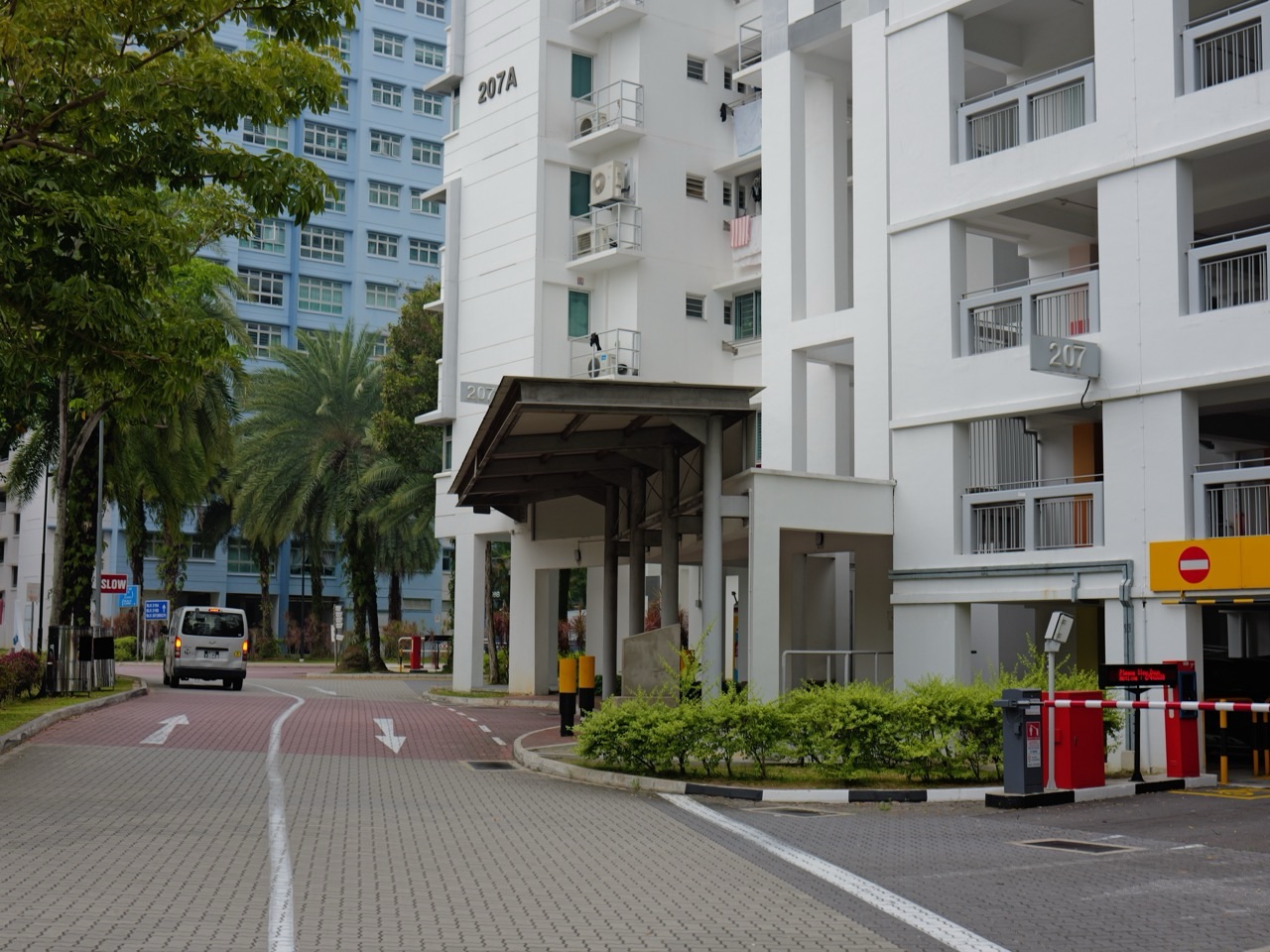
Regional haze and a household fire require different actions
A smoky smell in Punggol is not automatically transboundary haze. Regional haze can carry smoke from distant fires, while local electrical faults, cooking incidents or building fires may create an immediate danger. If you see a fire, flames, abnormal smoke emerging from a flat or other signs of an active emergency, prioritise getting people to safety and calling SCDF on 995 rather than debating the PSI or waiting for a neighbour to identify the source.
NEA’s air pollution FAQs explain that odour, visibility and fine-particle measurements need not agree. The public one-hour PM2.5 is useful for general haze decisions; it is not a fire detector for the kitchen or the corridor outside your home. If an individual situation appears dangerous, the immediate emergency takes priority over any regional air-quality reading.
Fire warning devices have a specific purpose
The Singapore Civil Defence Force’s Home Fire Alarm Device guidance explains that a home fire alarm device is designed to provide early warning when it detects smoke or heat, and recommends smoke detection for primary home protection. HFAD installation is mandatory for specified new residential premises and existing premises undergoing certain fire safety works with plans submitted on or after 1 June 2018, while other existing homes are strongly encouraged to adopt devices.
A normal regional PM2.5 band cannot demonstrate that a smoke alarm battery or detector is working, and a smoke alarm does not provide a certified outdoor haze concentration. Ask the appropriate installer about placement, required technical standards, maintenance and testing. Do not disable an alarm because haze news has made it inconvenient; an alarm warrants checking the real situation carefully and safely.
Why a hazy skyline is not a building fire detector
NEA measures and reports ambient regional pollution conditions, including the one-hour PM2.5 for immediate haze decisions. A building fire is a local safety emergency that can develop quickly and may occur when the official regional reading is Normal. If flames, an alarming increase in visible smoke, an activated home alarm or another credible sign suggests a real fire, assess immediate danger and follow SCDF emergency guidance. Do not wait for a PSI update to decide whether 995 is appropriate.
Odours can sometimes travel from cooking, incense, rubbish disposal or other local activity without indicating a fire in the next apartment. Equally, an acrid smell should not be dismissed simply because the rest of Punggol appears hazy. The correct response depends on what can be established safely from your position. Avoid forcing open a suspect door or entering smoke to identify its exact source.
When a fire is in your own flat
SCDF’s Civil Defence Emergency Handbook says that if a home fire cannot be extinguished without endangering anyone, occupants should evacuate immediately and call 995. Close the affected room’s door or main door behind you if that can be done safely to help contain the fire. Never risk lives to save belongings or complete a video recording. Small fires can develop faster than someone expects.
Residents should understand their escape route before an incident, including the nearest safe staircase and any obstacles or accessibility needs. Do not assume the lift will be a safe way down during a fire. If a person cannot escape, follow SCDF’s instructions for staying as protected as possible, calling for help and waiting for rescue rather than improvising a dangerous climb from a window.
A fire elsewhere in an HDB block is not always a whole-building evacuation
SCDF’s 2026 emergency advice differentiates a fire on your own floor or within two floors above from a fire farther away. People on the fire floor or within two floors above are advised to evacuate immediately if it is safe to do so, while occupants on other floors are generally safer remaining inside their units with windows and doors closed unless instructed otherwise by authorities. This is a fire-specific framework, not a fixed instruction to ignore smoke, alarms or directions from responders.
Actual conditions and the emergency crews’ directions take priority. Never tell the entire neighbourhood to rush down the staircase merely because somebody forwarded an unverified message. Similarly, do not stay put in a flat where fire or smoke is entering and evacuation is safe merely because the fire originated several floors away. Follow the situation and SCDF rather than applying a simplistic internet slogan.
What a Home Fire Alarm Device actually does
SCDF recommends smoke-detection home fire alarm devices because they provide an early audible warning of fire. Such devices are compulsory in certain new residential premises and existing premises undergoing specified fire safety works with plans submitted on or after 1 June 2018. In other existing homes, SCDF strongly encourages their use. The device’s sensor, power arrangement and technical standards have a different purpose from an air purifier’s consumer PM2.5 display.
A smoke alarm needs appropriate installation and maintenance and must not be treated as an outdoor haze monitor. A battery-powered alarm can continue to perform its detection role during a separate power outage if it is properly specified and maintained. Consult SCDF for the required number and positioning of detectors and the permitted product standards; a random online gadget should not be assumed compliant.
Corridors, lift lobbies and staircases must remain accessible
SCDF’s updated handbook describes HDB common-corridor fire hazards and the importance of keeping staircases, landings, hose-reel compartments and emergency exits clear. A family’s bicycle, delivery cartons or renovation materials can block access needed by neighbours and responders. During a regional haze episode people may be spending more time indoors, but that is no reason to accumulate furniture outside the unit.
A short practical check is to ensure the flat door operates, the route to a staircase is clear and family members know how to describe the location to 995. For residents using wheelchairs or other mobility aids, discuss a realistic emergency assistance plan with appropriate building management or professional support. Avoid advertising an improvised lift-evacuation procedure that conflicts with SCDF directions.
What to tell the 995 operator
Give the precise block, street, unit or floor when relevant, and describe what you can actually observe: fire, smoke coming from a particular location, trapped people or someone in medical distress. State your phone number and follow the emergency call-taker’s instructions. SCDF’s myResponder app includes a geolocation-assisted 995 calling function for supported situations, but it is not necessary to wait for an app download when urgent help is needed.
Do not falsely claim a neighbouring flat is burning because you saw a dramatic orange sunset. At the same time, do not hesitate to call for emergency help when an actual fire or serious danger is apparent. A factual account, the safest available location and compliance with the responder’s instructions are more useful than trying to assign blame to a source of smoke.
Cigarettes, incense, cooking smoke and haze are different issues
Punggol HDB corridors and homes may occasionally contain local odours from food preparation, burning incense, smoking or work activities. These sources can add particles and discomfort independently of regional transboundary haze. The appropriate response might be reducing indoor pollution, talking to building management or reporting a recurring environmental nuisance through official channels. That is different from declaring an active building fire.
When there are credible emergency signs, put safety first. Never generate extra smoke intentionally as a ‘test’ for a sensor or disable a fire alarm to avoid nuisance beeping. A well-maintained household should reduce avoidable indoor sources while retaining the devices and routes designed to protect people during a real fire.
What should a resident do about smoke in the corridor?
If visible smoke appears to be escaping from a nearby flat, rubbish chute or electrical installation, stay out of the smoke and assess whether a credible fire or other immediate danger is present. Call SCDF on 995 when a fire or emergency is suspected and follow the operator’s advice. Do not enter a neighbour’s home or dismantle electrical equipment to identify the source. A regional haze warning is not an explanation for a local plume.
Not every smell of cooking or incense indicates a fire, and persistent non-emergency odour concerns may follow ordinary building management or environmental feedback channels. It is important to distinguish the two situations without creating false alarms or delaying real emergency response. Describe what you can actually see and smell, where it is occurring and whether an alarm or other clear warning is present.
Smoke from a burning appliance is not solved by an air purifier
An overheated electrical device, faulty charging cable or burning household item can create a hazard that requires removing people from danger and appropriate emergency action. A portable air cleaner may reduce some particles in ordinary use, but it cannot extinguish a fire, ensure oxygen, prevent a battery from escalating or certify a smoke-filled room safe. Do not continue using a smouldering appliance because a consumer PM2.5 display appears normal.
SCDF advises particular care with charging and storage of personal mobility devices and rechargeable batteries. Follow manufacturer charging instructions, keep escape routes clear and avoid unsafe modifications. Household fire prevention is separate from regional haze control; a cleaner-air room is not a substitute for functioning fire detection and safe electrical practices.
The difference between a smoke alarm and a PM2.5 monitor
A Home Fire Alarm Device is intended to alert occupants to a possible fire, while an inexpensive particle sensor may estimate the concentration of fine particles in the air. They are different kinds of instruments with different requirements. SCDF publishes specific technical standards and installation guidance for home fire alarm devices. A low reading on a purifier or air monitor cannot establish that the fire alarm is working.
Homeowners should know where the detector is, how to test it under the manufacturer and SCDF guidance, and how to recognise maintenance or low-battery indications. Do not disable a warning device casually. If a device sounds, respond to the real situation safely. The mere presence of outdoor haze does not justify ignoring an indoor fire alarm.
Family evacuation planning without frightening children
Choose a calm time to explain where the normal staircases are and how the family contacts emergency responders. Young children need to know which adult to follow and that they must never run back for possessions. People who use wheelchairs or have limited mobility may require a plan developed with building management or appropriate emergency expertise. The plan should reflect the actual flat and building, not a generic internet map.
A family practice can be simple: identify the address and floor, locate the relevant exit information and check that no boxes or bicycles block the way. Avoid simulating smoke or setting off building alarms as a do-it-yourself drill. Real emergency evacuation depends on the location of the fire and SCDF instructions, so a rehearsed family role is useful but cannot replace emergency directions.
What if somebody cannot leave the apartment safely?
SCDF’s emergency handbook gives specific advice for people unable to escape because of fire and smoke, including staying away from the fire, closing doors where safe, calling 995, communicating their precise location and following rescue instructions. It also warns people not to jump from a building. A person who is trapped should not attempt a dangerous improvised balcony descent or use an ordinary lift as an assumed evacuation route.
If the actual emergency is in progress, call the emergency service and follow real-time instructions rather than attempting to work through a lengthy online decision tree. Where an occupant has a disability or cannot use stairs, preparation with qualified help before an incident matters. No static article can know which route is safe during a particular fire.
A Punggol family is seeing an orange sunset and smells burning
Consider a household at Punggol Waterway that notices an orange sunset and a faint odour. There are no alarms and no visible local smoke plume. The family checks NEA’s regional information and keeps appropriate indoor air precautions, while remaining observant. Later, if an electrical socket starts to emit visible smoke or a home fire alarm activates, they no longer treat it as the same regional haze situation; they protect occupants and contact emergency services as appropriate.
This is a teaching example, not a report of an actual incident. It illustrates why a skyline photograph and a local emergency are not interchangeable. Sensible preparedness includes working alarms and knowledge of who to call, while avoiding unnecessary suspicion about every neighbour’s cooking. Facts and safety must guide each separate decision.
Fire hazards at common areas and moving day clutter
SCDF’s 2026 handbook instructs residents to keep staircases and landings clear and maintain the specified common-corridor escape passage. Cardboard, shoe racks, batteries and large furniture should not obstruct protected escape routes or access to firefighting equipment. A moving household should remove cartons promptly and speak to the responsible management if bulky items need a planned route.
Do not assume the town council or neighbour will clear the obstruction before an emergency. The safest routine is ordinary daily maintenance rather than frantic preparation after an alarm. Keeping Punggol common areas open protects elderly neighbours, families with prams and emergency crews regardless of whether today’s haze is mild or severe.
Regional haze advice must not override fire evacuation
Closing doors and windows can help reduce regional smoke infiltration during an ordinary haze episode. A real fire may instead require urgent evacuation, leaving the affected area or protecting someone who is trapped, depending on SCDF’s current instructions and the actual location of the fire. Do not blindly apply the household haze rule of ‘stay indoors’ to an apartment filling with dangerous fire smoke.
SCDF’s emergency handbook explains what to do when a fire breaks out in your own home and differentiates some higher-floor situations from a fire occurring elsewhere in a residential block. Actual emergency crews’ directions take priority. A static article cannot decide from afar whether a stairwell in a particular building is safe during a specific incident. Follow emergency responders rather than a forwarded neighbourhood chart.
Families with limited mobility need a realistic plan
A person using a wheelchair, walker or other mobility aid may need extra preparation for a building fire. Families should consider how to alert emergency services, provide their exact location, describe the person’s support needs and follow the building’s and SCDF’s applicable instructions. Avoid a plan that assumes an ordinary passenger lift will continue operating as normal during a fire.
The family can review potential obstacles with responsible building management or other competent professionals before an emergency. Keep routes clear and practice recognising genuine alarms in a calm, age-appropriate way. A caregiver should not be expected to carry an adult down many floors without a professionally assessed procedure. Accessibility and emergency safety are closely connected, and improvisation can add danger.
A child’s school or tuition fire drill is not a haze closure
School fire drills, institutional haze arrangements and building alarm procedures serve different purposes. A school’s notice about moving PE indoors during haze does not establish that an evacuation alarm is false. Similarly, a fire drill occurring on a day with poor PM2.5 does not mean children should ignore the school’s evacuation instructions. Follow the institution’s actual emergency procedure, including the adults assigned to supervise the students.
Parents can explain the difference gently: smoke from far away changes optional outdoor activities, while a school alarm tells people to follow a safety procedure. Children should not be frightened by dramatic stories about poisonous sunsets. Clear, predictable language and respect for trained staff are more useful. Share individual mobility or medical needs privately with the school where relevant.
What to do about repeated suspicious odours without visible fire
If an HDB corridor occasionally smells of smoke but there is no sign of an emergency, a resident can note the time, general location and any identifiable activity observed from a safe place. Cooking, incense, cigarette smoke and regional haze can overlap, and an odour alone may not establish the source. Report persistent non-emergency nuisance through the appropriate building manager, OneService or environmental feedback route when warranted.
Do not accuse a neighbour of setting a fire because of an unverified smell. Equally, do not dismiss active smoke emerging from a room, a triggered alarm or credible indications of danger. When emergency evidence is present, call 995 and follow instructions. The basic distinction is source observation and severity, not whether the NEA regional PM2.5 happens to be normal.
Worked example: a hazy sunset and a smoke detector
Consider a Punggol family watching an orange evening skyline. The regional haze data suggest an ordinary transboundary pollution episode, so they follow appropriate indoor air precautions. Later their home fire alarm sounds, and they notice smoke around a small electrical device. They do not assume the detector is reacting to the distant haze and continue cooking as usual. Instead they protect occupants, leave danger as appropriate and contact SCDF if an emergency is suspected.
This is a fictional scenario intended to teach the distinction. A real smoke detector can have nuisance alarms, but a resident should not silence or disable it without checking the actual conditions safely. A PM2.5 reading on a portable purifier is not a substitute for a functioning home fire alarm or SCDF fire-safety advice.
Punggol haze versus home fire: common questions
Can a smoky smell during haze indicate a local fire? Yes, local emergencies can occur independently of regional pollution. Should I call 995 for a genuine fire? Yes, follow SCDF emergency instructions. Does a low one-hour PM2.5 band rule out a nearby fire? No. Is a consumer air purifier the same as a smoke alarm? No; each has a different function.
Should every flat evacuate whenever another floor has a fire? Follow SCDF’s actual location-based advice and emergency directions, not a simplistic blanket rule. Can common corridors hold spare furniture? Keep escape routes and firefighting access clear. Is a home smoke detector compulsory everywhere? SCDF sets requirements for specified new or altered premises and encourages installation elsewhere.
More Punggol haze and local safety guides
Haze versus construction dust and local smoke · Cooking, incense, candles and indoor particles · Power outage and family backup · Haze health and serious symptoms · NEA one-hour PM2.5 and forecast PSI · Punggol haze master article index
Official fire-safety sources and editorial limits
SCDF: 2026 Civil Defence Emergency Handbook · SCDF: Home Fire Alarm Device · SCDF: myResponder and 995 location support · NEA: Regional haze and household advice · SCDF Fire Code: Home fire alarm devices
Reviewed 18 October 2026. This is public education and is not a substitute for SCDF emergency instructions, a building-specific evacuation plan or expert fire-safety assessment. If there is immediate danger, seek emergency help. All scenarios are hypothetical.


