
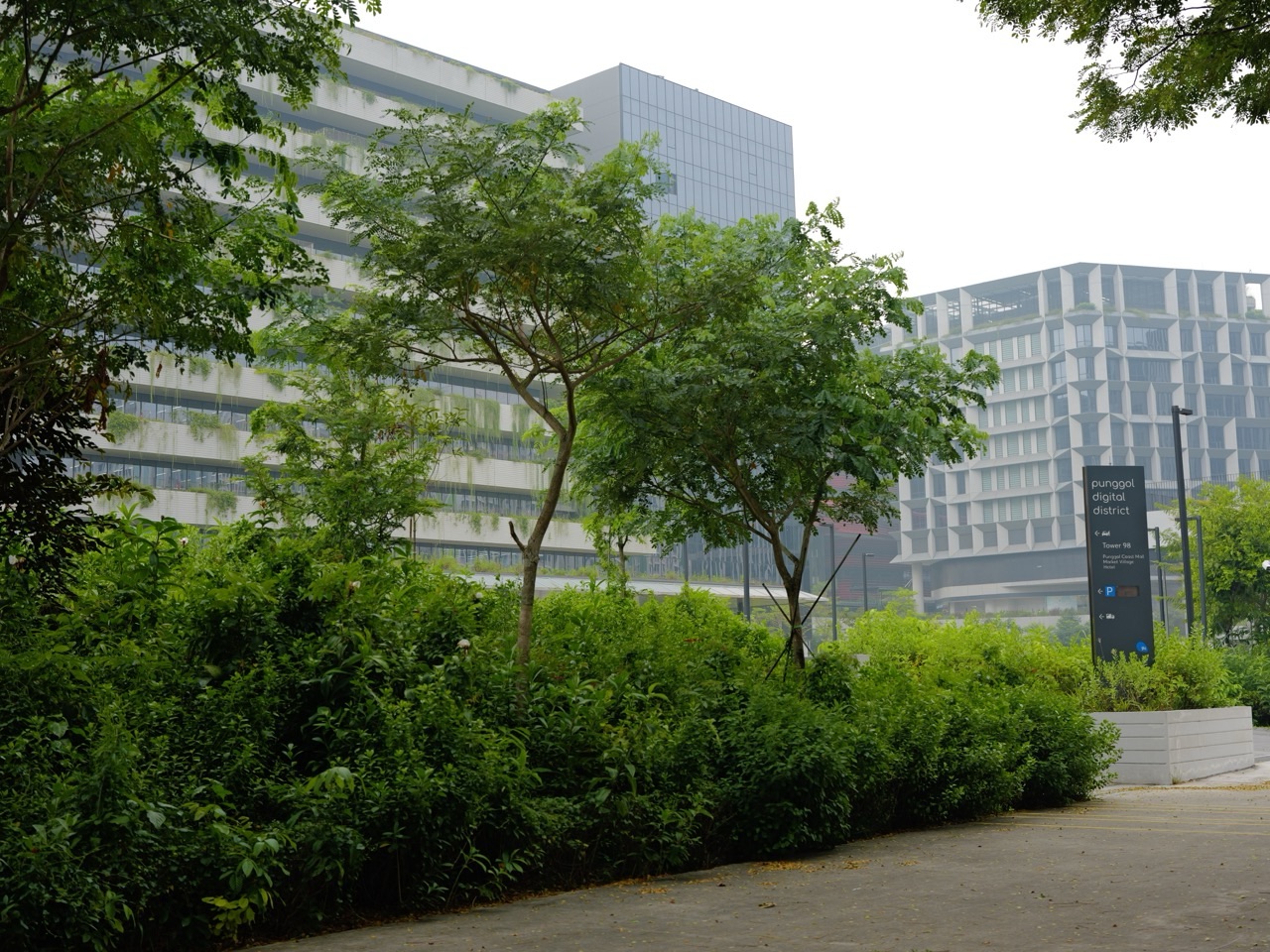
Want to do something personal in Punggol without buying an attraction ticket? Write a postcard to a friend or relative who has agreed to receive it. Choose an image of a Punggol place from your own photograph or drawing, add a short, dated message about an everyday experience, check the recipient’s correct postal address privately, and send it through Singapore Post. A card can show Punggol Waterway Park, your own illustration of an LRT station, or simply a piece of original art. You do not have to visit the location on the same day to write about a remembered moment.
Making and exchanging Punggol postcards can connect families, school-age children, old friends and new residents through a simple physical note. The value comes from saying something thoughtful and specific rather than producing a perfect tourist photograph. It also introduces practical decisions: what may be photographed or reproduced, how an address and postal code work, the difference between domestic and international rates, and how to preserve privacy when children participate. This is different from the site’s Punggol photo diary and family time capsule because the postcard is designed to reach a willing recipient now, not stay inside a family archive.
2026 postal update: SingPost’s current domestic Basic Mail schedule lists S$0.62 for a Standard Regular letter/postcard category, subject to dimensions and conditions. On 8 October 2026, SingPost also began a Digital Stamp trial for domestic mail, including postcards, with an introductory set of five Regular Digital Stamps for S$1 for eligible app users, limited to one promotional set per denomination per account and valid through 6 April 2027. Those are not international postage rates or a general promise that every card qualifies. Always use SingPost’s current rate calculator and mailing conditions for the exact size and destination.
18 October 2026 air-quality note: NEA’s 17 October advisory forecasts PSI 150–220, unhealthy to very unhealthy, for 18 October. You can make the card indoors, use an existing photograph or draw from memory, and send it when travel and health conditions are suitable. Do not ask a child to make an exposed Waterway trip merely to collect a fresh picture or locate a posting box today.
Punggol postcard exchange: start in one minute
| Step | What to do | Why it matters | Important limit |
|---|---|---|---|
| 1. Choose one recipient | Ask a known friend or relative if they would welcome a card | Respectful communication | Do not request strangers’ addresses |
| 2. Choose an image | Use your own public-space photo or original drawing | Personal Punggol connection | Copyright, privacy and site rules |
| 3. Write briefly | One greeting, one detail, one good wish | Readable original message | No sensitive personal information |
| 4. Check address | Confirm recipient’s proper name, address and postal code privately | Avoid misdelivery | Do not post address on social media |
| 5. Check format and rate | Use SingPost basic mail/digital stamp rules | Correct postage | Domestic differs from overseas |
| 6. Send properly | Use a legitimate current posting point | Mail has a clear onward route | Observe cutoffs; no tracking promised |
| 7. Keep an optional copy | Photo of your own card before mailing if appropriate | Private family memory | Protect address details |
Five chapters at the Clementi minimum standard
- Chapter 1 — Why a postcard is a worthwhile Punggol activity
- Chapter 2 — Current SingPost rates and the October 2026 Digital Stamp
- Chapter 3 — Four complete postcard projects and worked messages
- Chapter 4 — Design, privacy, mistakes and a sending checklist
- Chapter 5 — FAQs, site links and official postal sources
Chapter 1. The purpose and pleasure of a Punggol postcard
Start with the person, not the picture
Travel postcards sometimes place the destination at the centre and leave the message as an afterthought. A personal card works better when the writer knows who they are contacting. A cousin might appreciate a quick note about a book you both enjoy; a grandparent may like a drawing and a warm greeting; a former Punggol neighbour may enjoy a true memory of a public place you visited together.
Ask the recipient whether a physical card is welcome and use contact details shared for that purpose. There is no need to surprise a stranger or compile a public address list. A postcard is a social gesture, not a data-collection project.
One truthful local detail is better than tourist exaggeration
Punggol Waterway, the Regional Library and Punggol Digital District each offer visual stories. But a card does not need to claim that every park is open or that the sender walked the whole heritage trail. It can say ‘We remember a nice afternoon near the Waterway’ if that is true, even when the family is writing indoors several weeks later.
Distinguish past visits from current activity. A photo taken in 2025 should not be captioned ‘today in October 2026’. A remembered event can be described honestly without making unsupported claims about today’s conditions.
A handwritten card can be meaningful without formal prose
Some children are nervous about writing a perfect composition. A postcard is a chance to communicate with real purpose in just a few sentences. A greeting, an observation, one kind question and a sign-off are enough. A child may also make a drawing while an adult writes the address or transcribes dictated words.
Do not turn the card into compulsory writing tuition or correct every spelling mistake while somebody is trying to express affection. Safety-critical address details must be accurate; the personal message can remain warm and natural.
A postcard exposes more information than a sealed letter
Many cards are mailed without an envelope, so the written message and recipient’s mailing address can be visible during handling. This is normal for postcards but a poor place for passwords, school ID numbers, medical details, private family disputes or other secrets. Children should learn the difference between an open card and a sealed private communication.
Write only non-sensitive content on an exposed card. If something must remain confidential, use a more appropriate communication method. Avoid posting photographs of the address side of a card online, even after it has been delivered.
A creative picture should respect its original creator
A personal photograph from a permitted public location is a useful choice, while a child can draw a bridge or building from memory. Copying somebody else’s photograph, cartoon character or entire mural from a website raises permission and copyright questions, particularly if cards are reproduced or sold. Public display of art does not automatically mean all reproductions are free to distribute.
Use original drawings and owned photos where possible, and credit artists when discussing inspiration. The Punggol public art guide explains the documented Our Punggol Story mural and why creator attribution matters.
Posting a card and merely delivering it by hand are different
A family may simply hand a note to a neighbour with consent. That is a local exchange and does not require postage. When the goal is to mail a card through SingPost, proper packaging, correct addressing and valid postage become part of the activity. The choice depends on the relationship, not on proving that physical mail is superior to every digital message.
Decide whether the recipient genuinely wants a mailed card and whether the cost fits. For someone abroad, use the actual international postcard or letter tariff rather than a domestic rate. For hand delivery, do not go into private residential areas without permission.
Age-appropriate involvement can be simple
A preschooler may choose colours and dictate a sentence while a caregiver addresses the card. A Primary pupil can write a greeting and practise the difference between a general place name and a postal address. A teenager can design original artwork and calculate the postage. The adult remains responsible for privacy, money and postal correctness when needed.
Children should never be sent alone to share a relative’s address with strangers or post private details publicly. A family can finish the whole creative part at home and defer the actual posting trip.
A physical postcard creates a different kind of memory
Unlike a transient message on a phone, a paper card can be displayed, saved in a drawer or reread after many years. That does not make it automatically more meaningful than a digital message, and physical cards can also be lost or damaged. The value rests in the choice to send a particular person something carefully written.
A sender who wants a keepsake can make a private photograph of the image side and redact addresses before sharing. There is no requirement to post the card on social media as proof of having sent it.
A card can encourage Punggol curiosity without a forced outing
A child may draw the Waterway or a train based on a previous observation. The card can become a discussion about where the town is, how letters travel and why postal codes matter. But the activity remains a small hobby that can be completed with paper, a pen and an authorised way to mail.
During haze, choose the indoor version; do not make public transport travel or outdoor photography a compulsory part. A card drawn from memory is a valid creative object.
The best card is short enough to finish
It is easy to make a project too ambitious: perfect illustration, professional printing, multiple recipients and elaborate matching envelopes. A single home-made postcard with one short authentic message is a complete result. If the household enjoys it, repeat monthly or annually; if not, the one card still has value.
Keep the first session to 20–30 minutes and let the recipient response happen naturally. Do not expect a thank-you message or mailed return in exchange for sending a friendly note.
Chapter 2. Domestic postage in October 2026, including the new Digital Stamp
What SingPost currently says: its Delivery Rates page identifies letters, postcards and other card-form paper mail as Basic Mail, with Standard Regular size up to 240 × 162 × 6 mm and 500 g in the Singapore domestic category priced at S$0.62. Standard Large is listed at S$0.90 with different maximum dimensions. Postal classification depends on size, thickness and the applicable service, so a heavy handmade card with attachments may not qualify as ordinary Regular Basic Mail.
New in October 2026: SingPost launched a public trial of Digital Stamps on 8 October 2026. The service lets app users purchase a postage code and write it where a physical stamp would ordinarily go. For the trial, one eligible promotional set of five Standard Regular Digital Stamps costs S$1, limited to one promotional set of each denomination per account, with those promotional codes valid until 6 April 2027. SingPost’s guidance separately lists the regular individual digital-stamp price at S$0.62 for Standard Regular. These pilot rates and rules can change, so verify the app and official page at the time of posting.
Ordinary physical postage versus digital code
A sender can use a valid traditional stamp according to SingPost’s current service rules or, where eligible, the new digital-stamp process. The Digital Stamp trial is for domestic Basic Mail and does not convert a local rate into an international postage entitlement. The person posting must use one valid code per qualifying item in the appropriate position and follow the current instructions.
Digital-stamp codes should not be photographed, published or shared in a way that allows unauthorised use. Buy from SingPost’s legitimate app or channel and follow its terms. A custom drawing of a ‘stamp’ is not automatically valid postage.
The S$1 five-stamp promotion has limits
SingPost’s October announcement describes a special trial price of S$1 for a set of five Regular Digital Stamps instead of the standard S$3.10 for five. It also notes a Standard Large promotional set at S$1.50, with one set per denomination per account at the promotional rate. The codes have an expiry tied to 6 April 2027, unlike ordinary digital stamps that have another validity period.
It would be misleading to say postage always costs 20 cents per card. That figure applies to an eligible limited promotional set under current conditions; the base Regular domestic rate is S$0.62. Read the official promotion before buying, and do not turn an informative article into a discount guarantee.
Addressing and postal code need a real verification
A card with beautiful artwork but an incomplete destination may be undeliverable. In Singapore, an address typically needs the intended recipient and a sufficiently specific postal destination, including the six-digit postal code. A private postal address is sensitive information in the social context even when it is necessary for mail delivery.
Ask the recipient directly and confirm the spelling, unit and postal code privately. Do not borrow an old address from social media, and never post a completed address side online. Children can practise with clearly fictional address examples rather than using a real stranger’s details.
Posting locations and collection windows matter
SingPost allows Basic Mail to be sent via authorised post offices, postal agents and posting boxes. Its SingPost@MyBlock programme is being introduced in phases and provides particular residential letterbox posting options only where actually available. A family should not assume every letterbox nest has the same new drop-off slot or collection arrangement.
Check SingPost’s current location and hours information before travelling, especially for an evening or public holiday. Do not force a large handmade card into a slot or treat an unauthorised residential mail area as public access.
Domestic and overseas postcards are not the same tariff
The S$0.62 rate belongs to the Standard Regular domestic Basic Mail category. Mailing to Malaysia, Europe or another country uses the destination-specific international schedule, card dimensions and rules. SingPost’s international section has its own postcode, zone and mailing guidance.
Use SingPost’s current rate calculator and international mail instructions for overseas posting. Do not calculate foreign postage by multiplying a domestic price or assuming the October digital-stamp trial is valid outside Singapore.
Ordinary Basic Mail may be untracked
SingPost’s Basic Mail product states that regular letters/postcards are generally an untracked service. Estimated delivery time is not a guarantee that a particular card has reached the recipient or that a public holiday cannot affect delivery. For a valuable or important document, a more appropriate service may be needed.
A friendly postcard is not a suitable way to send irreplaceable documents, confidential information or time-critical instructions. Confirm the recipient’s expectations and avoid declaring success merely because the card has been deposited in a box.
The post office is a service venue, not an unrestricted field trip
A family can learn about how mail is addressed and sorted without touring staff-only areas or delaying a postal queue. If a child wants to post a card, use a real authorised service point and respect customers and staff. The entire educational part may be done at home first.
Do not film staff or other people’s mail, interrupt operations or treat an unfamiliar private postal compartment as a place to leave cards. Follow current SingPost instructions for the mailing method selected.
Good paper and size are practical, not decorative, decisions
Handmade postcards can be enjoyable, but oversized paper, raised decorations, loose objects, thick card or delicate materials may make an item non-standard or unsuitable for basic postal processing. The dimensions and mailing conditions exist to help machines and employees handle mail safely.
Before printing or cutting many cards, test the proposed size against SingPost’s present Basic Mail specifications. Use secure appropriate packaging when required, and do not assert that every handmade shape qualifies for the lowest price.
Chapter 3. Four complete Punggol postcard projects and messages
The Waterway memory card for a willing relative
Choose a permitted photograph you took during a previous visit to Punggol Waterway or draw a simplified bridge and landscaped water edge. On the back, write a warm note about a genuine memory without claiming the image shows current conditions. Ask the recipient for the correct mailing address and confirm domestic versus overseas postage.
Example message: ‘We remembered the afternoon we walked near the Waterway and talked over dinner. This little drawing made me think of you. Hope we can catch up again soon.’ The example is original and can be edited to match your actual experience. A reader should not copy it while implying a visit that never happened.
A child-drawn ‘Hello from Punggol’ card
Give a child suitable paper and invite a drawing of a familiar public place, library shelf, LRT train or one local flower. An adult can help write the greeting or encourage the child to dictate one sentence. The message may be very short; its appeal comes from the child’s own choice, not a perfect perspective drawing.
Example message: ‘Hello! I drew the train that takes us around Punggol. I hope you like my picture. See you soon!’ The child should not be asked to include school timetable, home address or other information unnecessarily. The adult handles address and posting accuracy.
A friend-to-friend book recommendation postcard
Two friends may agree to send short postcards recommending one book each, possibly after a reading day at Punggol Regional Library or the Comics & Games pop-up. The card can carry a personal reading reaction, a title and creator credit. It should not reproduce a substantial passage from a copyrighted book or expose the friend’s private address on social media.
Example message: ‘I found a graphic novel that made me laugh because the illustrations tell part of the joke. Have you read anything fun lately? I’ll tell you more when we next meet.’ This is a recommendation, not a claim about NLB’s current stock or an invitation to pirate the title.
An older relative’s optional history postcard
A willing grandparent or older family friend can choose a safe non-sensitive memory to share, perhaps about a meal or a place in Singapore they enjoyed. The sender may write it in their preferred language or dictate a note to someone they trust. The family can separately look up documented Punggol heritage where context is useful.
Example message: ‘A familiar meal reminded me of the stories we used to share at the table. I wanted to send you a few lines rather than another phone message.’ Nobody should be pressured to recount a painful memory or claim personal experience of old Punggol when they did not live there.
An art-inspired postcard without copying the mural
Punggol Digital District’s public mural Our Punggol Story may inspire a visitor to think about how a place changes. A family can draw its own symbol of neighbourhood life, such as a bridge, book, tree and train, arranged into an original composition. This is more appropriate than copying an entire copyrighted artwork without permission.
Example message: ‘These four symbols are what Punggol feels like to me this year: water, homes, transport and community. What symbols would you choose for your neighbourhood?’ A future reader can enjoy the question without a dated list of current shop openings.
A private ‘future delivery’ note with a real recipient
A household might agree to exchange cards at the end of a month or on a birthday, writing something they appreciated about each other. The note can be handed over privately rather than mailed if both parties prefer that. Postal charges are irrelevant to hand delivery, though permission and privacy still matter.
Avoid surprising someone by sending to an address they did not agree to share. A small physical note can be meaningful without an elaborate anniversary schedule or public performance.
A rainy-day card from an old photograph
When haze or a thunderstorm makes outdoor photography unsuitable, choose an existing properly dated family photograph of a public Punggol scene, or draw from memory. Write the date it was taken if known and the date of the card separately. The activity can take place entirely at home.
Example message: ‘This is a sketch of a Punggol afternoon we enjoyed earlier this year. We are staying indoors today, but it was nice to revisit the memory.’ This distinguishes a previous visit from a live current photograph.
A mini postcard circle among consenting neighbours
Two to four neighbours who know each other may agree to exchange friendly messages about their favourite local books or public places. The cards can be hand-delivered by arrangement or mailed with valid postage. The small group should not publish a directory of participants or treat neighbours who opt out as unfriendly.
The organiser can ask everyone to keep addresses private and avoid unnecessary collection of identity details. A voluntary exchange of a few kind words is enough; it does not need to become a formal residents’ programme.
An original worked postage budget for domestic Regular cards
At SingPost’s currently listed S$0.62 Standard Regular domestic rate, mailing four qualifying postcards with ordinary standard postage would cost S$2.48 (4 × S$0.62), excluding materials and any other service fees. That is a straightforward illustrative calculation using the official rate, not a promise that every handcrafted card meets the dimensions.
A qualifying user purchasing SingPost’s one promotional five-pack of Standard Regular Digital Stamps for S$1 during the published trial would pay S$1 for five eligible domestic pieces under the promotion’s terms, or an arithmetic average of S$0.20 each. This does not replace the S$0.62 base rate for ordinary additional stamps. Check the app, account limit, expiry, item eligibility and actual current promotion before relying on the lower amount.
| Illustrative option | Calculation | Important condition |
|---|---|---|
| 4 Regular domestic postcards at base rate | 4 × S$0.62 = S$2.48 | Each must qualify as Regular Basic Mail |
| 1 promotional pack of 5 Regular Digital Stamps | S$1.00 total | One eligible promotional set/account and expiry conditions |
| 5 Regular domestic stamps at standard unit price | 5 × S$0.62 = S$3.10 | Current listed unit price; promotion is separate |
| Any overseas card | Not calculated here | Use destination-specific international rate |
Chapter 4. Make the card readable and protect people’s privacy
Use the recipient’s exact postal information, not a public guess
A correctly addressed envelope or postcard is more likely to be delivered than an incomplete one. A six-digit Singapore postal code narrows the destination but does not replace building, unit and recipient details when needed. A common error is reusing somebody’s old address after they moved or writing a nickname no one at the destination recognises.
Confirm the recipient’s preferred mailing name and full address privately, then keep that information off any public social post. For a children’s activity, adults should handle actual addresses rather than asking the child to search them online.
Keep the writing legible and leave room for postage
A tiny handwritten message squeezed around images may be difficult to read, while a Digital Stamp code needs to be written in SingPost’s designated position using a suitable pen. The appropriate address and service markings should remain clear. Decoration that interferes with handling or sorting can make an otherwise charming card problematic.
Plan the postcard layout before filling every corner. If using the 2026 Digital Stamp pilot, follow SingPost’s app and writing instructions exactly. A made-up stamp design is a craft, not valid postal payment.
Avoid sending sensitive information on an open card
A postcard can be seen during handling. People should not write banking credentials, passwords, identification numbers, medical information, detailed travel itineraries or private family issues on the exposed surface. The message should be something the recipient would not mind another handler seeing in the ordinary course of delivery.
If the material is confidential, choose an appropriate more private channel or sealed letter, subject to service rules. A child’s address, school and regular route should not be unnecessarily disclosed even in a friendly note.
Ask permission before using other people’s faces
A photo of a Punggol public place may include strangers or relatives. A family should check whether the people featured are comfortable being reproduced and mailed. A photo of a minor, staff member or person in a sensitive situation should not be used casually simply because it was captured in a public space.
A clean landscape, original drawing or photograph of an object can avoid many consent questions. Do not publish the card’s front and address side together on an open public profile.
Respect artists, authors and rights
A postcard may feature a copied film image, popular cartoon, commercial photograph or public mural. Using somebody else’s work beyond permitted rights can raise copyright issues. The simpler creative route is to use an image you made, create original shapes inspired by the neighbourhood or use material explicitly cleared for your purpose.
Where a work is discussed, give proper attribution; where reproduction rights are needed, obtain them. A publicly visible mural is not automatically an unlimited commercial design library.
Make sure the physical card can be mailed as intended
A thick collage, handmade envelope or attached decoration can affect size, rigidity and classification. SingPost’s Standard Regular dimensions and thickness limits matter. Before producing a batch of ten, verify that your chosen card type fits a legitimate mailing product and can pass safely through the intended service.
Do not use loose items, protruding clips or overly thick decorations without checking acceptance. If the mail piece is outside Regular Basic Mail specifications, use the appropriate service and rate rather than underpaying postage.
Do not confuse mailing with confirmed delivery
SingPost Basic Mail is generally untracked. A card placed in a valid posting box can still be affected by handling, cutoffs or delays. A sender should not tell the recipient a particular delivery time is guaranteed merely because the standard service aims for timely delivery.
For important communications, use a service appropriate to the need. For a friendly postcard, leave room for it to arrive naturally and avoid pressuring a response. The purpose is kindness, not an enforced reply.
Respect the household’s budget and interest
An enthusiastic adult may want to purchase expensive printer paper, ink, novelty stamps and decorative supplies. A child may be equally happy with a simple drawing on appropriate card stock. The recipient often values a warm message more than a costly production. There is no obligation to post to twenty people.
Begin with one card and check actual postage. Repeat only if the family enjoys the process. A no-shopping version can use materials already available, though it must still meet postal requirements if mailed.
Do not leave personal mail in an unauthorised place
SingPost’s SingPost@MyBlock initiative is being phased across residential letterbox nests, with eligible posting slots and restrictions. That does not mean any apartment mail compartment or lobby counter is a public posting point. Similarly, a stamp purchased electronically has to be used through the designated procedure.
Use an official posting box, post office or authorised participating MyBlock arrangement, following current instructions. If unsure, check the SingPost locator. A parent’s convenience does not justify entering restricted common property.
A card’s written message is the part most worth keeping
Readers often remember the person who wrote rather than the price of the paper. A brief note about a shared book, family meal or familiar place can be touching for years. The writer should keep the tone natural and not overproduce it for search-engine keywords or social-media performance.
Use conversational sentences that sound like you. There is no need to fill every blank space or attach an elaborate story. A child can write one honest sentence and sign it; that is a complete postcard.
Writing to minors needs adult boundaries
A postcard exchange between children may be a school or family activity, but the adults must control address sharing, mail handling and appropriate contact arrangements. Do not create an unmoderated exchange where unknown adults collect children’s names and home details under the guise of a friendly Punggol project.
Keep the exchange among known consenting families or within an authorised supervised programme. A public call for children’s postal addresses is not appropriate. A class can practise addressing with fictional details instead.
An overseas recipient changes the logistics
A friend abroad may welcome a Punggol postcard, but the destination’s correct address format, international tariff, size restrictions and handling conditions differ. The domestic Digital Stamp pilot is not an overseas postage service. Sending the wrong rate can cause delay or return.
Use SingPost’s destination-specific international rate calculator and guidelines. Do not rely on another person’s experience from an earlier year as the current rate or delivery estimate.
Chapter 5. Punggol postcard FAQs, internal links and primary sources
How do I send a postcard from Punggol?
Prepare a suitable qualifying mail piece, obtain the recipient’s correct address privately, apply valid postage and use an authorised SingPost posting location.
How much is Standard Regular domestic mail in October 2026?
SingPost currently lists S$0.62 for a qualifying Standard Regular Basic Mail item, subject to size and mailing conditions.
Can postcards use Basic Mail?
Yes. SingPost includes letters and postcards in its Basic Mail descriptions, subject to relevant specifications.
What is the Digital Stamp trial?
SingPost launched a domestic postal-code stamp system on 8 October 2026 through its mobile app, with codes written where stamps would usually go.
Is the five-pack Digital Stamp offer S$1?
Yes, SingPost announced an eligible introductory set of five Regular Digital Stamps for S$1 with one promotional set per denomination per account, subject to terms and expiry.
When does the introductory promotion expire?
SingPost says promotional Digital Stamps in this trial are valid through 6 April 2027. Check the actual current app conditions.
Are digital stamps always twenty cents each?
No. S$0.20 is the arithmetic per-item average in a limited S$1 five-pack. The listed standard Regular unit price is S$0.62.
Can the Digital Stamp be used for international postcards?
The described trial is for domestic Singapore Basic Mail only. International mail follows separate services and rates.
How big can a Standard Regular item be?
SingPost lists a 240 × 162 × 6 mm Regular Basic Mail maximum with the applicable weight limit; check current specifications for the actual card.
Can I mail a thick decorated postcard at the cheapest rate?
Not automatically. Thick, oversized or unusual items can fall under different conditions or classifications.
Do I need to buy a printed postcard?
No. You may make a suitable original card using appropriate materials, provided it meets mailing requirements.
Can I use a photo I took of Punggol Waterway?
A permitted personally owned photo can work, with due regard for privacy, other people and any site-specific photography conditions.
Can I reproduce the Punggol public mural as a postcard?
Do not assume unrestricted reproduction rights. Credit artists and seek relevant permissions; an original inspired drawing is a simpler choice.
Can a child send a postcard?
Yes with age-appropriate adult help for accurate addressing, payment, privacy and safe posting.
Can children exchange postcards with strangers online?
Avoid collecting or sharing children’s home addresses with strangers. Use known families or authorised supervised programmes.
What should a child write?
A simple greeting, one true memory or observation and a friendly wish are enough.
Can I use a Punggol LRT drawing?
Yes as an original personal drawing, without implying it is an official transport map or reproducing protected artwork improperly.
Should I post the recipient’s address on social media?
No. Keep it private and avoid publishing the address side of a card.
Can I include medical or financial details on a postcard?
A postcard is usually exposed during handling. Avoid confidential or sensitive information.
Do I need a real postage stamp?
Use one of SingPost’s currently valid postage methods, including an eligible Digital Stamp code where permitted.
Can I post at any HDB letterbox?
Not necessarily. SingPost@MyBlock is phased and only authorised participating locations and slots should be used.
Are local postcards tracked?
Ordinary Basic Mail is an untracked service according to SingPost. Other services may have different conditions and fees.
Will a local postcard arrive within one working day?
SingPost describes a delivery standard, but do not promise a guaranteed specific arrival for a particular item.
How do I send a postcard to Malaysia?
Use SingPost’s current international postage rate calculator, address guidance and relevant service instead of the local S$0.62 rate.
Can we hand a postcard to a neighbour instead?
Yes with mutual consent; no mailing charge is needed for an ordinary hand delivery.
Do we have to travel to the Waterway for the photo?
No. A previous owned photograph, original drawing or memory-based design can be made indoors.
Is the card an English-learning activity?
It can create a natural opportunity to write meaningfully to someone, but there is no guaranteed academic improvement and it need not become a worksheet.
What if the haze is unhealthy?
Follow the latest NEA/MOH guidance and prepare the card indoors; posting can be postponed if optional travel would be unsuitable.
Where can I find more Punggol memory activities?
The photo diary, family time capsule, urban sketching and public-art guides below cover related but separate projects.
Connected Punggol creativity, local stories and learning
- Four-weekend Punggol photo diary
- Punggol family time capsule
- Urban sketching around Punggol
- Public art and the Punggol mural
- Punggol history lovers’ day
- Punggol first-time visitor guide
- Punggol Waterway Park
- Punggol Digital District
- Make a Punggol map
- Punggol multilingual neighbourhood walk
- Punggol creative activities
- No-shopping Punggol weekend
- Haze indoor alternatives
- Punggol lifestyle planner
- eduKateSG directions and language learning
- Punggol town hub
Primary official sources and October 2026 update
Source checks: SingPost delivery rates, SingPost Basic Mail, SingPost’s 8 October 2026 Digital Stamp announcement, SingPost Digital Stamp instructions and terms, SingPost@MyBlock available locations, SingPost sending within Singapore support, NEA current haze information and MOH haze health advice. Updated 18 October 2026. All prices, limits, pilot offers and posting arrangements may change. No physical postcard has been posted on behalf of a reader, and no recipient address or delivery is claimed to be confirmed.


