
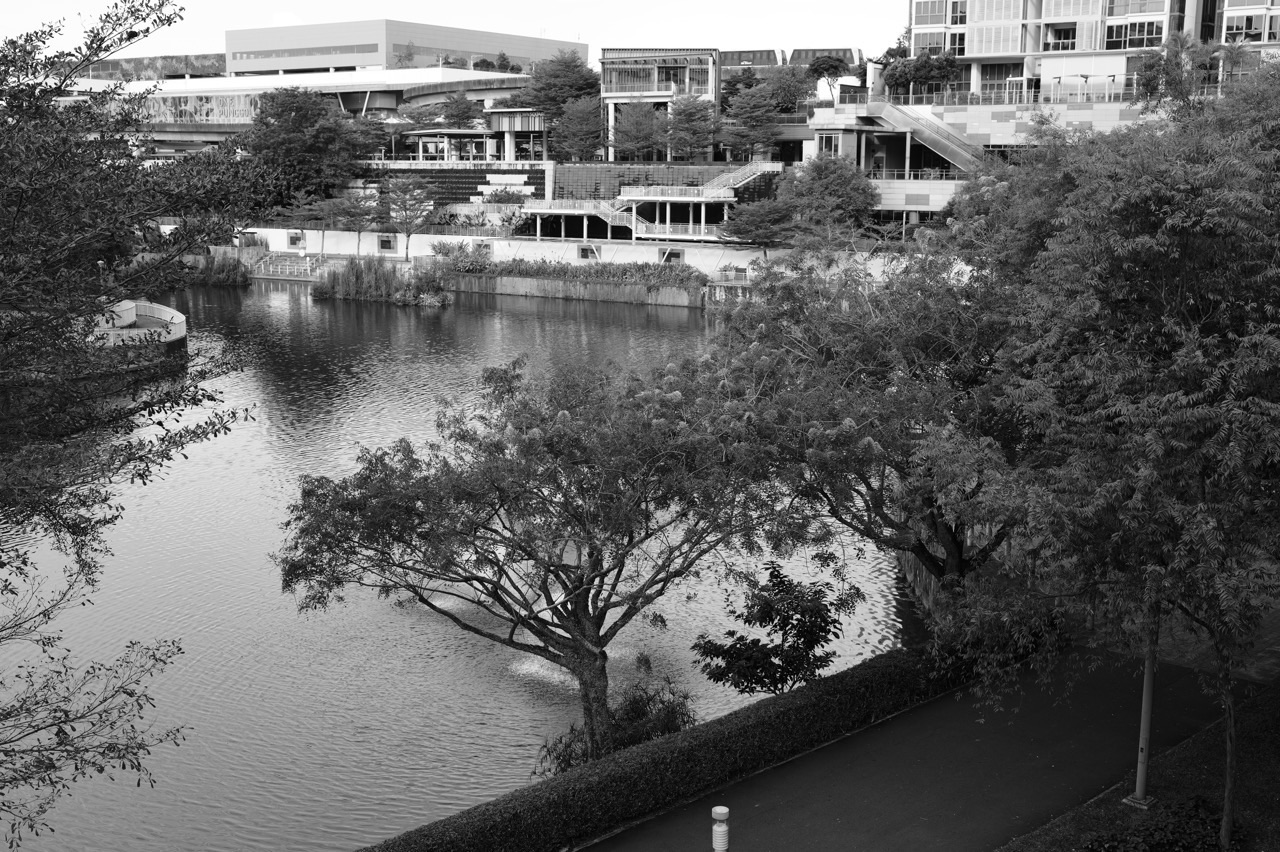
Can you make a short film about Punggol using only a phone? Yes. Begin with a private one-minute neighbourhood film assembled at home from photographs or clips you already own and are allowed to use, plus a short original script and narration recorded by someone who agrees to participate. An easy story is ‘One place in Punggol that matters to our family’: a public Waterway view from an earlier trip, a drawing of a bridge, a small memory about One Punggol, and a truthful closing line. A film can be finished without recording strangers, entering work sites or filming in a park today.
Short-film making in Punggol for beginners, teenagers and families has a different purpose from simply taking photos or watching a movie. The new skill is telling a clear story in sixty seconds: beginning, middle, ending, six purposeful shots, one voice, and an honest caption. This page includes an original six-shot storyboard with exact durations, a 45-minute editing plan, privacy and copyright checks, what to do about background music, and how to choose a public location only when authorisation and weather make sense. It connects to the Punggol photo diary and sound-walk guide while keeping the unique reader task of creating a finished short film.
18 October 2026: NParks’ filming-permit page, updated in September 2026, says permits are required for filming and commercial photography in its parks and nature reserves and asks applicants to apply at least one month before proposed filming. Rules differ by activity, location and scale; other venue managers may impose their own conditions. Do not read this blog as permission to stage a film at Punggol Waterway Park. A home project using material lawfully owned or licensed by the maker is the simplest starting point, especially while haze makes outdoor trips less desirable.
A one-minute Punggol film in one glance
| Part | What to prepare | What makes it work | Important boundary |
|---|---|---|---|
| Story | One sentence about a real local experience | Viewers know why it matters | Do not invent historical facts |
| Visuals | Six owned/authorised photos or short clips | Each has one clear job | Do not reuse strangers’ footage blindly |
| Narration | Your voice or a consenting family member | Honest personal viewpoint | No covert recording |
| Music | Often none; original or properly licensed only | Audio remains clear | Popular songs are copyrighted |
| Editing | Simple phone editor you can legally use | 60-second sequence and captions | Do not fabricate place access |
| Public location later | Actual venue and applicable approval | Respectful, planned shoot | No unpermitted park filming |
| Audience | Private family viewing first | Consent and lower privacy risk | Public posting is optional |
The Clementi-floor chapters
- 1. Turn one local observation into a story
- 2. Filming permissions, privacy and copyrighted content
- 3. An original 60-second storyboard and edit plan
- 4. Safe location choices and common mistakes
- 5. FAQs and the connected eduKate ecosystem
Chapter 1. A small personal story is better than a long tourist montage
Start with a statement rather than a famous landmark
A short film can be about the place where you first learned the MRT route, the library shelf a child enjoys, or a family habit around the Waterway. If you start by listing Punggol’s ‘top 30 attractions’, one minute will turn into a rushed promotional montage. A real personal statement provides a beginning and an ending without needing many locations.
Write one line: ‘This is the place that helped our family feel at home in Punggol.’ Make every chosen image support that idea. If the story concerns public history, distinguish a documented fact from a personal memory and credit the source.
Choose a film type that fits your material
A mini documentary should rely on accurate descriptions and sourced context. A creative poem-film can use imaginative imagery, but should label its artistic intention. A private home movie can show only family members who consent. A stop-motion film can use drawings or cardboard at home, so there may be no need to go outside or show anyone’s face.
Choose one form before editing. Do not insert stock images labelled as if you filmed them in Punggol, or claim that an unopened future facility was operating in your 2026 visit. The genre is not an excuse to mislead.
Make the first ten seconds meaningful
Viewers decide quickly whether they understand the film. An opening may show a dated photograph of a public landmark with the line ‘Every week, this is our way home.’ That establishes place and emotion at once. A confusing introduction full of flashy transitions and unnamed buildings uses the most valuable seconds without giving readers information.
Try a clear title and one grounded observation. Avoid a long sponsor-like introduction or a dramatic claim you cannot prove. A small one-minute film benefits from instant information delivery just as a good local article does.
One image should contribute one new piece of information
If three consecutive shots show essentially the same Waterway bridge, the viewer may not understand why they are there. Instead, each shot can add a context: general place, a detail, the route people use, a personal connection, a difference through time, and a final reflection. With still photos, a subtle crop or caption can supply visual movement without filming new material.
Do not fabricate motion or alter an image to make it seem that a construction site is complete. The viewer should know which images are dated archival or family material and which are contemporary illustrations. Honest captions beat cinematic exaggeration.
Sound does not require commercial music
A clear spoken sentence, an original ambient recording and a pause may convey more than a famous copyrighted song. IPOS explains that musical works, sound recordings and films can have separate copyright owners. A track available on a streaming service is not necessarily licensed for inclusion in a public video.
Begin without music, or use an original track or one whose licence genuinely permits the specific use. Keep a note of the licence and attribution terms. Do not copy a film soundtrack simply because it fits the mood.
The simplest edit is six pieces in a clear order
A beginner can work with six existing authorised images and add narration, captions and a plain opening/closing card. There is no need to pay for advanced video effects. Make the export no longer than the intended one minute, using the actual editing tool’s preview and trimming controls.
A film about Punggol can be visually modest but coherent. Test it once without sound to check the visual story and again with sound to check comprehension. If a family member cannot read captions quickly enough, simplify them.
A private film is already a complete project
The urge to publish can create avoidable concerns about children, bystanders, copyrighted images, private addresses and school uniforms. A household may prefer sharing the finished movie only with consenting relatives. That is a legitimate end rather than a failure of audience reach.
Decide the audience before recording or editing. Do not gather consent after somebody’s identity has been exposed publicly. If a participant later wishes to withdraw from a private film, respect the concern and revise the edit appropriately.
A film can acknowledge uncertainty
A family may remember how a place looked in 2018 but not know the exact bridge opening date. A mini documentary should not turn that uncertainty into a confident statistic. It can say ‘We remember taking this path years ago’ and separately cite an official NParks or JTC page when naming a formal infrastructure project.
Label dates, sources and personal observations. A trustworthy minute-long local film does not need dramatic invented facts. The difference between an honest memory and a verified statement makes the result more meaningful to future viewers.
Chapter 2. Punggol filming permissions, privacy and rights
NParks filming permission: Its current service page says a permit is required for filming and commercial photography in parks and nature reserves, with submissions at least one month before the proposed date. The requirements vary by project type, crew and equipment, and the authority can impose restrictions. Therefore this page does not direct readers to bring a tripod, actors and props to Punggol Waterway Park without approval. A normal personal observation visit does not create permission for a staged production.
Location owners matter: A shopping mall, community club, HDB estate, university campus and business building can have different management and filming rules. Ask the real owner or managing authority before a project that requires recording there. MDDI’s media FAQ advises approaching IMDA when uncertain about public-area permit requirements. Do not treat a publicly accessible path as a blanket filming permit.
A filmed person is not merely background decoration
PDPC’s advisory material explains how photographs, videos and audio can involve identifiable personal data, though applicability varies by capacity, purpose and exceptions. Regardless of the precise legal category of one casual shot, the ethical approach is not to aim a phone at strangers’ conversations or children to build content for a local channel.
Use yourself, consenting adults or non-identifying objects and scenes as the default. If someone is identifiable and featured, explain how the film will be used and ask permission suited to that use. A person’s agreement to be photographed privately is not necessarily agreement to public posting.
Children deserve a higher privacy standard
A school uniform, regularly used bus stop, home block and known collection time can combine into an identifying pattern. A young child cannot evaluate all risks of a public upload. A family movie should keep sensitive routines, school details and personal information out of public versions and use caregiver consent where needed.
Choose drawings, voice-only narration if agreed, or non-identifying objects rather than insisting on a child’s face. Do not make the film a way to document other families in a park without their permission. A private version can preserve family memories with fewer exposures.
Copyright covers music, photographs and films separately
IPOS explains that protected works include songs, photographs, scripts, footage and sound recordings. Having access to a streaming soundtrack or being able to download a photograph does not automatically provide rights to add it to your video. A project may include several separately protected works even when the editor combines them into one file.
Use owned original material or source material with clear relevant permissions. Check licence terms carefully, including attribution and commercial-use requirements. Do not assume that five seconds of a famous song is automatically free to use.
OneMap screenshots and data have their own conditions
Singapore OneMap is a useful source for understanding public Punggol geography, but SLA’s terms distinguish dataset licensing, site material, logo and map display requirements. A family’s hand-drawn original route diagram can avoid many republication issues. If the film shows OneMap screens or derived data, follow the exact licence and attribution requirements for that form of use.
Avoid copying a large map image into a public video without understanding the applicable terms. A one-sentence verbal description of a route often serves the story better than an unreadable screenshot anyway.
Commercial, organisational and personal projects differ
A child making a private film from self-created drawings is not the same as a school organising a large public park shoot or a company producing promotional footage. Venue approvals, copyright, privacy and other obligations can change with the purpose. A small project is not exempt from every rule merely because it uses a phone.
If a group wishes to stage a formal shoot, follow the relevant location permit process and professional guidance. This article supplies safe beginner creative steps, not legal authorisation to film in any public setting.
Editing should not fabricate a genuine public event
A video can include a staged scene, animated plan or future idea if it is labelled honestly. Trouble begins when viewers are led to believe a fictional scene happened at an actual Punggol location, a closed facility is open or a service has been promised by its operator. A truthful local documentary needs dates and care.
Caption archival family imagery, drawings, demonstrations and speculative segments distinctly. Do not use an old construction rendering as current documentary footage. Your film can be imaginative without presenting fiction as local visitor information.
A private script may use place names without exposing home details
‘Our Punggol neighbourhood’ is usually enough context for a family film. It is rarely necessary to publish unit numbers, private school routes, children’s weekday schedules or medical information. Even precise geotags can reveal a family location when combined with an identifiable face.
Share only what the story needs. A private family archive can retain more contextual detail under appropriate access controls; a public local film should minimise identifiable sensitive information.
The same ethics apply to audio
A sound walk can capture people talking in the background. If the short film uses such audio, the maker should consider privacy and rights before publishing. A clean original narration recorded in a suitable home setting is easier to use than uncontrolled public ambience.
Ask participating narrators for consent and let them hear the final cut. Avoid representing recorded strangers as if they endorsed the story. The Punggol sound-walk article covers audio-postcard decisions in greater detail.
Chapter 3. The original one-minute Punggol film storyboard
Here is a complete 60-second worked example about a family’s relationship with central Punggol. All visuals can be drawings or legitimately owned older photographs; it does not require a new park recording. The narration is an original illustrative script and should be personalised rather than presented as an actual eyewitness documentary about a specific family.
| Shot | Time | Visual | Original sample narration | Truth check |
|---|---|---|---|---|
| 1. Where we begin | 0–8 seconds | Wide photograph or drawing of a public transport and town scene | ‘Punggol is a place we first learned through ordinary journeys.’ | Use a real dated image or label a drawing |
| 2. The route | 8–18 seconds | A hand-drawn simple public map, not a copied unlicensed screenshot | ‘One station, one familiar turning point, and the way home.’ | Do not identify an exact private residence |
| 3. A small landmark | 18–28 seconds | Owned still photo of a bridge or safe public Waterway view | ‘The Waterway gave us somewhere to stop and notice.’ | Do not pretend it was filmed today |
| 4. Everyday detail | 28–38 seconds | Close view of an original sketch, book or household object | ‘It was the small things that became part of our week.’ | Choose an item your family owns |
| 5. Change and memory | 38–51 seconds | Two dated owned images or captions distinguishing years | ‘The town keeps changing, but our memories have dates.’ | Do not infer construction facts from camera angles |
| 6. Closing thought | 51–60 seconds | Plain title card or original Punggol drawing | ‘This is our one-minute story of a place we know.’ | Credit creators and original sources |
The durations total 8 + 10 + 10 + 10 + 13 + 9 = 60 seconds. Actual spoken narration may need to be shorter than these sample sentences depending on pace, pauses and accessibility needs. The editor should keep the film clear rather than pack every frame with text.
Minutes 0–8: choose the story and audience
Write one sentence identifying what your film says and whether it is for private family viewing or a public page. Choose a theme such as ‘a small place that became familiar’. Decide now whether anyone’s face or voice is needed; in most beginner films, it isn’t. A few public-place photos or original drawings can communicate the idea.
A script for a private memory can be personal without revealing everything. If the intended audience is public, remove private household information early instead of trying to hide it after uploading.
Minutes 8–15: assemble six eligible visuals
Search your own photo collection for material you own or have permission to use. If there are fewer than six images, draw two simple shapes or use original title cards. Note the date of any historical or family photograph. There is no requirement to travel for new footage or download an image without rights.
Avoid mixing copyright-unclear internet pictures with owned images simply because they look better. A truthful family illustration is preferable to a wrongly attributed professional photograph.
Minutes 15–22: write and record an original narration
Use plain conversational sentences, one main idea per shot. Record an adult or other consenting participant in a suitable private room, then listen once for clarity. The voice track can be omitted if the film uses readable captions and a clear story. No background song is required.
Ask the speaker whether the recording can be kept or shared with the intended audience. Don’t record other family members inadvertently. Remove sensitive identifiers and private details before saving the final narration.
Minutes 22–34: build the visual timeline
Place the six visuals in order using the selected editing app, and trim their display duration to the storyboard. Use simple cuts rather than a distracting transition after every shot. Add a plain title and any necessary source labels. View the timeline without sound to ensure the story still has a logical progression.
Do not create fake footage of a closed place or misrepresent the date of an older view. Use text like ‘Photo from 2024’ when appropriate and do not assert a facility was operating without verifying it.
Minutes 34–40: mix audio gently
Add the recorded narration and adjust its level for comprehension. If background music would complicate rights, skip it. Silence, a few pauses or owned original ambience can work. For family accessibility, captions can help viewers follow the story even when sound is turned off.
Test that no private conversation appears unintentionally in a clip. Do not grab commercial music from a streaming service merely to make the movie more dramatic.
Minutes 40–45: quality and privacy review
Check that all six parts total about sixty seconds, that captions are readable and that nothing identifies a child, home or unrelated passer-by without a suitable reason and permissions. Watch with one consenting participant for clarity. Keep an original high-quality private copy and save the source list.
Exporting a file does not create permission to publish it. A completed private film is already a success; public uploading is a separate decision.
Chapter 4. Punggol scenes, safe alternatives and filmmaking mistakes
A Waterway story using existing media
Punggol Waterway Park is recognisable and visually rich, but filming rules apply to actual park productions. For a first film, work with a legitimately owned dated photo, family drawing or written memory. You do not need to undertake new on-location filming during haze or arrange a public shoot before understanding permits.
If a genuine staged park film is wanted later, check the current NParks on-location permit instructions and any specific restrictions. Stay out of waterways, planted areas and shared-path obstructions. A short film is not a permit to set up a tripod wherever convenient.
A One Punggol library and family-reading story
A household can record a stack of its own books, a hand-written note or a family narrator talking about reading at One Punggol. It can link the story to the public library through a verified background fact without filming inside the venue. This avoids making other library users involuntary extras.
Ordinary library admission is not filming permission or a guarantee of a private recording space. Ask the building operator for any on-location project and respect the quiet use of reading areas.
A Digital District future-and-present story
The modern Punggol Digital District provides compelling subjects: public architecture, SIT, business spaces, artwork and its phased heritage landscape. A film can compare documented current amenities with a labelled future plan from an authorised source. But a marketing rendering is not real footage of a completed building.
Use JTC’s current public information for factual statements. Campus interior, offices, service corridors and construction areas have their own restrictions. Obtain location permission where needed rather than sneaking into a photogenic area.
A completely indoor cardboard-and-paper film
Draw a bridge, make a paper train or build a small toy town from clean packaging, then move the objects between short clips or use stop-motion. This can represent Punggol creatively while remaining fully under the maker’s control. It is particularly useful for parents, Primary pupils and anyone who prefers not to film in public.
Use age-appropriate safe materials and no sharp or hazardous parts with children. Label the result a model or creative interpretation, not evidence of exact geography. The upcoming Punggol home town-building activity provides a separate craft-focused version.
An intergenerational memory with consenting participants
A parent and grandparent might each offer one sentence about a familiar Punggol place or historical change. Different generations may remember different times. The filmmaker can show family photographs where permission is clear and a caption explains the year. The aim is preserving voices respectfully rather than proving an official historical account from memory alone.
Use the family time capsule article for consent and preservation. Do not pressure a person to discuss sensitive experiences. Where specific town dates matter, check NParks/NHB/NLB evidence.
A phone experiment without Punggol faces
Practice the editing method at home by filming six harmless, privately owned objects: a book, a map drawn by the family, an empty cup, a model bridge, a sketch and a title card. A one-minute narrative about preparing to visit Punggol can be made entirely with those items.
A film can be complete without exposing strangers or using copyrighted footage. This is also the sensible option when a location manager has not granted permission or when the weather is unsuitable.
The video tries to show ten attractions in one minute
Too many location cuts prevent viewers from understanding why a scene matters. The repair is to choose one theme, one primary place and at most six purposeful shots. A longer town guide already exists for readers wanting all the attractions.
A film can direct interested viewers to the Punggol lifestyle planner rather than cram a directory into sixty seconds.
The maker thinks a smartphone removes permit rules
A phone is simply equipment. A staged film with actors, props or a group can still require permission from NParks or another location owner. Check the relevant approval before arriving; don’t tell volunteers that ‘small means exempt’.
If uncertain about the project’s location rules, remain indoors or ask the operator. The current NParks service page explicitly addresses filming permits.
A stranger’s face becomes the main image without consent
Cropping and reposting an identifiable individual can create privacy and ethical concerns, especially when a child is involved. The easiest repair is to edit the shot out or choose non-identifying original material. A private family film should not become a public surveillance clip.
Ask permission in advance for featured participants and respect any restrictions on publication. A person who appears in an incidental busy scene is not necessarily a willing spokesperson.
A copyrighted song dominates the track
Many popular social-media videos use commercial songs through platform-specific licences or arrangements that may not cover an exported film published elsewhere. The safe repair is to remove the track and use original narration or properly licensed music for the intended use.
Review IPOS guidance. Do not assume crediting the artist alone substitutes for the permissions required for copying or communicating protected music.
Footage looks like a present-day venue but is historical
An older owned photo of Punggol can be useful, but viewers need to understand when it was taken. If a former shop is gone or a park area closed, the film should not use the image as a current 2026 travel recommendation without clarification.
Add a date or clear ‘archive photo’ caption. Creative montage should not undermine factual accuracy.
The audio is too loud for the narration
A common novice mistake is raising background sound because it feels cinematic, then making the words hard to hear. Play the final film on an ordinary device at a comfortable volume and check that the main sentence is understandable. Captions help when audio cannot be used.
Keep audio simple and avoid high-volume exposure. A quiet film with a strong script is often better than an elaborate but unintelligible track.
The finished film is public by default
A family may create a film as a memory and only later realise it exposes location routines and participant identities. Instead, decide the audience first and use private access by default. If a public version is wanted, make a fresh privacy review and obtain appropriate rights and consent.
Saving a good video in a private family folder is a complete creative outcome. Social-media engagement is not an educational or artistic requirement.
A student claims the film is an official school assessment
A household film can provide practice with sequencing, description, evidence and editing, but it is not automatically aligned with a specific MOE syllabus or recognised as coursework. The actual teacher’s assignment and school rules determine that.
Do not promise examination improvement. Let the activity remain a voluntary creative introduction to storytelling and media literacy.
Chapter 5. One-minute Punggol filming FAQs and links
Can I make a Punggol film with just my phone?
Yes. Original drawings, owned photographs, simple editing and consenting narration can make a complete sixty-second film.
Do I need a camera or a drone?
No. A smartphone and existing authorised material are enough. A drone adds separate safety and regulatory requirements.
Do I have to film outdoors?
No. The first project can be made at home, including stop-motion, own photographs or a private voiceover.
Does NParks require a filming permit?
Its current on-location filming service says permits are required for filming and commercial photography in parks and nature reserves, with applications at least one month before proposed filming.
Can I film in Punggol Waterway Park today?
Do not assume permission from this article. Check with NParks for the exact project, site and applicable permit conditions.
Can I shoot inside One Punggol Library?
Not automatically. Library access does not grant filming approval; ask the actual operator and follow venue rules.
Can I film strangers in an MRT station?
Public transport areas have operator rules, and privacy concerns apply. Do not stage or publish intrusive recordings without proper permissions.
Can I film at Punggol Coast?
Public access and filming permission are separate. JTC and other building managers may have conditions; verify the actual location.
What is a storyboard?
A sequence of planned images with approximate duration and narration showing how the story unfolds.
How many shots should a beginner use?
Six purposeful shots can make a simple one-minute film; the number is a planning suggestion, not a formal rule.
Can I use still photographs instead of video?
Yes, with appropriate rights and honest dates. The project may be a narrated photo-film.
Can I include a 2024 photo in a 2026 film?
Yes if labelled accurately and used with rights. Do not imply the past scene shows current venue conditions.
Can I use a popular song in the soundtrack?
Only if the actual licence or other applicable rights permit the intended use. IPOS says music and sound recordings are protected works.
Can I use a Creative Commons track?
Potentially, if its specific licence conditions permit the intended use, including any attribution and restrictions.
Can a child narrate the film?
With age-appropriate caregiver involvement and permission, yes; sharing their identifiable voice publicly deserves careful consideration.
Can I film my friends?
Ask for informed consent appropriate to the intended audience and respect people who choose not to appear.
Is public filming always illegal?
No universal claim is made. Requirements depend on location, purpose, rights and applicable rules; consult relevant authorities when uncertain.
Can I show OneMap?
Review SLA terms and data licensing and proper attribution before copying and publishing map material.
Can I add a public mural photograph?
Art and images have copyright considerations. Credit creators and verify permissions relevant to the use; an original personal sketch may be easier.
What if an unrelated conversation is audible?
Remove it or replace the sound with your own consenting narration rather than publishing someone else’s private speech.
Is a fictional Punggol future allowed?
Yes as a clearly labelled creative fiction. Do not present planned buildings as currently operating attractions.
Can I publish on a school channel?
Follow school policies, relevant participant consent, copyright and location permissions. A home film does not automatically qualify as official student work.
What if I only have thirty minutes?
Use three or four owned still images and a short written caption; a partial mini project is worthwhile.
Does this teach English or Science?
It can create opportunities to describe observations and distinguish evidence from claims, but no academic outcome is guaranteed.
Can I make a film during haze?
Yes indoors with existing authorised material. Outdoor leisure and filming should follow current health advice and any location approvals.
Do captions matter?
Yes. Readable captions can improve comprehension and label sources, dates and uncertainties.
How do I avoid showing private addresses?
Crop location identifiers carefully, omit detailed household routines and choose general place labels.
Do I have to upload the video?
No. A private family film is a complete outcome.
What is the main difference from the Punggol photo diary?
The photo diary documents individual still images across time; this guide teaches sequencing, pacing, narration and editing into a short film.
Where can I learn more Punggol creative activities?
Use the site’s urban sketching, photography, sound, time capsule and public art guides.
The connected eduKate Punggol creative ecosystem
- Punggol Four-Weekend Photo Diary
- Punggol Sound Walk and Audio Postcards
- Punggol Family Time Capsule
- Punggol Movie Day at Shaw
- Make a Punggol Family Map
- Punggol Public Art Walk
- Punggol History Lovers’ Guide
- Creative Things to Do in Punggol
- Punggol Waterway Park
- Punggol Digital District
- Punggol Haze Indoor Places
- Punggol Lifestyle Planner
- Punggol Guide Hub
- eduKateSG Place Description Skills
Official rights, permissions and place references
NParks: Apply for On-Location Filming Permit; PDPC: Selected Topics on Photographs and Video; IPOS Copyright Introduction; IPOS Copyright Ownership and Licensing; OneMap Terms of Use; MDDI Filming FAQ; NParks Punggol Waterway Park; JTC Punggol Digital District; NEA Haze Guidance. Updated 18 October 2026. This activity guide does not grant filming permissions, copyright licences, consent of any subject or access to restricted Punggol areas.


