
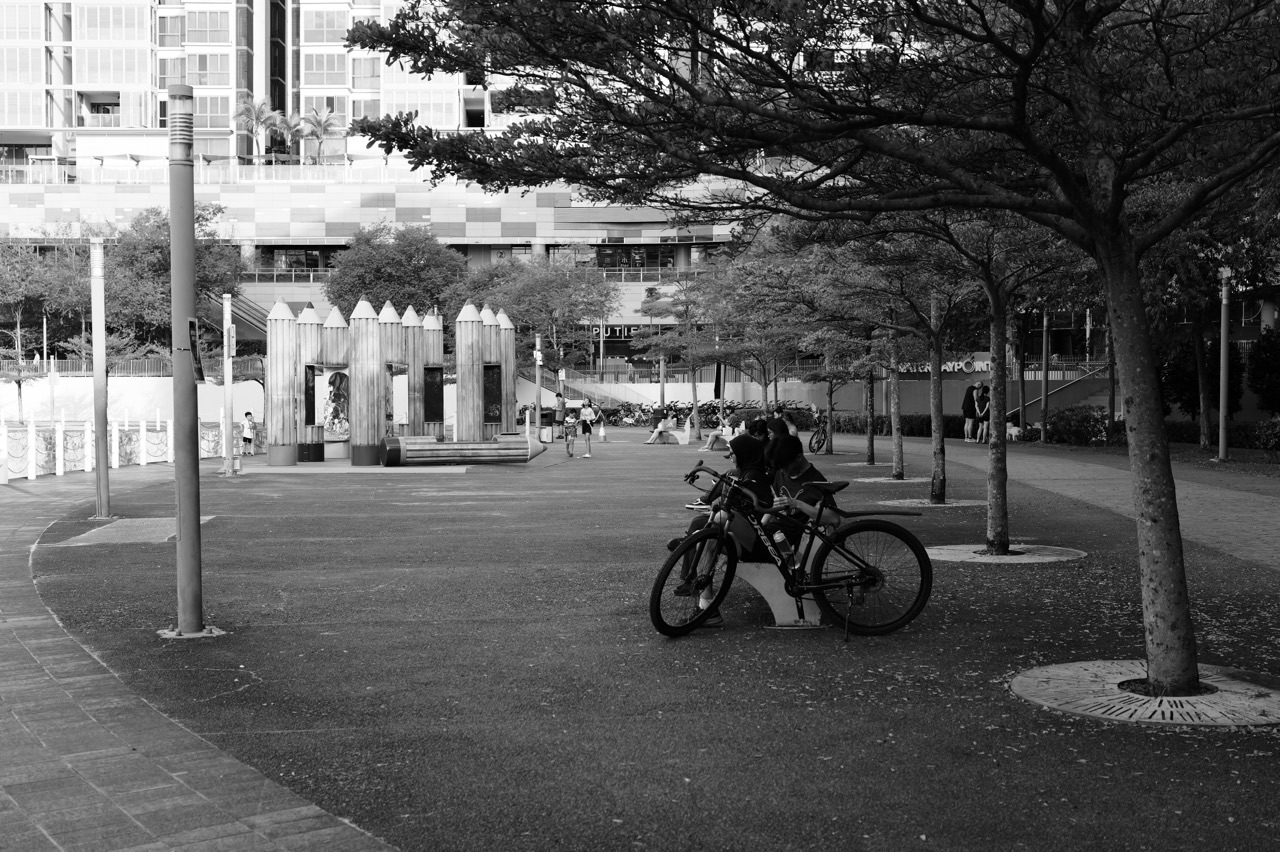
Can you learn to skateboard around Punggol Waterway Park? You can learn skateboarding in an appropriate permitted area, but the Waterway’s public paths are not an automatically designated trick skatepark. Singapore treats a conventional non-motorised skateboard as a non-motorised personal mobility device (PMD) for path rules: it cannot be ridden on roads or on marked Pedestrian-Only Paths, while other allowed footpaths and cycling/shared paths have specific conditions. For tricks, ramps or learning to fall, use an authorised skatepark or instructor-managed space rather than crowded waterfront bridges.
This skateboarding for beginners near Punggol guide for 2026 covers the crucial first choices: conventional boards versus electric boards, legal path categories, protective gear, where not to practise, skatepark etiquette, safe lessons, children’s supervision and honest destinations. It also explains why Punggol Park is in Hougang—not the same as Punggol Waterway Park—and how residents can evaluate specialist skateparks farther across Singapore. The Inline Skating in Punggol guide is separate: skates worn on the feet and skateboards have different equipment and legal definitions.
Skateboarding near Punggol: the quick answers
| Question | Direct answer | What to check |
|---|---|---|
| Is a standard skateboard legal on roads? | No. Non-motorised PMDs such as skateboards are not allowed on public roads. | Do not skate in traffic or across roads as a vehicle. |
| Can I ride on a Pedestrian-Only Path? | No, LTA excludes bicycles and non-motorised PMDs from converted Pedestrian-Only Paths. | Follow logos and local markings. |
| Are all footpaths prohibited? | No. Unconverted standalone footpaths and shared paths have different rules. | Observe applicable speed, local and pedestrian-priority conditions. |
| Can I use a Waterway bridge for tricks? | Do not treat bridges, boardwalks or busy shared paths as skateparks. | Check local NParks signs and avoid obstructing others. |
| Do I need a helmet? | NParks recommends a helmet, elbow and knee pads for skateboarding. | Proper fit, condition and age-appropriate safety matter. |
| Is an electric skateboard the same as a regular board? | No. Motorised PMDs have different legal restrictions and certification requirements. | Never assume a motorised board can use footpaths. |
| Is Punggol Park in Punggol Town? | No. The named Punggol Park is in the Hougang Avenue 8/10 area. | Do not confuse it with Punggol Waterway Park. |
| Where are confirmed specialist skateparks? | NParks lists Xtreme SkatePark at East Coast Park and SkatePark at Lakeside Garden. | They are not neighbourhood facilities within Punggol. |
| Can a beginner try a skatepark? | Some purpose-built parks have introductory areas; follow operator rules and appropriate instruction. | Do not begin on advanced bowls or large ramps. |
1. Skateboarding is not simply cycling with smaller wheels
A conventional skateboard has no handlebar, no bicycle-style brakes and a different method of steering and stopping. A person who rides a bicycle confidently is not automatically able to control a skateboard. Beginners should choose a suitable supervised setting, wear safety gear and practise basic control at a level matched to them. The first objective is not an ollie, jump or steep ramp—it is being able to stop safely and stay aware of nearby people.
A skateboard may serve different purposes. Some people enjoy gentle rolling on an appropriate path, others practise technical tricks at skateparks, and some attend structured lessons as a social hobby. The environment changes the safety requirements. A facility designed for tricks may have dedicated ramps, bowls and rules, while a Punggol park connector is intended for mixed public activity, not private stunt practice.
If you are the parent of a young learner, ask what the child actually wants to learn. A beginner might benefit from suitable protective gear and supervised introductory coaching instead of being taken directly to a busy advanced skatepark. A teenager with other sports commitments may also need recovery and a realistic schedule.
2. Singapore’s path rules: what a non-motorised skateboard is
LTA’s active-mobility guidance classifies conventional skateboards and kick-scooters as non-motorised personal mobility devices. LTA distinguishes these from motorised PMDs, electric scooters and personal mobility aids. The device category matters because different path rules apply. A skateboard is not exempt merely because its rider is a child or the device is smaller than a bicycle.
LTA’s Rules and Code of Conduct explains that from 1 July 2025 converted Pedestrian-Only Paths adjacent to dedicated cycling paths exclude bicycles and non-motorised PMDs. The remaining standalone footpaths and marked shared paths continue to have their own permitted uses. Follow on-site logos and path classifications rather than treating every paved surface the same.
The LTA enforcement factsheet makes clear that riders using prohibited converted paths may face penalties. A family in Punggol should teach children to recognise pedestrian-only markings and dismount when necessary. Never use an illegal shortcut merely because it appears quiet.
3. A simple path decision guide for Punggol neighbourhoods
| Place or path | Skateboard decision | Why it matters |
|---|---|---|
| Road | Do not ride a non-motorised skateboard on public roads. | LTA prohibits PMD road use. |
| Marked Pedestrian-Only Path | Do not ride. | These converted paths reserve priority for pedestrians and permitted mobility aids. |
| Permitted cycling path | Non-motorised PMDs may use the path subject to rules. | Keep safe speed, avoid sudden changes and respect other users. |
| Standalone footpath or shared path | Check prevailing LTA and local use rules. | Not automatically the same as a Pedestrian-Only Path. |
| Park boardwalk or bridge | Read NParks restrictions and do not practise tricks. | Public access and surface protection come first. |
| Designated skatepark | Use the appropriate beginner area and facility rules. | Ramps and bowls require different skills and safety arrangements. |
| HDB common corridors and lift areas | Do not use these as a training obstacle course or obstruct access. | Neighbours need safe and clear passage. |
| Private sports area | Obtain owner/operator approval and follow rules. | Permission and conditions are not implied by open access. |
A shared path can still be unsuitable for a new skater if it is crowded, narrow or slopes toward a water edge. Legal permission and practical safety are separate decisions. Someone learning to stop should not test their ability in a busy zone with toddlers and mobility aid users. Choose the safer setting even when another path may technically be permitted.
For a family trying several wheeled activities, our Family Cycling in Punggol guide covers bicycles and child passengers, while the inline-skating guide explains skates. Do not assume the exact same classification and gear rules apply across all devices.
4. Motorised skateboards are a different legal and safety problem
An electric skateboard is a motorised PMD, not a conventional non-motorised board. LTA restricts motorised PMDs to designated permitted paths, including cycling paths, and prohibits use on footpaths or roads. It also has relevant device weight, dimensions, certification and other legal requirements. A retailer’s claims or online promotional video do not establish that a motorised board is lawful to use in Singapore.
Because 2026 regulations continue to evolve, a resident considering any powered personal mobility device should verify the actual device category and applicable rules using official LTA information before purchasing. This page is about beginner conventional skateboarding; it does not certify or recommend any motorised product. Never buy an electric board assuming that every Punggol shared path permits its use.
5. Is there a dedicated skatepark in Punggol?
Punggol Waterway Park is a scenic park with paths for walking and selected cycling activities. It is not established by its name as a dedicated skatepark with bowls or ramps for tricks. Punggol Park—the separate park located at the Hougang Avenue 8/10 junction—lists cycling or inline skating among visitor activities, but it should also not be described as a dedicated skateboard stunt venue without evidence of such facilities.
NParks’ official skateboarding activity guide lets residents search for designated skateparks across Singapore. Two verified examples are Xtreme SkatePark at East Coast Park and SkatePark at Lakeside Garden. They are substantial specialist venues, but both are far from Punggol compared with an ordinary neighbourhood outing. Residents should not assume they can travel there and use every obstacle regardless of age, experience or operating hours.
SkatePark at Lakeside Garden has a designated Learn to Skate Pod as well as more advanced facilities; its official page identifies operating hours and scheduled maintenance days. Xtreme SkatePark at East Coast has beginner-friendly features alongside demanding bowls and ramps. Use the specific facility’s current opening and safety instructions. New learners should avoid advanced sections and seek suitable supervision.
6. Protective gear is a practical requirement for safer learning
- Helmet: use an appropriate properly fitted helmet in good condition.
- Knee and elbow pads: choose suitable guards for the level and venue.
- Wrist protection: ask a qualified instructor about appropriate gear; falls can injure wrists.
- Footwear: use properly fitted shoes suited to the board and surface.
- Board condition: check wheels, trucks, deck and fasteners with competent assistance.
- Practice surface: choose a permitted dry, level area with room to stop.
- Adult supervision: children need suitable instruction and oversight.
- Space awareness: avoid riding toward pedestrians or other skaters’ lines.
- Environmental check: avoid wet, damaged, crowded or hazardous surfaces.
- Stop rule: do not continue when fatigued, unwell or in pain.
NParks expressly recommends helmets, knee pads and elbow pads for skateboarders. Gear reduces some injury risks but cannot make advanced tricks or crowded paths risk-free. Someone with a previous wrist, head or ankle injury may need clinical advice before learning a fall-prone activity. Do not ask a beginner to demonstrate dramatic tricks as proof of courage.
7. First-session learning objectives without unsafe trick instructions
| Learning goal | What it means | Why a lesson helps |
|---|---|---|
| Understand the board | Know what the deck, trucks and wheels do. | Avoid using damaged or unsuitable equipment. |
| Establish a safe stance | Know how to stand and balance at low effort. | Develop control before movement. |
| Learn controlled stopping | Understand how to end movement safely. | Vital before using any public path. |
| Recognise surroundings | Look ahead and identify people, kerbs and crossings. | Protects other path users. |
| Use suitable beginner terrain | Start in an approved safe setting. | Reduces exposure to obstacles and slopes. |
| Communicate with instructor | Learn stop signals and progression criteria. | Prevents unsafe pressure. |
| Respect venue etiquette | Wait for a clear practice area and follow staff guidance. | Keeps riders from colliding. |
This table explains what matters but deliberately does not teach jump, fall or rail techniques. Those movements carry injury risk and require appropriate instruction and practice environments. Videos can help a learner recognise terminology, but they cannot supervise board control or protect someone who has chosen the wrong surface.
8. A four-stage beginner skateboard plan
| Stage | The question | Appropriate first action | Result to value |
|---|---|---|---|
| 1: Choose | Where am I allowed to learn safely? | Find a suitable supervised, permitted setting. | The environment and gear are appropriate. |
| 2: Control | Can I manage balance and stopping? | Practise simple skills under guidance. | Predictable low-speed control. |
| 3: Courtesy | Can I respond safely to other path users? | Learn yielding, dismounting and safe distance. | No unnecessary obstruction or collisions. |
| 4: Decide | Do I enjoy skateboarding enough to continue? | Choose appropriate beginner lessons or casual permitted practice. | Confidence without pressure for tricks. |
These are milestones, not four guaranteed weeks of improvement. A person may need many sessions to control the board comfortably. Children, adults and returning skaters have different needs. The aim is to build a repeatable hobby that does not put oneself or others at risk. There is no obligation to enter a large ramp or bowl to count as a skateboarder.
9. Punggol’s Waterway is a shared public landscape
The Waterway is used by walkers, runners, cyclists, parents with strollers, older residents and people using mobility aids. A new skateboarder should not practise stopping for the first time beside a crowded waterside path, across a bridge or where the route narrows. Respect any NParks no-riding notices and facility-specific rules. Legal device classification never overrides signs or safe behaviour.
NParks’ Sharing Park Connectors Safely emphasises keeping to appropriate routes, giving way and treating other users considerately. A person who wants to perform tricks should use an appropriate authorised skatepark or private facility, not a pedestrian promenade where people are resting or taking photographs.
When skating around residential estates, keep common spaces clear and avoid excessive noise or damage. Do not use benches, rails or public landscape features as stunt equipment without permission. A healthy recreational scene depends on retaining the goodwill and safety of the wider community.
10. Skating during rain, haze and high heat stress
Skateboard wheels and the riding surface may behave differently in wet conditions. Avoid practising on slippery paths or near standing water, particularly where a fall could lead toward traffic or a water edge. During thunderstorms, stop outdoor activity and find appropriate safe shelter. An open-sided park structure or tree is not a reliable substitute for a substantial building during lightning risk.
Singapore’s MSS heat-stress information helps with prolonged outdoor exertion, while official haze advice informs decisions about air pollution and strenuous activity. Children and people with relevant health conditions may require more caution. A free afternoon does not create an obligation to skate through unsuitable weather.
A safer alternative could be an approved indoor lesson or simply postponing the practice. Do not ride a skateboard through a crowded mall to replace an outdoor route; private building rules and pedestrian safety apply. The site’s Rainy-Day Exercise in Punggol explores non-skating movement that may fit home conditions.
11. Skateboarding versus inline skating: choose your interest
Inline skates attach multiple small wheels to each foot, while a skateboard is a separate board that the person stands on. They require different balance, turning and stopping skills and may have different legal treatment under Singapore’s device regulations. For example, the LTA PMD classification for a conventional skateboard should not automatically be applied to skates worn on the feet. Use the specific official rules and facility signs.
Some people prefer inline skating for longer permitted park activity, while others enjoy skateboard balance, controlled rolling or specialist skatepark tricks. There is no universal best beginner wheeled activity. Try suitable supervised sessions before buying expensive gear and select by comfort, interest and safe access. The Inline Skating in Punggol guide serves that separate search intent.
12. The cost of learning and the value of qualified supervision
A board, properly fitted protective gear and optional lessons can cost money, but the public skatepark entry itself may be free. That does not make the whole activity cost-free: travel to a specialist skatepark, maintenance, replacing worn components and suitable instruction all contribute. A first lesson that provides approved equipment may be a lower-risk financial choice than buying a full setup and discovering it is the wrong size.
If evaluating a class, ask about the instructor’s experience with your age and level, the actual permitted practice area, what safety briefing occurs, whether equipment is supplied and how falls and collisions are managed. A good teacher should explain when a student is ready to progress, not promise advanced tricks after one afternoon.
For household budgeting, the Low-Cost Fitness in Punggol guide explains why the cheapest upfront option is not always the most sustainable. The right gear and safety environment are worth prioritising over fashionable board graphics.
13. Three Punggol beginner stories
A primary-school child who wants to skateboard beside the Waterway
The child has watched videos and asks to try ramps immediately. The parent checks local permitted path rules and realises that the busy Waterway is not an appropriate beginner stunt venue. They choose suitable protective gear and look for a qualified introduction in an authorised setting. The child’s first achievement is learning to control and stop the board, not replicating a dramatic clip.
An adult who lives near Punggol Coast
The resident wants a new hobby and assumes an electric skateboard would make the Punggol commute effortless. After reviewing LTA rules, they understand that motorised boards have different legal requirements and cannot simply be used like ordinary footpath transport. They decide whether conventional supervised skateboarding appeals as recreation, separately from their normal commute.
A teenager interested in dedicated skateparks
The teen searches for a Punggol skatepark and sees photographs from elsewhere in Singapore. They check NParks’ named skatepark directory rather than assuming the venue is local. If going to Lakeside Garden or East Coast, they plan transport, actual opening hours and suitable beginner areas, with appropriate supervision. The outing remains a thoughtful day rather than an accidental trip to the wrong park.
14. Common skateboarding mistakes
- Calling every park connector a skatepark. Shared routes and stunt facilities serve different purposes.
- Confusing Punggol Park and Punggol Waterway Park. Punggol Park is in Hougang.
- Ignoring Pedestrian-Only Path markings. Non-motorised PMDs cannot use converted POPs.
- Using a board on a public road. LTA prohibits PMD road use.
- Confusing motorised and conventional boards. Their legal requirements differ.
- Starting on advanced ramps. Learn basic control in an appropriate venue first.
- Skipping protective gear. Proper fit and condition matter.
- Practising tricks near people or fragile public features. Respect others and property.
- Training in wet or lightning conditions. Postpone unsafe outdoor activity.
- Buying expensive gear before confirming interest. Seek suitable beginner instruction.
15. Frequently asked questions
Can I skateboard around Punggol?
Conventional non-motorised skateboards can be used on paths where LTA and local park rules permit; they cannot use roads or converted Pedestrian-Only Paths.
Is there a dedicated skatepark at Punggol Waterway Park?
Its general park paths should not be assumed to be a designated trick skatepark; check NParks’ official skateboarding venue list.
Is Punggol Park a skatepark?
Punggol Park is a park in Hougang Avenue 8/10, not a confirmed dedicated skatepark inside Punggol Town.
Can I ride a skateboard on the road?
No. Non-motorised PMDs are prohibited on public roads under Singapore rules.
Can I ride on a Pedestrian-Only Path?
No. Converted marked Pedestrian-Only Paths exclude non-motorised PMDs.
Are standalone footpaths the same as Pedestrian-Only Paths?
No. LTA distinguishes standalone footpaths and shared paths from the converted pedestrian-only category; follow current rules and signs.
Can I ride an electric skateboard on footpaths?
Motorised PMDs are not allowed on footpaths and face additional device requirements. Check current LTA guidance.
Where can I try a real skatepark?
NParks lists Xtreme SkatePark at East Coast Park and SkatePark at Lakeside Garden, among others; they are not in Punggol.
Is skateboarding suitable for a young child?
Some children can learn in suitable supervised environments with correctly fitted protective equipment and age-appropriate instruction.
Do helmets really matter?
NParks specifically recommends helmets and protective pads for skateboarding, but no gear removes all risk.
What should I learn first?
Controlled balance and stopping in a safe permitted setting, preferably under appropriate instruction.
Is skateboarding the same as inline skating?
No. Equipment, movement and some legal classifications differ; see the separate guide.
Can I practise tricks on park benches?
Do not use public furniture as stunt equipment or obstruct or damage shared areas; use authorised skateparks.
What if haze or heavy rain affects the day?
Check official advice and use a safe approved indoor alternative or postpone.
Does the Lakeside Garden skatepark have beginner sections?
Yes. NParks identifies a Learn to Skate Pod, but check current opening and maintenance before travelling.
Explore the Punggol lifestyle and sports library
- Life in Punggol 2026 — Master Guide
- Inline Skating in Punggol — Safety and Paths
- Family Cycling in Punggol
- Cycling in Punggol — Park Connector Routes
- Primary-School Active Play in Punggol
- Healthy Teenage Life in Punggol
- Tennis for Beginners in Punggol
- Martial Arts for Beginners in Punggol
- SIT Punggol Bouldering for Beginners
- eduKateSG — Punggol Geography and Active Mobility
Official references and review date
- NParks — Skateboarding and Designated Skateparks
- NParks — Xtreme SkatePark at East Coast Park
- NParks — SkatePark at Lakeside Garden
- NParks — Punggol Park Is in Hougang
- LTA — Rules and Code of Conduct for Active Mobility
- LTA — Pedestrian-Only Paths Enforcement
- LTA — Shopping for Active Mobility Devices, Device Types
- MSS — Heat Stress
- Official Singapore Haze Advice
Reviewed 18 October 2026. This page is general skateboarding and local path education, not technical skateboarding instruction, a certification of device legality, or a guarantee of a designated skatepark within Punggol. Current rules and on-site signs control permitted use. Skateboarding can cause serious falls; suitable protective gear, supervision and individual medical advice may be necessary.


