
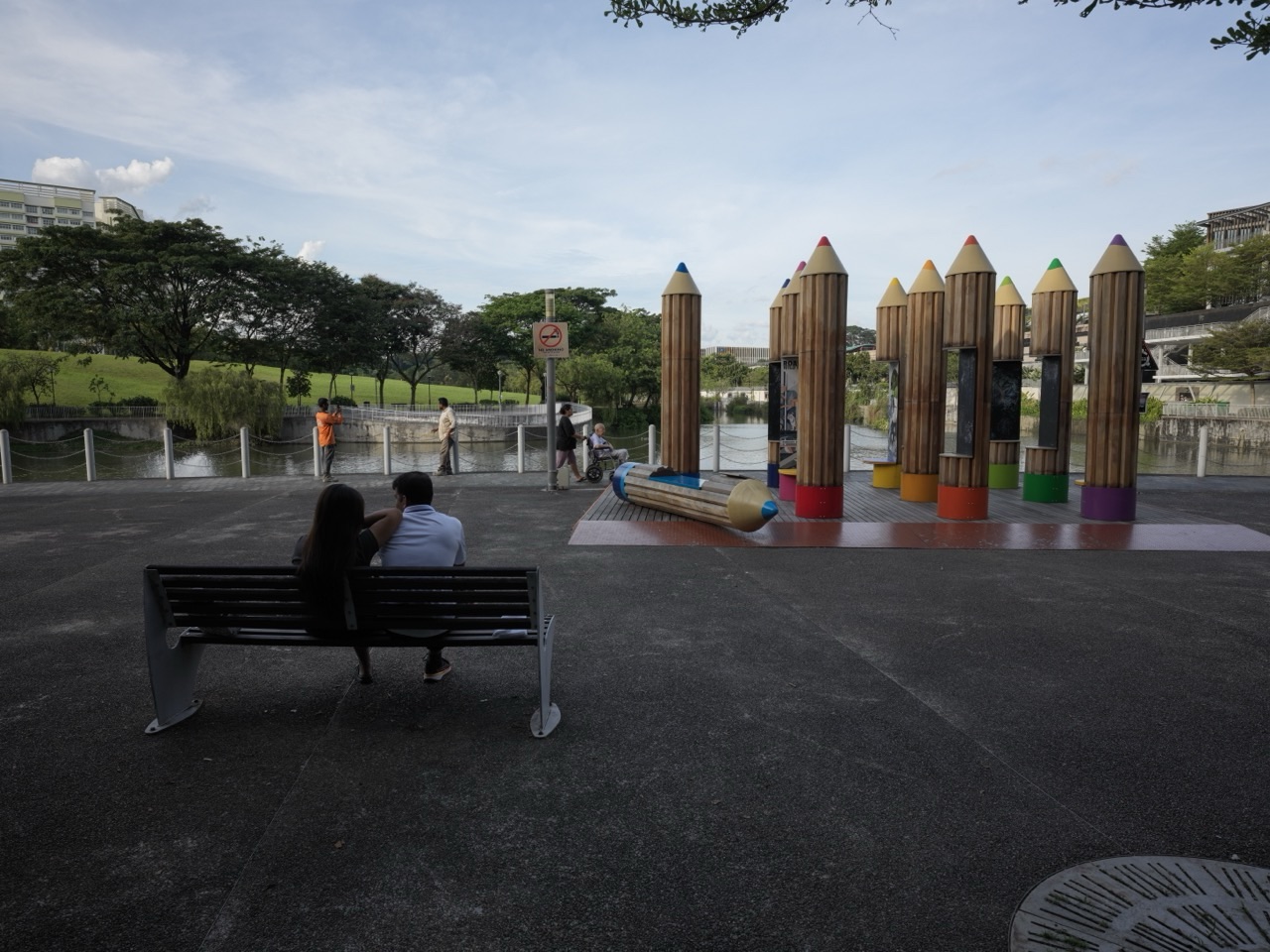
Looking for the best playgrounds in Punggol? Start with the sand and outdoor play around Punggol Waterway Park, Happy Park at Waterway Point, the playgrounds at Punggol Green, Oasis Terraces, the ship-themed play areas around Northshore Plaza and Waterfront I, Punggol Point Crown and Cove, Matilda, Sumang Lane and the nature-play area at Coney Island Park. For an indoor rainy-day plan, families can investigate Kiztopia Club Punggol, Wan To Play Ocean Fantasy or the paid indoor water-play venue at SAFRA Punggol. These are play spaces and neighbourhood clusters—not a ranking or a claim that Punggol has only ten playgrounds.
Punggol’s playgrounds offer different experiences. Some let toddlers practise low steps and balance. Others invite older children to climb, imagine they are steering a ship, jump between raised huts or explore natural timber play. A small playground near home can be just right for twenty minutes after school, while a special trip to the waterway may deserve half a day. The useful comparison is age, challenge, shade, supervision, toilets, travel and current availability—not a popularity score.
2026 access information you should know before leaving: NParks has closed Punggol Point Park for upgrading from 11 August 2026, with expected completion 31 December 2027. That does not mean all HDB playgrounds named Punggol Point Crown or Cove are closed; they are different spaces. The former water playground at Punggol Waterway Park has been removed even though older nature-walk publications still mention it. Independent October 2026 guides also report Oasis Terraces’ Level 5 water play area closed with no confirmed reopening; plan for its dry play, and verify wet-play access directly with the centre. For accessible wet-and-dry mall play, check current operation at Happy Park at Waterway Point instead.
The best playgrounds in Punggol are not all inside one park. They are distributed through the HDB districts, neighbourhood centres, Waterway edges and newer northern precincts. That is part of the town’s design: families should be able to find play close to home rather than travel to one giant destination every time.
This guide is therefore organised district by district and block by block. It does not rank children’s play spaces by one universal score. A toddler needs a different playground from an eight-year-old climber. A shaded after-school playground solves a different problem from a weekend water-play destination. The useful question is: which playground fits your child, your block and the time you actually have?
HDB’s Punggol Town Design Guide shows that playgrounds are intentionally tied to district identities. Northshore uses seaside and ship ideas. Punggol Point uses green-heritage and animal/nature themes. Matilda uses verandah and timber-like design language. The playground is not an afterthought: it is one way a large new town gives smaller precincts their own character.
Punggol playgrounds at a glance
| Playground or play area | Where to start | Type of play | Access and cost |
|---|---|---|---|
| Punggol Waterway Park Recreation Zone | Sentul Crescent | Outdoor sand/play and family walks | Free; former water playground removed |
| Happy Park — Waterway Point | 83 Punggol Central, Level 2 rooftop | Outdoor wet-and-dry play | Free; confirm wet-area status |
| Punggol Green — One Punggol | 1 Punggol Drive | Toddler and older-child play spaces | Free; open-air |
| Oasis Terraces dry playground | 681 Punggol Drive, Level 4 | Toddler-friendly rooftop play | Free; Level 5 wet play unconfirmed/closed |
| Punggol Drive two-tier playground | Near 665A Punggol Drive | Netted neighbourhood play | Free; check onsite |
| Waterfront I @ Northshore ship playground | Common green by Waterfront I | Ship-themed climbing and imagination | Free; residential common area |
| Northshore Plaza II ship playground | 418 Northshore Drive vicinity | Ship-themed slides and active play | Free; check access onsite |
| Northshore Drive elevated huts | Between Blocks 420D and 422A Northshore Drive | Higher platforms, slides and play huts | Free; choose age-appropriate sections |
| Punggol Point Crown | Around 435B Punggol Point Road | Animal and nature-themed HDB play | Free; not Punggol Point Park |
| Punggol Point Cove | Near 448A Punggol Way | Tiger, elephant, ship and adventure themes | Free; residential precinct |
| Matilda / The Verandah precinct | Punggol West / Matilda estate | Verandah-themed exploration | Free; exact equipment varies by block |
| Sumang Lane roller-slide playground | Block 227C Sumang Lane | Smaller-scale playground for younger kids | Free; check onsite |
| Punggol Central Coral Tree playground | Near Block 301C Punggol Central | Neighbourhood climbing and play | Free; short local visit |
| Casuarina Exploratory at Coney Island | Near Coney Island Park West entrance | Logs, bridges, stepping stones and nature play | Free; park 7am–7pm |
| Kiztopia Club Punggol | 85 Punggol Central, #01-01 | Paid safari-themed indoor play | Check tickets and capacity |
| Wan To Play Ocean Fantasy | 84 Punggol Way, #01-60/61/62 | Paid ocean-themed indoor play | Check session and socks rules |
| Splash @ Kidz Amaze Punggol | 9 Sentul Crescent, SAFRA Punggol | Paid indoor water playground | Check opening/cleaning days |
Exact equipment can be repaired, replaced or temporarily closed. Treat the block references as current orientation, not a promise that every slide or water feature is operating on the day you arrive.
Punggol Waterway Park — the full family destination

Punggol Waterway Park is a flexible outdoor play destination because the playground sits inside a much larger family landscape. NParks describes the 25.79-hectare park as having four themed areas and activities for children, cycling, sandcastle-building and nature walks.
NParks’ older Waterway nature-walk material lists the Recreation Area’s family features as a water playground, sand-play area, fitness equipment and the Adventure Bridge, but the water playground has since been removed. The park is still useful for families with children who need more than a five-minute slide stop.
- Best for: a longer weekend morning.
- Bring: sun protection and water.
- Parent advantage: walking, cycling and playground activity can happen in one outing.
- Watch: play features can undergo maintenance; check current signs.
Use the Punggol Waterway Park Guide for parking, bridges and the wider park layout.
Oasis Terraces — play attached to an everyday errand
October 2026 status: The free dry playground at Level 4, 681 Punggol Drive is the practical play space to plan around. Family playground guides continue to report the Level 5 water playground closed for maintenance, with no verified return date. HDB’s evergreen facilities page describes what the development was designed to contain; it does not establish that a water feature is operating today. Contact the managing agent or check onsite before bringing swimwear or promising water play. See our detailed Oasis Terraces guide and HDB’s neighbourhood centre facilities.
Oasis Terraces is one of the most practical family play stops because it combines neighbourhood services with community space. HDB describes Oasis Terraces as its first new-generation neighbourhood centre and highlights play areas and an originally advertised water park. The separate Level 5 water playground has been reported closed for maintenance without a confirmed 2026 reopening, so the Level 4 dry playground is the dependable first option to investigate.
This changes the use case. Families do not need to make “playground day” the entire outing. A child can play before or after groceries, food, a clinic visit or another everyday errand.
- Best for: families around Oasis / Kadaloor / Punggol Drive.
- Play type: dry rooftop play, with separately advertised water features currently requiring direct reopening confirmation.
- Parent advantage: food, shops and facilities nearby.
- Watch: independent October 2026 reporting says the Level 5 wet-play facility remains closed, so do not promise water play without direct confirmation.
Northshore — themed playgrounds and seafront neighbourhood play

HDB’s design guide gives Northshore a Seafront identity and explicitly shows a ship playground at the common green next to Waterfront I @ Northshore. The design ideas include seaside elements, figurative play and bold graphics.
That makes Northshore worth exploring as a district, not merely as one pin. The newer precincts around Northshore Drive and Northshore Plaza contain several family spaces connected by sheltered routes and the neighbourhood’s long community spine.
Current map listings also identify local playgrounds around 432A Northshore Drive and the wider Northshore / Punggol Point Woods side.
- Best for: residents who want a playground walk rather than one destination.
- Play type: ship / sea themes, neighbourhood climbing and active play.
- Parent advantage: easy to combine with Northshore Plaza and waterfront movement.
Punggol Point Crown — animal and green-heritage play
HDB’s Green Heritage design direction for Punggol Point uses soft, natural-looking materials, adventure forms and animal or habitat references. The Town Design Guide specifically uses a playground at Punggol Point Crown as an example.
A current map listing identifies a playground around 435B Punggol Point Road. Newer playgrounds in the wider Point / Cove area also use strong animal and nature themes.
- Best for: younger children who enjoy themed imaginative play.
- Play type: nature, animals and adventure forms.
- Parent advantage: the theme gives younger children a story around the equipment.
Punggol Coast / 448A Punggol Way — the new-north playground route
The newest northern housing areas are still adding family infrastructure. A current playground listing identifies a playground around 448A Punggol Way, and recent family guides describe animal-themed play in the newer Punggol Point Cove / Coast area.
This is useful for families visiting Punggol Coast because they no longer have to return to Town Centre for every child-oriented stop. Punggol Coast Mall, PDD/SIT, Northshore and new housing create an increasingly complete northern family circuit.
- Best for: Coast / Point / Northshore residents.
- Play type: newer estate playground design and animal-themed elements.
- Parent advantage: combine with Punggol Coast / northern errands.
Matilda — verandah design and exploratory neighbourhood play
Matilda’s HDB district identity is Verandah. The Town Design Guide shows playground ideas using timber-like finishes, pitched-roof forms, earthy colours and exploratory spaces that borrow from the architectural language of a verandah.
The result is less “theme park” and more integrated neighbourhood play. For families living in Matilda, Sam Kee and the western side of Punggol, the point is not to travel across town for a famous playground; it is to use the play network built into the estate.
Punggol Central — the everyday five-minute playground
Punggol Central has many block-level playgrounds that will never become Instagram destinations—and that is exactly their value. Current map listings include play spaces around 161B Punggol Central and 301C Punggol Central.
These are the playgrounds for:
- twenty minutes before dinner;
- meeting a classmate downstairs;
- burning off energy after homework;
- a parent who does not want to pack for a full family outing.
A successful town needs destination playgrounds and ordinary playgrounds within sight of home.
Punggol Road / 603B — estate play on the northern spine
A current map listing identifies a playground around 603B Punggol Road. This illustrates the same local principle: Punggol Road is not only a transport spine toward the north; the surrounding estates layer playgrounds into ordinary residential movement.
Waterway / Wave / Topaz precinct playgrounds
Punggol’s older new-town precincts have their own recognisable estate playgrounds. Current mapping includes sites described as Punggol Wave Playground and Punggol Topaz Playground, plus many smaller play areas embedded between HDB blocks.
For residents, these names matter less than the simple route: leave the lift lobby, cross the common green, play, go home. Do not underestimate proximity as a playground feature.
Punggol Coast / Digital District playgrounds
As Punggol Digital District and Punggol Coast mature, public-space design is expanding beyond offices and university buildings. Current map listings now identify playground space in the Punggol Digital District area as well.
This is a useful development to watch because PDD is intended to be a mixed business, education and community district, not an isolated office park. Family play spaces help determine whether that ambition works in ordinary use.
More Punggol playgrounds to know: free outdoor and paid indoor choices
The estates contain many more playgrounds than a single article can count individually. The following well-described places complement the original district-by-district guide above. They include facilities verified by public authorities or their operators, together with HDB precinct examples documented by family guides. These are practical options, not a universal league table. Equipment can be removed, repaired or temporarily closed after publication.
Happy Park at Waterway Point — free rooftop wet-and-dry play

Where: Waterway Point, 83 Punggol Central, Level 2 rooftop, near Punggol MRT. Cost: The permanent playground is promoted as free public play, subject to current operator restrictions. Frasers Property describes a wet area with spray features and a dry zone with climbing, tunnels, trampolines, nets and undulating terrain. This is a useful combination when children want active play but parents also need easy access to food, toilets, public transport and a way out of heavy rain.
What to bring: A spare set of clothes, towel, water, sun protection and suitable footwear. A rooftop playground can be hot or exposed even when it belongs to a shopping mall; it is not an air-conditioned indoor facility. Adults should stay close to children on wet surfaces and during climbing. Operating hours for particular water features may differ from the mall’s overall hours. Check the Level 2 concierge or the current mall notice before committing the family to a water-play session. The Happy Park family play guide and Frasers Property’s description of Happy Park offer background.
Punggol Green playgrounds beside One Punggol
Where: One Punggol vicinity, around 1 Punggol Drive, between the Punggol MRT and Sam Kee LRT areas. Cost: Free open-air public play. The People’s Association describes Punggol Green as a 12,000-square-metre linear green park, including toddler playgrounds, children’s play areas for ages 6–12, basketball courts and senior fitness corners. That mix makes it a useful first stop for families with different ages: some can play, others can take a quiet break or enjoy the connected civic surroundings.
Why it can be especially convenient: One Punggol provides a library, food and community facilities close by. A child can enjoy a short active period followed by a calm library visit instead of an exhausting cross-town expedition. Younger children may need a quieter toddler area, while older ones want more demanding climbing or open play. Ask them what feels comfortable rather than choosing on the basis of the most impressive equipment. This is outside; move indoors when lightning or heavy rain makes play unsafe. Official: PA’s Punggol Green and One Punggol description.
Ship-themed playground by Northshore Plaza II
Where: the common-green area beside Northshore Plaza II, near 418 Northshore Drive and Samudera LRT. Cost: Free estate play. HDB’s design guide identifies ship playgrounds as part of Northshore’s seafront character, while family guides show a raised ship, slides and imaginative climbing features. This is a different experience from the restaurant and shopping outlets of Northshore Plaza. Children can pretend to sail, climb, choose a route down and negotiate turns while adults remain within supervising distance.
Keep the outing modest: Set a simple meeting point near Plaza II and decide how long the child will play before stopping for water. The nearest playground may be inside the common green rather than the mall itself; follow public paths and any current access notices. Use the Northshore Plaza guide for the two-block layout and HDB’s Punggol precinct playground design guide for the reason the ship theme was selected.
Elevated huts playground on Northshore Drive
Where: between Blocks 420D and 422A Northshore Drive. Cost: Free residential play. Family playground reporting describes elevated huts joined by climbing routes and bridges, together with slides and lookout points. The equipment is most enjoyable when the child is ready for the height and climbing demands. Start at the lower sections when a young child is unsure, and help them choose the next challenge rather than encouraging a difficult route simply because an older sibling can manage it.
Why the detail matters: Northshore contains several distinct playgrounds. A ship near the plaza and a cluster of elevated huts farther into the residential precinct are not one piece of equipment at a single address. Families planning a playground-hopping walk should check the block sequence, safe crossings and an easy return journey rather than letting the child run ahead from one playground to another.
Punggol Point Cove tiger, elephant and ship playgrounds
Where: Punggol Point Cove estate around Blocks 445A, 446B, 448A and 448B Punggol Way. Cost: Free estate play, subject to onsite access. This northern residential cluster includes animal-inspired tiger and elephant playgrounds and additional ship, tree-house or climbing structures described in recent family playground guides. The animal features can turn play into storytelling: a child can imagine exploring a jungle or navigating a ship before deciding which climbing route to try.
Do not confuse this with Punggol Point Park. The HDB play spaces around Punggol Point Cove are separately located from NParks’ Punggol Point Park, which is closed for upgrading. Families should use the particular block address and public residential routes, and avoid construction or fenced areas. The northern coast can be hot and exposed, so bring water and keep the play period age-appropriate. Our Punggol playground-hopping guide explores the local clusters and NParks’ notice covers the separate park closure.
Punggol Point Crown nature-and-animal play
Where: near 435B Punggol Point Road. Cost: Free HDB precinct play. The Punggol Town Design Guide uses Punggol Point Crown to illustrate the Green Heritage design language, with animal or habitat forms and natural-looking materials. Family playground guides report distinct figures inspired by tigers, tapirs and shoreline birds. Parents can turn these into imaginative prompts: which animal might live in a forest, which might be found near the shore, and how do we move respectfully through a shared green space?
One important boundary: this is not the closed Punggol Point Park playground or its former waterfront deck. Their similar names are a source of confusion. The residential playground’s own condition and any immediate repairs should be checked onsite. The parent advantage is having a locally distinctive play area; the challenge is keeping children within sight and allowing safe turns on slides or raised structures.
Casuarina Exploratory nature play on Coney Island
Where: near Coney Island Park’s West entrance. Cost: Free, but access is tied to the park’s 7am–7pm opening. NParks describes the Casuarina Exploratory as a nature-play area made with fallen casuarina timber and recycled sand. Children can balance across logs, try the wooden bridge, jump between stepping stones and invent games that require little equipment. This is a rustic outdoor environment rather than a padded indoor playground, and adults should judge difficulty according to the individual child.
Prepare differently from a mall visit: bring drinking water, covered footwear, sun protection and enough energy for the walk to and from the entrance. Do not let children approach wildlife, pick plants, wander off the public trail or cross into beach or habitat areas unsupervised. Leave ample time to exit before the park gates close, especially when children need breaks. The authoritative source is NParks’ Casuarina Exploratory visitor page, and our Coney Island playground guide offers a family outing plan.
Smaller play for young children at Sumang Lane
Where: Block 227C Sumang Lane, in the Matilda/Punggol West side of the estate. Cost: Free HDB estate play. Community family guides describe a roller slide among the equipment intended to interest younger children. This is a good reminder that the most useful playground is not always the newest or tallest. Toddlers need manageable challenges, opportunities to experiment safely, and an adult who can remain close while they learn to take turns and negotiate small obstacles.
For a short after-school visit: choose a nearby play period that fits the child’s energy rather than dragging them to a far-off district. Check the exact block and equipment onsite, as repairs and redevelopment can change play layouts. The roller-slide reference comes from published local family playground coverage and should be treated as a starting point rather than a promise of current equipment.
Kiztopia Club Punggol Town Square — paid indoor safari play
Where: 85 Punggol Central, #01-01, near Punggol MRT. Cost: Paid entry or a valid booking. Kiztopia’s official Punggol Town Square page describes a 5,500-square-foot safari-themed duplex indoor playground with role-play spaces, AR games, a sandpit, trampolines, climbing and obstacle courses. It may appeal to families whose child wants energetic indoor play when outdoor weather is uncomfortable. However, an indoor playground is not a general promise of quiet or unlimited time; activity mix, sessions and operating rules belong to the provider.
Plan the visit: check today’s ticket options, session length, accompanying-adult rules, footwear and current capacity. The operator’s page also lists a shorter operating day at its monthly deep-clean, so do not assume every Tuesday follows a standard schedule. Have a meal or drink plan nearby and enough time for the child to calm down after activity. For a fuller plan, use our Punggol indoor-playground guide and Kiztopia’s official Punggol Town Square page.
Wan To Play Ocean Fantasy — paid indoor playground at Punggol Coast Mall
Where: 84 Punggol Way, #01-60/61/62, Punggol Coast Mall. Cost: Paid session. The operator’s current branch and FAQs identify the Punggol Coast Mall location and describe an indoor ocean-themed play venue with climbing, imaginative areas and other active play. This is an appropriate option when families want a planned paid outing on the Punggol Coast side, rather than travelling across town to Waterway Point.
Verify the pricing with the actual operator. Older third-party webpages quote different promotional rates, but the current official Wan To Play FAQ publishes its own session prices and says Ocean Fantasy uses a two-hour pass. Socks are part of the venue rules; bring suitable pairs and check whether admission includes an adult or if additional companions need separate tickets. Confirm current opening, the time of last entry and any optional add-on charges. Official: Wan To Play branch list and current admission FAQs.
Splash @ Kidz Amaze at SAFRA Punggol — paid indoor water play
Where: 9 Sentul Crescent, SAFRA Punggol. Cost: Paid water-play admission. Splash @ Kidz Amaze is not the same facility as the dry indoor Kidz Amaze branches in other SAFRA clubs. SAFRA describes Punggol as an indoor water playground with slides, water-play decks and a younger-child area. It is a strong alternative when a family wants an organised water activity but should not be confused with a free public park feature.
What families must bring: appropriate swimwear and towels; children not yet toilet trained require approved swim diapers. SAFRA lists chargeable lockers and capacity-based admission. The current operator notices also confirm the 19 October 2026 cleaning closure and return to business on 20 October, illustrating why ordinary hours alone are insufficient. Check safety rules, supervision, admission and any new cleaning notice before leaving home. See SAFRA’s current Kidz Amaze information and our Splash @ Kidz Amaze first-visit guide.
How to choose a playground by age
| Child stage | What matters most |
|---|---|
| Toddler | Low falls, simple steps, swings, shade, toilets nearby, easy exit |
| Preschool | Imaginative themes, slides, climbing, sand/water, visibility for adults |
| Lower Primary | More challenge, climbing, balancing, social play, open space |
| Upper Primary | Adventure elements, sport / cycling links, room for friends |
| Mixed-age siblings | Multiple difficulty levels plus nearby seating and open space |
Water playground or dry playground?
Water play is excellent in Singapore’s heat but requires more planning. Bring:
- change of clothes;
- towel;
- non-slip footwear;
- waterproof bag;
- sun protection;
- time to dry off before transport.
Dry playgrounds are easier for short visits and after-school play. The best format depends on the family’s actual day.
Shade is a feature, not a detail
A spectacular playground with no usable shade at 2pm is a poor 2pm playground. Punggol’s open waterfront and newer estates can be hot and bright. Visit destination playgrounds earlier in the morning or later in the afternoon where possible.
For block-level play, notice tree cover, nearby void decks, sheltered connections and whether an adult can sit comfortably while supervising.
Rain changes the hierarchy
On a wet day, the “best playground” may become an indoor play space or library instead. The broad Punggol kids route already covers indoor alternatives such as Punggol Regional Library and current indoor play venues.
Use Things to Do in Punggol on a Rainy Day and Things to Do in Punggol With Kids.
Playgrounds and the demographic story
Punggol’s unusually dense playground network makes sense when you read the population data. The latest SingStat reports continue to identify Punggol as one of the planning areas with Singapore’s highest shares of very young children. Public play is part of the town’s demographic infrastructure, not merely decoration.
The block-by-block discovery method
- Open OneMap or your live map.
- Search the exact block.
- Look within a 5–10 minute walking radius for playgrounds and common greens.
- Walk the route with the child once.
- Note shade, road crossings and toilets.
- Keep one nearby everyday playground and one destination playground.
This is more useful than crossing Punggol for a playground somebody labelled “number one”.
Safety and supervision
- Check hot surfaces in strong sun.
- Keep toddlers away from equipment intended for older children.
- Watch shared cycling/pedestrian routes near park playgrounds.
- Supervise water play actively.
- Do not use damaged equipment; report faults.
- Leave during lightning or severe weather.
Current planning and park sources
- HDB — Punggol Town Design Guide
- NParks — Punggol Waterway Park
- HDB — Neighbourhood Centres / Oasis Terraces
- OneMap — current block and facility search
Last checked: 26 September 2026. Local equipment and water features may close temporarily for maintenance, so verify conditions on the day.
Continue the family route
The best Punggol playground is often the one your child can use repeatedly. Keep the big destination playgrounds for long outings, but learn the small play spaces built into your own district. That is how the town was designed to work.
Punggol Playgrounds: Family Access and Weather System
This Future Build section deepens the existing canonical owner rather than creating a competing URL. The reader job is choosing playgrounds for children across Punggol. playground access, maintenance, construction, equipment and nearby amenities can change; verify current site conditions where material.
Current availability
Treat current availability as a practical outing variable. Separate stable geography from changing availability, a provider’s current offer from an old listing, and a legal or safety requirement from a casual recommendation.
Before the outing, verify the information that can materially change the plan. Then build a small route: one anchor, one travel assumption, one food or rest option and one fallback. A Punggol day becomes easier when the family does not attempt to maximise every stop.
Use the household’s real conditions—age, mobility, weather, budget, travel tolerance and energy. If a current rule, closure, operator condition or weather signal changes, change the plan rather than forcing the original itinerary.
Official or provider owner
Treat official or provider owner as a practical outing variable. Separate stable geography from changing availability, a provider’s current offer from an old listing, and a legal or safety requirement from a casual recommendation.
Before the outing, verify the information that can materially change the plan. Then build a small route: one anchor, one travel assumption, one food or rest option and one fallback. A Punggol day becomes easier when the family does not attempt to maximise every stop.
Use the household’s real conditions—age, mobility, weather, budget, travel tolerance and energy. If a current rule, closure, operator condition or weather signal changes, change the plan rather than forcing the original itinerary.
Date stamp
Treat date stamp as a practical outing variable. Separate stable geography from changing availability, a provider’s current offer from an old listing, and a legal or safety requirement from a casual recommendation.
Before the outing, verify the information that can materially change the plan. Then build a small route: one anchor, one travel assumption, one food or rest option and one fallback. A Punggol day becomes easier when the family does not attempt to maximise every stop.
Use the household’s real conditions—age, mobility, weather, budget, travel tolerance and energy. If a current rule, closure, operator condition or weather signal changes, change the plan rather than forcing the original itinerary.
Anchor activity
Treat anchor activity as a practical outing variable. Separate stable geography from changing availability, a provider’s current offer from an old listing, and a legal or safety requirement from a casual recommendation.
Before the outing, verify the information that can materially change the plan. Then build a small route: one anchor, one travel assumption, one food or rest option and one fallback. A Punggol day becomes easier when the family does not attempt to maximise every stop.
Use the household’s real conditions—age, mobility, weather, budget, travel tolerance and energy. If a current rule, closure, operator condition or weather signal changes, change the plan rather than forcing the original itinerary.
Backup activity
Treat backup activity as a practical outing variable. Separate stable geography from changing availability, a provider’s current offer from an old listing, and a legal or safety requirement from a casual recommendation.
Before the outing, verify the information that can materially change the plan. Then build a small route: one anchor, one travel assumption, one food or rest option and one fallback. A Punggol day becomes easier when the family does not attempt to maximise every stop.
Use the household’s real conditions—age, mobility, weather, budget, travel tolerance and energy. If a current rule, closure, operator condition or weather signal changes, change the plan rather than forcing the original itinerary.
Morning option
Treat morning option as a practical outing variable. Separate stable geography from changing availability, a provider’s current offer from an old listing, and a legal or safety requirement from a casual recommendation.
Before the outing, verify the information that can materially change the plan. Then build a small route: one anchor, one travel assumption, one food or rest option and one fallback. A Punggol day becomes easier when the family does not attempt to maximise every stop.
Use the household’s real conditions—age, mobility, weather, budget, travel tolerance and energy. If a current rule, closure, operator condition or weather signal changes, change the plan rather than forcing the original itinerary.
Afternoon option
Treat afternoon option as a practical outing variable. Separate stable geography from changing availability, a provider’s current offer from an old listing, and a legal or safety requirement from a casual recommendation.
Before the outing, verify the information that can materially change the plan. Then build a small route: one anchor, one travel assumption, one food or rest option and one fallback. A Punggol day becomes easier when the family does not attempt to maximise every stop.
Use the household’s real conditions—age, mobility, weather, budget, travel tolerance and energy. If a current rule, closure, operator condition or weather signal changes, change the plan rather than forcing the original itinerary.
Evening option
Treat evening option as a practical outing variable. Separate stable geography from changing availability, a provider’s current offer from an old listing, and a legal or safety requirement from a casual recommendation.
Before the outing, verify the information that can materially change the plan. Then build a small route: one anchor, one travel assumption, one food or rest option and one fallback. A Punggol day becomes easier when the family does not attempt to maximise every stop.
Use the household’s real conditions—age, mobility, weather, budget, travel tolerance and energy. If a current rule, closure, operator condition or weather signal changes, change the plan rather than forcing the original itinerary.
Town Centre
Treat town centre as a practical outing variable. Separate stable geography from changing availability, a provider’s current offer from an old listing, and a legal or safety requirement from a casual recommendation.
Before the outing, verify the information that can materially change the plan. Then build a small route: one anchor, one travel assumption, one food or rest option and one fallback. A Punggol day becomes easier when the family does not attempt to maximise every stop.
Use the household’s real conditions—age, mobility, weather, budget, travel tolerance and energy. If a current rule, closure, operator condition or weather signal changes, change the plan rather than forcing the original itinerary.
Waterway
Treat waterway as a practical outing variable. Separate stable geography from changing availability, a provider’s current offer from an old listing, and a legal or safety requirement from a casual recommendation.
Before the outing, verify the information that can materially change the plan. Then build a small route: one anchor, one travel assumption, one food or rest option and one fallback. A Punggol day becomes easier when the family does not attempt to maximise every stop.
Use the household’s real conditions—age, mobility, weather, budget, travel tolerance and energy. If a current rule, closure, operator condition or weather signal changes, change the plan rather than forcing the original itinerary.
Punggol Coast
Treat punggol coast as a practical outing variable. Separate stable geography from changing availability, a provider’s current offer from an old listing, and a legal or safety requirement from a casual recommendation.
Before the outing, verify the information that can materially change the plan. Then build a small route: one anchor, one travel assumption, one food or rest option and one fallback. A Punggol day becomes easier when the family does not attempt to maximise every stop.
Use the household’s real conditions—age, mobility, weather, budget, travel tolerance and energy. If a current rule, closure, operator condition or weather signal changes, change the plan rather than forcing the original itinerary.
Northshore
Treat northshore as a practical outing variable. Separate stable geography from changing availability, a provider’s current offer from an old listing, and a legal or safety requirement from a casual recommendation.
Before the outing, verify the information that can materially change the plan. Then build a small route: one anchor, one travel assumption, one food or rest option and one fallback. A Punggol day becomes easier when the family does not attempt to maximise every stop.
Use the household’s real conditions—age, mobility, weather, budget, travel tolerance and energy. If a current rule, closure, operator condition or weather signal changes, change the plan rather than forcing the original itinerary.
Coney Island boundary
Treat coney island boundary as a practical outing variable. Separate stable geography from changing availability, a provider’s current offer from an old listing, and a legal or safety requirement from a casual recommendation.
Before the outing, verify the information that can materially change the plan. Then build a small route: one anchor, one travel assumption, one food or rest option and one fallback. A Punggol day becomes easier when the family does not attempt to maximise every stop.
Use the household’s real conditions—age, mobility, weather, budget, travel tolerance and energy. If a current rule, closure, operator condition or weather signal changes, change the plan rather than forcing the original itinerary.
Public transport
Treat public transport as a practical outing variable. Separate stable geography from changing availability, a provider’s current offer from an old listing, and a legal or safety requirement from a casual recommendation.
Before the outing, verify the information that can materially change the plan. Then build a small route: one anchor, one travel assumption, one food or rest option and one fallback. A Punggol day becomes easier when the family does not attempt to maximise every stop.
Use the household’s real conditions—age, mobility, weather, budget, travel tolerance and energy. If a current rule, closure, operator condition or weather signal changes, change the plan rather than forcing the original itinerary.
Walking
Treat walking as a practical outing variable. Separate stable geography from changing availability, a provider’s current offer from an old listing, and a legal or safety requirement from a casual recommendation.
Before the outing, verify the information that can materially change the plan. Then build a small route: one anchor, one travel assumption, one food or rest option and one fallback. A Punggol day becomes easier when the family does not attempt to maximise every stop.
Use the household’s real conditions—age, mobility, weather, budget, travel tolerance and energy. If a current rule, closure, operator condition or weather signal changes, change the plan rather than forcing the original itinerary.
Cycling
Treat cycling as a practical outing variable. Separate stable geography from changing availability, a provider’s current offer from an old listing, and a legal or safety requirement from a casual recommendation.
Before the outing, verify the information that can materially change the plan. Then build a small route: one anchor, one travel assumption, one food or rest option and one fallback. A Punggol day becomes easier when the family does not attempt to maximise every stop.
Use the household’s real conditions—age, mobility, weather, budget, travel tolerance and energy. If a current rule, closure, operator condition or weather signal changes, change the plan rather than forcing the original itinerary.
Driving and pickup
Treat driving and pickup as a practical outing variable. Separate stable geography from changing availability, a provider’s current offer from an old listing, and a legal or safety requirement from a casual recommendation.
Before the outing, verify the information that can materially change the plan. Then build a small route: one anchor, one travel assumption, one food or rest option and one fallback. A Punggol day becomes easier when the family does not attempt to maximise every stop.
Use the household’s real conditions—age, mobility, weather, budget, travel tolerance and energy. If a current rule, closure, operator condition or weather signal changes, change the plan rather than forcing the original itinerary.
Parking questions
Treat parking questions as a practical outing variable. Separate stable geography from changing availability, a provider’s current offer from an old listing, and a legal or safety requirement from a casual recommendation.
Before the outing, verify the information that can materially change the plan. Then build a small route: one anchor, one travel assumption, one food or rest option and one fallback. A Punggol day becomes easier when the family does not attempt to maximise every stop.
Use the household’s real conditions—age, mobility, weather, budget, travel tolerance and energy. If a current rule, closure, operator condition or weather signal changes, change the plan rather than forcing the original itinerary.
Rain
Treat rain as a practical outing variable. Separate stable geography from changing availability, a provider’s current offer from an old listing, and a legal or safety requirement from a casual recommendation.
Before the outing, verify the information that can materially change the plan. Then build a small route: one anchor, one travel assumption, one food or rest option and one fallback. A Punggol day becomes easier when the family does not attempt to maximise every stop.
Use the household’s real conditions—age, mobility, weather, budget, travel tolerance and energy. If a current rule, closure, operator condition or weather signal changes, change the plan rather than forcing the original itinerary.
Lightning
Treat lightning as a practical outing variable. Separate stable geography from changing availability, a provider’s current offer from an old listing, and a legal or safety requirement from a casual recommendation.
Before the outing, verify the information that can materially change the plan. Then build a small route: one anchor, one travel assumption, one food or rest option and one fallback. A Punggol day becomes easier when the family does not attempt to maximise every stop.
Use the household’s real conditions—age, mobility, weather, budget, travel tolerance and energy. If a current rule, closure, operator condition or weather signal changes, change the plan rather than forcing the original itinerary.
Heat
Treat heat as a practical outing variable. Separate stable geography from changing availability, a provider’s current offer from an old listing, and a legal or safety requirement from a casual recommendation.
Before the outing, verify the information that can materially change the plan. Then build a small route: one anchor, one travel assumption, one food or rest option and one fallback. A Punggol day becomes easier when the family does not attempt to maximise every stop.
Use the household’s real conditions—age, mobility, weather, budget, travel tolerance and energy. If a current rule, closure, operator condition or weather signal changes, change the plan rather than forcing the original itinerary.
Haze
Treat haze as a practical outing variable. Separate stable geography from changing availability, a provider’s current offer from an old listing, and a legal or safety requirement from a casual recommendation.
Before the outing, verify the information that can materially change the plan. Then build a small route: one anchor, one travel assumption, one food or rest option and one fallback. A Punggol day becomes easier when the family does not attempt to maximise every stop.
Use the household’s real conditions—age, mobility, weather, budget, travel tolerance and energy. If a current rule, closure, operator condition or weather signal changes, change the plan rather than forcing the original itinerary.
Crowds
Treat crowds as a practical outing variable. Separate stable geography from changing availability, a provider’s current offer from an old listing, and a legal or safety requirement from a casual recommendation.
Before the outing, verify the information that can materially change the plan. Then build a small route: one anchor, one travel assumption, one food or rest option and one fallback. A Punggol day becomes easier when the family does not attempt to maximise every stop.
Use the household’s real conditions—age, mobility, weather, budget, travel tolerance and energy. If a current rule, closure, operator condition or weather signal changes, change the plan rather than forcing the original itinerary.
Children
Treat children as a practical outing variable. Separate stable geography from changing availability, a provider’s current offer from an old listing, and a legal or safety requirement from a casual recommendation.
Before the outing, verify the information that can materially change the plan. Then build a small route: one anchor, one travel assumption, one food or rest option and one fallback. A Punggol day becomes easier when the family does not attempt to maximise every stop.
Use the household’s real conditions—age, mobility, weather, budget, travel tolerance and energy. If a current rule, closure, operator condition or weather signal changes, change the plan rather than forcing the original itinerary.
Teenagers
Treat teenagers as a practical outing variable. Separate stable geography from changing availability, a provider’s current offer from an old listing, and a legal or safety requirement from a casual recommendation.
Before the outing, verify the information that can materially change the plan. Then build a small route: one anchor, one travel assumption, one food or rest option and one fallback. A Punggol day becomes easier when the family does not attempt to maximise every stop.
Use the household’s real conditions—age, mobility, weather, budget, travel tolerance and energy. If a current rule, closure, operator condition or weather signal changes, change the plan rather than forcing the original itinerary.
Older family members
Treat older family members as a practical outing variable. Separate stable geography from changing availability, a provider’s current offer from an old listing, and a legal or safety requirement from a casual recommendation.
Before the outing, verify the information that can materially change the plan. Then build a small route: one anchor, one travel assumption, one food or rest option and one fallback. A Punggol day becomes easier when the family does not attempt to maximise every stop.
Use the household’s real conditions—age, mobility, weather, budget, travel tolerance and energy. If a current rule, closure, operator condition or weather signal changes, change the plan rather than forcing the original itinerary.
Mobility needs
Treat mobility needs as a practical outing variable. Separate stable geography from changing availability, a provider’s current offer from an old listing, and a legal or safety requirement from a casual recommendation.
Before the outing, verify the information that can materially change the plan. Then build a small route: one anchor, one travel assumption, one food or rest option and one fallback. A Punggol day becomes easier when the family does not attempt to maximise every stop.
Use the household’s real conditions—age, mobility, weather, budget, travel tolerance and energy. If a current rule, closure, operator condition or weather signal changes, change the plan rather than forcing the original itinerary.
Toilets
Treat toilets as a practical outing variable. Separate stable geography from changing availability, a provider’s current offer from an old listing, and a legal or safety requirement from a casual recommendation.
Before the outing, verify the information that can materially change the plan. Then build a small route: one anchor, one travel assumption, one food or rest option and one fallback. A Punggol day becomes easier when the family does not attempt to maximise every stop.
Use the household’s real conditions—age, mobility, weather, budget, travel tolerance and energy. If a current rule, closure, operator condition or weather signal changes, change the plan rather than forcing the original itinerary.
Food
Treat food as a practical outing variable. Separate stable geography from changing availability, a provider’s current offer from an old listing, and a legal or safety requirement from a casual recommendation.
Before the outing, verify the information that can materially change the plan. Then build a small route: one anchor, one travel assumption, one food or rest option and one fallback. A Punggol day becomes easier when the family does not attempt to maximise every stop.
Use the household’s real conditions—age, mobility, weather, budget, travel tolerance and energy. If a current rule, closure, operator condition or weather signal changes, change the plan rather than forcing the original itinerary.
Water
Treat water as a practical outing variable. Separate stable geography from changing availability, a provider’s current offer from an old listing, and a legal or safety requirement from a casual recommendation.
Before the outing, verify the information that can materially change the plan. Then build a small route: one anchor, one travel assumption, one food or rest option and one fallback. A Punggol day becomes easier when the family does not attempt to maximise every stop.
Use the household’s real conditions—age, mobility, weather, budget, travel tolerance and energy. If a current rule, closure, operator condition or weather signal changes, change the plan rather than forcing the original itinerary.
Budget
Treat budget as a practical outing variable. Separate stable geography from changing availability, a provider’s current offer from an old listing, and a legal or safety requirement from a casual recommendation.
Before the outing, verify the information that can materially change the plan. Then build a small route: one anchor, one travel assumption, one food or rest option and one fallback. A Punggol day becomes easier when the family does not attempt to maximise every stop.
Use the household’s real conditions—age, mobility, weather, budget, travel tolerance and energy. If a current rule, closure, operator condition or weather signal changes, change the plan rather than forcing the original itinerary.
Free option
Treat free option as a practical outing variable. Separate stable geography from changing availability, a provider’s current offer from an old listing, and a legal or safety requirement from a casual recommendation.
Before the outing, verify the information that can materially change the plan. Then build a small route: one anchor, one travel assumption, one food or rest option and one fallback. A Punggol day becomes easier when the family does not attempt to maximise every stop.
Use the household’s real conditions—age, mobility, weather, budget, travel tolerance and energy. If a current rule, closure, operator condition or weather signal changes, change the plan rather than forcing the original itinerary.
Paid option
Treat paid option as a practical outing variable. Separate stable geography from changing availability, a provider’s current offer from an old listing, and a legal or safety requirement from a casual recommendation.
Before the outing, verify the information that can materially change the plan. Then build a small route: one anchor, one travel assumption, one food or rest option and one fallback. A Punggol day becomes easier when the family does not attempt to maximise every stop.
Use the household’s real conditions—age, mobility, weather, budget, travel tolerance and energy. If a current rule, closure, operator condition or weather signal changes, change the plan rather than forcing the original itinerary.
Booking
Treat booking as a practical outing variable. Separate stable geography from changing availability, a provider’s current offer from an old listing, and a legal or safety requirement from a casual recommendation.
Before the outing, verify the information that can materially change the plan. Then build a small route: one anchor, one travel assumption, one food or rest option and one fallback. A Punggol day becomes easier when the family does not attempt to maximise every stop.
Use the household’s real conditions—age, mobility, weather, budget, travel tolerance and energy. If a current rule, closure, operator condition or weather signal changes, change the plan rather than forcing the original itinerary.
Opening hours
Treat opening hours as a practical outing variable. Separate stable geography from changing availability, a provider’s current offer from an old listing, and a legal or safety requirement from a casual recommendation.
Before the outing, verify the information that can materially change the plan. Then build a small route: one anchor, one travel assumption, one food or rest option and one fallback. A Punggol day becomes easier when the family does not attempt to maximise every stop.
Use the household’s real conditions—age, mobility, weather, budget, travel tolerance and energy. If a current rule, closure, operator condition or weather signal changes, change the plan rather than forcing the original itinerary.
Closures
Treat closures as a practical outing variable. Separate stable geography from changing availability, a provider’s current offer from an old listing, and a legal or safety requirement from a casual recommendation.
Before the outing, verify the information that can materially change the plan. Then build a small route: one anchor, one travel assumption, one food or rest option and one fallback. A Punggol day becomes easier when the family does not attempt to maximise every stop.
Use the household’s real conditions—age, mobility, weather, budget, travel tolerance and energy. If a current rule, closure, operator condition or weather signal changes, change the plan rather than forcing the original itinerary.
Construction
Treat construction as a practical outing variable. Separate stable geography from changing availability, a provider’s current offer from an old listing, and a legal or safety requirement from a casual recommendation.
Before the outing, verify the information that can materially change the plan. Then build a small route: one anchor, one travel assumption, one food or rest option and one fallback. A Punggol day becomes easier when the family does not attempt to maximise every stop.
Use the household’s real conditions—age, mobility, weather, budget, travel tolerance and energy. If a current rule, closure, operator condition or weather signal changes, change the plan rather than forcing the original itinerary.
Maintenance
Treat maintenance as a practical outing variable. Separate stable geography from changing availability, a provider’s current offer from an old listing, and a legal or safety requirement from a casual recommendation.
Before the outing, verify the information that can materially change the plan. Then build a small route: one anchor, one travel assumption, one food or rest option and one fallback. A Punggol day becomes easier when the family does not attempt to maximise every stop.
Use the household’s real conditions—age, mobility, weather, budget, travel tolerance and energy. If a current rule, closure, operator condition or weather signal changes, change the plan rather than forcing the original itinerary.
Designated fishing areas
Treat designated fishing areas as a practical outing variable. Separate stable geography from changing availability, a provider’s current offer from an old listing, and a legal or safety requirement from a casual recommendation.
Before the outing, verify the information that can materially change the plan. Then build a small route: one anchor, one travel assumption, one food or rest option and one fallback. A Punggol day becomes easier when the family does not attempt to maximise every stop.
Use the household’s real conditions—age, mobility, weather, budget, travel tolerance and energy. If a current rule, closure, operator condition or weather signal changes, change the plan rather than forcing the original itinerary.
Fishing rules
Treat fishing rules as a practical outing variable. Separate stable geography from changing availability, a provider’s current offer from an old listing, and a legal or safety requirement from a casual recommendation.
Before the outing, verify the information that can materially change the plan. Then build a small route: one anchor, one travel assumption, one food or rest option and one fallback. A Punggol day becomes easier when the family does not attempt to maximise every stop.
Use the household’s real conditions—age, mobility, weather, budget, travel tolerance and energy. If a current rule, closure, operator condition or weather signal changes, change the plan rather than forcing the original itinerary.
Prawning operator
Treat prawning operator as a practical outing variable. Separate stable geography from changing availability, a provider’s current offer from an old listing, and a legal or safety requirement from a casual recommendation.
Before the outing, verify the information that can materially change the plan. Then build a small route: one anchor, one travel assumption, one food or rest option and one fallback. A Punggol day becomes easier when the family does not attempt to maximise every stop.
Use the household’s real conditions—age, mobility, weather, budget, travel tolerance and energy. If a current rule, closure, operator condition or weather signal changes, change the plan rather than forcing the original itinerary.
Equipment
Treat equipment as a practical outing variable. Separate stable geography from changing availability, a provider’s current offer from an old listing, and a legal or safety requirement from a casual recommendation.
Before the outing, verify the information that can materially change the plan. Then build a small route: one anchor, one travel assumption, one food or rest option and one fallback. A Punggol day becomes easier when the family does not attempt to maximise every stop.
Use the household’s real conditions—age, mobility, weather, budget, travel tolerance and energy. If a current rule, closure, operator condition or weather signal changes, change the plan rather than forcing the original itinerary.
Hooks and handling
Treat hooks and handling as a practical outing variable. Separate stable geography from changing availability, a provider’s current offer from an old listing, and a legal or safety requirement from a casual recommendation.
Before the outing, verify the information that can materially change the plan. Then build a small route: one anchor, one travel assumption, one food or rest option and one fallback. A Punggol day becomes easier when the family does not attempt to maximise every stop.
Use the household’s real conditions—age, mobility, weather, budget, travel tolerance and energy. If a current rule, closure, operator condition or weather signal changes, change the plan rather than forcing the original itinerary.
Qualified water-sports provider
Treat qualified water-sports provider as a practical outing variable. Separate stable geography from changing availability, a provider’s current offer from an old listing, and a legal or safety requirement from a casual recommendation.
Before the outing, verify the information that can materially change the plan. Then build a small route: one anchor, one travel assumption, one food or rest option and one fallback. A Punggol day becomes easier when the family does not attempt to maximise every stop.
Use the household’s real conditions—age, mobility, weather, budget, travel tolerance and energy. If a current rule, closure, operator condition or weather signal changes, change the plan rather than forcing the original itinerary.
Lifejackets and safety equipment
Treat lifejackets and safety equipment as a practical outing variable. Separate stable geography from changing availability, a provider’s current offer from an old listing, and a legal or safety requirement from a casual recommendation.
Before the outing, verify the information that can materially change the plan. Then build a small route: one anchor, one travel assumption, one food or rest option and one fallback. A Punggol day becomes easier when the family does not attempt to maximise every stop.
Use the household’s real conditions—age, mobility, weather, budget, travel tolerance and energy. If a current rule, closure, operator condition or weather signal changes, change the plan rather than forcing the original itinerary.
Age requirements
Treat age requirements as a practical outing variable. Separate stable geography from changing availability, a provider’s current offer from an old listing, and a legal or safety requirement from a casual recommendation.
Before the outing, verify the information that can materially change the plan. Then build a small route: one anchor, one travel assumption, one food or rest option and one fallback. A Punggol day becomes easier when the family does not attempt to maximise every stop.
Use the household’s real conditions—age, mobility, weather, budget, travel tolerance and energy. If a current rule, closure, operator condition or weather signal changes, change the plan rather than forcing the original itinerary.
Competency requirements
Treat competency requirements as a practical outing variable. Separate stable geography from changing availability, a provider’s current offer from an old listing, and a legal or safety requirement from a casual recommendation.
Before the outing, verify the information that can materially change the plan. Then build a small route: one anchor, one travel assumption, one food or rest option and one fallback. A Punggol day becomes easier when the family does not attempt to maximise every stop.
Use the household’s real conditions—age, mobility, weather, budget, travel tolerance and energy. If a current rule, closure, operator condition or weather signal changes, change the plan rather than forcing the original itinerary.
Weather cancellation
Treat weather cancellation as a practical outing variable. Separate stable geography from changing availability, a provider’s current offer from an old listing, and a legal or safety requirement from a casual recommendation.
Before the outing, verify the information that can materially change the plan. Then build a small route: one anchor, one travel assumption, one food or rest option and one fallback. A Punggol day becomes easier when the family does not attempt to maximise every stop.
Use the household’s real conditions—age, mobility, weather, budget, travel tolerance and energy. If a current rule, closure, operator condition or weather signal changes, change the plan rather than forcing the original itinerary.
Water conditions
Treat water conditions as a practical outing variable. Separate stable geography from changing availability, a provider’s current offer from an old listing, and a legal or safety requirement from a casual recommendation.
Before the outing, verify the information that can materially change the plan. Then build a small route: one anchor, one travel assumption, one food or rest option and one fallback. A Punggol day becomes easier when the family does not attempt to maximise every stop.
Use the household’s real conditions—age, mobility, weather, budget, travel tolerance and energy. If a current rule, closure, operator condition or weather signal changes, change the plan rather than forcing the original itinerary.
Playground age fit
Treat playground age fit as a practical outing variable. Separate stable geography from changing availability, a provider’s current offer from an old listing, and a legal or safety requirement from a casual recommendation.
Before the outing, verify the information that can materially change the plan. Then build a small route: one anchor, one travel assumption, one food or rest option and one fallback. A Punggol day becomes easier when the family does not attempt to maximise every stop.
Use the household’s real conditions—age, mobility, weather, budget, travel tolerance and energy. If a current rule, closure, operator condition or weather signal changes, change the plan rather than forcing the original itinerary.
Playground surfacing
Treat playground surfacing as a practical outing variable. Separate stable geography from changing availability, a provider’s current offer from an old listing, and a legal or safety requirement from a casual recommendation.
Before the outing, verify the information that can materially change the plan. Then build a small route: one anchor, one travel assumption, one food or rest option and one fallback. A Punggol day becomes easier when the family does not attempt to maximise every stop.
Use the household’s real conditions—age, mobility, weather, budget, travel tolerance and energy. If a current rule, closure, operator condition or weather signal changes, change the plan rather than forcing the original itinerary.
Shade
Treat shade as a practical outing variable. Separate stable geography from changing availability, a provider’s current offer from an old listing, and a legal or safety requirement from a casual recommendation.
Before the outing, verify the information that can materially change the plan. Then build a small route: one anchor, one travel assumption, one food or rest option and one fallback. A Punggol day becomes easier when the family does not attempt to maximise every stop.
Use the household’s real conditions—age, mobility, weather, budget, travel tolerance and energy. If a current rule, closure, operator condition or weather signal changes, change the plan rather than forcing the original itinerary.
Caregiver sightlines
Treat caregiver sightlines as a practical outing variable. Separate stable geography from changing availability, a provider’s current offer from an old listing, and a legal or safety requirement from a casual recommendation.
Before the outing, verify the information that can materially change the plan. Then build a small route: one anchor, one travel assumption, one food or rest option and one fallback. A Punggol day becomes easier when the family does not attempt to maximise every stop.
Use the household’s real conditions—age, mobility, weather, budget, travel tolerance and energy. If a current rule, closure, operator condition or weather signal changes, change the plan rather than forcing the original itinerary.
Nearby indoor backup
Treat nearby indoor backup as a practical outing variable. Separate stable geography from changing availability, a provider’s current offer from an old listing, and a legal or safety requirement from a casual recommendation.
Before the outing, verify the information that can materially change the plan. Then build a small route: one anchor, one travel assumption, one food or rest option and one fallback. A Punggol day becomes easier when the family does not attempt to maximise every stop.
Use the household’s real conditions—age, mobility, weather, budget, travel tolerance and energy. If a current rule, closure, operator condition or weather signal changes, change the plan rather than forcing the original itinerary.
First-aid readiness
Treat first-aid readiness as a practical outing variable. Separate stable geography from changing availability, a provider’s current offer from an old listing, and a legal or safety requirement from a casual recommendation.
Before the outing, verify the information that can materially change the plan. Then build a small route: one anchor, one travel assumption, one food or rest option and one fallback. A Punggol day becomes easier when the family does not attempt to maximise every stop.
Use the household’s real conditions—age, mobility, weather, budget, travel tolerance and energy. If a current rule, closure, operator condition or weather signal changes, change the plan rather than forcing the original itinerary.
Normal Saturday
Treat normal saturday as a practical outing variable. Separate stable geography from changing availability, a provider’s current offer from an old listing, and a legal or safety requirement from a casual recommendation.
Before the outing, verify the information that can materially change the plan. Then build a small route: one anchor, one travel assumption, one food or rest option and one fallback. A Punggol day becomes easier when the family does not attempt to maximise every stop.
Use the household’s real conditions—age, mobility, weather, budget, travel tolerance and energy. If a current rule, closure, operator condition or weather signal changes, change the plan rather than forcing the original itinerary.
Wet Saturday
Treat wet saturday as a practical outing variable. Separate stable geography from changing availability, a provider’s current offer from an old listing, and a legal or safety requirement from a casual recommendation.
Before the outing, verify the information that can materially change the plan. Then build a small route: one anchor, one travel assumption, one food or rest option and one fallback. A Punggol day becomes easier when the family does not attempt to maximise every stop.
Use the household’s real conditions—age, mobility, weather, budget, travel tolerance and energy. If a current rule, closure, operator condition or weather signal changes, change the plan rather than forcing the original itinerary.
Public holiday
Treat public holiday as a practical outing variable. Separate stable geography from changing availability, a provider’s current offer from an old listing, and a legal or safety requirement from a casual recommendation.
Before the outing, verify the information that can materially change the plan. Then build a small route: one anchor, one travel assumption, one food or rest option and one fallback. A Punggol day becomes easier when the family does not attempt to maximise every stop.
Use the household’s real conditions—age, mobility, weather, budget, travel tolerance and energy. If a current rule, closure, operator condition or weather signal changes, change the plan rather than forcing the original itinerary.
School holiday
Treat school holiday as a practical outing variable. Separate stable geography from changing availability, a provider’s current offer from an old listing, and a legal or safety requirement from a casual recommendation.
Before the outing, verify the information that can materially change the plan. Then build a small route: one anchor, one travel assumption, one food or rest option and one fallback. A Punggol day becomes easier when the family does not attempt to maximise every stop.
Use the household’s real conditions—age, mobility, weather, budget, travel tolerance and energy. If a current rule, closure, operator condition or weather signal changes, change the plan rather than forcing the original itinerary.
Family visitors
Treat family visitors as a practical outing variable. Separate stable geography from changing availability, a provider’s current offer from an old listing, and a legal or safety requirement from a casual recommendation.
Before the outing, verify the information that can materially change the plan. Then build a small route: one anchor, one travel assumption, one food or rest option and one fallback. A Punggol day becomes easier when the family does not attempt to maximise every stop.
Use the household’s real conditions—age, mobility, weather, budget, travel tolerance and energy. If a current rule, closure, operator condition or weather signal changes, change the plan rather than forcing the original itinerary.
One-hour outing
Treat one-hour outing as a practical outing variable. Separate stable geography from changing availability, a provider’s current offer from an old listing, and a legal or safety requirement from a casual recommendation.
Before the outing, verify the information that can materially change the plan. Then build a small route: one anchor, one travel assumption, one food or rest option and one fallback. A Punggol day becomes easier when the family does not attempt to maximise every stop.
Use the household’s real conditions—age, mobility, weather, budget, travel tolerance and energy. If a current rule, closure, operator condition or weather signal changes, change the plan rather than forcing the original itinerary.
Half-day outing
Treat half-day outing as a practical outing variable. Separate stable geography from changing availability, a provider’s current offer from an old listing, and a legal or safety requirement from a casual recommendation.
Before the outing, verify the information that can materially change the plan. Then build a small route: one anchor, one travel assumption, one food or rest option and one fallback. A Punggol day becomes easier when the family does not attempt to maximise every stop.
Use the household’s real conditions—age, mobility, weather, budget, travel tolerance and energy. If a current rule, closure, operator condition or weather signal changes, change the plan rather than forcing the original itinerary.
Full-day outing
Treat full-day outing as a practical outing variable. Separate stable geography from changing availability, a provider’s current offer from an old listing, and a legal or safety requirement from a casual recommendation.
Before the outing, verify the information that can materially change the plan. Then build a small route: one anchor, one travel assumption, one food or rest option and one fallback. A Punggol day becomes easier when the family does not attempt to maximise every stop.
Use the household’s real conditions—age, mobility, weather, budget, travel tolerance and energy. If a current rule, closure, operator condition or weather signal changes, change the plan rather than forcing the original itinerary.
Editorial review
Treat editorial review as a practical outing variable. Separate stable geography from changing availability, a provider’s current offer from an old listing, and a legal or safety requirement from a casual recommendation.
Before the outing, verify the information that can materially change the plan. Then build a small route: one anchor, one travel assumption, one food or rest option and one fallback. A Punggol day becomes easier when the family does not attempt to maximise every stop.
Use the household’s real conditions—age, mobility, weather, budget, travel tolerance and energy. If a current rule, closure, operator condition or weather signal changes, change the plan rather than forcing the original itinerary.
Evidence review
Treat evidence review as a practical outing variable. Separate stable geography from changing availability, a provider’s current offer from an old listing, and a legal or safety requirement from a casual recommendation.
Before the outing, verify the information that can materially change the plan. Then build a small route: one anchor, one travel assumption, one food or rest option and one fallback. A Punggol day becomes easier when the family does not attempt to maximise every stop.
Use the household’s real conditions—age, mobility, weather, budget, travel tolerance and energy. If a current rule, closure, operator condition or weather signal changes, change the plan rather than forcing the original itinerary.
Source routing
Treat source routing as a practical outing variable. Separate stable geography from changing availability, a provider’s current offer from an old listing, and a legal or safety requirement from a casual recommendation.
Before the outing, verify the information that can materially change the plan. Then build a small route: one anchor, one travel assumption, one food or rest option and one fallback. A Punggol day becomes easier when the family does not attempt to maximise every stop.
Use the household’s real conditions—age, mobility, weather, budget, travel tolerance and energy. If a current rule, closure, operator condition or weather signal changes, change the plan rather than forcing the original itinerary.
Refresh trigger
Treat refresh trigger as a practical outing variable. Separate stable geography from changing availability, a provider’s current offer from an old listing, and a legal or safety requirement from a casual recommendation.
Before the outing, verify the information that can materially change the plan. Then build a small route: one anchor, one travel assumption, one food or rest option and one fallback. A Punggol day becomes easier when the family does not attempt to maximise every stop.
Use the household’s real conditions—age, mobility, weather, budget, travel tolerance and energy. If a current rule, closure, operator condition or weather signal changes, change the plan rather than forcing the original itinerary.
The Final Outing Principle
The intended return is a play outing matched to child age, weather, route and caregiver capacity. Keep current availability with its owner, safety with qualified authorities and providers, and family fit with the people actually making the trip.
What is currently closed or uncertain in Punggol playgrounds?
Punggol Point Park: NParks’ Park Connector Network notice states that the park and associated works area are closed for upgrading from 11 August 2026, with 31 December 2027 as the expected completion, not a guaranteed reopening date. Older guides depicting the park’s former play or seafront deck should not be turned into today’s access advice. HDB Punggol Point Crown and Point Cove playgrounds are separate, but families should respect the active hoardings and path diversions in the wider northern area. Check NParks current notices before travelling.
Punggol Waterway Park: NParks’ long-lived nature-walk materials still contain a reference to water playgrounds, but local guides report the former water playground demolished. Do not promise children an outdoor splash experience at the park on that basis. The ordinary sand and landscaped park elements are distinct from the removed wet feature and remain subject to normal maintenance. If water is the main reason for the day, choose an operator-managed venue with a current wet-play confirmation, such as Happy Park or SAFRA.
Oasis Terraces: HDB’s evergreen neighbourhood-centre page includes a water park for children as part of its designed facilities. Independent local guides reviewed in October 2026 report the Level 5 feature closed since December 2023, with no confirmed reopening. Do not rely on an old photo of water sprays or carry swimwear expecting it to be operating. The Level 4 dry play offers a separate alternative; ask the managing agent for a live status if wet play matters.
Do not confuse Punggol Park with parks in Punggol town. NParks lists the park actually named Punggol Park at the junction of Hougang Avenues 8 and 10. It is a worthwhile park elsewhere, but not a Punggol-town playground. This guide stays with the playgrounds and play venues in the Punggol area, rather than inflating the list with similarly named destinations in Hougang.
Three relaxed playground itineraries for Punggol families
A short weekday playground visit
Choose the nearest suitable HDB play space: the Punggol Central block playground, a Sumang Lane toddler area, an Oasis dry playground or the nearest Matilda precinct playground. Twenty to forty minutes may be enough for an after-school energy release. Agree on the ending in advance, bring water and watch how tired the child already is. Returning home before the child becomes overtired makes the next visit something to look forward to.
A half-day Northshore and Punggol Point estate adventure
Pick one cluster rather than trying to walk to every playground in the northern district. One route is to begin near Samudera LRT and Northshore Plaza, look for the ship-themed common-green play space, and add one extra playground only if the child still has energy. Another separate outing can explore the HDB Punggol Point Cove animal playgrounds near 448A Punggol Way. They are not the same location and the path between them may not be suitable for every age. Keep away from closed Punggol Point Park works and use current footpaths. End with food or a rest stop, not a race to collect stamps.
A wet-weather Punggol town-centre family plan
If the day is rainy or especially hot, begin with indoor or operator-managed choices. Kiztopia Club Punggol Town Square provides paid dry play. Wan To Play Ocean Fantasy is in Punggol Coast Mall and requires travelling to that part of town. Splash @ Kidz Amaze at SAFRA Punggol provides paid indoor water play. These are different buildings, admission systems and play formats; choose one and verify tickets before travelling. A simpler alternative is a library visit at One Punggol or a quiet meal, especially when a child needs less stimulation. A storm does not have to become an expensive scramble.
Playground questions Punggol parents often ask
Which playgrounds in Punggol are free?
HDB precinct playgrounds, Punggol Green, Punggol Waterway Park’s public play areas, the Casuarina Exploratory in Coney Island during park hours, and Waterway Point’s publicly accessible Happy Park are free to investigate, subject to posted access and temporary maintenance. Paid indoor playgrounds and organised water-play venues have separate admission fees.
Is the Punggol Waterway Park water playground still operating?
Do not plan around it. The former dedicated water playground has been removed according to current local playground coverage, despite older NParks nature-walk material still mentioning it. Punggol Waterway Park remains a separate destination for walking and other outdoor family activities.
Is Punggol Point Crown playground closed because Punggol Point Park is closed?
The HDB precinct playgrounds at Punggol Point Crown and Cove are distinct from NParks Punggol Point Park. The park’s upgrade closure does not, on its own, establish closure of each residential play space. However, equipment or local paths can be affected independently, so check the actual block and current signage before visiting.
Where should I go when my child needs a toddler-size playground?
Begin near home and choose modest equipment with a clear supervising line of sight. Useful places to investigate include the dry Level 4 Oasis Terraces playground, the toddler play in Punggol Green and the small roller-slide playground at Block 227C Sumang Lane. Inspect surfaces, shade and equipment suitability before inviting a toddler to climb.
Can I use a Coney Island playground after 7pm?
No. NParks lists Coney Island Park’s opening hours as 7am to 7pm. The Casuarina Exploratory is inside the park near the West entrance. Plan to finish the activity early enough to leave through a permitted gate before closing.
Does SIT’s Smart Playground replace a normal children’s playground?
No. SIT’s Smart Playground is a research and interactive-technology space, not automatically a walk-in playground with slides and unsupervised play. The name does not establish a standing visitor timetable or children’s entry rules. For a specific educational event, follow the university or organiser’s current booking, room and suitability instructions.
Verified official sources for Punggol family play
Playground design: HDB’s Punggol Town Design Guide and HDB’s 2026 Play Values Framework. Public green space and activity information: NParks Punggol Waterway Park, NParks Casuarina Exploratory and NParks’ current park connector and closure notices. Neighbourhood centre and civic play: HDB Oasis Terraces and PA’s Punggol Green / One Punggol. Happy Park background: Frasers Property’s Happy Park description and Waterway Point visitor information.
Paid play: Kiztopia Club Punggol Town Square, Wan To Play branches, Wan To Play admission FAQs and SAFRA Kidz Amaze. Closures, price changes, special-event sessions and changes to individual playground equipment require a fresh check with the actual operator or onsite notices before travelling.
For family outings beyond playgrounds, continue to Punggol playground-hopping, Things to Do in Punggol With Kids, the playground haze-and-weather guide or the Punggol playdate planner. These are complementary routes rather than duplicate ranked lists.
Updated 21 October 2026. The title “Top 10” reflects a familiar search query, but this guide covers more than ten Punggol playgrounds and paid indoor play choices. No ranking is intended. Park closures, water-play availability, equipment, prices and operator schedules can change; verify before making a special visit.


